CITY
Marrakech: The Most Important Things to Know Before You Come
The questions the city asks in the first hours, and the answers that actually help.
Timence Guide Editors · Updated: 4 September 2026
There are cities you learn slowly, over several visits, and cities that hand you everything at once on the first afternoon. Marrakech belongs firmly to the second kind. It arrives all together, the sound before the image, the heat before the shade, the questions before you have put the luggage down, and it does not come with an instruction manual. That is a large part of why people fall for it, and it is also why a few things are worth knowing before you land.
The short version, if you are reading this at the gate: come between March and May or between September and November, sleep inside the medina on your first trip but check how far the riad sits from the nearest point a car can reach, pull cash in small notes from the first ATM you pass, drink bottled water, and give yourself two days to be completely lost. Everything after this is nuance, and the nuance is the good part.
When to come
Almost any time, which is not something you can say about many cities. The exception is July and August, when forty degrees inside a medina built of stone stops being a climate and becomes a schedule, and unless you are set up for early mornings and long still afternoons we would move the dates. The best windows are March to May and September to November, and the reason is simple and slightly unfair: you are swimming while Europe is still cold, in twenty-five degrees, with the Atlas still holding snow on the horizon. Winter is golden by day and genuinely cold once the sun goes, with fewer people and gentler prices, and one question to ask before booking, which is whether the riad has heating. New Year is its own category: the city is at maximum volume, every table is full, and it is arguably too much, which for some people is precisely the point. And if your dates fall inside Ramadan, keep them. The city changes its breathing entirely, the afternoons go quiet and inward, and everything turns over at iftar, the warmest and most sociable hour of the year.
Book the restaurants
The room you have probably already sorted. The tables are the ones people underestimate. The restaurants worth crossing the city for are booked out days ahead in high season and on every weekend of the year, and the good slots go first, which means dinner at nine rather than at seven if you leave it late. Book them before you fly, in the same sitting in which you book the flight, and you will have removed the only recurring frustration of a week in Marrakech.
Medina or outside it
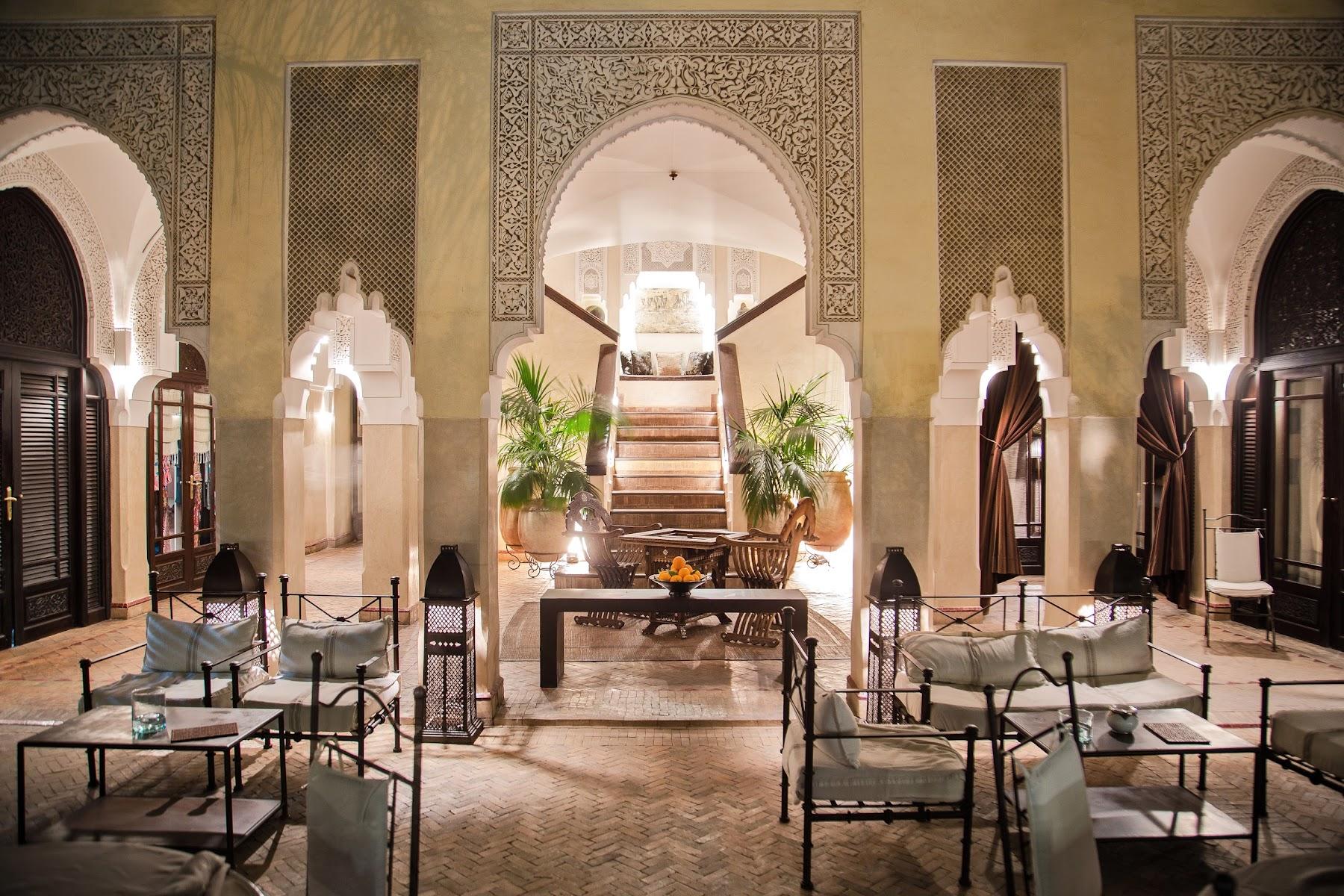
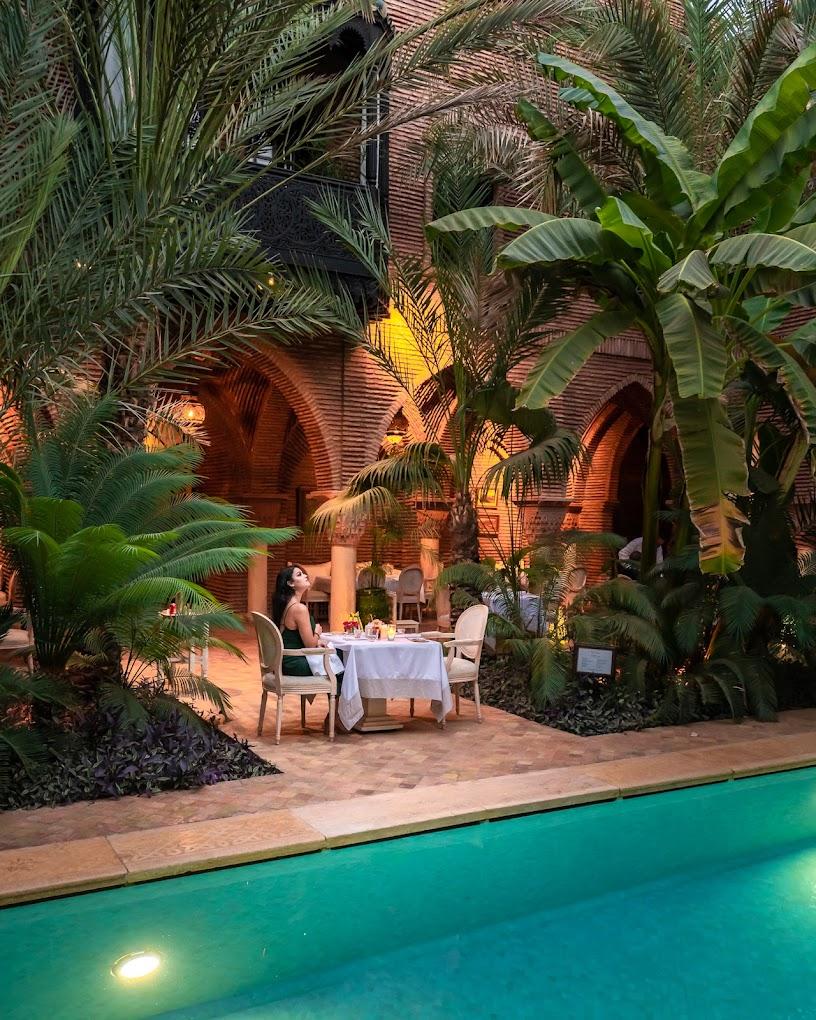
The medina, the first time, without hesitation. The whole idea of the riad, a blank wall on a silent alley that opens onto a courtyard with a lemon tree and the sky sitting on top of it, is the thing you came for, and postponing it makes very little sense. What will shape your days is not the medina itself but how deep inside it you have chosen to sleep. Five minutes from Jemaa el-Fna means taxis, landmarks, dinners that end late without a thought. Fifteen minutes of unnamed derbs means finding your way home by instinct every night, and a first arrival on foot with your bags, because no car goes there. Outside the walls the logic reverses: Hivernage, all wide avenues, hotels and gardens, is the easiest version of the city to inhabit, with a car under the window and a taxi at any hour, and it is the right answer when you are coming back for the second or third time, travelling for work, or travelling with people who would rather not walk fifteen minutes to dinner. We have gone into all of it in how to choose a riad and in which quarter suits which trip.
Airport transfer
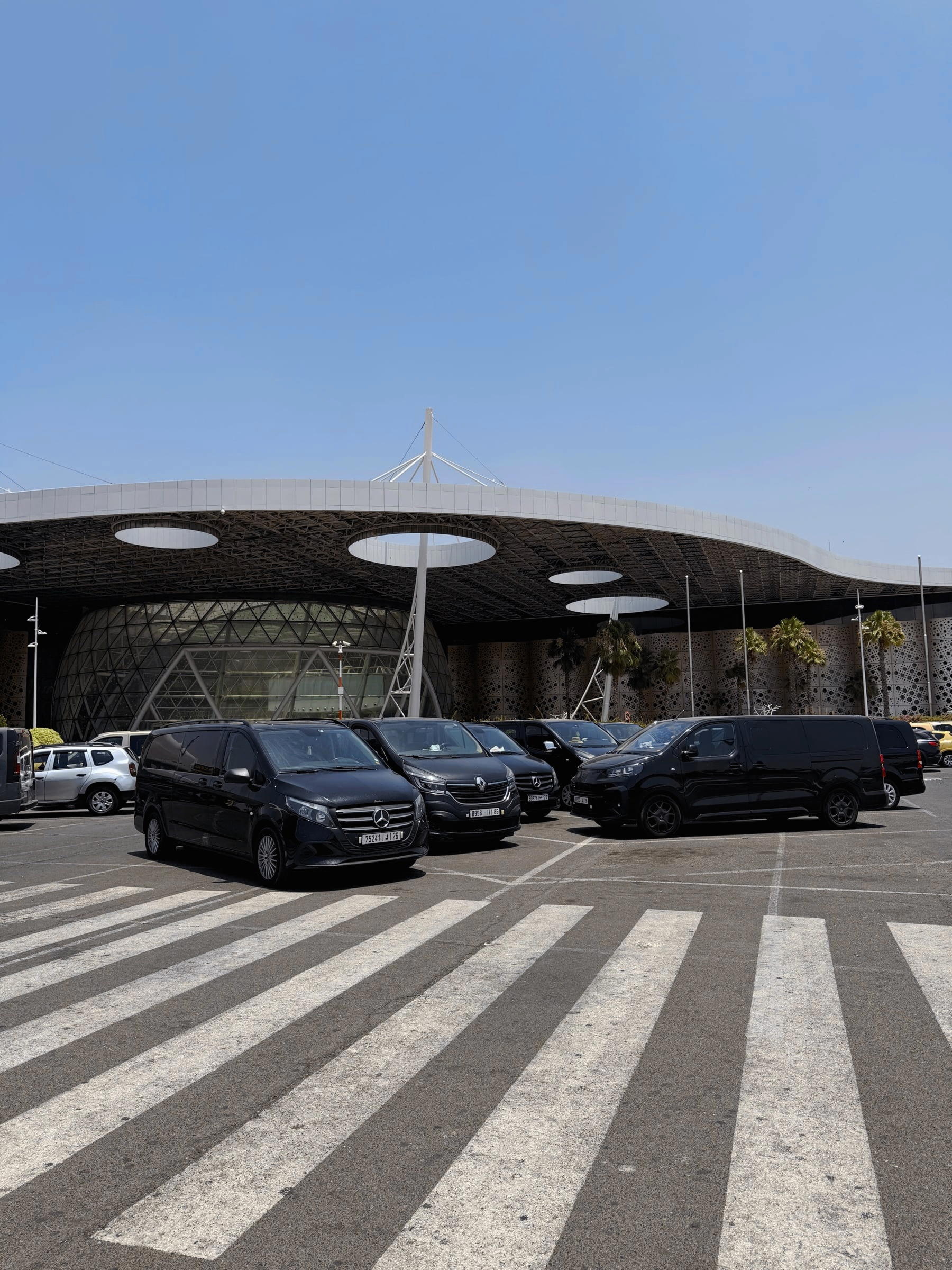
Ask the riad to organise it when you book, particularly if it is your first time. They send someone to meet you at an agreed point and walk you in with your luggage, which is exactly the moment of the trip you do not want to improvise, at night, in a lane your driver has never entered. If you already know the city, a taxi is perfectly fine, and there is now a dedicated booth outside the terminal where you book and pay the fare upfront, card accepted, and they hand you a ticket with a number. A private driver is the third option and the one that makes sense if you are several, or arriving late, or heading straight out to the valleys. The rest of it is in how to get around Marrakech.
How to move in the medina
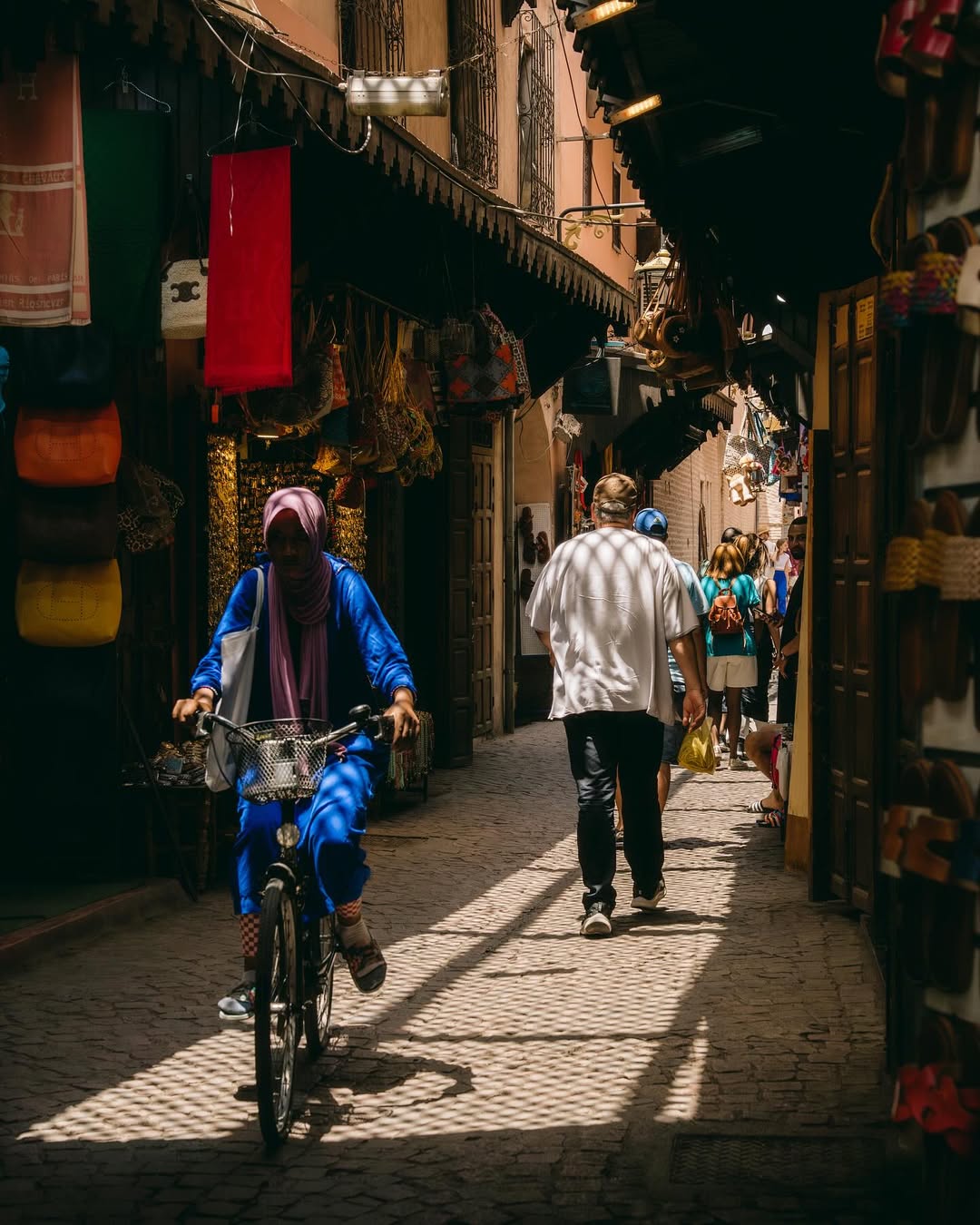
On foot, and it is the best thing about it. Cars do not enter the medina, which is built as a system of arteries narrowing into passages and passages narrowing into the dead-end derbs that belong to a single cluster of families. A few things follow, and they are worth knowing in advance. A taxi leaves you at a gate, a bab, never at a door, and the last stretch is always walked. Distances are short and take longer than any map suggests, so add a quarter of an hour to everything. You will not be alone in the alley: scooters and bicycles come through at a speed that seems impossible for the width, and behind them, at the opposite tempo, a cart pulled by a donkey loaded with mint or with cement. The convention is that you step aside for all of them, and it becomes instinct by the second day. Shoes matter more than you would like, because the ground is uneven and often wet where the alleys have just been washed. And the light thins quickly after dark, which is the real reason to learn the way home in daylight.
Getting lost, and staying connected
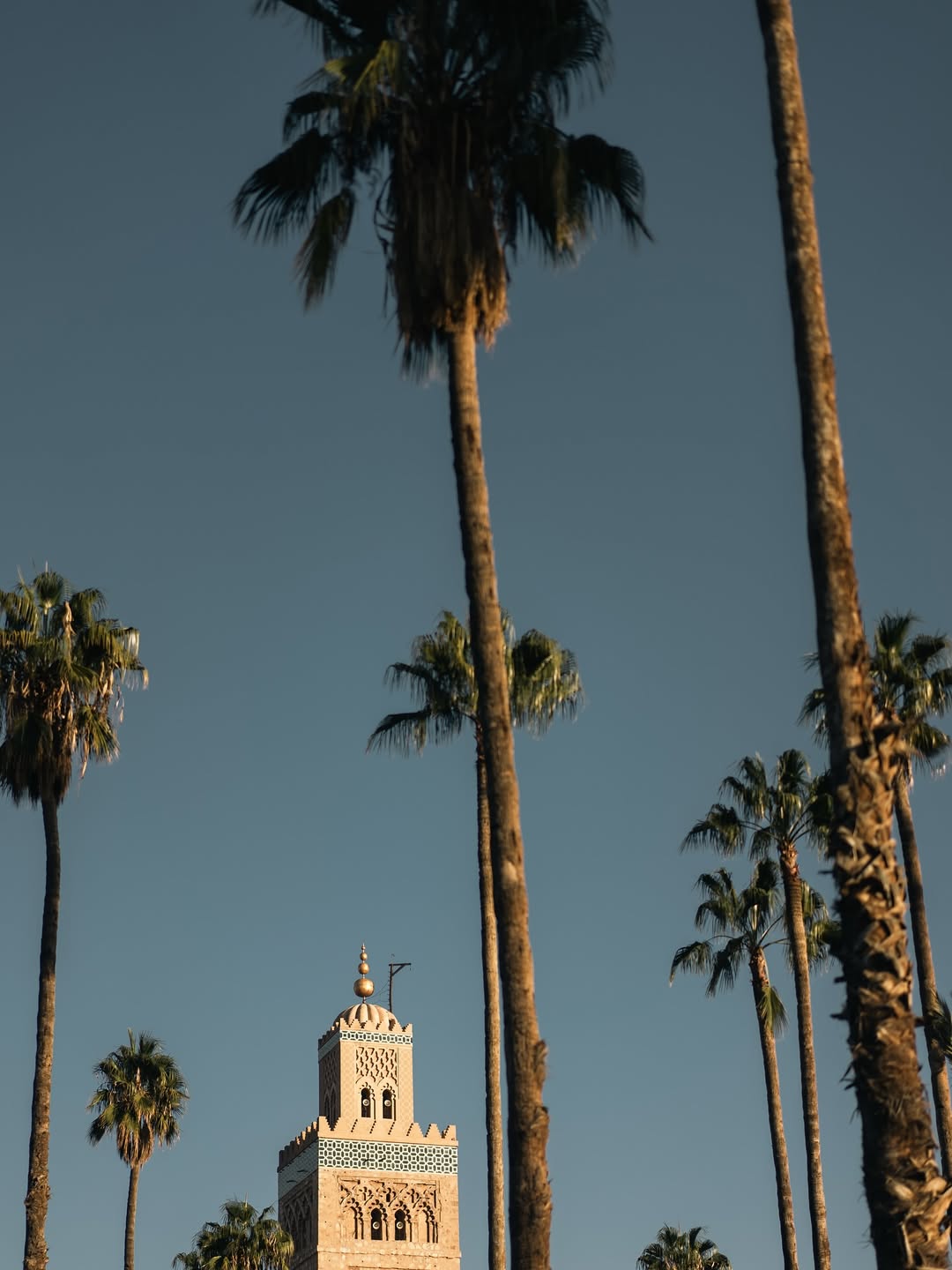
You will get lost, everyone does, and it is a phase rather than a problem. Under the roofing of the souks the signal drops away, and the alleys do not carry the names your phone is looking for, which is exactly why arriving with working mobile data matters more here than almost anywhere else, whether that is an eSIM bought before you fly or a local card picked up at the airport. It is the difference between an amusing hour and a long evening. On foot the rule is simply to keep going: the Koutoubia minaret rises above almost everything and Jemaa el-Fna pulls you back from wherever else you have ended up. And the map you build in your own head over two days, which passage leads where, which turn opens into which souk, which corner smells of mint at five o'clock, is the reason the fourth day feels nothing at all like the first.
Bargaining
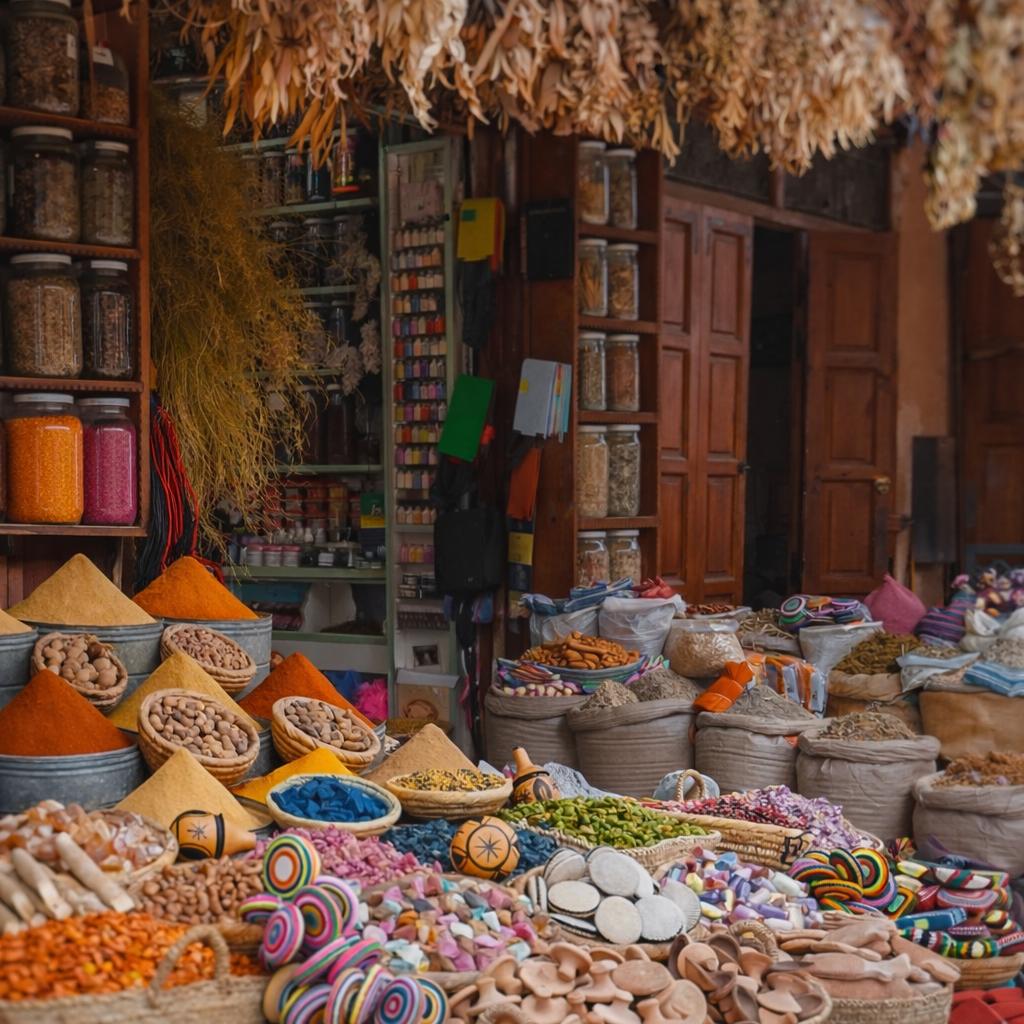
Expected, and much closer to a conversation than to a contest. The first price is an opening line rather than an insult: start somewhere around a third, stay friendly, meet in the middle, and remember that walking away is a perfectly good move and frequently the one that settles it. Two rules hold everywhere. The first is that fixed-price shops exist, they are clearly marked, and they are generally the more contemporary boutiques, the design studios and the concept stores, where the price on the label is the price and haggling is simply bad manners. The second is that you never bargain for something you have no intention of buying, because here the price is a dialogue, and opening one only to let it fall is the single genuine discourtesy.
Unsolicited help
When you have not asked for it, it is nearly always a transaction. The man who tells you the souk ahead is closed today, that the festival is happening in the other direction, that he knows a workshop just here, is working, and the bill arrives at the end of the detour. If you decide to accept the help anyway, go in knowing both halves of it: you may well end up somewhere you never intended to go, and even if you arrive exactly where you wanted, a tip is owed at the door. That is the deal, and it is fair enough once you know it is a deal. A warm, firm "la, shukran" closes it otherwise, and licensed guides carry a card and are pleased to show it. What you should not do is let this harden into suspicion of everyone, because the pressure is concentrated in a handful of very touristic corners, and the overwhelming majority of the people you will meet here are selling you nothing whatsoever.
Cash vs card
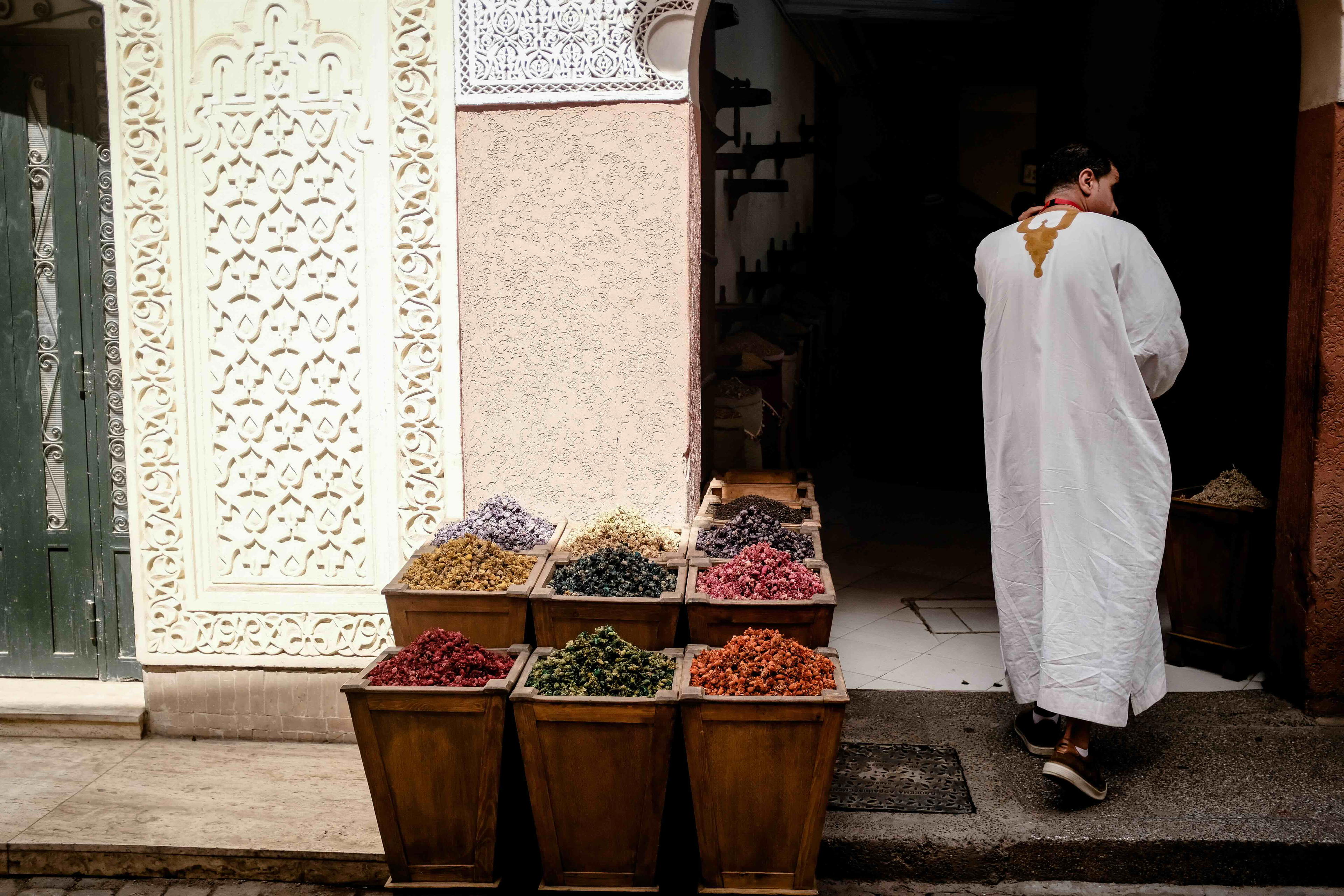
Enough of it that you never find yourself hunting for an ATM, and in small notes. Inside the medina cash is the working currency and always has been: the souk stalls, the hammams, the little cafés with four tables, the taxis. Cards are fine across Guéliz and in the hotels, and the further into the alleys you go the faster that stops being true. The ten and twenty dirham notes are the ones that disappear from your pocket all day, for tips and for the small things, so keep them coming. Rates, machines and how much to leave are all laid out in our Marrakech travel tips.
Water and ice
Bottled water, always. Ice is the more nuanced question: in the contemporary restaurants and the hotels it is made with filtered water and there is nothing to think about, while at a stall or a small café where you cannot see where it came from, skip it. It is the one line on this page that costs you two days of your holiday if you ignore it, and bottled water is cheap and sold on every corner.

Alcohol
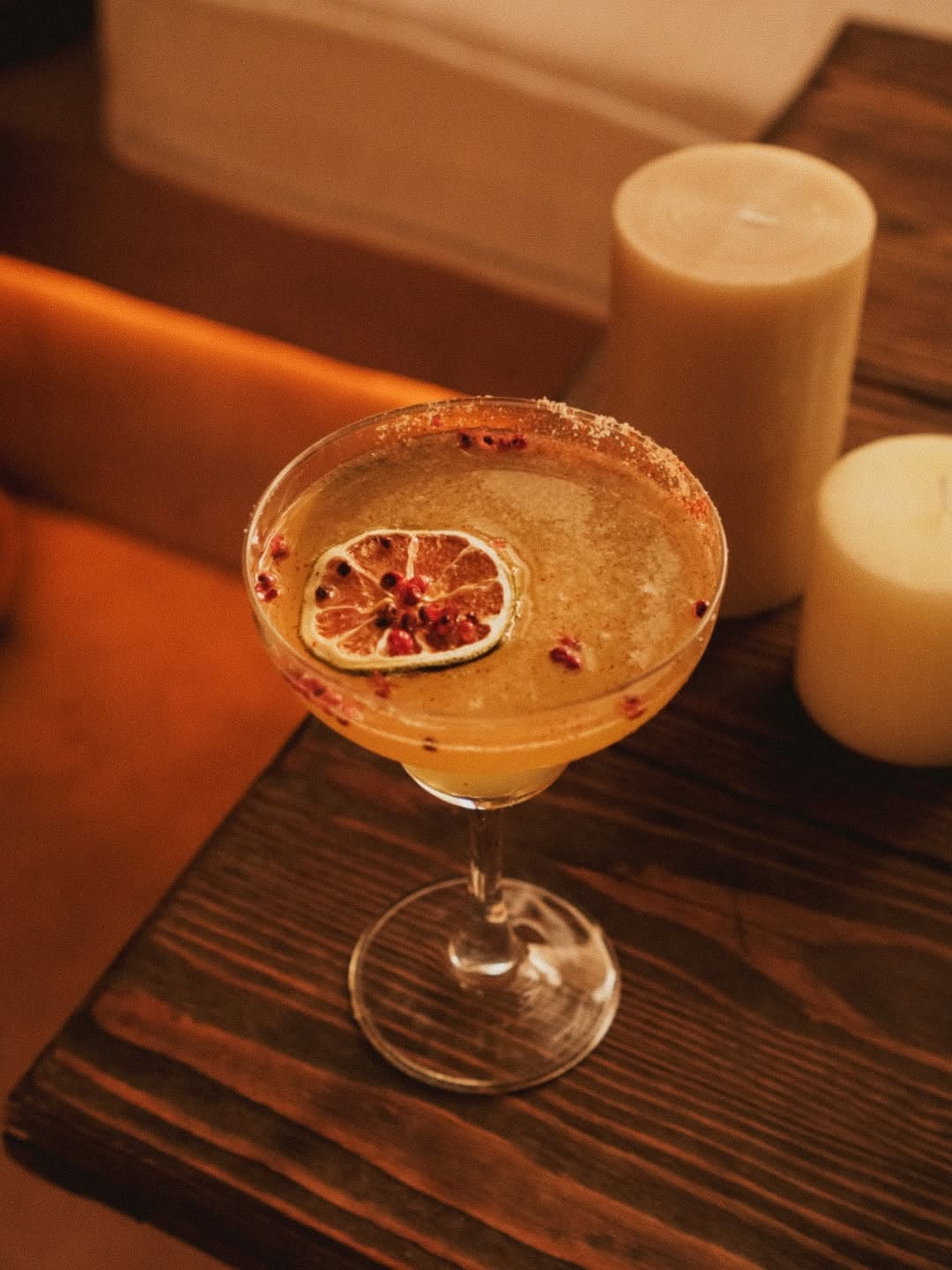
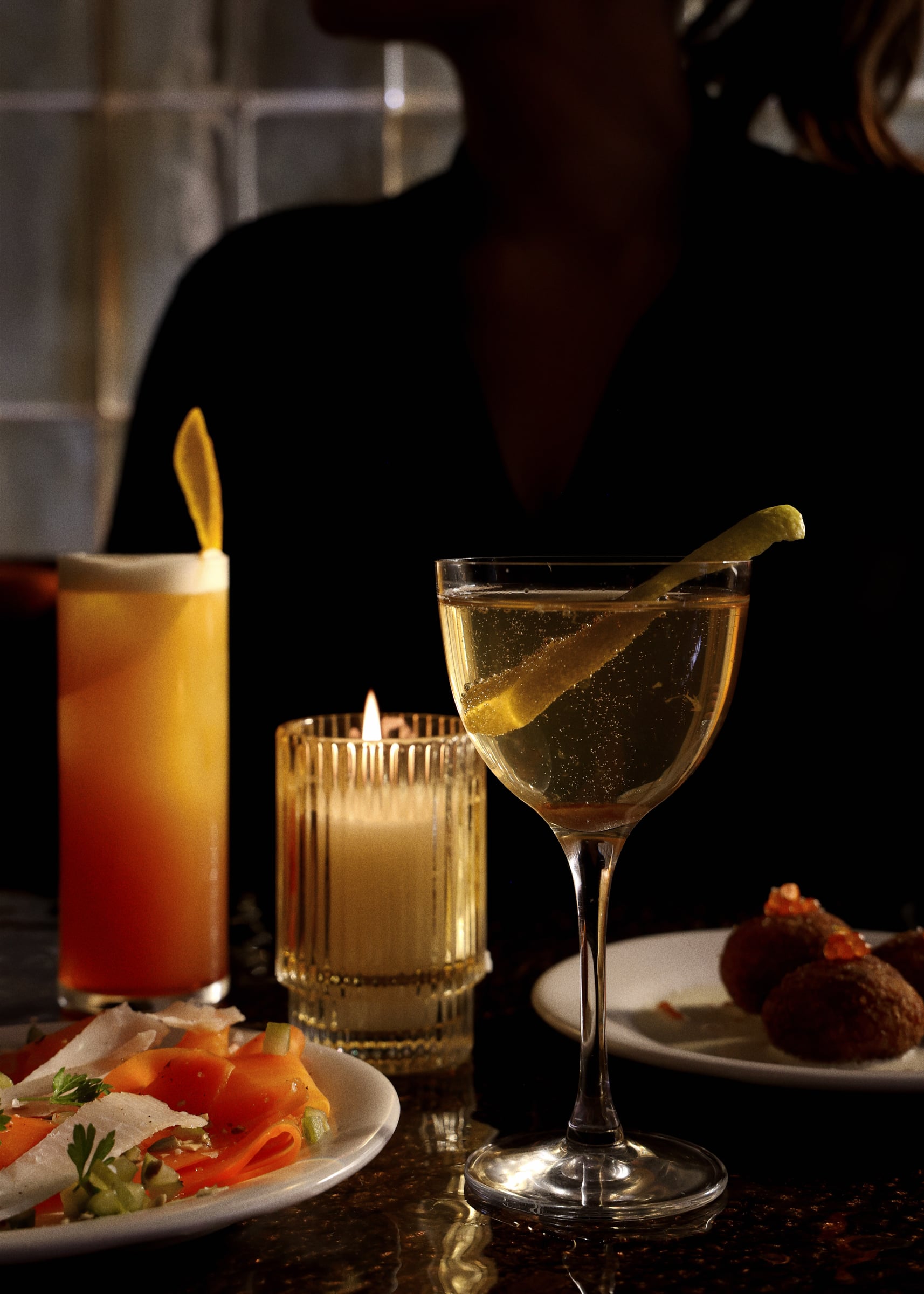
Restaurants here divide in two, and the division is a licence. Of the restaurants in our guide, roughly one in four does not serve alcohol, and the proportion rises sharply inside the medina and among the smaller traditional houses. It says nothing about the quality of the table and everything about the paperwork, which is why the only rule is to check before you book rather than at the moment you sit down.
Fridays
The city keeps its own rhythm on Fridays. Around midday prayer parts of the medina quieten and a number of shops close for a couple of hours, and what you get in exchange is the best meal of the week. Friday couscous is an institution here, cooked at home, shared slowly, and taken seriously by a handful of tables in the city. Keep the morning loose and book the lunch properly.
Dress code and manners
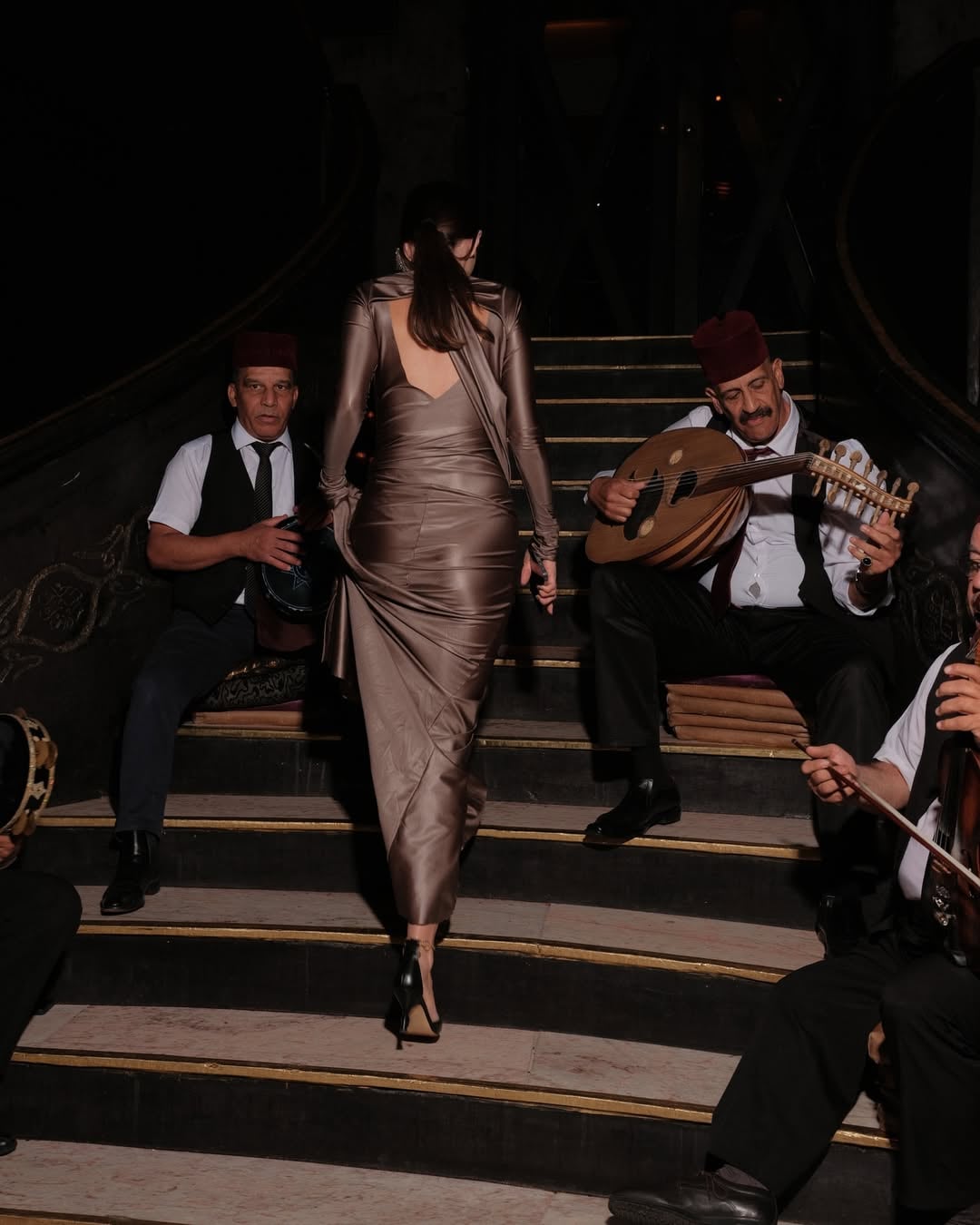
Marrakech has grown used to how Europeans dress, and on the same stretch of pavement you will see a woman in a djellaba and a woman in shorts without either of them attracting a second look. So this is not a rule, it is advice, and it is ours: keep to decorum and respect in the medina during the day, shoulders and knees covered, light fabrics, a scarf that will earn its place in the bag all year. Less attention, fewer conversations you did not start, and a noticeable difference in the way the city answers you. In the evening, at the contemporary restaurants, the register changes entirely and you will find the most stylish people in the city sitting at those tables. Photographs follow the same courtesy. Things, freely. People, only once you have asked, and in the most photographed places a yes may arrive with a small request attached. Inside mosques, never. The tanneries are best seen from the terraces of the leather shops above, which will happily trade you the view for a look through what they have made.
Beyond the medina
Three days, all of them inside the walls, and home with the idea that Marrakech is the medina. It is the most common mistake visitors make here, and it is worth naming, because the medina is not the city, it is one of its registers. There are several others, and they sit within twenty minutes of each other.
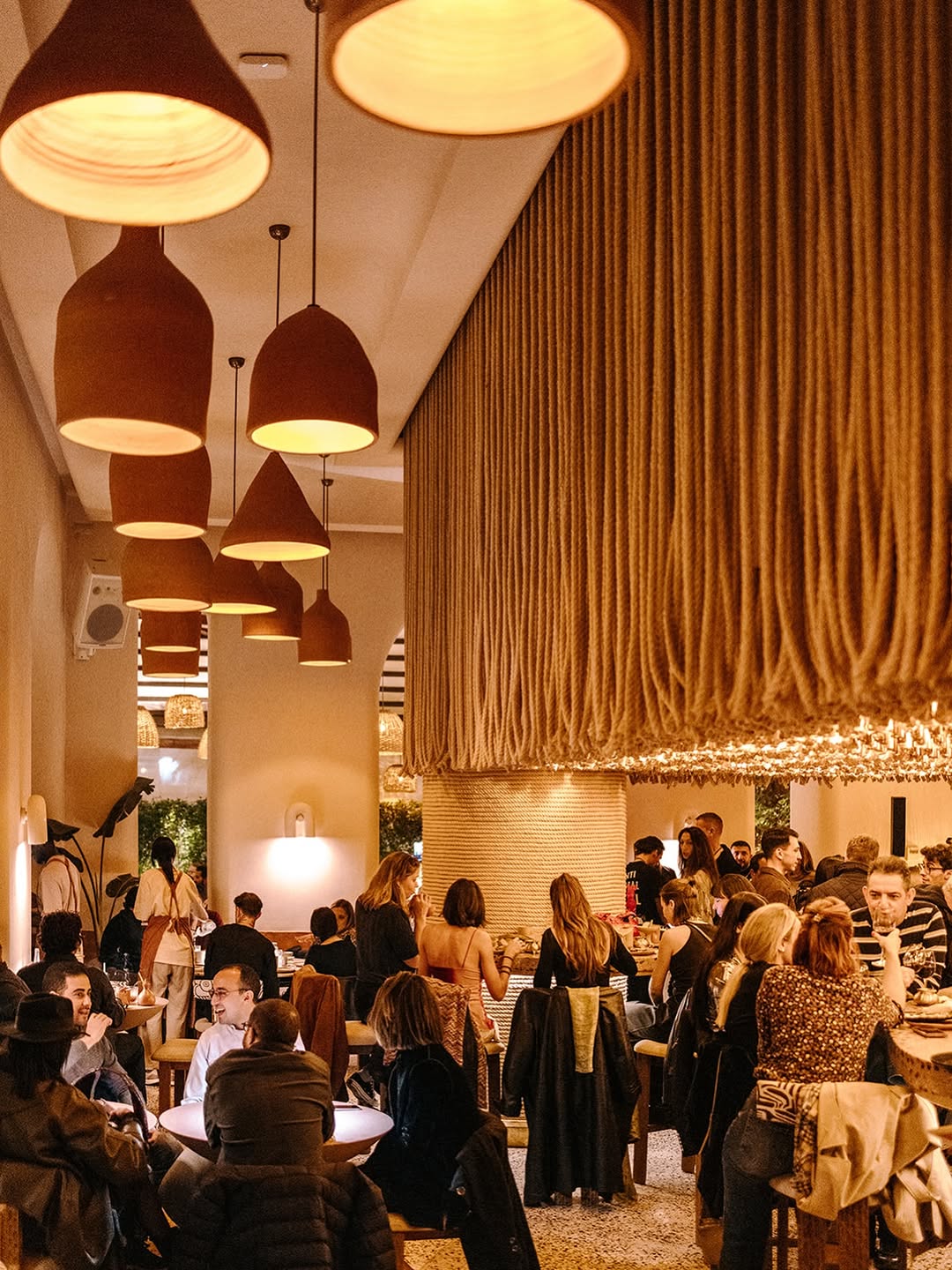
Guéliz, laid out by the French in the 1920s along wide straight avenues, is where the contemporary restaurants, the galleries and the concept stores are, and where people who live here spend an ordinary Tuesday. Hivernage is gardens, hotels and the long evenings, quiet at four in the afternoon and full at midnight. Sidi Ghanem is the old industrial zone turned design district, where Moroccan craft works in a studio rather than behind a stall. The Palmeraie, twenty minutes north, is the same city at another speed, dust and palms and long walls with the estates behind them.
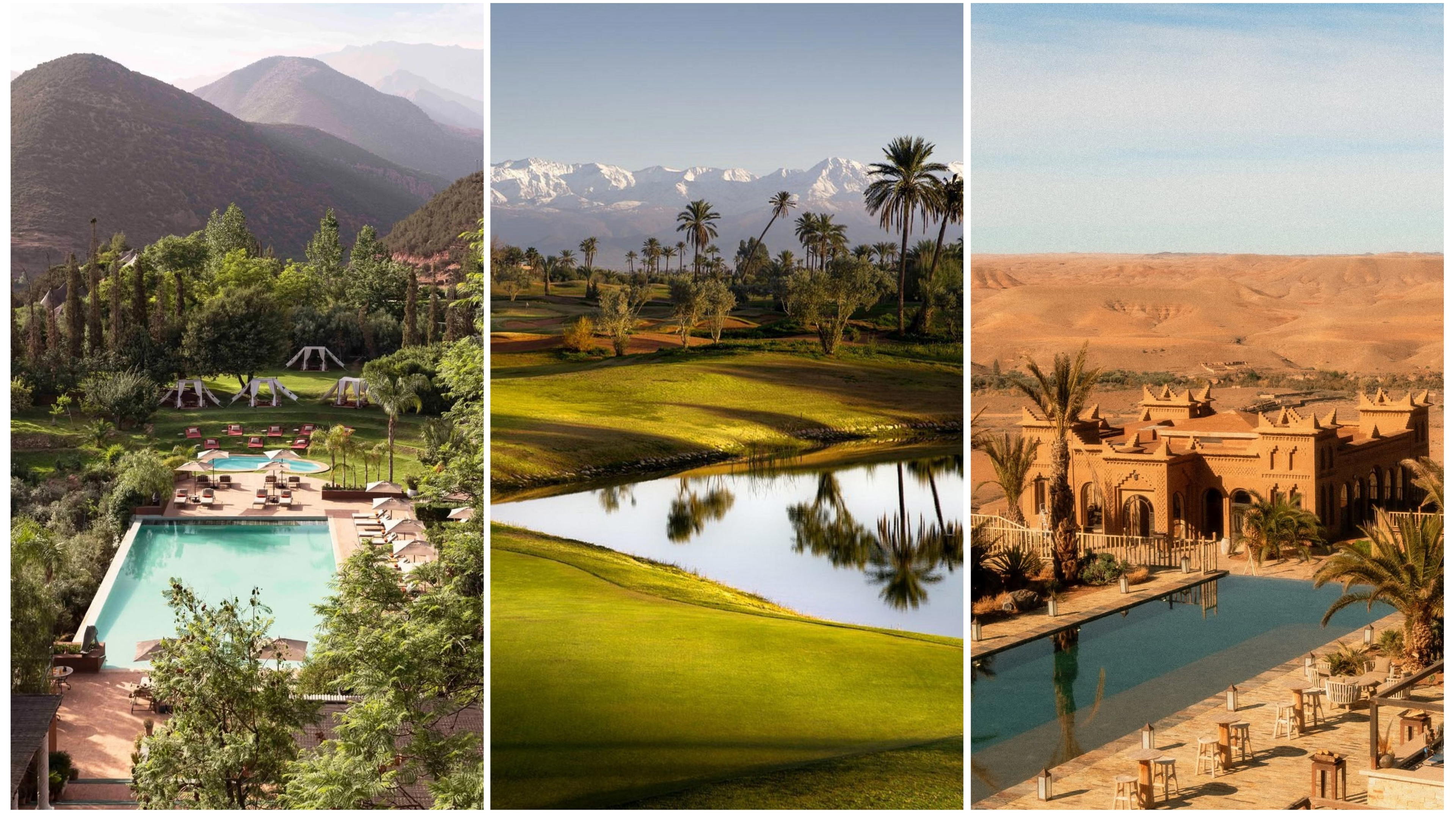
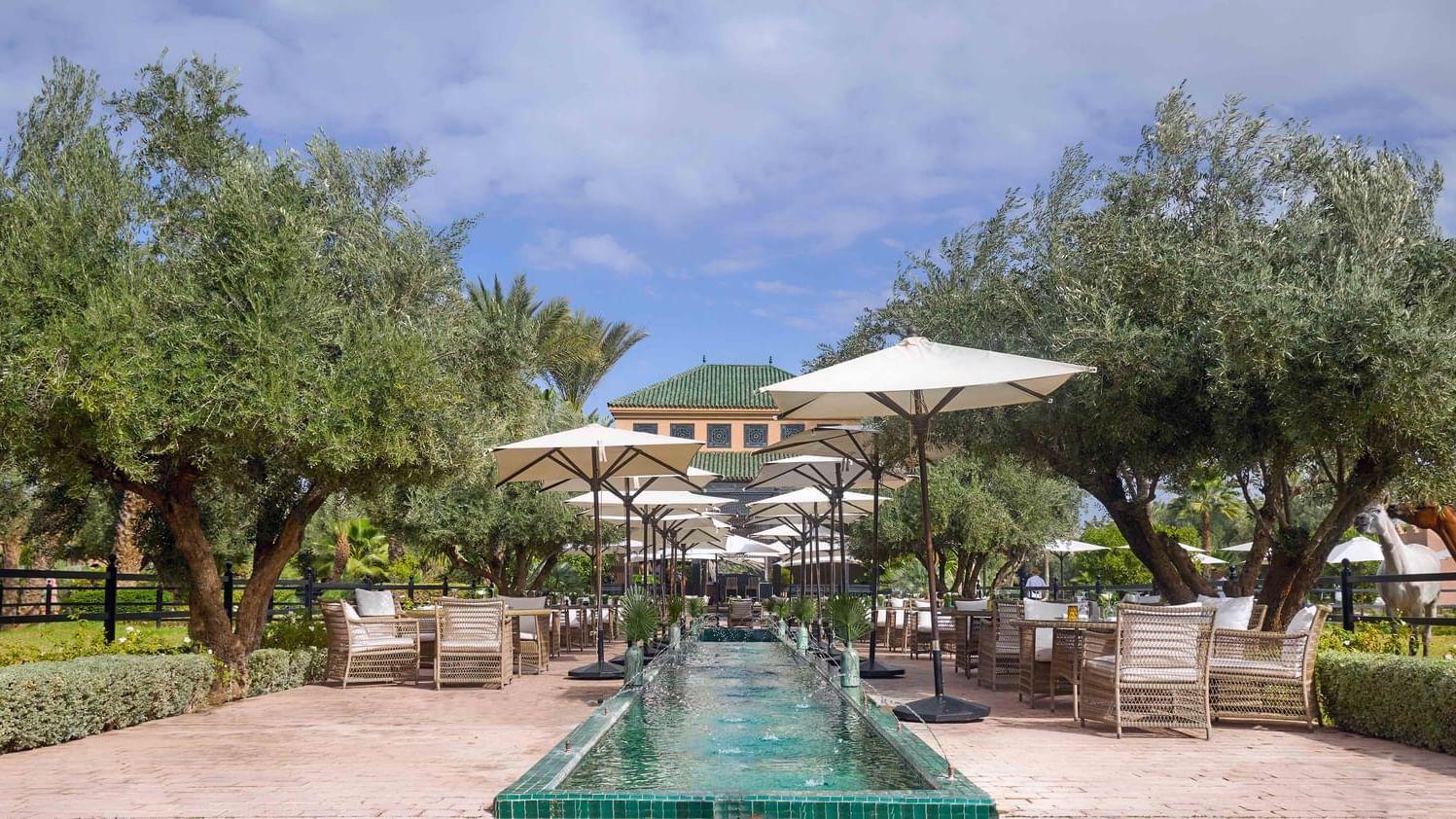
And then there is the part almost nobody expects, which is that this city of one million people holds a concentration of hotels that Rome, for all its grand hotels, cannot match at the moment. Amanjena and the Oberoi on the Route de Ouarzazate, the Mandarin Oriental at Al Maaden, Selman with its Arabian horses on the Route d'Amizmiz, the Four Seasons in Hivernage, and inside the walls La Mamounia and the Royal Mansour. Alongside them, and often more interesting, the houses that are not chains at all: Farasha Farmhouse in its olive grove, Beldi Country Club and its rose gardens. We have set all of it out in where to stay in Marrakech. Staying in the medina is the right choice on a first trip. Never leaving it is a different decision, and one worth making on purpose.
Beyond Marrakech
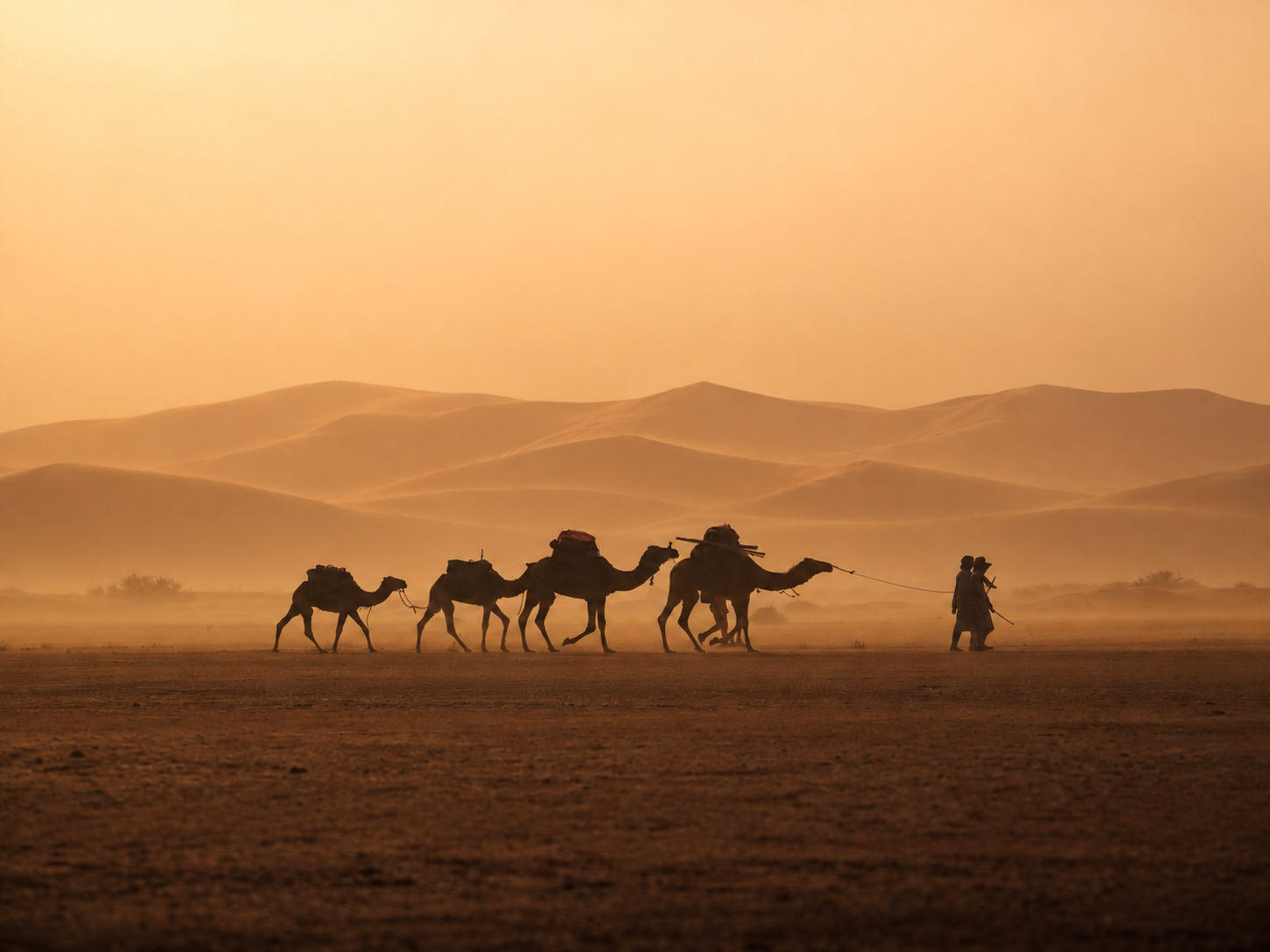
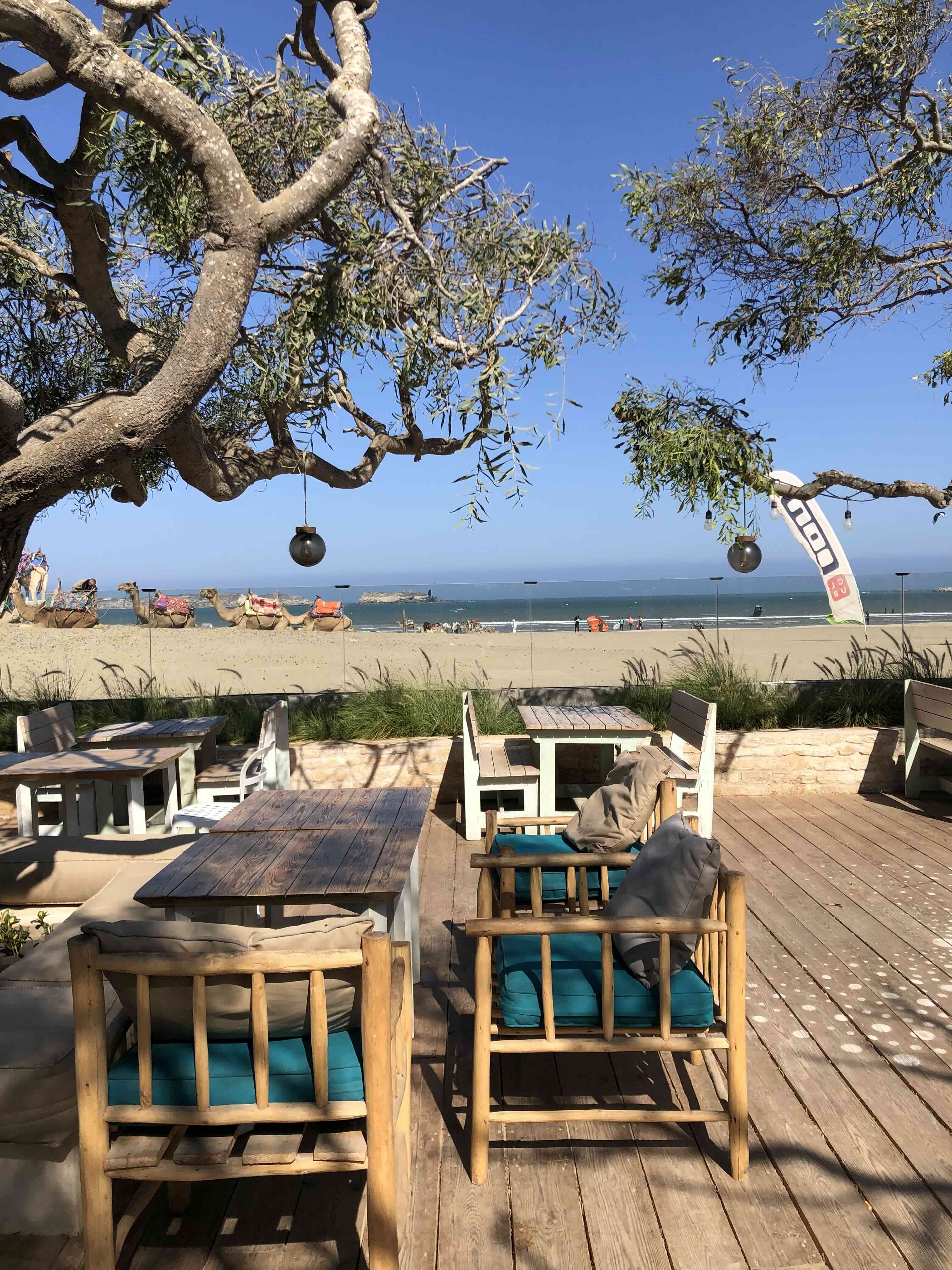
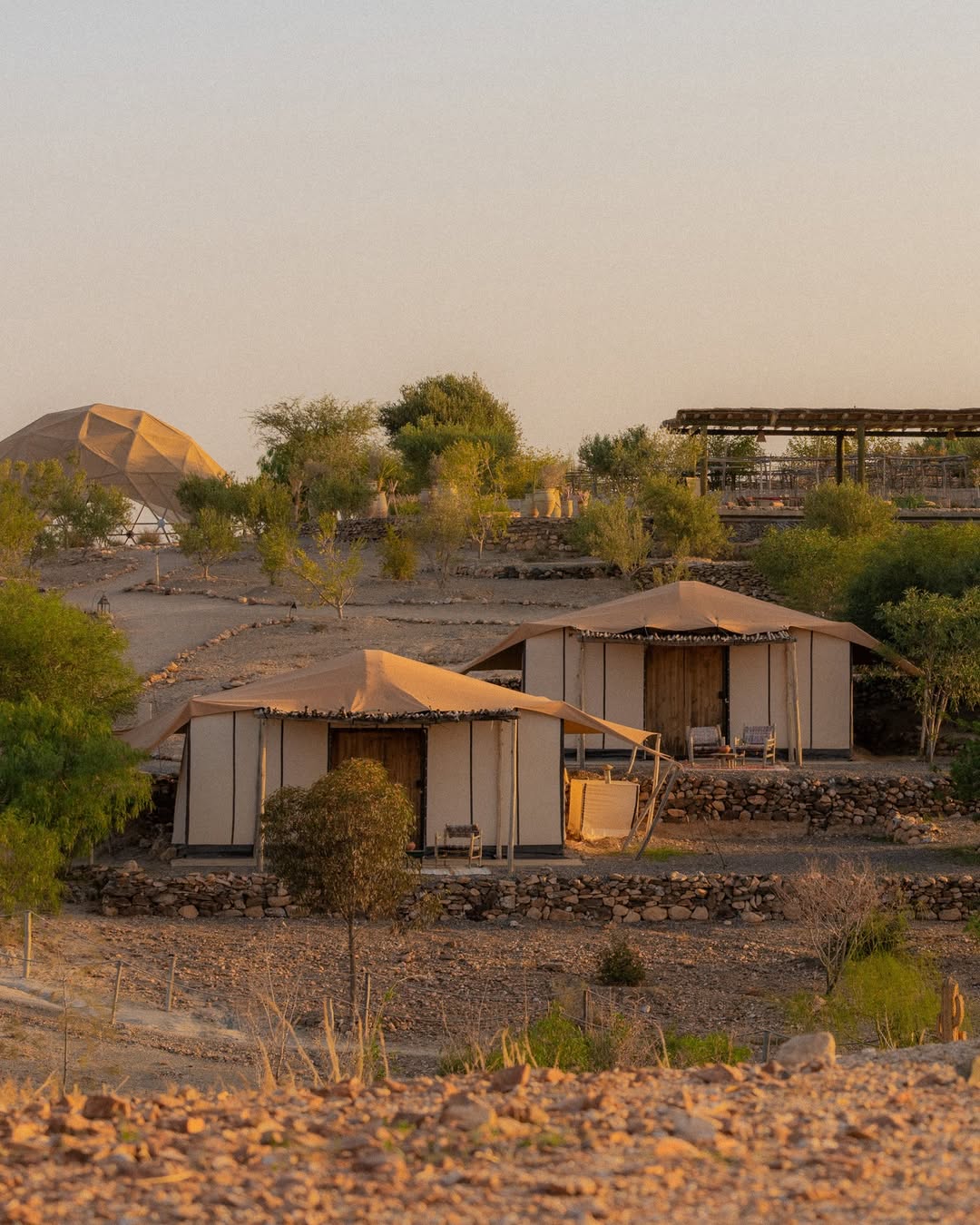
Worth it, and the part of the trip people cut first and regret last. The Agafay, forty minutes from the walls, is stone desert and silence and the best sunset within reach of the city. The Ourika climbs into the Atlas with water running through it, which in August is a different climate rather than a different valley, and it is where Kasbah Tamadot and Olinto Atlas Mountain Retreat sit, high enough that the temperature is an argument in itself. Essaouira is the Atlantic, wind, blue boats and grilled fish, and it works as a long day or better with a night. None of them asks for more than a driver and an early start, and we have gathered them in day trips and escapes from Marrakech.
Marrakech rewards the people who prepare and forgives almost everything else. The practical weight of arriving dissolves inside the first day, and what stays with you afterwards is the cumin drifting out of a stall you will never find again, the weight of a copper tray in both hands, and the derb that opens without any warning onto a courtyard that has no business fitting where it does.
You may also like…