CITY
Gueliz, Marrakech: The Modern City That Was Always Here
Built to stand apart from the medina, Gueliz has spent a century becoming its complement. The story of Marrakech's ville nouvelle is more complicated, and more interesting, than it first appears.
Timence Guide Editors · 12 April 2026
The first thing you notice walking from the medina into Gueliz is the width of the street. Boulevard Mohammed V opens where the alleys close, and the transition is physical before it is atmospheric: your shoulders drop, your stride lengthens, something in the geometry of the space allows a different posture. This is not accidental. The boulevard was designed precisely for this effect, by planners who understood that the new city they were building needed to feel like a release from the one they were leaving alone.
Gueliz was laid out in 1913, commissioned by the French colonial administrator Marshal Lyautey and drawn by the officers charged with the first administrative organisation of the city, with a brief that was, by the standards of the time, unusually respectful of what already existed. Lyautey's principle, contested but consistently applied, was that the French city should be built beside the Moroccan one, not over it. Gueliz would be the ville nouvelle: the modern quarter, the European quarter, laid out on a grid with wide avenues and a logic entirely unlike the medina's organic density. The name, most accounts agree, derives from the French word for church, a reference to the Catholic church built near its center. A European district with a European name, planted a careful distance from the walls of a city that had been there for eight centuries.
The Grid Came First
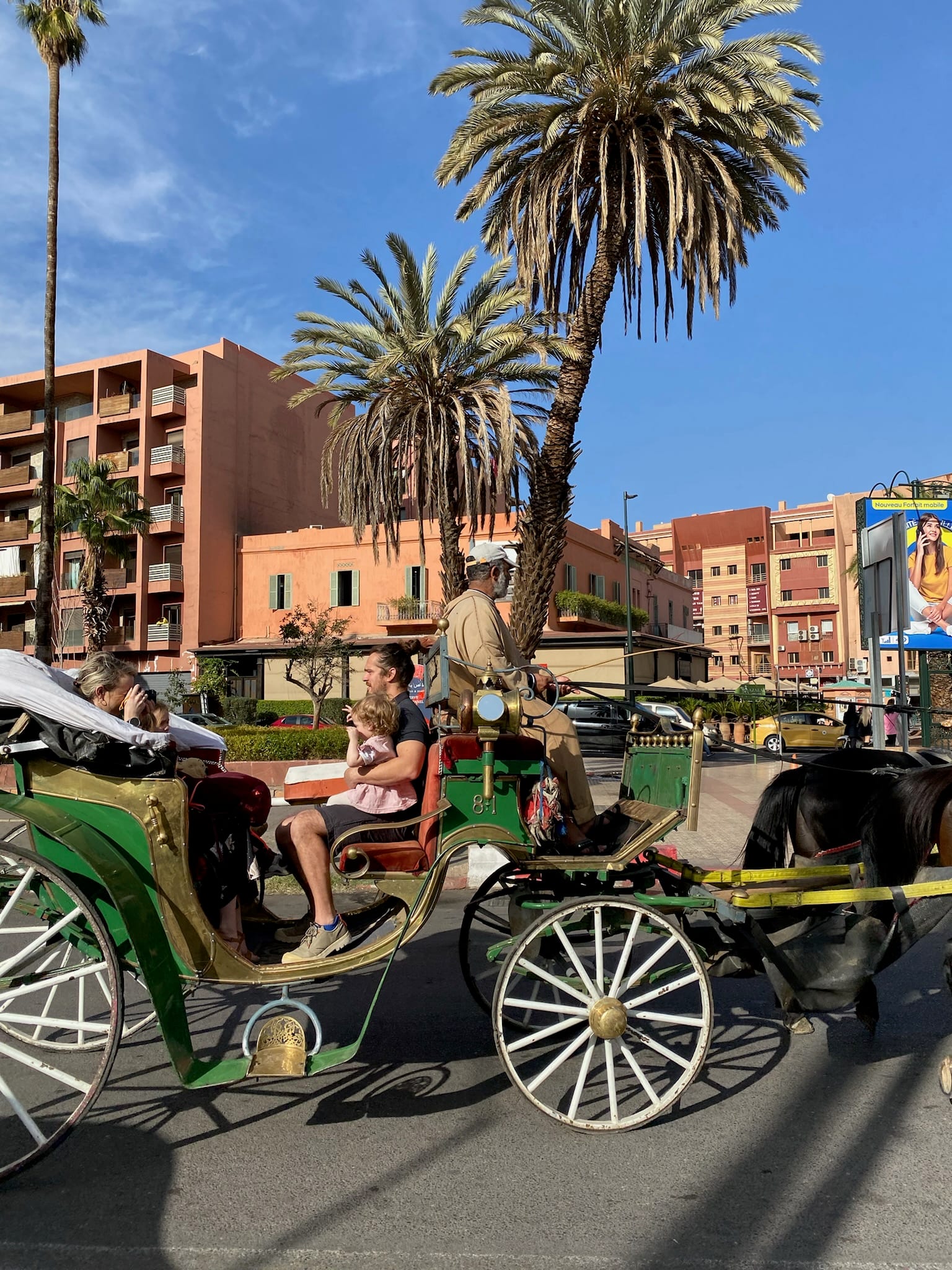
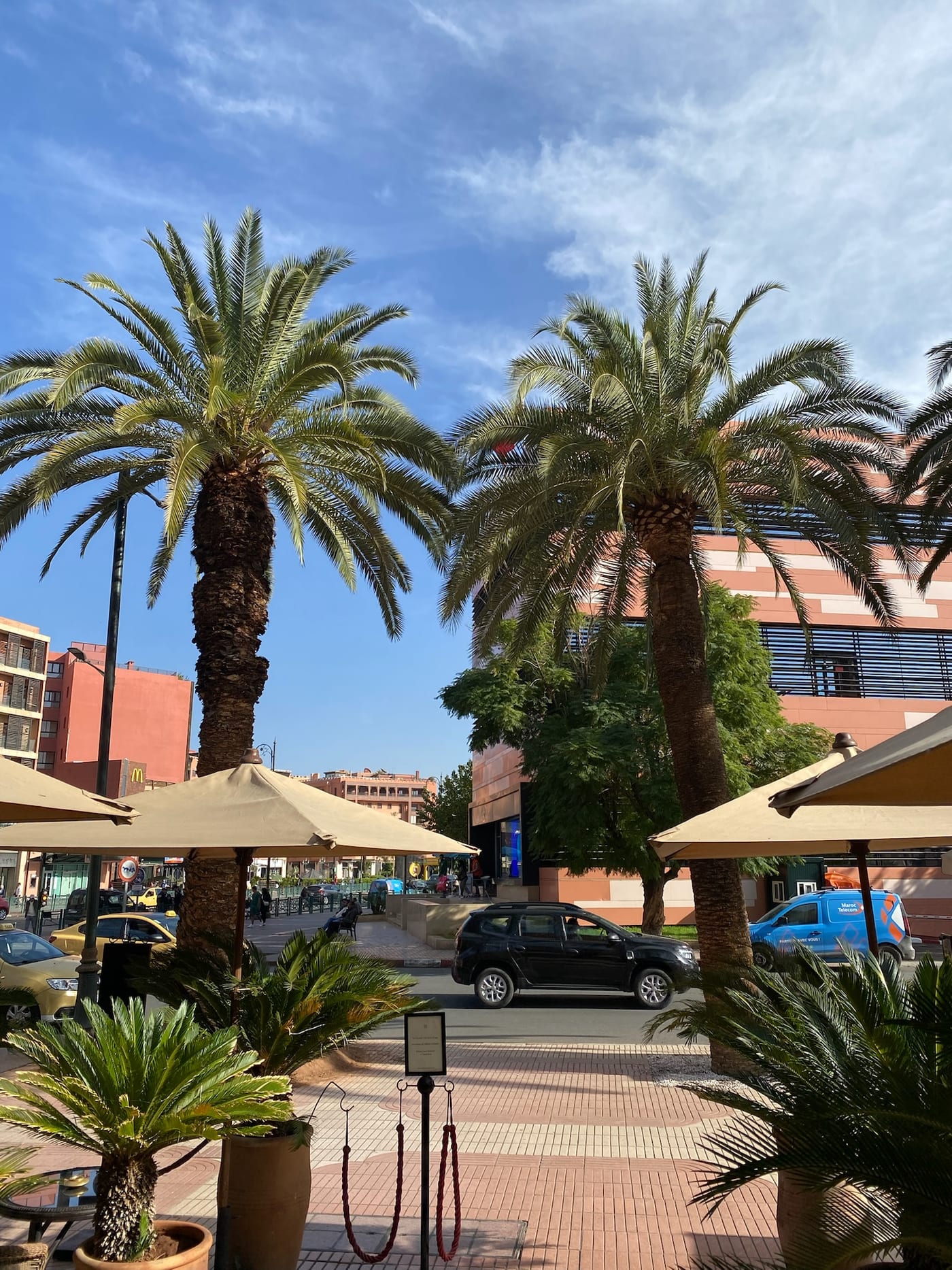
The quarter went up quickly, and it went up in the right order. Within the year the streets and avenues had been drawn and planted with trees, the sewers laid, drinking water and electricity brought in, and the first lots sold to private buyers, all of it before most of the buildings existed. One rule of those early years still governs the skyline: nothing in Gueliz was allowed to rise above three storeys, the height of a mature palm.
Gueliz shows the instincts of that first plan: long axial views, proportioned blocks, buildings set back behind planted margins, public space held at a scale that allows for shade trees to be part of the architecture rather than decoration. The Art Deco buildings that went up along the main avenues in the decades that followed were not in the original drawings, but they fit the logic: a European commercial city with its own aesthetic grammar, functioning in parallel with the medina rather than competing with it.
Henri Prost, the architect whose name is usually attached to the ville nouvelle, was not yet in the country. Lyautey invited him to Morocco in 1913, he arrived in April 1914, and in that same year he created the special service for architecture and town plans. His first work went to Casablanca and Rabat. He turned to Marrakech only around 1920, and what he left in this city is associated with the plan for Hivernage and with the choice of where to place the Casino de Marrakech, not with the streets of Gueliz.
What the planners did not fully anticipate was how quickly Moroccan life would migrate into the grid they had drawn for Europeans. By mid-century Gueliz was not a European quarter with Moroccan neighbors; it was a mixed city in which the colonial premise had been absorbed, adapted, and turned to different purposes. The Art Deco buildings became Moroccan businesses. The wide avenues carried the same density of social life that the medina carried in narrower form. The cafes along the main boulevards developed the quality of the French cafe and the Moroccan qahwa simultaneously, producing a hybrid that belonged to neither tradition and drew from both.
The City's Contemporary Self
Gueliz today is the part of Marrakech that most clearly shows the city's relationship with the contemporary. Not international in the way that airports are international, but contemporary in the way that a city with living cultural ambitions is contemporary: paying attention to what is happening now, willing to show it in its storefronts and its restaurant menus and its gallery program.
The boutiques along Rue de la Liberte and the surrounding streets operate with a design consciousness that the medina's souk structure does not produce: fixed prices, curated ranges, spaces that have been thought about as spaces rather than as containers for merchandise. The fashion designers and product makers who have based themselves in Gueliz, particularly since the early 2000s, have used the ville nouvelle grid as the physical platform for a conversation about Moroccan craft and contemporary form that the medina cannot host in the same way. Their workshops and showrooms require the scale and the address logic that only the new town provides.
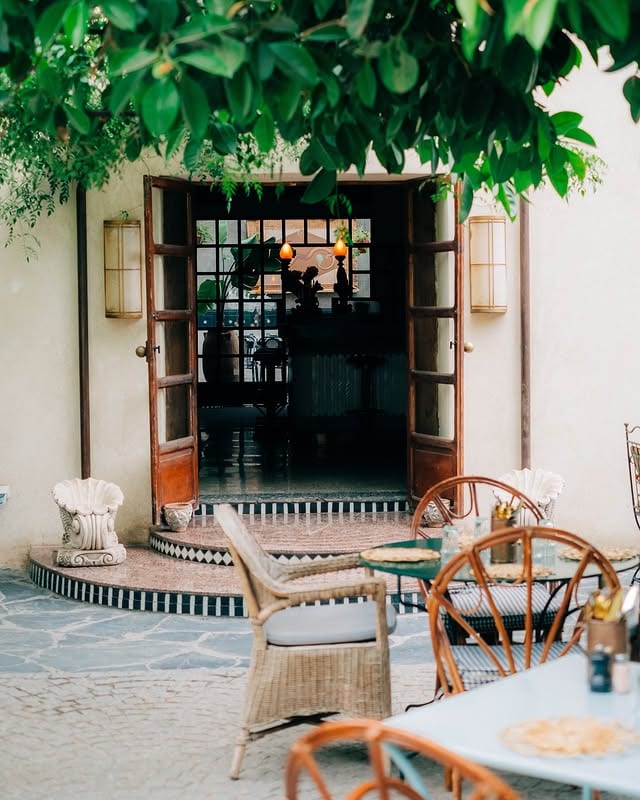
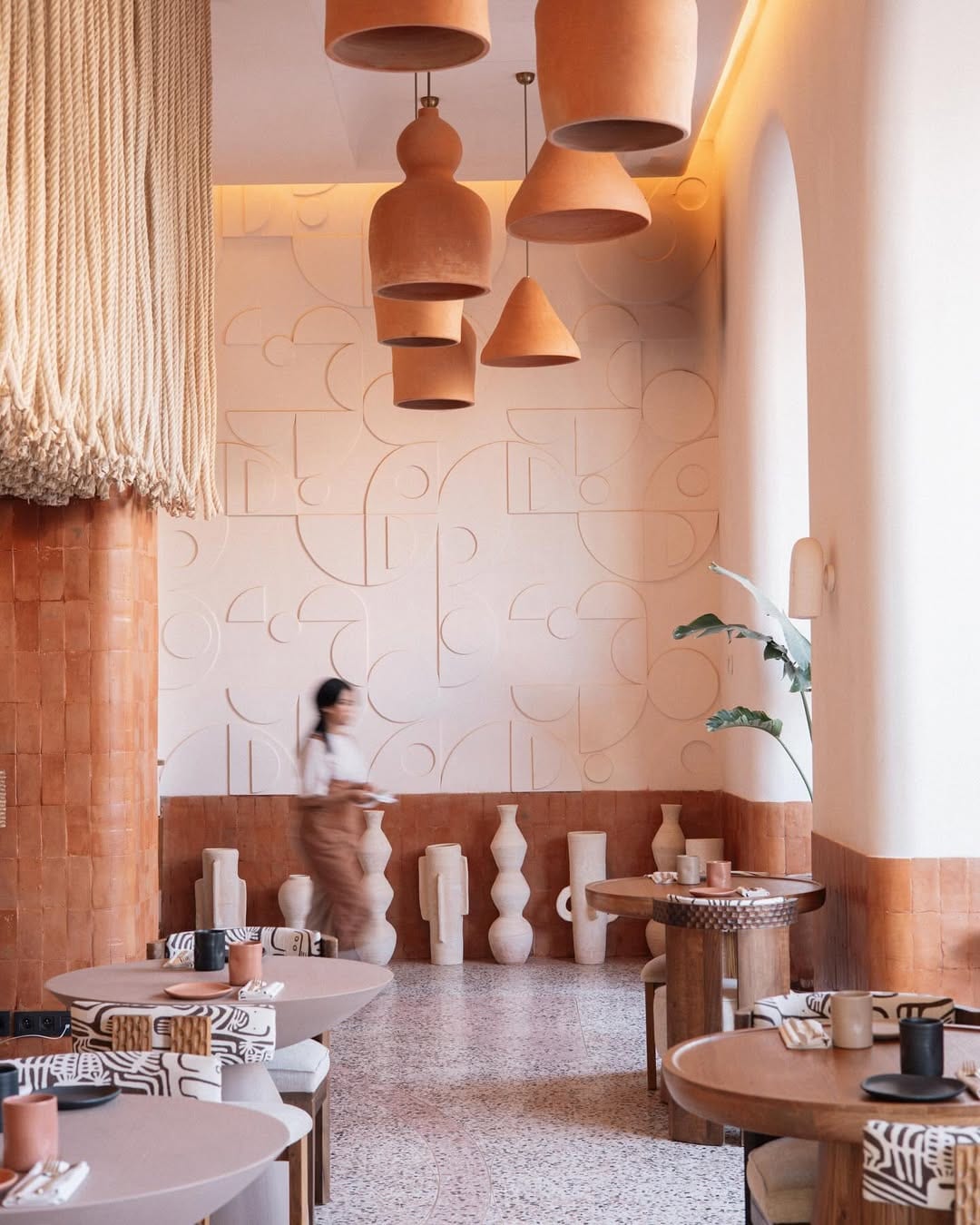
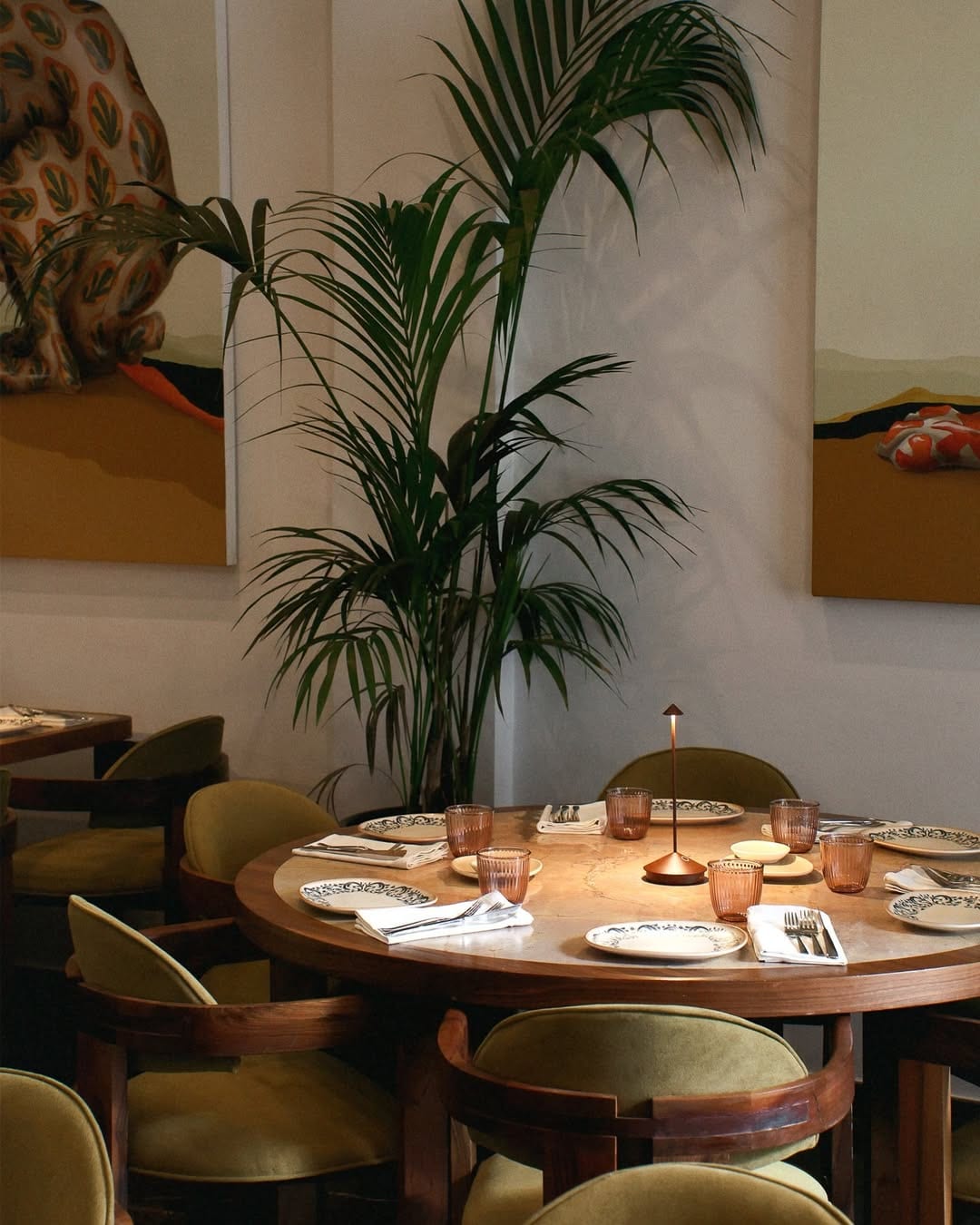
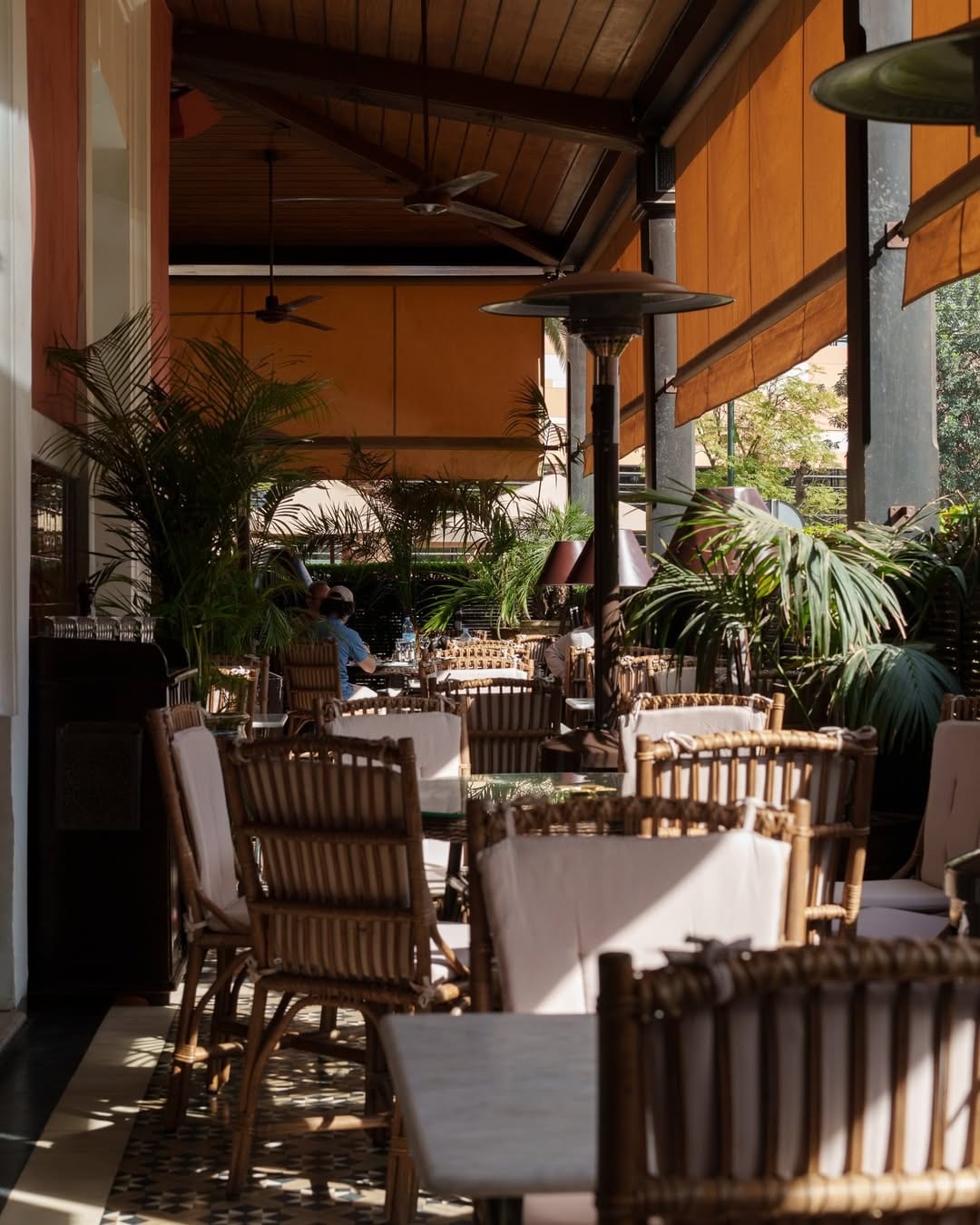
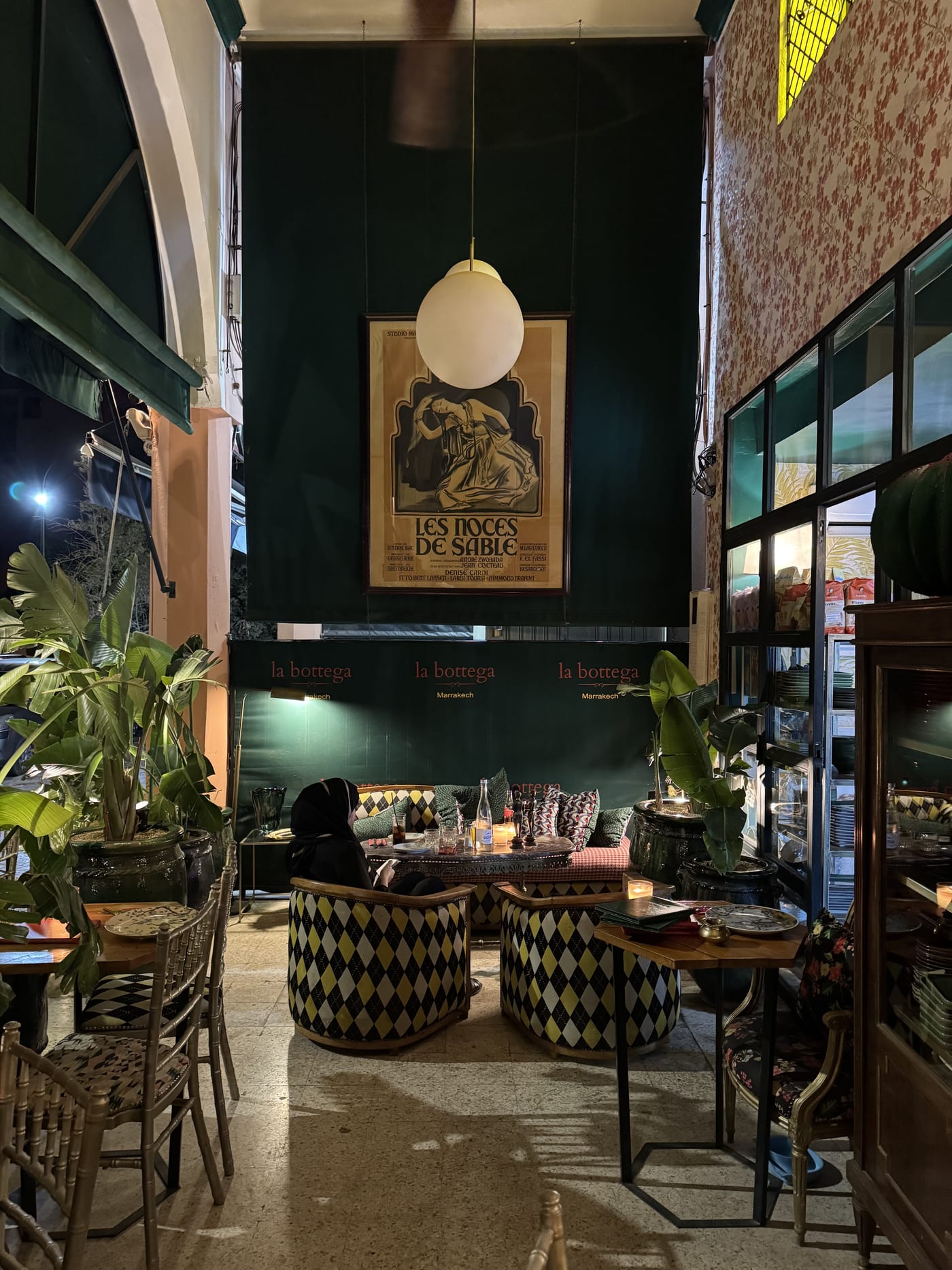
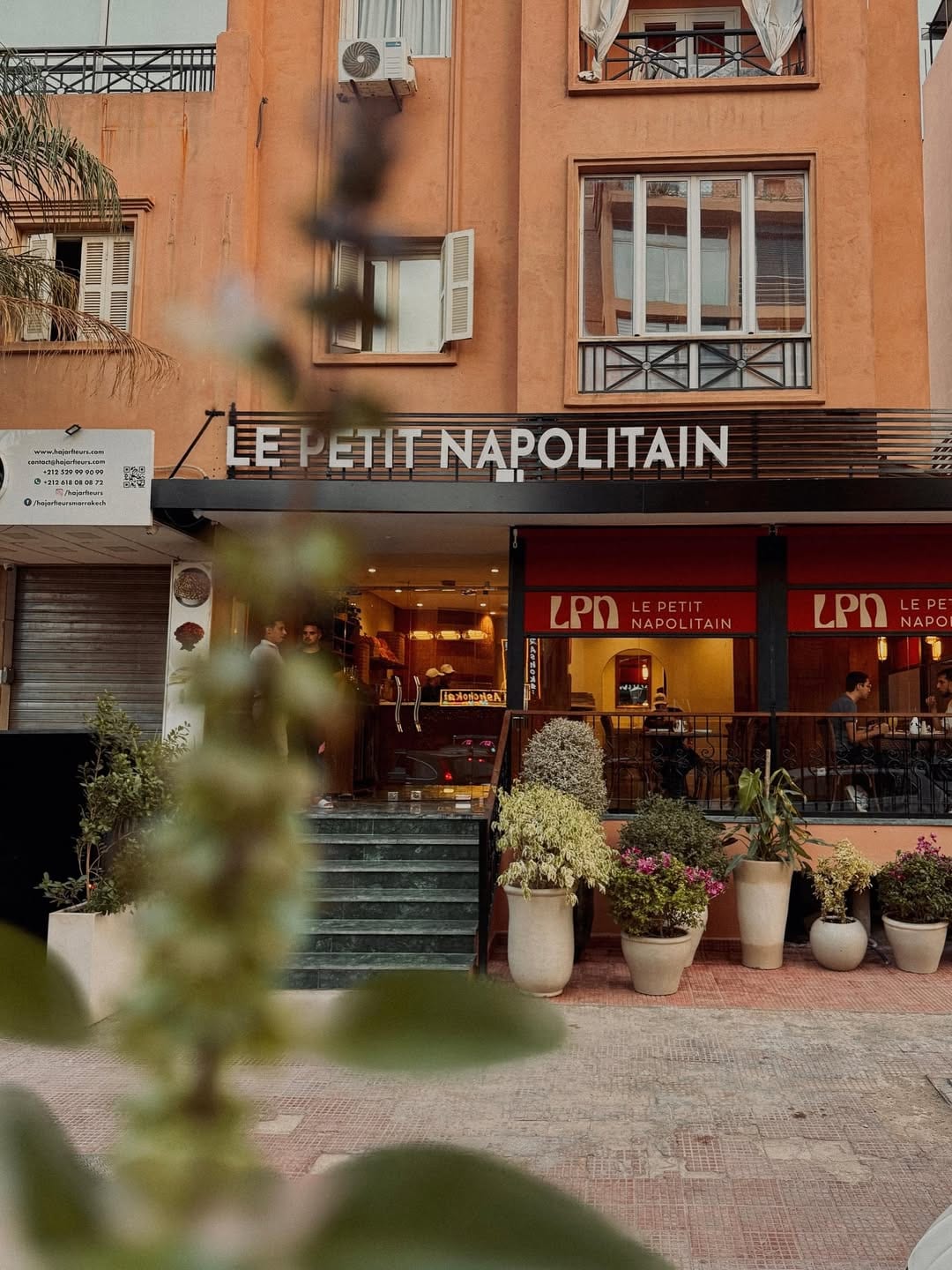
The restaurant culture of Gueliz runs at a different pitch than the medina's. Not more refined, not less distinctly Moroccan, but more openly in dialogue with what the city's cosmopolitan visitors and its own educated class are interested in eating and drinking. The terraces along the main boulevards, under the mature trees that the original grid has allowed a century to grow, produce one of the better urban pleasures Marrakech offers: the long slow lunch on a shaded pavement, at a table that understands what a good lunch takes.
Jardin Majorelle, and What It Tells You
Jardin Majorelle sits at the northern edge of Gueliz and is, in terms of visitor numbers, the most significant single destination in the neighbourhood. But its meaning for the district is subtler than its popularity suggests. Jacques Majorelle, the French Orientalist painter who bought the palm grove in 1923 and then spent close to forty years working on it, was not making a Moroccan garden. He was making a painter's garden in Morocco, using the plants and the light and the specific cobalt blue he mixed himself to produce a sensory environment that was entirely his own. The garden is Gueliz logic applied to horticulture: a European sensibility working with Moroccan materials, producing something that belongs to neither tradition as originally intended.
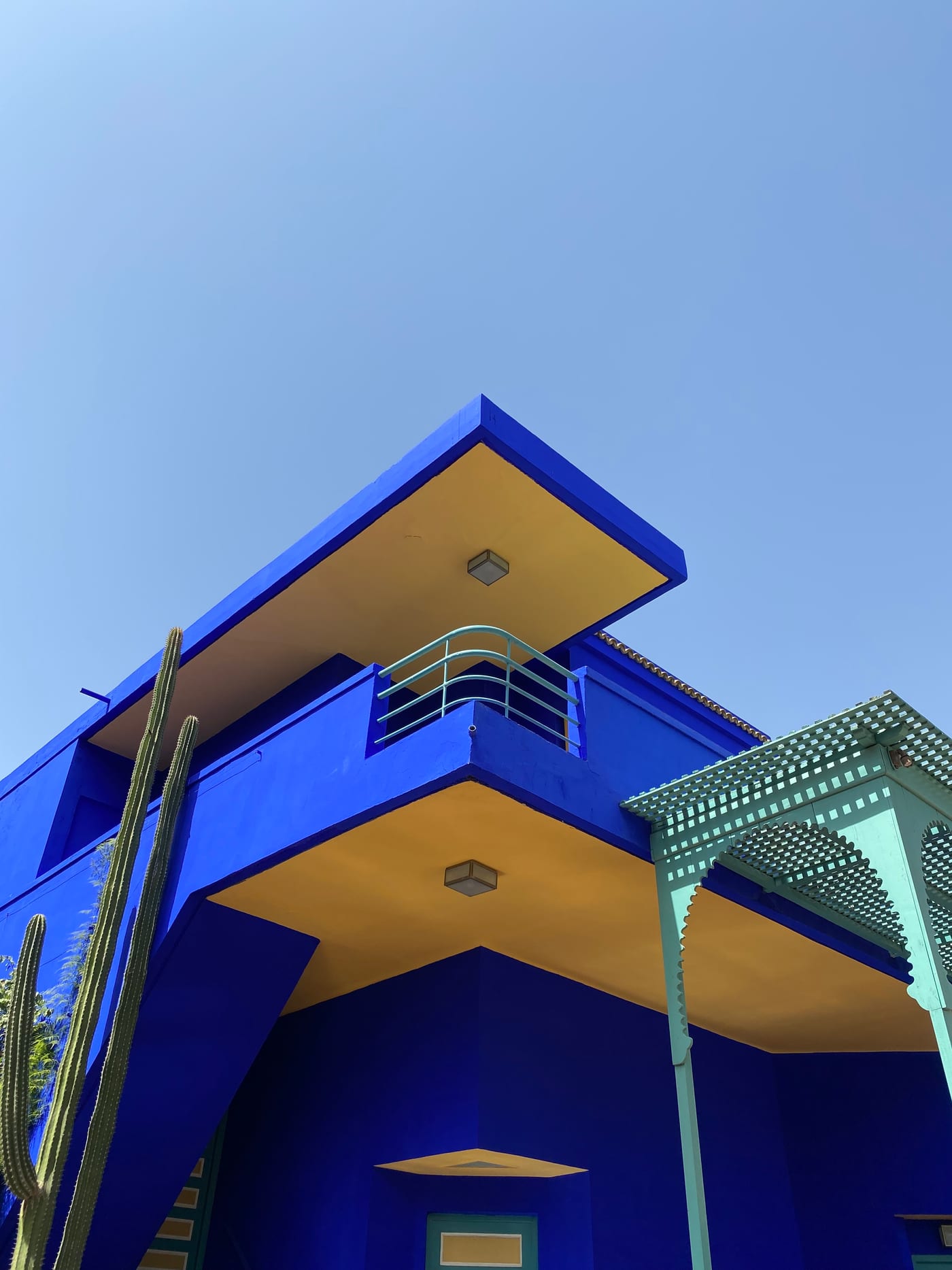
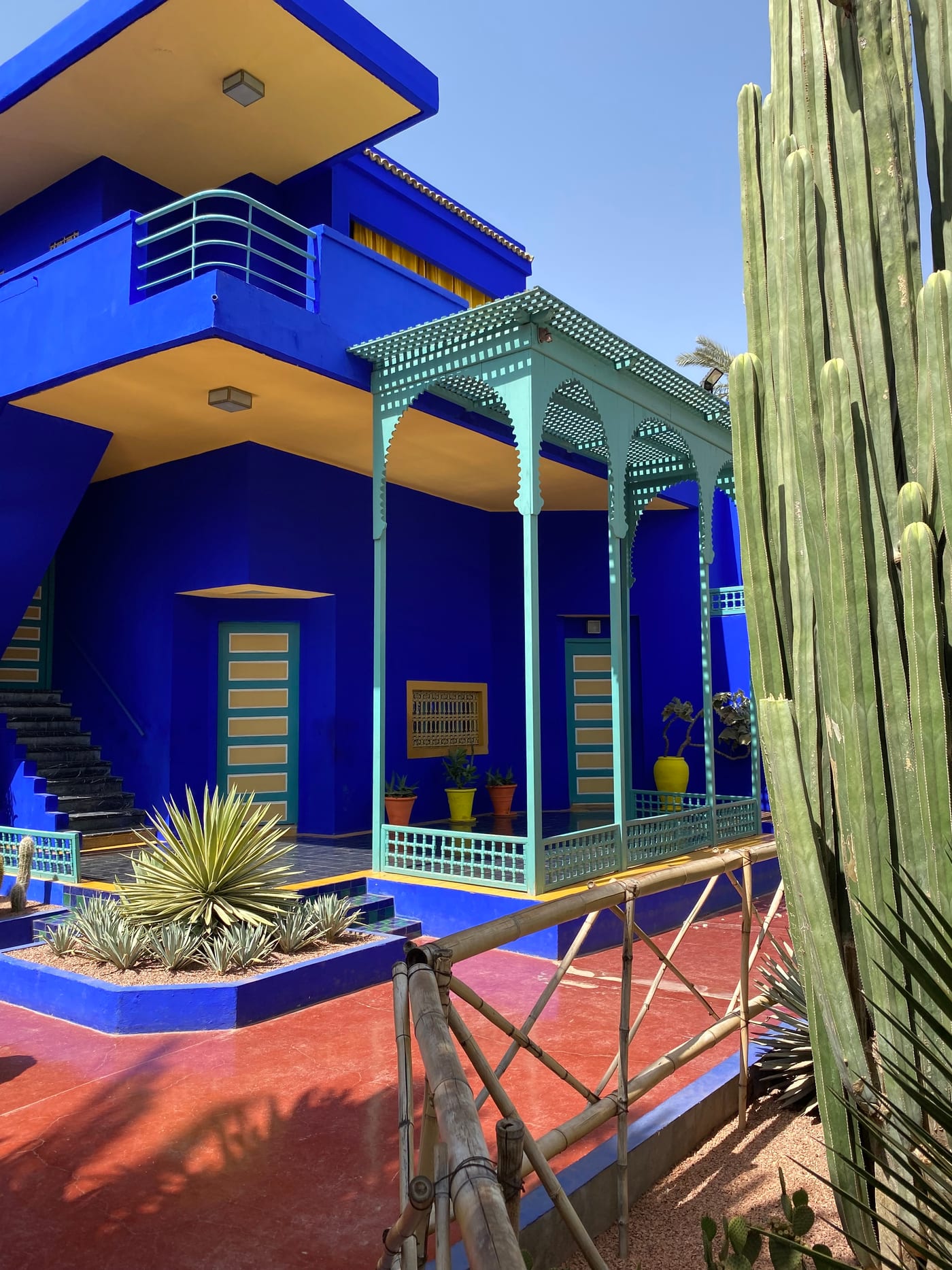
When Yves Saint Laurent and Pierre Berge saved the garden from development in the 1980s and restored it, they recognised the same quality: this was a created world, a deliberate environment, the outcome of a sustained aesthetic proposition. After Saint Laurent's death in 2008, his ashes were scattered in the garden, and the Yves Saint Laurent Museum, which opened to the public in October 2017, frames the whole complex as part of a cultural conversation between European modernism and Moroccan visual culture that Gueliz has been hosting, more or less consciously, since the quarter was first drawn.
The City That Completes the City
A certain kind of traveler arrives in Marrakech and treats Gueliz as the part you pass through to reach the medina. This is a misreading. Gueliz does not prepare you for Marrakech or recover you from it. It presents a different argument about the same place: that a city can contain multiple versions of itself without any one version cancelling the others.
The medina holds the city's oldest and most concentrated identity. Gueliz holds its modern one, built by colonial intention and then transformed by the people who actually lived in it. The two are not in tension. They are in conversation, across a distance of perhaps fifteen minutes on foot, and the conversation has been going on long enough to produce a city that neither would have been on its own.
Where to Eat and Drink in Gueliz
Gueliz is the part of Marrakech where you eat by choosing rather than by finding. The tables have street addresses, they take bookings, and the range runs from Moroccan kitchens with fixed dining rooms to Italian, French and Mediterranean rooms that have been here long enough to have regulars.
The evening runs on different rules than in the medina. Terraces stay open late, the bars pour, and the distance between one address and the next is a short walk on a lit pavement.
You may also like…