CITY
What Marrakech Is Known For: Nine Sides of the Same City
A city that changes character between one street and the next, and the nine versions of it people come for.
Timence Guide Editors · 29 August 2026
Three and a half hours from Paris, the plane puts people with nothing in common into the same arrivals hall: a couple on a first trip, eight friends marking a fortieth, a wedding party of a hundred, a company that booked a resort for three days of meetings. The same restaurant that seats fifteen from the conference on Tuesday seats the couple on Thursday, and neither table knows about the other.
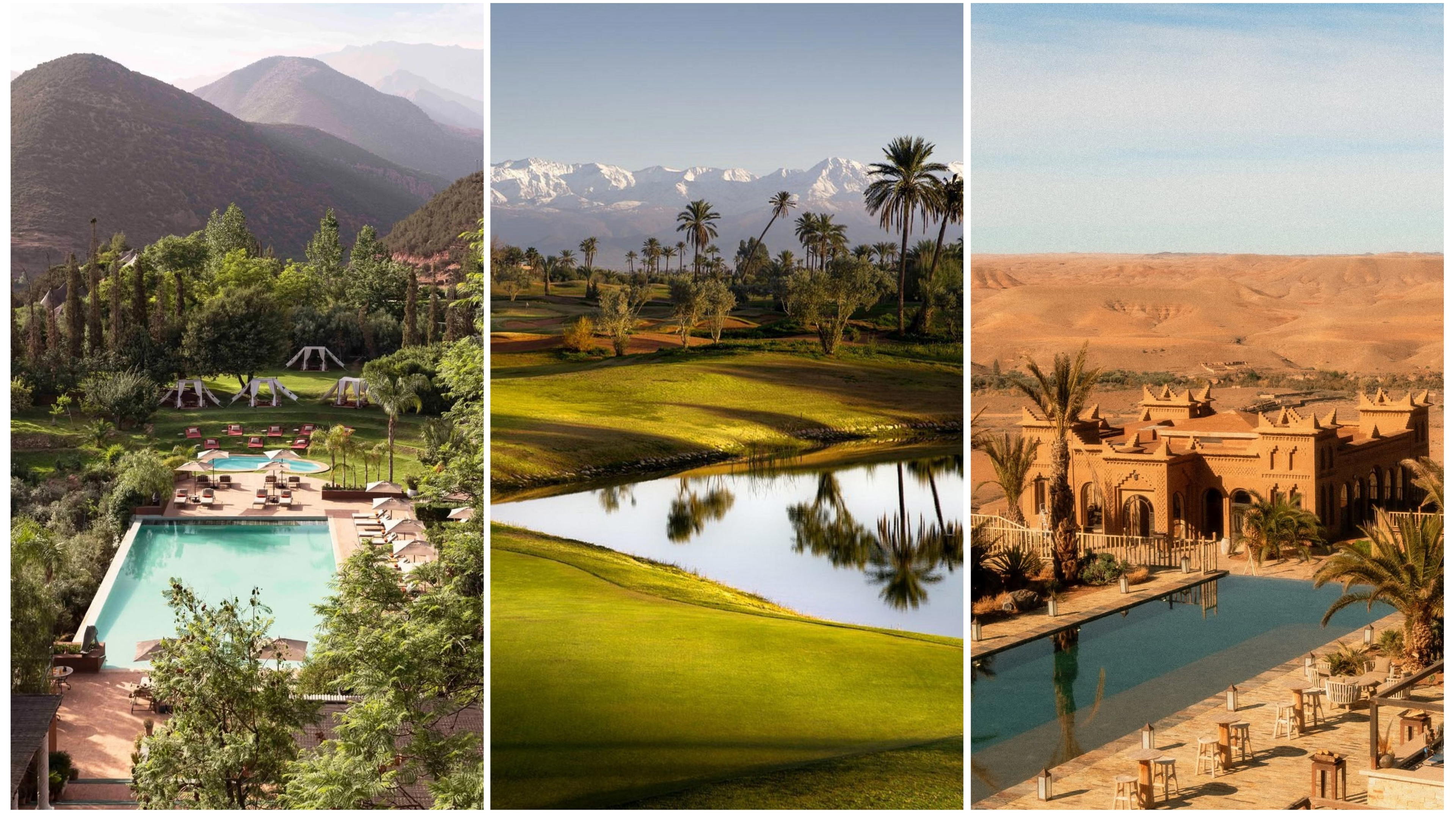
That is the thing to know before booking. Marrakech does not have one character it performs for visitors. It has a medina that still sorts itself by trade and a new town that runs on design, a stone desert less than an hour out and four-thousand-metre peaks two hours south, a hammam culture older than tourism and a hotel industry built on top of it. Nine versions, and what each one asks of you.
1. Wellness and hammam: one gesture the whole city shares
Black soap, rhassoul clay, a hand that takes a layer off you. Only the room changes, and the city keeps the two versions side by side. On one side the neighbourhood hammams of the medina, zellige-lined and plain about it: Les Bains d'Azahara behind the Bab Doukkala mosque, Hammam Rosa Bonheur in a restored riad off Riad Zitoun Jdid. On the other, three floors with their own citrus-garden entrance at the Royal Mansour, where the same sequence stretches into an afternoon. Le Bain Bleu, in a fourteenth-century riad at Mouassine redesigned by a Spanish artist and heated by solar power, belongs to both columns.
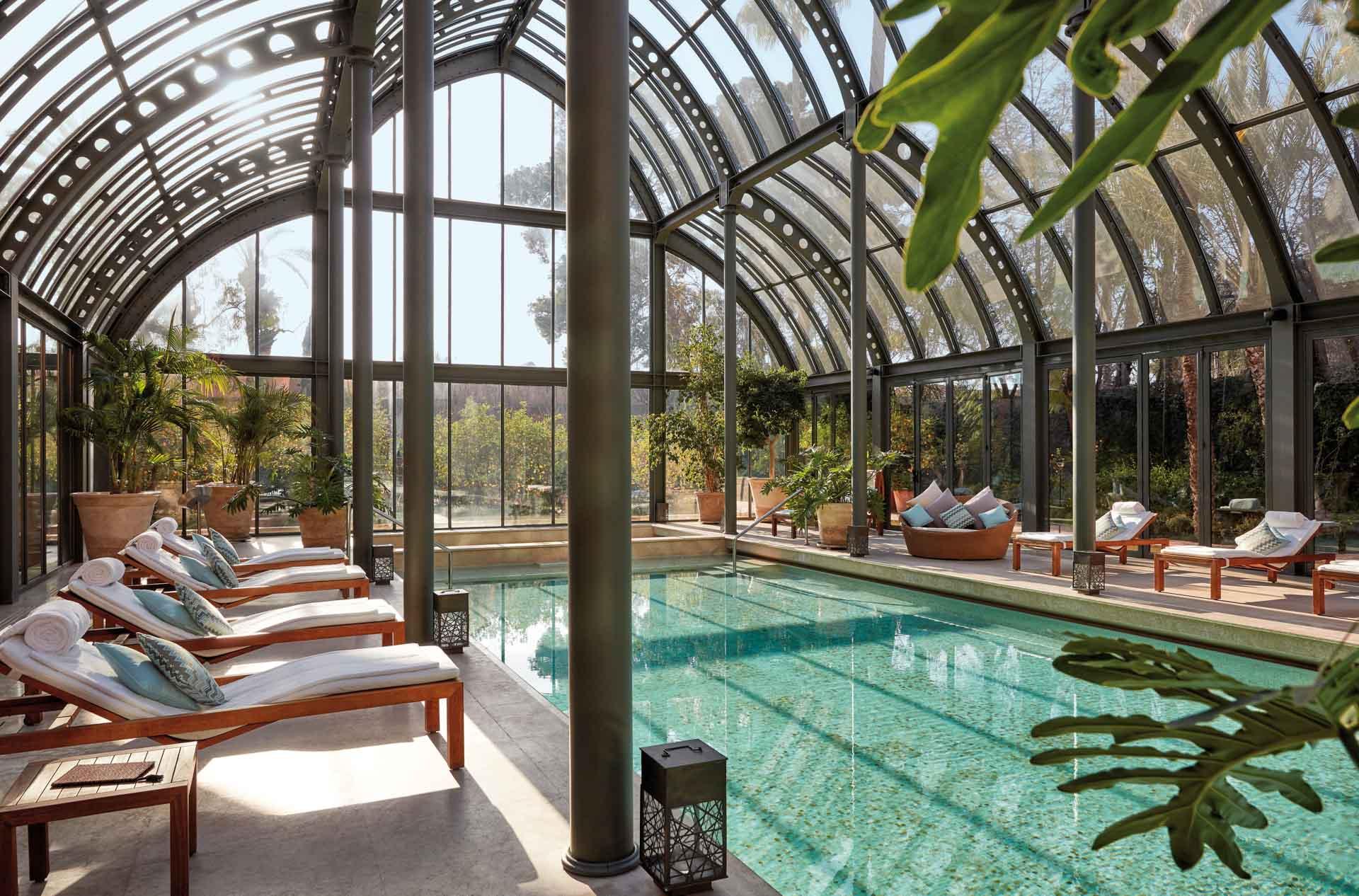
Give it the afternoon. The full ritual is not a half-hour appointment, and the good ones sit inside hotels, so the pool and lunch are on the other side of the same door. Around all this the city has grown a retreat business, where the hammam lands in the same programme as yoga and pilates.
Where to be scrubbed, from a riad in Bab Doukkala to a three-thousand-square-metre wing at the Four Seasons: eighteen spas and hammams, and forty pools for the afternoons with no therapeutic ambition at all.
2. Golf and sport: the season northern Europe cannot play
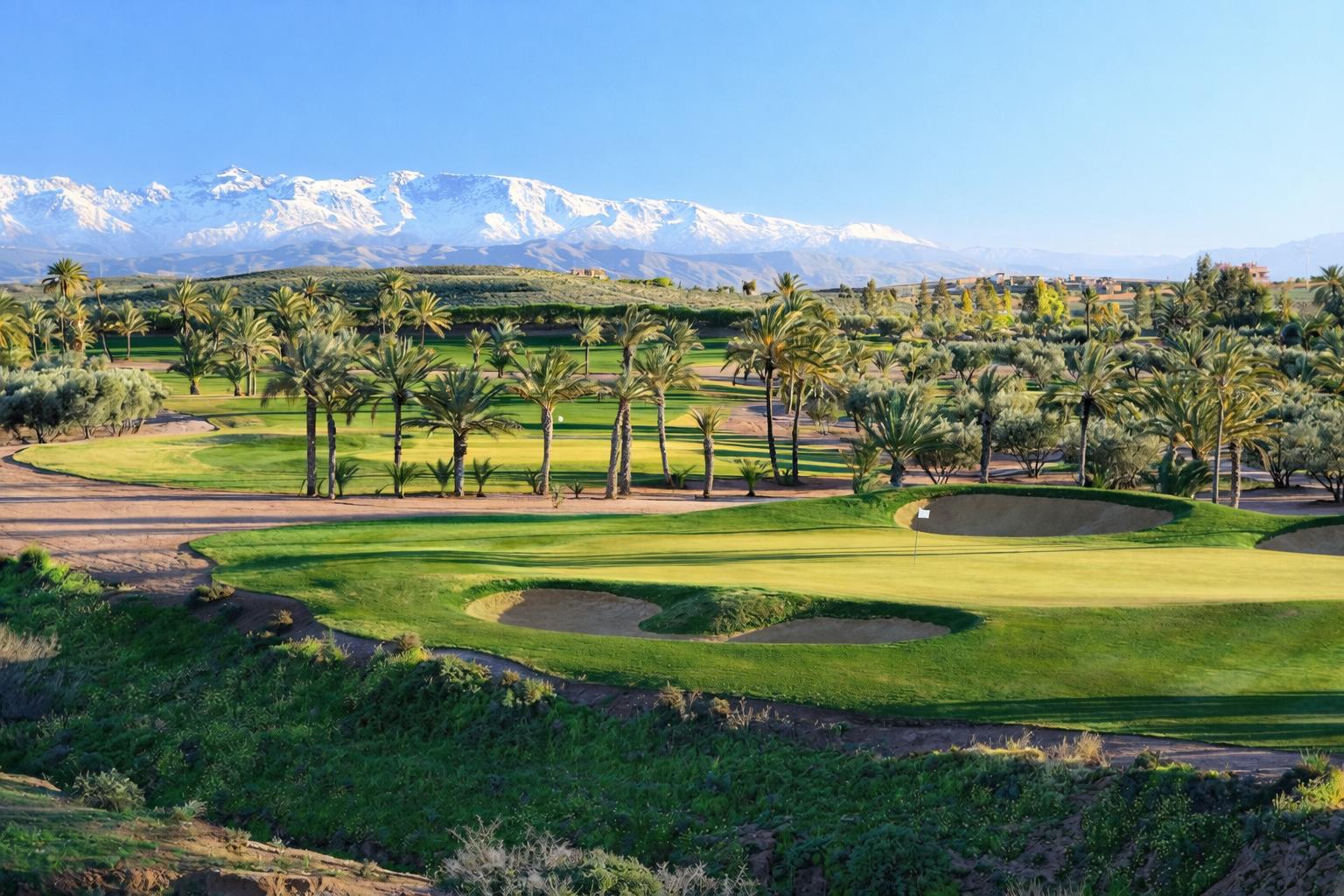
Eight courses ring the city and the season is the argument: they play through the winter, when the courses at home are frozen, and most of them are twenty minutes from the medina with snow visible on the Atlas from the fairway. Royal Golf has been open since 1927, second oldest in Morocco, and the fifteen thousand trees planted since have grown in tight around narrow fairways. Assoufid left more than half its land unplanted, so dry riverbeds cross the fairways. Samanah was the first African course to host the PGA Champions Tour.
Behind golf, two sports are moving in. Tennis courts sit inside Jnane Tamsna, La Mamounia, the Four Seasons and the Beldi Country Club. Padel arrived later and faster, first on hotel grounds and now in clubs of its own, part of a national build-out that has put most of Morocco's courts into Casablanca, Rabat and here.
3. Culture and monuments: three dynasties, and what each left standing
Marrakech was built as a capital and served as one three times over, and every dynasty left its layer in place. The Almoravids founded it. The Almohads raised the Koutoubia in the twelfth century. Four hundred years later the Saadians built here too, and were buried here, all of it inside the same twenty-minute walk.
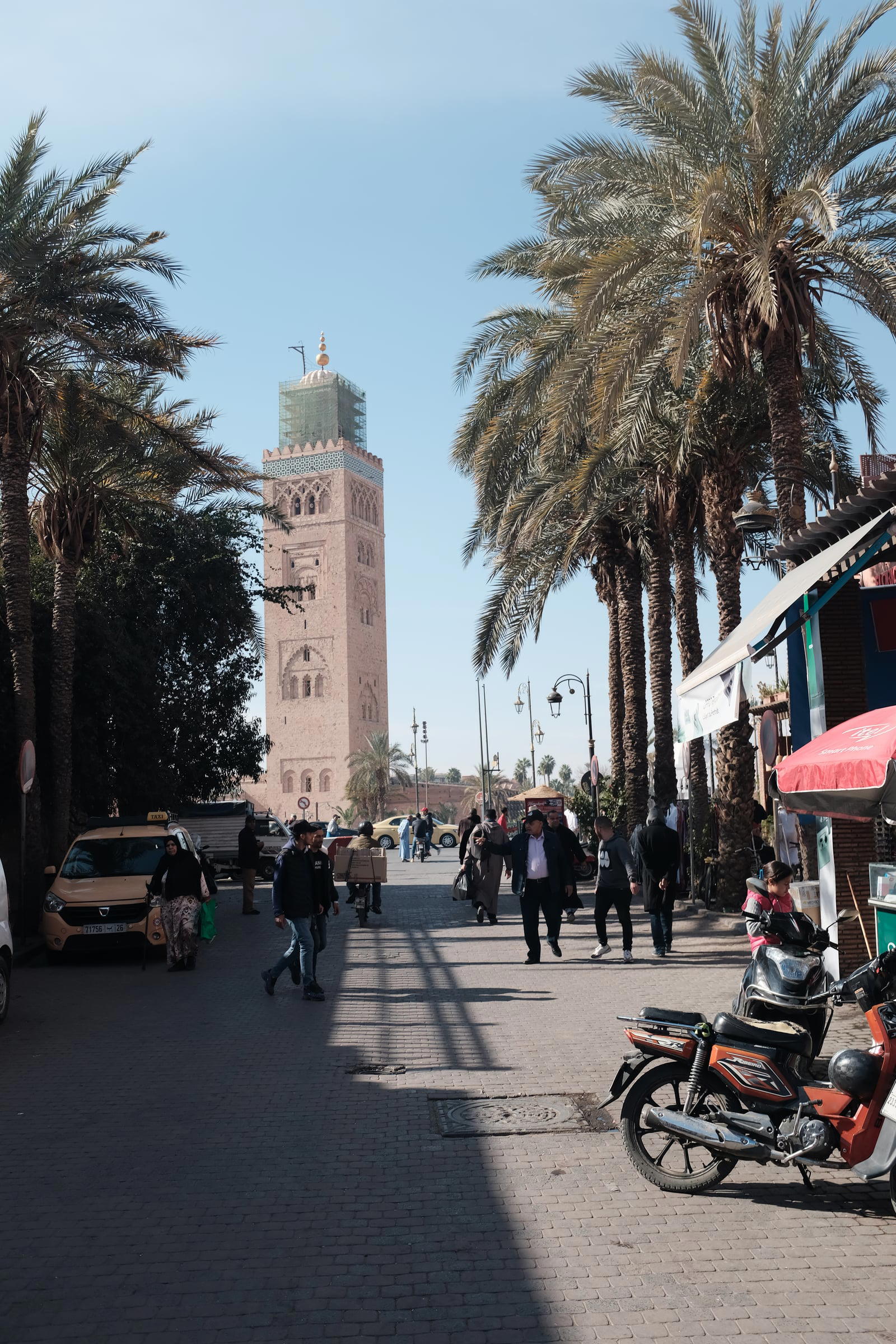
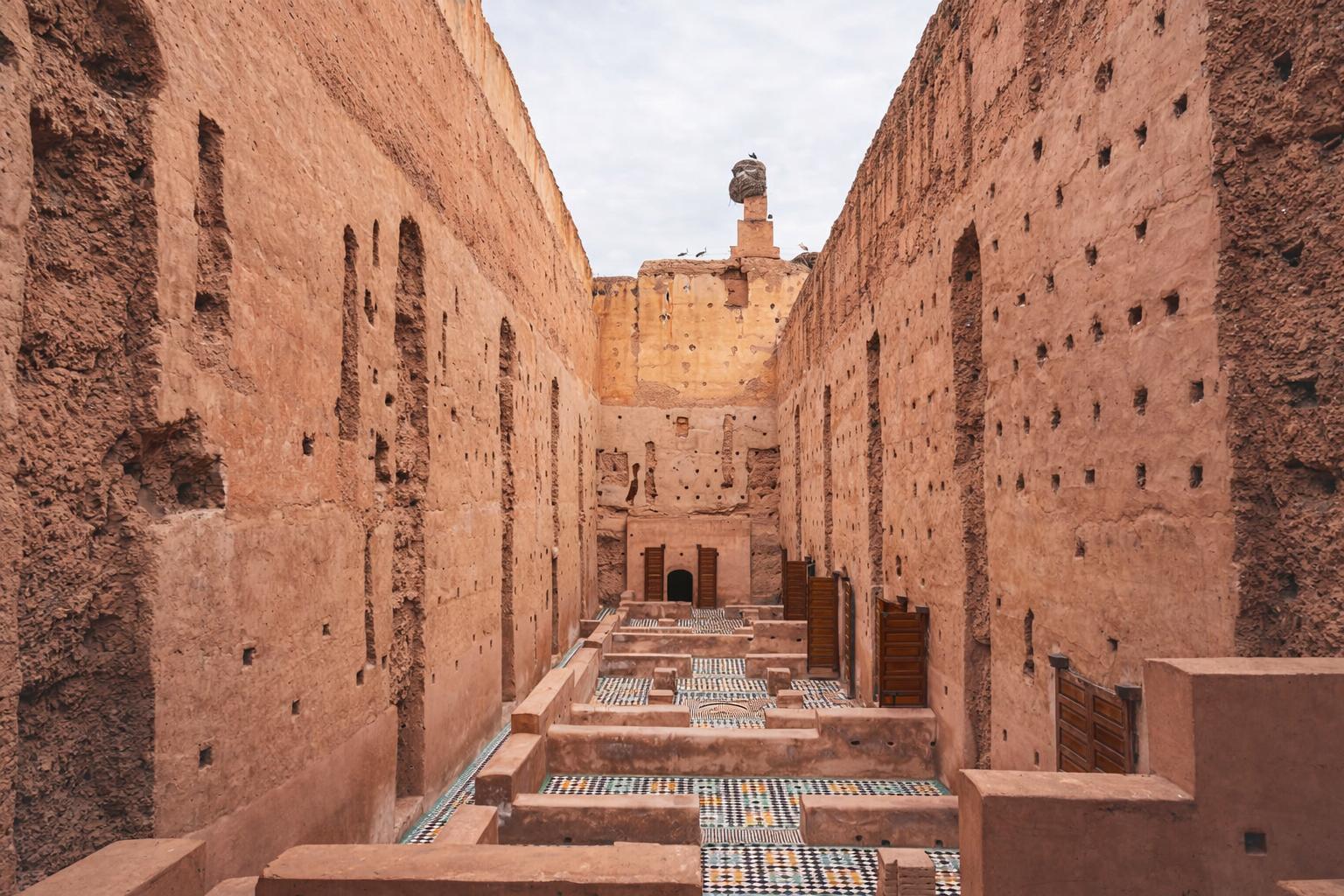
Start with the Koutoubia, seventy-seven metres of Almohad stonework, because you will navigate by it all week. The Saadian Tombs were sealed for centuries and reopened only in 1917, three chambers of cedar ceilings and Italian marble. El Badi is the counterweight to all that restoration: a palace left as a ruin, pisé walls around a sunken orange grove, storks nesting on top. It is the part of the trip most people plan before they land.
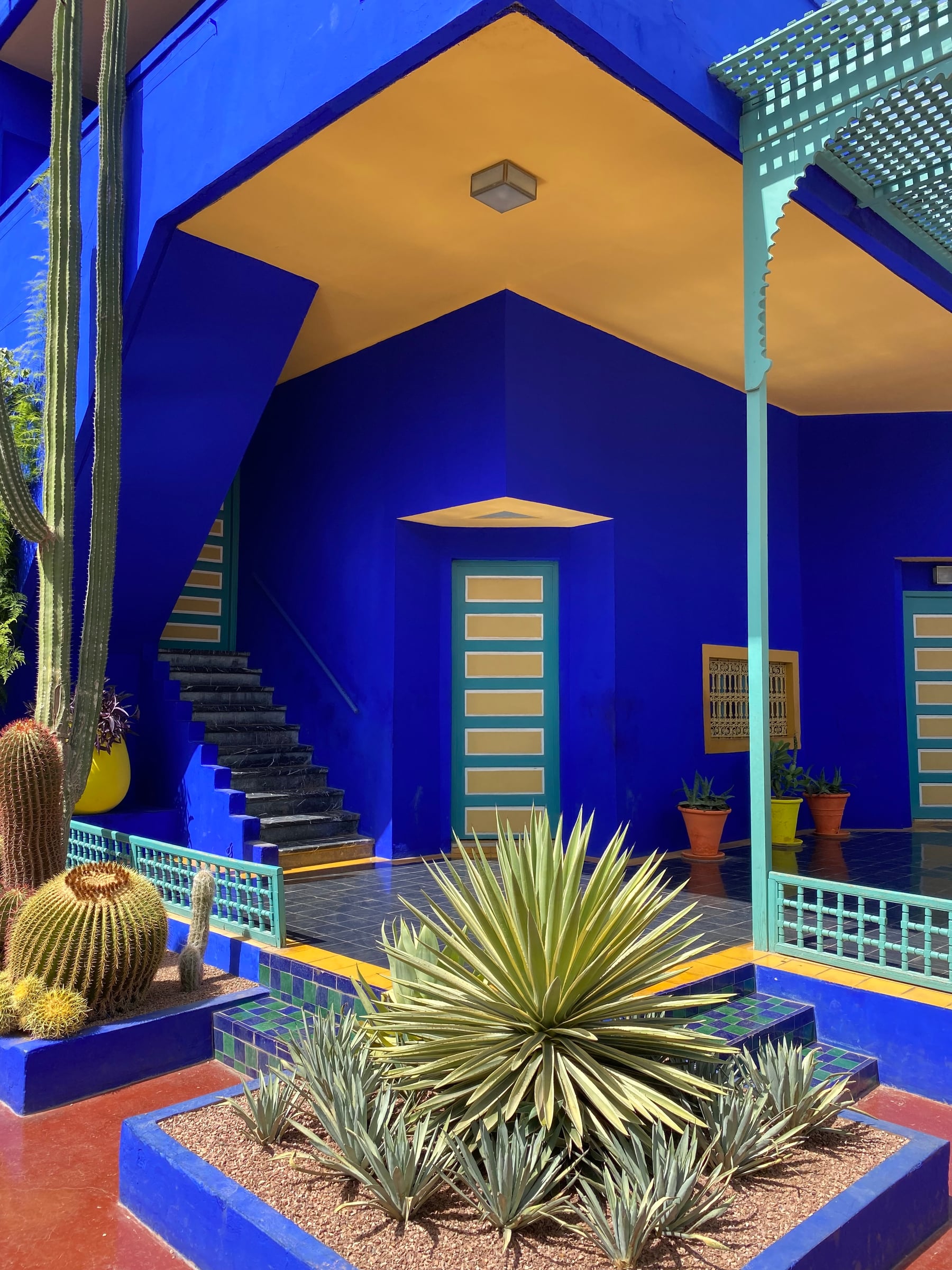
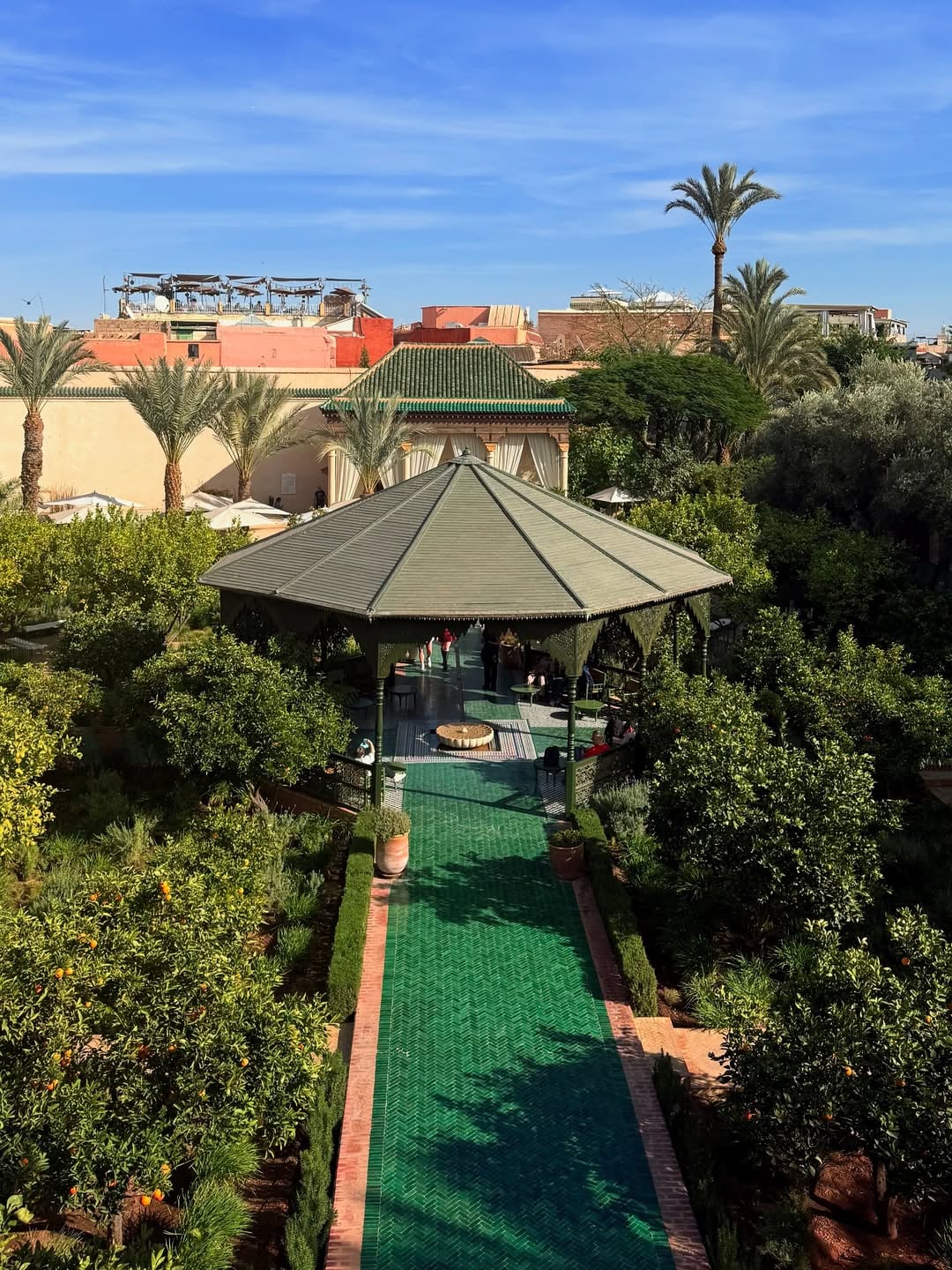
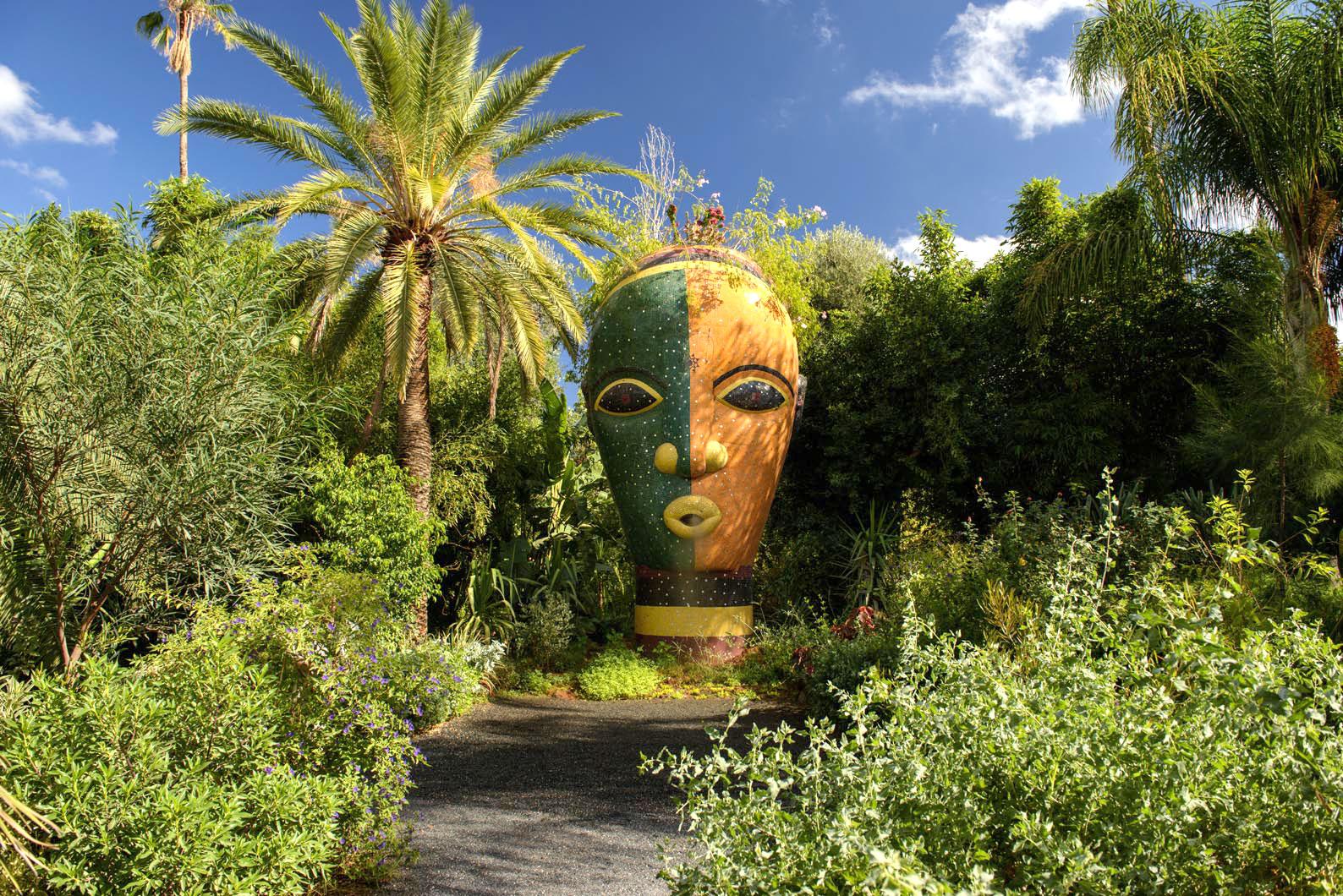
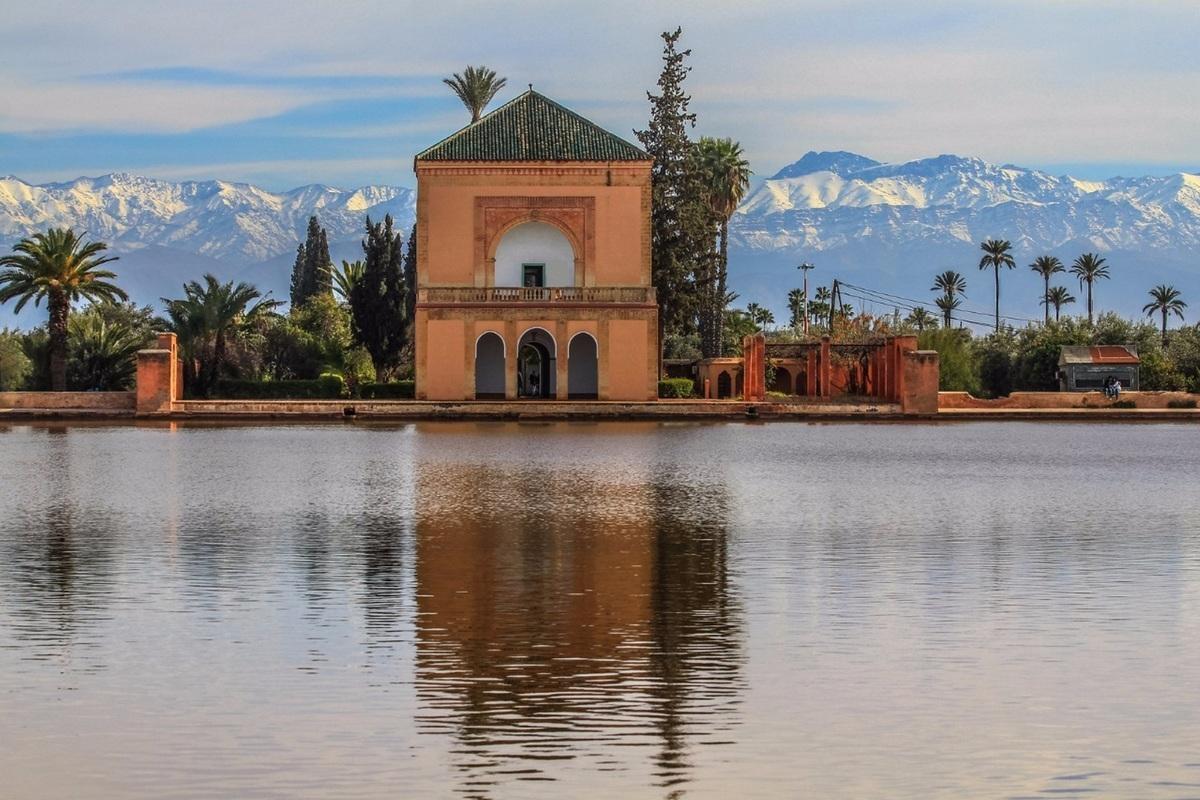
The Menara is a twelfth-century olive grove built around a basin still fed by channels dug to carry meltwater off the Atlas: here a garden is proof that the water arrived and somebody engineered it. Le Jardin Secret hides two gardens, one Islamic and one exotic, at the end of a narrow derb. Jardin Majorelle covers around nine thousand square metres of cobalt structures and water lily pools, and it is one of the most visited addresses in the city, which is an argument for arriving at opening. Further out, Anima Garden sits twenty-seven kilometres along the Ourika road, and the Palmeraie is a date grove that still produces.
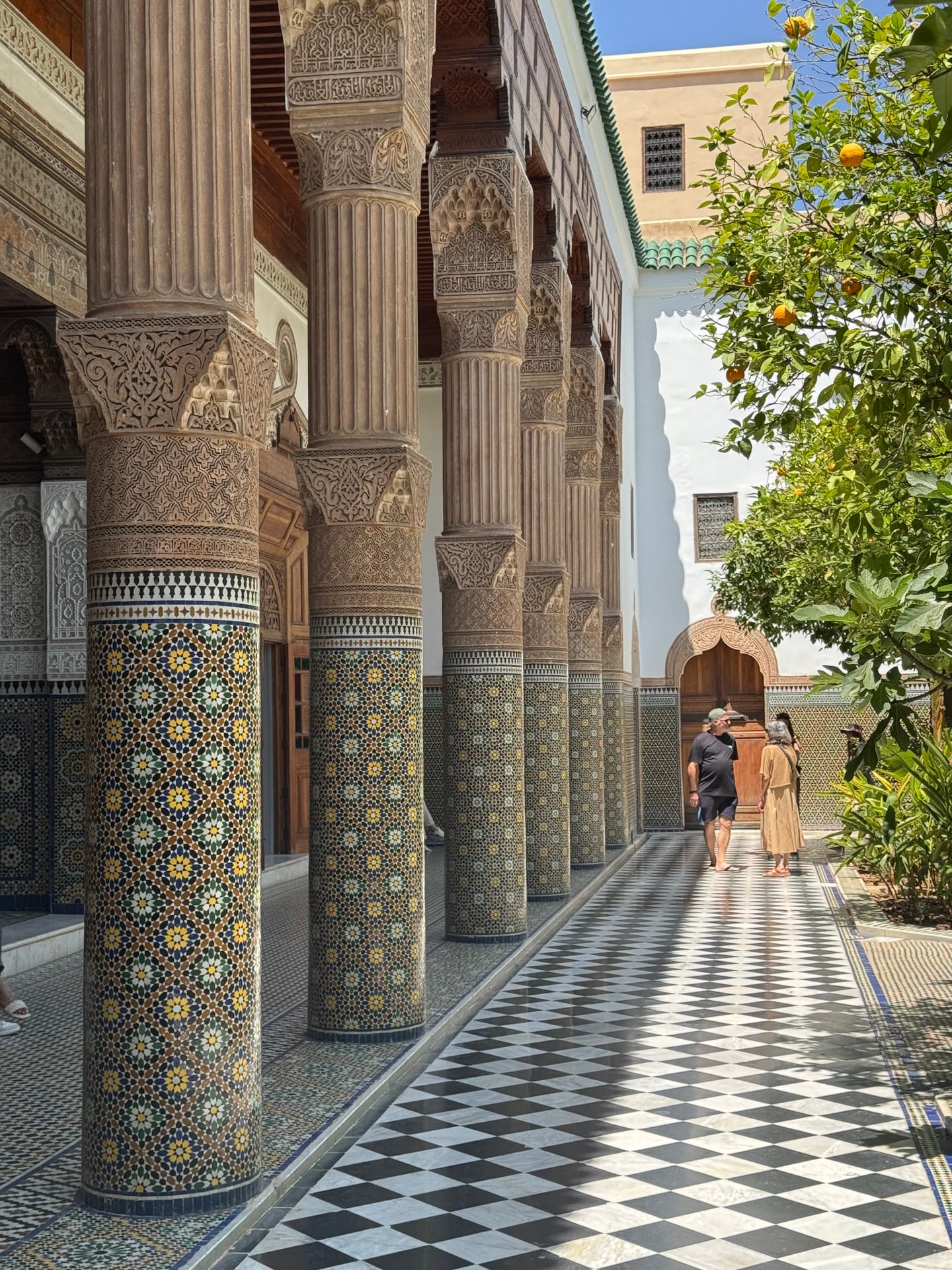
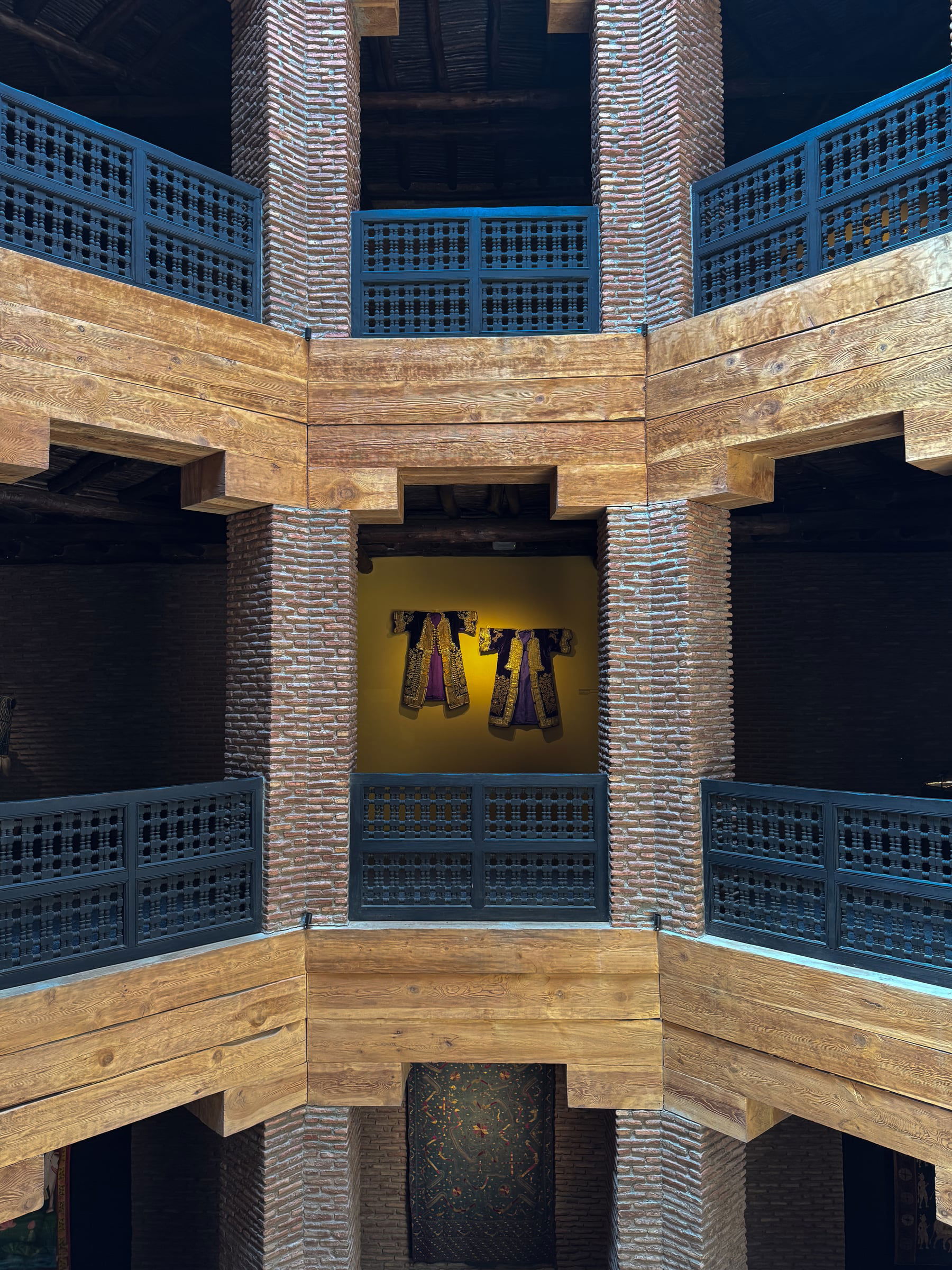
Inside a restored fondouk in the northern medina, Maison de la Photographie holds around ten thousand photographs of Morocco taken between 1870 and 1960. Le MAP shows adornment from more than fifty countries, and Dar El Bacha reopened as the Musée des Confluences. Most trips skip all three. The full ground floor of all this, twenty-six places worth the time, sorts the monuments from the gardens and the museums.
4. Art: a city that has been collecting artists for a century
MACAAL has been showing contemporary African work south of the city since 2018. The Yves Saint Laurent museum beside the Jardin Majorelle holds five thousand haute couture garments and a vast accessories archive. Hassan Hajjaj, whose work sits in the British Museum, the V&A and LACMA, keeps Jajjah out at Sidi Ghanem, where the walls make it a gallery and the shelves make it a shop.
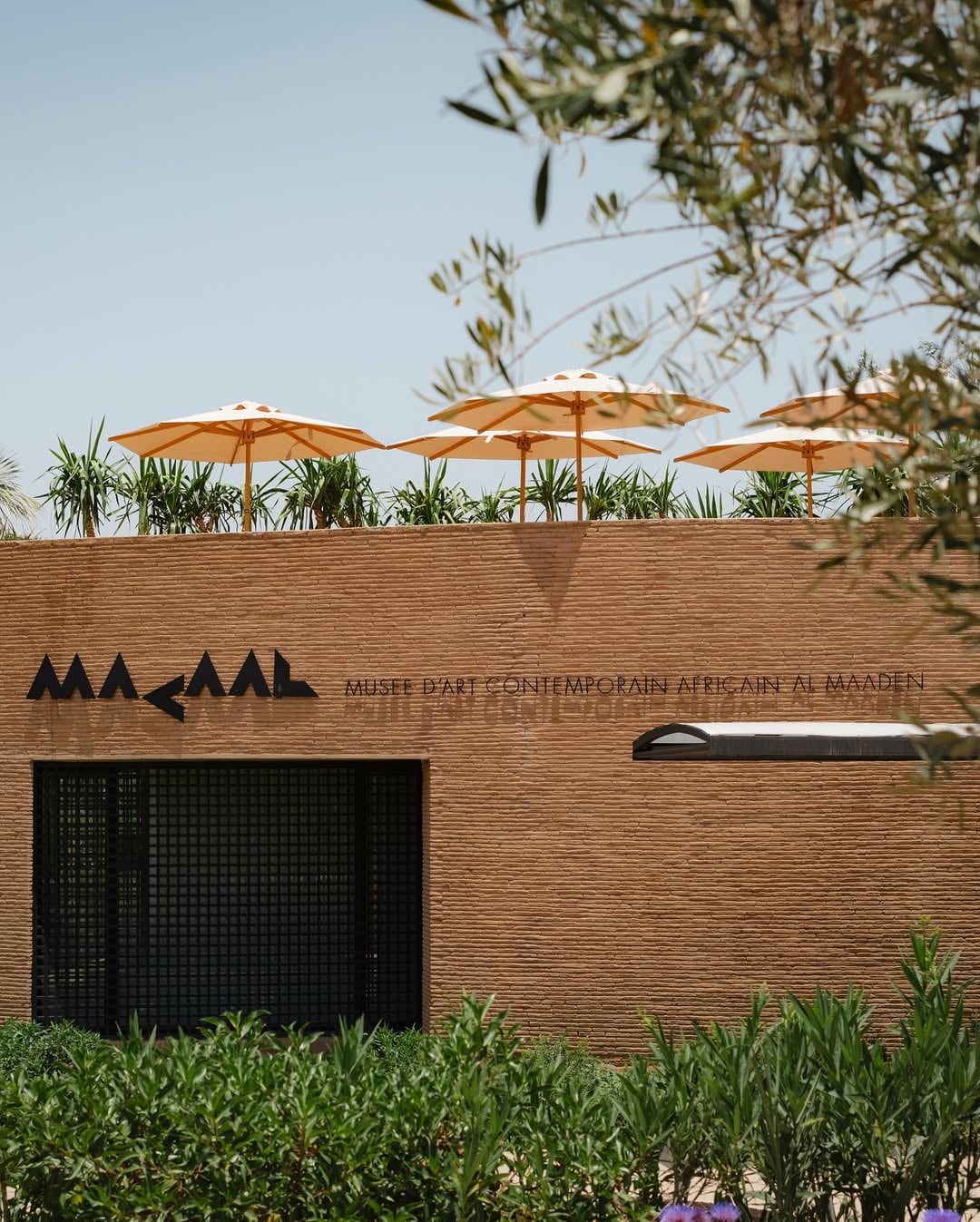
Once a year all of it surfaces at the same time. 1-54 runs three editions annually, London, New York and here, and Marrakech is the only one on the African continent; it arrived in 2018, the same year MACAAL opened, and for four days in February the fair takes La Mamounia while the institutions programme around it. The rest of the year the galleries of Gueliz keep showing, and on an ordinary weekday afternoon you will often have the room to yourself.
5. Architecture: the building types, and the people who signed them
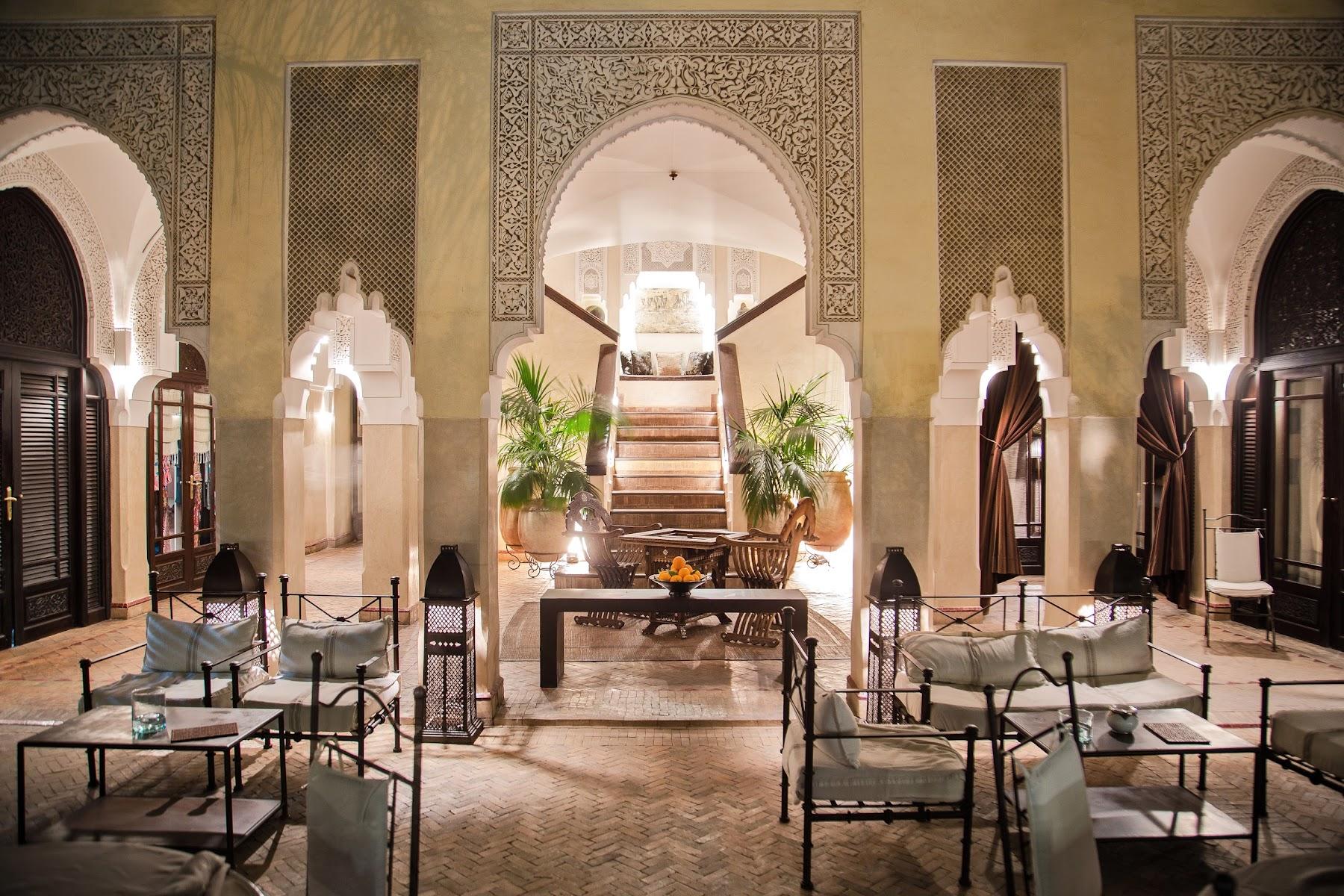
The riad turns inward: a blank front on the derb, everything facing a courtyard, a roof with the Atlas on the horizon, six rooms to a dozen. The fondouk was built for trade, a warehouse and travellers' inn with ceilings higher than any riad because the space was organised around goods and movement and not around domestic life. Palais Khum occupies one of them.
Then the city started importing. La Mamounia opened in 1923 and set Art Deco geometry against Moroccan ornament at the moment both vocabularies were at their most confident. In the Palmeraie the Tunisian architect Charles Boccara built the mid-century estate that is now Jnane Rumi, whose centrepiece is a bathroom under a nine-metre dome. Studio KO put up the terracotta block beside the Majorelle, then designed the room at Sahbi Sahbi. And some of it owes Morocco nothing at all: MORO draws on the nineteen-seventies and Californian desert modernism, Palais Rhoul on a Greco-Roman idiom with columns around the pool.
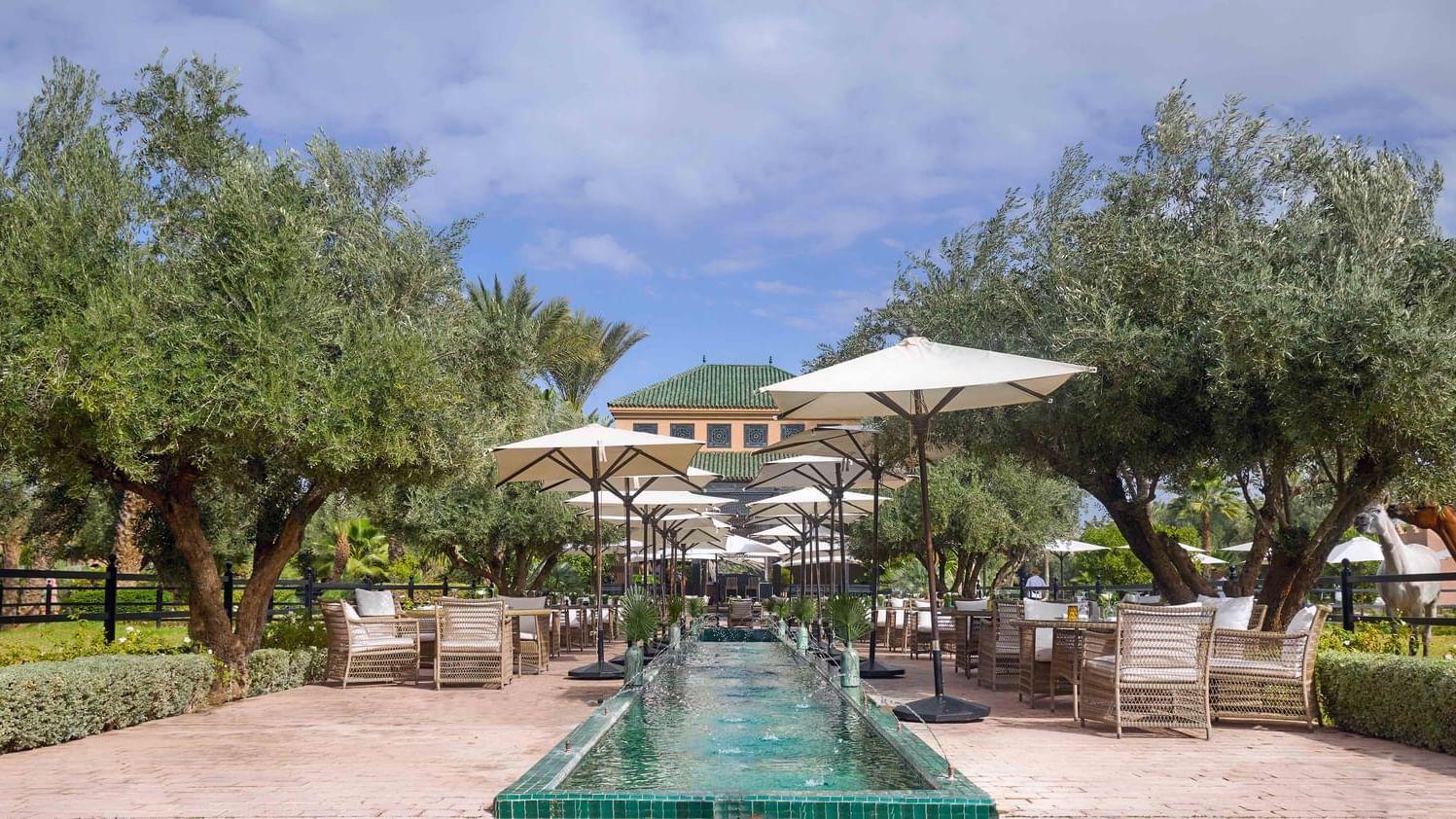
Outside the ramparts the logic reverses, because there is land to spend. Fairmont Royal Palm holds two hundred and thirty-one hectares twelve kilometres out. Mandarin Oriental spreads fifty-eight walled-garden villas with private pools across twenty hectares. The Oberoi puts eighty-four suites and villas on twenty-eight acres of orchard, seventy-six of them with a pool of their own. At Amanjena the villas sit under stucco domes around a central bassin. The same heat produced both extremes: the riad turns inward to hold cool air inside a dense medina, and the resorts, with room to move, bought shade and water at scale. Which one you sleep in shapes the day more than anything else here: riads, grand hotels and the estates beyond the walls, or which quarter suits the trip.
6. Souks, craft and design: the same trade at three stages
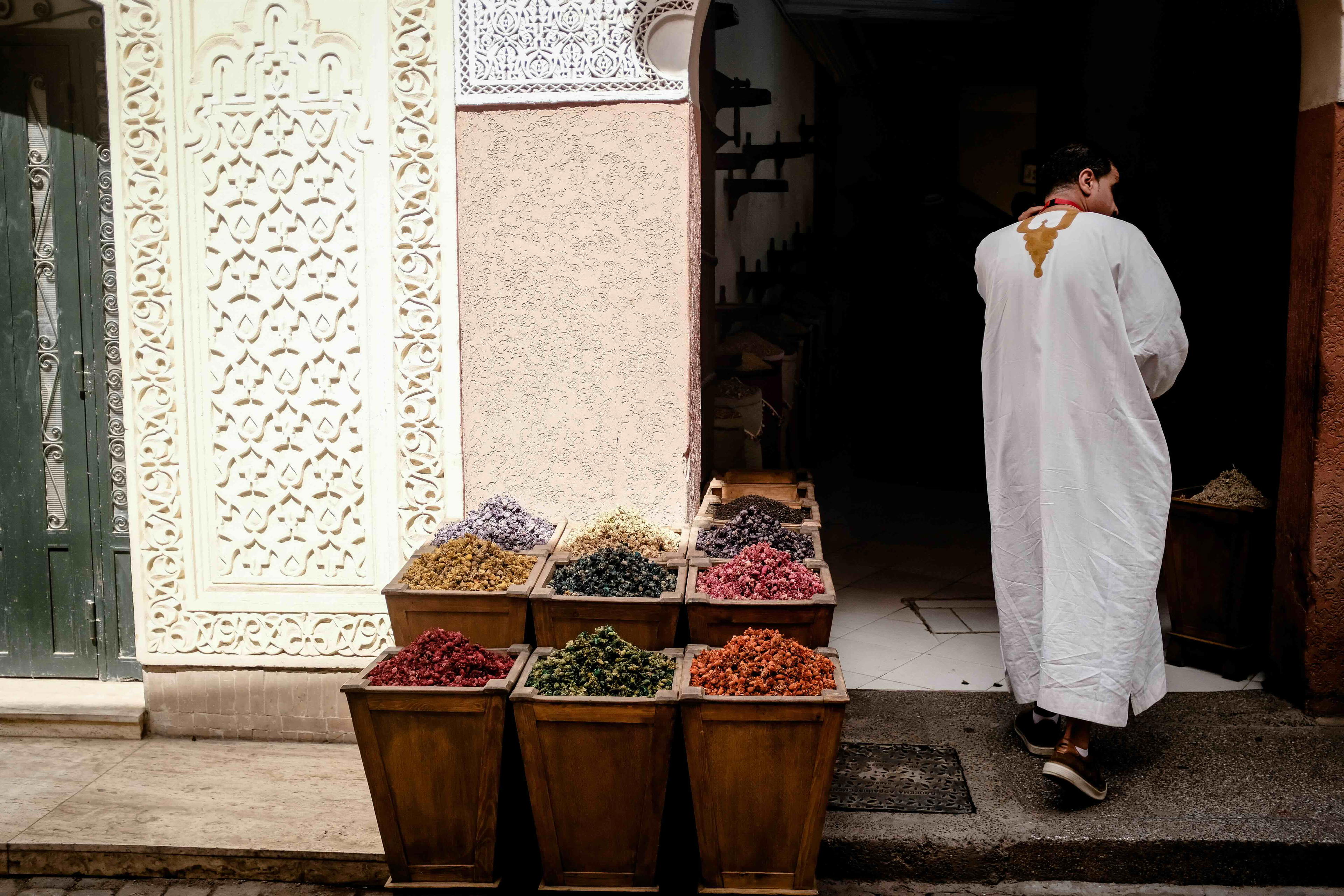
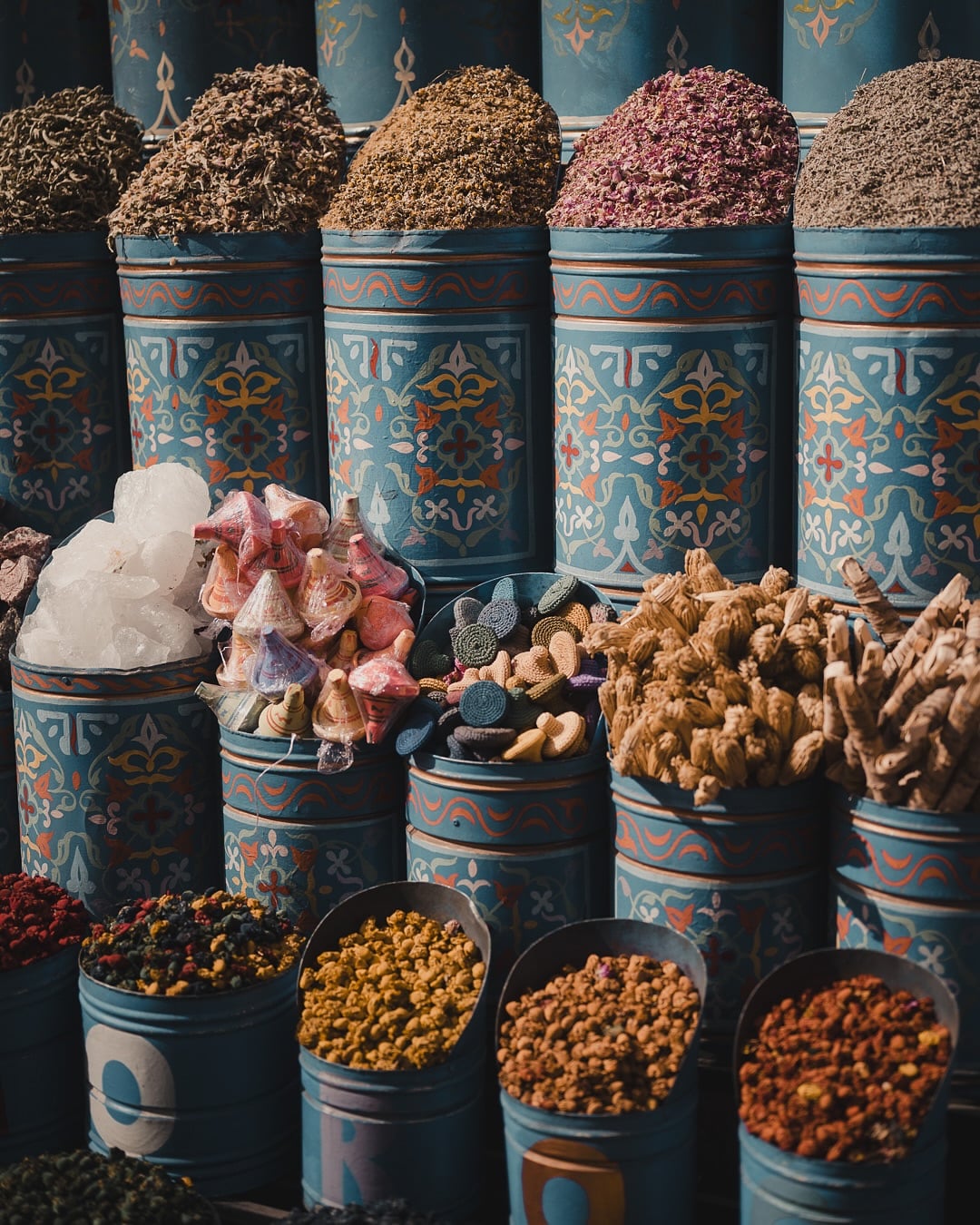
Whatever takes you into the medina, colour registers first: wool drying overhead in the dyers' lanes, spice built into cones, leather concentrated around Souk Cherratine. Souk Semmarine runs off Jemaa el-Fnaa as a covered passage of filtered light and branches into souks that still carry the name of their trade, a medieval retail plan nobody switched off, even if along the most walked stretches the boundaries have blurred and everyone now sells everything. Rahba Kedima opens out of it as a square of spice sellers and folk remedies with café tables around the edge.
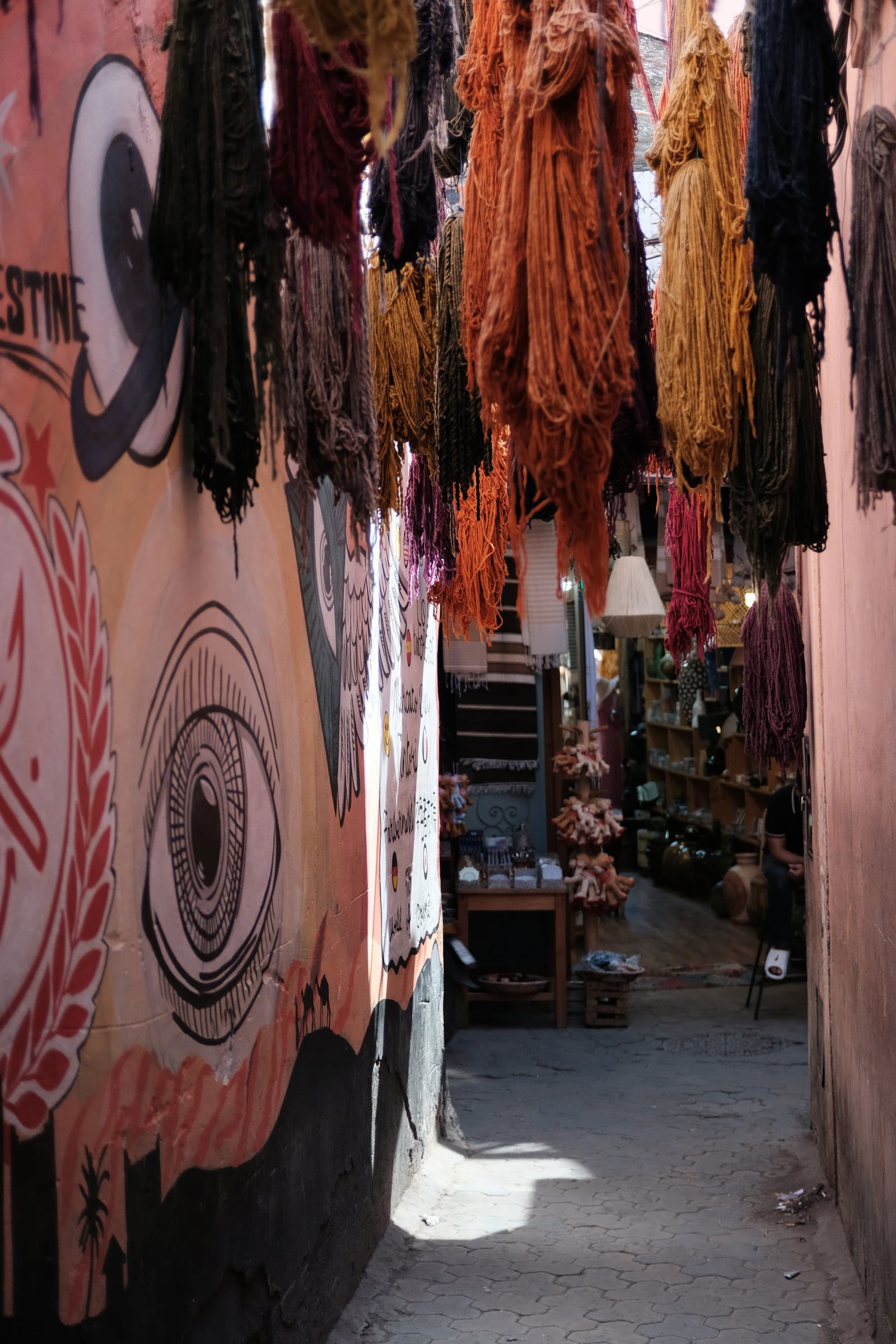
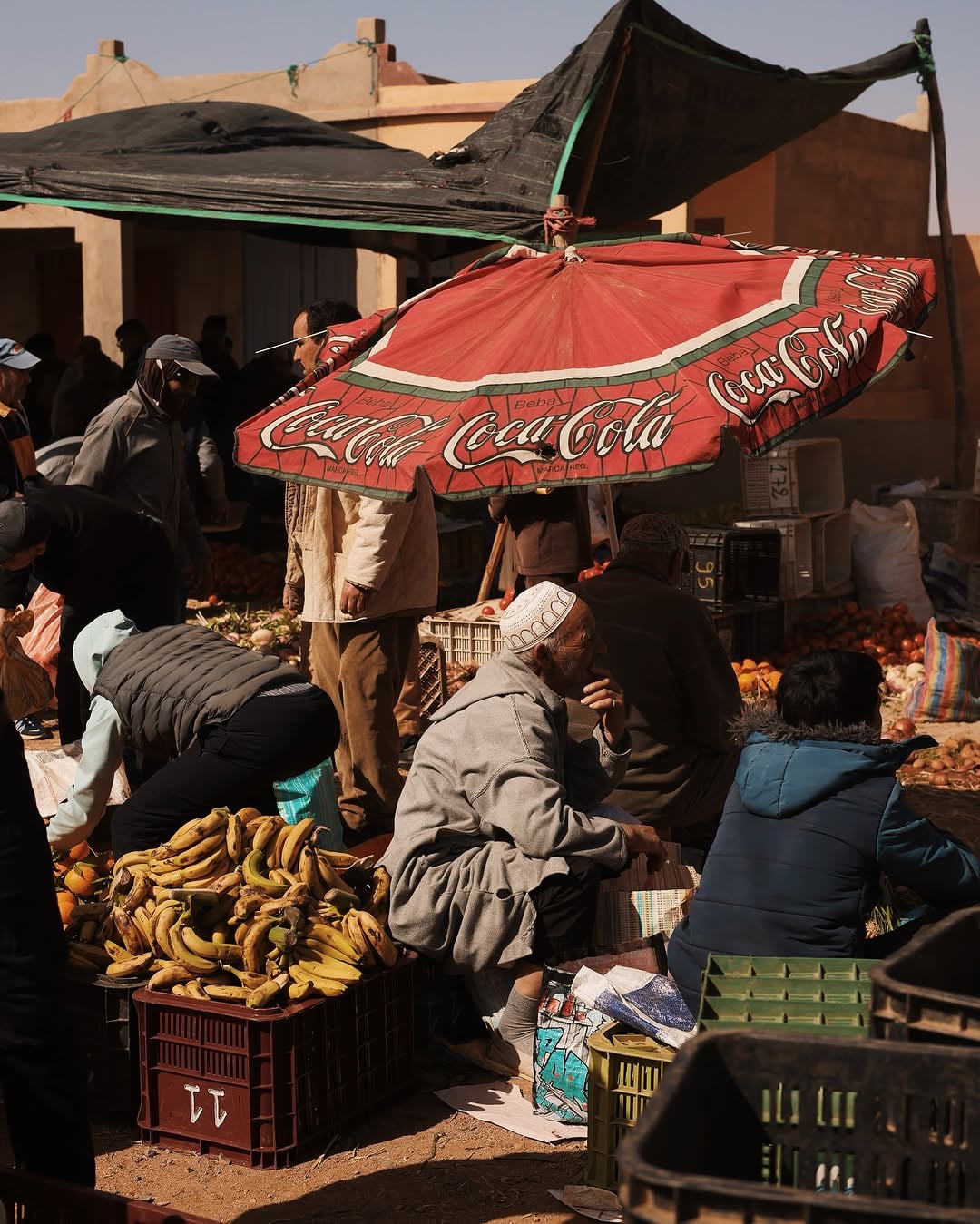
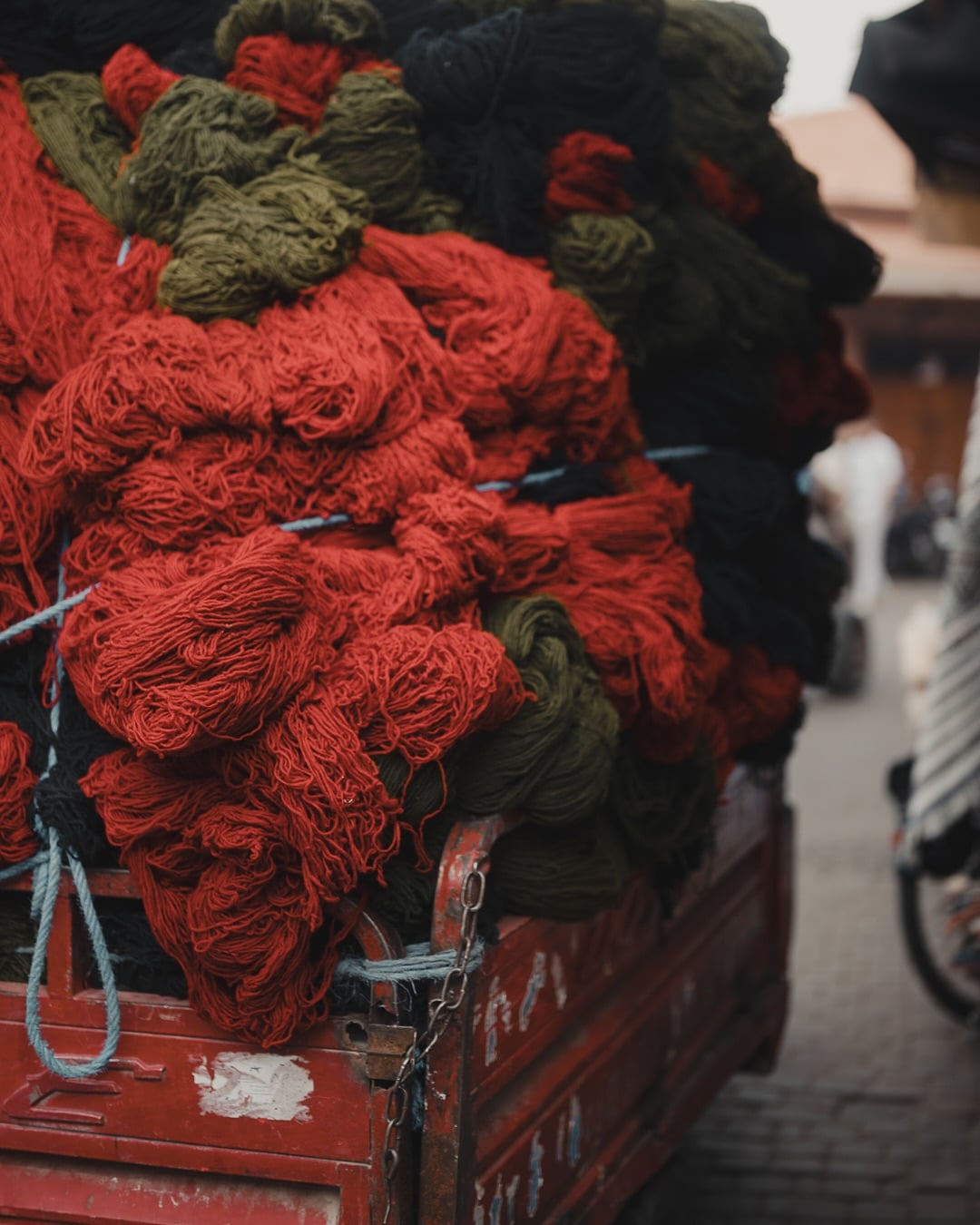
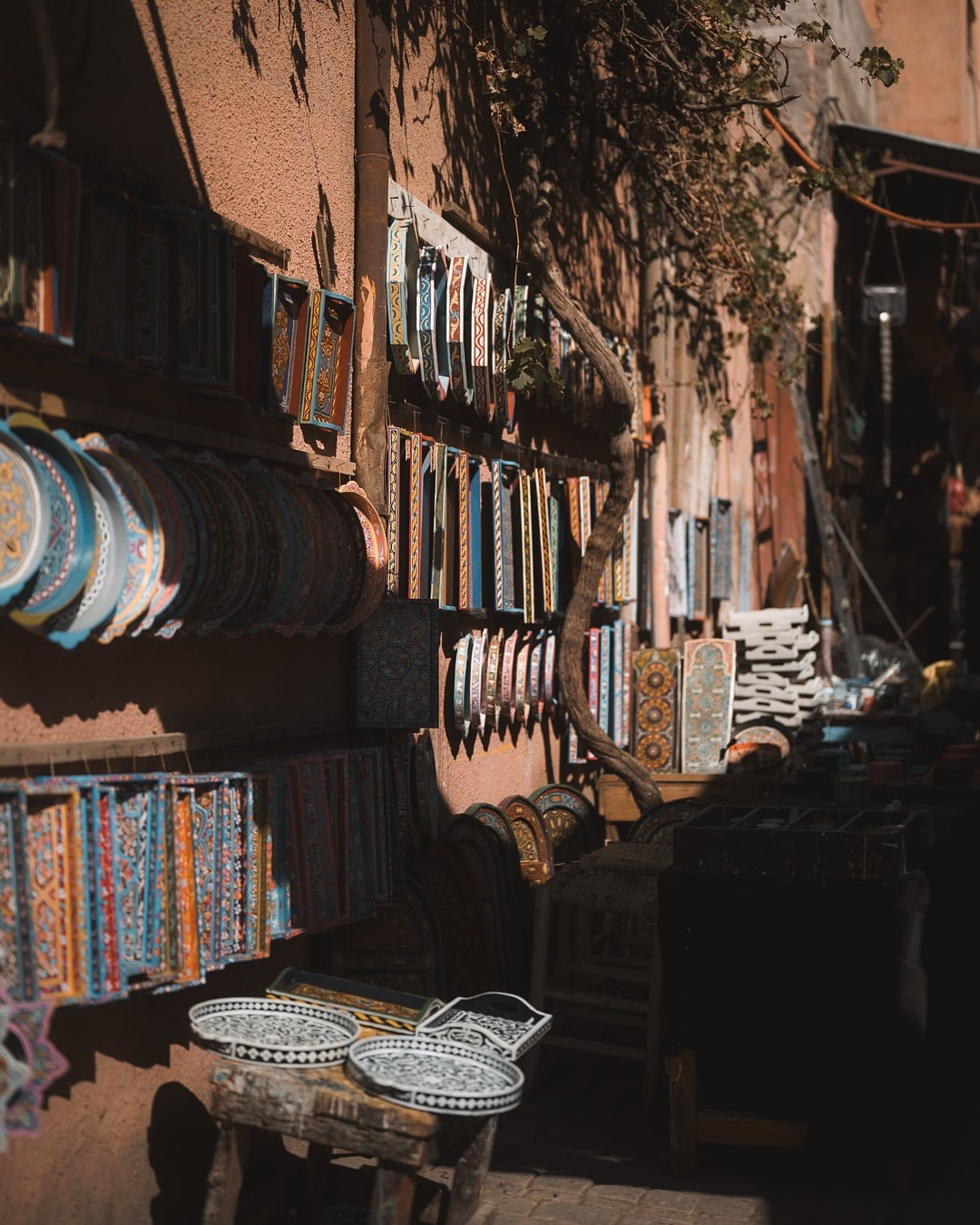
A few streets on those trades are being practised and not only sold: in Mouassine the dyers still hang fresh skeins overhead to dry. And then the third stage, which is where most visitors never get. Sidi Ghanem was built as an industrial estate and still reads as one: long straight streets of warehouses and ateliers, asphalted now where not long ago there was a dirt track or nothing at all. Behind those doors are the contemporary marrakshi labels, using the same techniques with none of the nostalgia. LRNCE, Marrakshi Life and Maison Sarayan all work out of the district. L'atelier Maloukti cuts zellige there. Soufiane Zarib keeps a rug showroom in the district and a second one in the medina, near Dar El Bacha.
Design and production sit in the same city, which is what holds them here. Buyers arrive with room measurements and a shipping budget, and the sensible order is to see the souks and the district before spending anything. Before going in, how the medina is organised: people live and work behind those doors.
7. Food: the best restaurant in Morocco is somebody's house
Ask a Moroccan where to eat and the honest answer is at home. The cooking that defines this place was built indoors, slowly, by women who passed it down without writing it down, and for most of its history it was not for sale. The restaurant version is recent, and that is what makes the current moment worth eating through. Nothing written also means nothing guaranteed: cooks here will tell you that some of the oldest preparations are thinning out as the generation that held them goes.
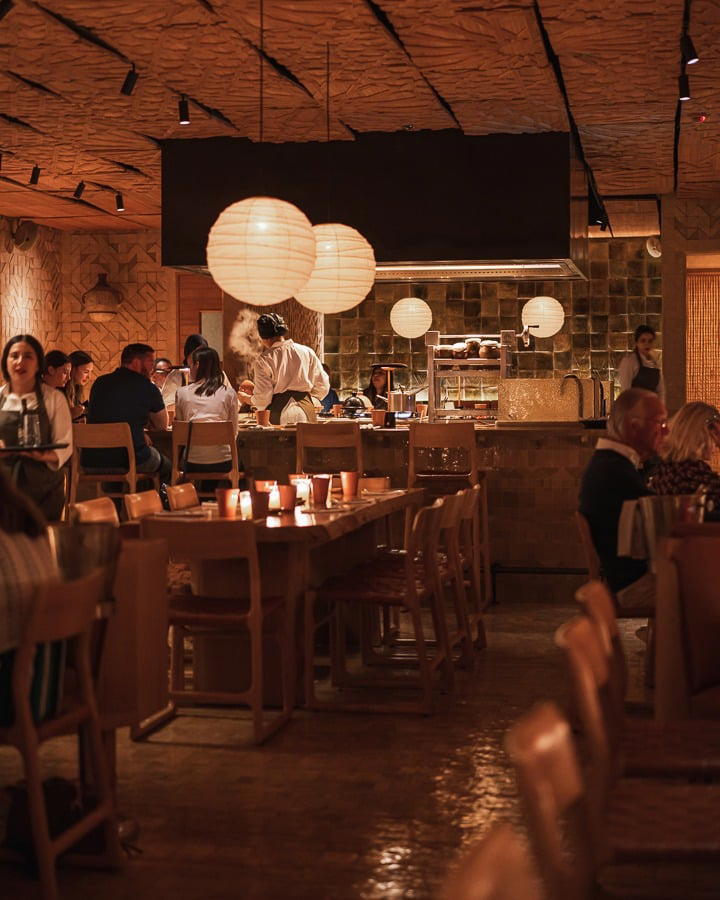
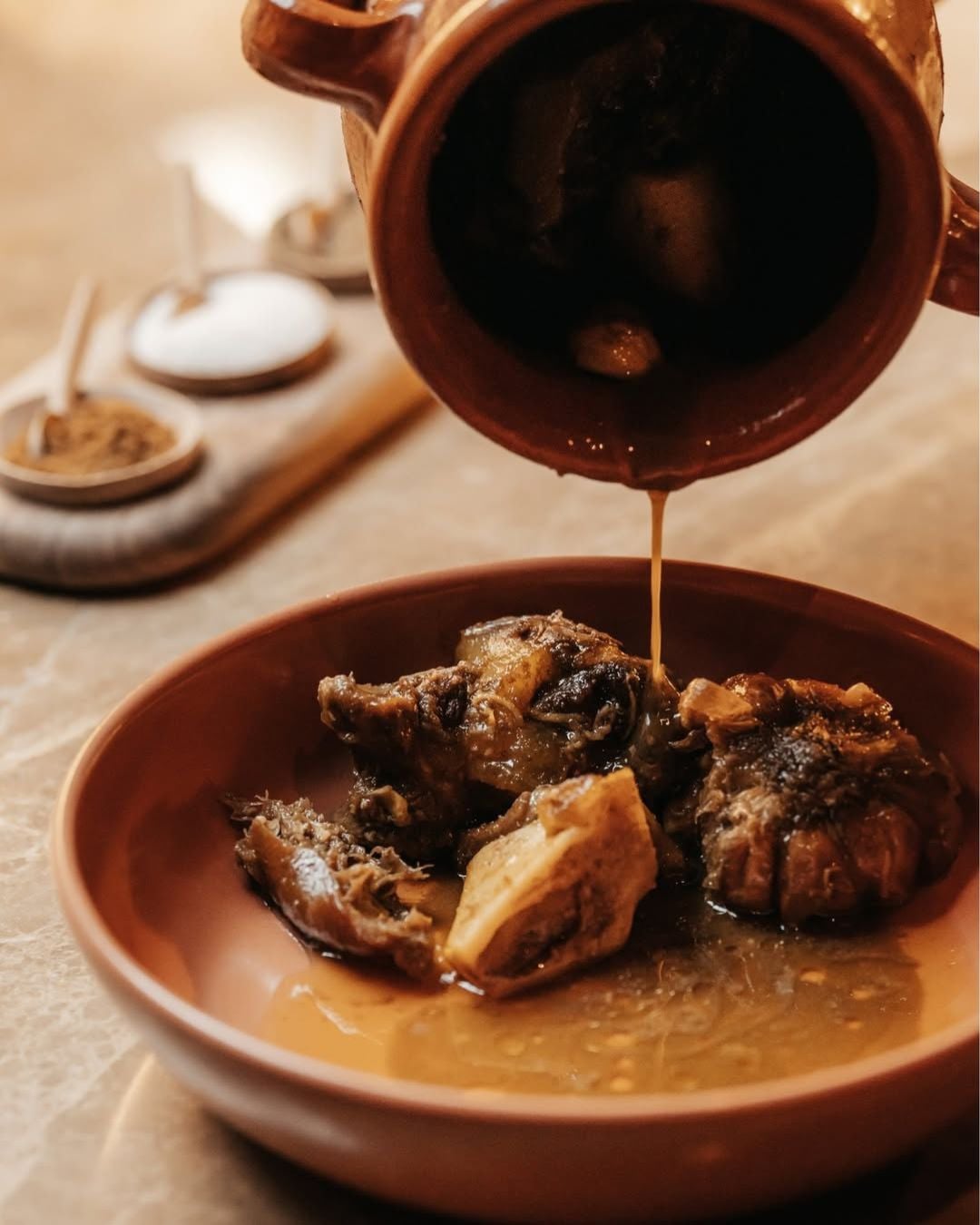
You can watch the transfer happening. At Sahbi Sahbi in Gueliz the kitchen that is normally hidden sits at the centre of the room, wrapped in a horseshoe counter, worked by an all-female team. Amal trains women in a villa garden and changes the menu daily. Alongside it, the street version that never needed updating: Chez Lamine has been pulling lamb out of underground ovens since 1965, and Naima Couscous is six tables and one bowl set in the middle for everyone to eat from.
None of which means you have to eat Moroccan every night. Nobu's Japanese-Peruvian sits in Hivernage, Jean-Georges and Simone Zanoni cook inside La Mamounia, the Oberoi runs an Indian kitchen, and Plus61 does modern Australian in Gueliz: on any given evening the city offers around twenty different cuisines.
Eat couscous on a Friday, which is when Moroccan families eat it, and the tables that do it properly fill early. For the dishes themselves, sixteen of them and the customs behind them; for a first visit, the twenty tables that settle the question.
8. Nightlife and entertainment: two nights running at the same time
The dinner show fills late and the band works between courses: Comptoir Darna and Palais Jad Mahal have done it for years. The club register runs alongside it, Theatro in a converted theatre, Montecristo in Gueliz, and international bookings that cluster in spring and autumn and again around New Year. Between them sit two casinos, the 08.08 speakeasy behind Mizaan, and Barometre mixing behind a bar the width of a corridor.
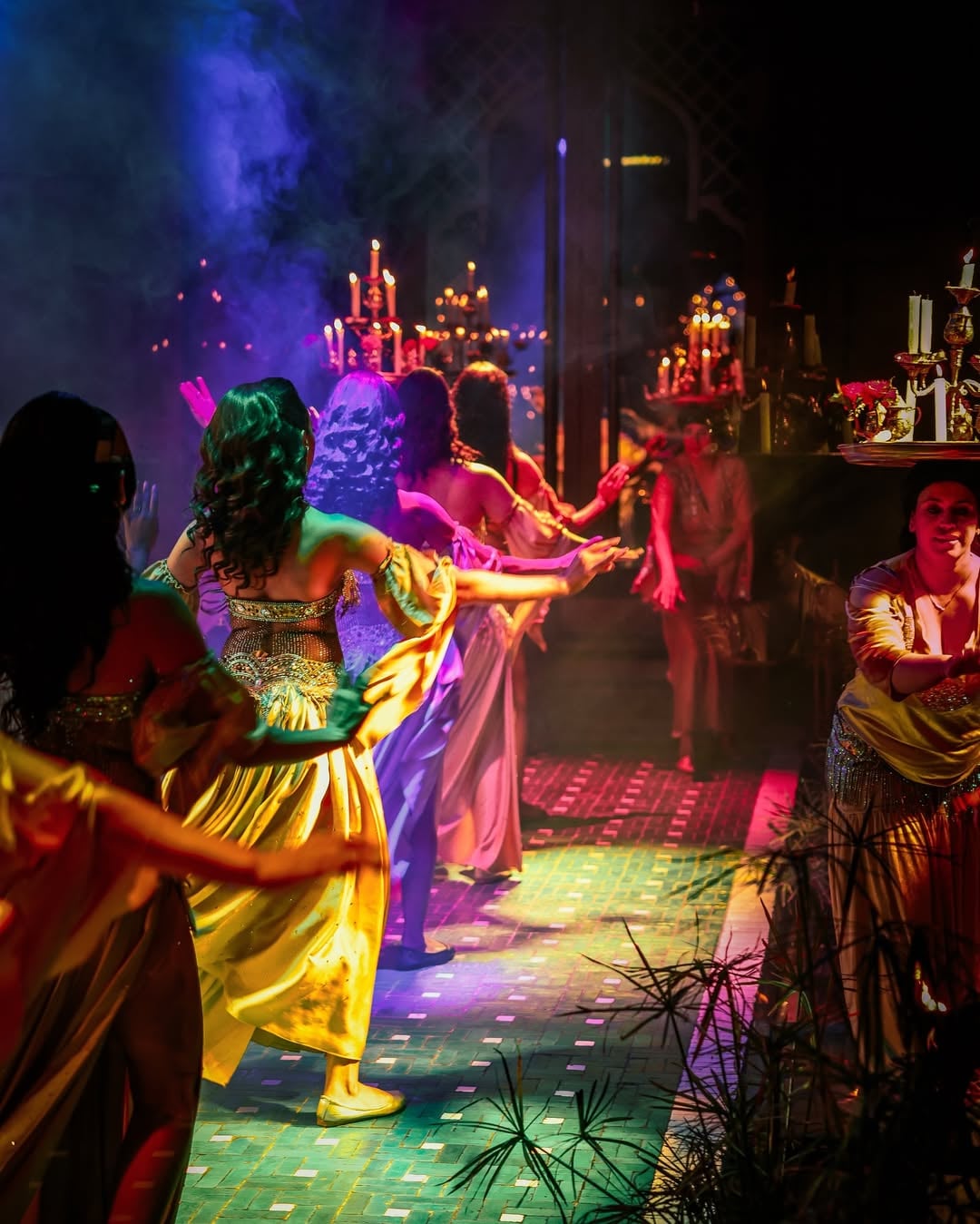
The calendar carries its own: a three-day electronic festival in September, the film festival for its twenty-third edition in November.
Start on a rooftop, at the hour when the light goes and nobody has decided where dinner is yet, then pick a register: six tables where the night has its own rules, or the clubs of Hivernage.
9. Adventure and day trips: the ground changes as soon as you leave
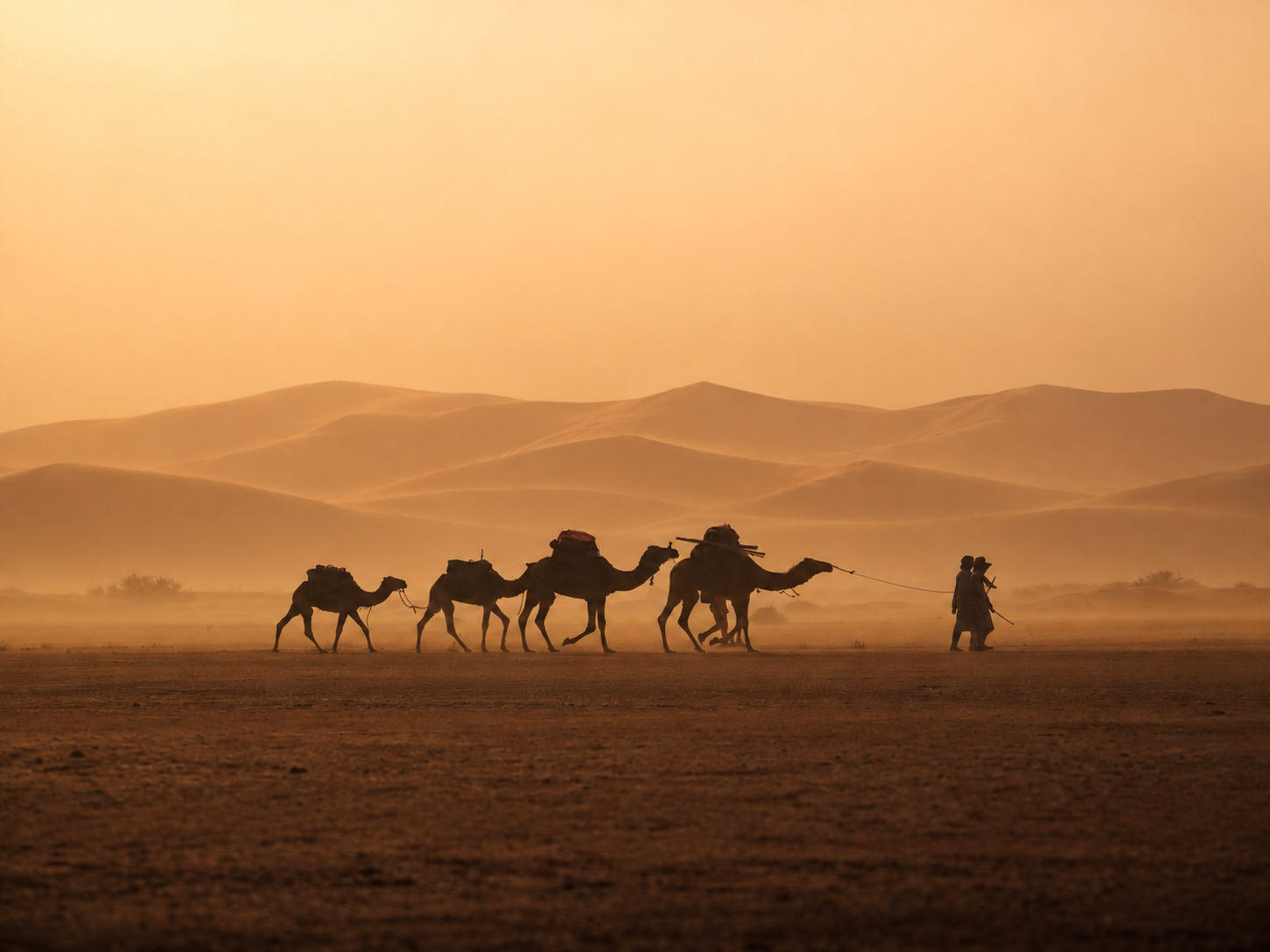
Drive less than an hour and the Agafay starts, a stone desert standing in for dunes several hundred kilometres further on, sold as a single evening: quad, camel, dinner under lights. Two hours south the ground rises to Toubkal at four thousand one hundred and sixty-seven metres. East, the Ourika valley and its river. Three hours west, the Atlantic. Beyond all of it, the sand around Zagora.
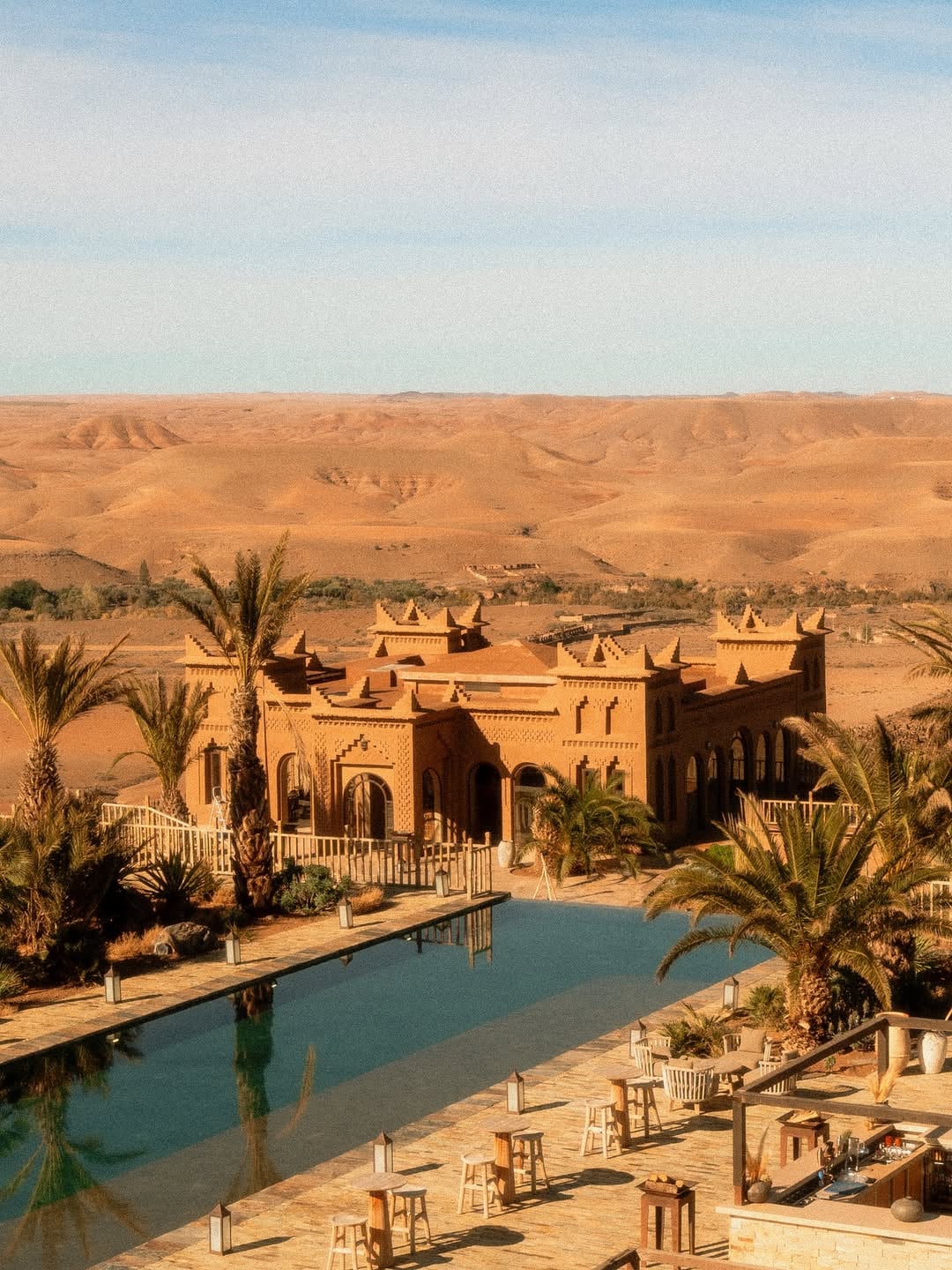
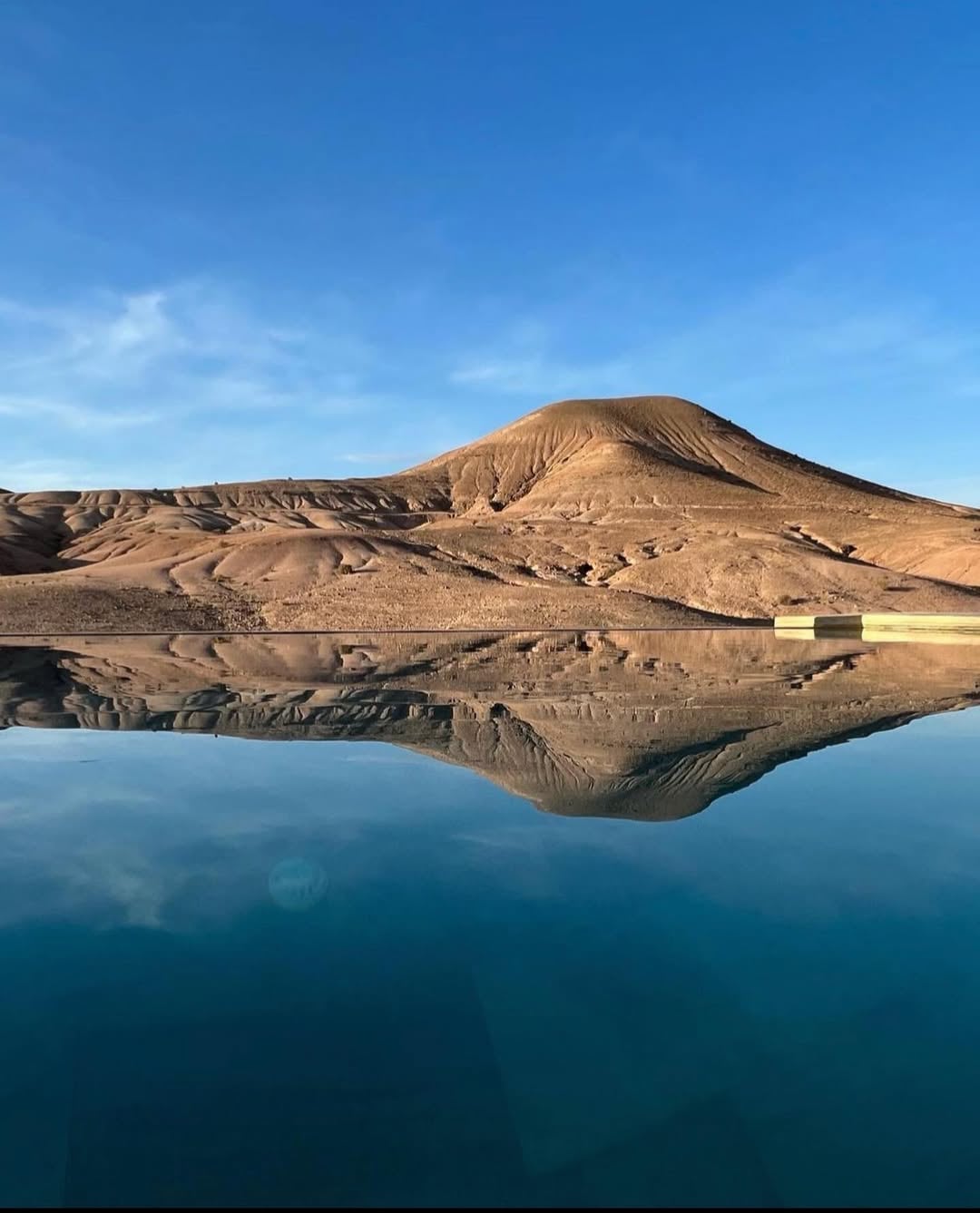
Balloons lift before sunrise over the plain to the north and come down for breakfast. And none of it requires leaving town: quads and buggies run in the Palmeraie, and the palm grove is still best crossed on horseback early in the morning, or on a camel, without anyone driving you anywhere.
Give the Agafay a night instead of an evening, because what it is for happens after the day trippers have gone: seven camps on the stone. Further out, where the heat ends on the Atlantic, and six escapes for the days you want the city behind you.
On a February evening in Gueliz the openings run late and the outside tables fill with a mix nobody curated: collectors comparing what sold, a family working out tomorrow's monuments, two men who played eighteen holes that morning ordering the same bottle.
You may also like…