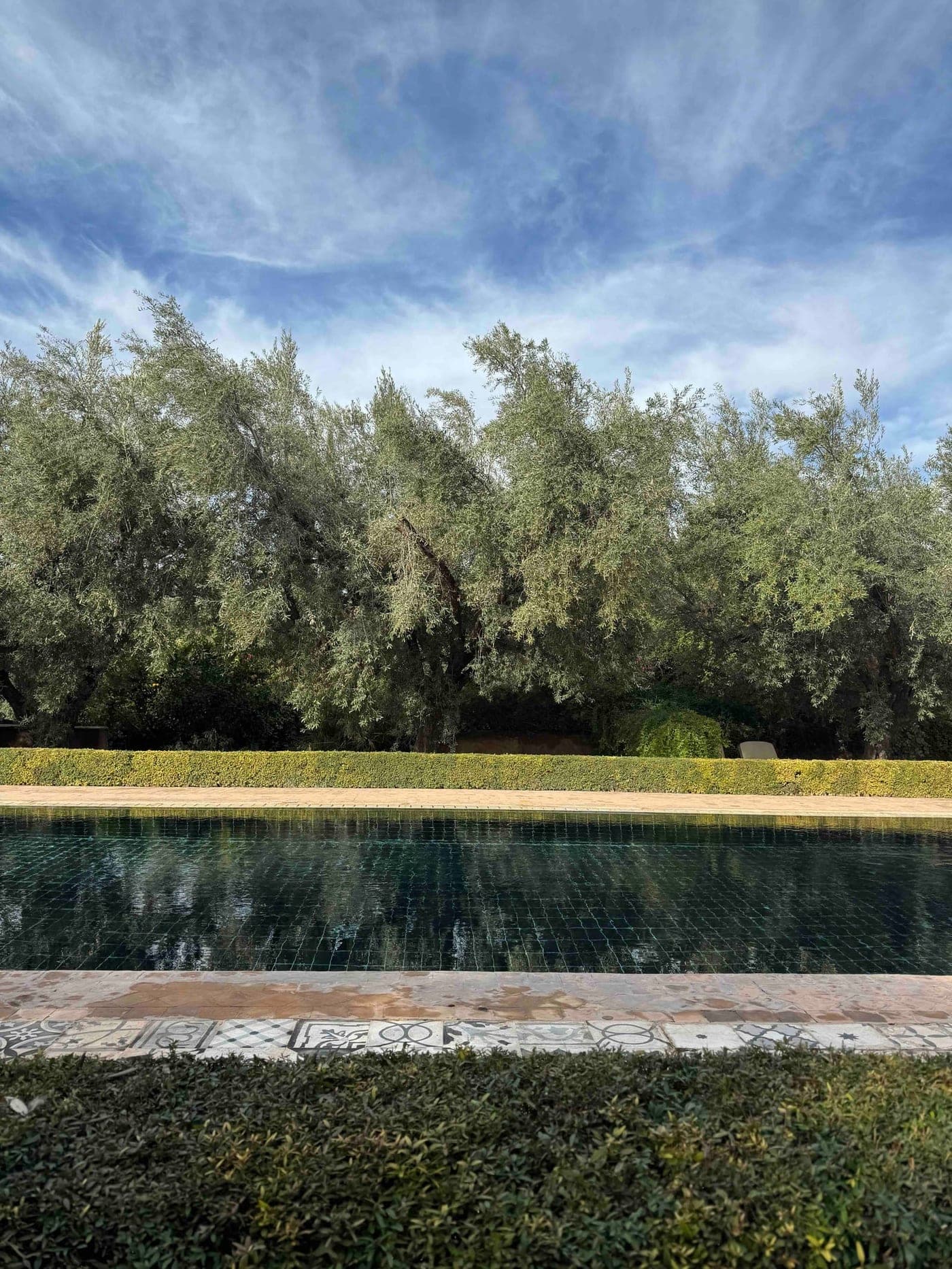
Marrakech in Winter: The Softest Light of the Year
November and December move to their own rhythm: T-shirt at lunch, coat at dusk, and skies that produce the most dramatic color the city sees all year.
Timence Guide · 9 April 2026
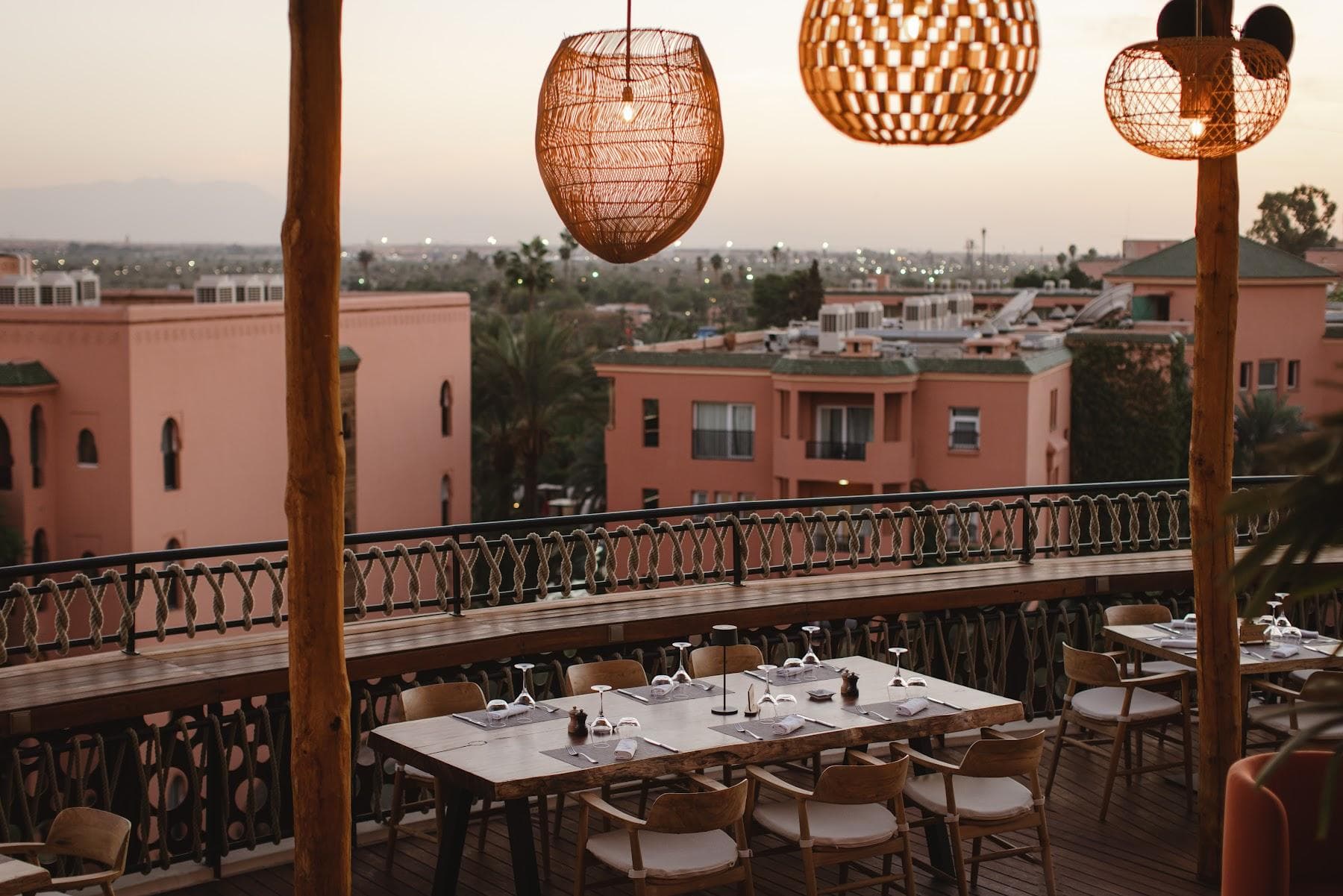
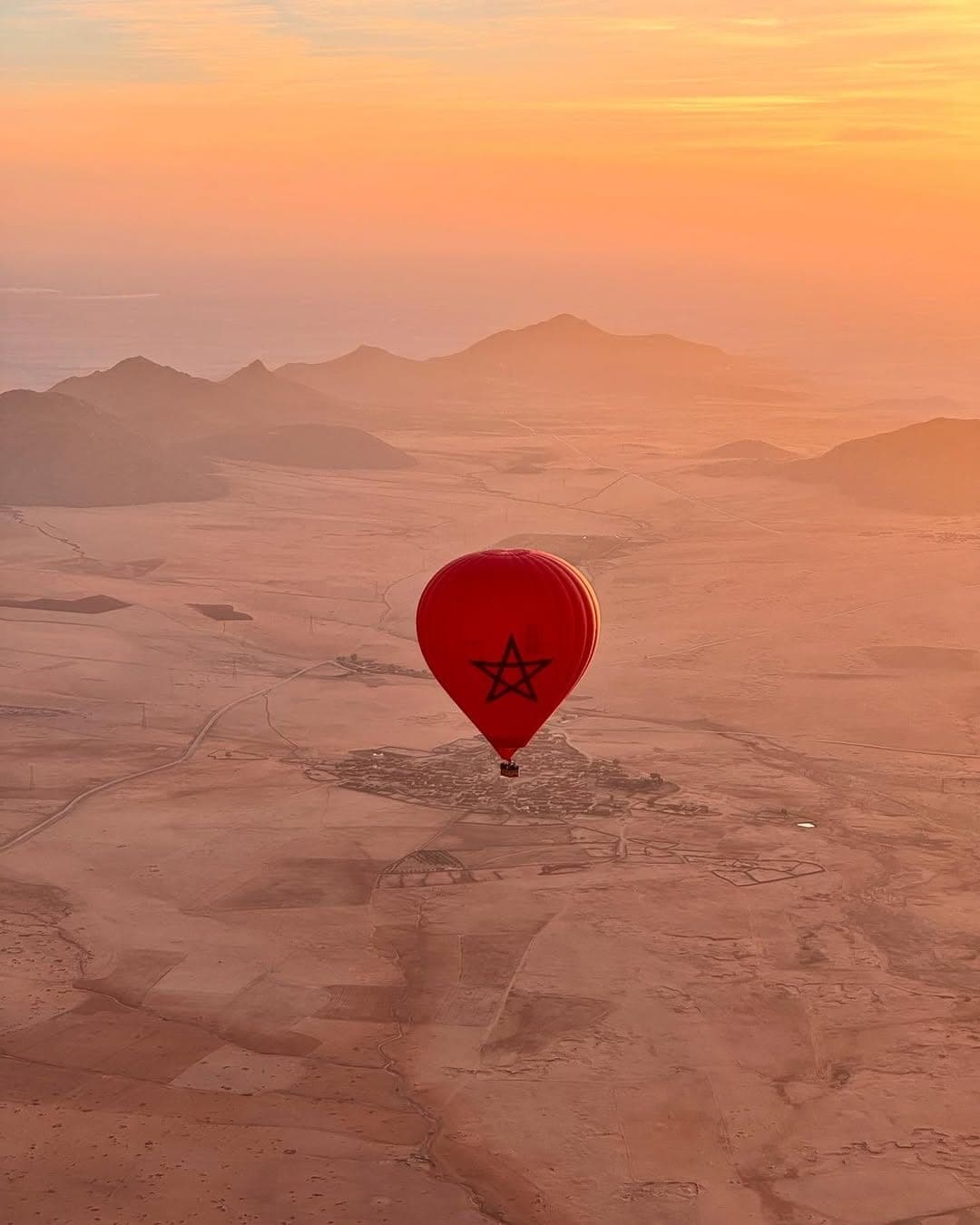
The light in Marrakech in November does something that the rest of the year does not. Because the sun is lower in the sky and the air has cleared of the summer haze, the late afternoon glow on the city's walls reaches a depth of color that photographers and designers who know the city consistently single out. The ochres and pinks that define the medina's palette are not a function of the paint: they are a function of the light, and in November, with the sun at 30 degrees above the horizon at four in the afternoon, the city looks the way it is always imagined to look.
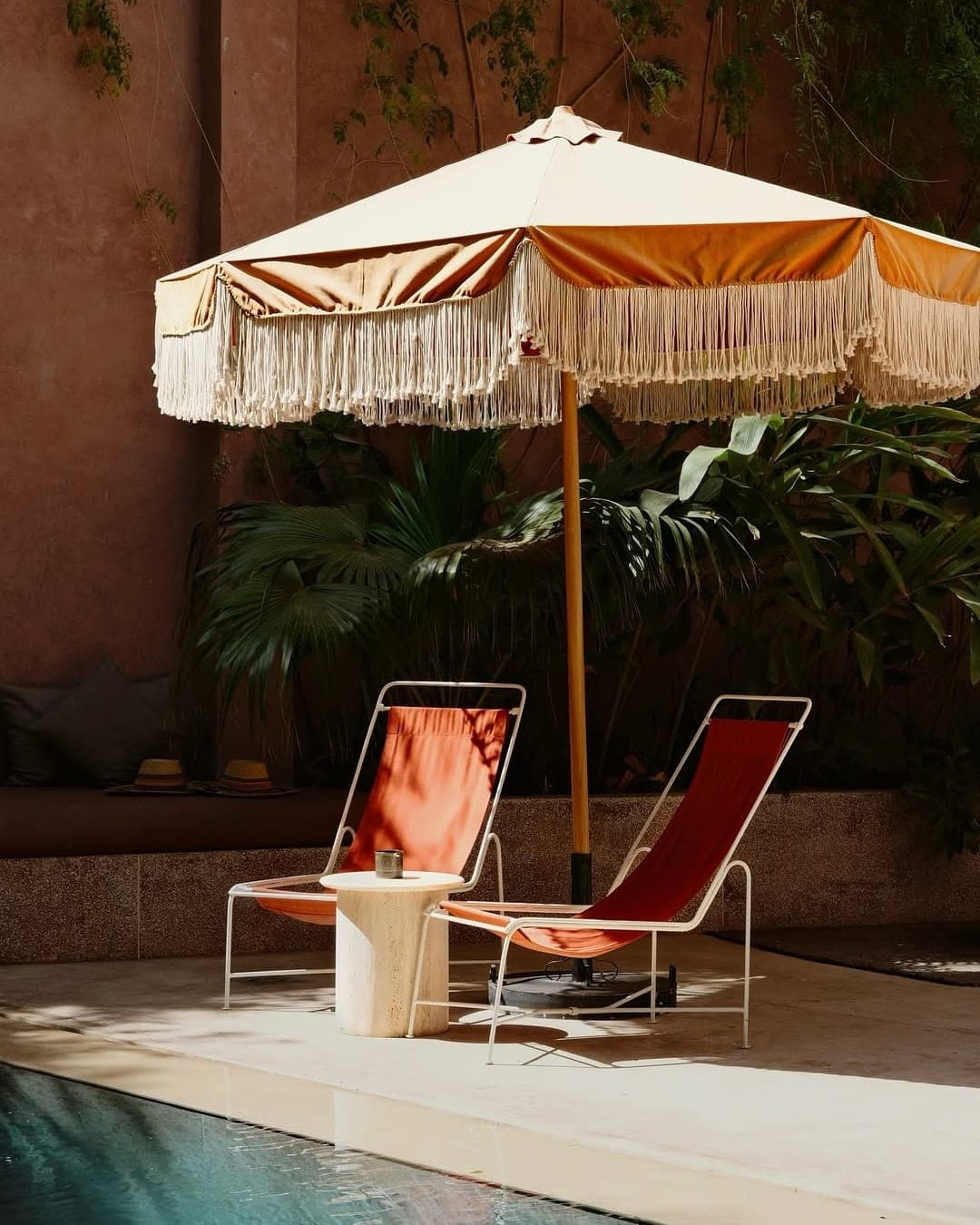
Sunrise in November and December arrives around 7:30. Sunset at around 5:45 to 6:00. Two windows of color, morning and evening, that bracket days which are mild, clear, and undemanding in the way that only a dry winter can be. Eighteen to 24 degrees through the afternoon of November, 15 to 20 in December. Nights are cold: the winter drops to 5 degrees in December, and the strong contrast between the warmth of noon and the cold of midnight is one of the defining sensory experiences of these months. A T-shirt and light layer at lunch, a coat well before dinner: this wardrobe logic is not a complication but a kind of pleasure, the pleasure of a climate that makes clear demands and keeps its promises.
November: The Quiet Before
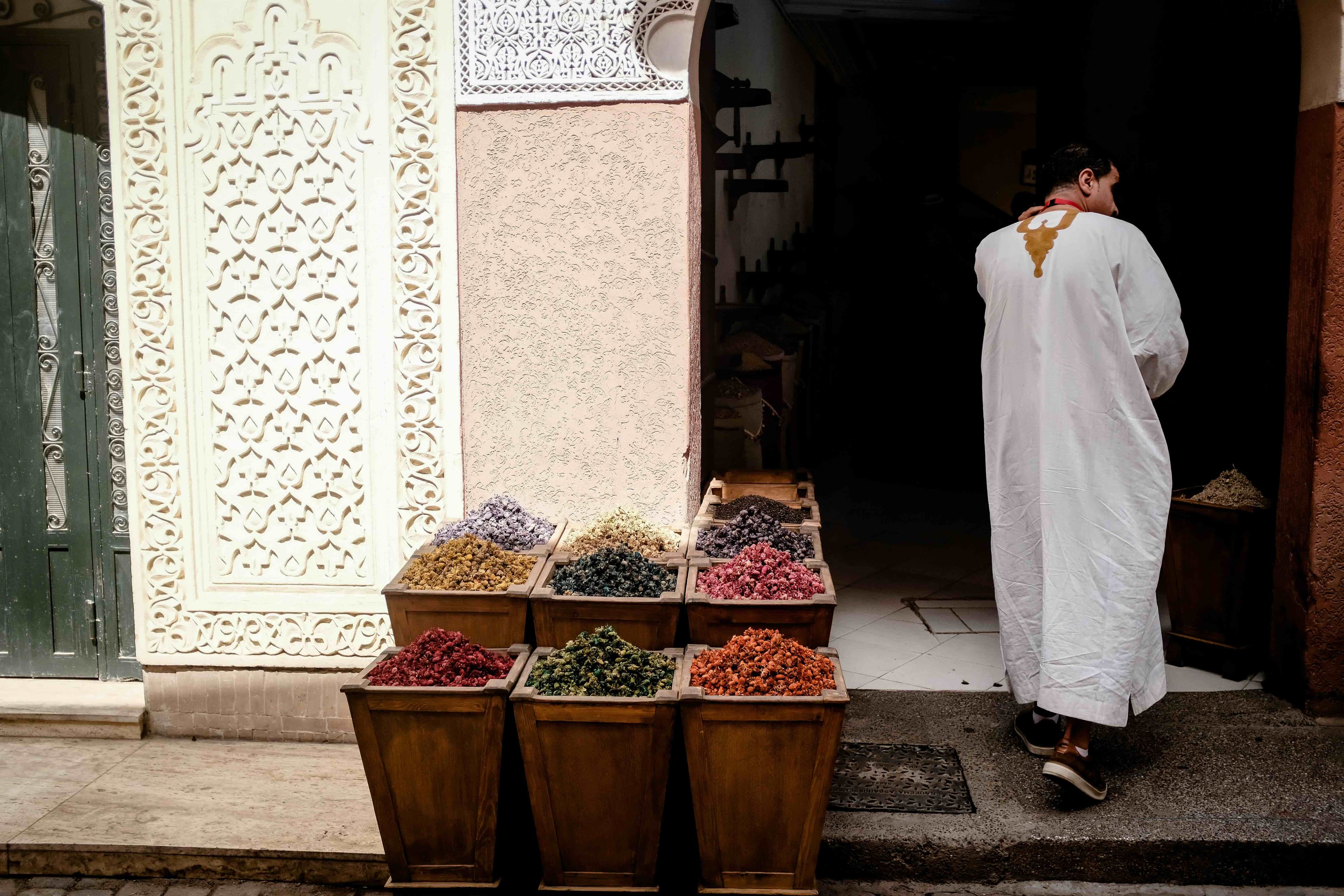
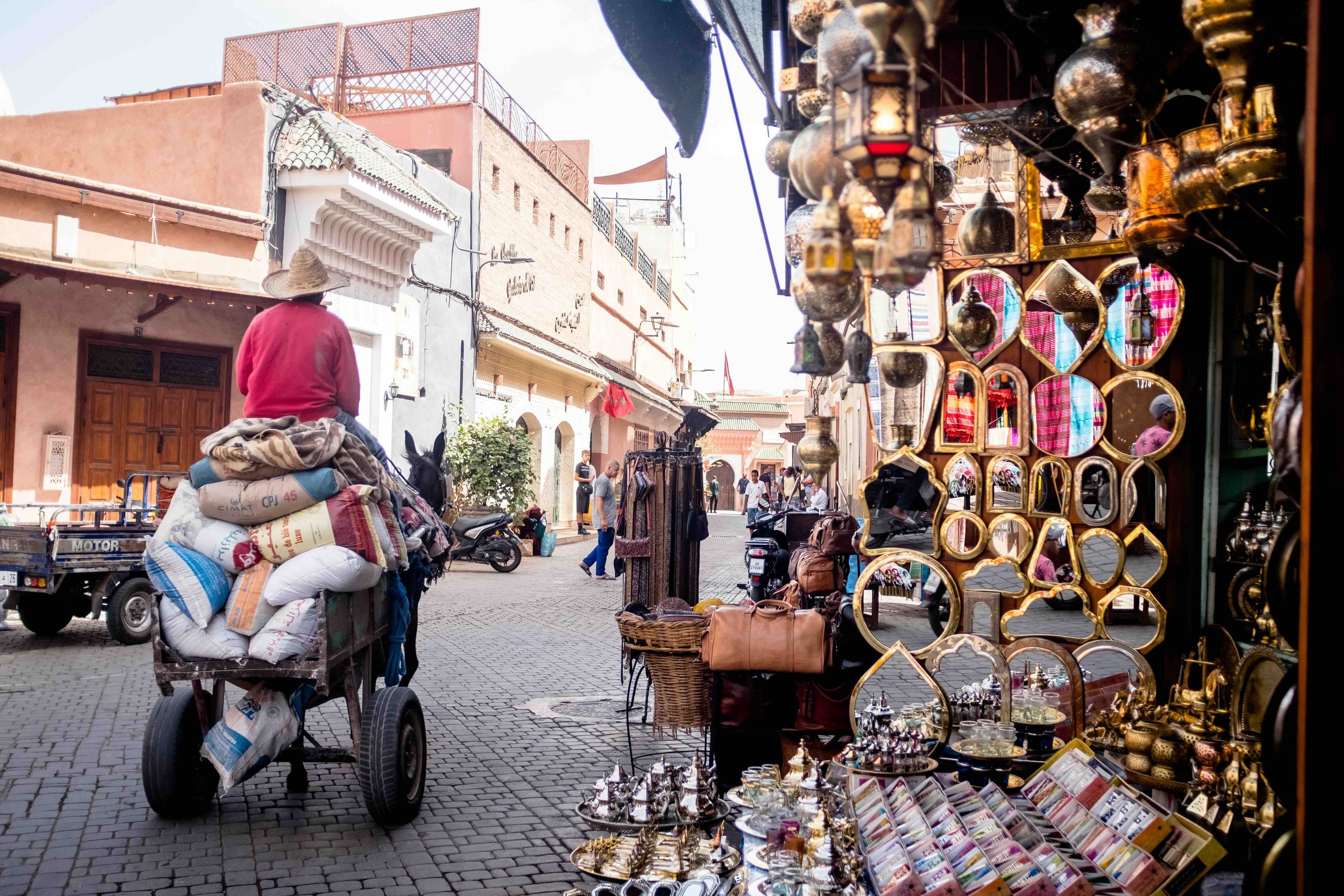
November in Marrakech occupies a particular position in the city's annual rhythm. The summer crowds are gone and the December influx has not yet arrived. The medina is easy to move through. Restaurants have tables. The hotels in the Palmeraie and along the Hivernage that ran at capacity through October are now available, sometimes at considerably better rates. The cultural calendar is active without being overwhelming: the souks vibrant but not oppressive, the museums and galleries operating at a pace that allows actual looking.
For those who value access to the city as it actually functions rather than as it performs for visitors, November is one of the most honest months. The market logic of the medina is visible rather than obscured by the transactional pressure of peak season. The conversations in cafes and riads are less touristic in register. The experience of simply being in the city, sitting on a terrace with the Atlas white to the south, watching the afternoon light do what it does, has a quality that the busier months, for all their vitality, dilute.
Reservations are still advisable in November, particularly for the restaurants that maintain a consistent following year-round. But the window between advisable and mandatory is much wider than in any month from March through May.
The Film Festival and the Run-Up to December
Late November brings the Marrakech International Film Festival, one of the more significant cultural events on the city's annual calendar. The festival draws international filmmakers, a cosmopolitan audience, and a certain kind of visibility that the city wears well. The presence of the film world for ten days changes the atmosphere of the Palais des Congres and the surrounding Hivernage neighborhood, and the screenings, master classes, and premieres spread the cultural energy more broadly than the usual Marrakech event. For those who are not specifically attending the festival, its presence adds a layer of animation to November that the shoulder season might otherwise lack.
As December opens, the city changes register again. The first two weeks carry the quality of the month's beginning: calm, mild-aired, the Marrakech of November still present in the medina's pace. Christmas week itself is surprisingly quiet: most Europeans have gone home for the holiday, and those who did not travel south stayed in Europe. Marrakech in those days still has room. Then, in the days immediately before New Year's Eve, everything shifts: traffic, fully booked restaurants, hotels at capacity, and a concentration of luxury arrivals that transforms the city's tone entirely.
December's Intensities
The final weeks of December produce a Marrakech that is simultaneously its most glamorous and its most congested. The souks by the second week of December require a different kind of patience than November did: the lanes around Souk Smarine and the Rahba Kedima fill with a density that is not uncomfortable but is no longer conducive to slow, attentive shopping. Reservations in December become mandatory rather than advisable. The city's key properties, riads with rooftop terraces overlooking the medina, villas in the Palmeraie, the landmark hotels along the Hivernage, fill for New Year's Eve many weeks in advance.
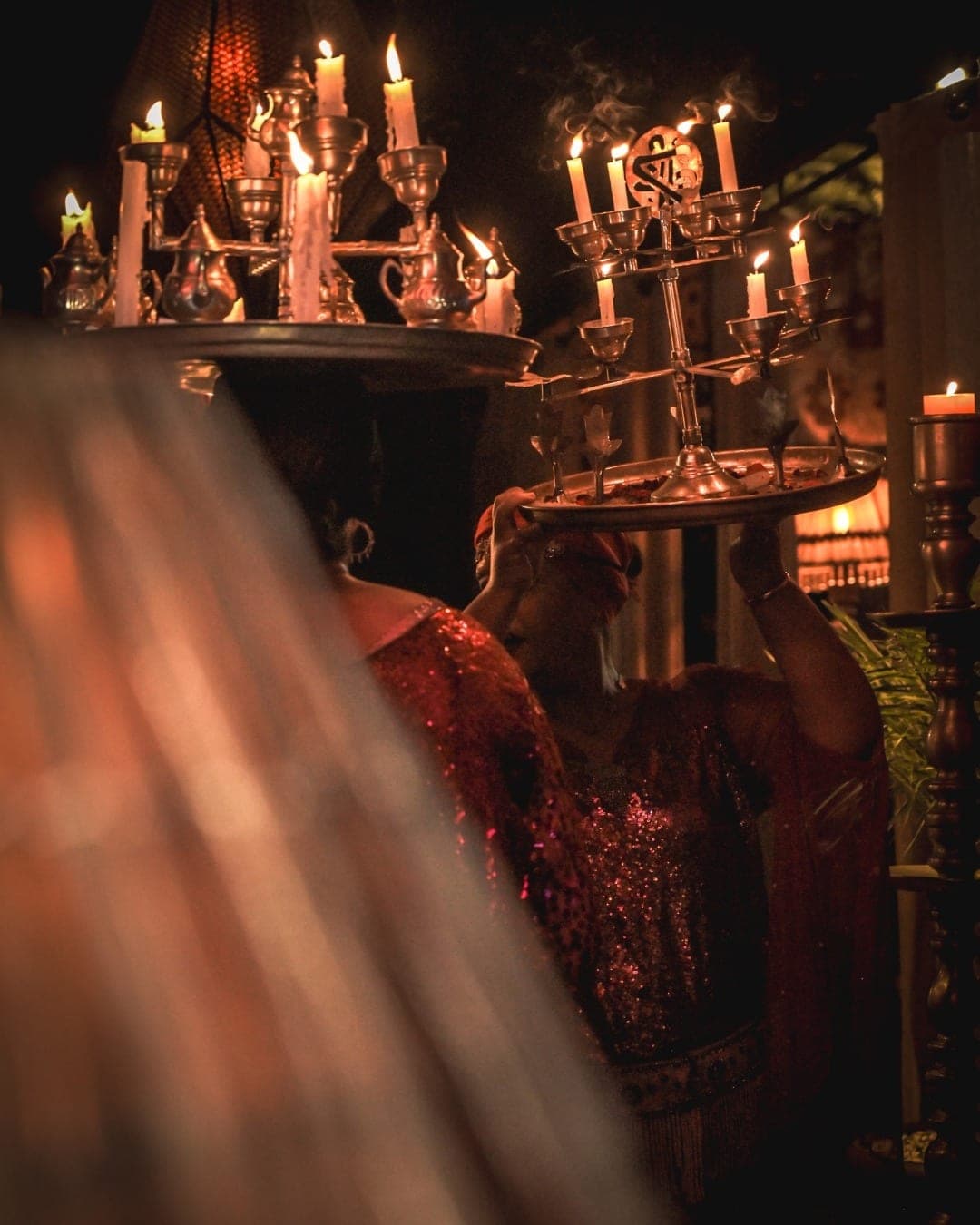
The New Year itself, in Marrakech, is an occasion conducted at a particular pitch. Exclusive riads, hotel garden parties, rooftop dinners with views over the Koutoubia, the bass of sound systems in the Palmeraie carrying across the palm trees: the city runs its festivities across a range from intimate to spectacular, and the standard is high. This is not an accident. Marrakech has understood for some years that New Year's Eve is one of its most competitive offerings in the European luxury market, and the hotels and venues that curate the night have had time to refine what they do.
The Landscape in Winter
Beyond the city, November and December produce a version of the surrounding landscape that the warmer months cannot. The Atlas Mountains, which in summer recede behind haze and in autumn begin to show their first snow, are by December carrying full winter caps visible from the city on clear days: white above the red plain, a visual that takes visitors by surprise with its drama. The routes to Imlil and the ski resort at Oukaimeden become realistic for those willing to add altitude to their itinerary.
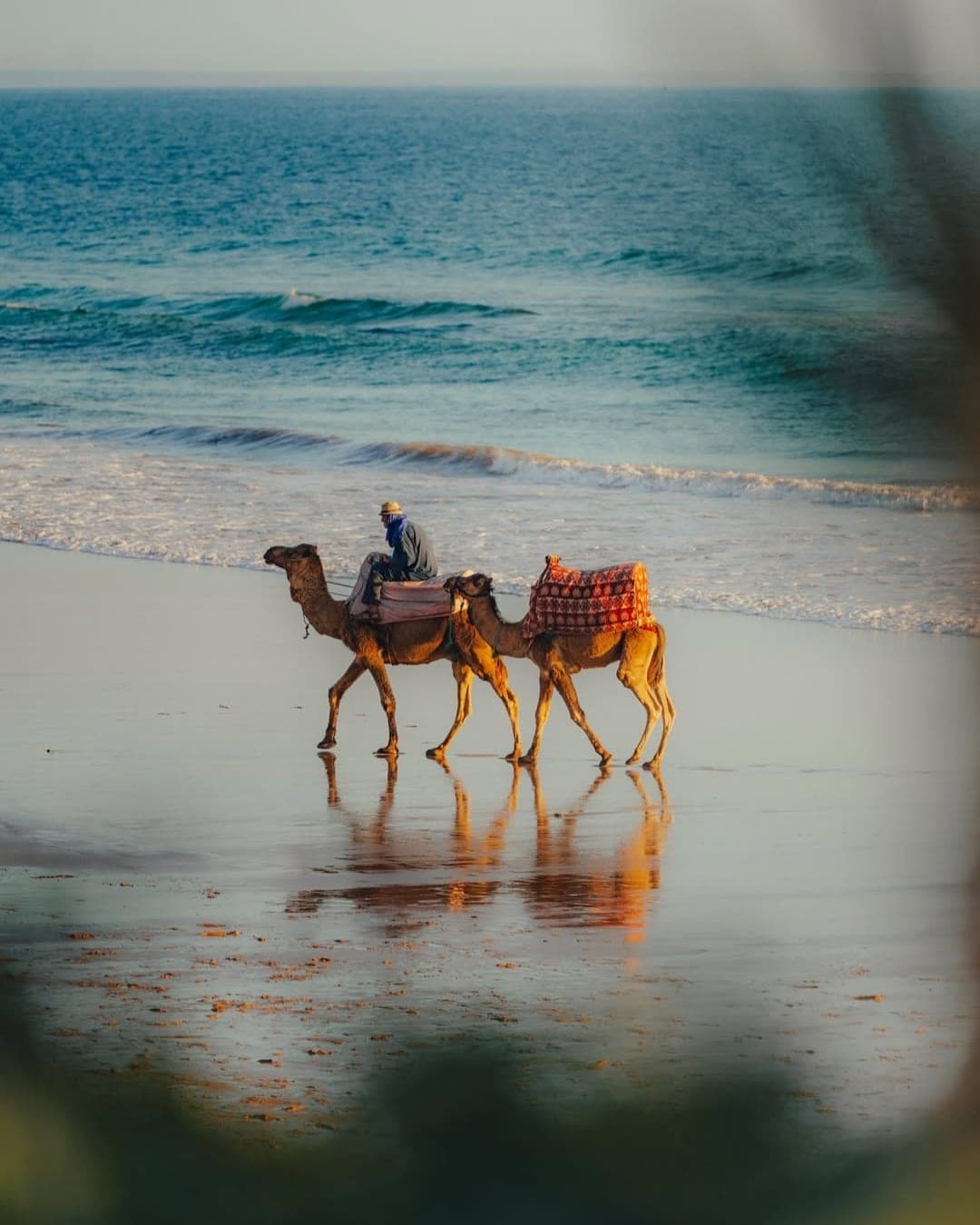
The Agafay Desert in winter is one of its most compelling versions: warm by day, cold by fire at night, the desert camps offering blankets and the particular silence of an empty landscape after dark. Essaouira and Taghazout on the coast remain accessible and genuinely mild, their ocean air a sharp contrast to the Marrakech plateau. For those who want to extend the journey further, the Draa Valley and the Sahara in November and early December carry a warmth that December's later weeks begin to cool, and the quality of the desert sky in winter, clear and deep and fully populated with stars, is the season's argument for the road south.
November and December ask more of a visitor than they immediately advertise. They ask for an attention to weather, a willingness to dress for contrast, and in December a willingness to plan far ahead for the things that matter. What they return, in light and access and the particular pleasure of a city that still knows how to celebrate with genuine style, is more than the investment.
You may also like…