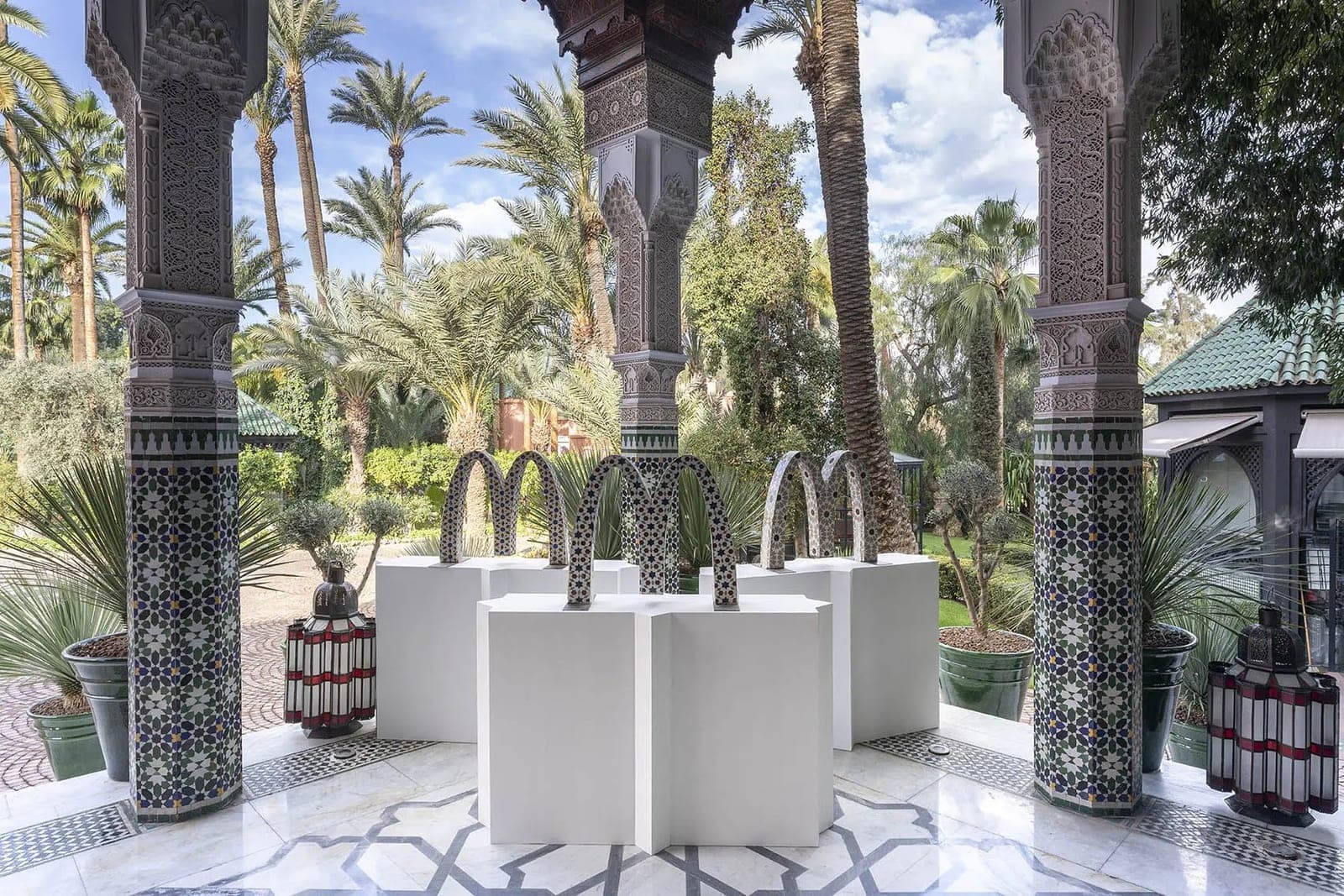
Marrakech in January and February: The Season That Shows You the City
When the New Year crowd departs, something opens in Marrakech's winter city: quieter streets, available tables, and a quality of light the high season never produces.
Timence Guide · 10 April 2026
The first week of January, Marrakech is still full. Hotels at capacity, the medina moving in slow procession, restaurants booked from terrace to ground floor. Then the holiday crowd departs, and something remarkable happens. The city exhales. January and February are when Marrakech returns to itself. The streets narrow to their actual width. The souk vendors settle back into their rhythms. The light, clean and low in the winter sky, gives every courtyard and rooftop a quality that the density of high season rarely allows.
What the Weather Actually Means
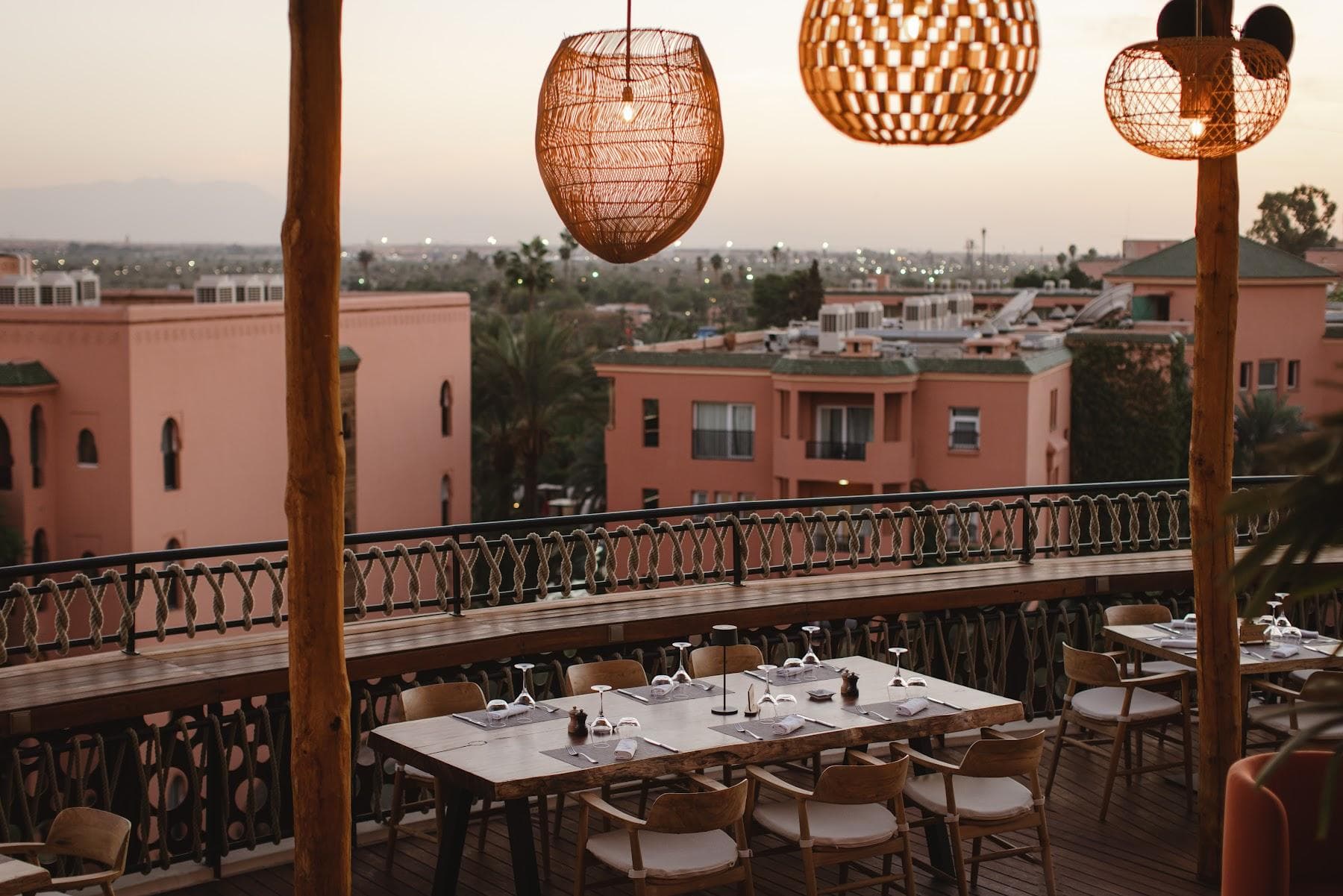
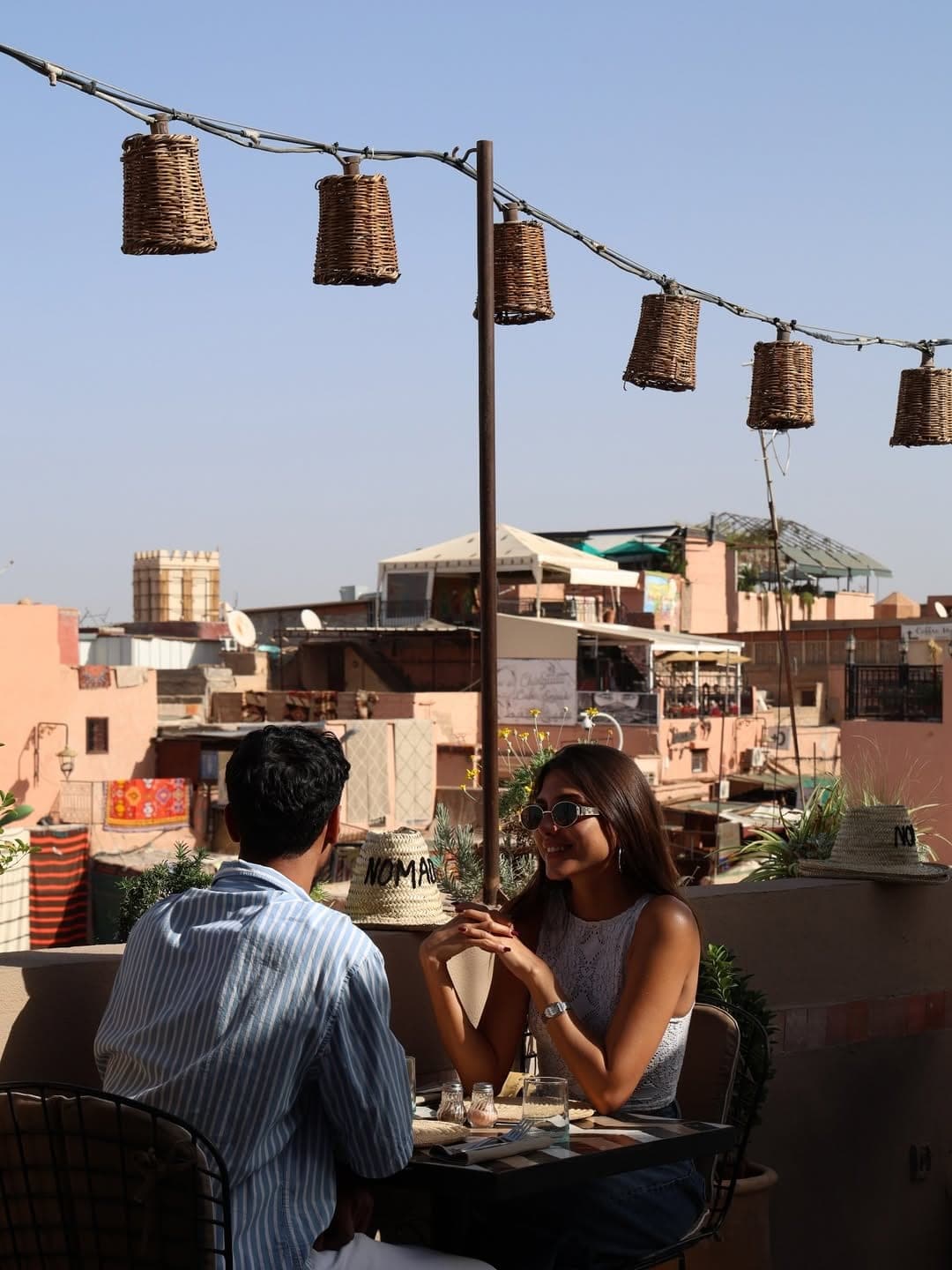
People expect winter in a North African city to mean simply mild, pleasant days. Marrakech delivers on that expectation, but with more contrast than most visitors anticipate. January is the coolest month: nights drop to around 5 degrees, while afternoons under clear dry skies reach 17 to 18. The shift happens fast, usually within the hour after the sun falls behind the Atlas silhouette to the south. February warms slightly, evenings sitting around 7 to 8 degrees, midday peaking at 20 to 21. The air stays dry throughout. The light sharpens rather than softens. There is nothing damp or grey about Marrakech in winter. A T-shirt and a light layer in the sun, something more once the terrace turns cold at five in the afternoon: this is the daily wardrobe logic of the season. Dress in layers, and the cold becomes a pleasure rather than a problem. Rooftop lunches in January are not a performance of optimism. They are a genuine pleasure, the sun warm on your face with a view of the Atlas sharp and snow-dusted on the southern horizon.
The City at Low Season
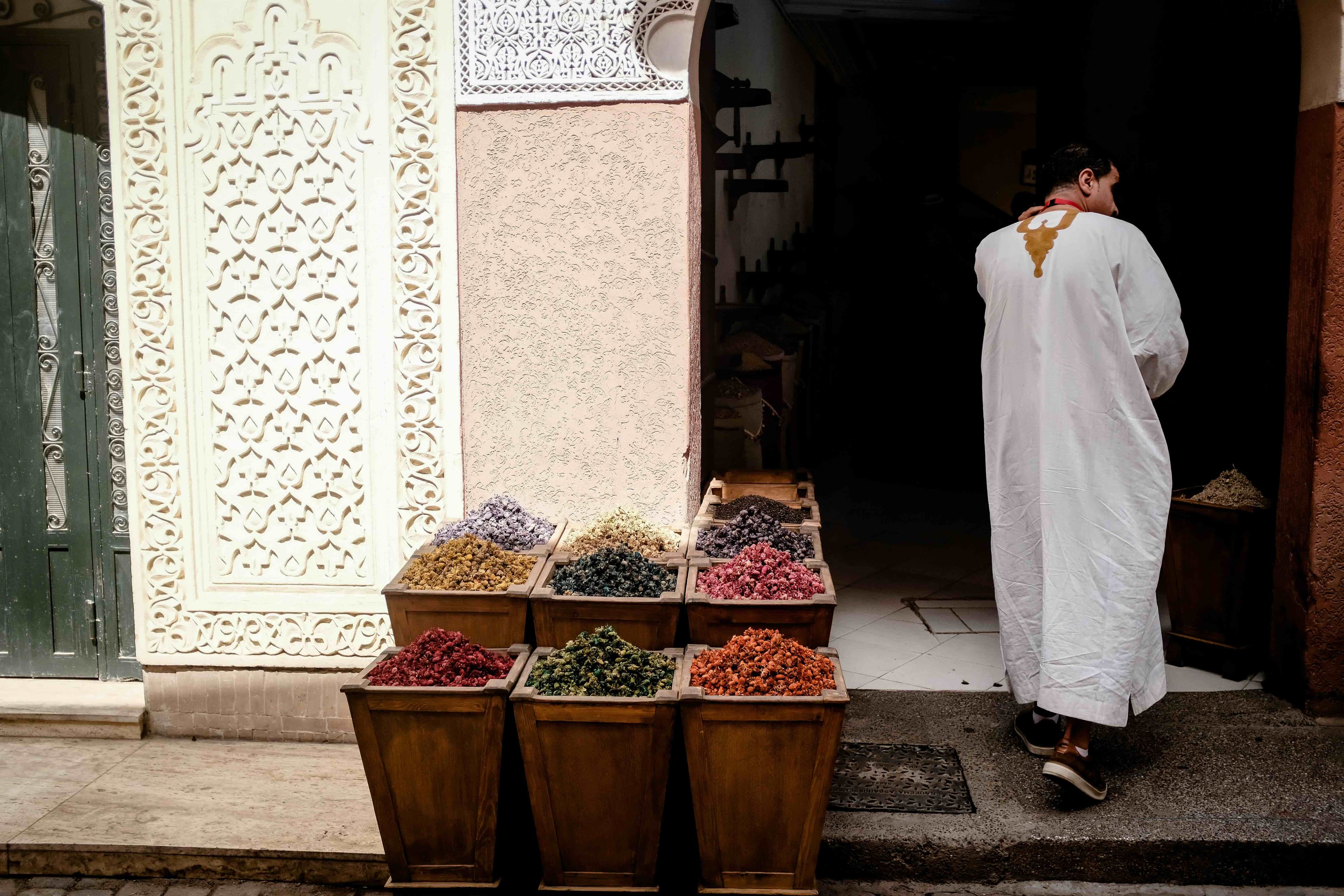
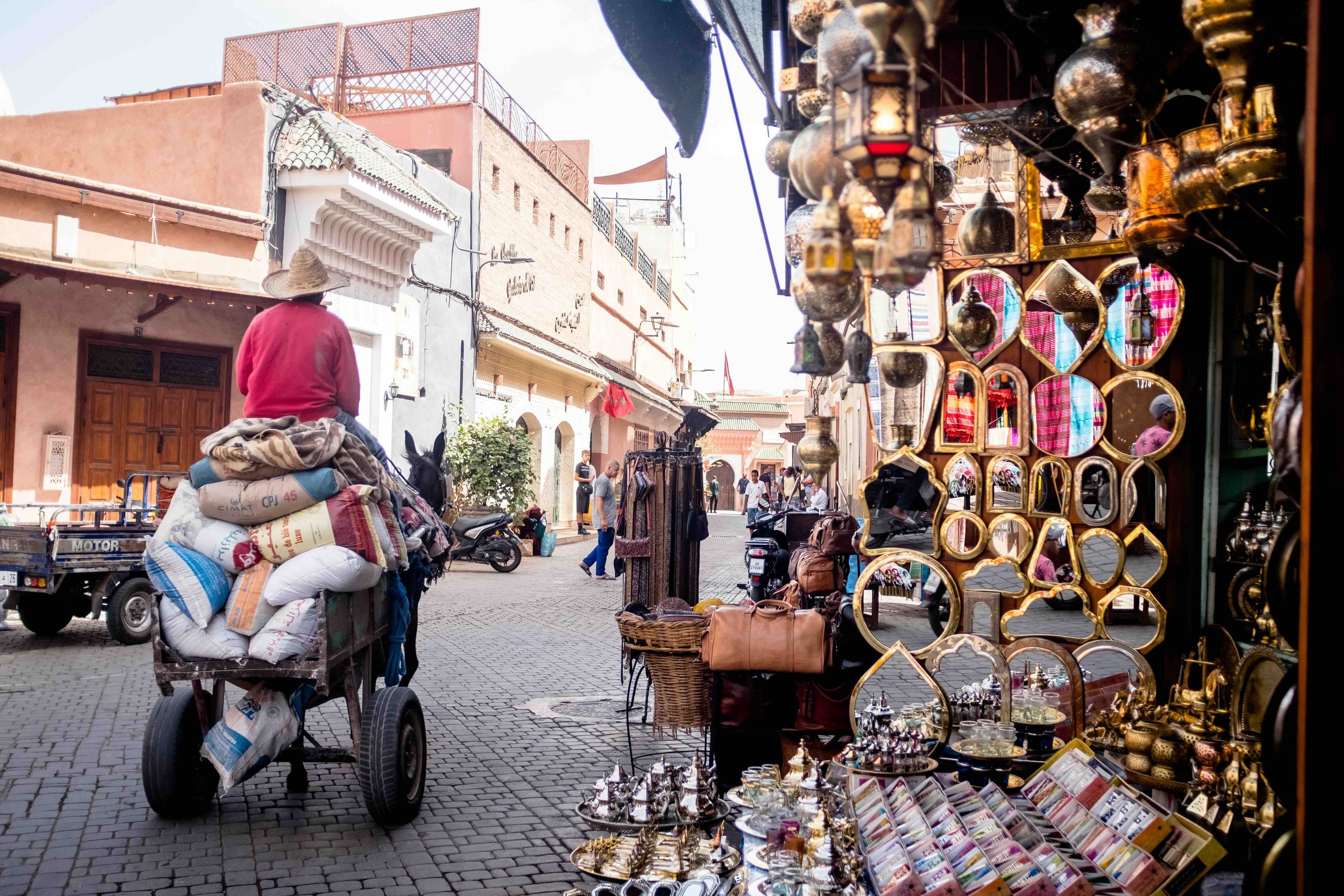
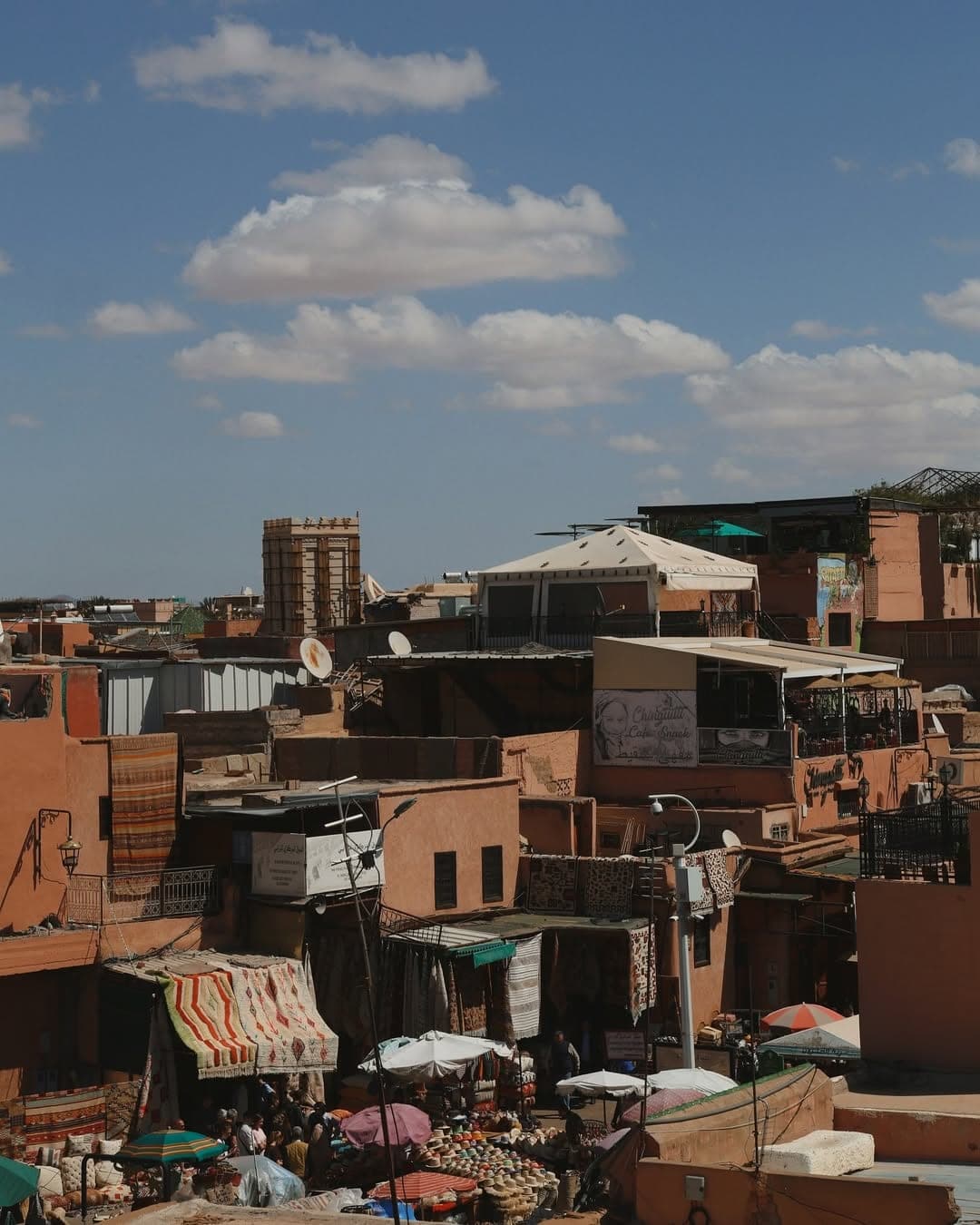
The single most significant quality of the winter months is what happens to the city's social texture when tourist numbers fall. The souks become navigable again, their logic legible rather than overwhelming. Tables at the restaurants that were fully booked from October through December become available without excessive advance planning. Riad rates drop considerably.
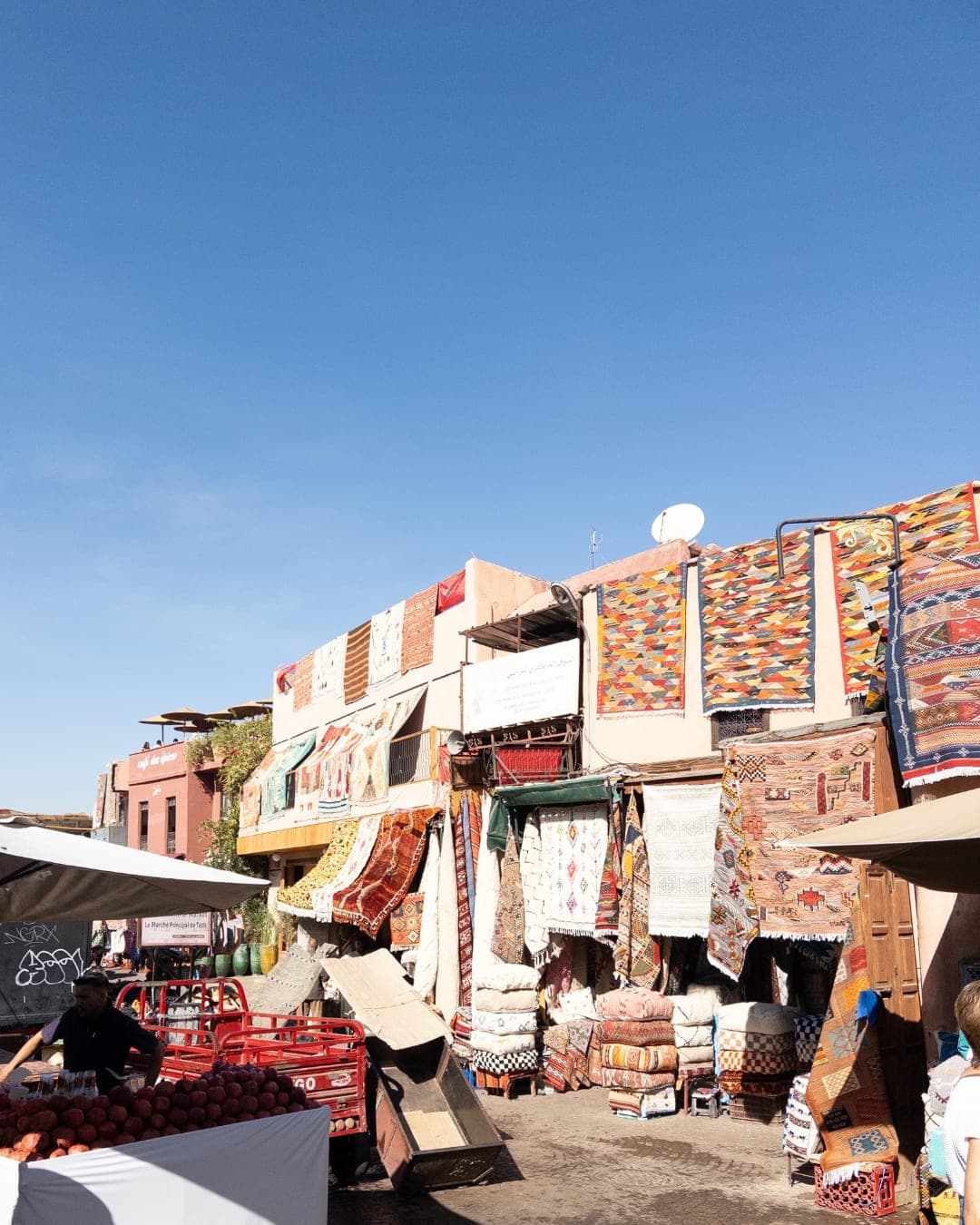
The medina, which in peak season can feel like a single organism moving in one direction, moves in its several natural directions simultaneously. For anyone who has only experienced Marrakech at its busiest, the quiet months offer something that no curated experience can replicate: the sense of living in the city rather than visiting it. The unhurried quality of a morning at Jardin Majorelle with actual space between you and the next person.
The ease of slipping into a hammam on a Tuesday afternoon without a reservation. The ability to sit in a cafe in the souks and watch the light change on the walls without being moved along. These are not small things. Many hotels maintain heated pools through the winter months, which means that a clear-sky afternoon beside the water is entirely possible, and stranger still, entirely quiet.
The gardens, in January and February, carry a particular stillness: Le Jardin Secret in the early morning, the paths around the Menara Pavilion with its reflective basin catching the winter blue above it. Museums and galleries, including MACAAL and the Berber Museum within the Majorelle complex, can be moved through at an actual pace rather than in the shuffle of a crowd.
The Winter Calendar
The winter calendar carries more weight than the low-season reputation suggests. January 11th marks the Proclamation of Independence, observed across the city. On January 13th and 14th, Yennayer, the Amazigh New Year, brings music and traditional food to public spaces; it is one of those moments when Marrakech's Amazigh identity, so central to the actual culture of the city, becomes communally visible. Toward the end of January, the Marrakech International Marathon draws runners from across the world and gives the city a particular early-morning energy: the medina as a backdrop, cool air, long straight stretches of the Gueliz boulevards lit in pre-dawn orange.
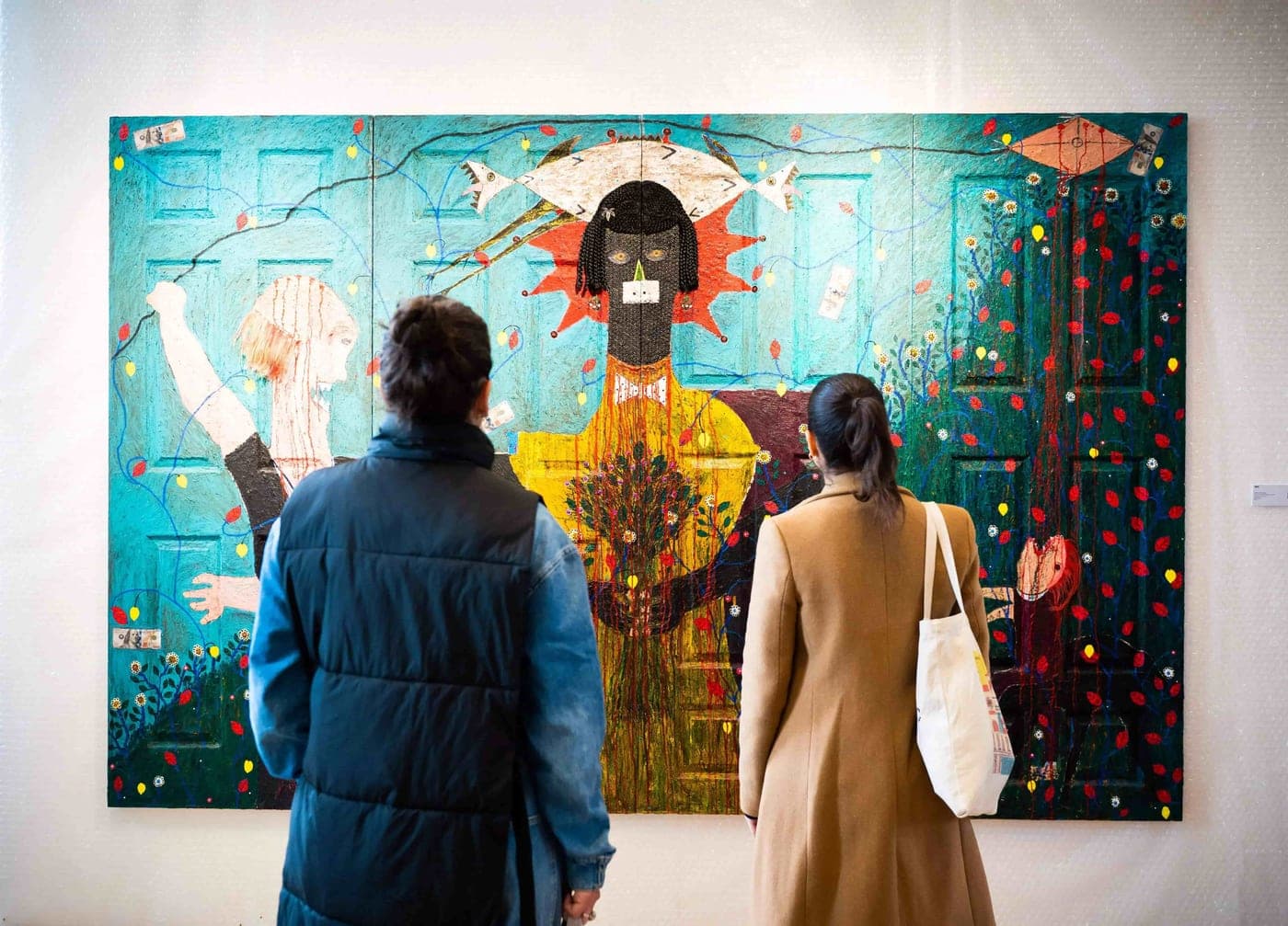
The 1:54 Contemporary African Art Fair, one of the more serious events on the city's art calendar, follows typically in late January or early February. These events do not transform Marrakech into a different city. They deepen it, adding layers to a place already worth being in for its winter light alone.
Beyond the City
The cooler air and clear horizons of January and February make the landscapes beyond the city particularly compelling. To the southeast, Imlil becomes accessible: snow-tipped Atlas peaks visible from the valley floor, trails that feel like a different country entirely, altitude that reads nothing like summer. The Ourika Valley, closer and more immediate, is crisp and green, the river running full. The Agafay Desert, by day warm and golden, offers fire-lit dinners by night that belong specifically to the cold season. Essaouira in January is bright, breezy, and far less populated than its shoulder-season self. The Atlantic coast in winter has a clarity that the warmer months, with their surf crowds and festival circuits, do not produce. The paradox that visitors consistently find most surprising: in Morocco it is possible to ski in the morning and watch the sun set over the ocean by late afternoon.
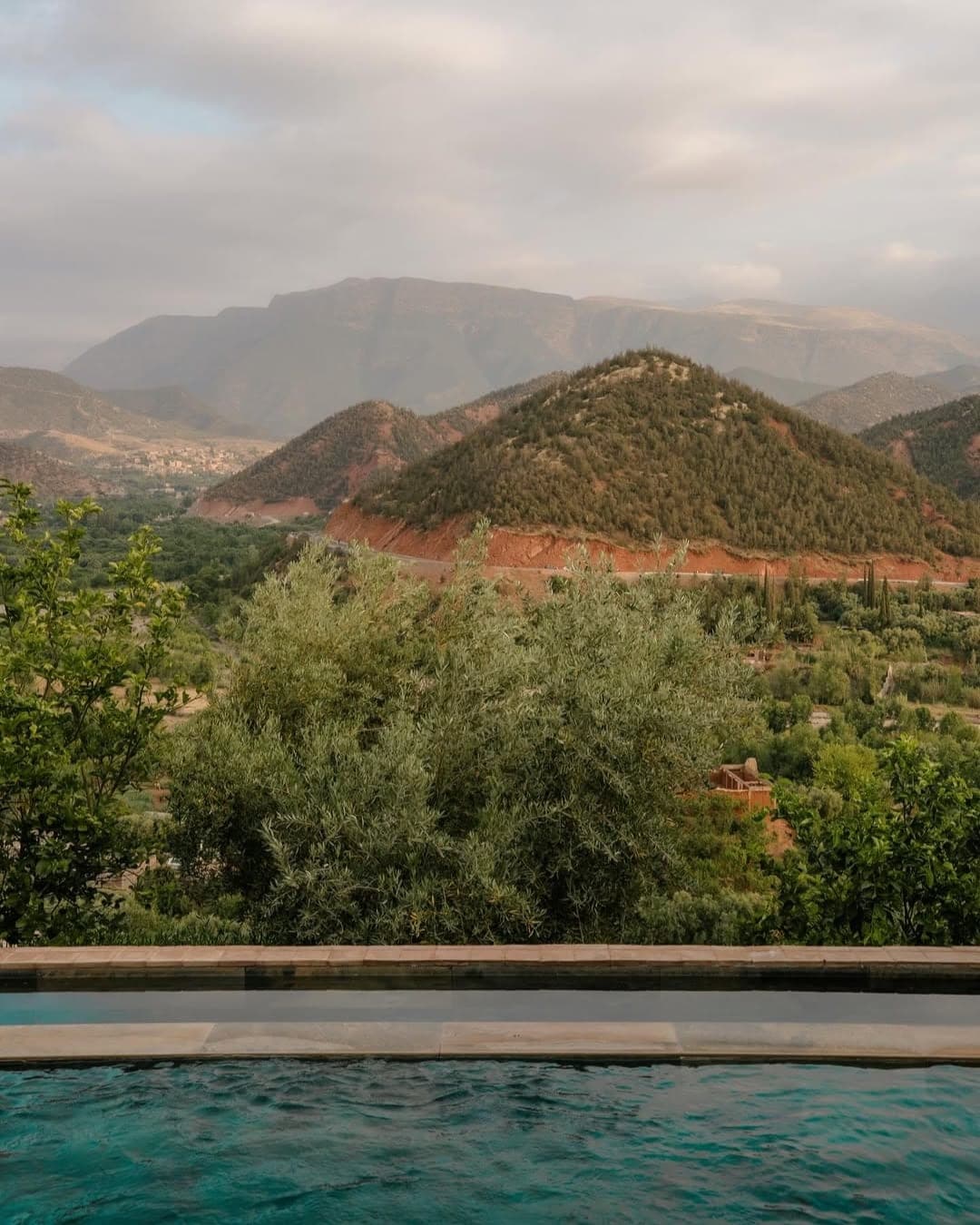
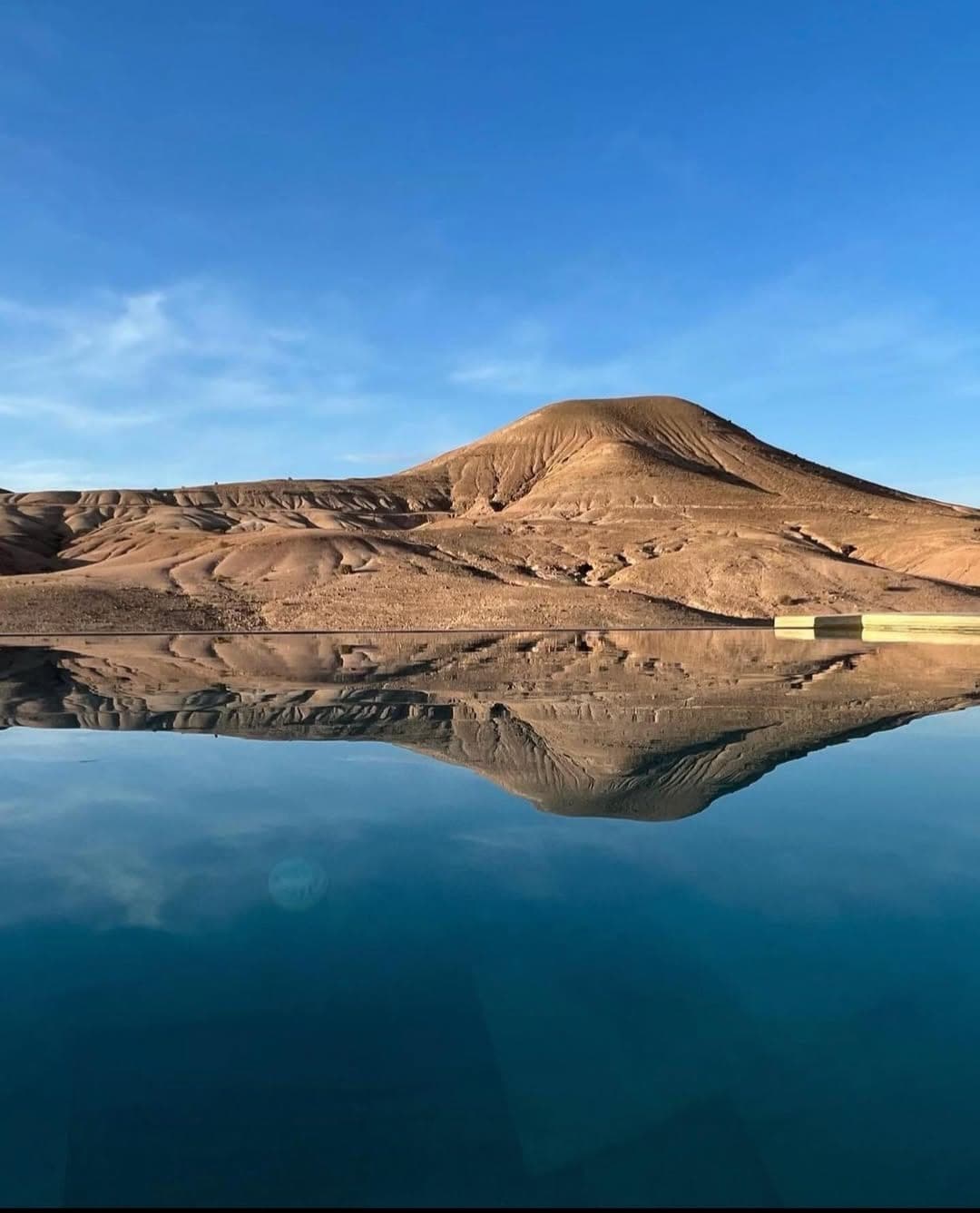
A contrast that feels almost fictional until the day you actually do it. January and February in Marrakech are not a consolation for those who could not arrive in April. They are a different argument for the same city, one that for a particular kind of traveler makes a more persuasive case.
You may also like…