Marrakech in Autumn: What September and October Actually Offer
As the heat lifts, the city picks up where it left off. The light changes first, then the galleries open, the rooftops fill earlier, and October reminds you why some people never visit at any other time.
Timence Guide · 8 April 2026
There is a specific quality to September in Marrakech that residents describe with a single word: return. Restaurants that ran reduced hours through the summer reopen in full. Galleries that had closed or slowed their programming bring back their exhibitions. The souks recover their density of product without the density of heat. People come back. The city, which in August had been genuinely quiet in a way that some visitors find unexpectedly beautiful, reconnects with its own social momentum.
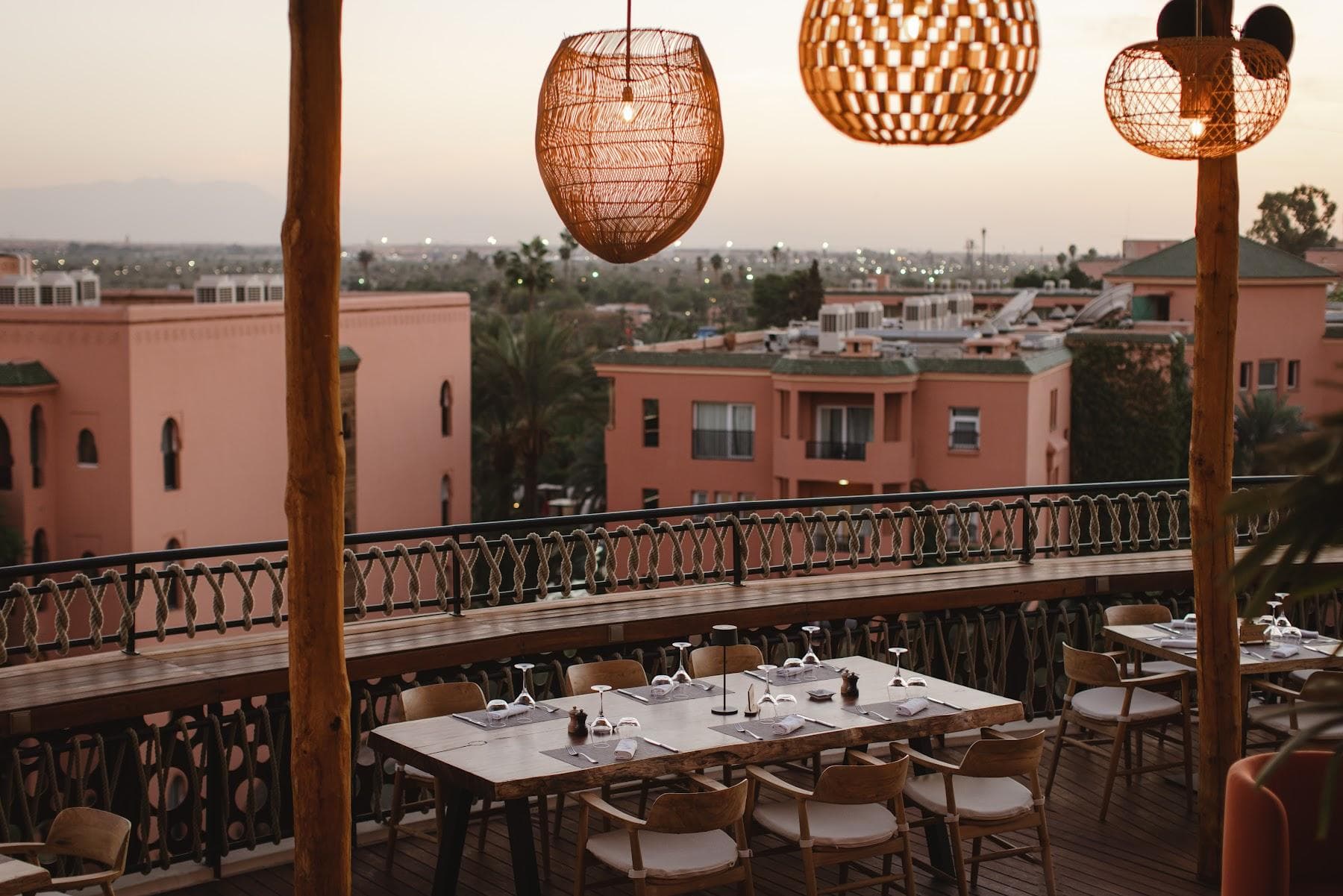
This is not simply the end of summer. It is a shift in register. The days in September still reach 33 to 35 degrees in the early weeks, and the afternoons retain something of summer's logic: pool access, shaded courtyards, the extended lunch that does not end until the air cools around five. But the evenings are different. The temperature drops to 19 or 20 by night, and the city opens itself to the outdoors again with a generosity that July and August, for all their particular pleasures, could not sustain. Rooftop dining, which in summer was a late-night proposition arrived at after the heat had passed, becomes a dinner-from-eight possibility in late September, the air warm and still, the Atlas visible in the distance.
The Light
What changes most visibly in September and October is not the temperature but the light. The high summer sun, which falls with a certain absoluteness on the city's surfaces, softens into something more oblique and golden. The pinks and ochres of the medina walls, the terracotta of the rooftops, the blue doors and green copper of the mosques take on a quality in autumn that photographers and designers consistently describe as the city's best hour, extended now to most of the afternoon.
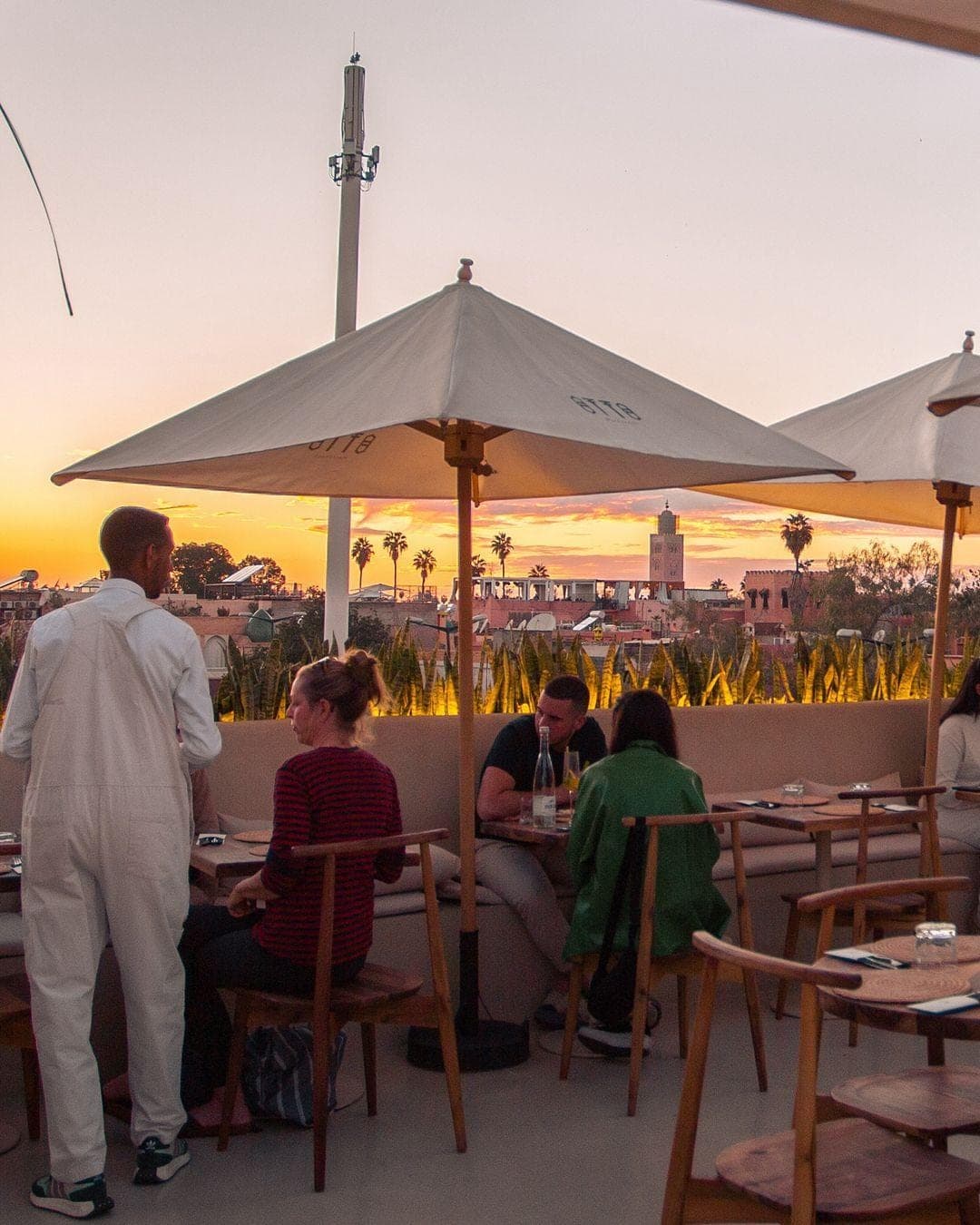
Sunsets in September stretch into the evening in a way that summer does not allow: the city is still light at six and golden at seven, which means that the aperitif hour and the dinner hour and the lingering-on-a-terrace hour align in a way that makes the evening feel longer than it is. October adds one more quality: the sky is clearer than September, the air crisper without yet being cold, and the views from the city's higher vantage points, particularly from the ramparts near the Bab Doukkala gate or from any rooftop in the northern medina, extend to the Atlas with a sharpness that summer haze precludes.
The Cultural Restart
September and October are when Marrakech's cultural life comes back online at full capacity. MACAAL, the Museum of African Contemporary Art Al Maaden, typically launches its autumn programming in this window. The Loft Art Gallery and other private gallery spaces in the city reopen or resume full exhibition schedules. The creative community that spends part of summer in slower mode reconnects, and the social life of the city's art and design world is perceptibly more active.
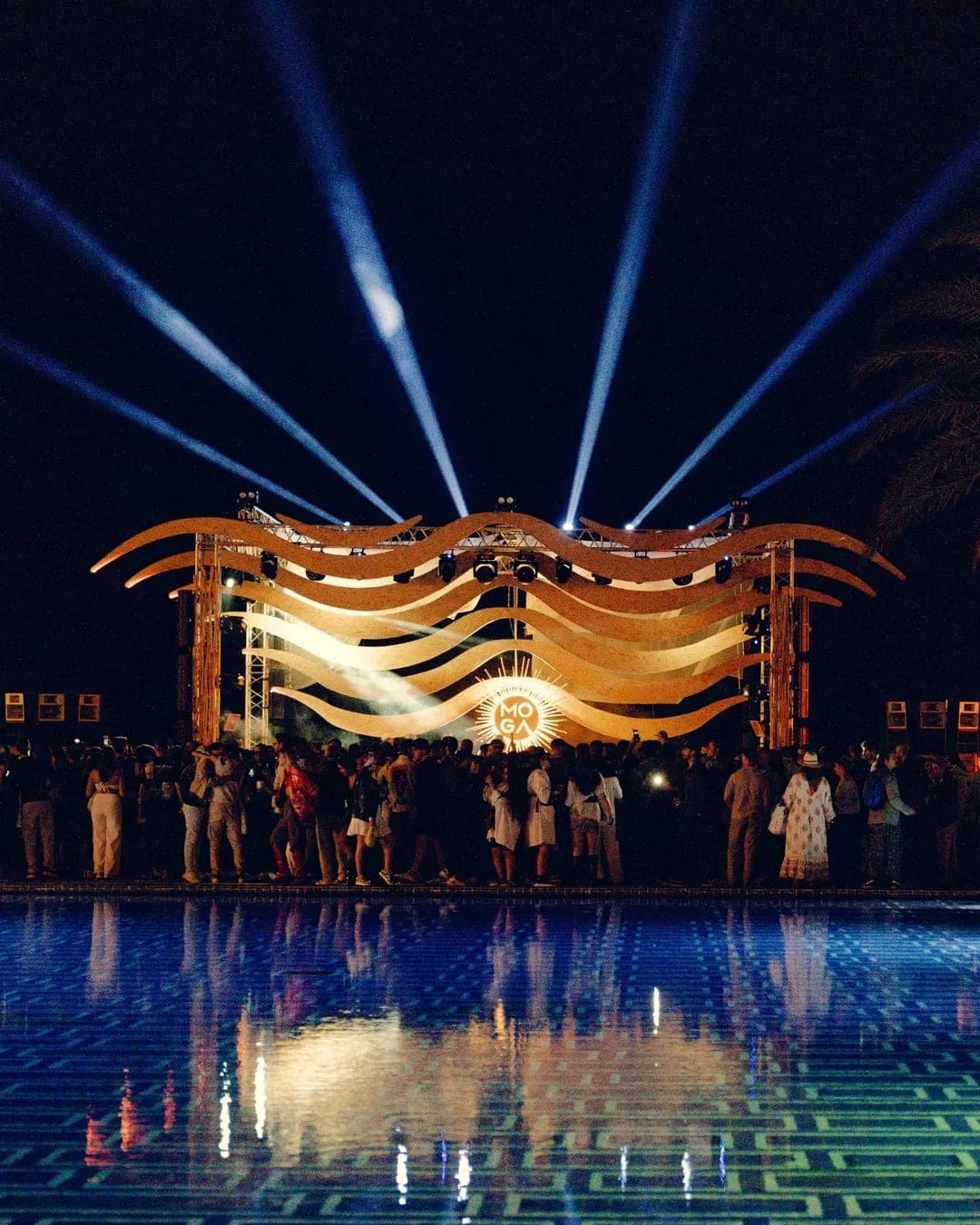
The Moga Festival, which brings electronic music and a particular international crowd to Essaouira in September, has become one of the more anticipated events on the regional calendar. It draws the Marrakech design and creative community west for a long weekend, and the energy of the festival spills back into the city in the days after. October brings further live music events and DJ residencies to various city venues and to the desert camps of the Agafay, where the sound system and the open sky become the only architecture that matters.
The Souks in Autumn
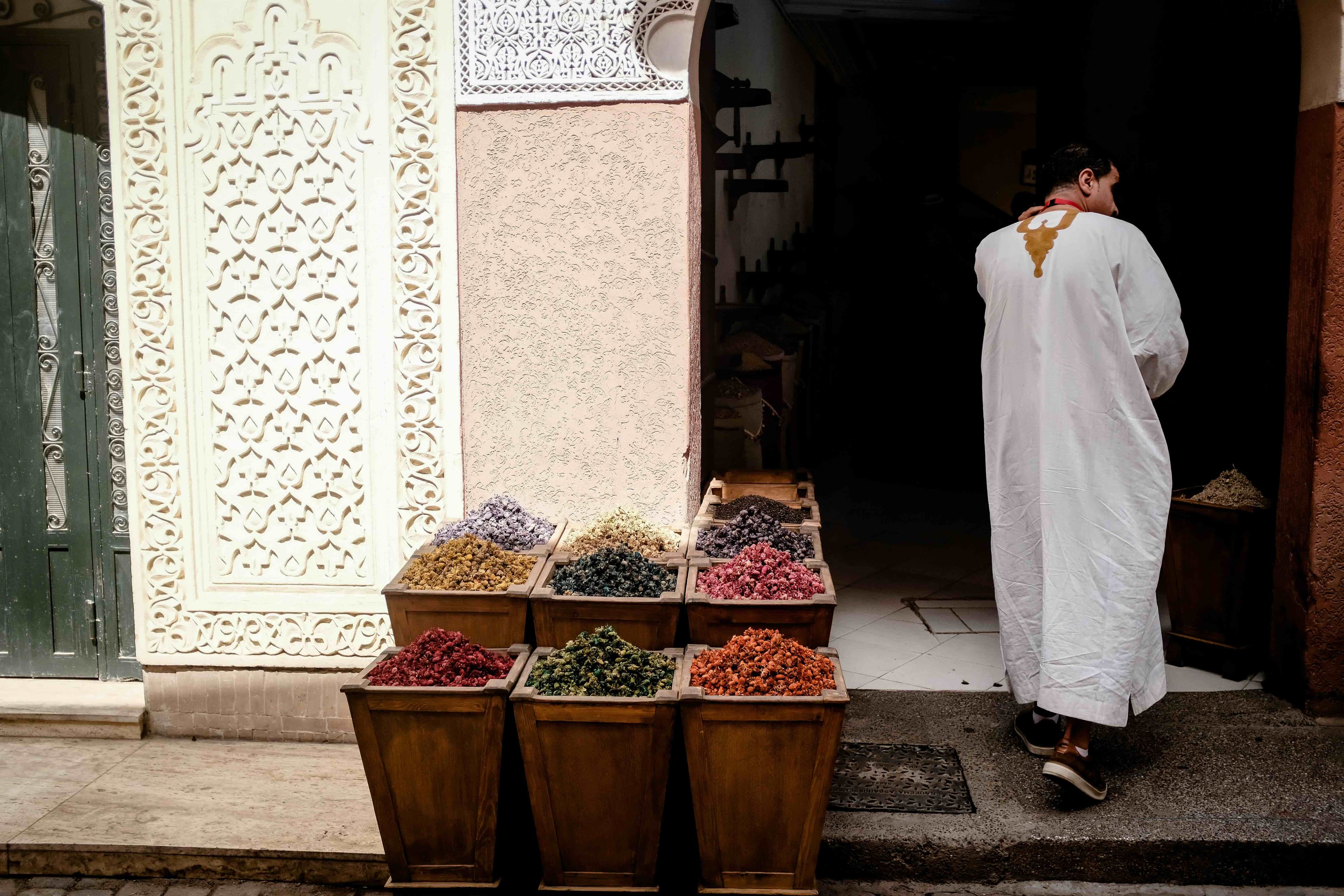
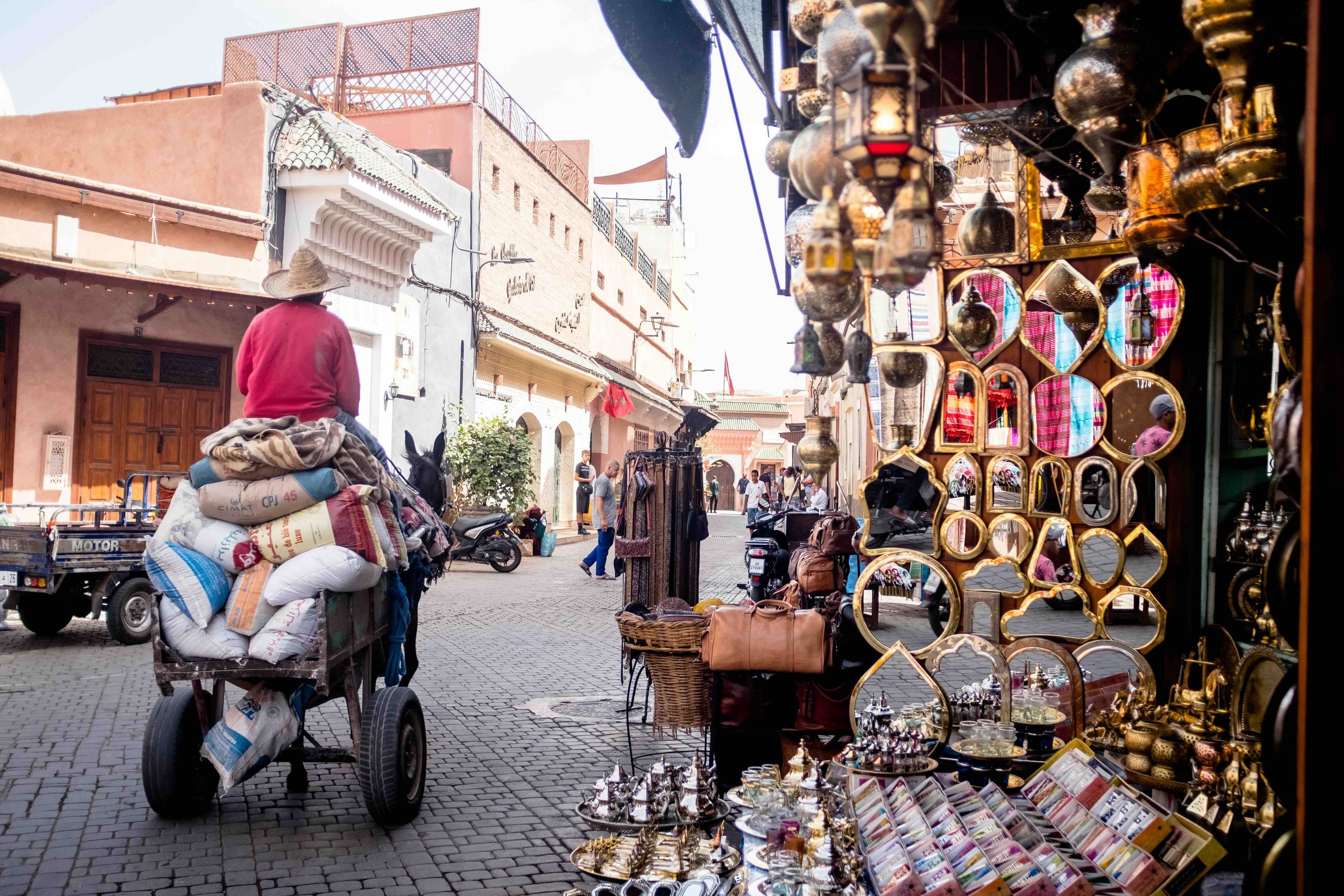
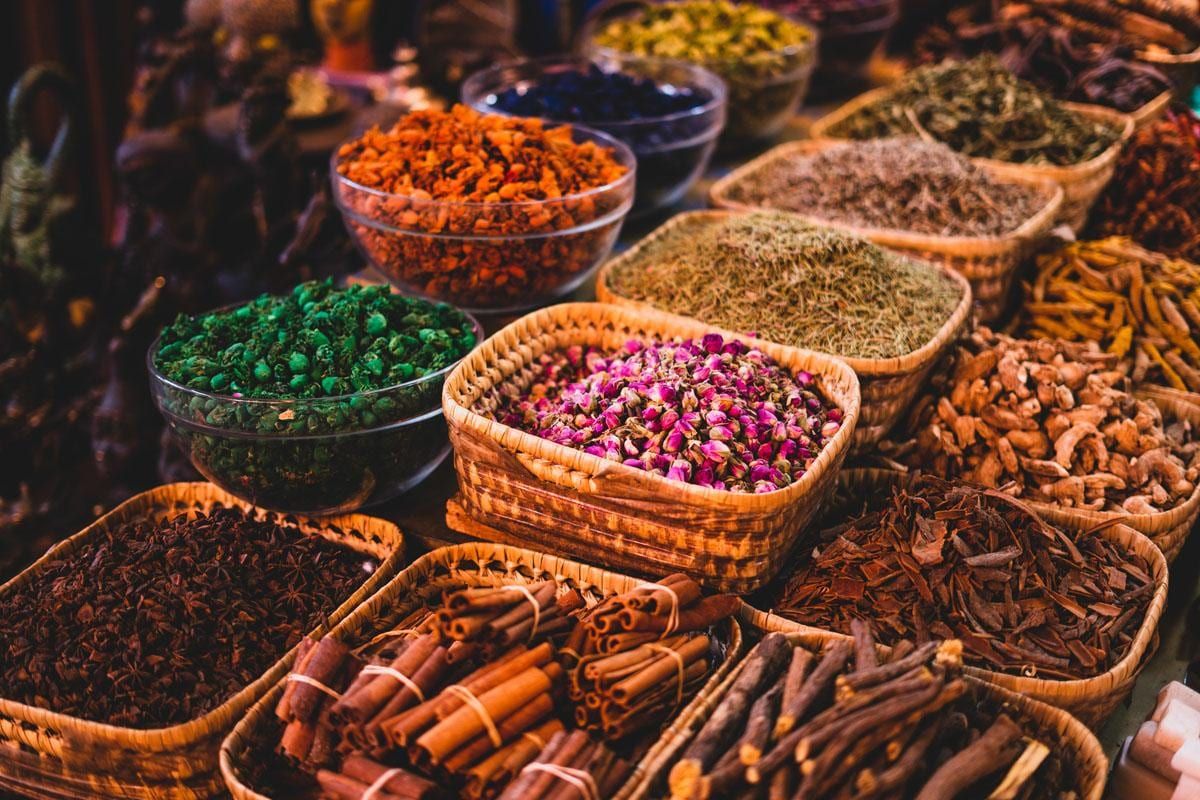
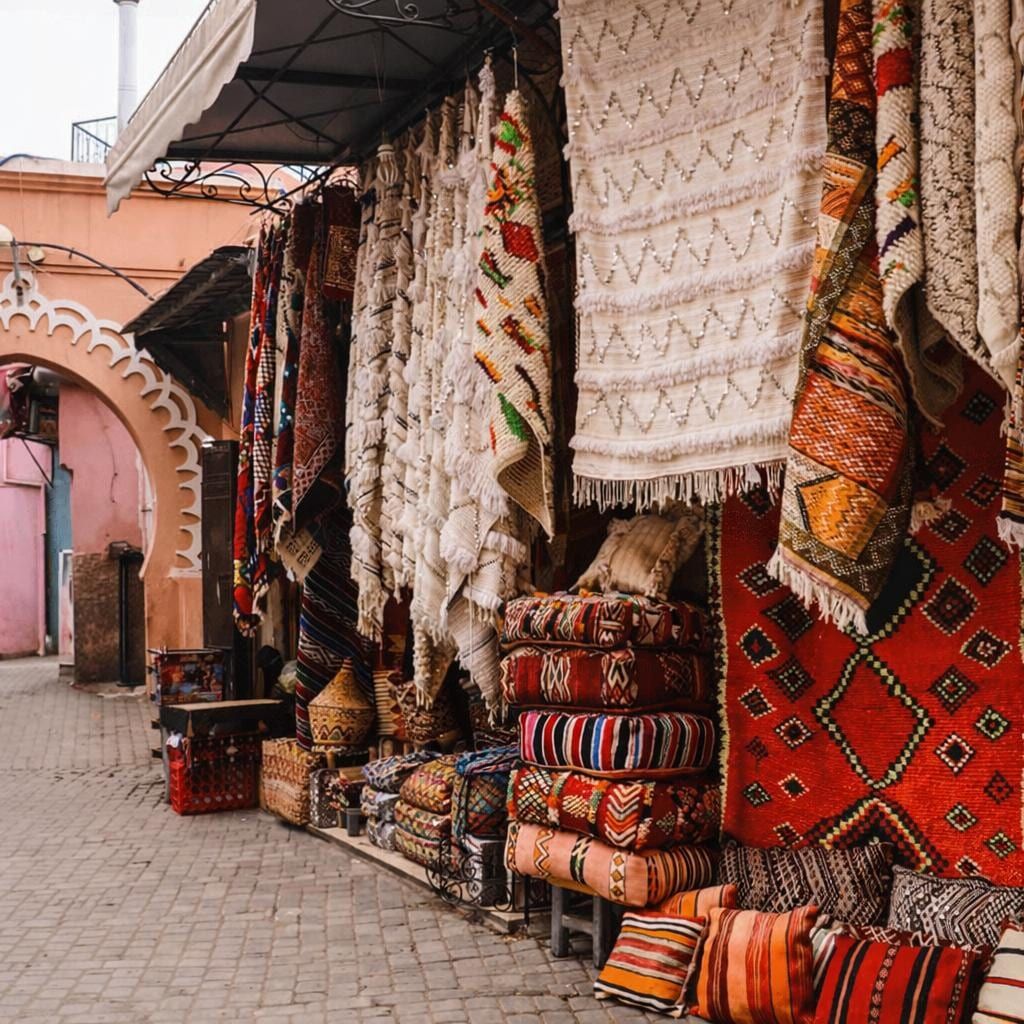
The souks in September and October offer what may be the best conditions of the year for sustained engagement. The summer pause, when some artisans slow production or leave the city, has ended, and the stalls are fully stocked: spices, ceramics, metalwork, leatherwork, woven textiles from the Atlas, the carved cedar and painted plaster objects that fill the lane running west from the Mouassine fountain. The temperature makes walking for hours through the medina something to do at any point of day rather than only in the early morning, which changes the character of the exploration entirely.
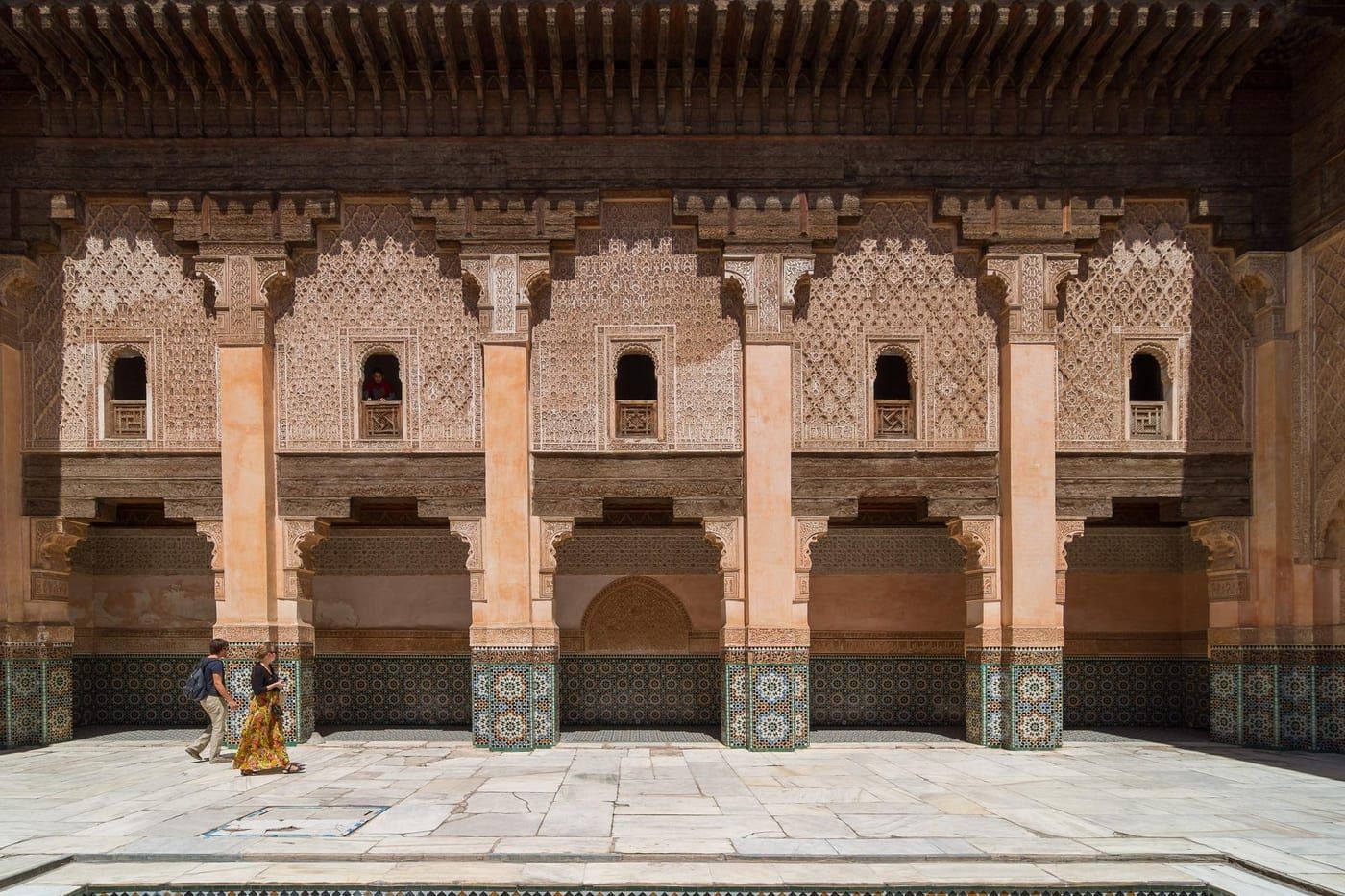
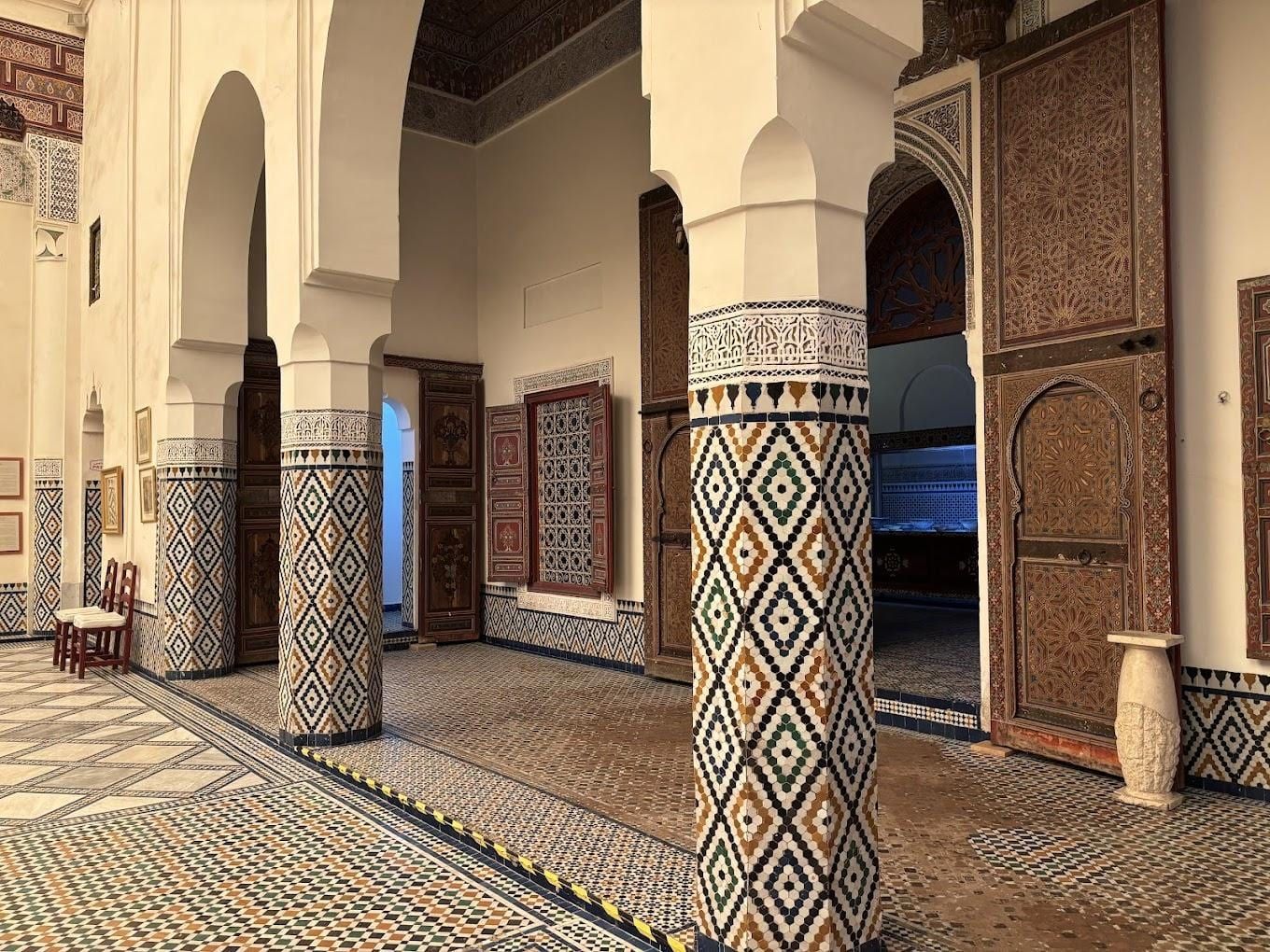
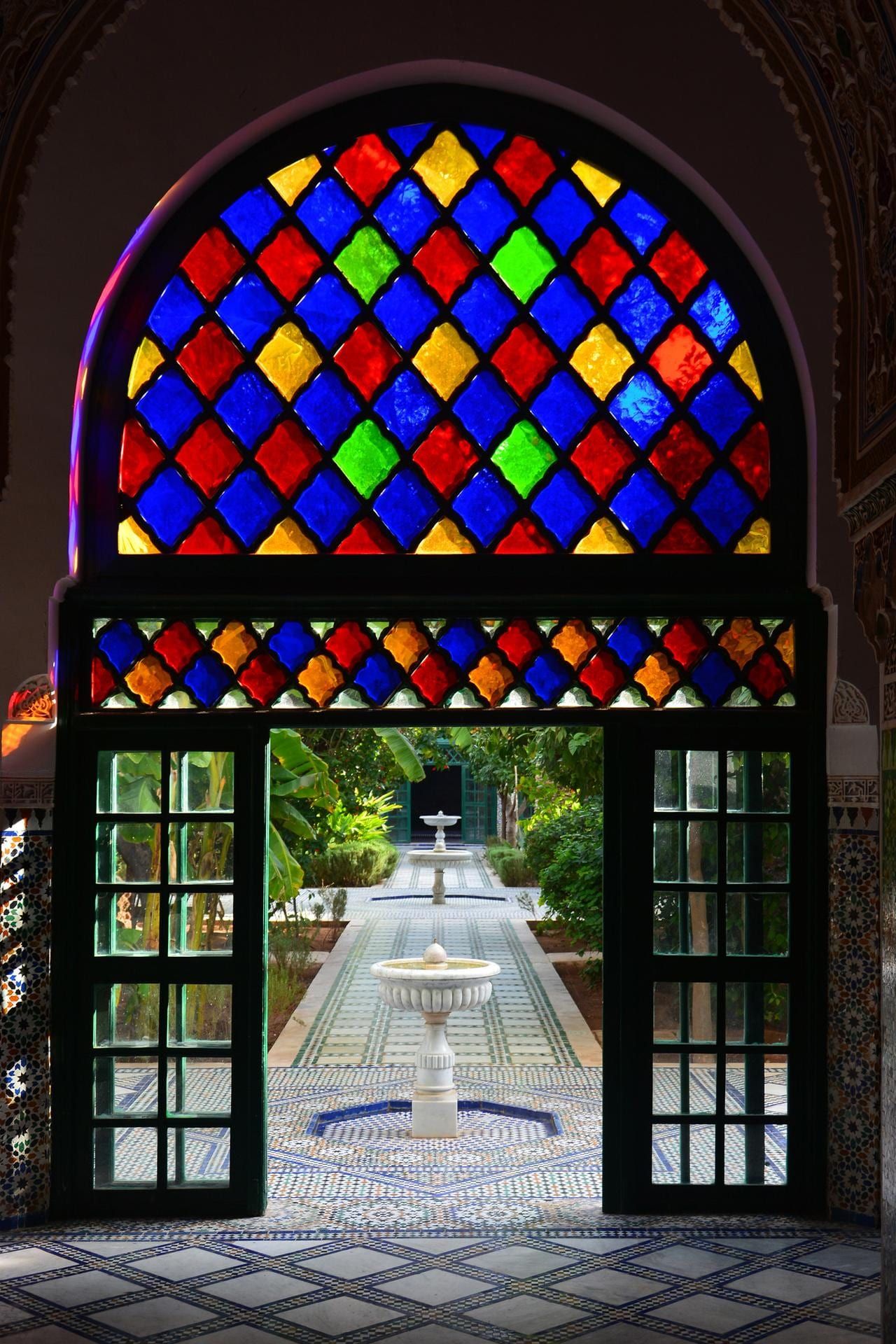
Cultural monuments that are best experienced with time, Medersa Ben Youssef, the Bahia Palace, the Dar Si Said museum, can be visited without the time pressure that summer's midday heat imposes. The Marrakech Museum, in the former Mnebhi Palace near the Ben Youssef Madrasa, runs its collection without the summer crowd that compresses the experience in spring.
Escapes in All Directions
Autumn is when the territory around Marrakech becomes fully available in a way that summer heat restricts. The Ourika Valley in September is approaching harvest season: the trees along the valley floor turning, the river lower but the landscape still green, roadside stalls selling pomegranates and honey. The Atlas above Imlil clears after the summer haze, and the trekking season resumes with visibility that July and August cannot match.
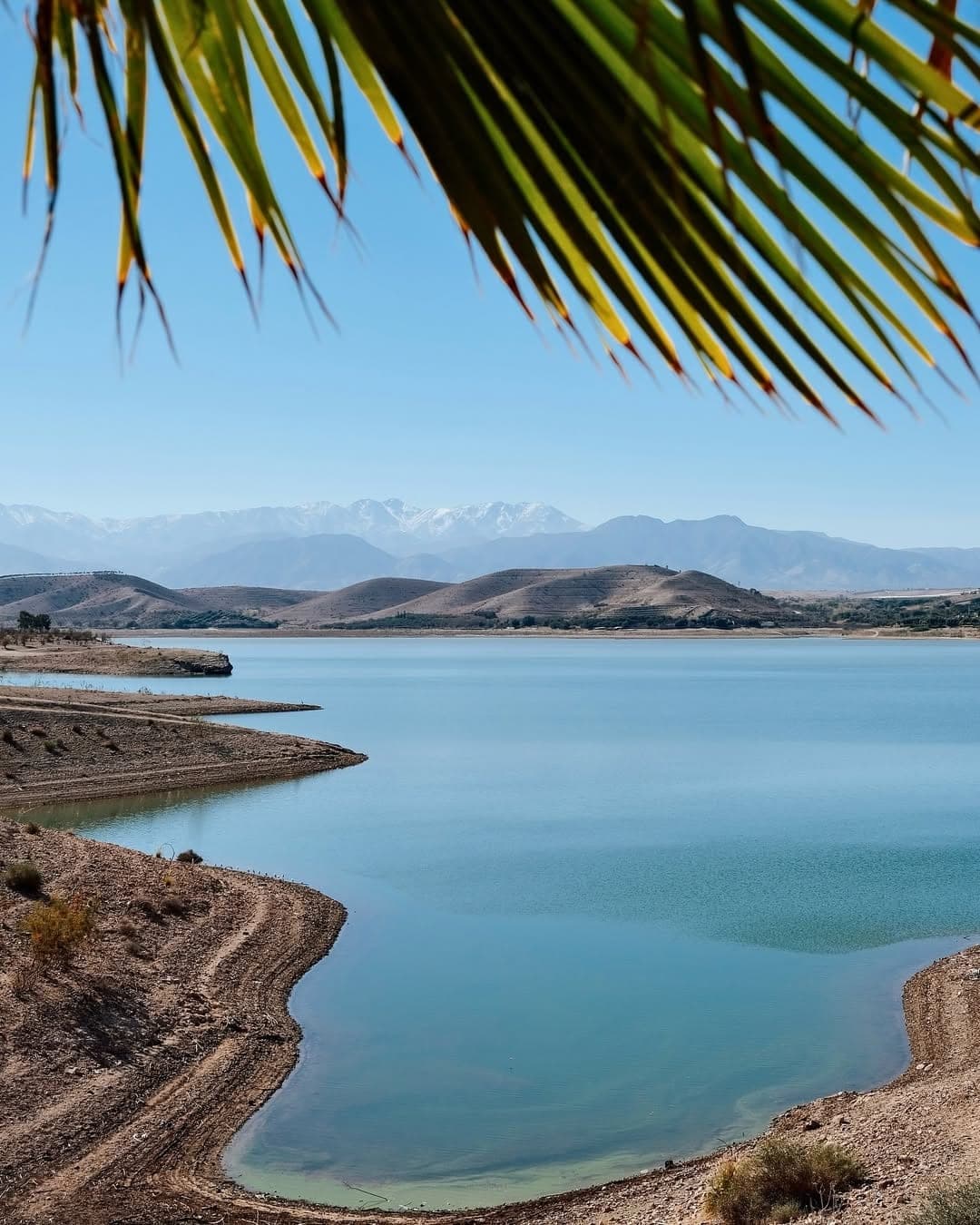
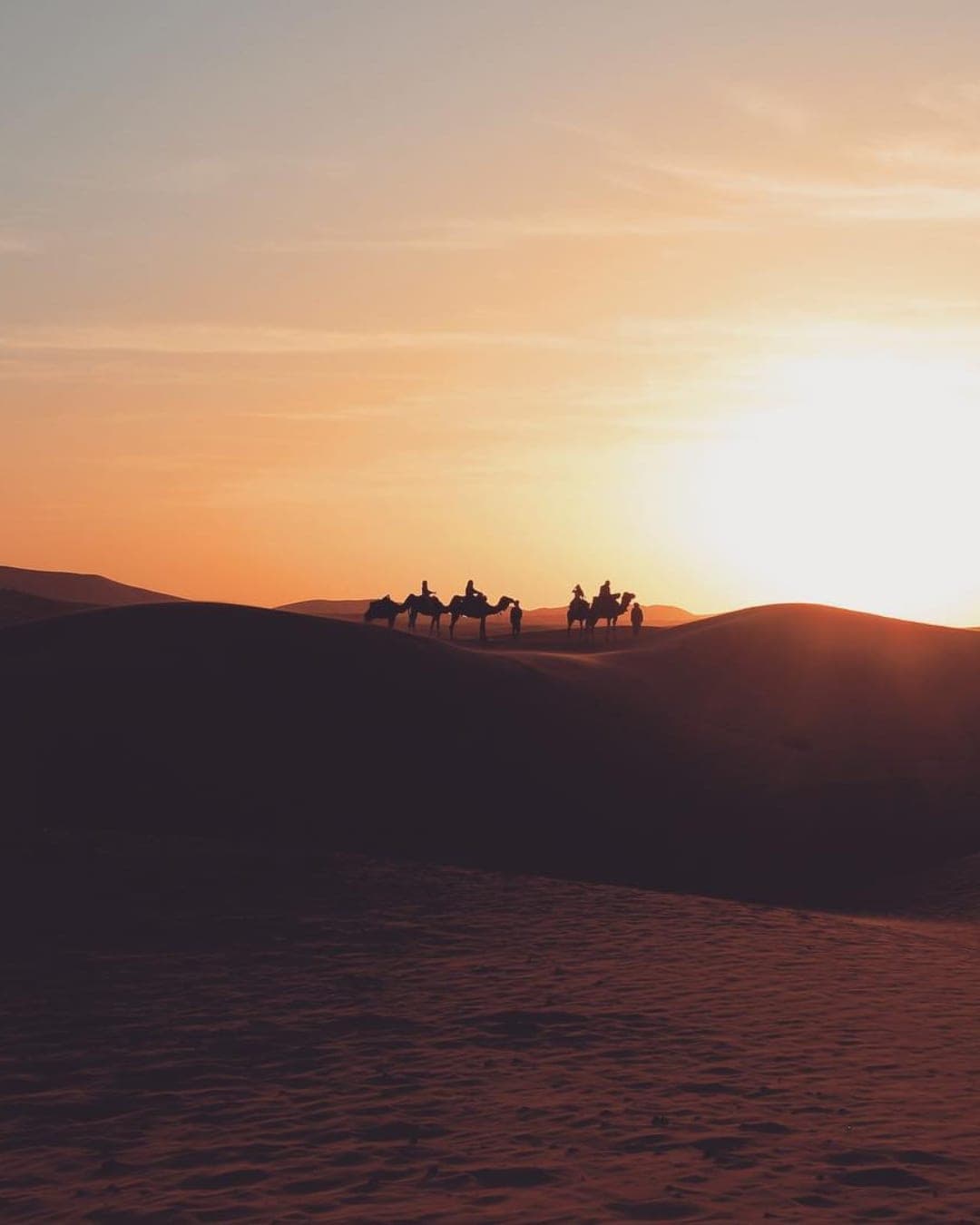
The Agafay in September is golden and warm without the opacity of full summer heat, and the desert camps that were running at maximum capacity in spring now offer something slightly more available. By October, the window for longer journeys opens: the road to the Draa Valley, to Merzouga, to the dune sea at Erg Chebbi, passes through landscapes that the cooler air makes genuinely explorable rather than something to endure between air-conditioned stops. The Sahara in October, under skies that still carry warmth but have lost the summer's opacity, is one of Morocco's more persuasive arguments for staying longer than you planned.
Essaouira in autumn is equally compelling: the wind that makes it bracing in summer becomes a gentle constant, the ocean temperature still swimmable, the medina and the port functioning with the ease that the shoulder season allows.
October may be the single best month to visit Marrakech. The case is not difficult to make, and the city, which has been making it for years without ever quite announcing it, tends to prove the argument on arrival.
You may also like…