Izza Marrakech: Seven Riads, One Collection, a Golden Age Reimagined
A medina property that channels the hedonistic elegance of Marrakech's cultural golden age, with a Michelin Key and a five-million-pound art collection to anchor the claim.
9 April 2026
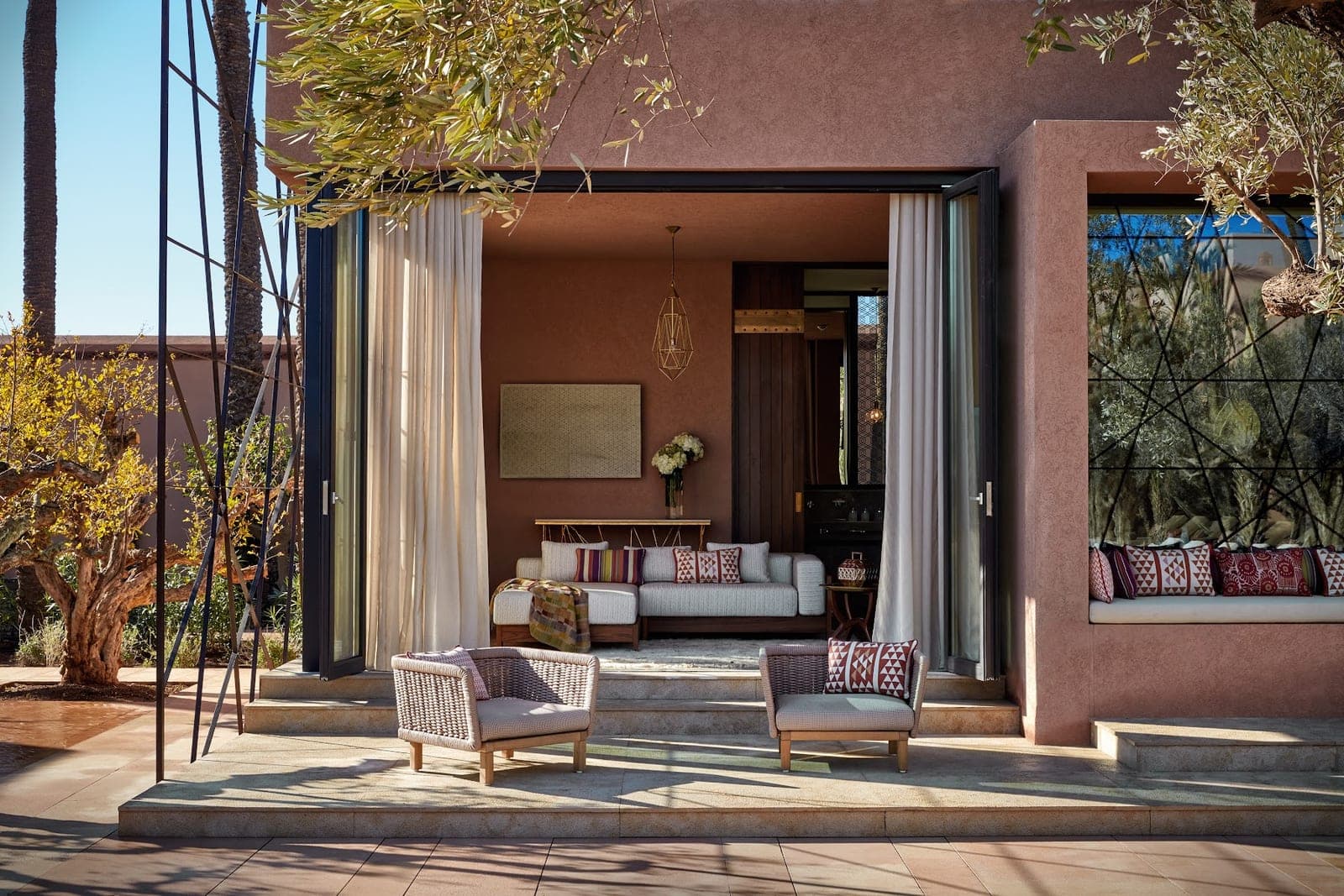
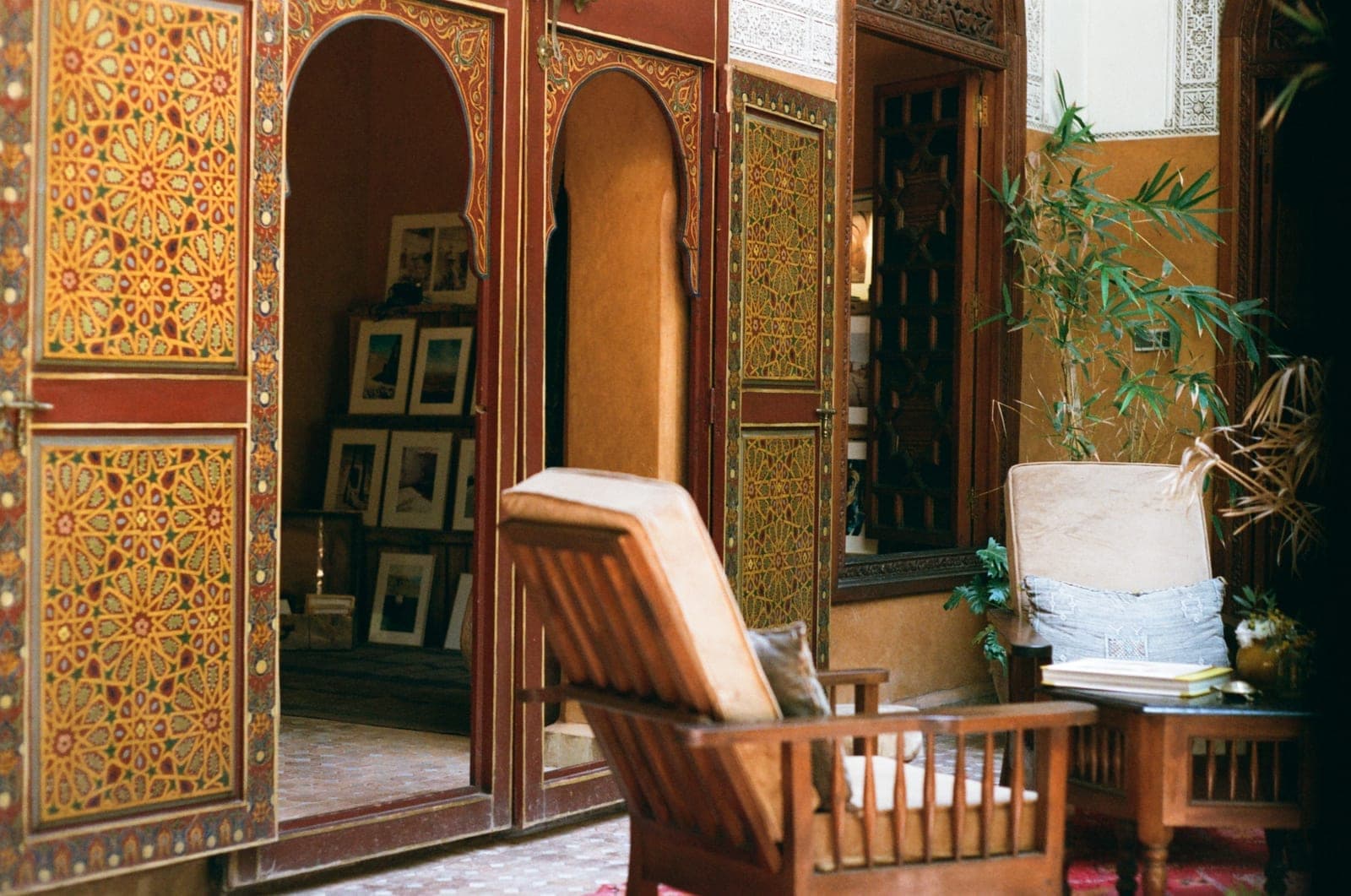
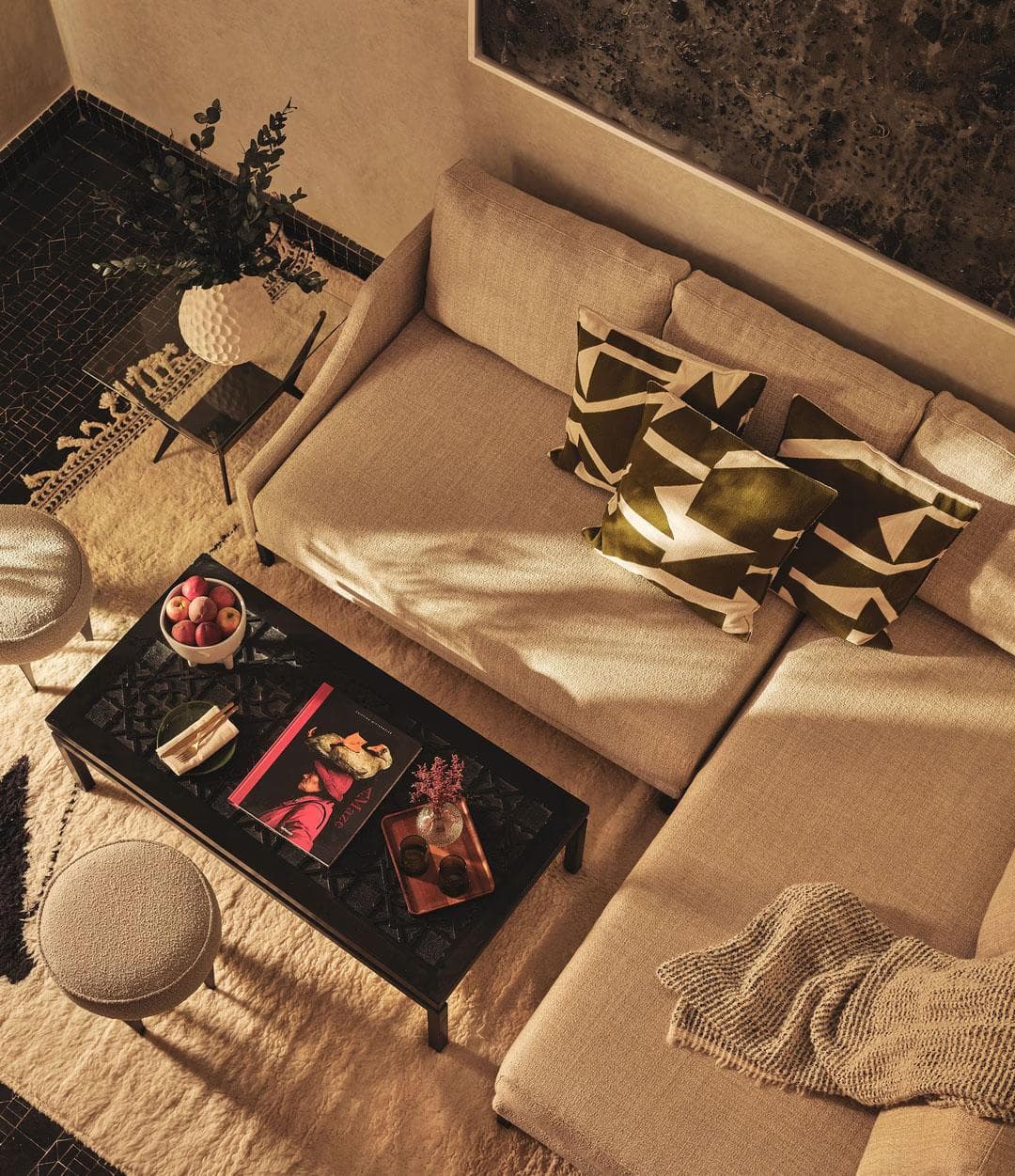
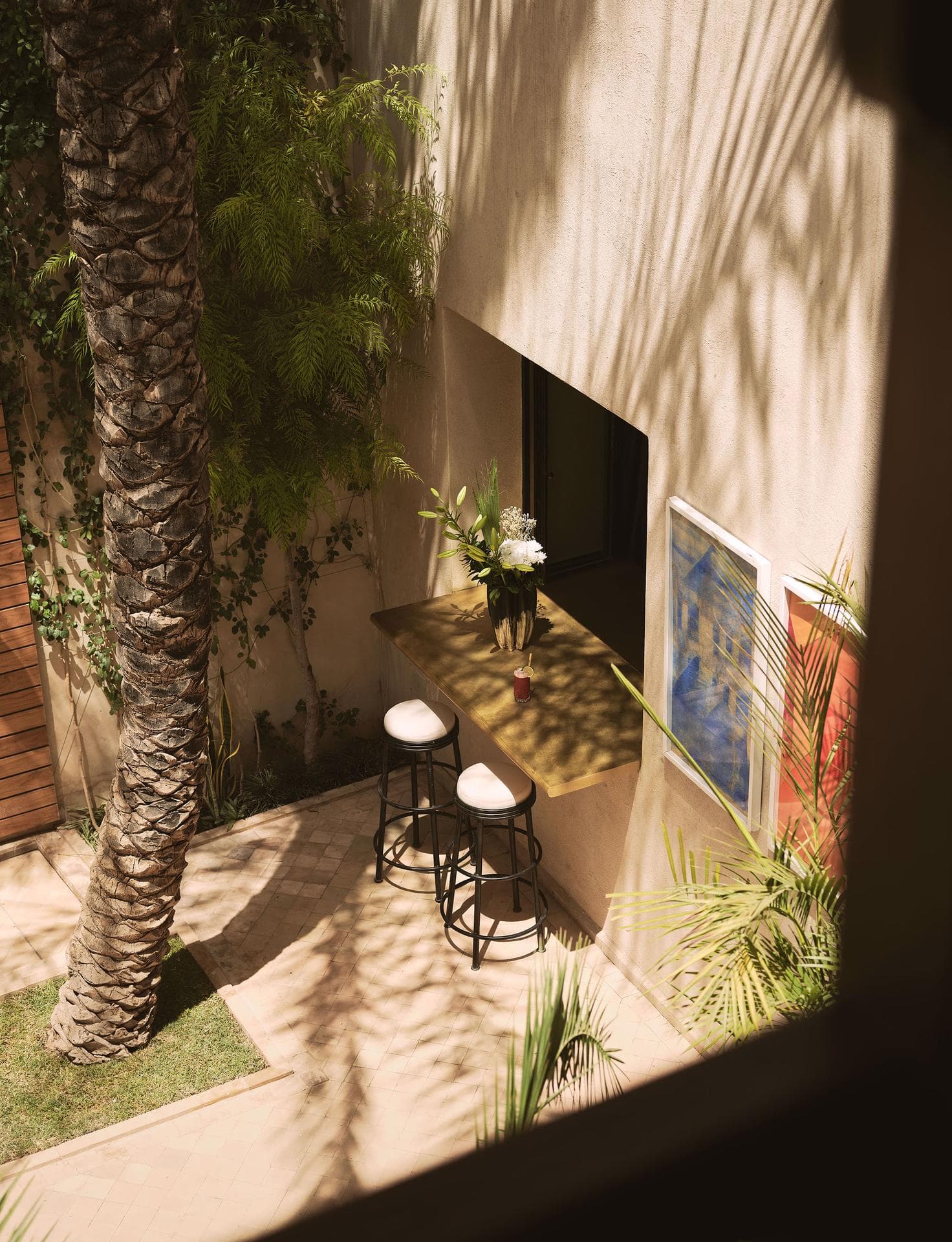
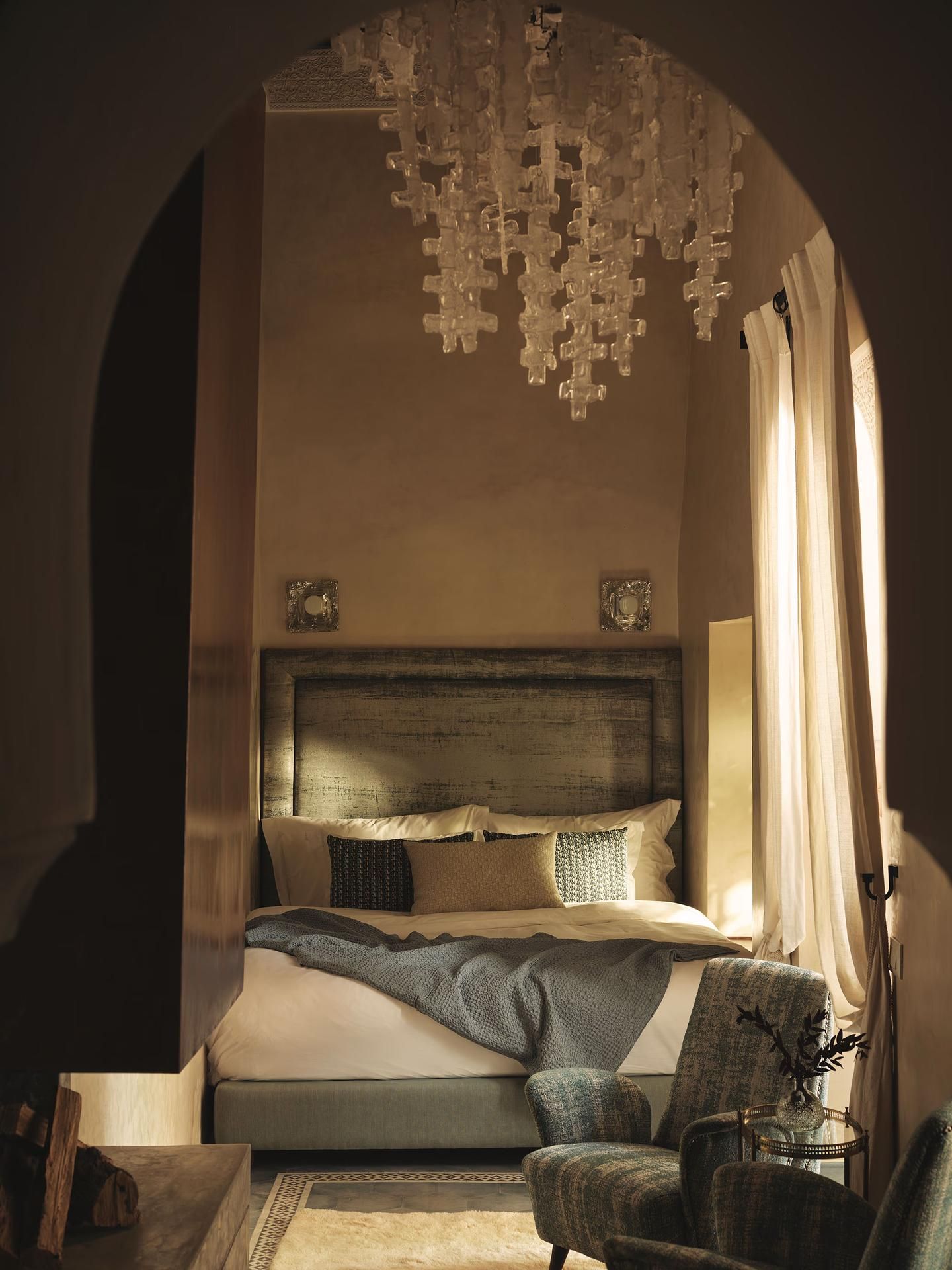
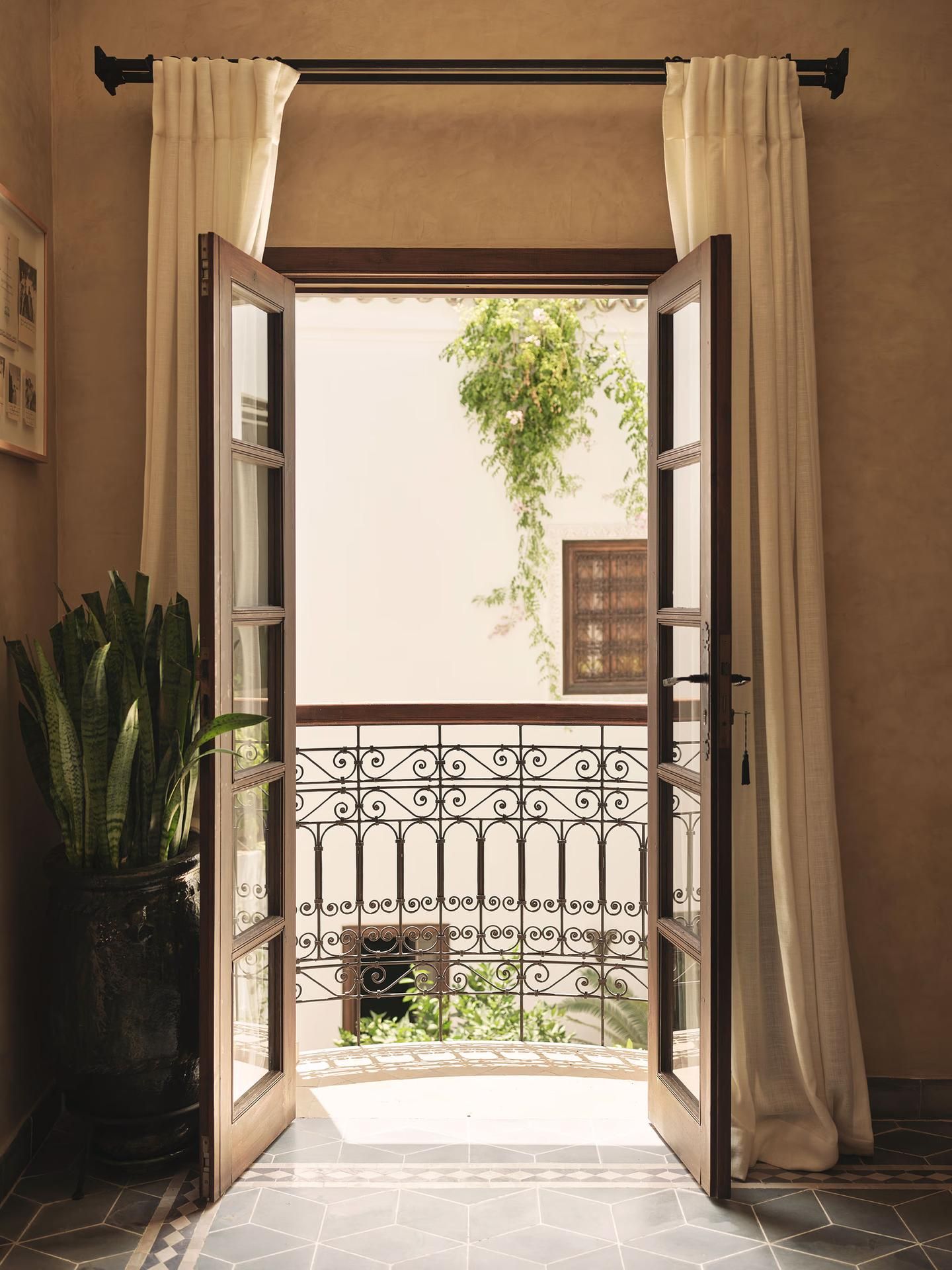
The entrance is narrow and gives nothing away, a door in a medina wall that opens into something the facade does not prepare you for. Izza Marrakech is formed from seven interconnected historic riads, their walls merged over time into a continuous property that now holds fourteen individually designed rooms arranged around three courtyards. This is not a building that announces its scale; it reveals it slowly, through thresholds and transitions, through the way one courtyard opens into another and the city's noise dissolves into birdsong and dappled light.
The House and Its Reference Points
The hotel draws its design identity from two sources: the legendary interiors of Bill Willis, the American designer who shaped a particular aesthetic conversation in Marrakech from the 1960s onward, and the free-spirited cultural golden age he inhabited. Willis's circle included Yves Saint Laurent, Grace Jones, Jack Kerouac, and Cecil Beaton, figures who passed through the city and made it a reference point for their own creative lives. Izza is built in explicit homage to that period, channeling what the hotel describes as a hedonistic elegance grounded in material authenticity.
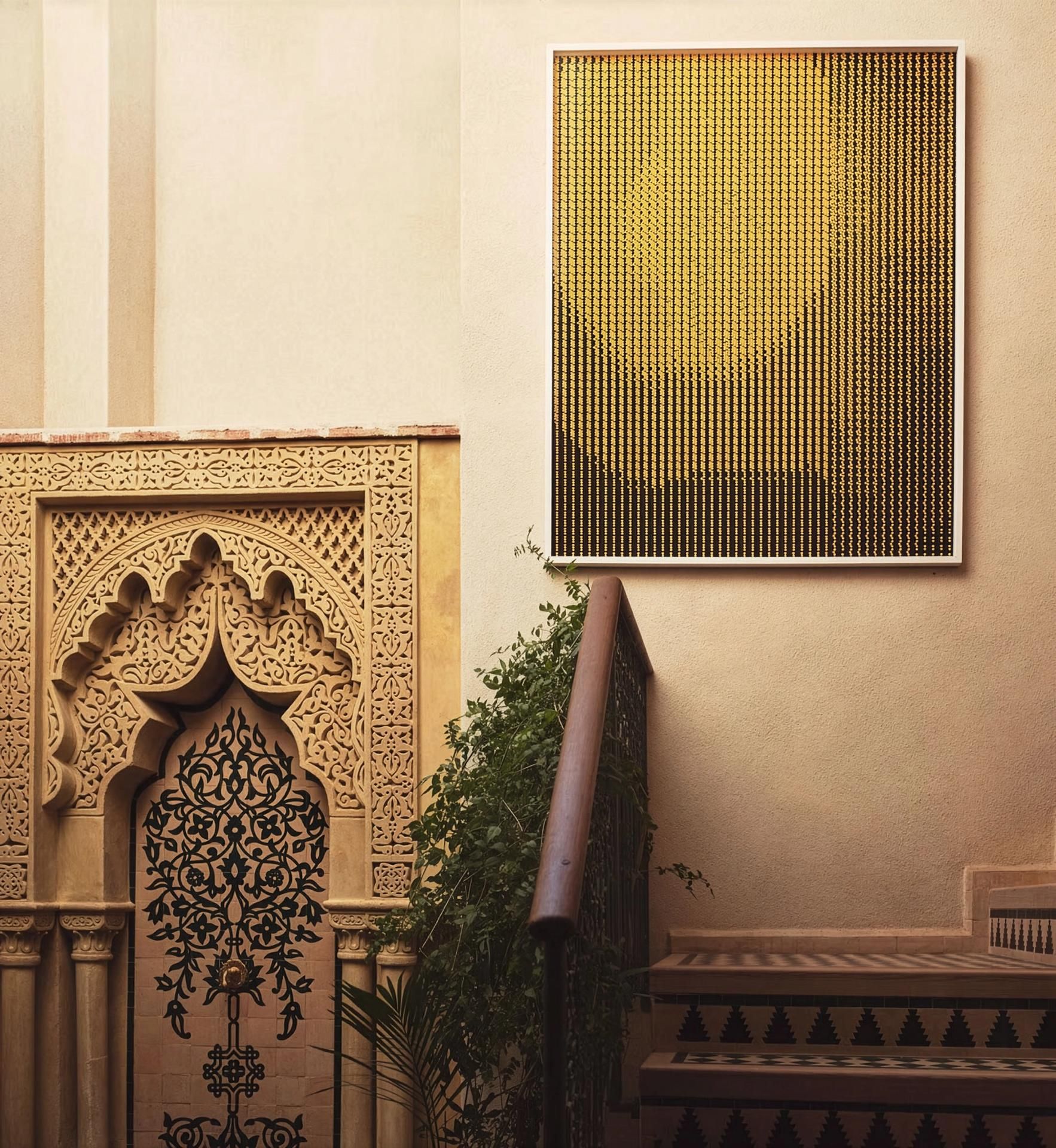
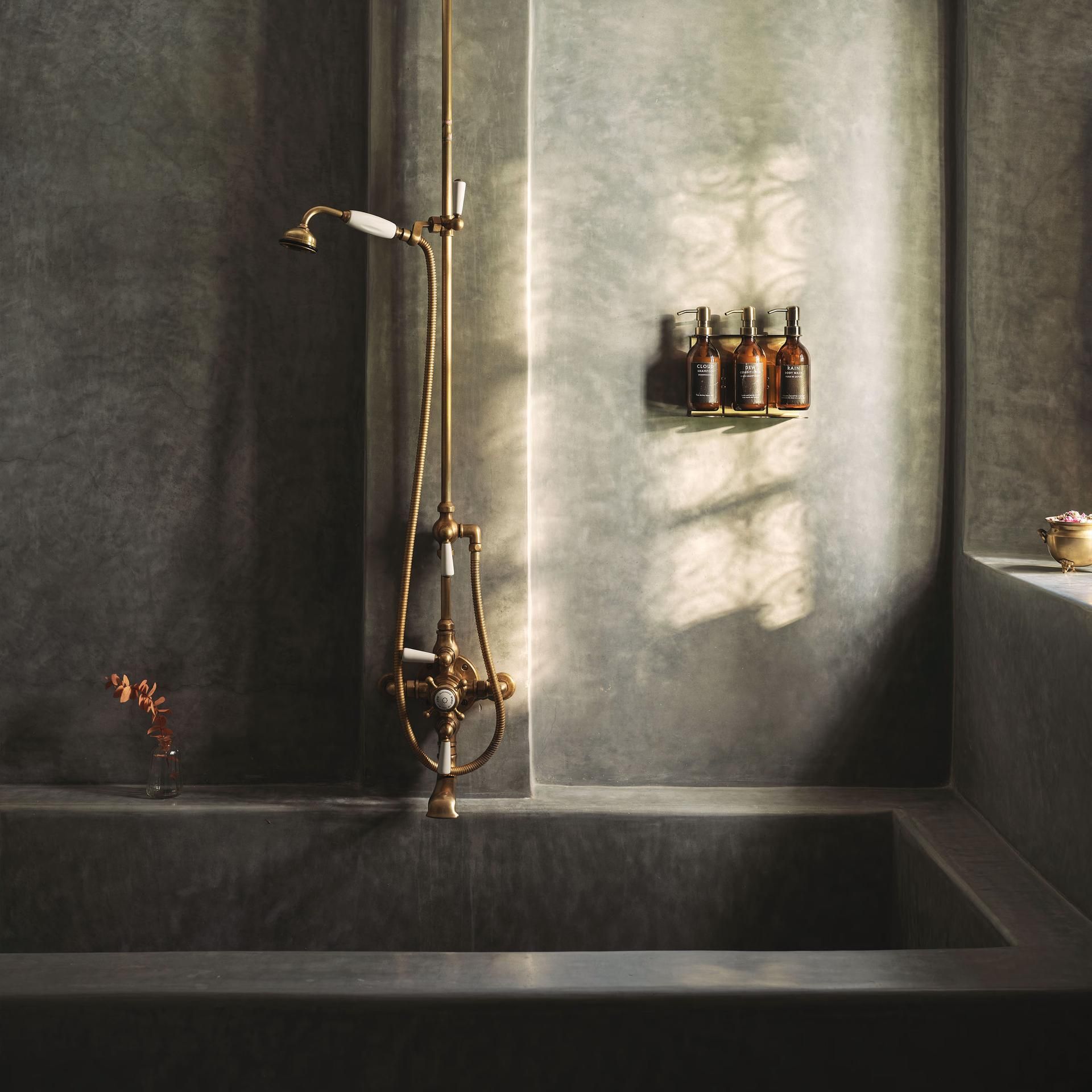
Bill's Bar carries the dedication most directly. Named after Willis himself, it runs from vibrant daytime space into something more decadent as evening advances. The bar is a design statement in its own right: the interiors apply hand-cut zellige, smooth tadelakt, and arabesque detailing throughout, craft work produced by local artisans whose techniques belong to a tradition that predates the Willis era by centuries.
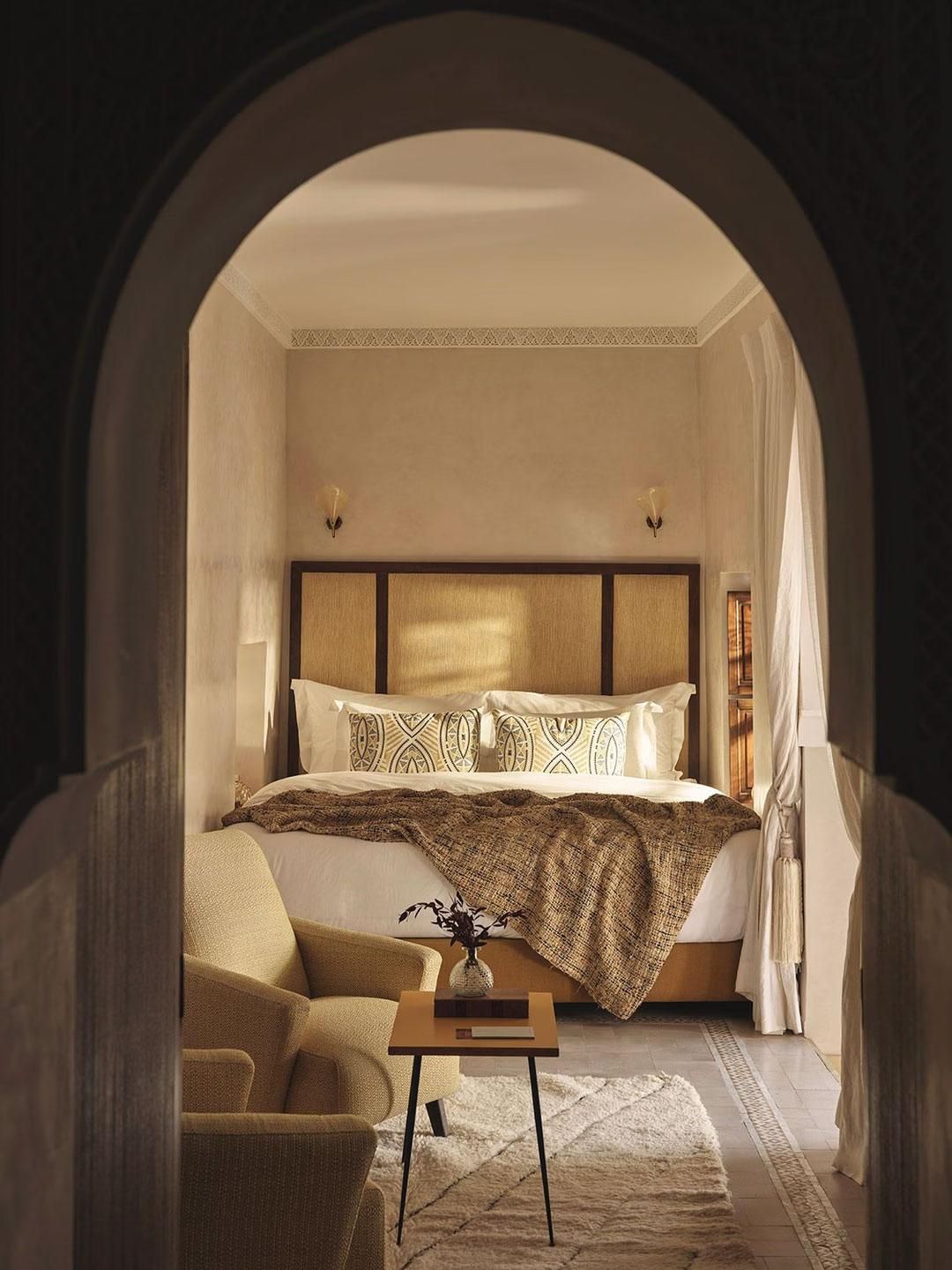
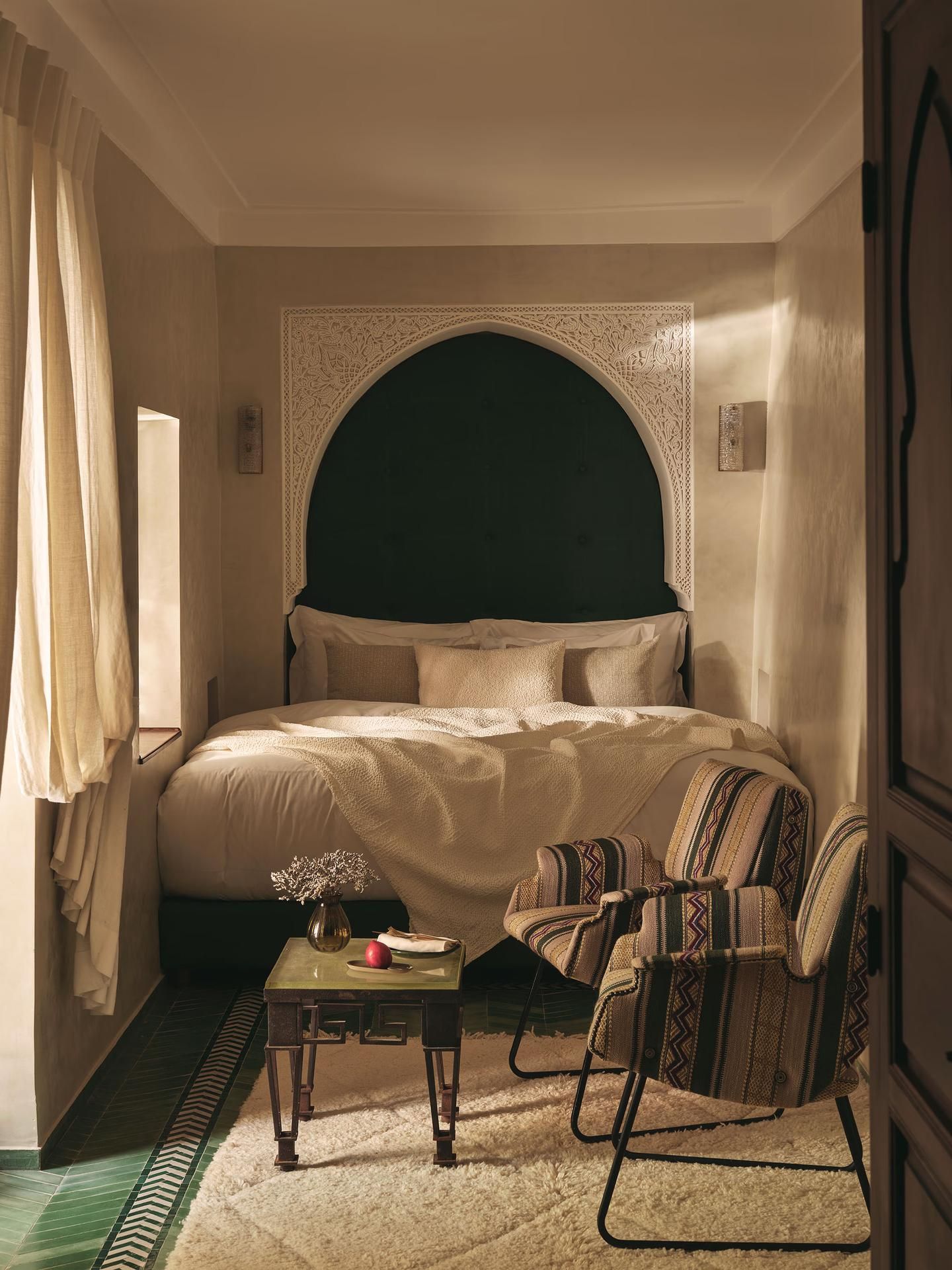
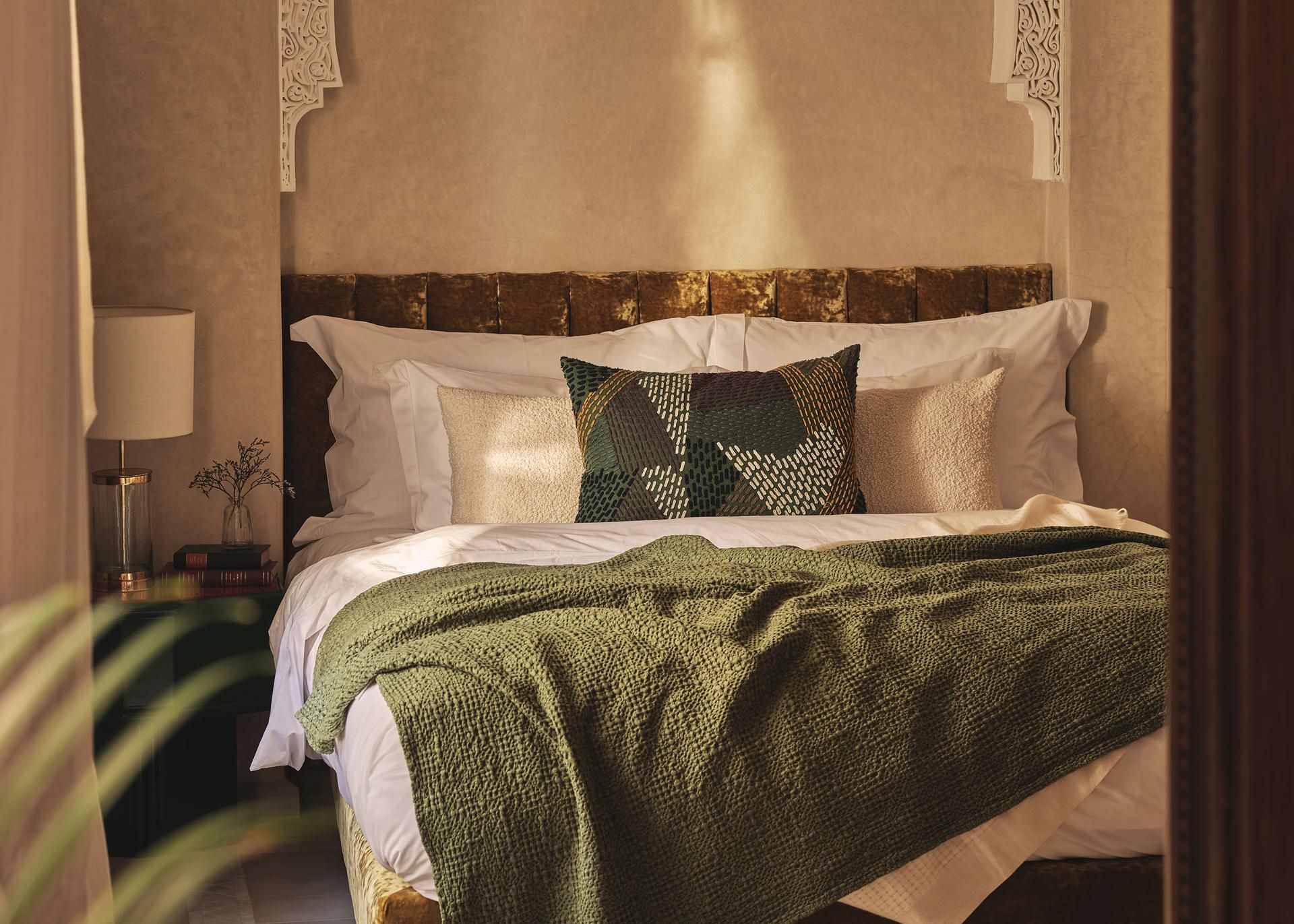
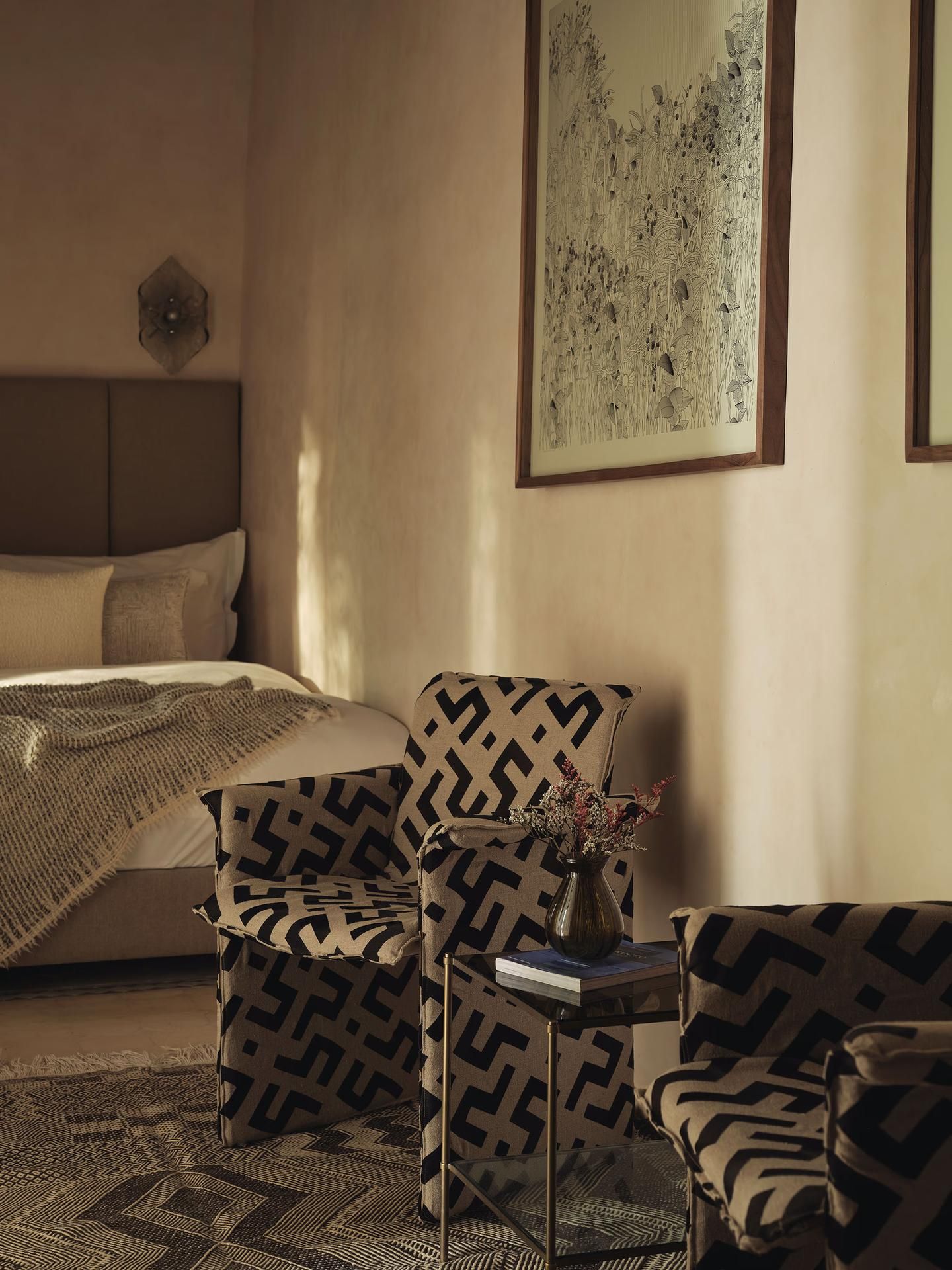
Each of the fourteen rooms is named after one of the iconic freedom seekers associated with the city's creative period: Grace Jones, Jack Kerouac, Cecil Beaton, Marianne Faithfull among them. The naming is not arbitrary. Each room was individually designed with materials and compositional choices that carry some quality of the figure it references, a specific sensibility translated into color, proportion, and the arrangement of objects.

The Art Collection
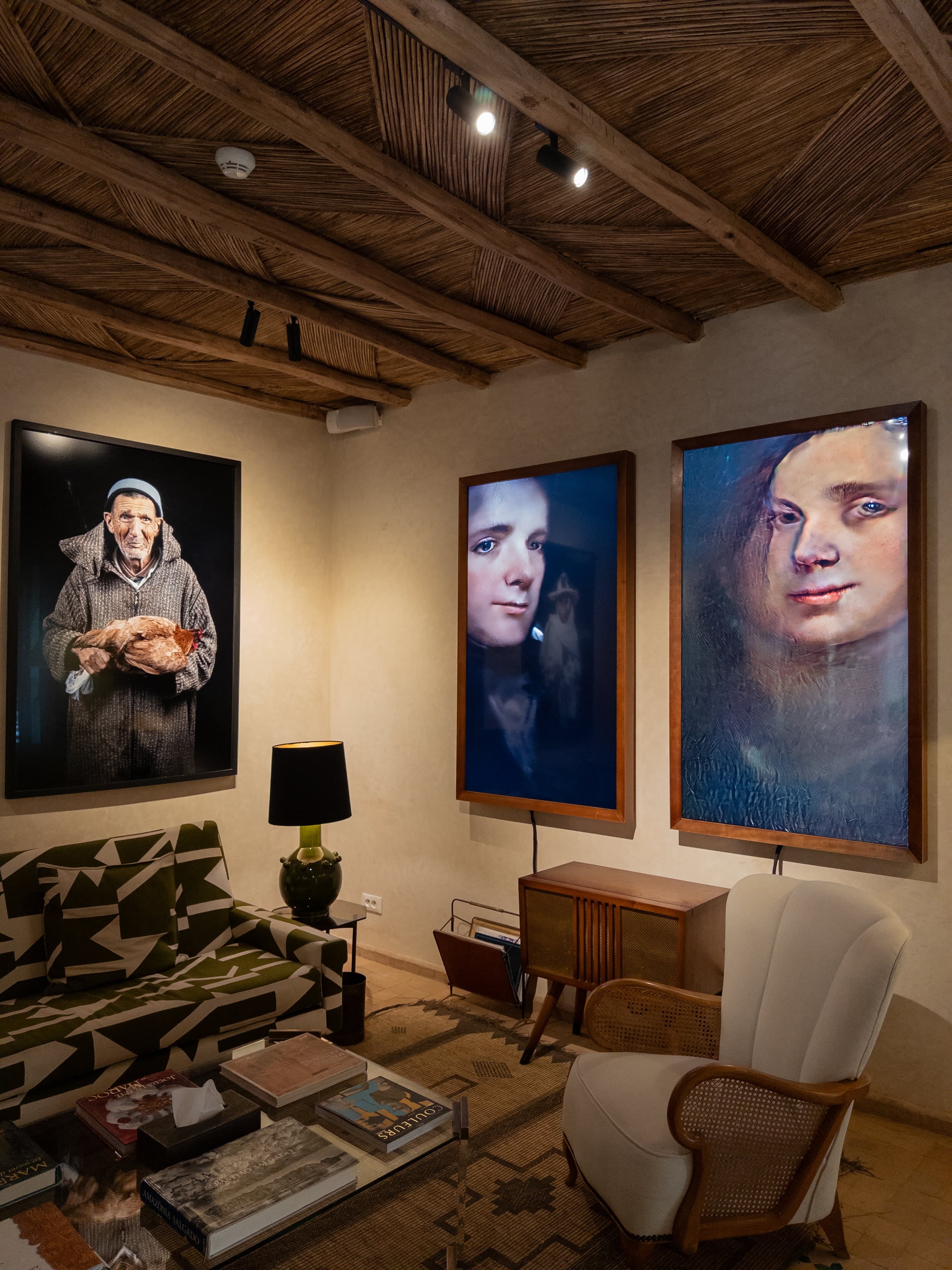
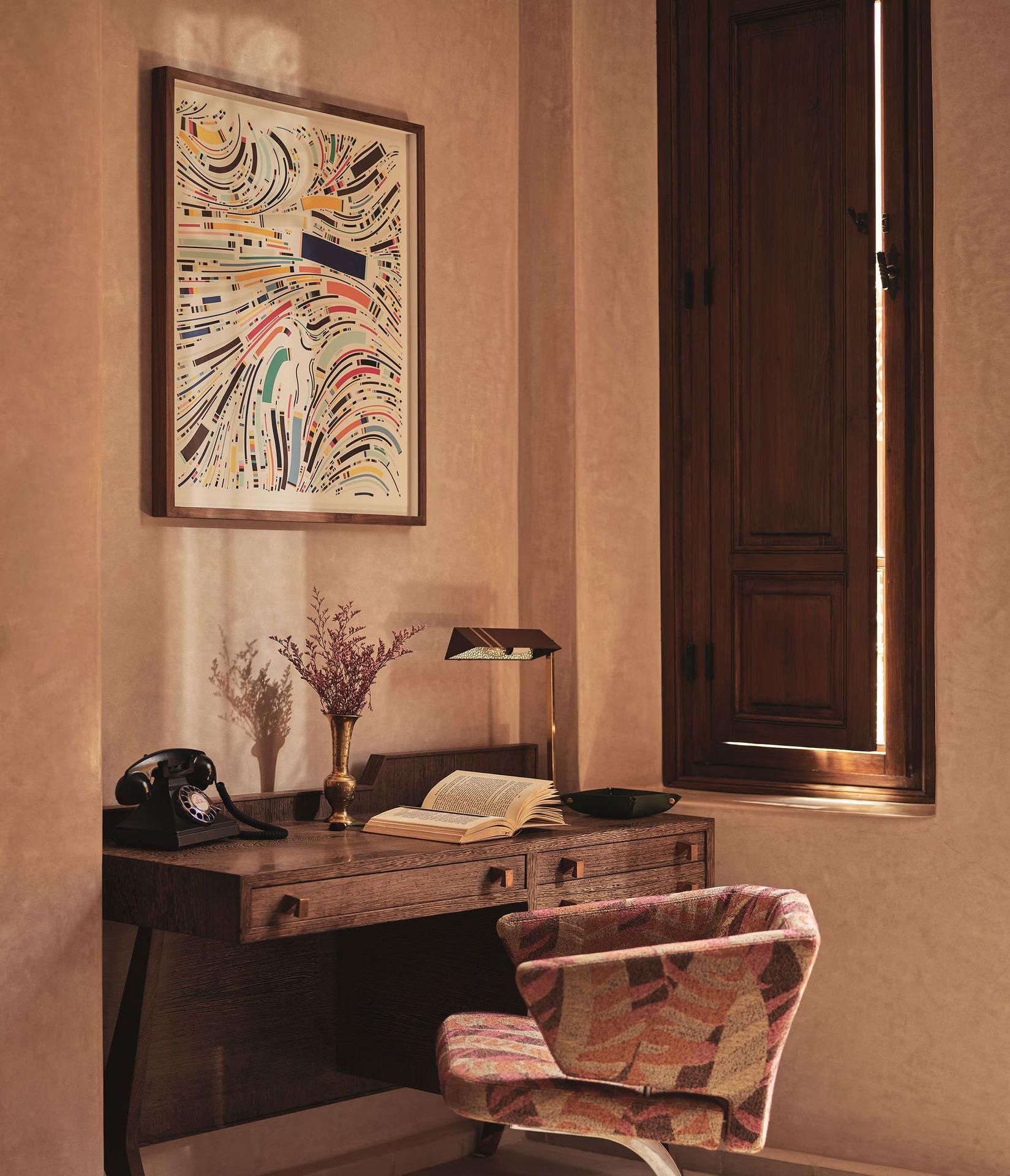
Izza houses a collection of more than 300 artworks valued at five million pounds, spanning traditional Moroccan pieces and contemporary digital works, including what is believed to be one of the world's most significant physical exhibitions of printed NFTs. The collection occupies both guest rooms and public spaces, making it impossible to move through the property without being in active relationship with work that has been curated rather than accumulated.
The hotel maintains an Associate Artist Programme, running exhibitions and workshops through the year, and supports the 1-54 Contemporary African Art Fair, one of the most significant art market events focused on African and African diaspora practices. These programmatic commitments place Izza in a context beyond accommodation: the property functions as a cultural institution that also rents rooms, rather than a hotel with art on the walls.
This distinction matters. The collection was not assembled to provide visual comfort or signal sophistication. It was curated with the understanding that cultural objects change the atmosphere of a space in ways that cannot be replicated through any other means, and that guests who choose properties like this one are seeking that kind of engagement.


The Spaces and How They Function
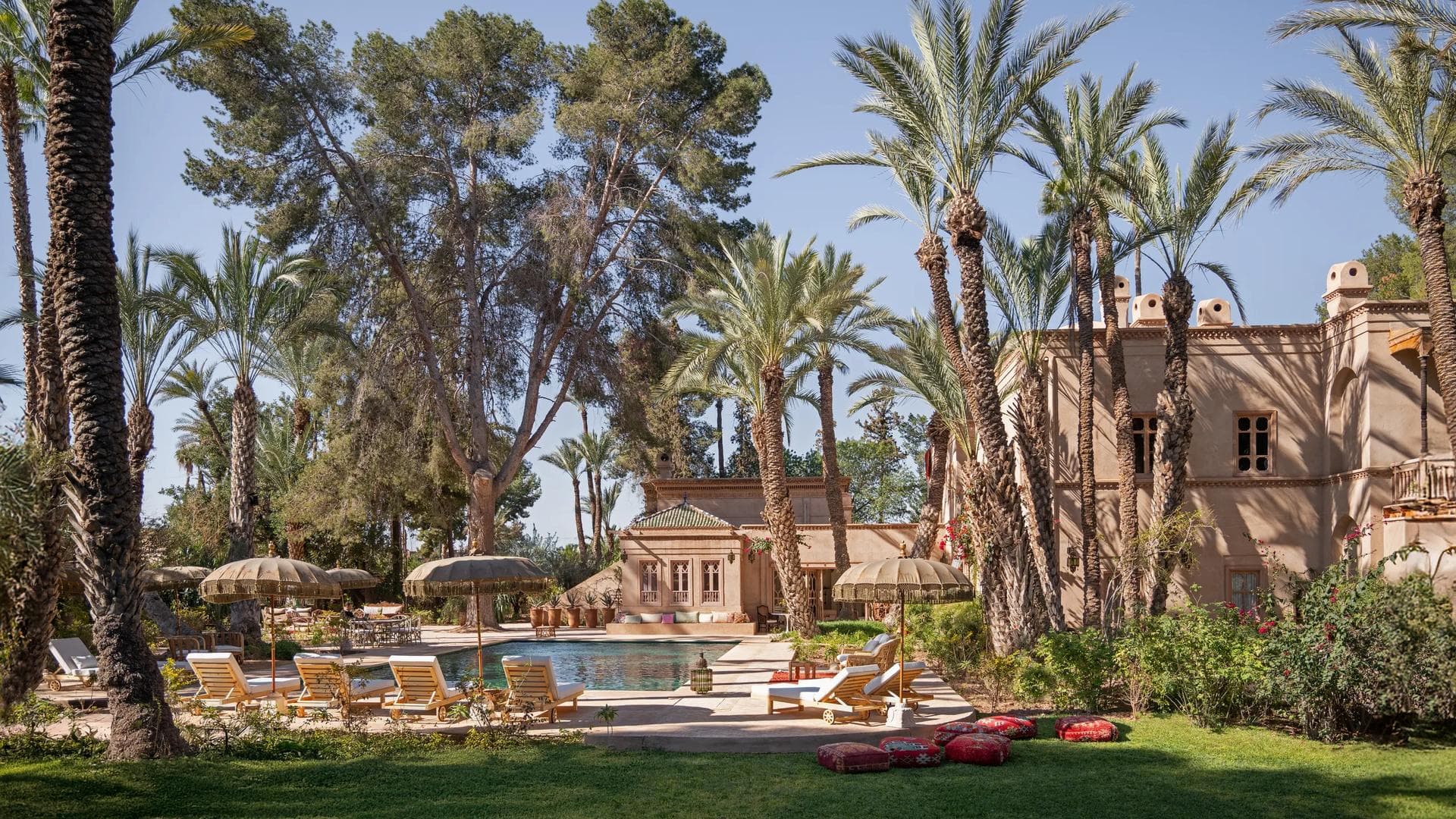
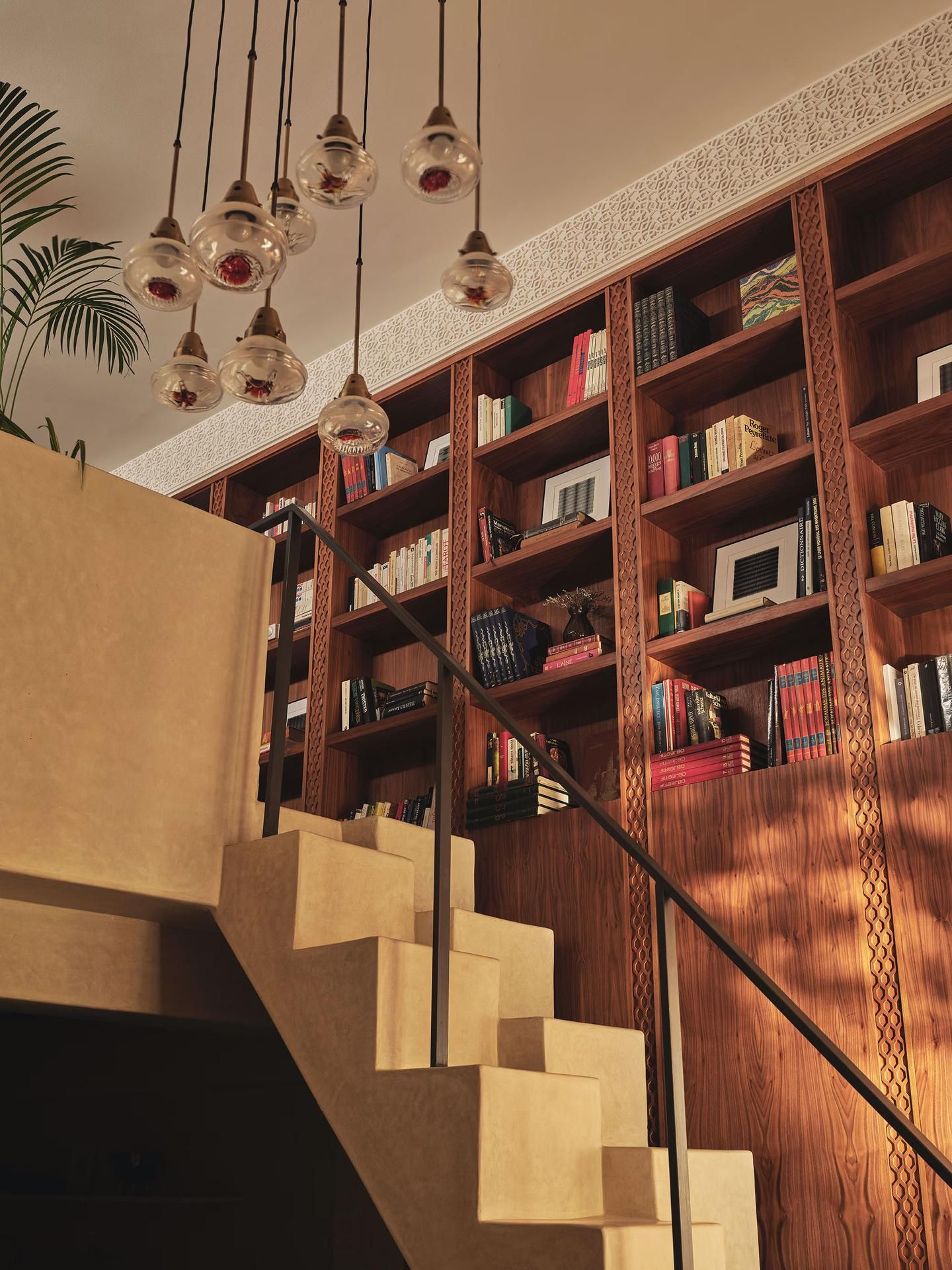
Fourteen rooms arranged across three courtyards allow for significant variation in light, temperature, and atmosphere at different hours of the day and night. Two pools offer the spatial argument of water and reflection within the internal logic of the property. A spa, gym, tea salon, and library complete a program that anticipates extended stays, people who want to spend several days in one place rather than using the hotel as a base for external activity.
The rooftop terrace offers views across the medina toward the Atlas Mountains, a panorama that places the property in its geographical context in a way the narrow streets below do not allow. The transition from the enclosed world of the courtyards to that open horizon is one of the spatial arguments the property makes most clearly.
Noujoum: The Rooftop Kitchen
The rooftop restaurant Noujoum, named after the Marrakech residence of Bill Willis, opened in February 2025 and is open to non-residents. Head Chef Ahmad El Hardoum brings fifteen years of high-level Marrakech dining experience to the kitchen, having worked previously at Le Palais Paysan and El Fenn. He leads a seasonal menu that places Moroccan cooking methods and local ingredients in dialogue with European culinary influence.
The menu's logic is specific rather than eclectic. Spiced fried calamari applies Moroccan seasoning to a Mediterranean staple. Chicken tagine arrives with preserved lemon, the technique traditional and the execution contemporary. Grilled seabass with harissa shrimps brings heat and precision together. Crab and leek croquettes carry European craft applied to local product. Monkfish tagine moves Mediterranean fish into the language of Moroccan cooking. Each dish makes an argument rather than a gesture.
The Michelin Key designation, awarded within a year of opening, places Izza in conversation with design-forward properties across Europe and the Mediterranean. The recognition extends to the full hotel experience rather than the restaurant alone, acknowledging that the integration of art, architecture, cultural programming, and food represents a coherent position rather than a collection of separate attractions.

IZZA · Hotel
Discover IZZA→You may also like…