How to Get Around Marrakech: Every Way to Move Through the City
The medina has its own pace. So does the Palmeraie, the Atlas road, and the stretch of Gueliz on a Tuesday morning. Each mode of transport opens a different version of the same city.
12 April 2026
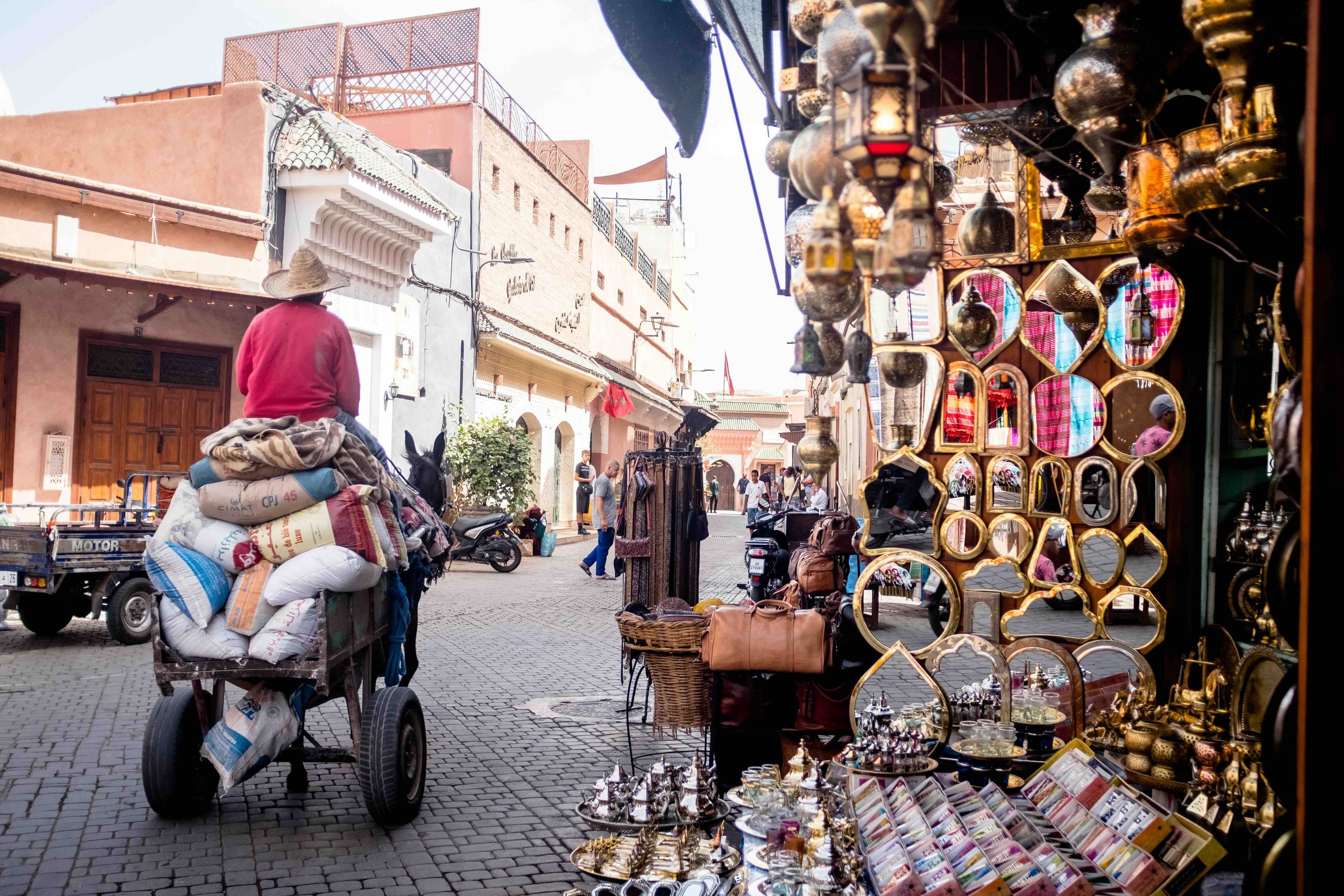
The question of how to move through Marrakech is not a logistical afterthought. The medina, with its dense lane network and its fundamental pedestrian logic, is the only major historic city in Morocco where a car is not only unnecessary but actively counterproductive inside the walls. Outside them, the logic changes: Gueliz is navigable on two wheels, the Palmeraie requires distance, the Atlas demands a vehicle. A petit taxi and a vintage Citroen 2CV are both ways of getting somewhere. They are not the same experience.
On Foot with a Guide
Walking is the only way to read the medina properly, and doing it alone for the first time is a qualitatively different experience from doing it with someone who knows its structure. The medina's street pattern follows no grid: it operates on a logic of decreasing width, where main arteries narrow into secondary lanes, which narrow again into the dead-end derbs that serve single family clusters. Without a reference point, it disorients. With a licensed guide, the same architecture becomes legible.
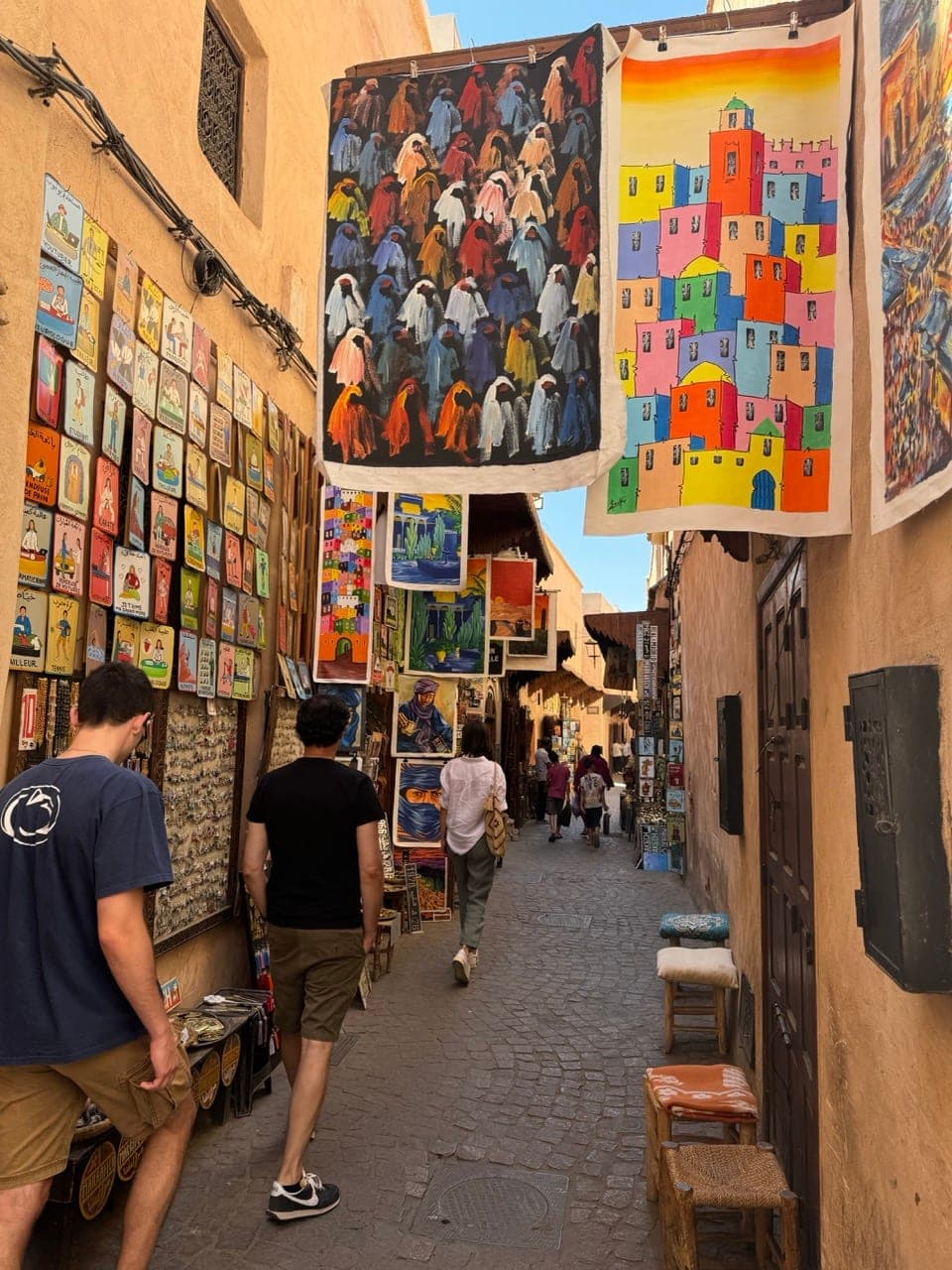
The guide's route is never random. The explanations of what each neighbourhood produces, which souk sells what, where the morning light is best, which courtyard is worth stopping for, transform a walk into a reading of the city rather than a negotiation with it. Licensed guides can be arranged through your riad or hotel, through official tourism agencies, or through platforms that connect travellers with individual guides. Half a day produces genuine depth. A full day covers the kind of ground that changes how you understand everything you saw the day before.
Private Driver
A private driver is the mode of choice for anyone who wants to move across the city and beyond it without the overhead of driving in Moroccan traffic. For trips to the Agafay Desert, Imlil, the Ourika Valley, or the three-hour run to Essaouira on the Atlantic coast, a driver eliminates logistical friction entirely and adds a consistent local contact who can make recommendations, adjust itineraries, and communicate with venues on arrival.
Inside Marrakech, a driver is useful for moving between the medina, Gueliz, the Palmeraie, and Hivernage without the repetitive negotiation of individual taxis. Most riads maintain a network of trusted drivers; agencies in Gueliz offer day rates and multi-day arrangements. The relationship tends to improve with duration: a driver who has worked with you for two or three days knows what you are looking for without being told.
Rental Car
A rental car makes sense for one purpose in Marrakech: road trips beyond the city. The drive to Ait Benhaddou via the Tizi n'Tichka pass is one of the more dramatic stretches of road in North Africa, and doing it at your own pace, with the freedom to stop at viewpoints and Berber villages, is a different experience from a shared excursion. The Atlas rewards autonomy.
Inside the city, a rental car is largely impractical. Parking near the medina gates is difficult, the streets within the walls are not designed for anything wider than a motorbike, and traffic in Gueliz during peak hours is slow enough to make walking faster for short distances. The car earns its rate when the destination is outside Marrakech. Rental agencies operate at the airport and in Gueliz; international operators and local agencies are both available.
Petit Taxi
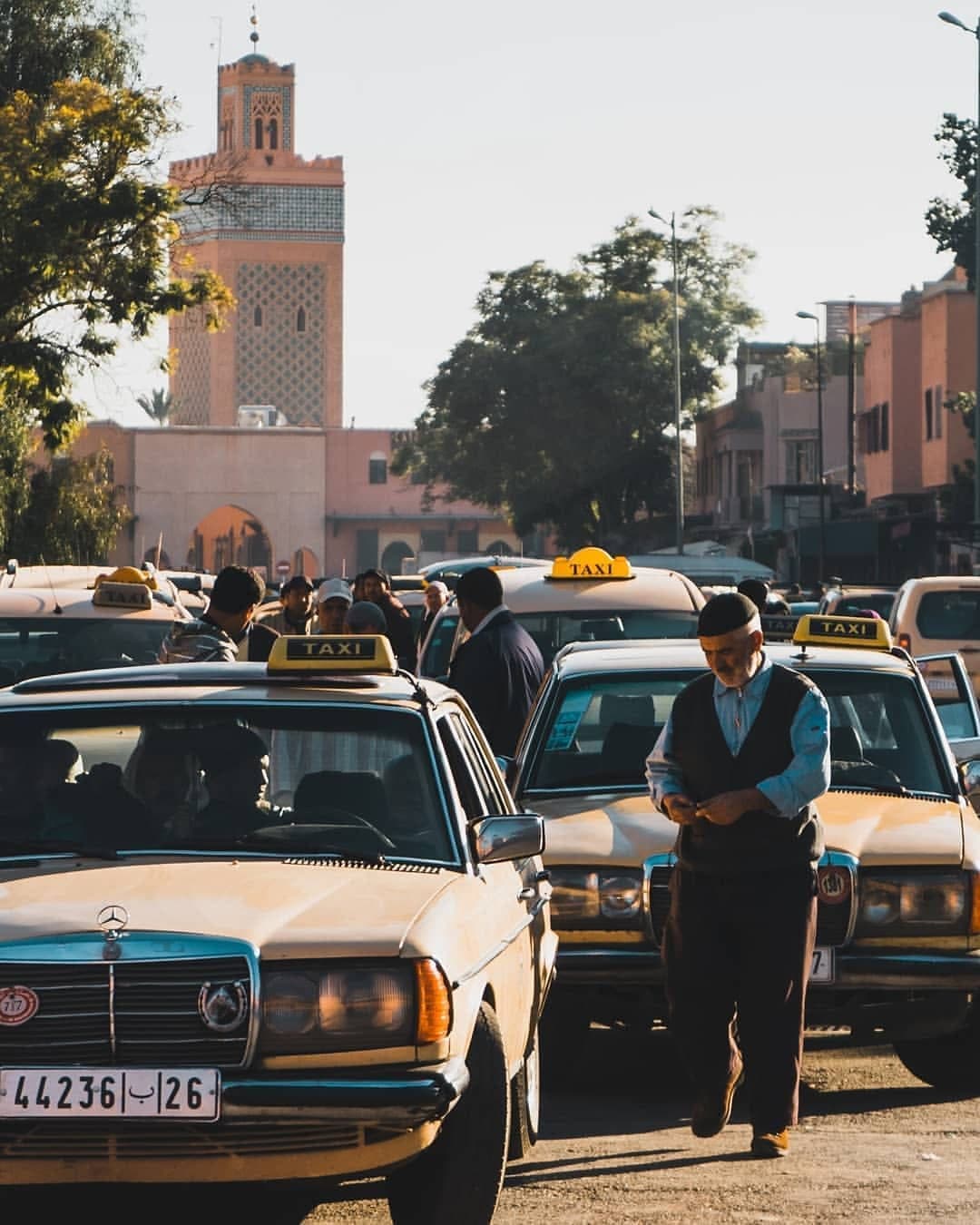
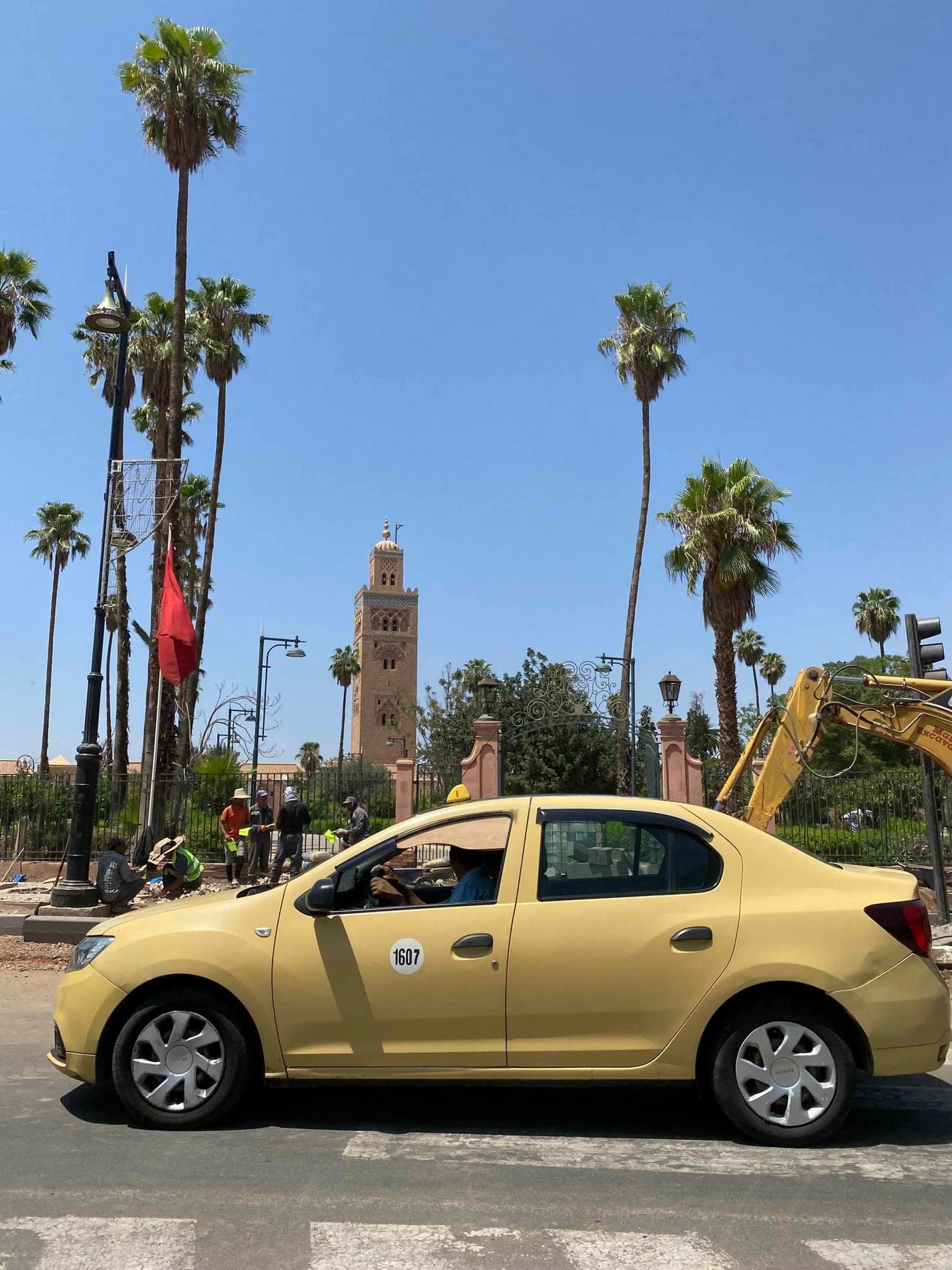
The petit taxi is Marrakech's daily circulatory system. The small beige cars licensed for a maximum of three passengers run on metered fares within the city limits and are the fastest and most practical way to cross between the medina gates, Gueliz, Hivernage, and the Palmeraie. They are available at all hours and easy to flag on any main street. Two things are worth knowing: the meter must be running (ask for it if the driver does not start it), and destination addresses given in French or Arabic produce faster results than English approximations of street names.
Djemaa el-Fna, the major hotel names, and the names of the medina gates are universally recognized reference points. Apps including Careem operate in Marrakech and offer a fixed-price alternative that removes the negotiation variable entirely. For distances inside the city the petit taxi is reliable, immediate, and cheap.
For trips beyond the city limits, the grand taxi takes over. These larger shared vehicles operate fixed intercity routes and can also be chartered whole for a private run to Essaouira, Ouarzazate, or the Atlas villages. Agree the price before departure and confirm whether the fare covers the full return.
By Bicycle
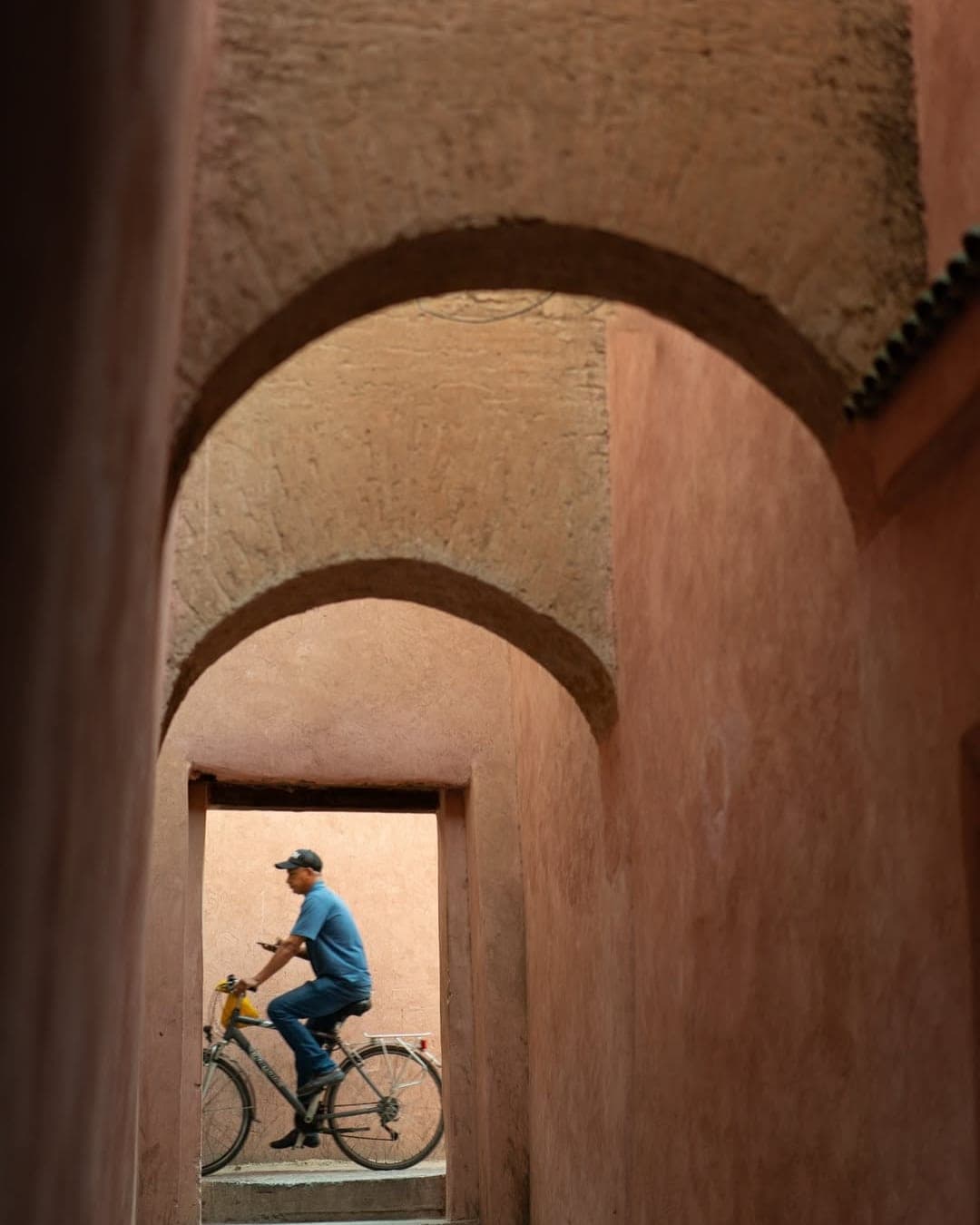
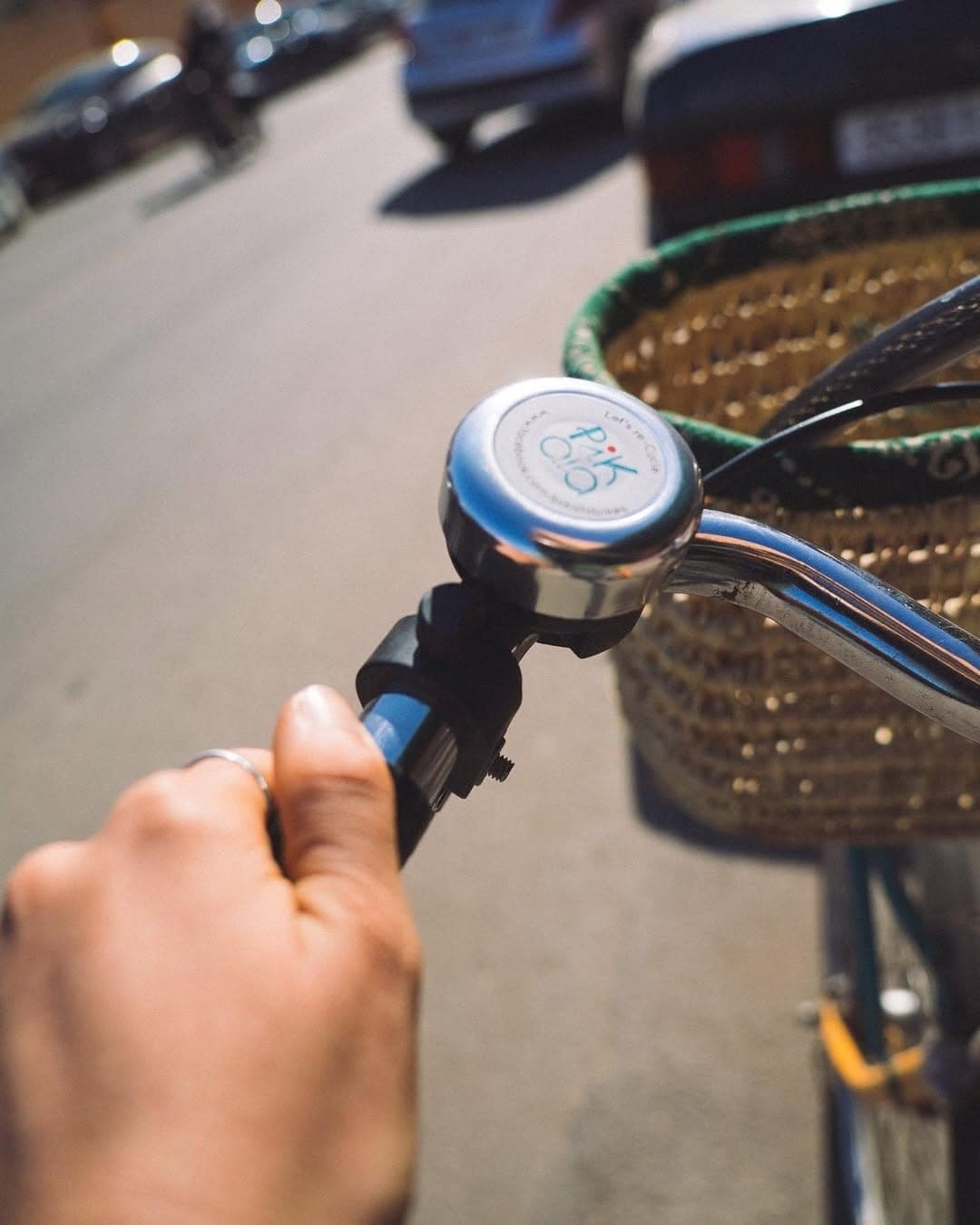
Pikala is a bicycle rental and tour operation run from a converted garage in the medina, staffed by young Marrakchis trained as guides, with a cafe and repair workshop on the same site. It is one of the more visible social enterprises in the city, built around the idea that Marrakech should have a cycling culture.
The tours Pikala offers, through the medina quarters and out to the Palmeraie, are guided by people who grew up in the neighbourhoods they show. The pace of a bicycle through the medina sits at a precise midpoint: faster than walking but slow enough to stop, close enough to the street to hear what is happening without being inside it. The Palmeraie route, through palm groves and Berber villages on the northern edge of the city, produces a version of Marrakech that neither a car nor a pedestrian tour easily reaches.
By Mobylette
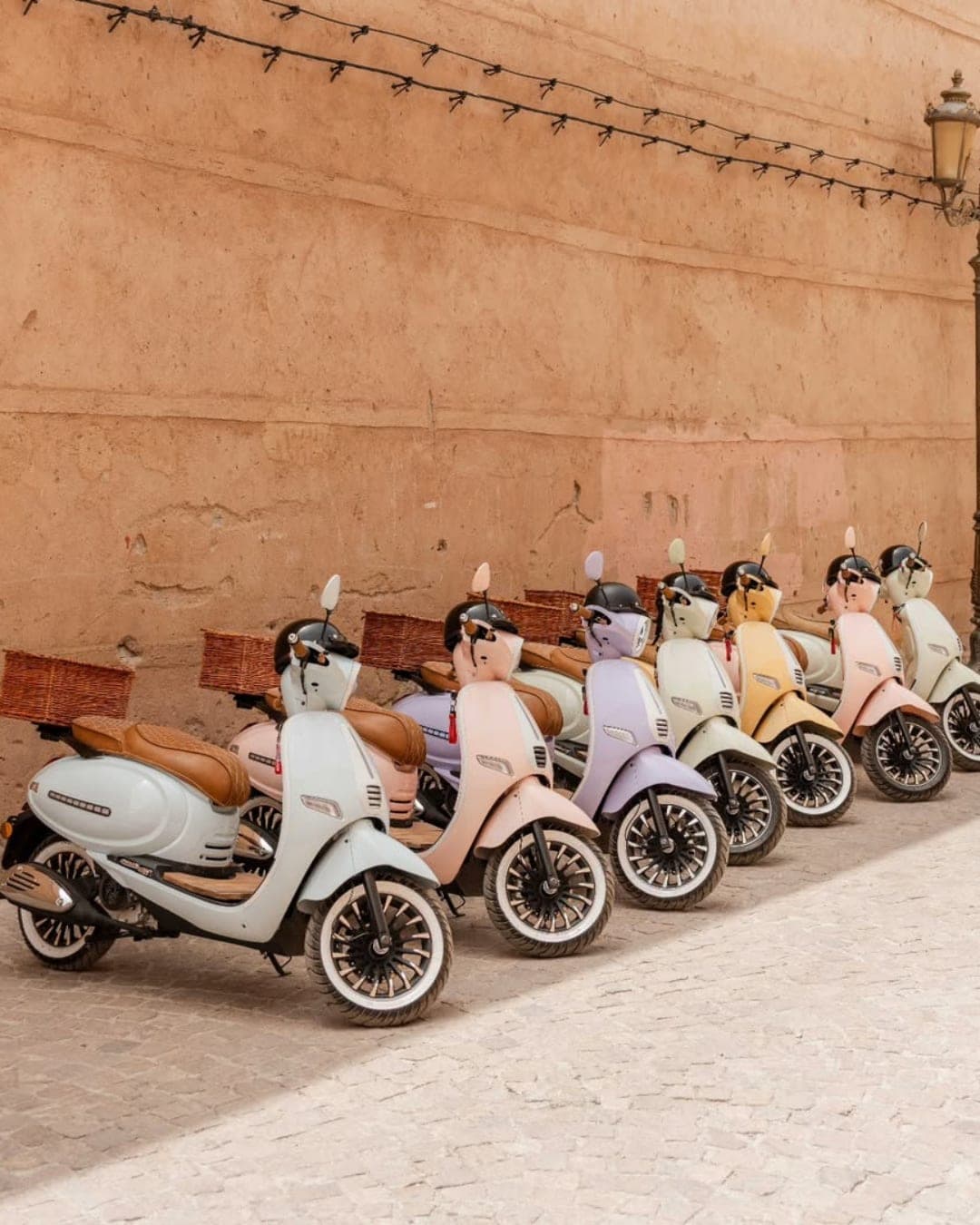
Where Pikala works with bicycles and the logic of slow pedalling, Lovely Mobylette works with vintage Mobylettes: the small motorised two-wheelers that persist, in a specifically Moroccan version, as a utility vehicle across the country. On a guided tour, the city moves at a pace slightly above walking speed but with a completely different sensory register: the engine underfoot, the wind through the lane, the ability to cover distance without losing contact with the street.
Every route comes with a local guide who knows which lane leads somewhere worth stopping for. Lovely Mobylette offers city and countryside tours, adapting to what the group wants to cover. The Mobylette is not a vehicle of practicality. It is a vehicle of atmosphere, and in Marrakech's specific mix of narrow medina passages and wide Gueliz boulevards, it works in both registers.
By Sidecar
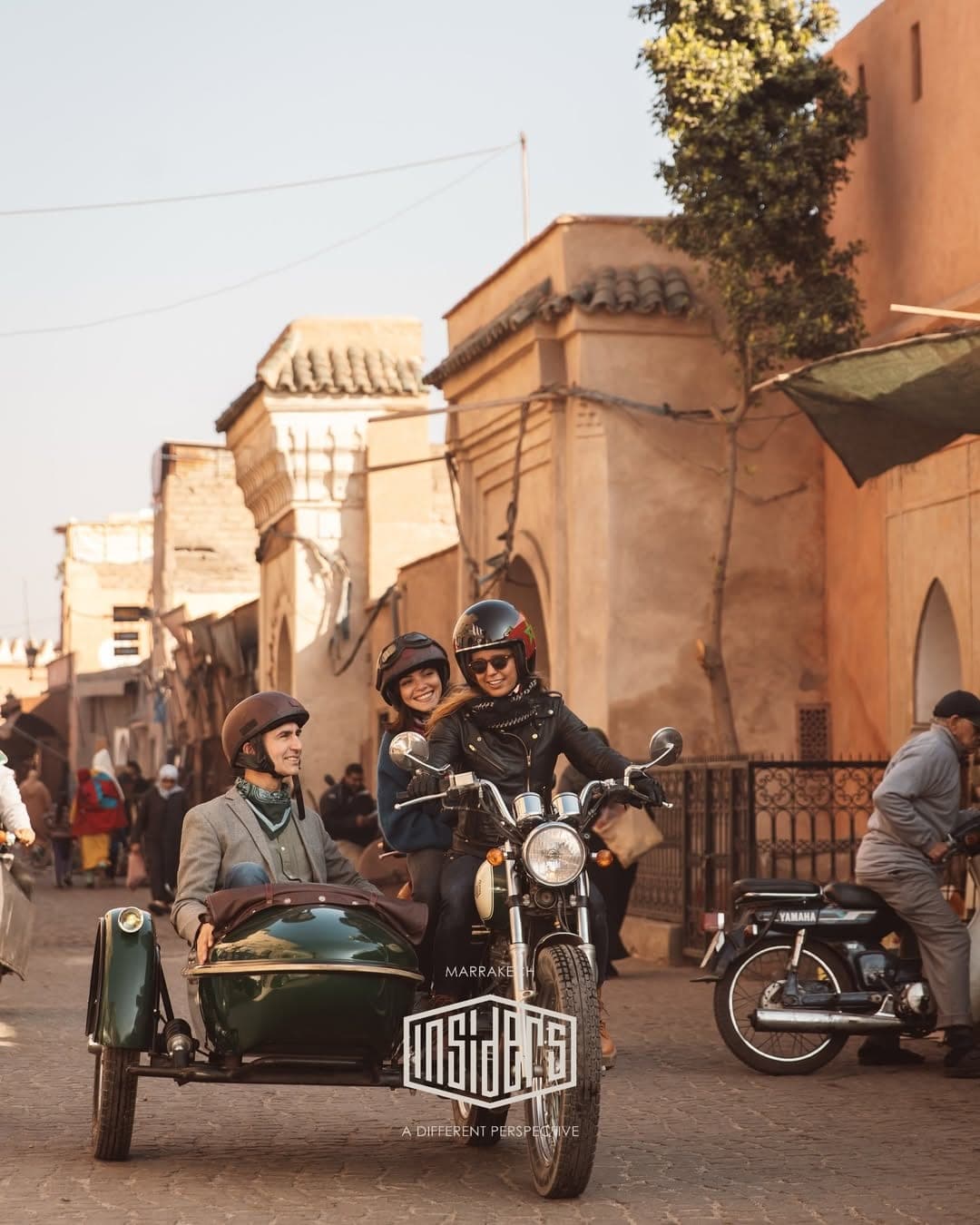
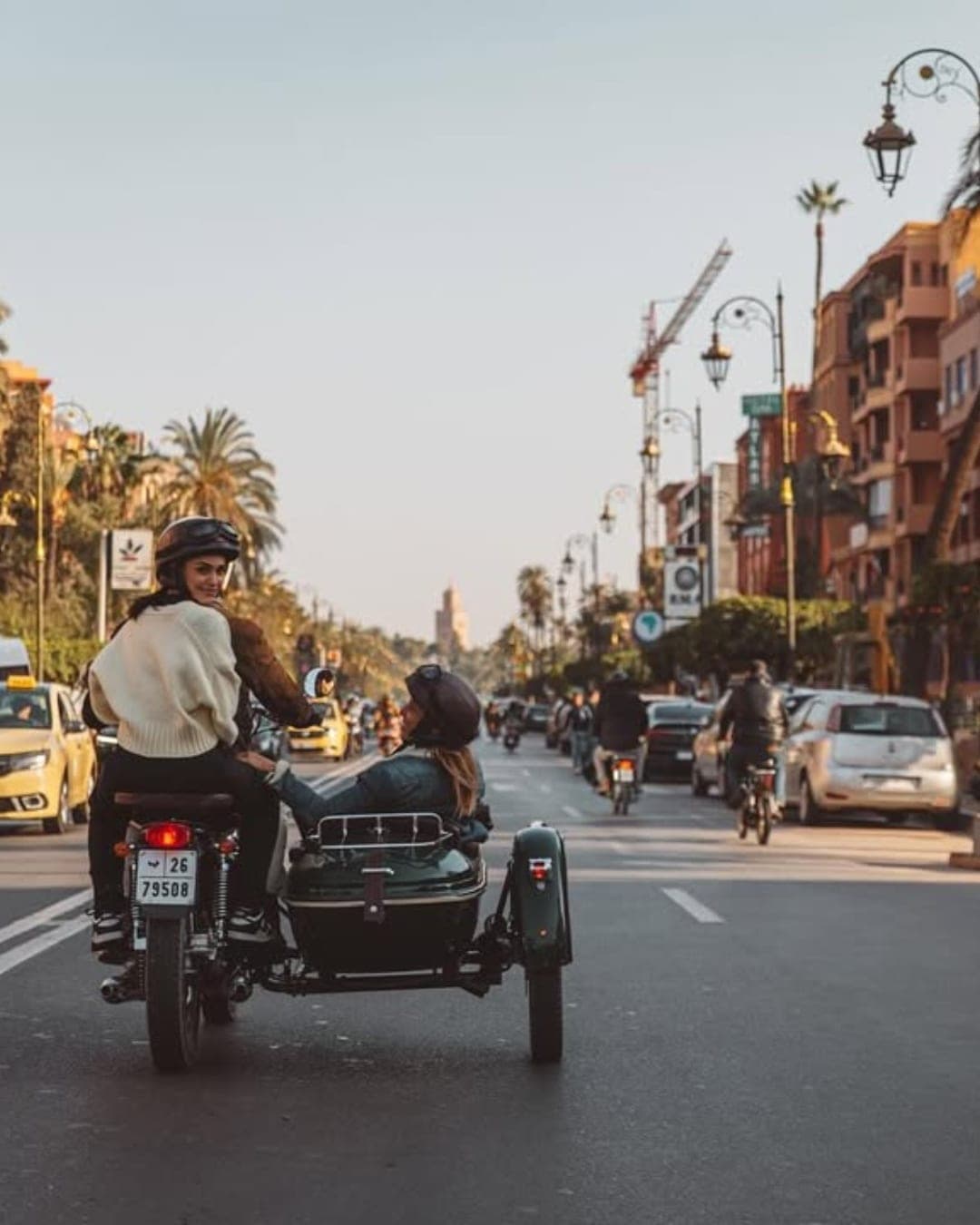
Marrakech Insiders operates with a precise proposition: a vintage sidecar motorcycle, a local guide, and a city seen at low speed. Tours are fully private and move through the medina, the Palmeraie, or further depending on the route chosen. The format combines time in the vehicle with walking moments, which means the sidecar is the context and the on-foot segments are the focus.
The vehicles are vintage, modified for comfort. The guides, whom the company calls Insiders, are the substantive element of the experience: they carry the kind of knowledge about the city that does not appear in any published source. A neighbourhood seen from a sidecar, with someone who grew up there explaining what you are looking at, produces a legibility that faster modes simply cannot.
By Vintage Car
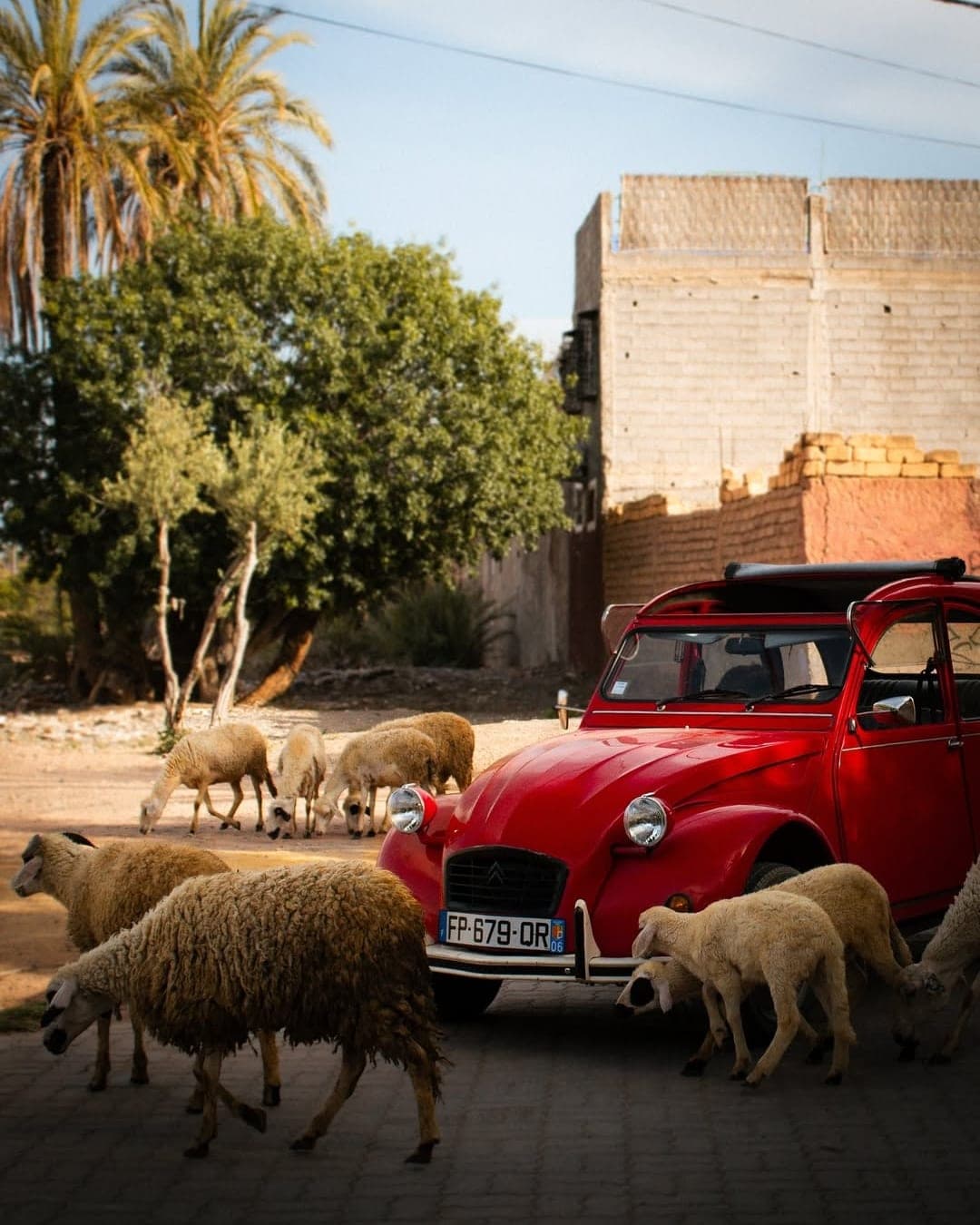
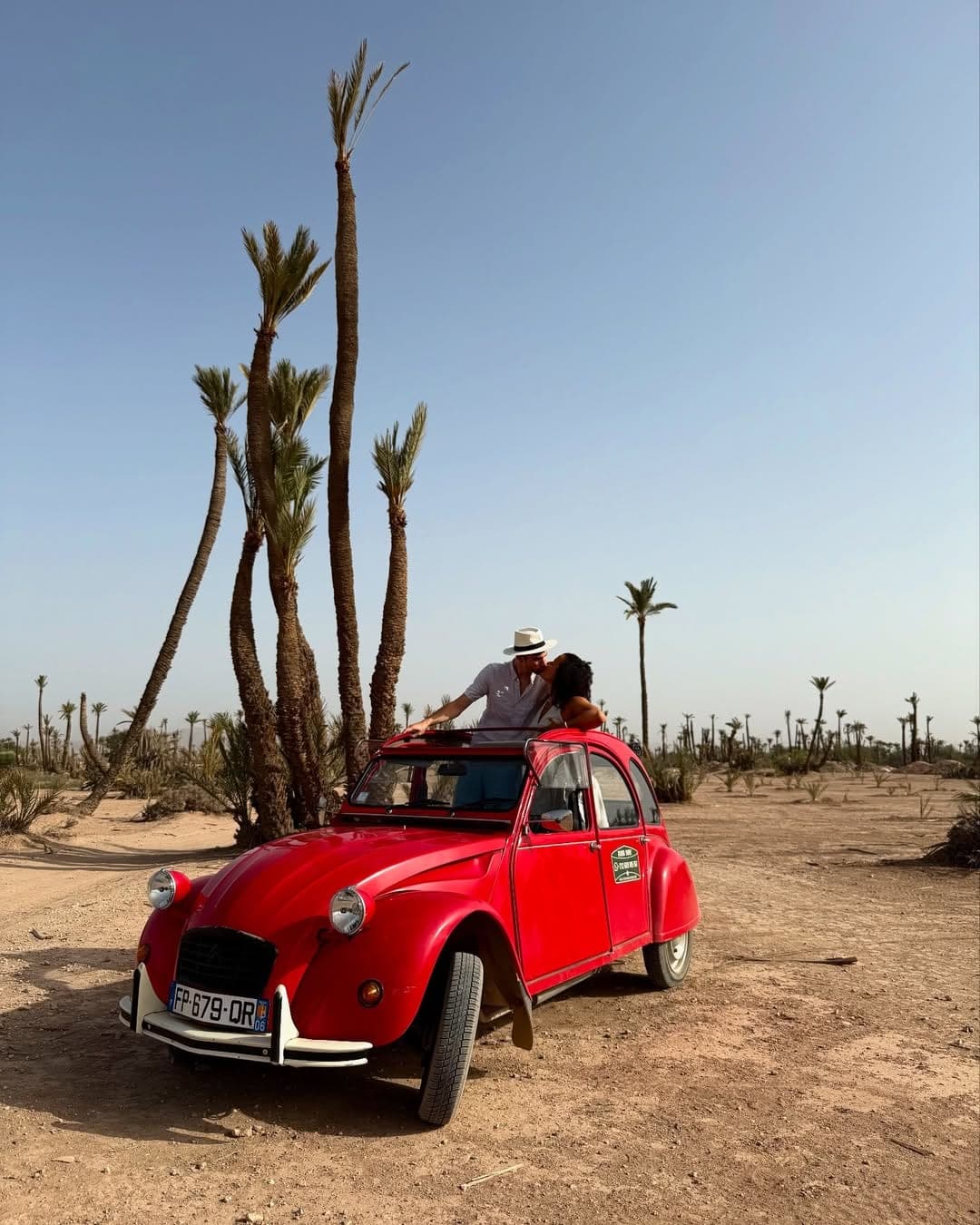
The Citroen 2CV was built to put postwar France on four wheels at minimal cost, and its survival into the twenty-first century as an object of design affection is a function of exactly that original economy of means. In Marrakech, it operates as a touring vehicle: Marrakech 2CV runs guided excursions through the medina and the Palmeraie in restored originals, led by drivers who know the city and who understand that the car's combination of visual distinctiveness and open-window proximity to the street is its own argument for the experience.
Moving through the medina in a 2CV produces a specific kind of visibility: you are in something recognisably out of place, which means the street notices you and you notice the street in return. The Palmeraie at dusk from a 2CV is a different proposition from the Palmeraie seen through a tour bus window. The scale is right. The pace is right. The colour is usually red or yellow, which helps.
The mode of transport is not a neutral decision. It sets the pace, the exposure, the social register, and the parts of the city that become visible. Walking produces one Marrakech. The petit taxi produces another. A sidecar through the Palmeraie at dusk produces a third. They are all accurate versions of the same place. Choose based on what you are trying to read.
You may also like…