Where to Have Lunch in Gueliz: 13 Restaurants in Marrakech Worth Knowing
Timence Guide Editors · Updated: 9 May 2026
Five restaurants for lunch in Gueliz: from a colonial brasserie and Fassi home cooking to Australian farm-to-table and contemporary Moroccan design. The lunch scene in Gueliz has shifted. Marrakech's European quarter, the one with wide boulevards and 1920s facades, ten minutes by taxi from the medina, stopped being a fallback option long ago. Today, Gueliz is where a new generation of restaurateurs is redefining what it means to eat well in this city: with rigour, with design intent, with a serious relationship to local produce. Those cooking in Gueliz come from different trajectories. One has revived a 1930s building. Another left fashion to open a restaurant inspired by Melbourne. Another still defends a female culinary tradition that has endured for nearly four decades. What these addresses share is a quality that extends beyond the plate: a vision of how a restaurant should work: the space, the rhythm, the relationship with the person sitting at the table. These five are the lunch restaurants in Gueliz we recommend to anyone looking for something specific: not the longest list, but the most precise.
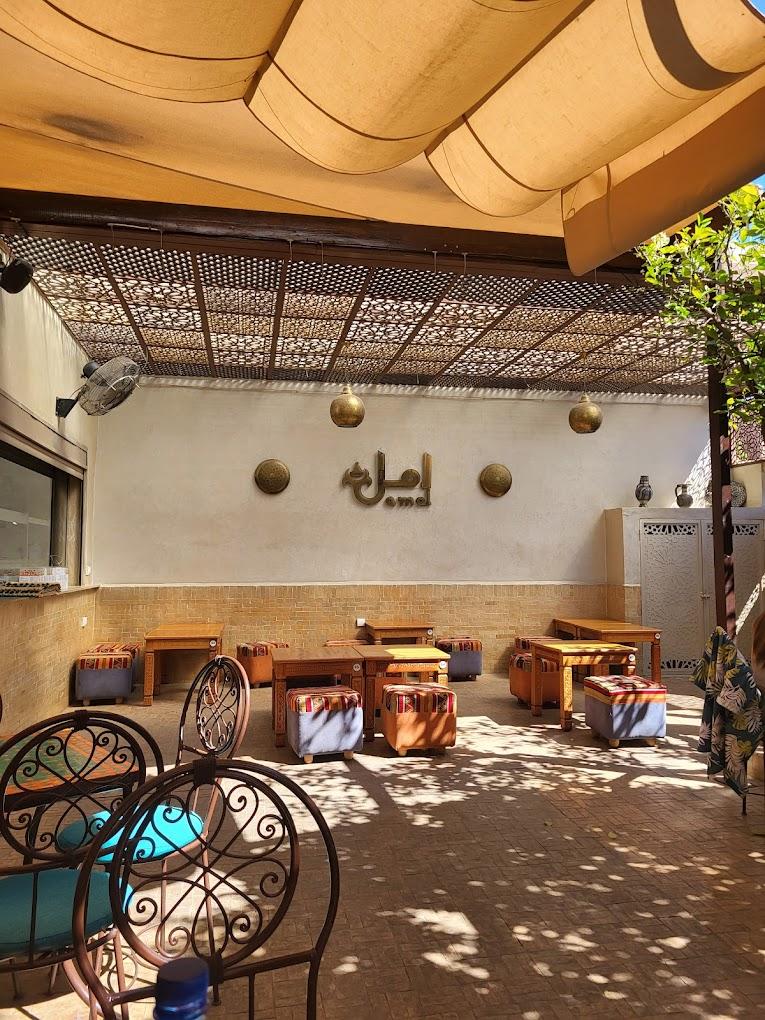
Amal means "hope" in Arabic, and the restaurant operates accordingly. Inside a villa with a shaded garden on Rue Allal Ben Ahmed, it functions as a non-profit training center where women from disadvantaged backgrounds learn to cook and serve professionally. More than 300 women have passed through the program since the center opened in 2012, and the kitchen they train in is the same one preparing the meal. At lunch here, the transaction runs in both directions. The food is traditional Moroccan, built on seasonal ingredients and the kind of domestic knowledge that rarely reaches restaurant menus: slow-simmered tagines, salads with sharp layered spicing, and on Fridays a couscous that fills every table and often sells out before the afternoon is over. The setting is simple and warm: garden seating under the trees, natural light, an atmosphere closer to eating at someone's home than dining out. There is no design concept, no attempt at polish. What holds the room together is purpose, and it comes through in the cooking. For a direct, grounded Moroccan lunch in Gueliz, Amal is one of the most honest addresses in the neighbourhood.
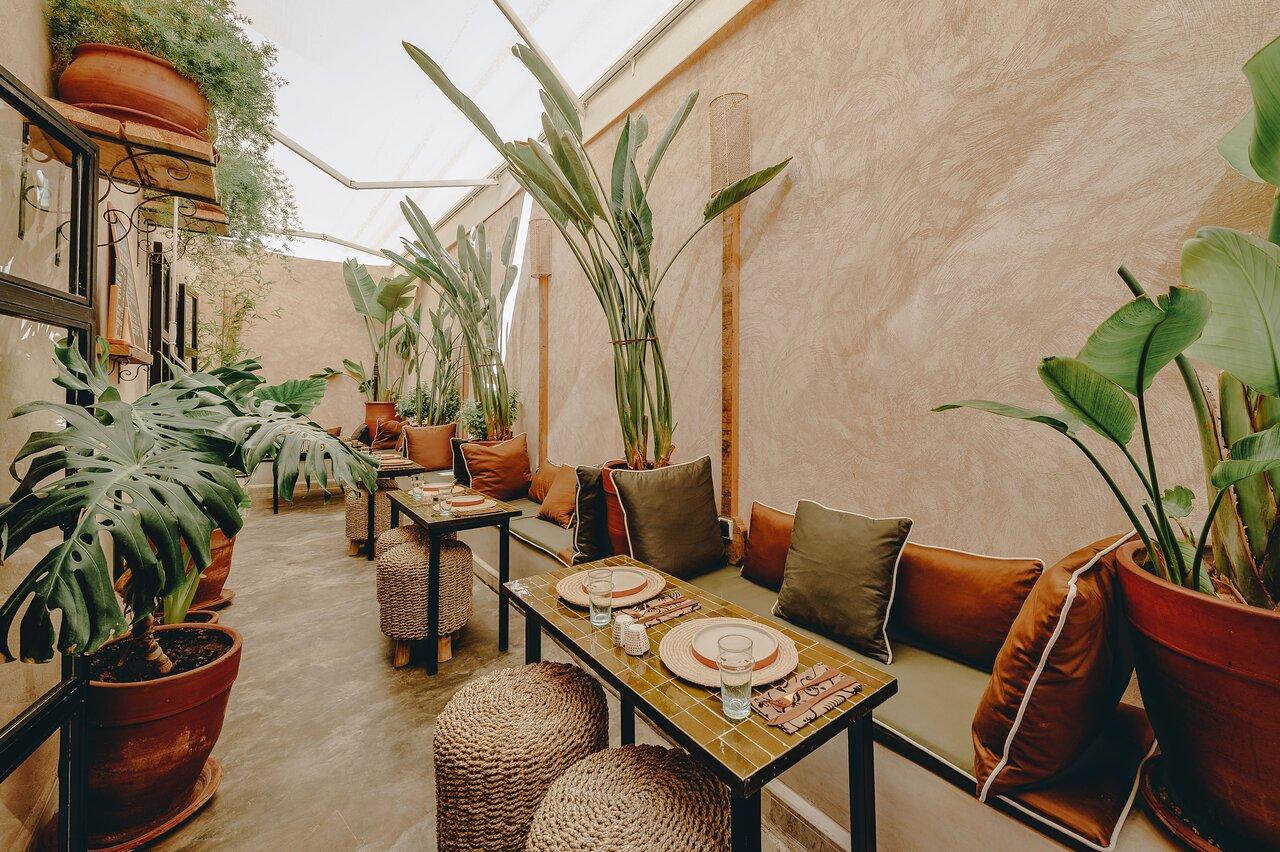
Azalai Urban Souk hides behind an old wooden door on Boulevard El Mansour Eddahbi. The passage that leads inside, lined with plants and carved wood, sets the tone before a single dish arrives: this is Gueliz reinterpreted through the aesthetic of a medina alleyway. The space is small and deliberate, with a beldi-bohemian character built from handmade ceramics, warm lighting, and greenery that softens every surface. A few tables sit on a terrace; inside, an open kitchen is visible from certain seats. The menu changes regularly on a chalkboard, following the seasons and drawing on forgotten local ingredients treated with techniques like fermentation and dehydration. This is Moroccan cooking pushed forward without losing its roots: dishes that carry the flavour memory of tagines and pastillas but arrive with a precision and visual clarity that belongs to contemporary gastronomy. Portions are designed for sharing. An integrated boutique sells tableware and handcrafted objects, extending the aesthetic beyond the meal. The restaurant fills fast and a reservation is the only way to guarantee a seat.
collé aux assurances Belkahia, 67 Bd el Mansour Eddahbi, Marrakech 40000
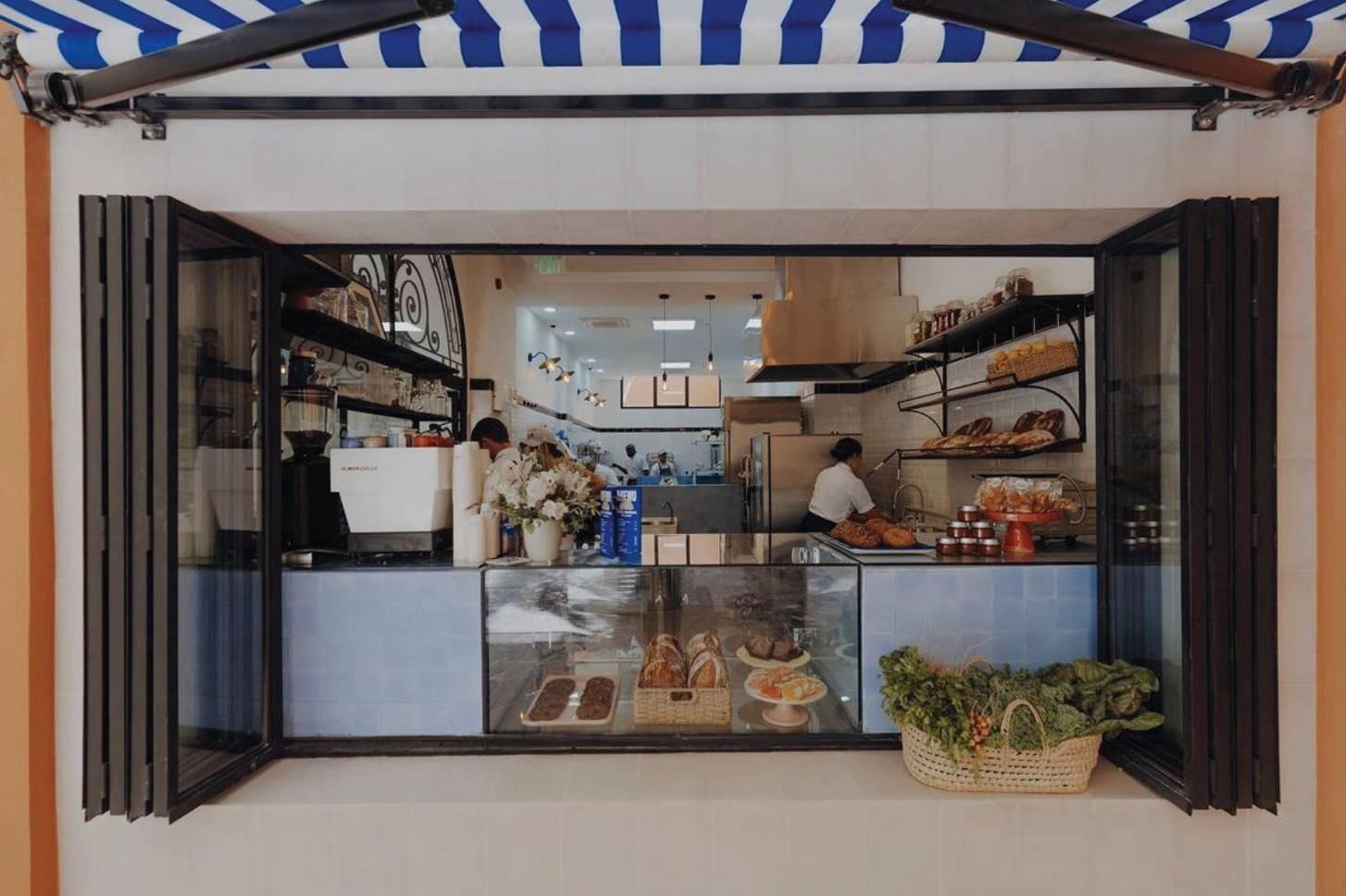
Blue Ribbon occupies a converted shopfront inside Galerie El Beqal, the Art Deco arcade on Rue Mohammed el Beqal that also houses Farmers and its farm shop. A courtyard opens up behind the entrance, sheltered and quiet, where the mood sits somewhere between neighbourhood bakery and all-day cafe. The bakery is the backbone: sourdough, babka, shokupan, pretzels, and scones baked in-house, and the quality here has made Blue Ribbon a reference point for anyone in Marrakech looking for serious bread. The daytime menu extends to bagels, shakshuka, banh mi, grain-based salads, and grilled sandwiches, alongside specialty Arabica coffee and fresh juices. What sets it apart is the sourcing: nearly everything on the plate traces back to Sanctuary Slimane, the permaculture farm that also supplies the Farmers kitchen next door. Organic produce, seasonal rhythm, and a zero-waste approach run through the operation without drawing attention to themselves. Blue Ribbon is a daytime address, and the calm courtyard at midday is one of the more reliable pauses in Gueliz.
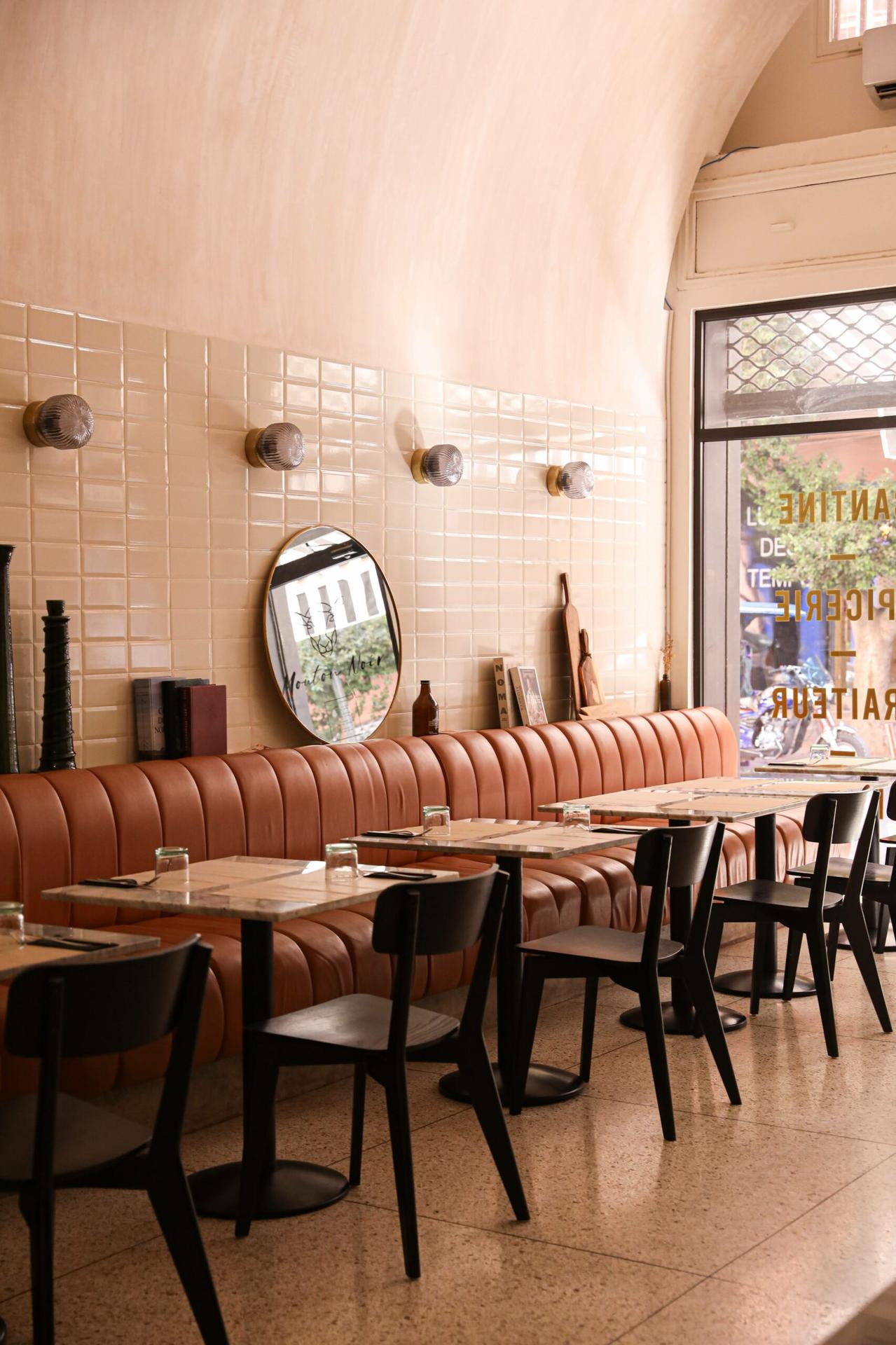
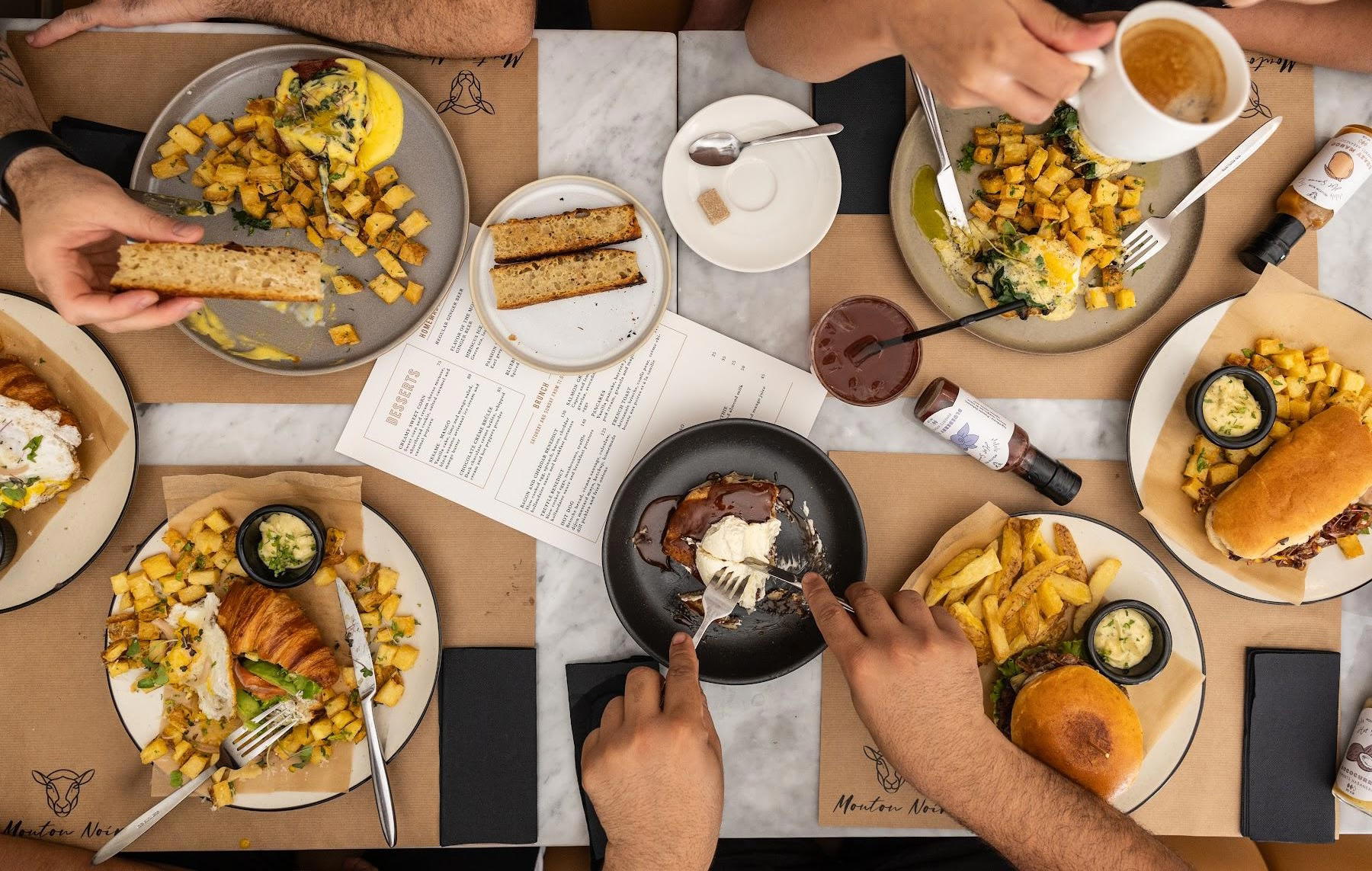
Cantine Mouton Noir sits on Rue Mohammed el Beqal in a small, white-tiled dining room with vaulted ceilings and an open kitchen that keeps the cooking in full view. Thirty seats, no reservations policy: walk in, and if there is room, you sit. R&B classics fill the gaps between conversation, and the mood is closer to a neighbourhood canteen than a formal restaurant, which is precisely the intention. The kitchen is built on a North American comfort food sensibility sharpened with Moroccan ingredients: burgers constructed with technique, house-matured beef, grain bowls, and grilled plates where the seasoning borrows from both sides of the Atlantic. All beef is matured on site and can be bought directly from the restaurant. There is no alcohol, but homemade ginger beer and hibiscus iced tea hold their own alongside the food. On weekends, the brunch menu draws a loyal local crowd. An adjoining epicerie extends the operation beyond lunch. For a midday table that requires no planning and no compromise on quality, it is one of the most consistent addresses in Gueliz.
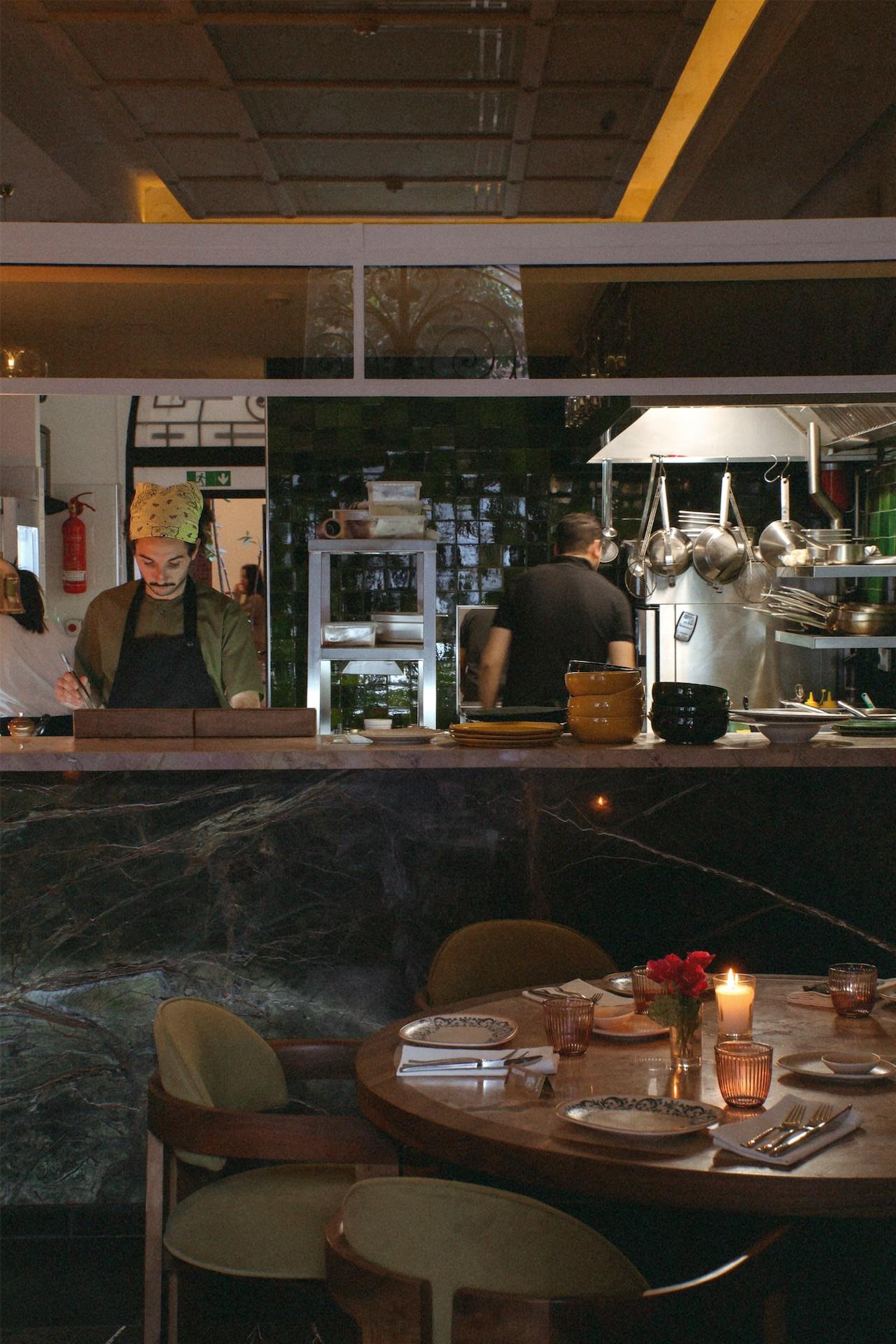
Farmers occupies Galerie El Beqal, a renovated Art Deco arcade on Rue Mohammed El Beqal, alongside Blue Ribbon bakery and a farm shop that stocks produce from the same source as the restaurant kitchen. That source is Sanctuary Slimane, a 25-acre permaculture farm on the outskirts of Marrakech where nothing is grown with pesticides or synthetic inputs. Self-taught Moroccan chef Driss Aloui leads a kitchen that works with whatever the farm yields, so the menu shifts with the season and carries no fixed card across the year. Techniques lean on fermenting, preserving, and slow roasting to draw depth from simple ingredients. Vegetable dishes hold equal weight with meat and fish. The room is pared back, more gallery than restaurant: walnut tables, handmade ceramic plates, golden globe lights, and paintings by Sarah Edwards along the walls. Forty-four seats keep the scale intimate. The wine list favours natural and organic labels, Moroccan and international. Farmers entered MENA's 50 Best Restaurants ranking in its first year of operation, in 2024. Reservations are recommended. The lunch service is the quieter register; the room fills more completely toward the evening.
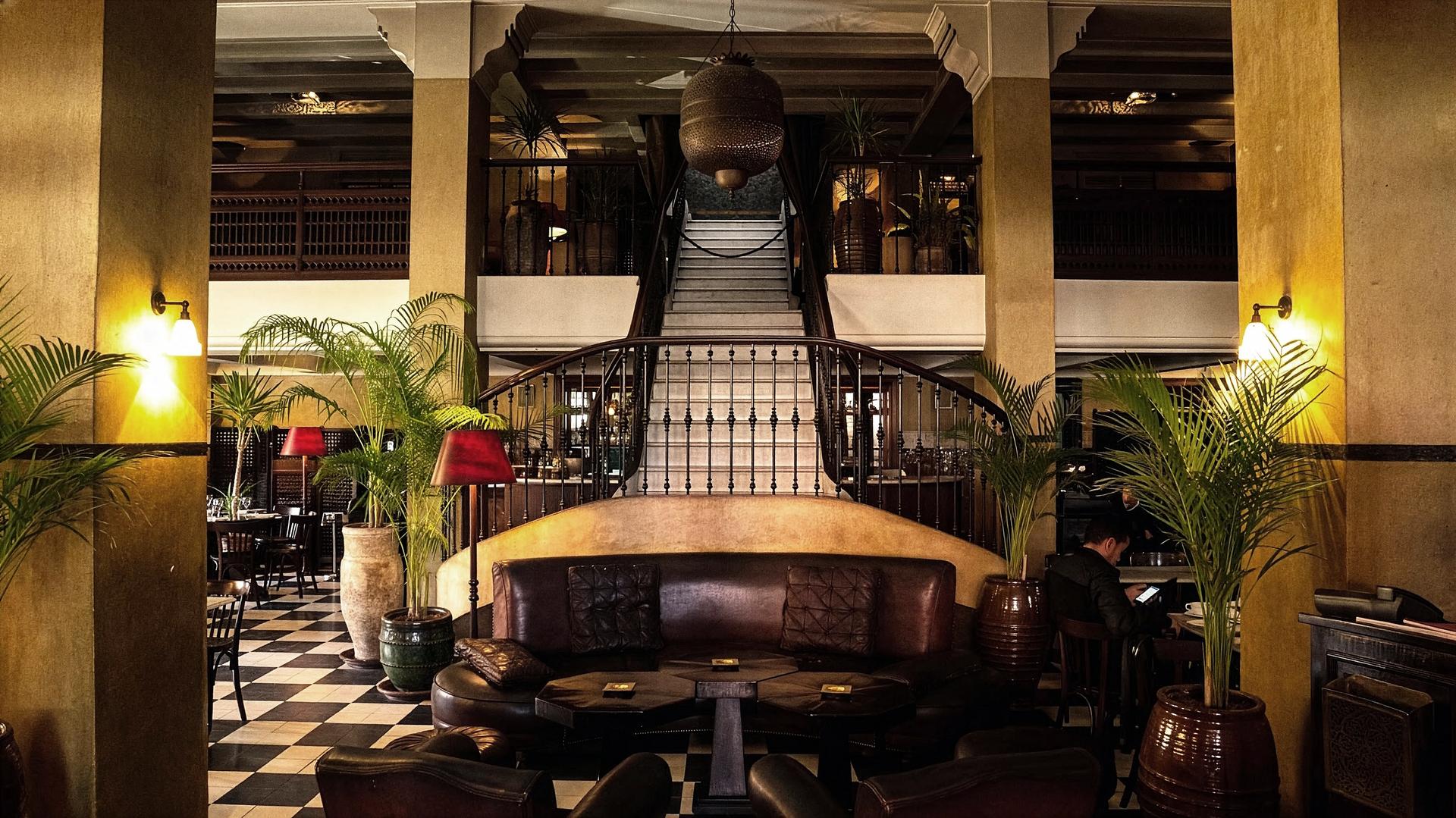
Few buildings in Marrakech carry as much history as the Grand Cafe de la Poste. Built in the 1920s as a post office and cafe under the French Protectorate, it was the first structure in modern Gueliz, frequented by Jacques Majorelle and woven into the social life of Pasha El Glaoui, who at one point transformed it into his namesake Cafe Pacha. After decades of closure, in 2005 the group behind Bo-Zin and La Cantine du Faubourg restored it, preserving the colonial framework and restoring the tone of a brasserie from another era. The interior, with its dark wood, time-patinated mirrors, and slow-turning ceiling fans, has the weight of a place that no longer needs to prove anything. Chef Philippe Duranton's kitchen follows the grammar of the French brasserie with openings towards Morocco. A typical lunch might begin with spider-crab tian from Oualidia and avocado, continue with monkfish skewers in curry or a kefta tagine with eggs and cinnamon semolina, and close with the Grand Marnier souffle, hot, risen, with that orange note that lingers on the palate. The endive salad with roquefort and walnuts is the kind of dish that reveals a cook's hand through simplicity. The wine list, deep and carefully assembled, is among the most serious in the city. The right moment is a midweek lunch. The terrace beneath the palms, at that hour, is quiet and unhurried.
Angle Boulevard El Mansour Eddahbi et Avenue Imam، Marrakech 40000, Morocco
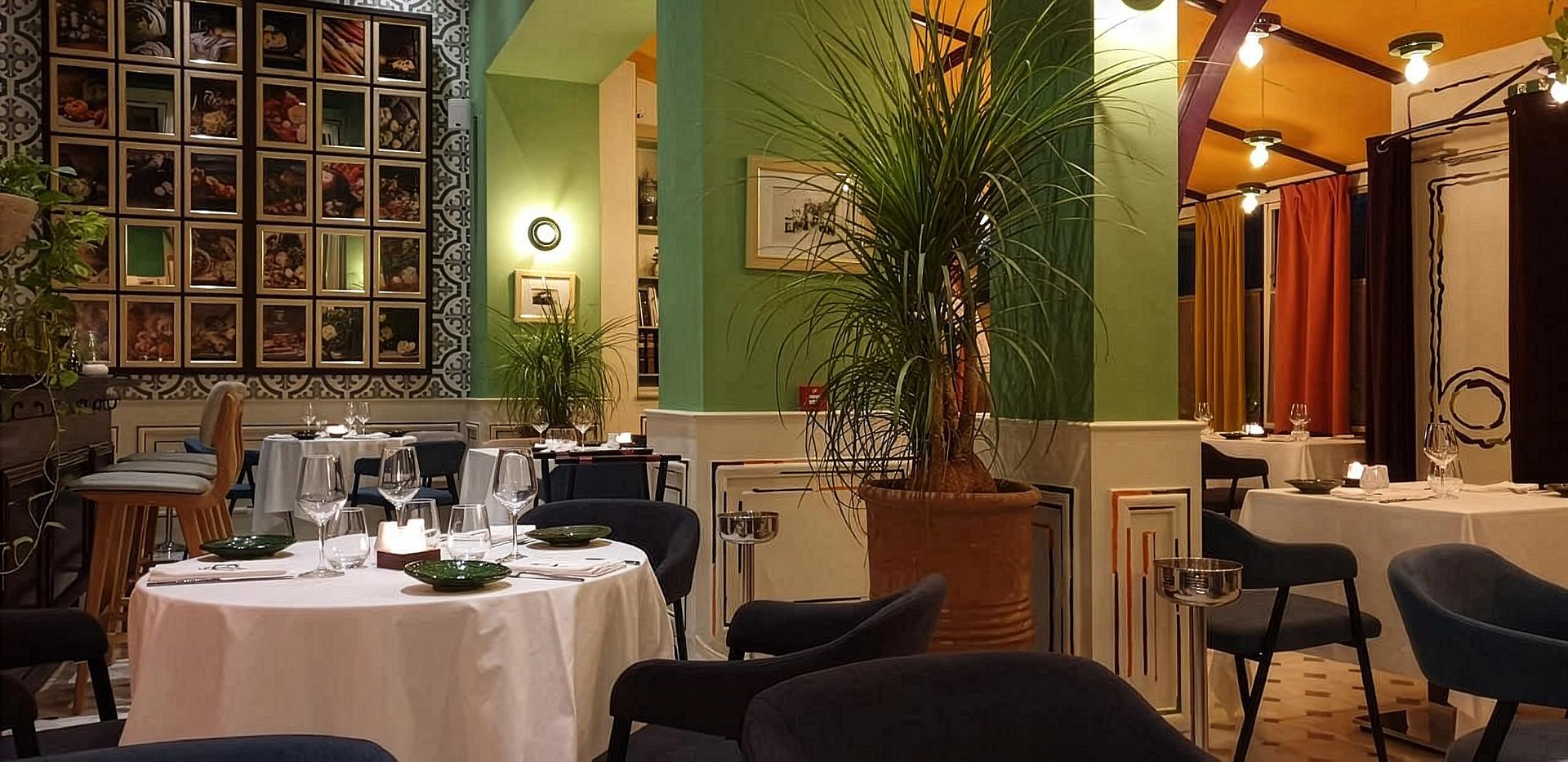
L'O a la Bouche sits on Rue Badr in a sixty-seat room designed by interior architect Marie Lloret, its palette drawn from the vegetable garden: pumpkin yellow, artichoke green, aubergine purple, softened by large bay windows that open the room to the street. There is a clear view onto the kitchen, which is part of the point. Chef Herve Paulus, Alsatian-born, cooked at La Maison Arabe and the Es Saadi before opening his own table here. His menu is French bistronomique without qualification: hand-cut beef tartare with frites, sweetbreads with morels, duck foie gras with confit turnips, tournedos Rossini, snail tortellini. The cooking is precise without fussiness, built on close relationships with local suppliers and a carte that shifts with the seasons. Denis Vincent runs the dining room with the easy authority of someone who treats regulars and first-timers with equal warmth. The wine list favours well-chosen French bottles, the portions are generous, and the room fills completely most evenings. The lunch hour, with natural light across the dining room and the unhurried pace of a midday service, is when the address performs most naturally.
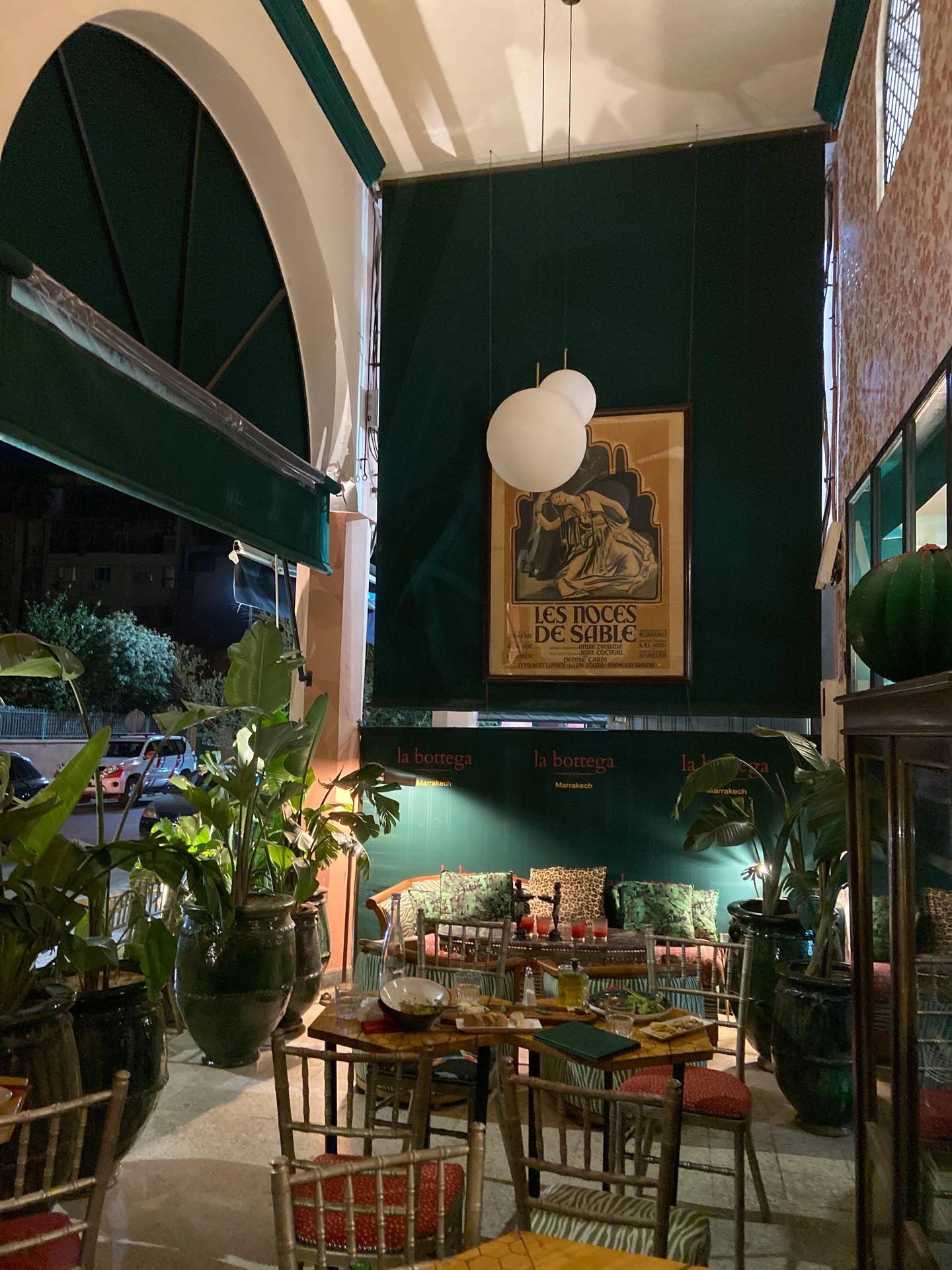
La Bottega occupies a ground-floor spot on Rue Imam Ali, opposite the Saints Martyrs church and within sight of the neighbourhood mosque. The name means "the shop" in Italian, and the format follows: part restaurant, part epicerie fine, with shelves of imported Italian charcuterie, cheese, and dried pasta running alongside the dining tables. The decor has the feel of something assembled rather than designed, in the best possible sense: a green marble communal table, upholstered ballroom chairs in floral fabrics, vintage dressers in bright colours, and a plant-lined terrace that catches the sun all day. Giancarlo Passaro and his partner Paolo run the place with the kind of personal warmth that makes the room feel like someone's home. The menu is short and traditional: pasta alla Norma, vitello tonnato, fritto misto, Roman-style pizza by the slice, and homemade ravioli that change through the week. On Fridays the ravioli comes with butter and sage, in the Italian manner. The house-churned gelato is worth coming for on its own; the lemon sorbet in particular. No alcohol is served. For a neighbourhood Italian in Gueliz where the ingredients are imported, everything is made on-site, and the welcome is genuine, La Bottega is the benchmark.
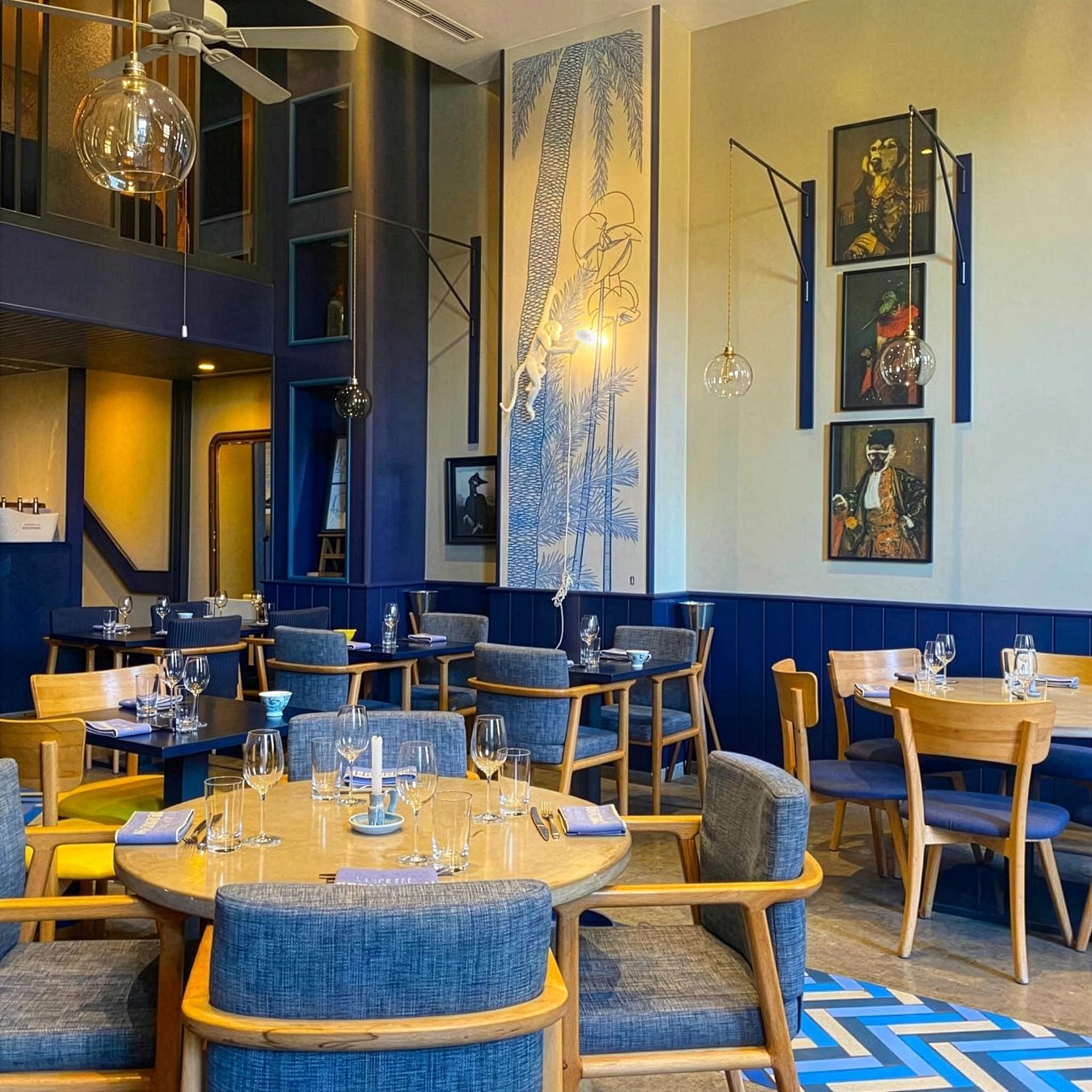
Le Petit Cornichon sits behind a Majorelle-blue facade on Rue Moulay Ali, its floor-to-ceiling windows flooding the room with light. Chef-owner Erwann Lance grew up in Marrakech, trained under Michel Rostang, and worked alongside Eric Ripert and Yannick Alleno before returning to open his own table in his own city. The biography is visible in the cooking: a technical rigour balanced by the warmth of someone who knows what the local markets yield and what a room requires. At lunch, a well-priced three-course menu changes weekly and moves through clean, seasonal dishes built on Moroccan produce. Evenings deepen the register: plates like sea bass with potato consomme and miso-scented clams, or a celeriac and pear carpaccio with gorgonzola, show a kitchen that balances precision with lightness. The beetroot Wellington has become a signature; the ceviche is the dish guests recall weeks later. Upstairs, a wine cellar holding over 300 references, stocked primarily with small French vignerons, is among the most serious in Gueliz. Le Petit Cornichon ranked 21st in MENA's 50 Best Restaurants 2026. The three-course lunch menu is where the restaurant offers its best value. Booking in advance is always advisable.
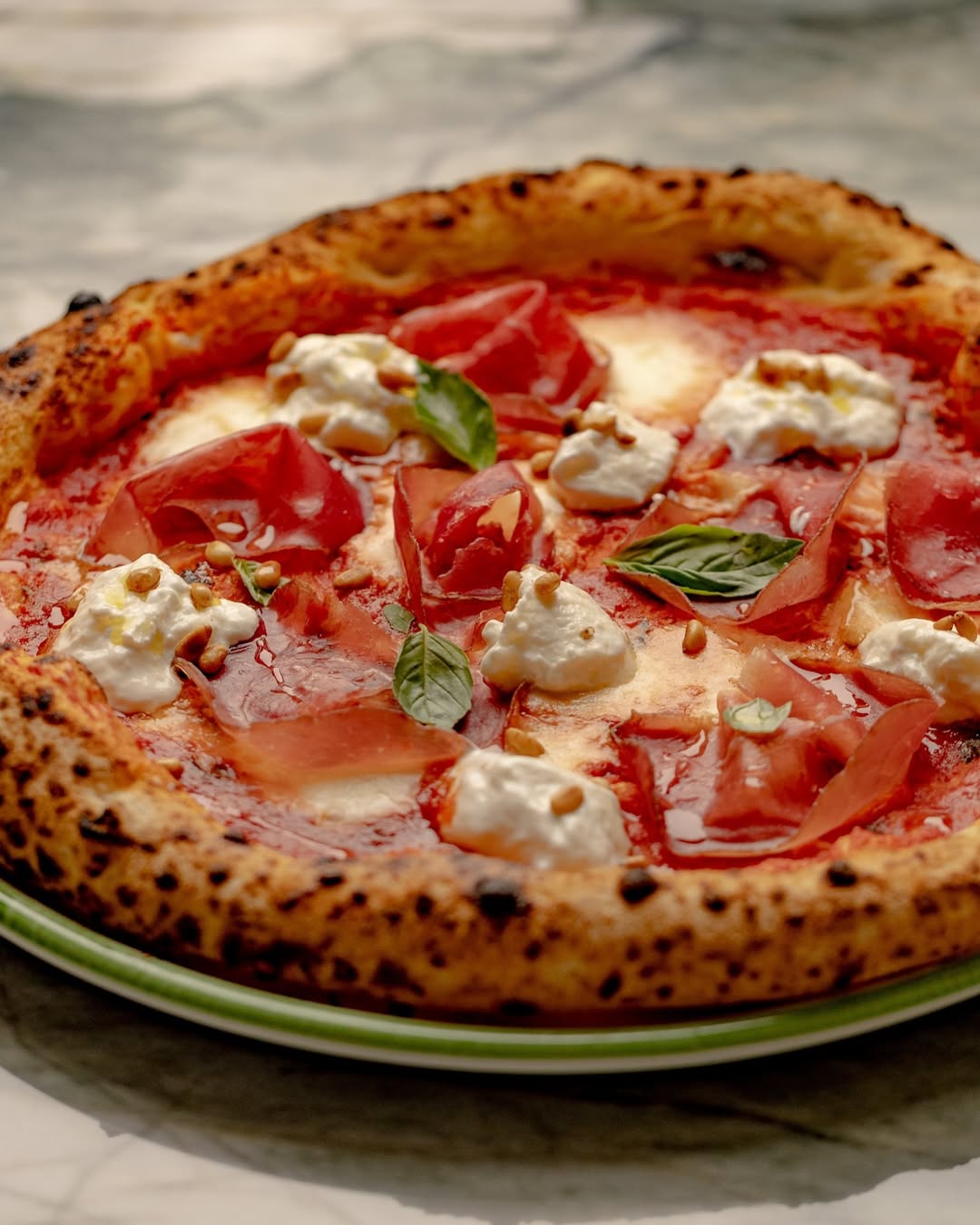
Le Petit Napolitain is easy to miss. There is no grand signage on Rue Moulay Ali, just a small doorway that opens onto what may be the most devoted pizza operation in Marrakech. Inside, three tables sit beneath walls lined with framed pictures and trailing plants. Outside, five more face the street. A professional wood-fired oven does all the talking. The menu is deliberately short. This is a pizzeria in the Neapolitan tradition, and the kitchen treats that tradition with genuine respect. The dough is made in-house, light and blistered from the oven, and the base starts with San Marzano tomatoes. From there the toppings stay focused: a Tuna with ventreche and capers, a Tartufo with mushrooms and truffle oil, a Stracciatella scattered with pine nuts and homemade pesto, and a Buffalina kept simple with good mozzarella, which is the one regulars return for. A handful of fresh salads and desserts round out the card; the tiramisu and salted caramel brownie are worth leaving room for. No alcohol, no elaborate lighting, no attempt at anything other than what it is. Italian residents in Marrakech treat it as a weekly fixture.
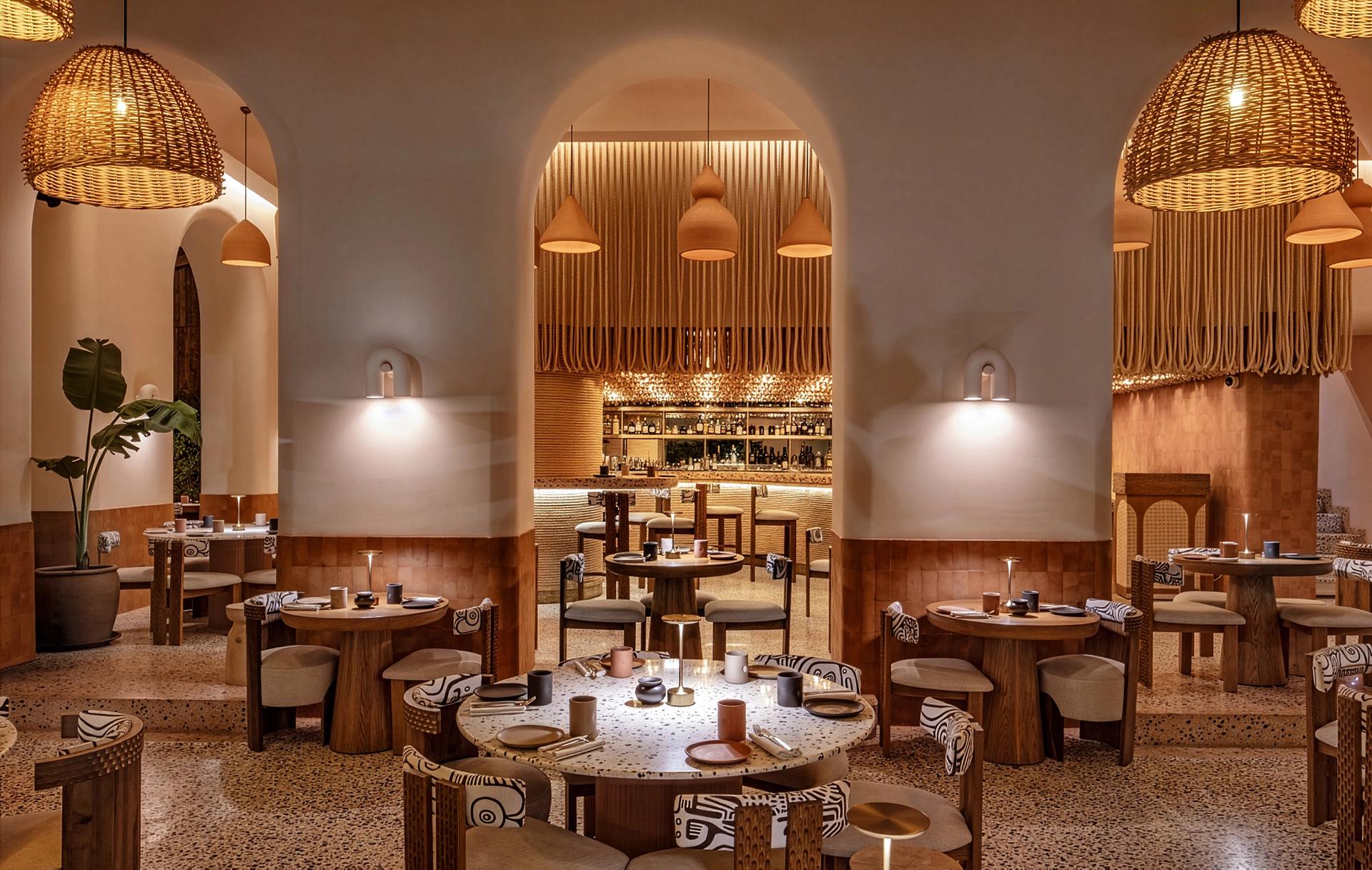
"Mizaan" in Darija means balance. The restaurant, opened in 2024, is the second project from Simo and Omar after L'Mida in the medina, and represents a deliberate change of register. Where L'Mida was a rooftop with a view, Mizaan is a sculpted interior: bejmat tiles, clay, hand-worked plaster, ville-nouvelle granito underfoot. Yacine Sidali's studio, formerly of Studio KO, designed a space where every material has a reason. The bar ceiling, entirely clad in rope, references the Seven Saints of Marrakech, an allusion that anyone who knows the city recognises without explanation. Abdel Alaoui and JM Torres have built a menu that moves between Morocco and the Eastern Mediterranean with a precise feel for texture. The Mizaan Roll, brioche bread with crab, prawns, red-onion pickles, truffle-oil mayonnaise and sumac chips, has quickly earned the word-of-mouth of Gueliz. The bisera frites, fried broad-bean sticks with smoked feta cream, play on acidity and crunch. Pizza on traditional tafernout bread with burrata holds two traditions in a single bite. The grilled octopus with artichokes has a controlled, clean cook. The terrace at lunchtime offers the quieter register of the two; the room comes into its own later in the day.
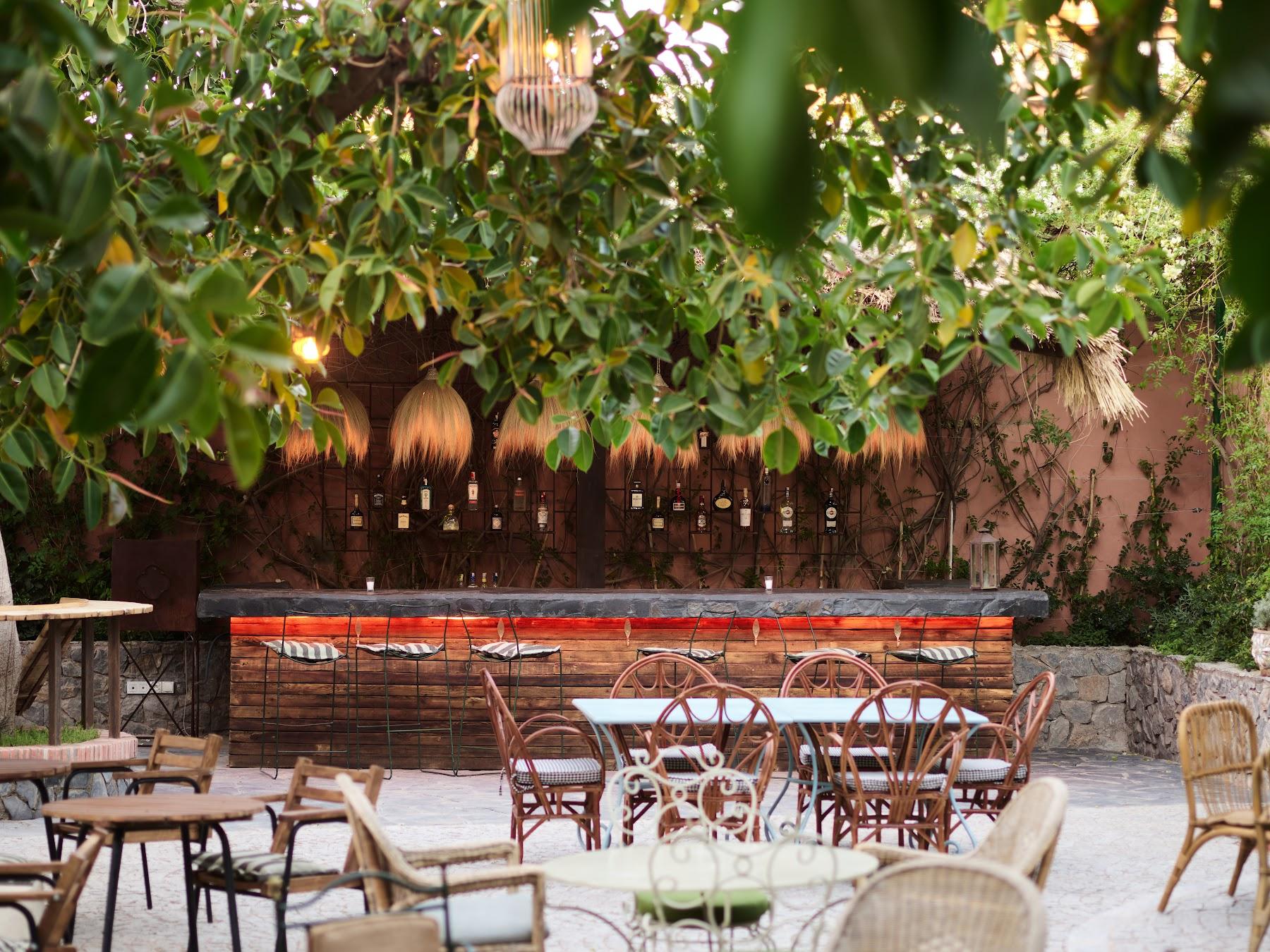
Behind an unmarked door on Boulevard El Mansour Eddahbi, past a passage draped in climbing jasmine, lies one of the more considered restaurant projects to open in Gueliz in recent years. Petanque Social Club, PSC to regulars, grew out of the recovery of a 1930s boules club that had fallen into disuse after the war. Kamal Laftimi, the restaurateur who already reshaped the city's map with Nomad, Le Jardin and Cafe des Epices, came across the property and spent several years restoring it with designers Diego Alonso and Alexeja Pozzoni, using recycled materials and local craftspeople. The space unfolds through rooms and gardens. A restored, playable petanque court. A dining room with shutters repurposed as table tops and 1970s club chairs salvaged from a La Mamounia auction. A library stocked by the Mondo Galeria gallery. A garden of olive trees, candles, magnolia. Each environment carries its own register of sound and light. The cumulative effect is that of a place which welcomes without imposing: a social club before it is a restaurant. The kitchen works on sharing and freshness: avocado tartare, crisp salads, pizza, the PSC Burger, squid risotto. The Sahara Spritz, a riff on the classic with saffron, is the drink that built the bar's identity. The lunch table, in the quieter garden, is reason enough to go.
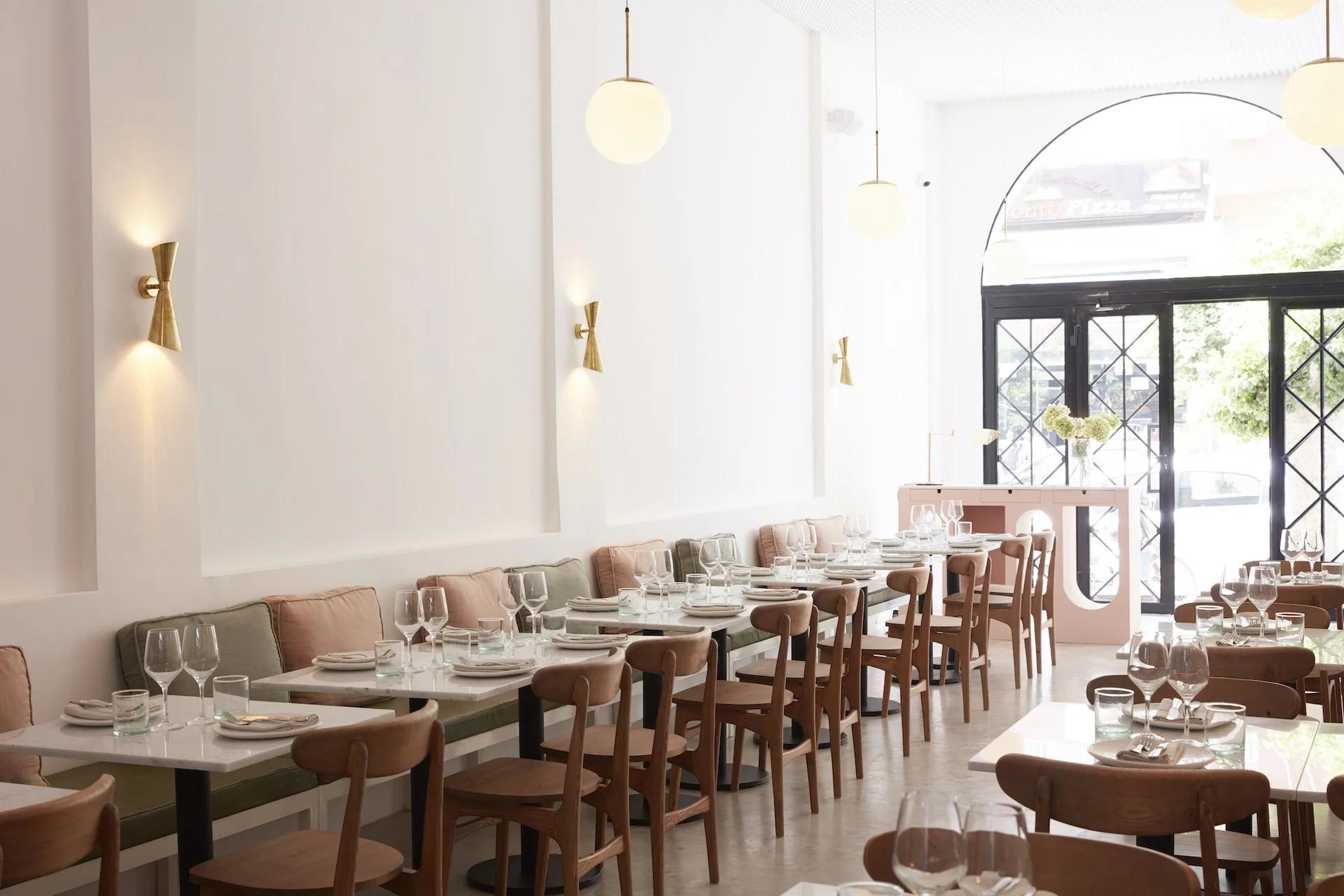
The name is Australia's international dialling code. Cassandra Karinsky, who designed kaftans in Marrakech before changing course, opened +61 alongside Sebastian de Gzell, co-founder of Nomad, and chef Andrew Cibej, who arrived from Australia with a clear idea: cook with local ingredients according to a logic that puts produce at the centre, eliminates the superfluous and does not renounce generosity. The restaurant sits on the 50 Best Discovery list and stands as a reference for anyone seeking quality international cooking in Marrakech. The space tells the same story as the menu. An open volume flooded with light, handmade ceramics, pale wood, an open kitchen. No tablecloths, no ceremony: ordering is for the table. Bread, pasta, cheese and yoghurt are produced every day in the in-house workshop. Suppliers are bio-organic farmers from the region. Chargrilled octopus with chimichurri, roasted cauliflower with almonds and minty chickpeas, black squid-ink linguine, a generously portioned chicken schnitzel: each dish has a clean structure and a flavour that does not try to impress. The pomegranate spritz accompanies lunch as a constant. The lunch format, Monday to Saturday from noon to 4pm, is the one that best expresses the character of the place. Natural light, at that hour, transforms the room. Booking is recommended at weekends.
You may also like…
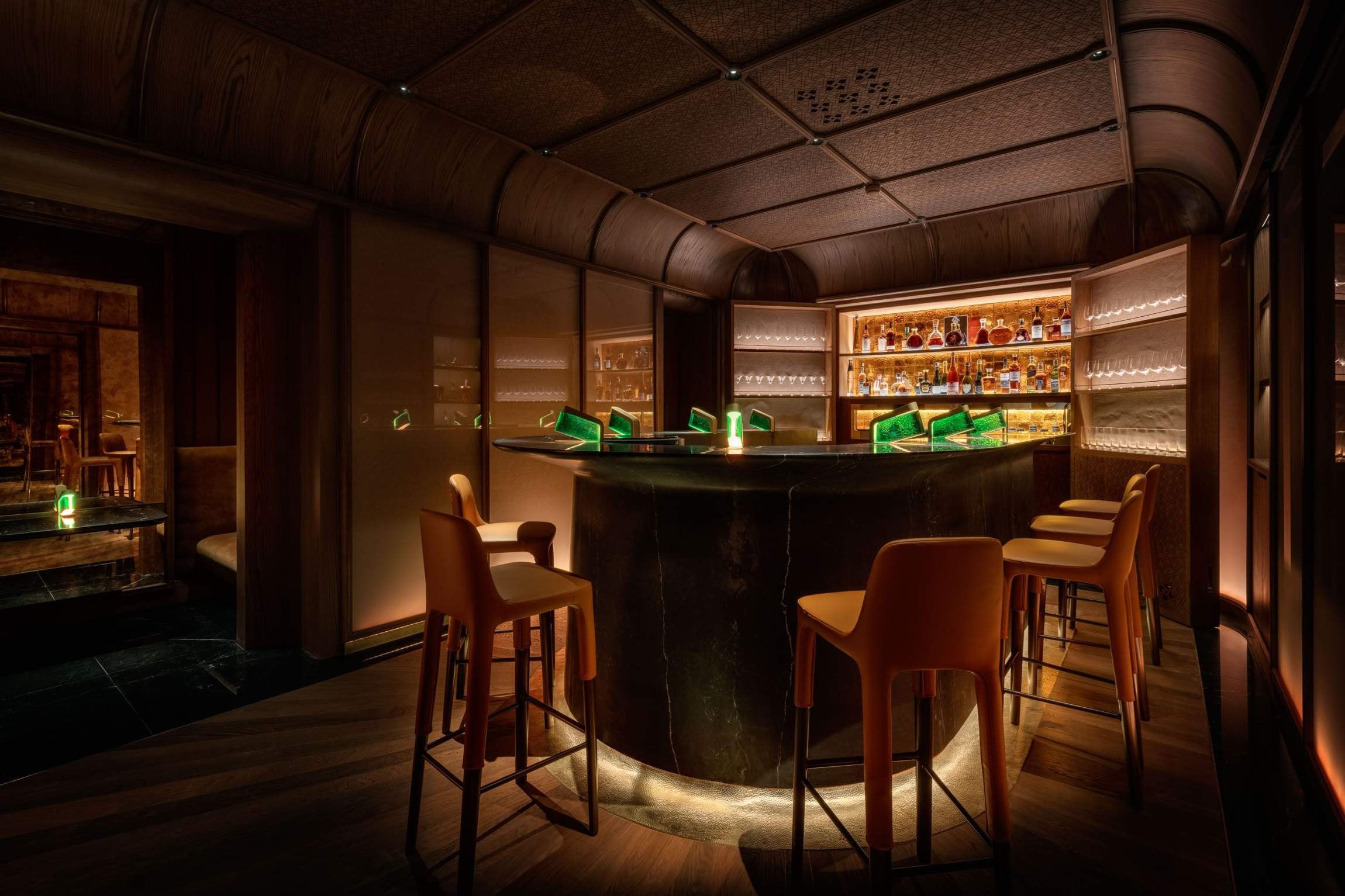
BEST OF | EAT & DRINK
Marrakech's Most Iconic Hotel Bars
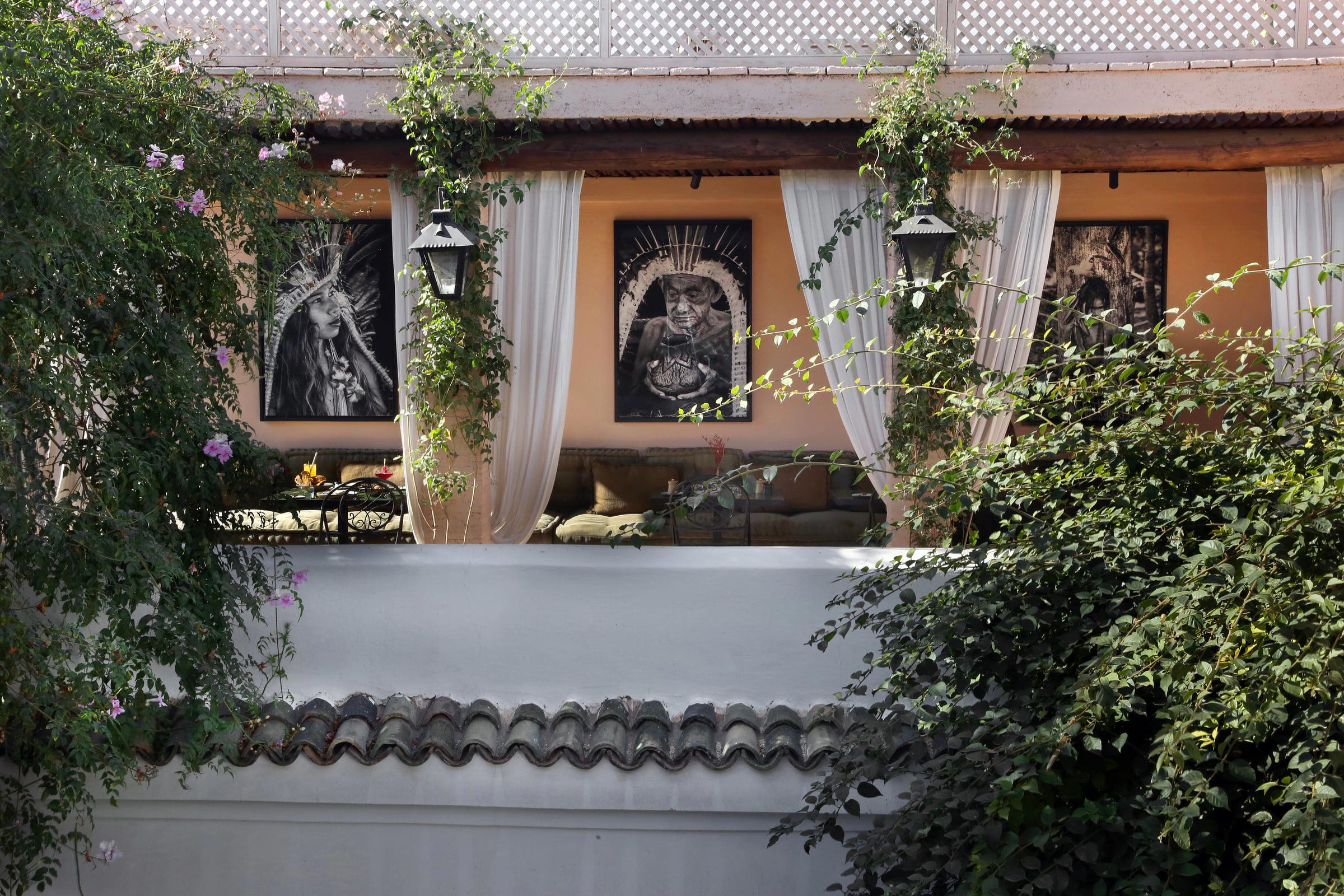
EAT & DRINK
Eating Among Salgado's Amazonia: Noujoum at IZZA Marrakech
 Map
MapBEST OF | EAT & DRINK
Dinner and Show in Marrakech: 24 Festive Restaurants, from Belly Dancers to DJ Sets
 Map
MapBEST OF | EAT & DRINK