Saadian Tombs
400 Rue de La Kasbah, Marrakesh 40000
Neighborhood
Medina
Type of Attraction
Monuments & Landmarks
Overview
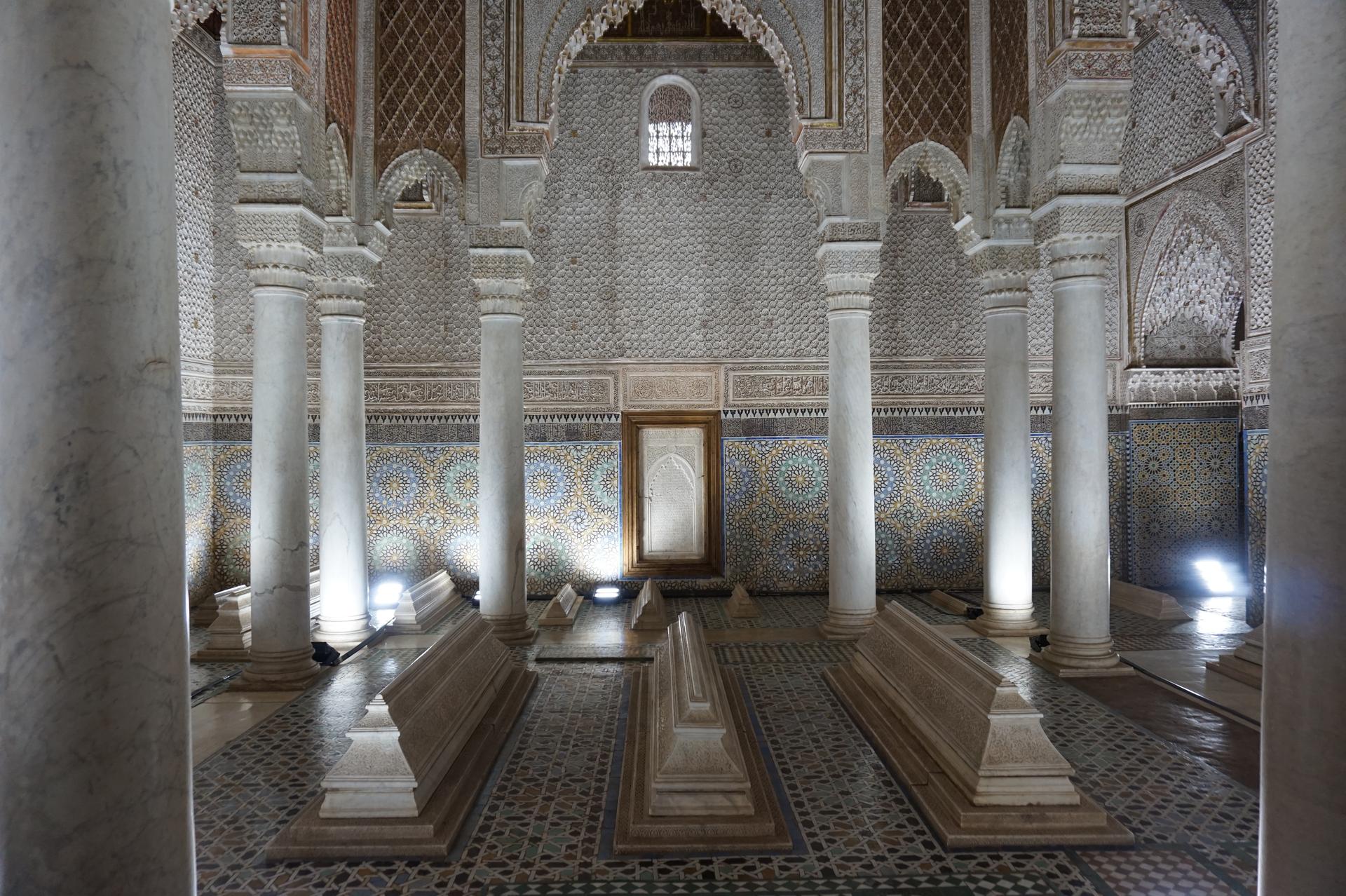
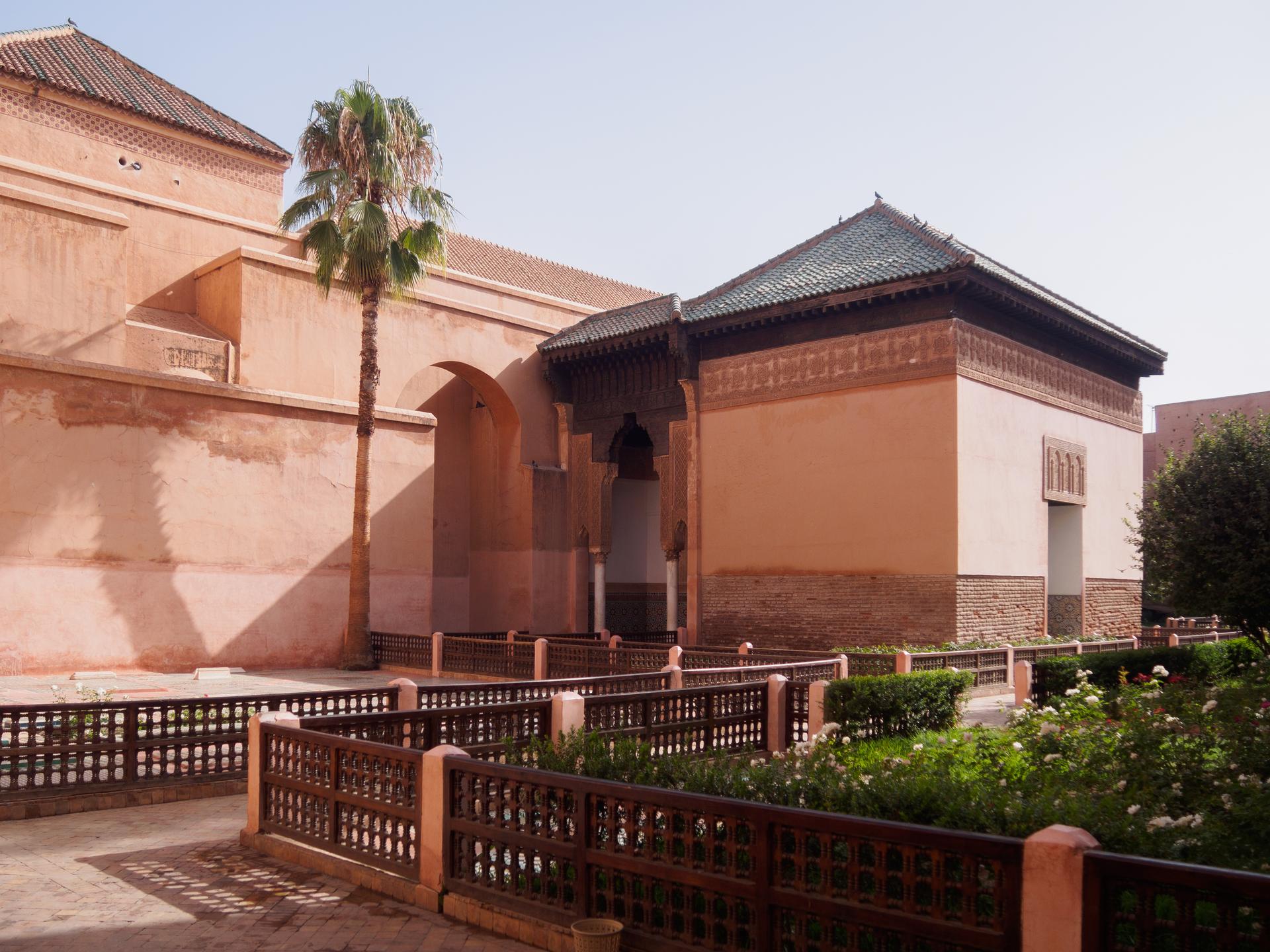
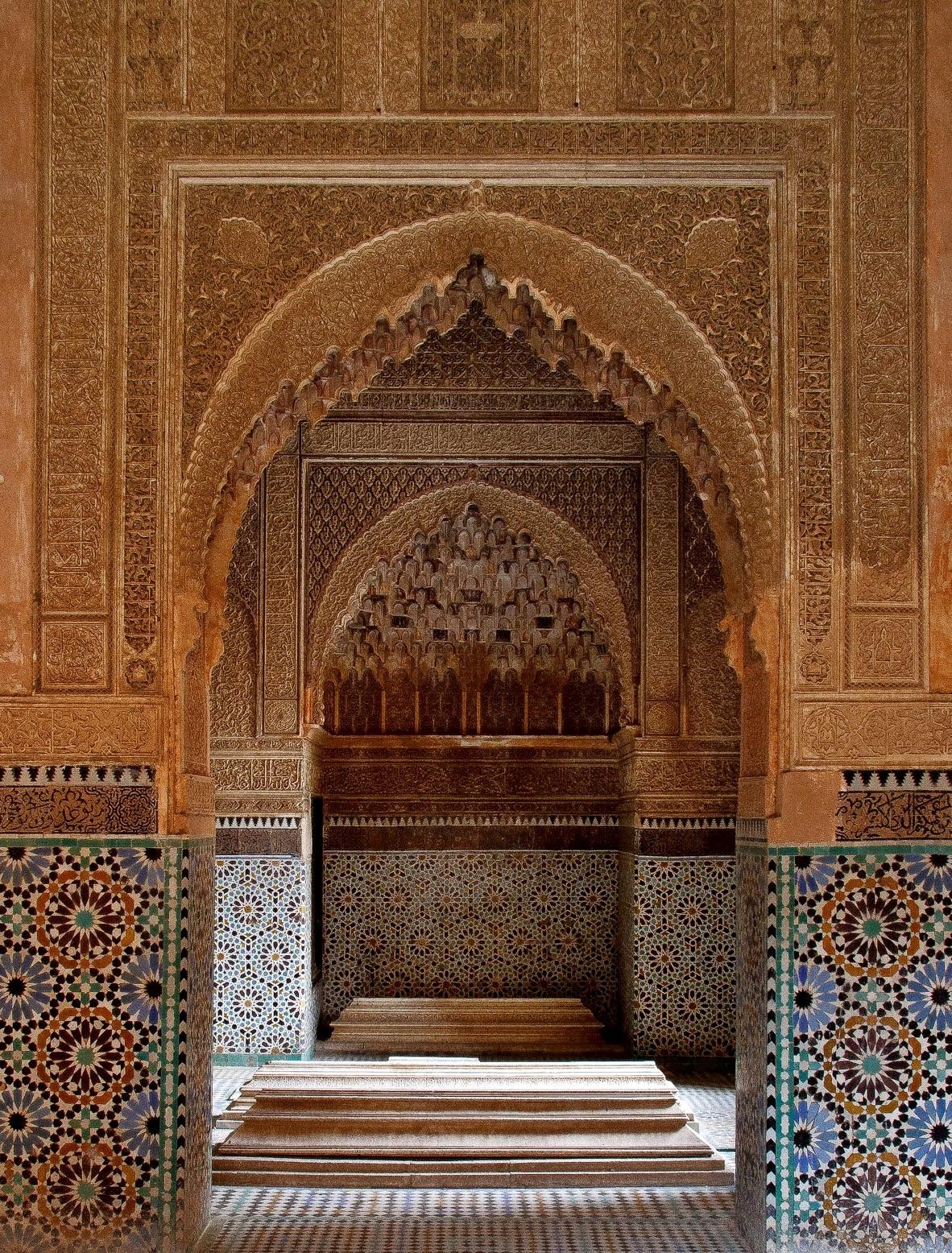
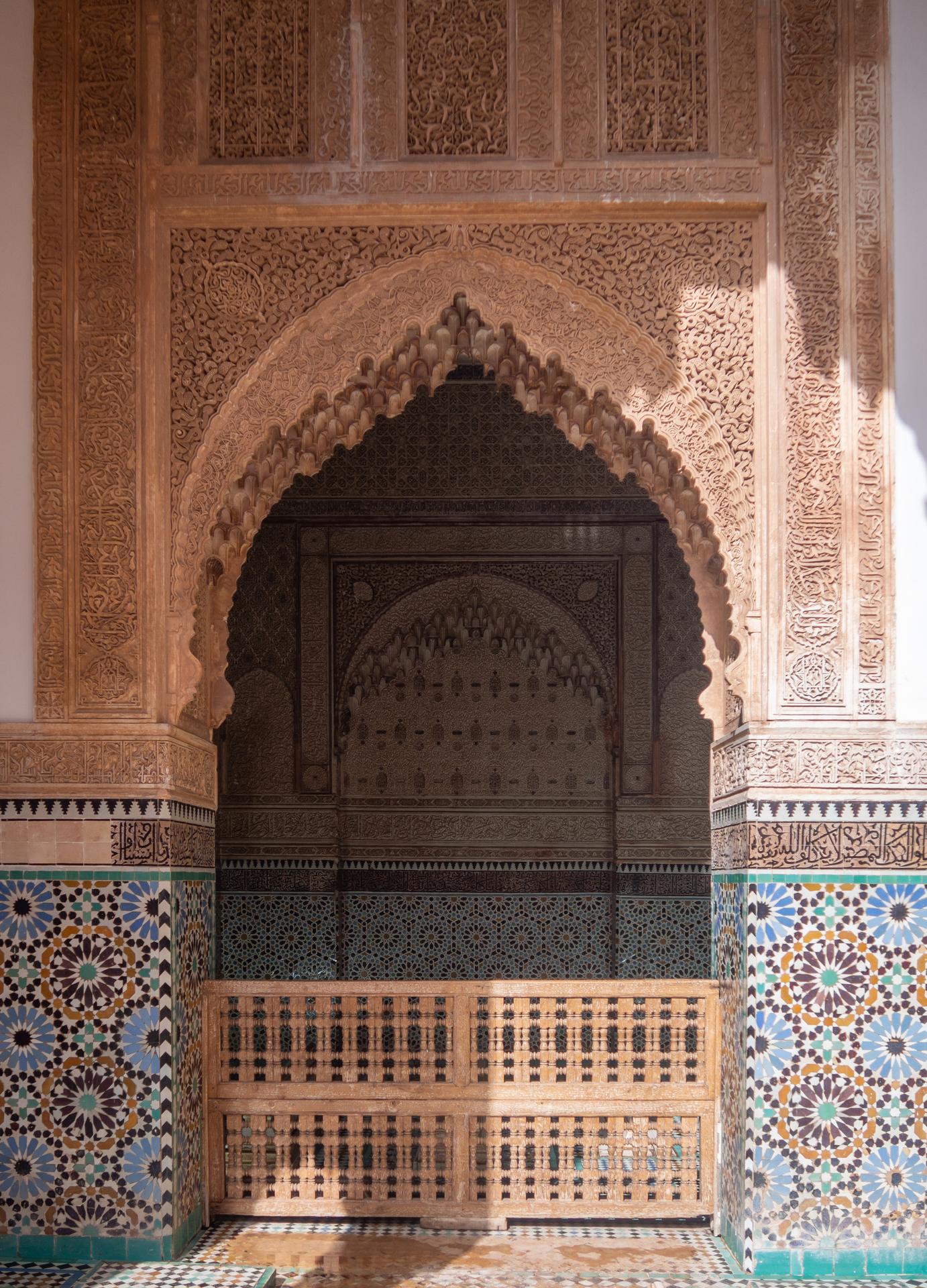
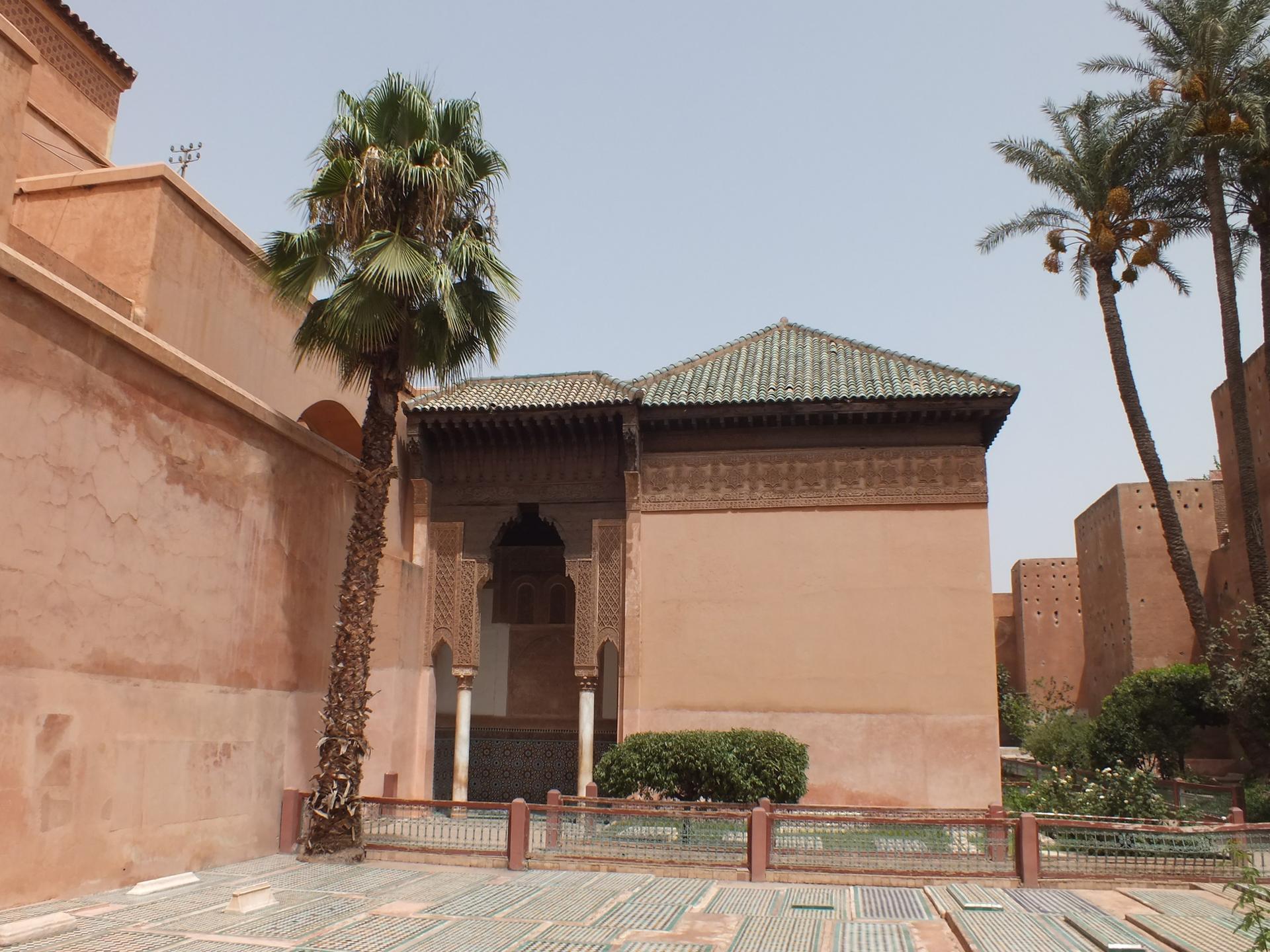
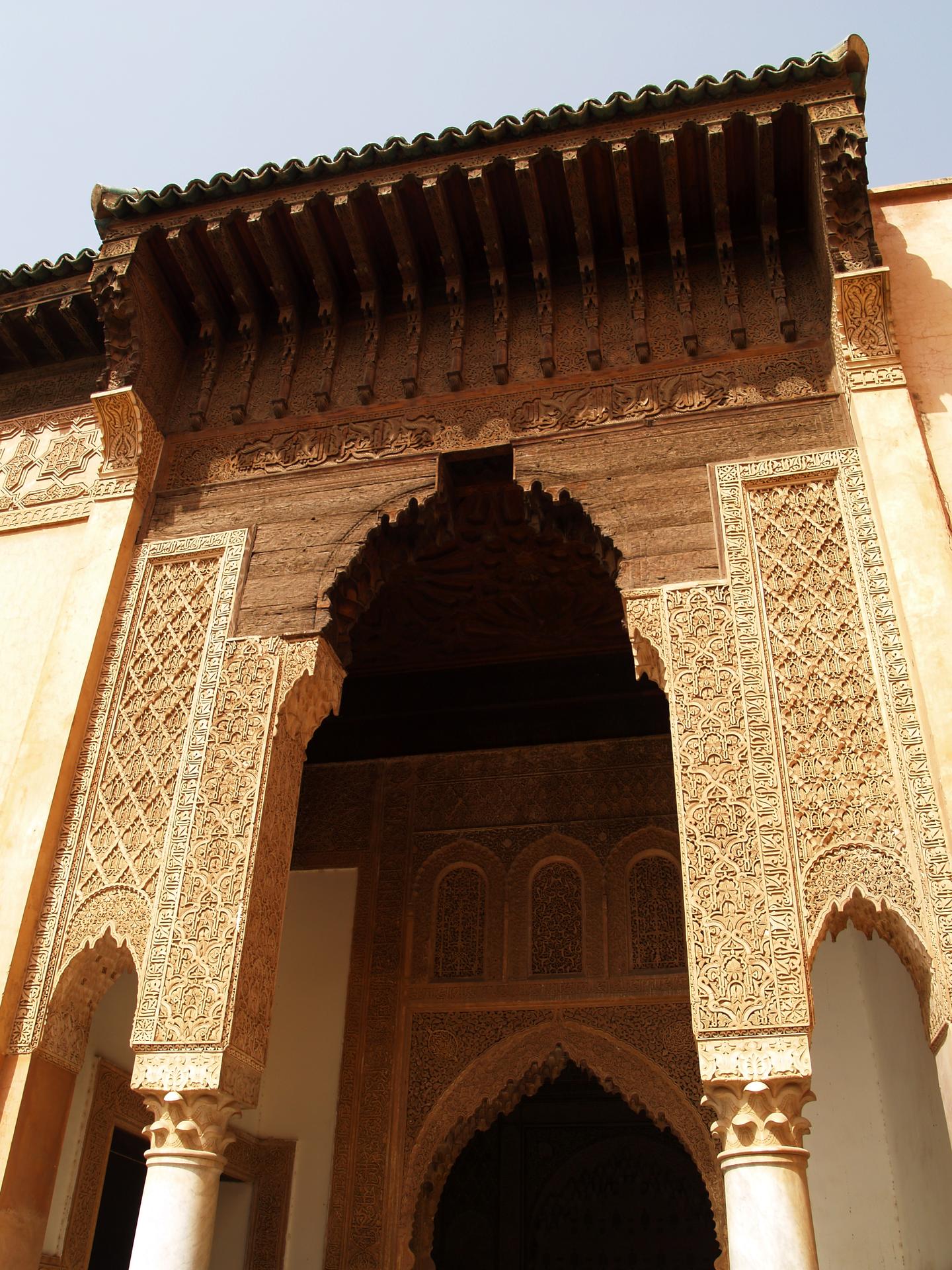
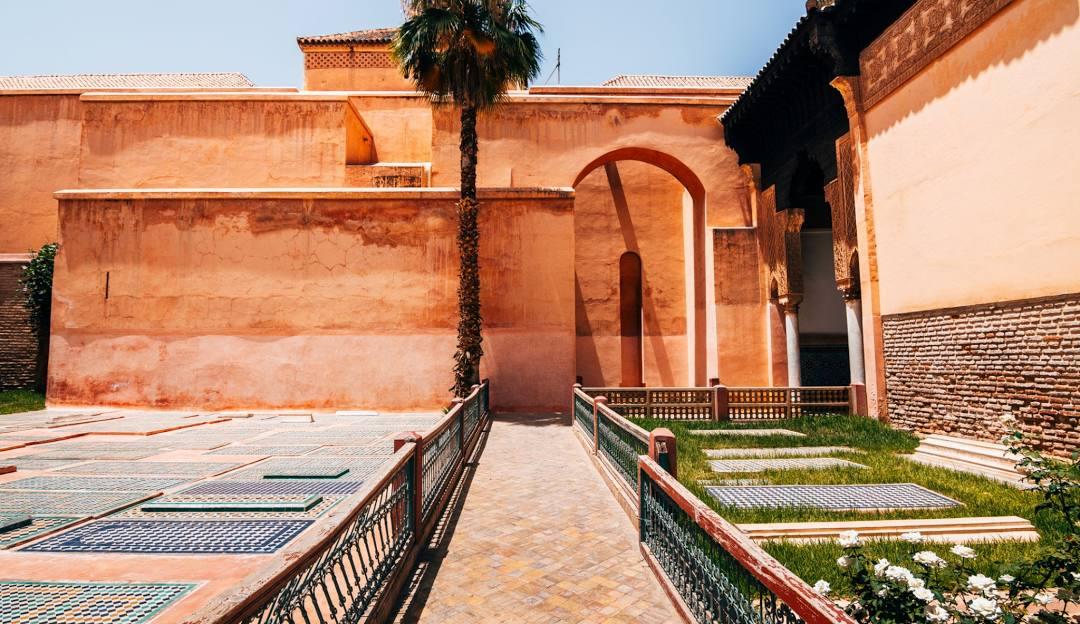
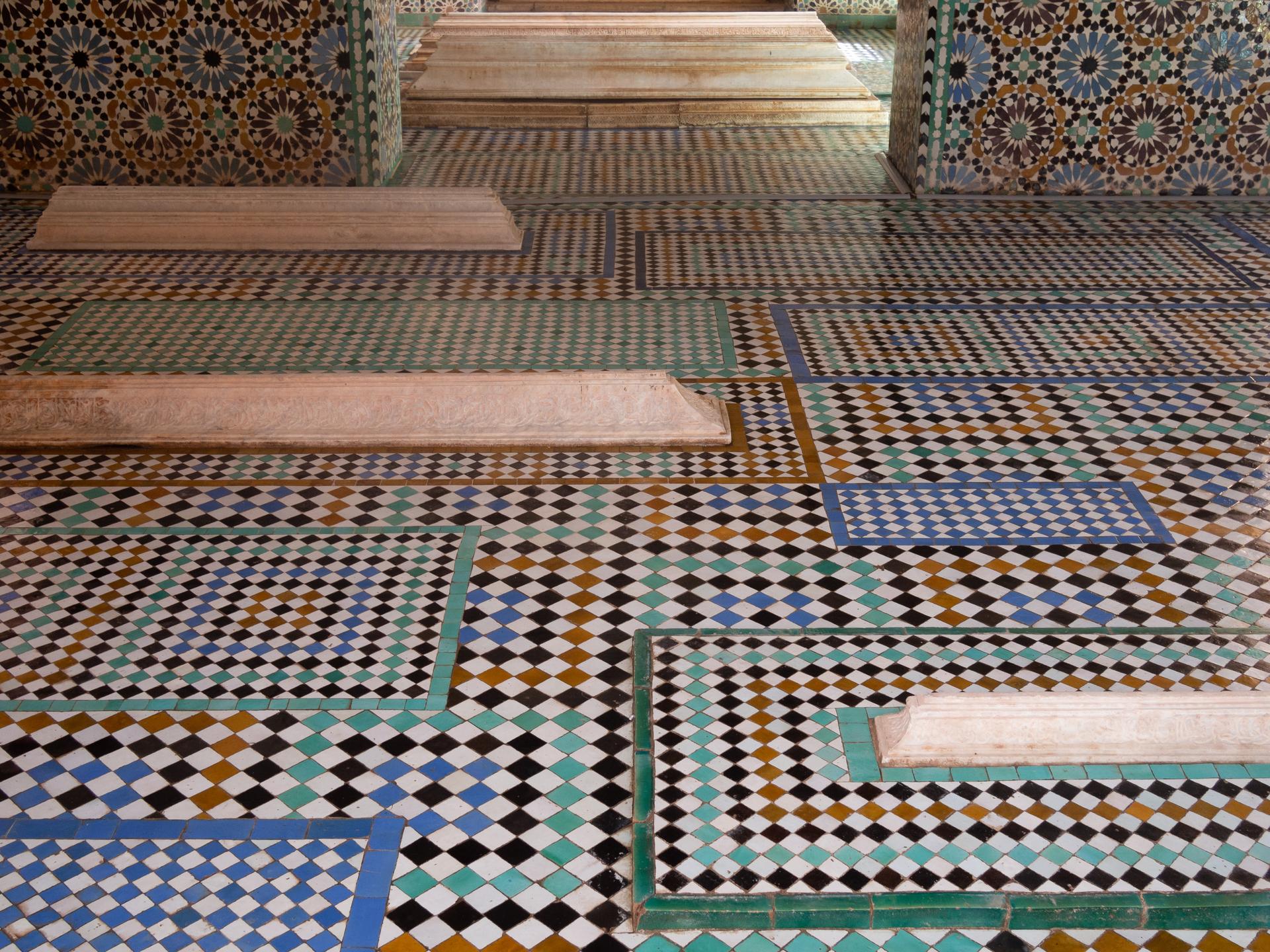
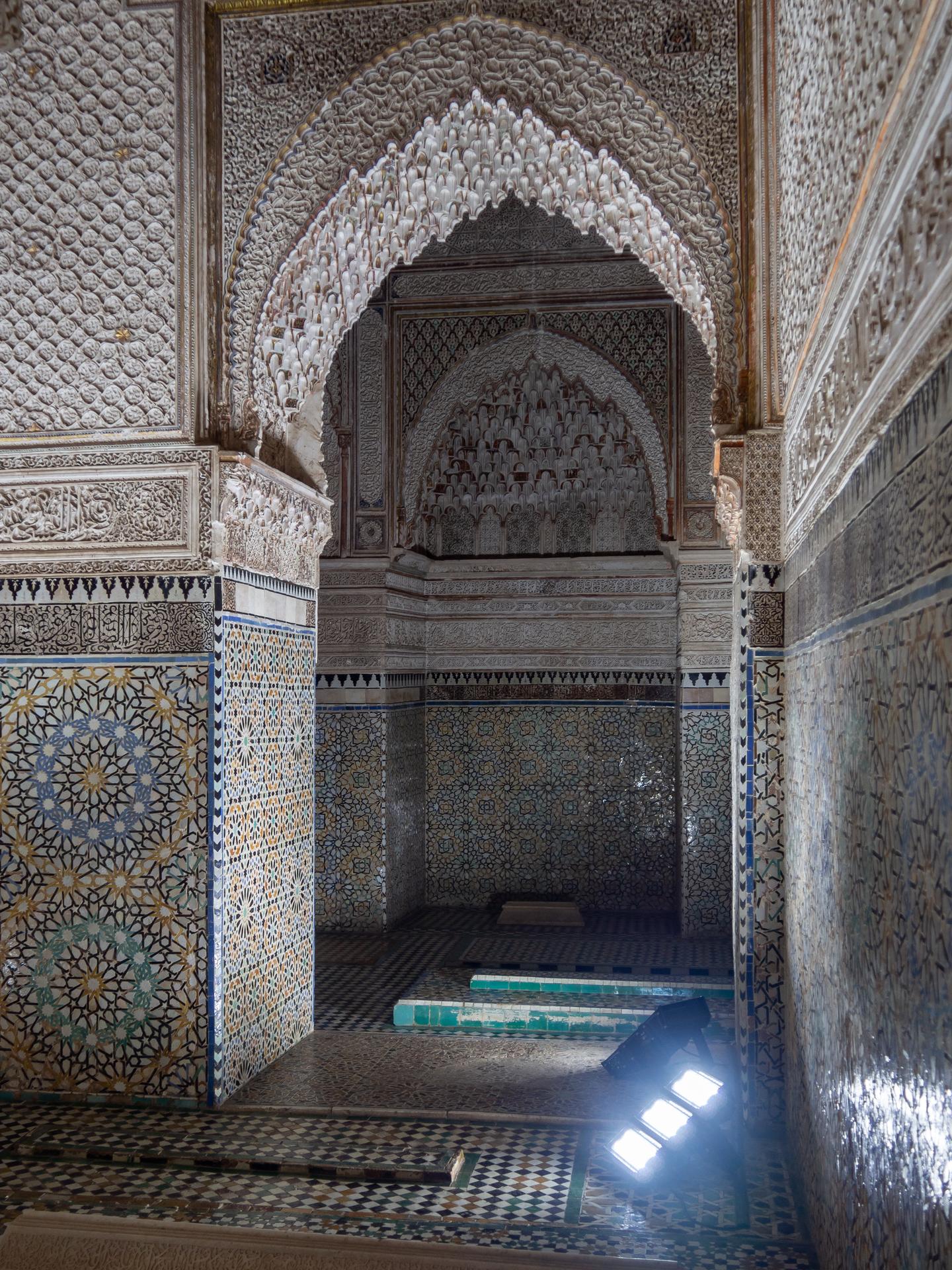
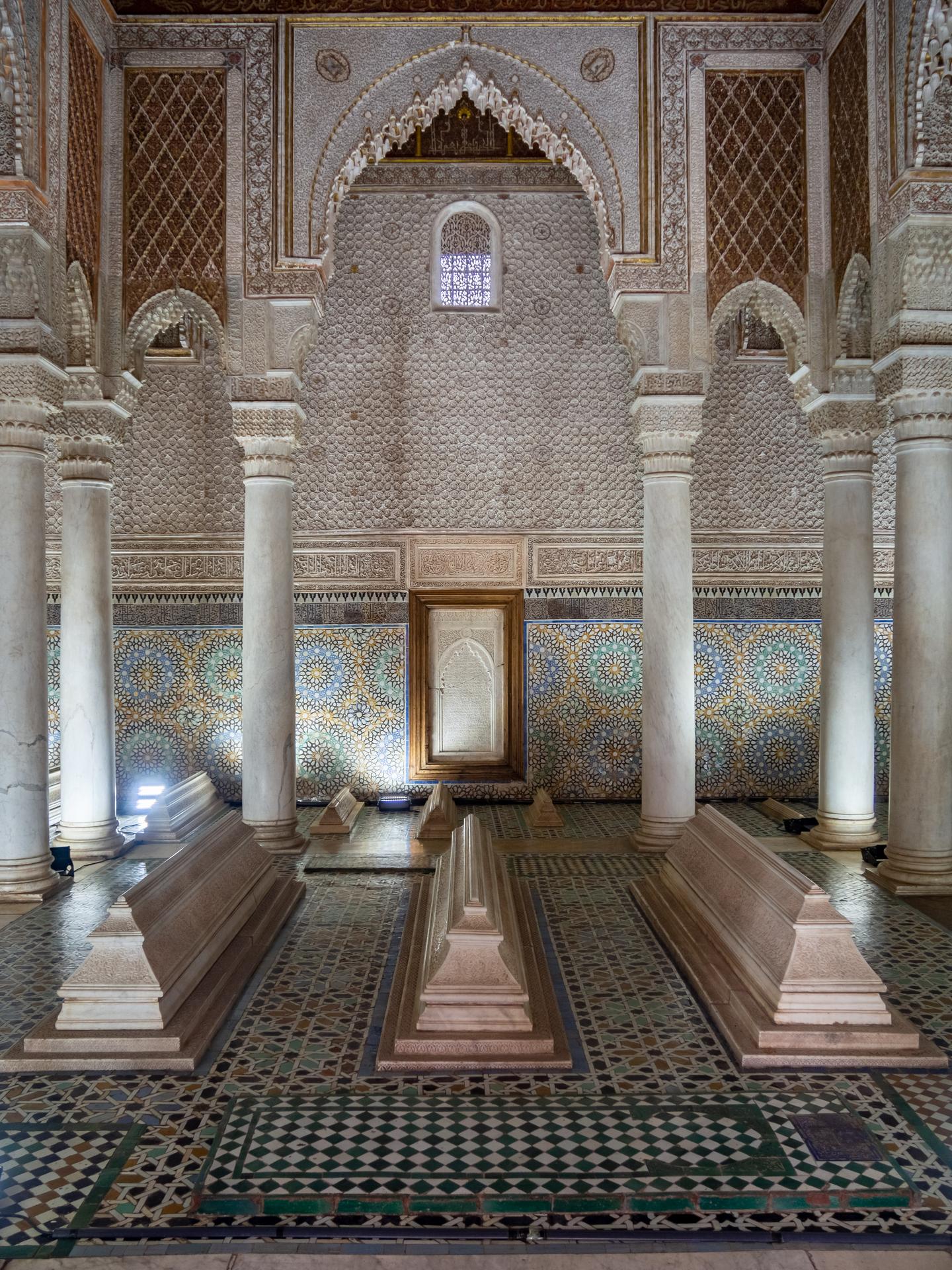
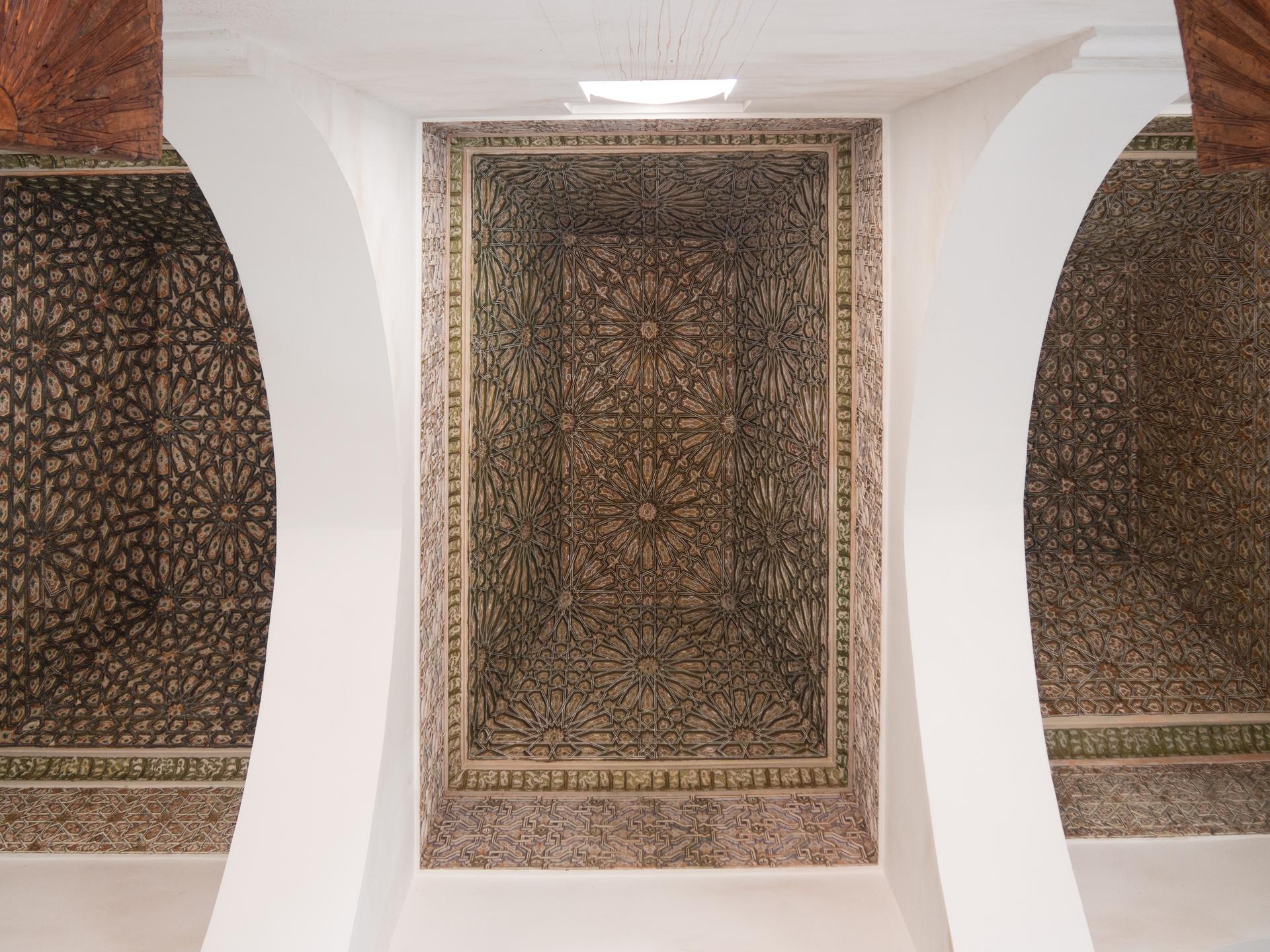
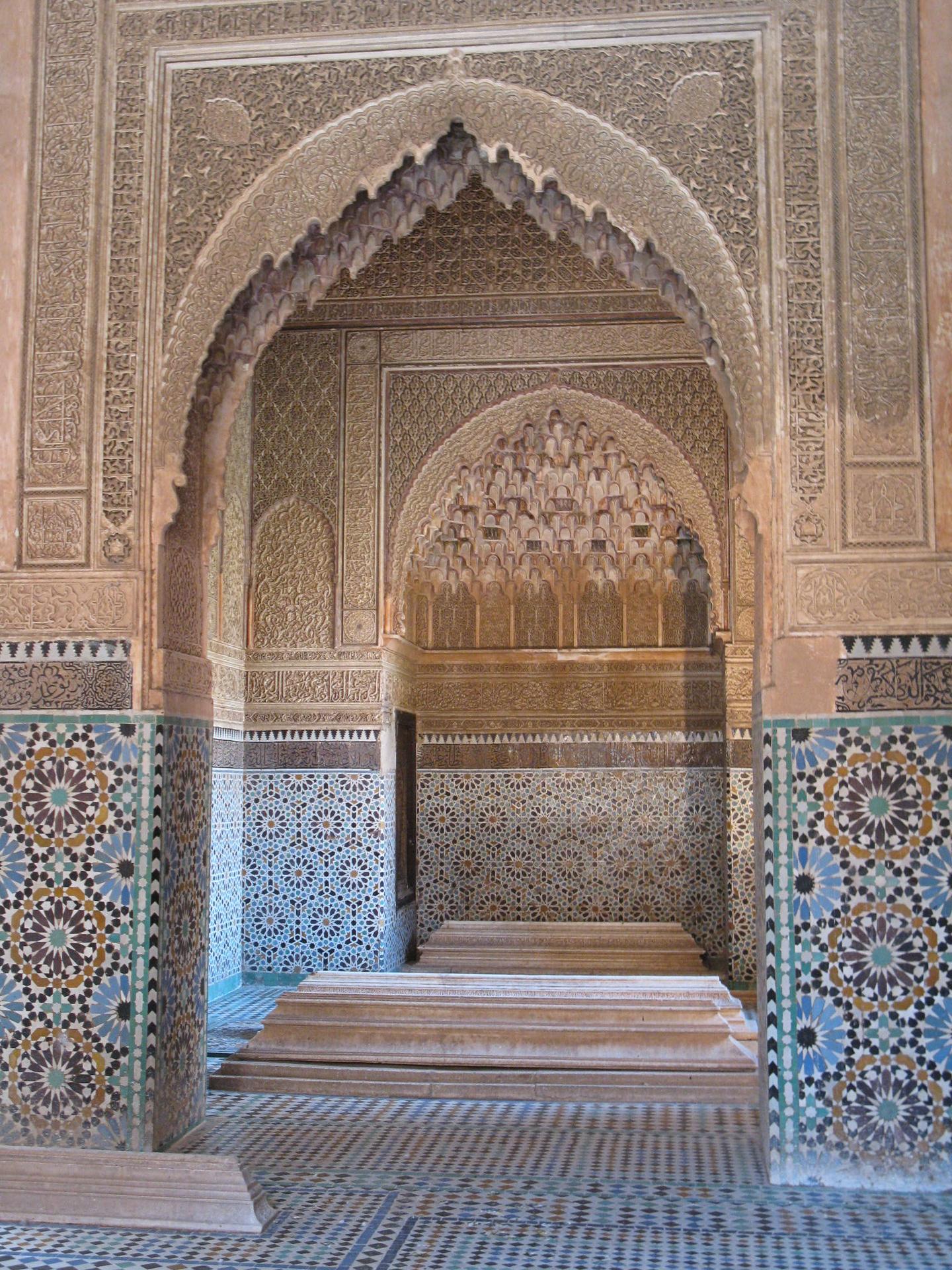
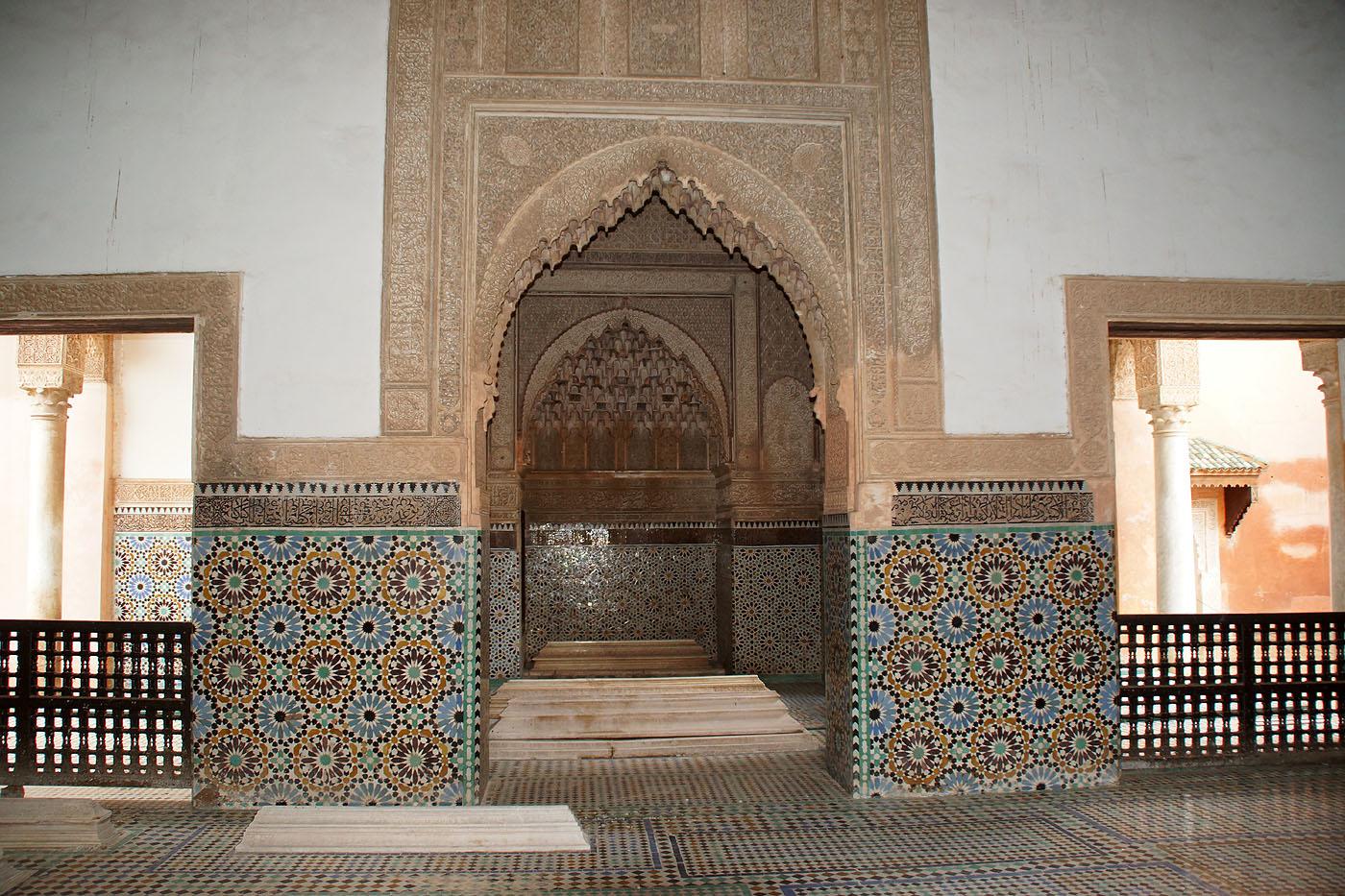
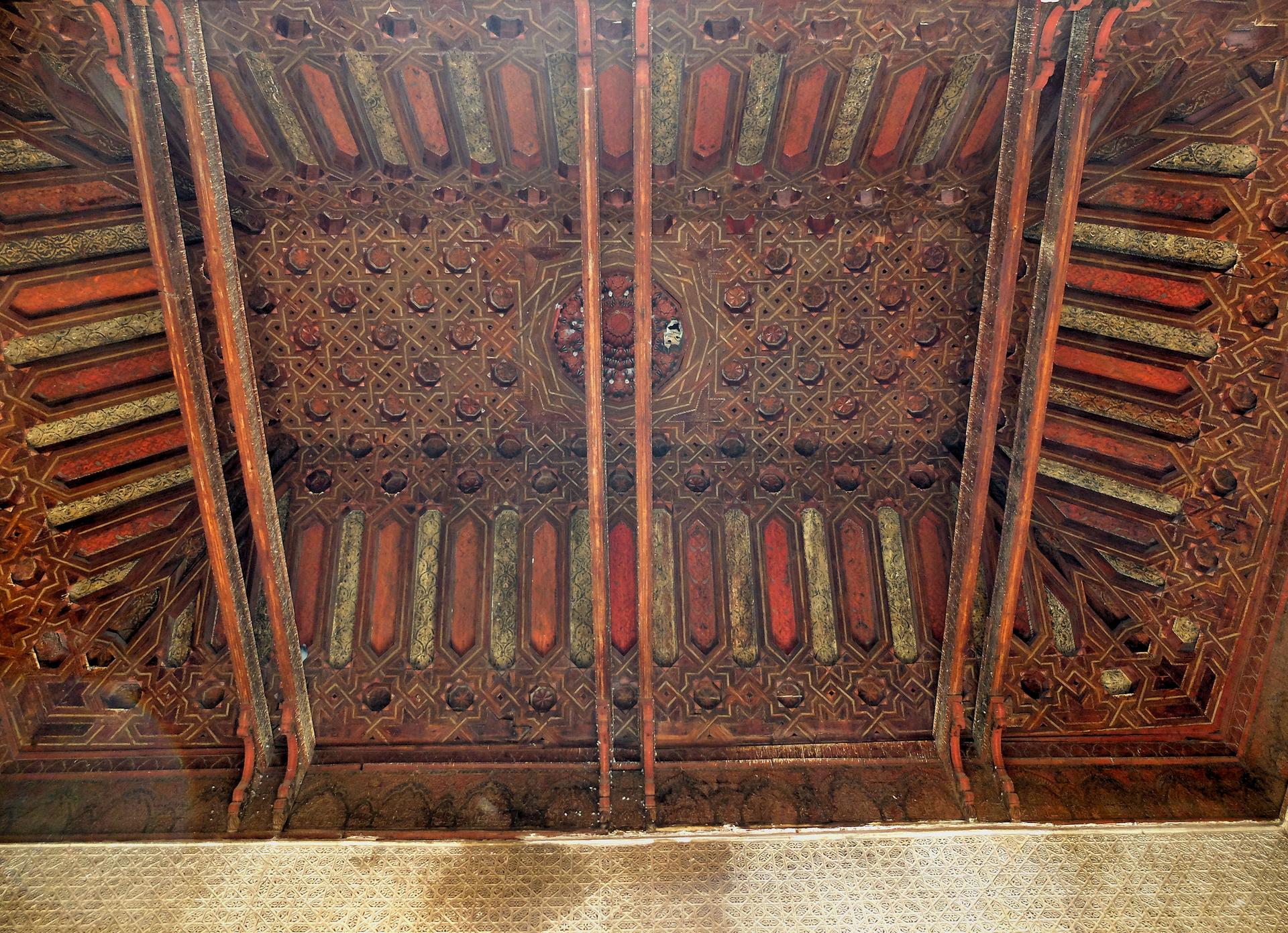
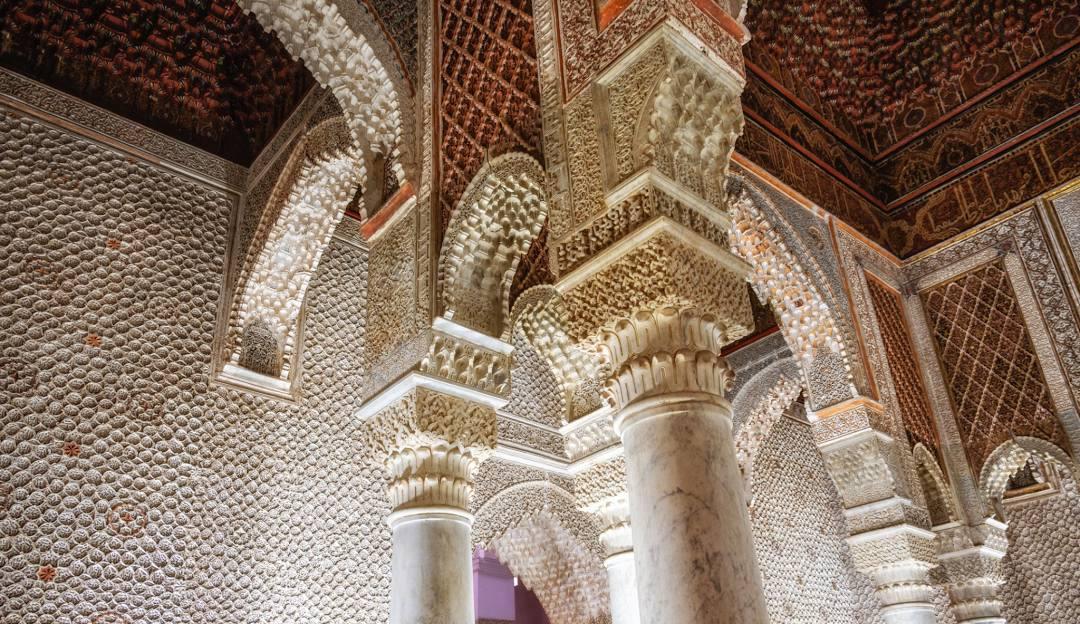
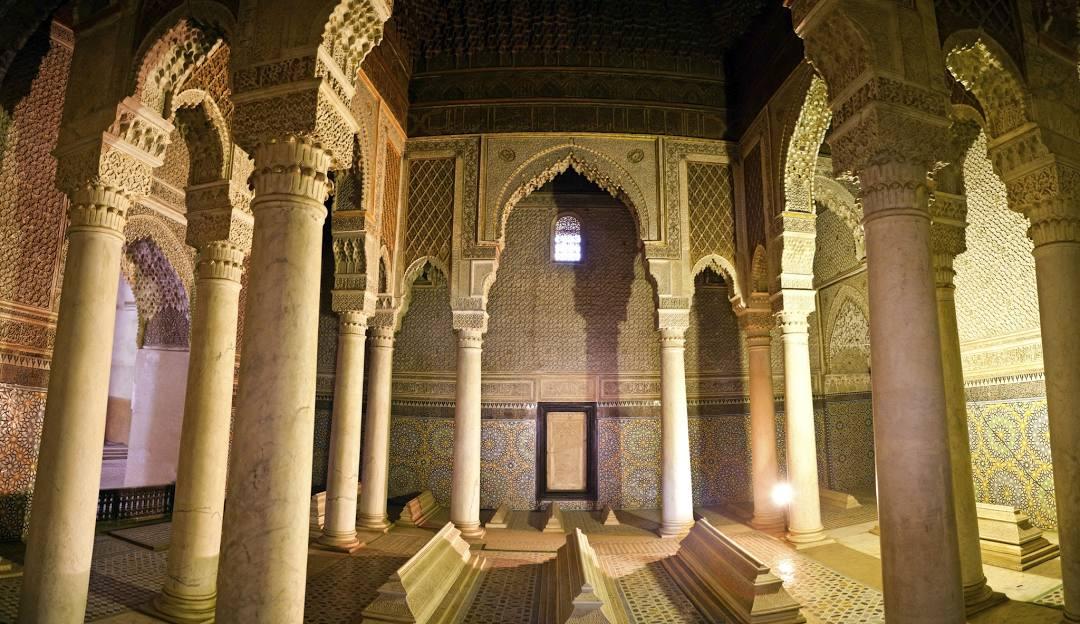
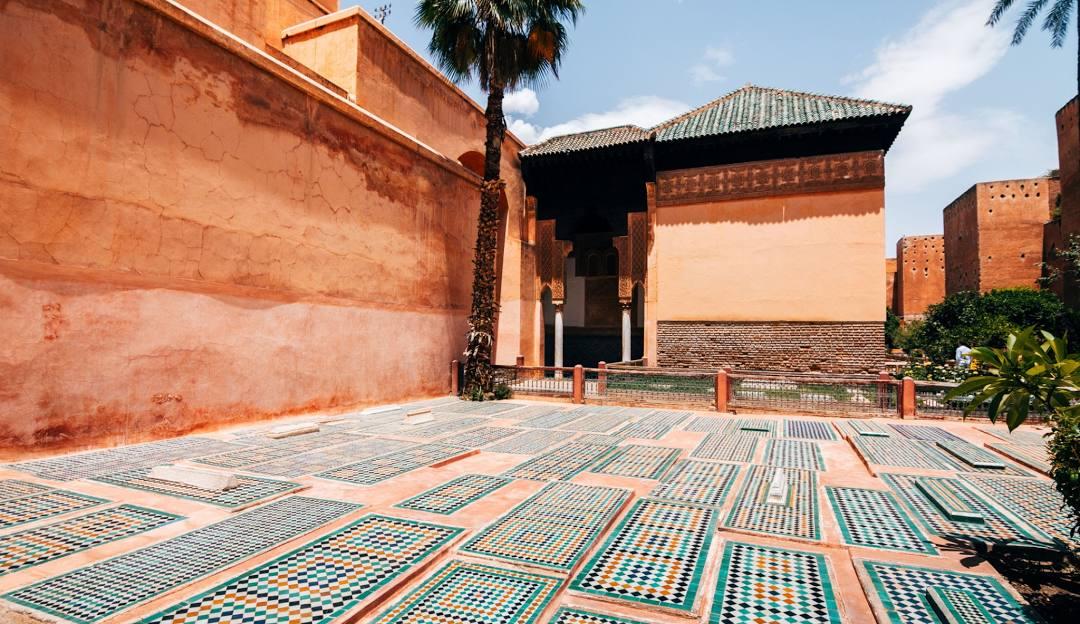
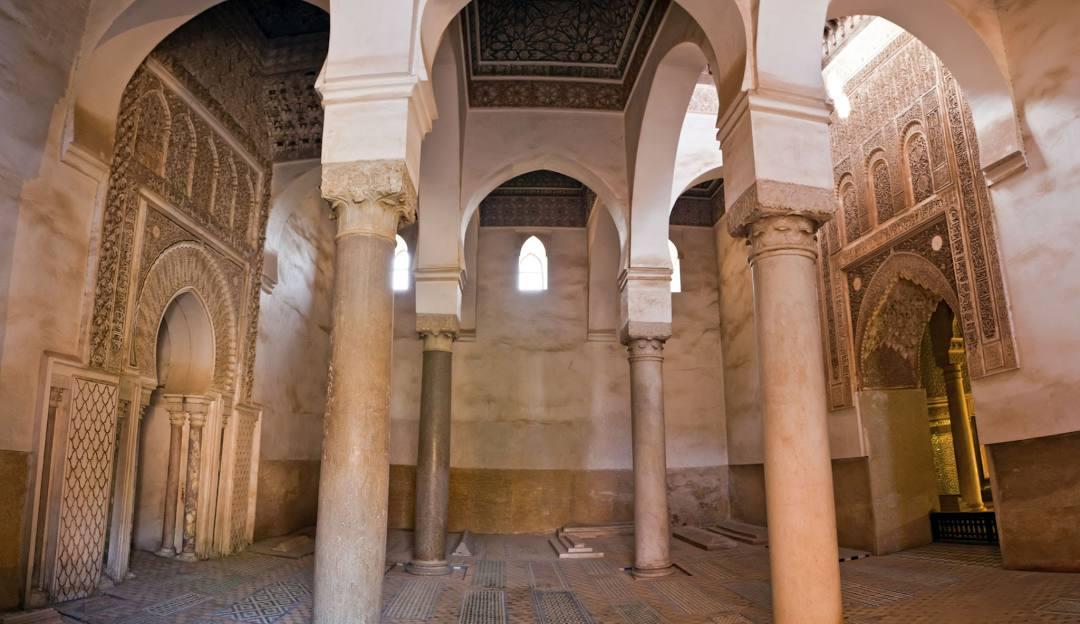
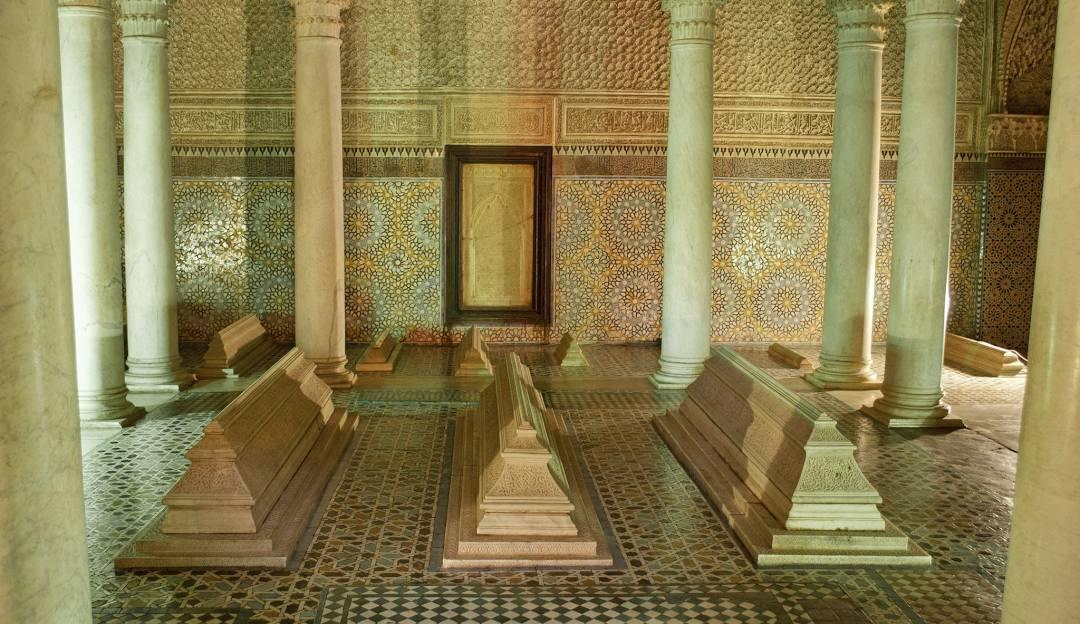
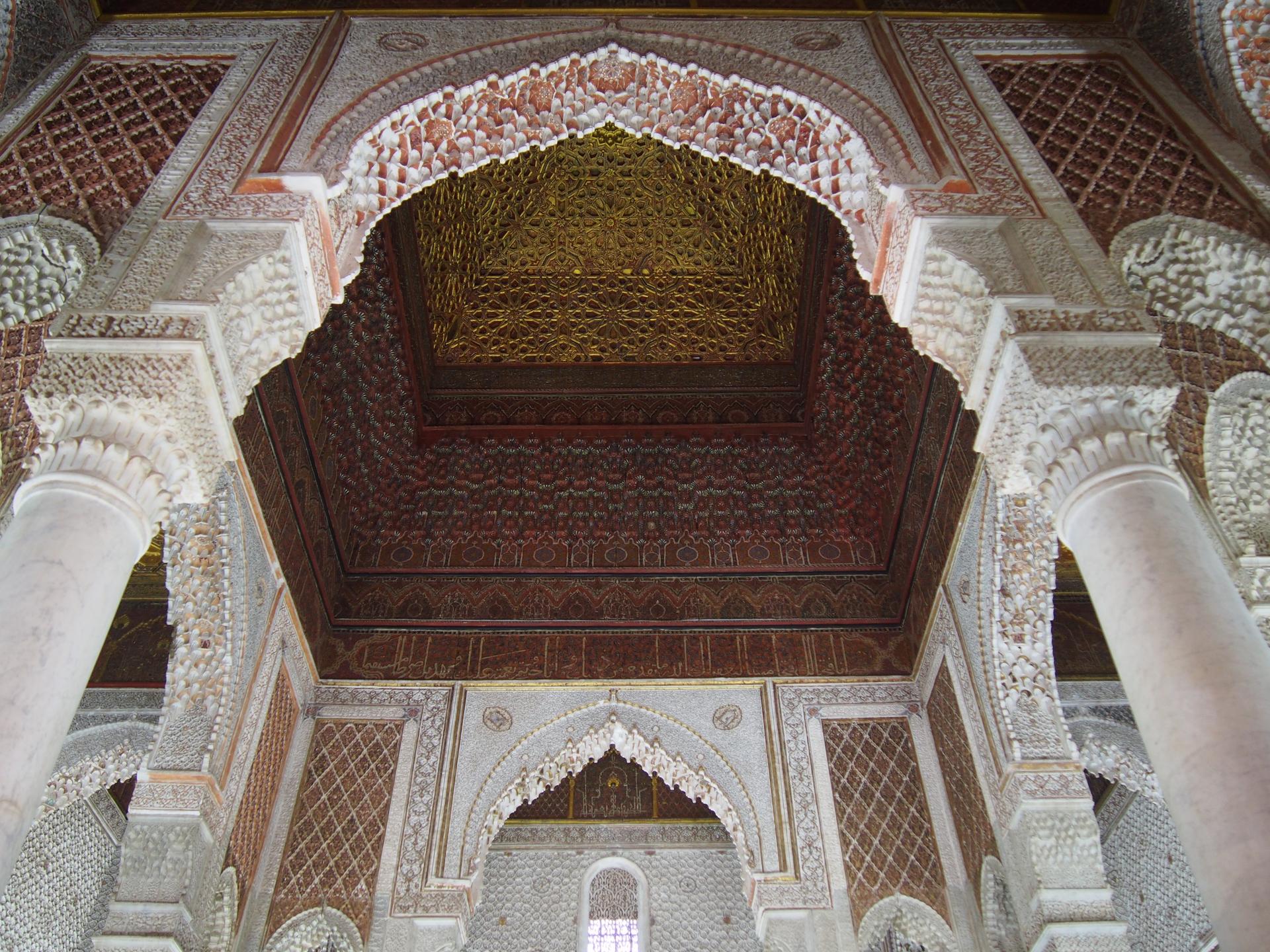
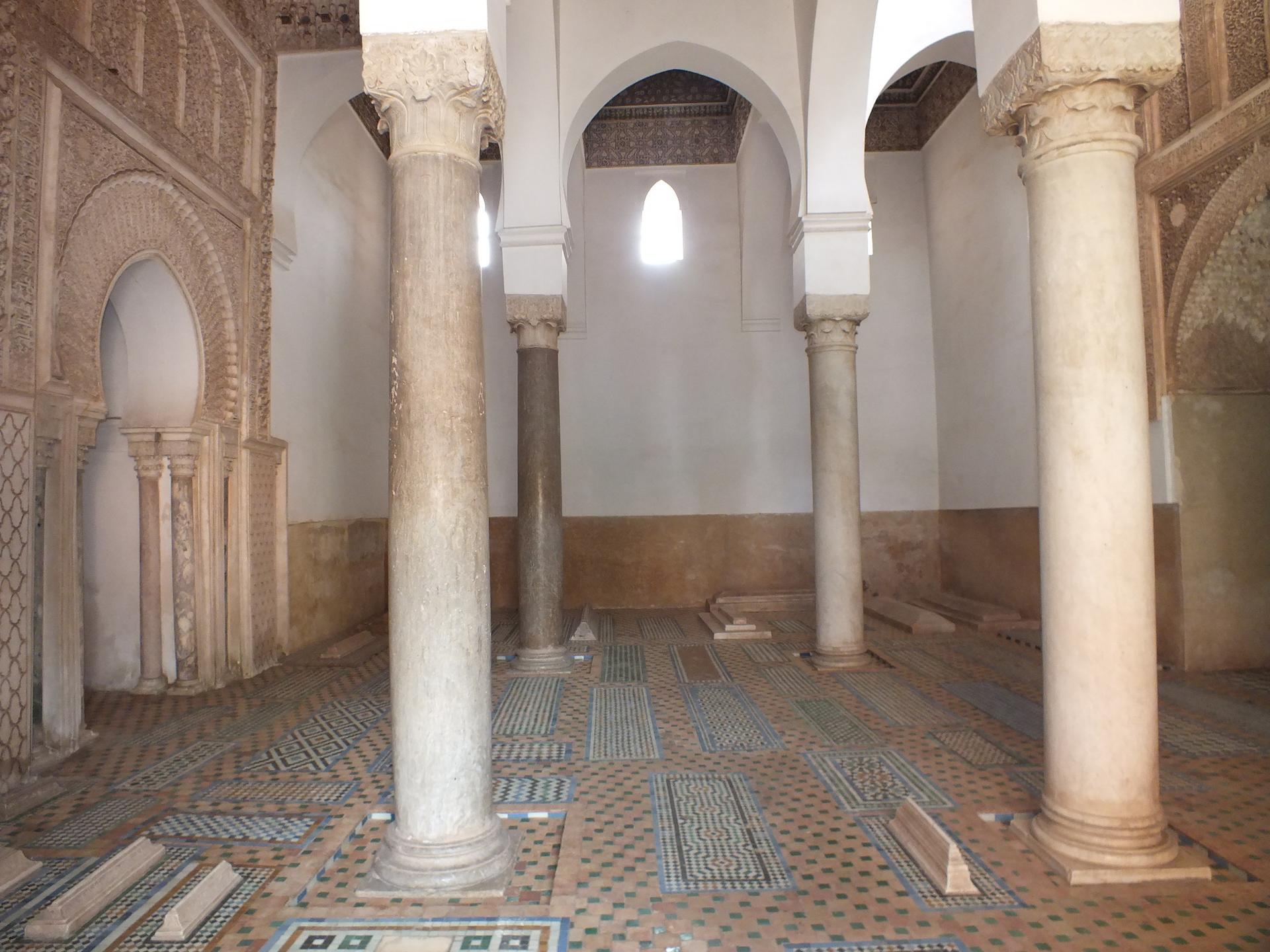
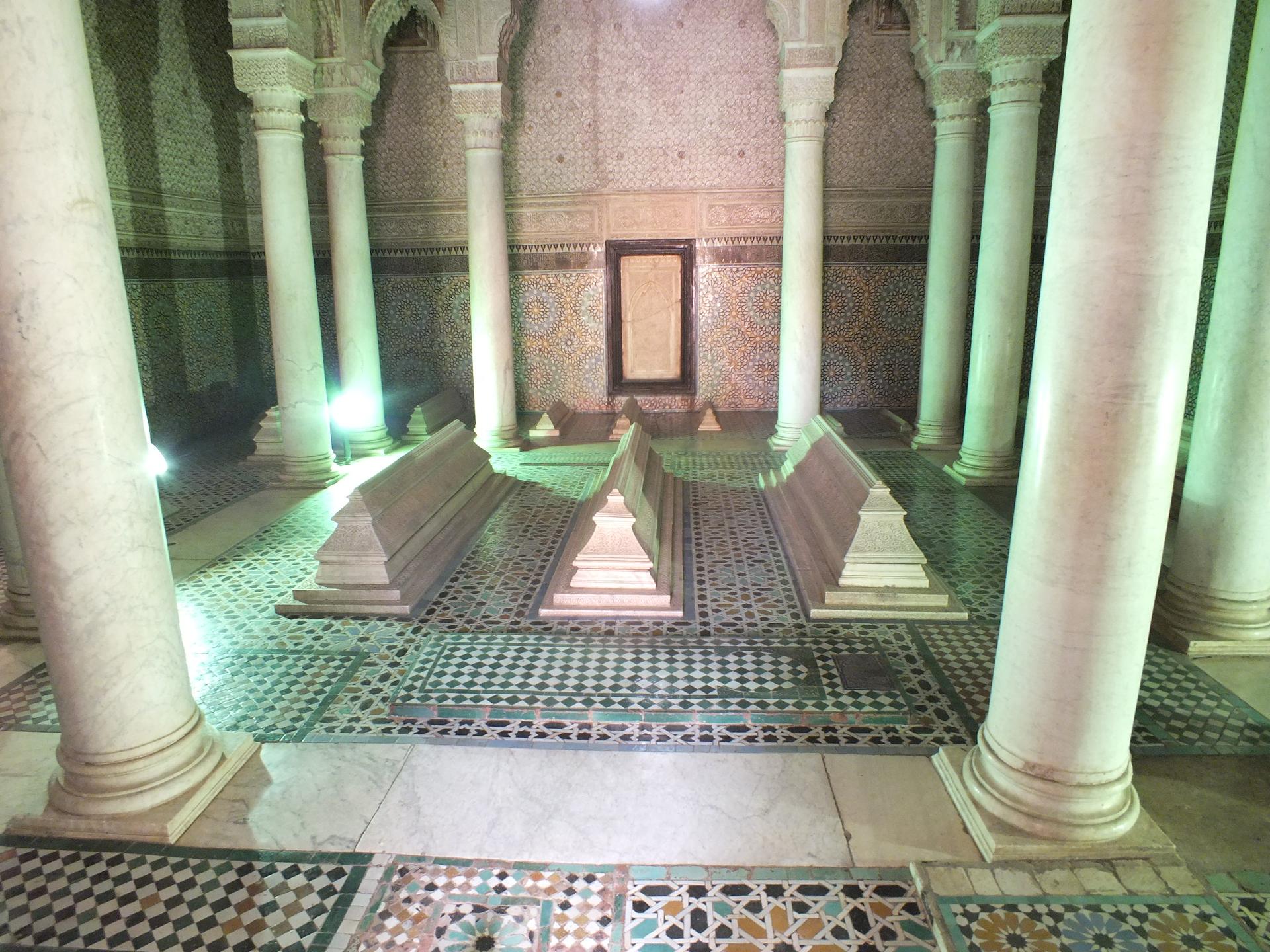
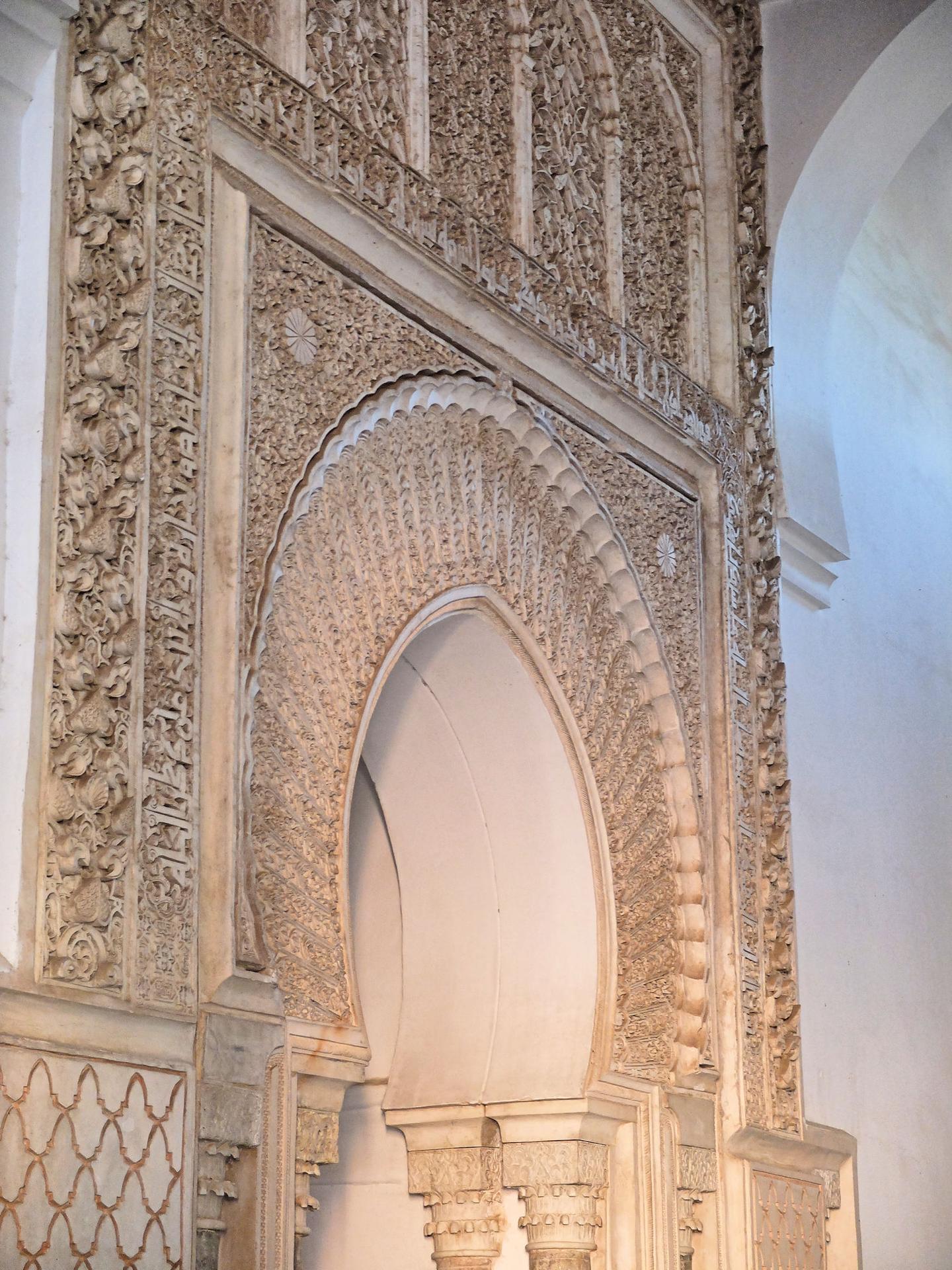
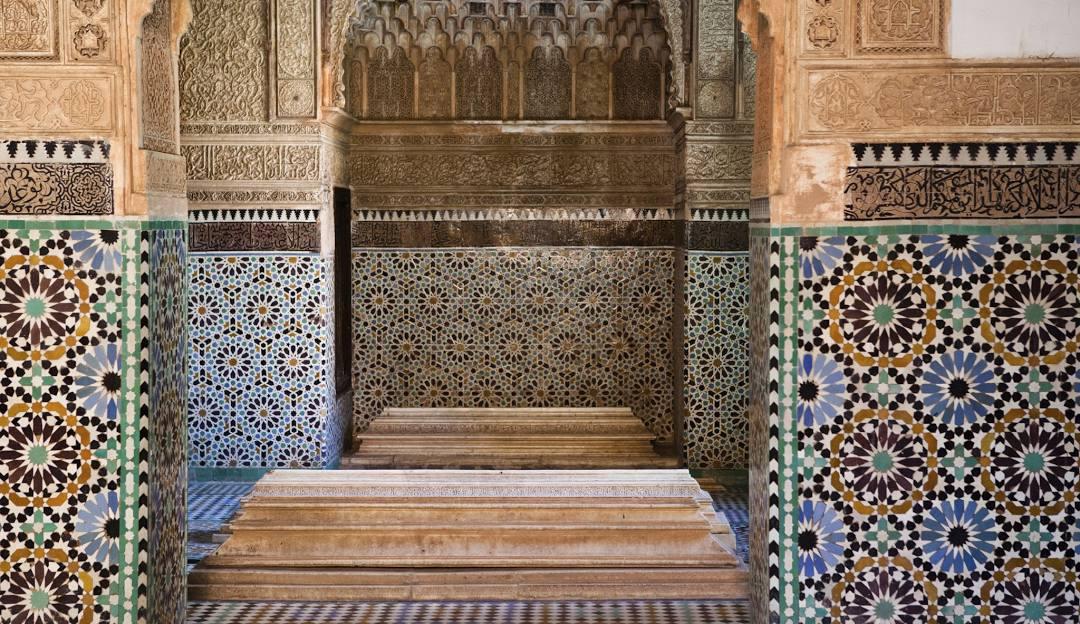
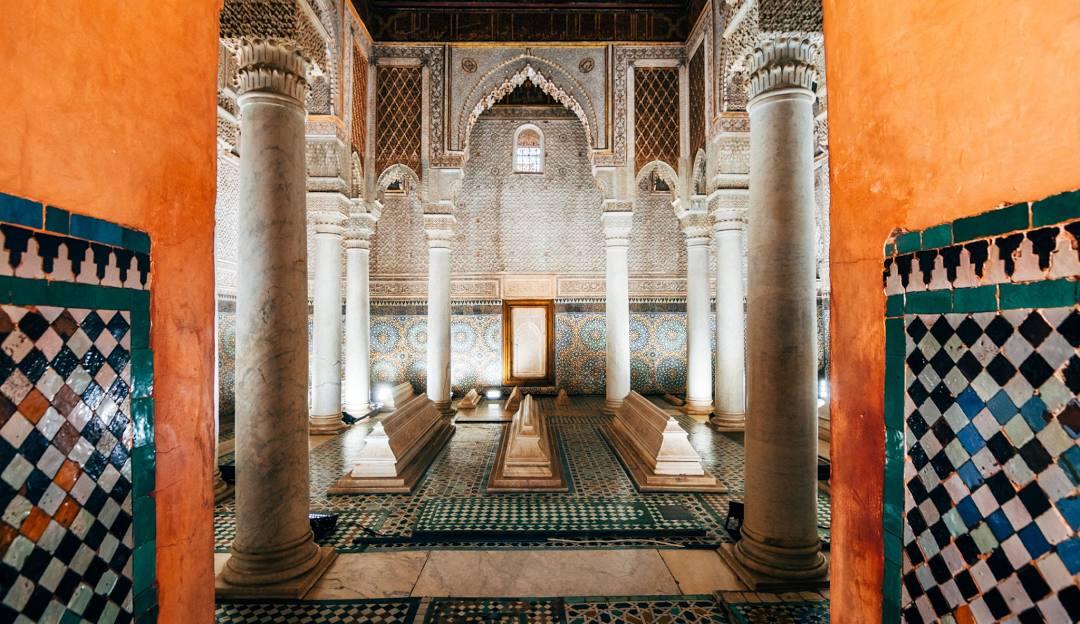
The Saadian necropolis began in 1557, when Abdallah al-Ghalib buried his father here, and grew into its present form under Ahmad al-Mansur, who enlarged and decorated it and lies inside with his mother. A century later Moulay Ismail did not destroy it: he had the surrounding streets built up until the accesses were sealed, and the necropolis dropped out of use. It stayed shut for some two hundred and fifty years, until the French heritage service rediscovered and restored it in 1917. The only way in is still the narrow passage cut through the wall then. Three chambers hold the family. The finest is the room of the twelve Carrara marble columns: a ceiling of carved cedar in concentric registers, plaster stalactites in the corners, walls of carved marble and zellij in patterns that take time to read. The light is filtered and dim, which is the right condition for surfaces at this density. Around the chambers lie 56 decorated tombstones and about a hundred further graves marked only by tiles, with soldiers and servants outside in the garden, a hierarchy the complex keeps even in death. The tombs draw crowds, heaviest in the late morning, and the rooms are small. Early is better: with fewer people the carving can be looked at rather than glimpsed.