Koutoubia Mosque
Koutoubia Mosque Marrakesh 40000
Neighborhood
Medina
Type of Attraction
Monuments & Landmarks
Overview
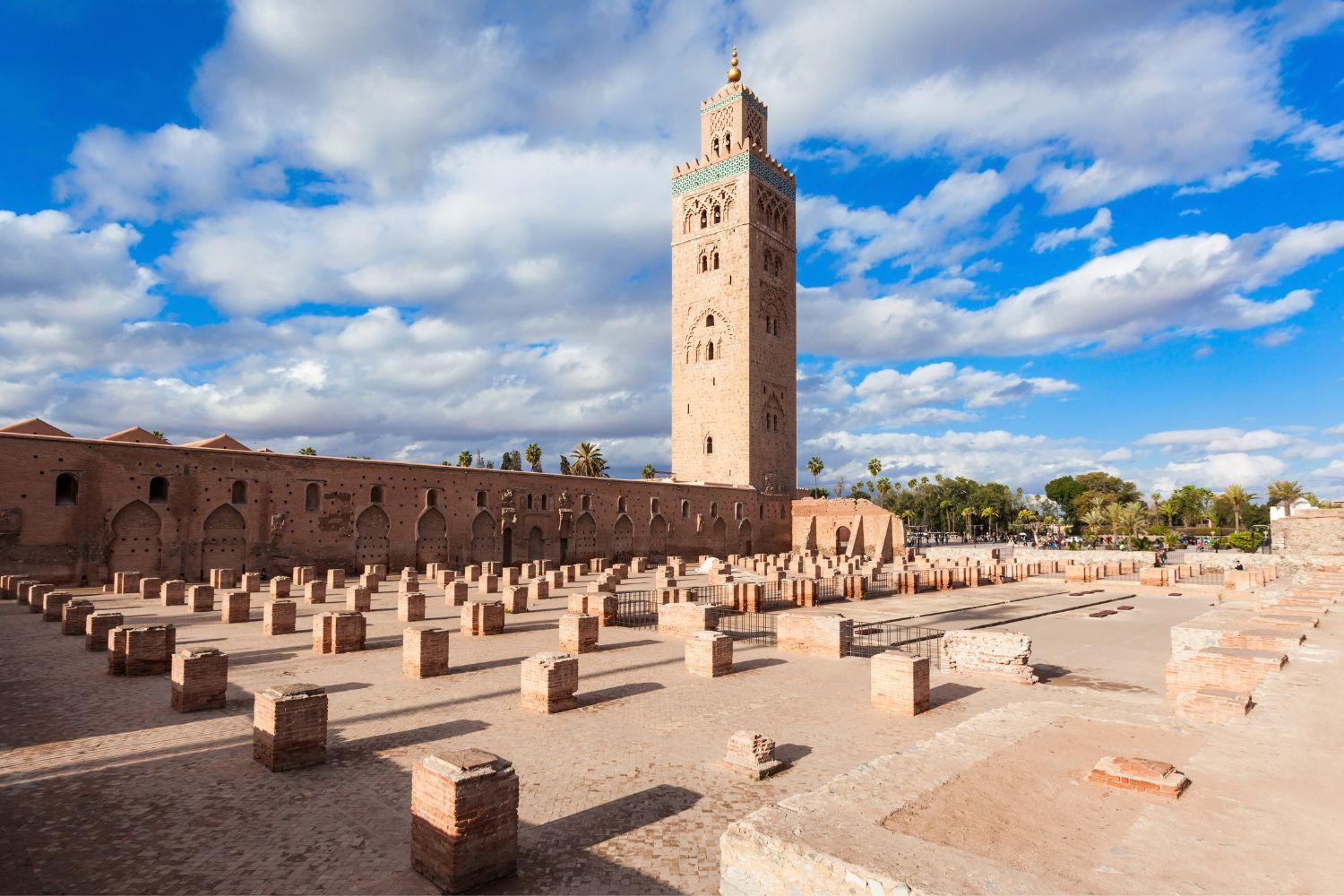
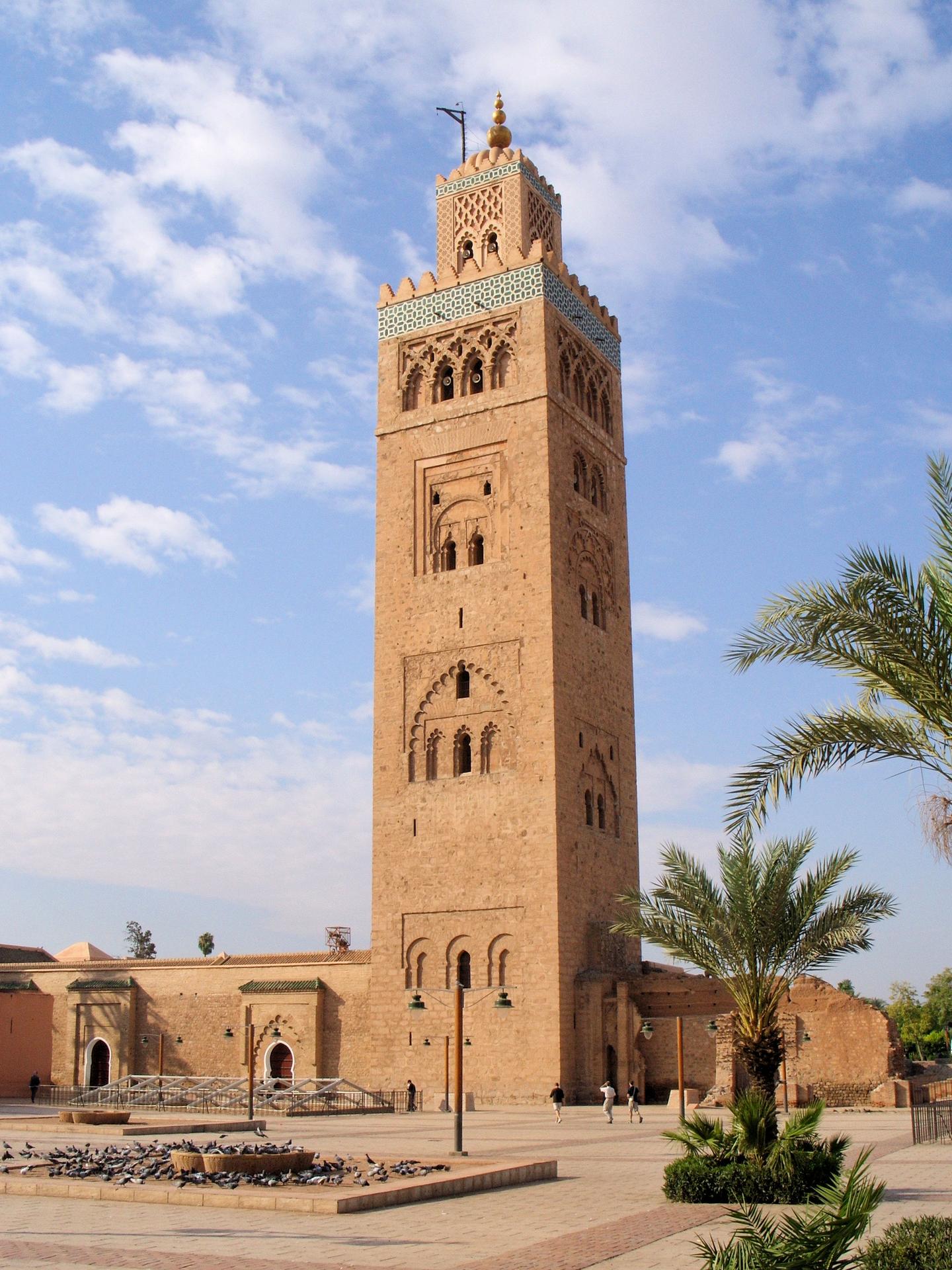
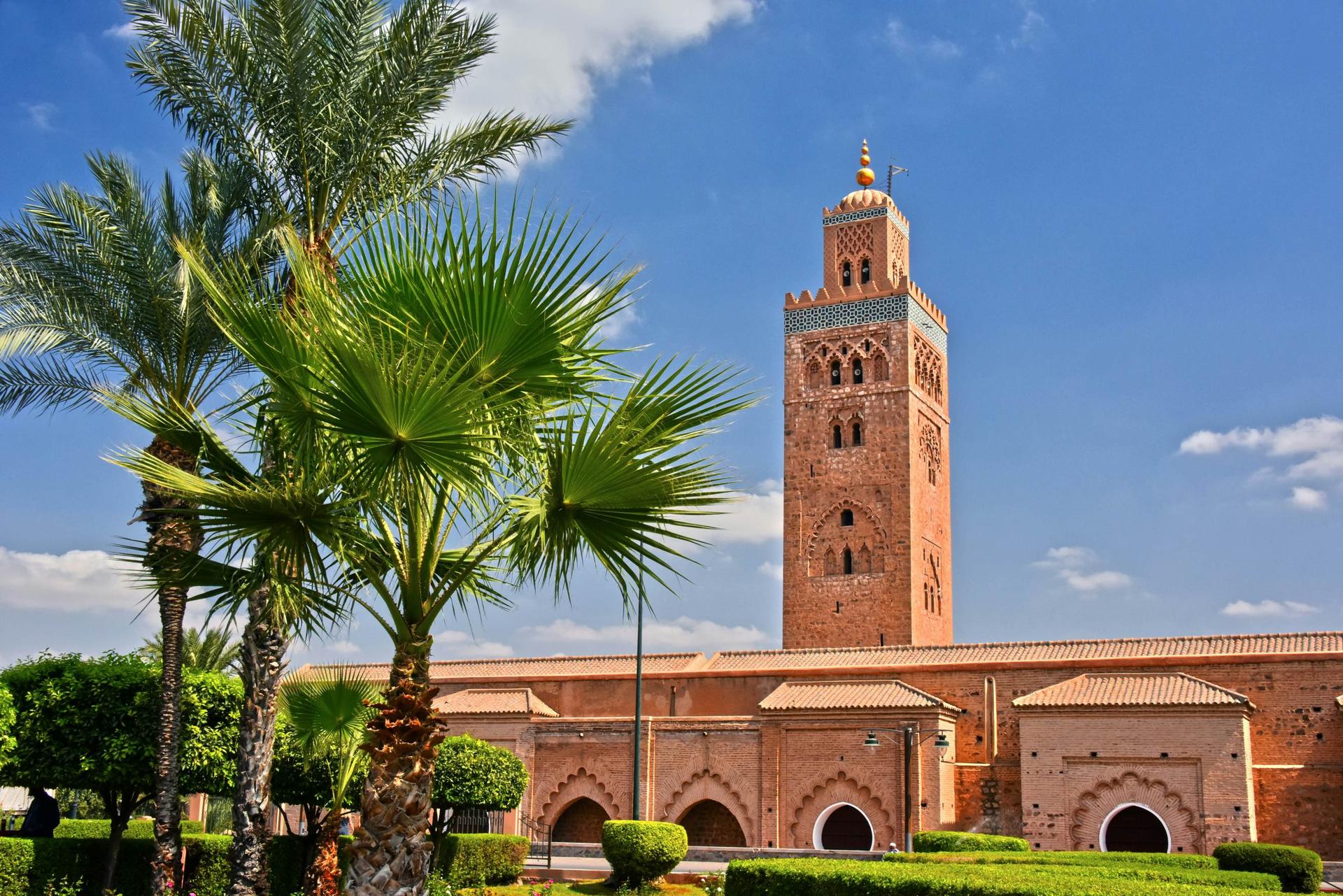
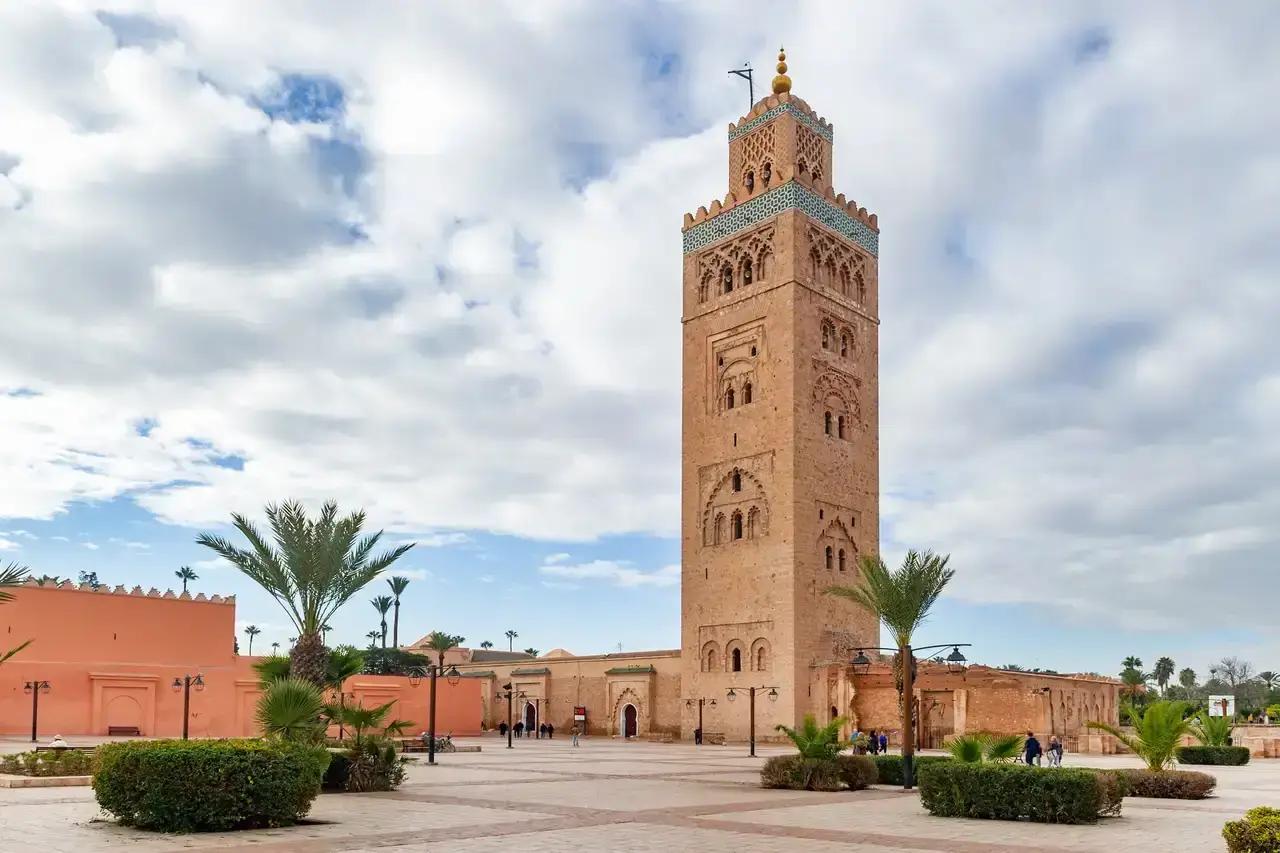
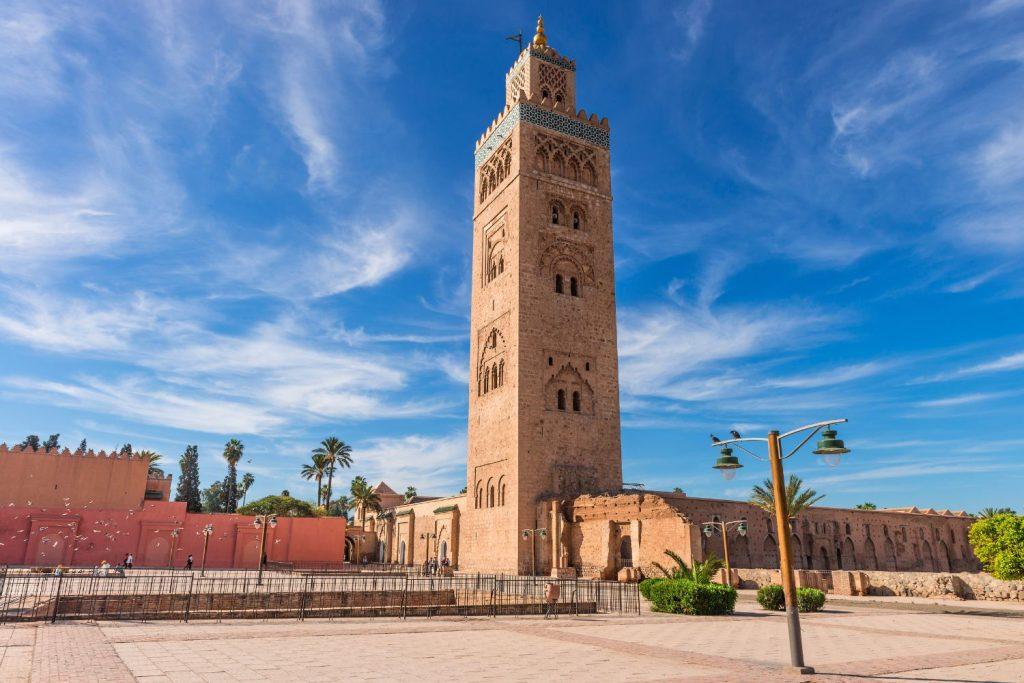
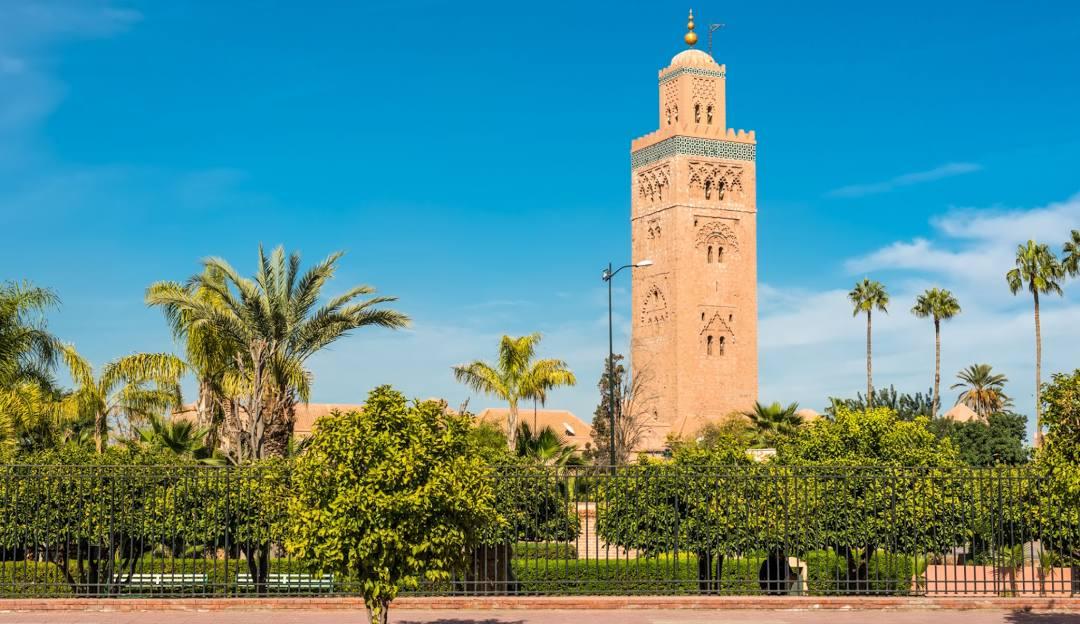
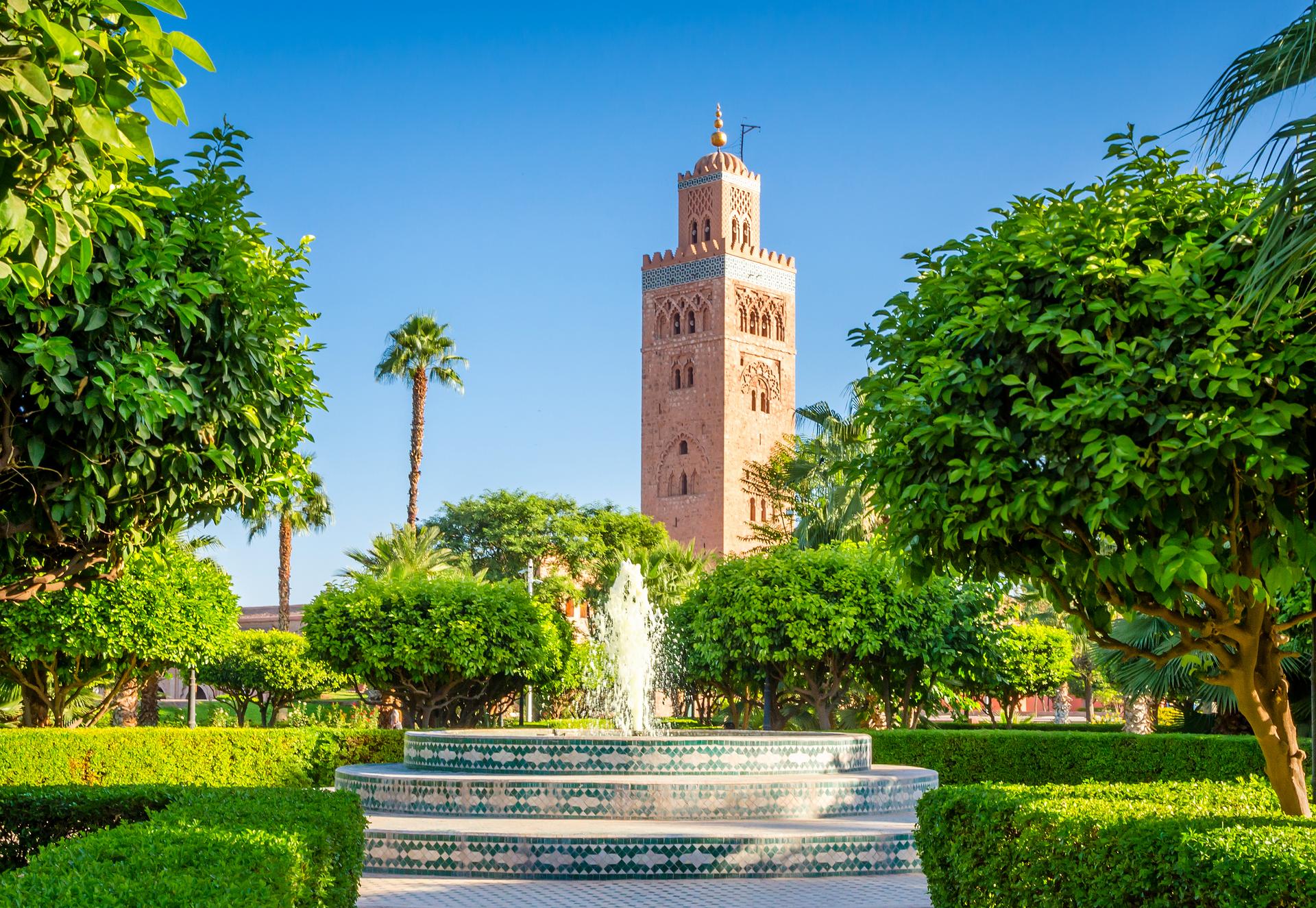
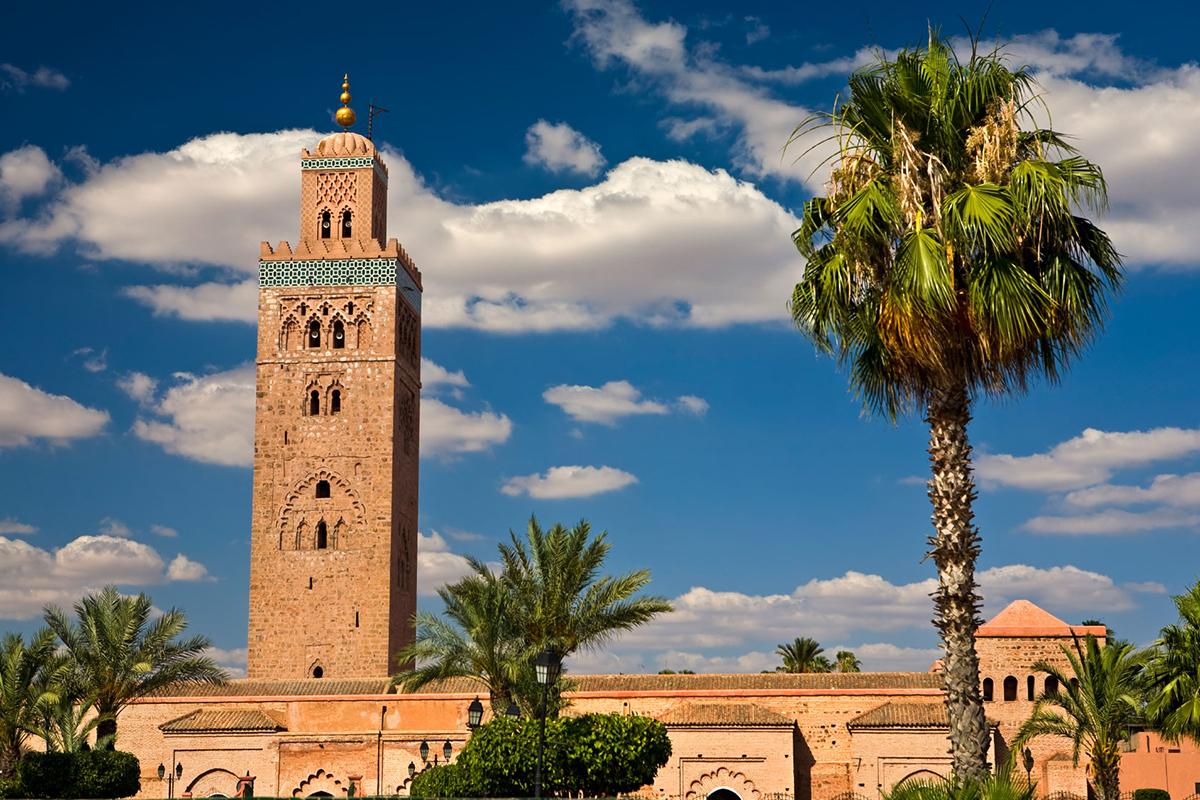
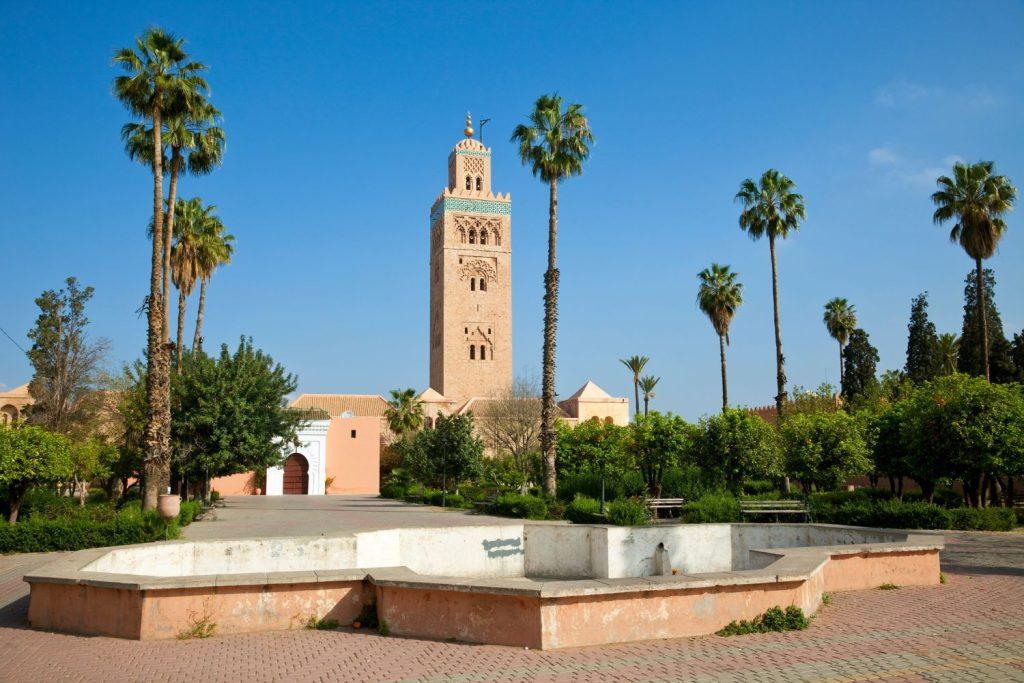
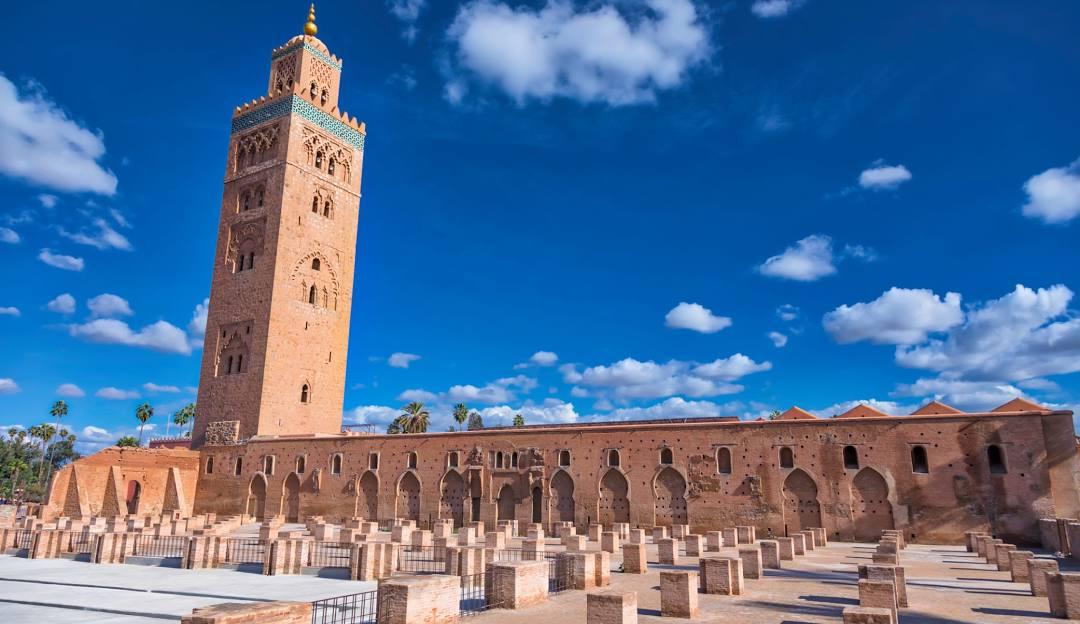
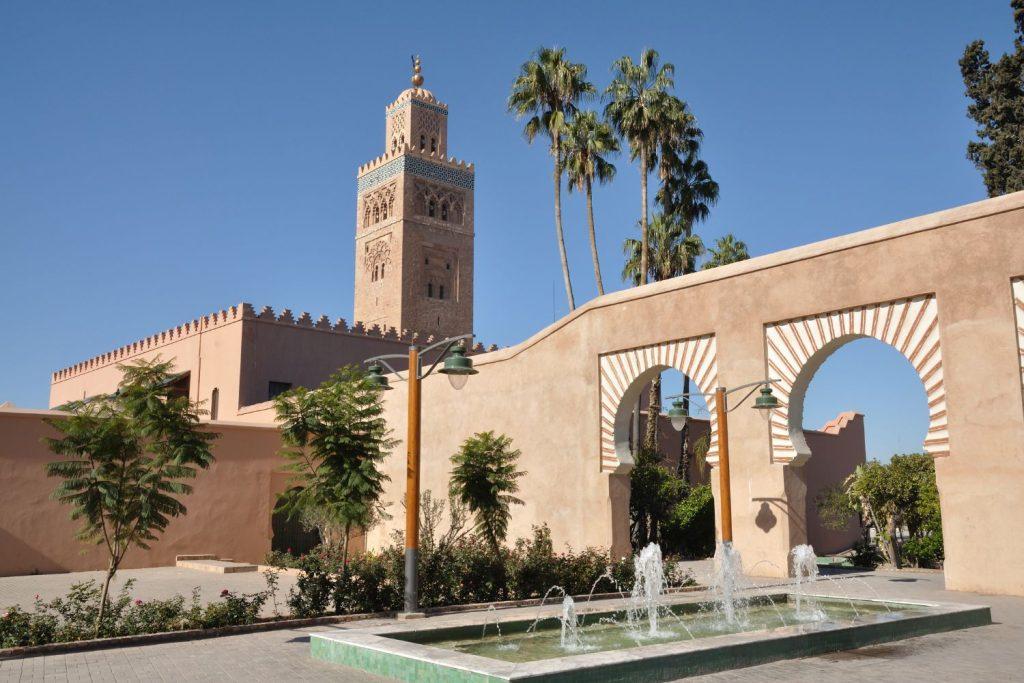
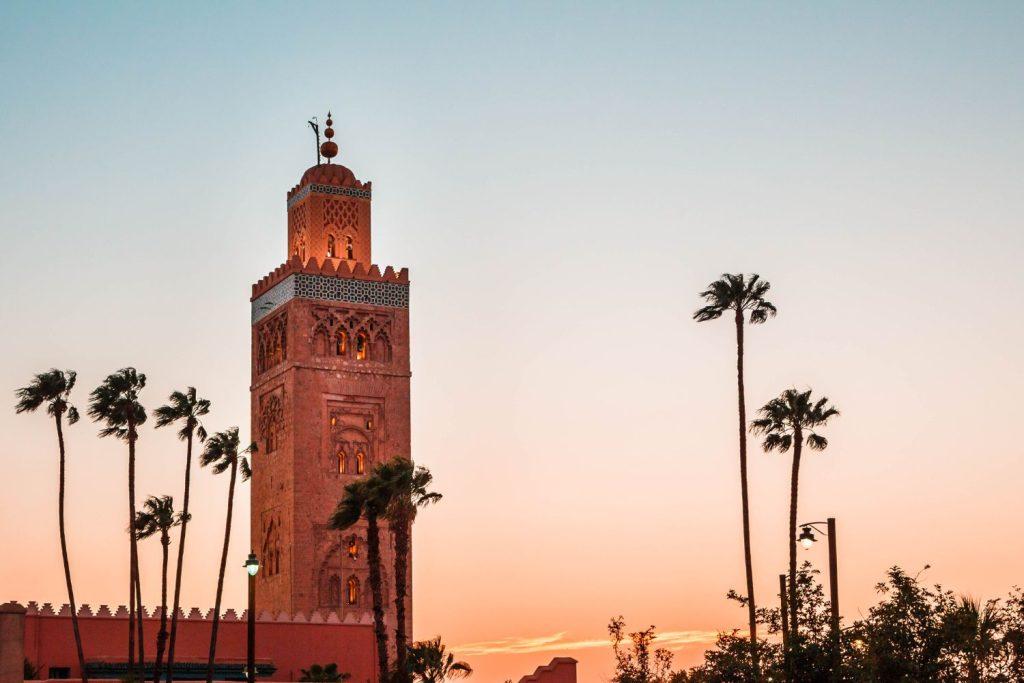
The Koutoubia defines the Marrakech skyline as no other structure does. Its minaret, seventy-seven metres of Almohad stone, is visible from nearly every point in the city and probably inspired the Giralda in Seville and the Hassan Tower in Rabat, built in the same era. The name comes from the booksellers, the kutubiyyin: as many as a hundred of them once worked in the streets at its foot. Abd al-Mu'min founded the mosque in 1147, rebuilt it entirely around 1158, and the minaret was likely finished under Ya'qub al-Mansur towards 1195. Standing at the foot of it, the scale registers differently than from a distance. Each of the four faces carries a different composition of blind arches, so walking a full circle around the tower is worth the few minutes it takes; only the topmost tier repeats on all four sides. Non-Muslims cannot enter the mosque, but the exterior and the gardens are open to everyone: rose beds, orange trees, paths of compressed earth, an unusual calm for this part of the city. Most visitors miss what lies on the open ground toward Jemaa el-Fna. These are the excavated remains of the first mosque, uncovered from 1923, with the outline of its prayer wall still legible at ground level; the second was built alongside it on a slightly different alignment. Nearby, fragments of the Almoravid stone fortress and of the palace the Almohads demolished surface among the paving. Come early, when the light is low and the gardens still smell of the night's water.