Jemaa el-Fna
Jemaa el-Fnaa Marrakech 40000
Neighborhood
Medina
Type of Attraction
Monuments & Landmarks
Overview
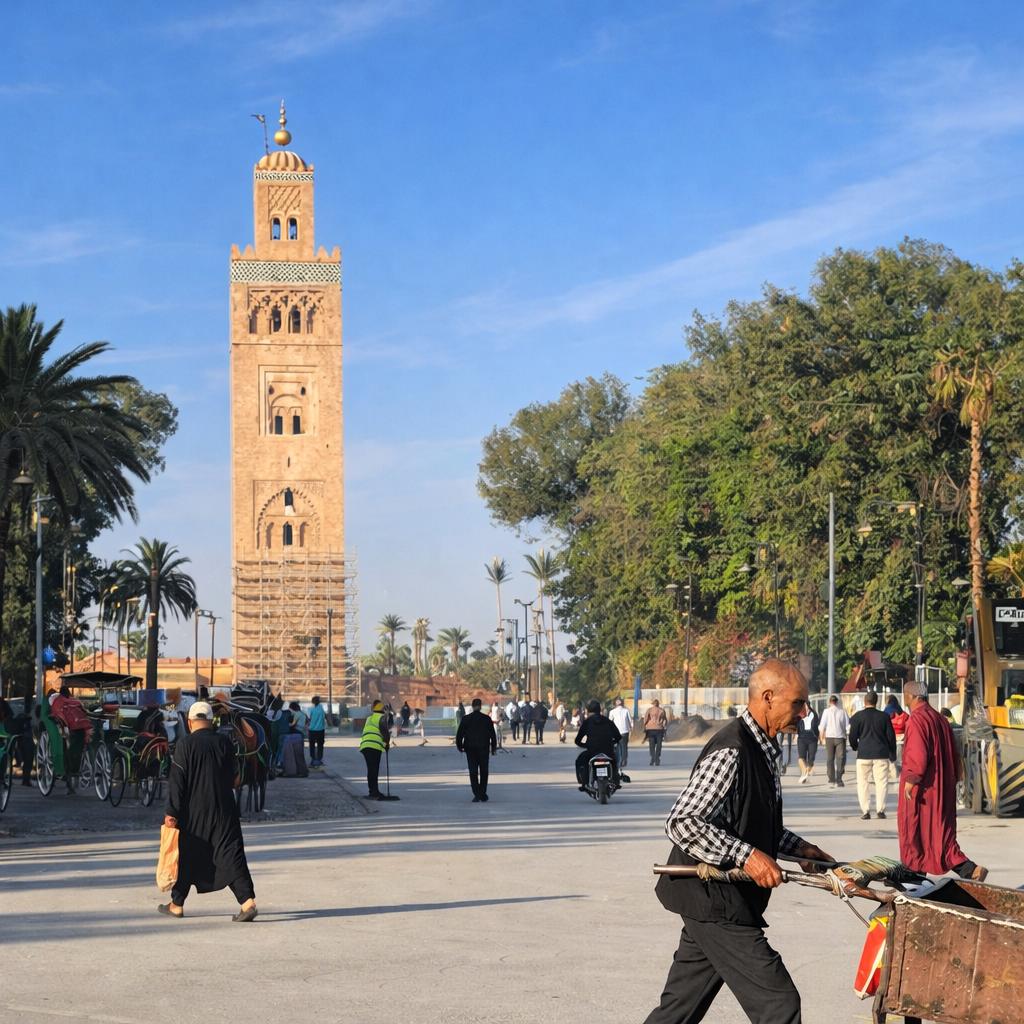
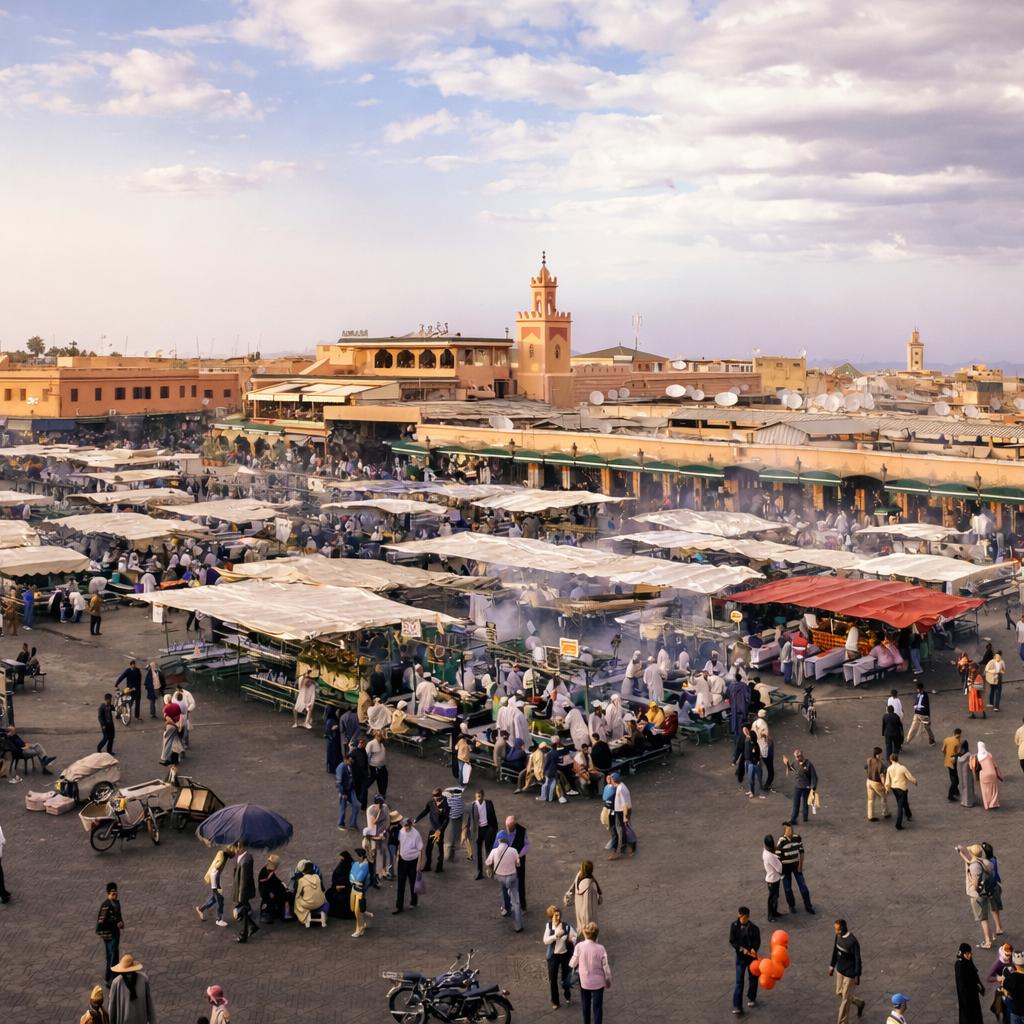
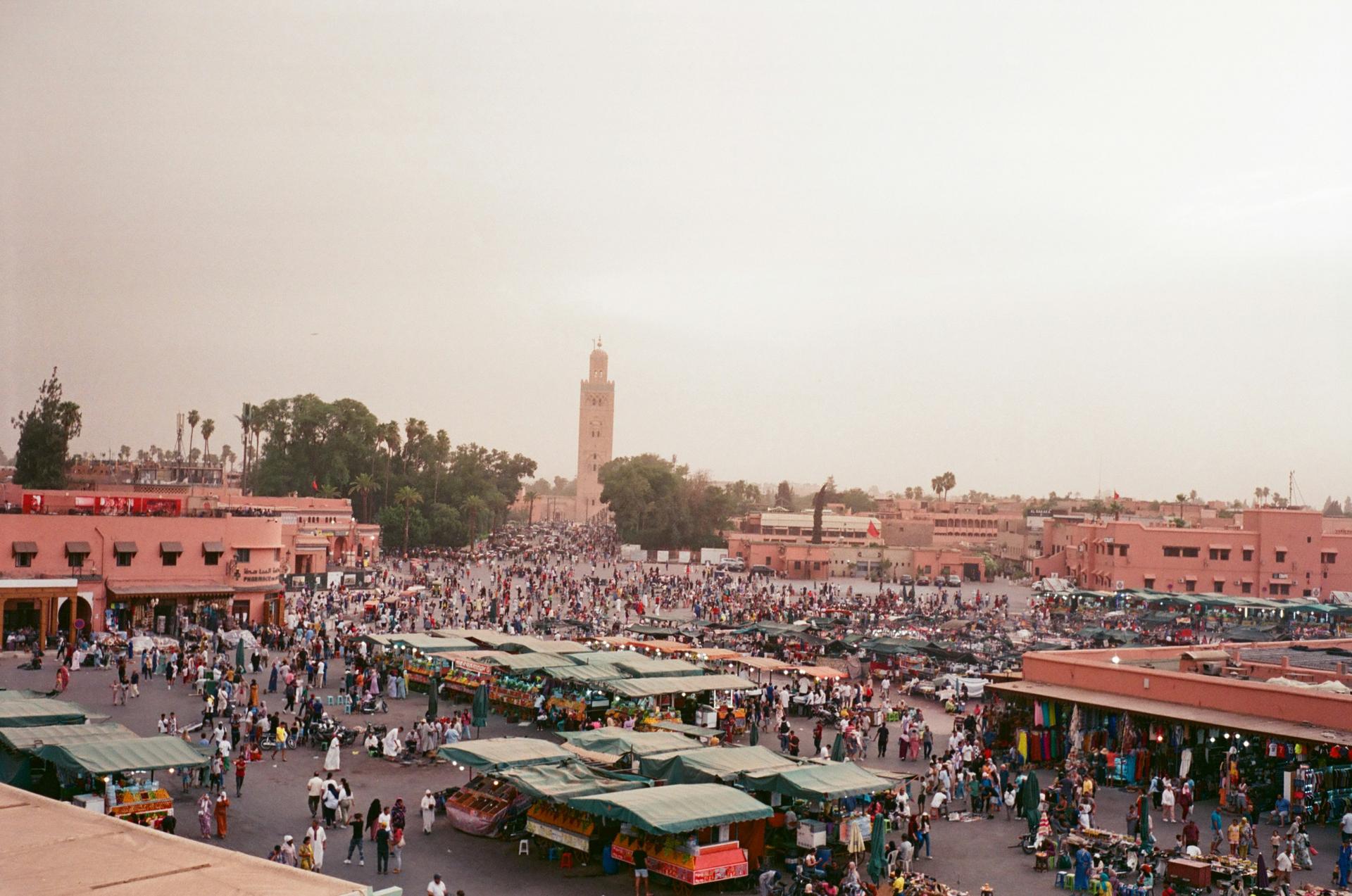
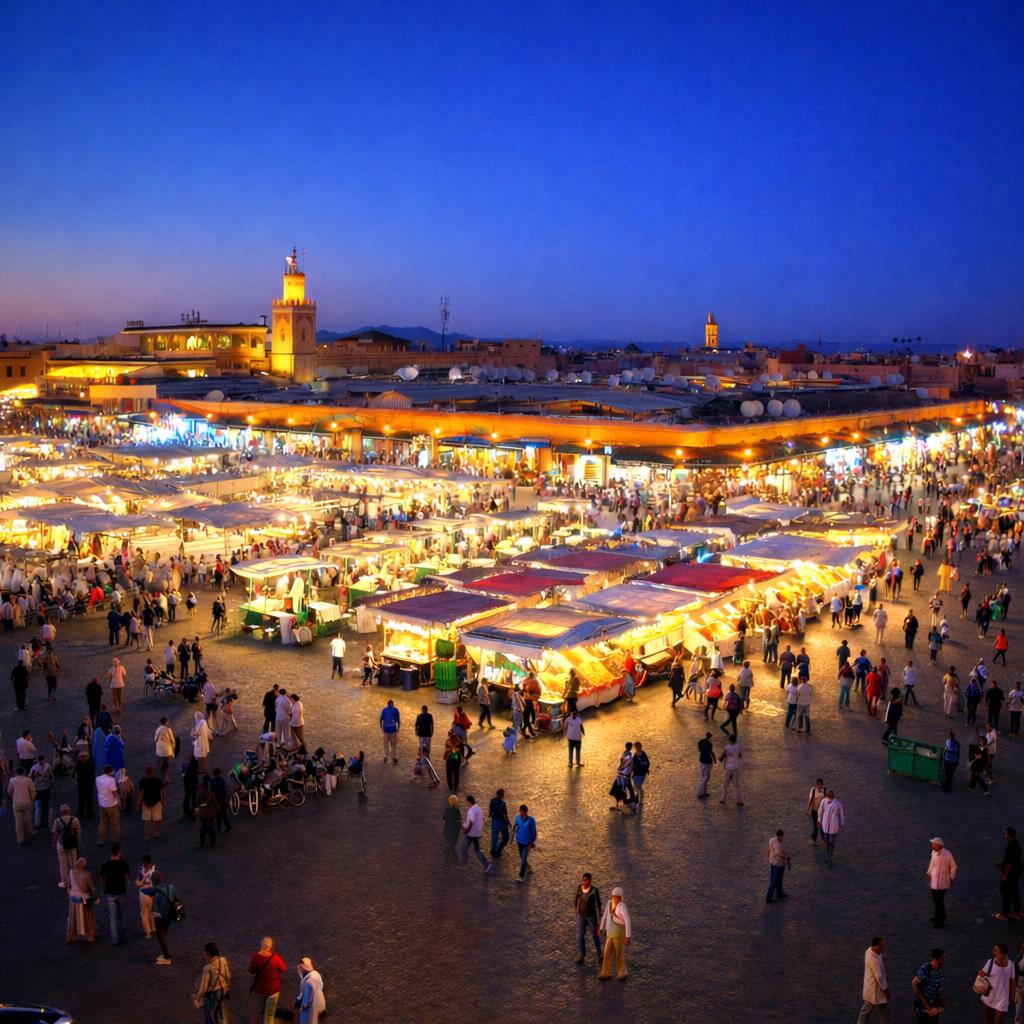
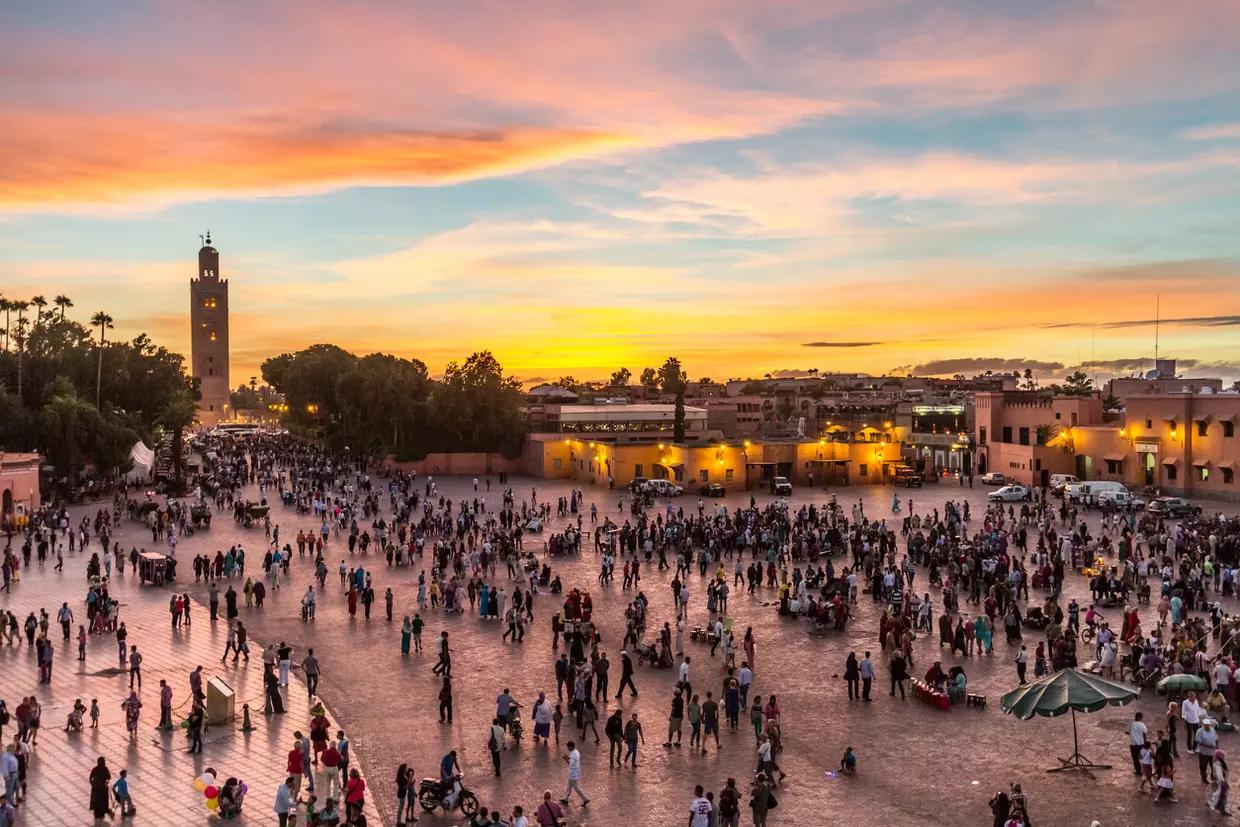
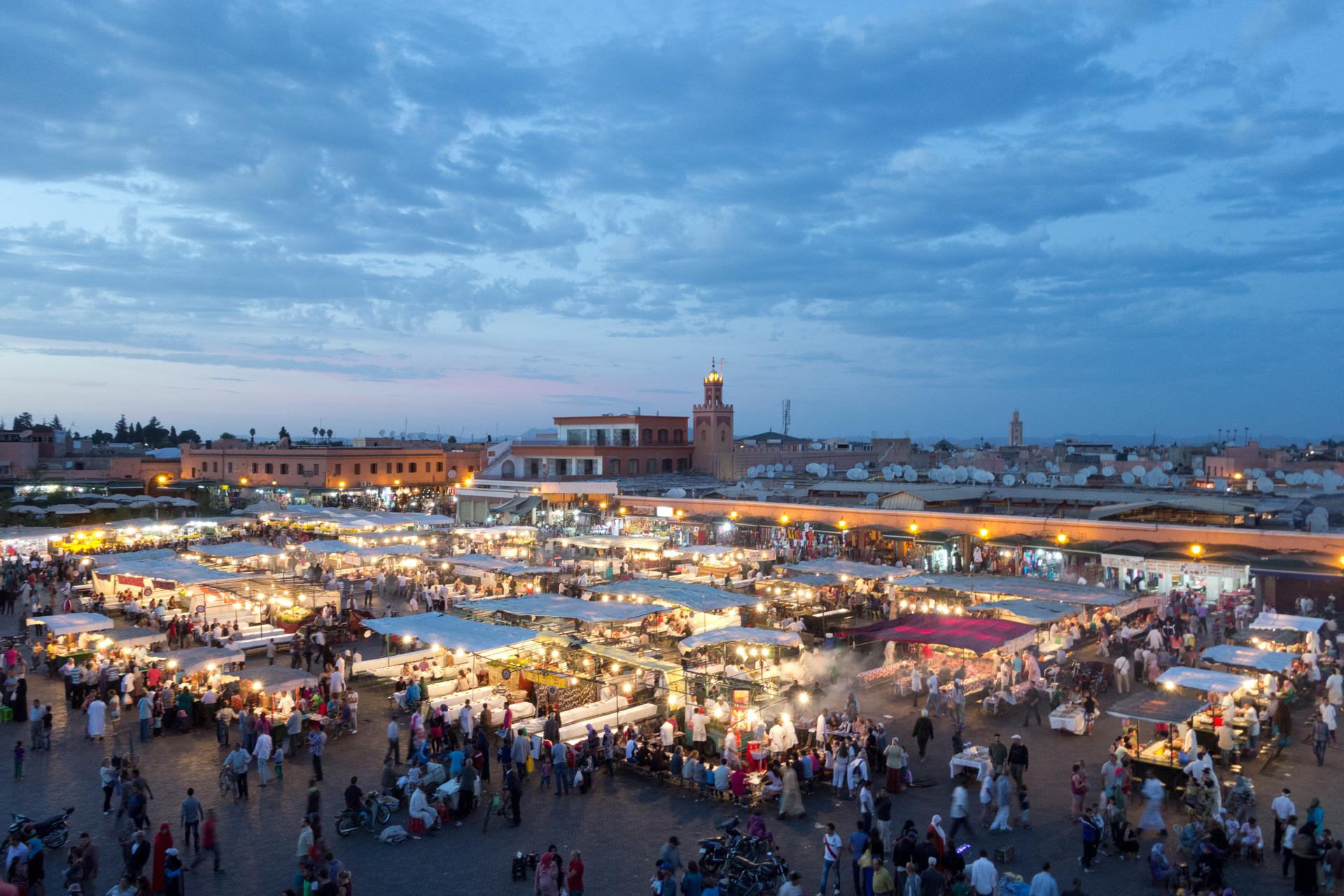
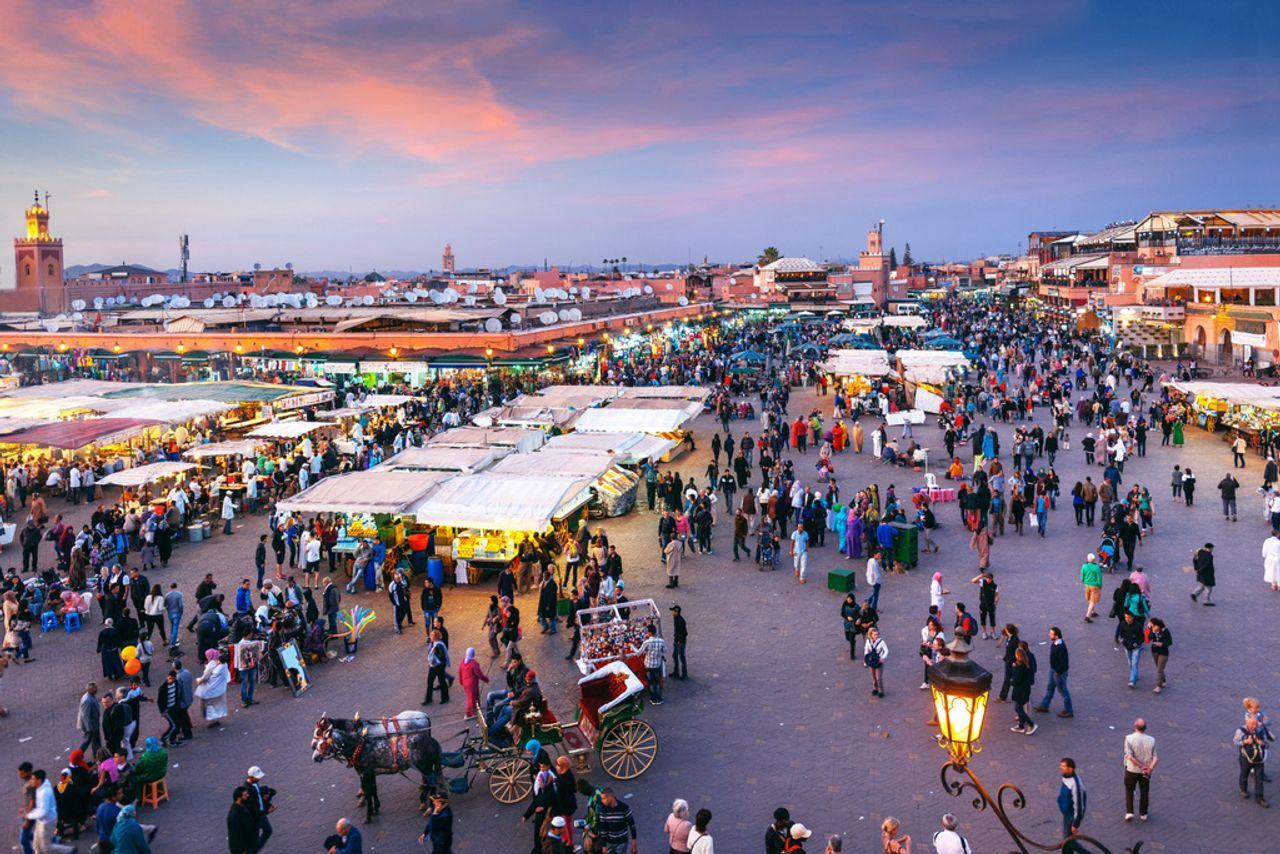
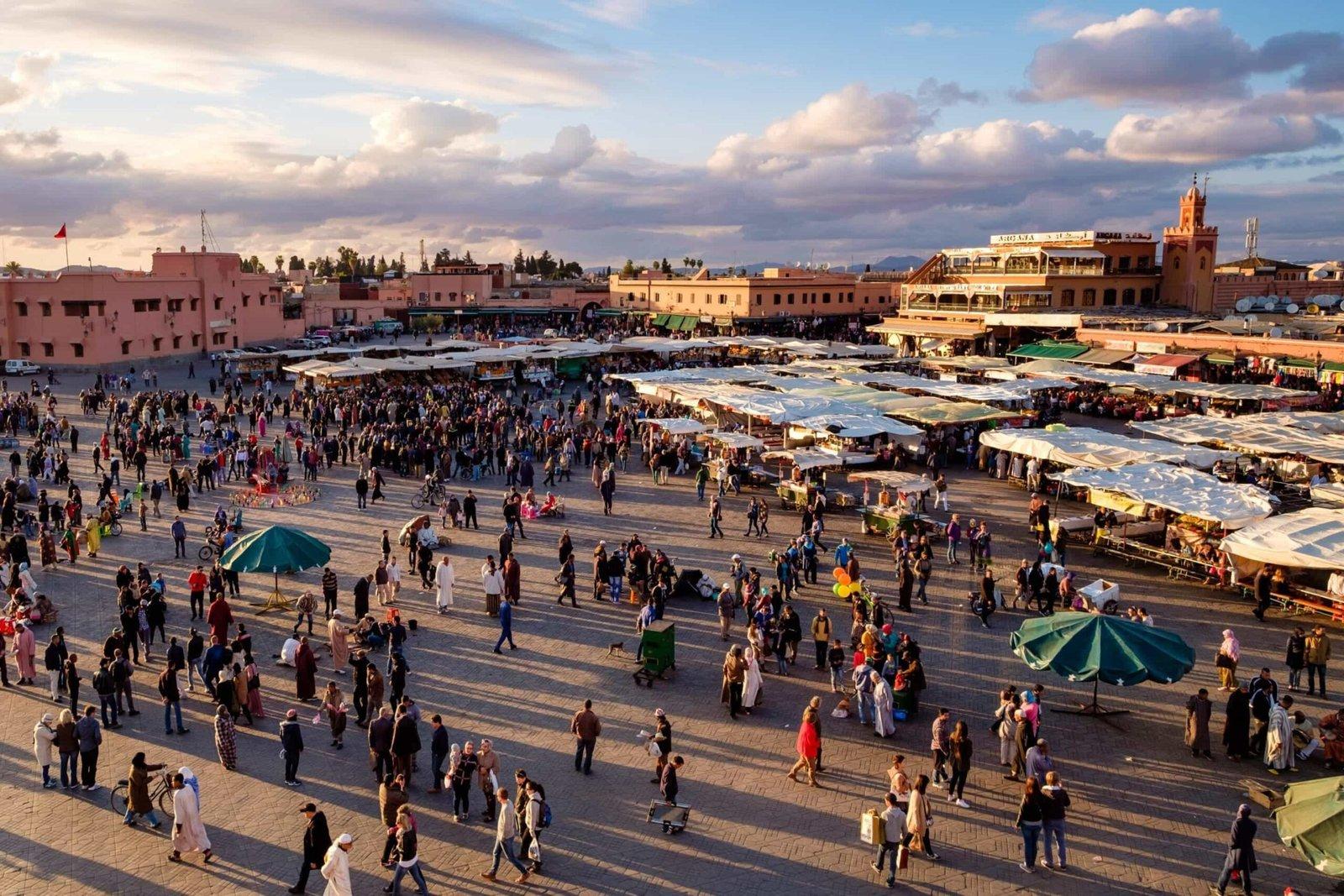
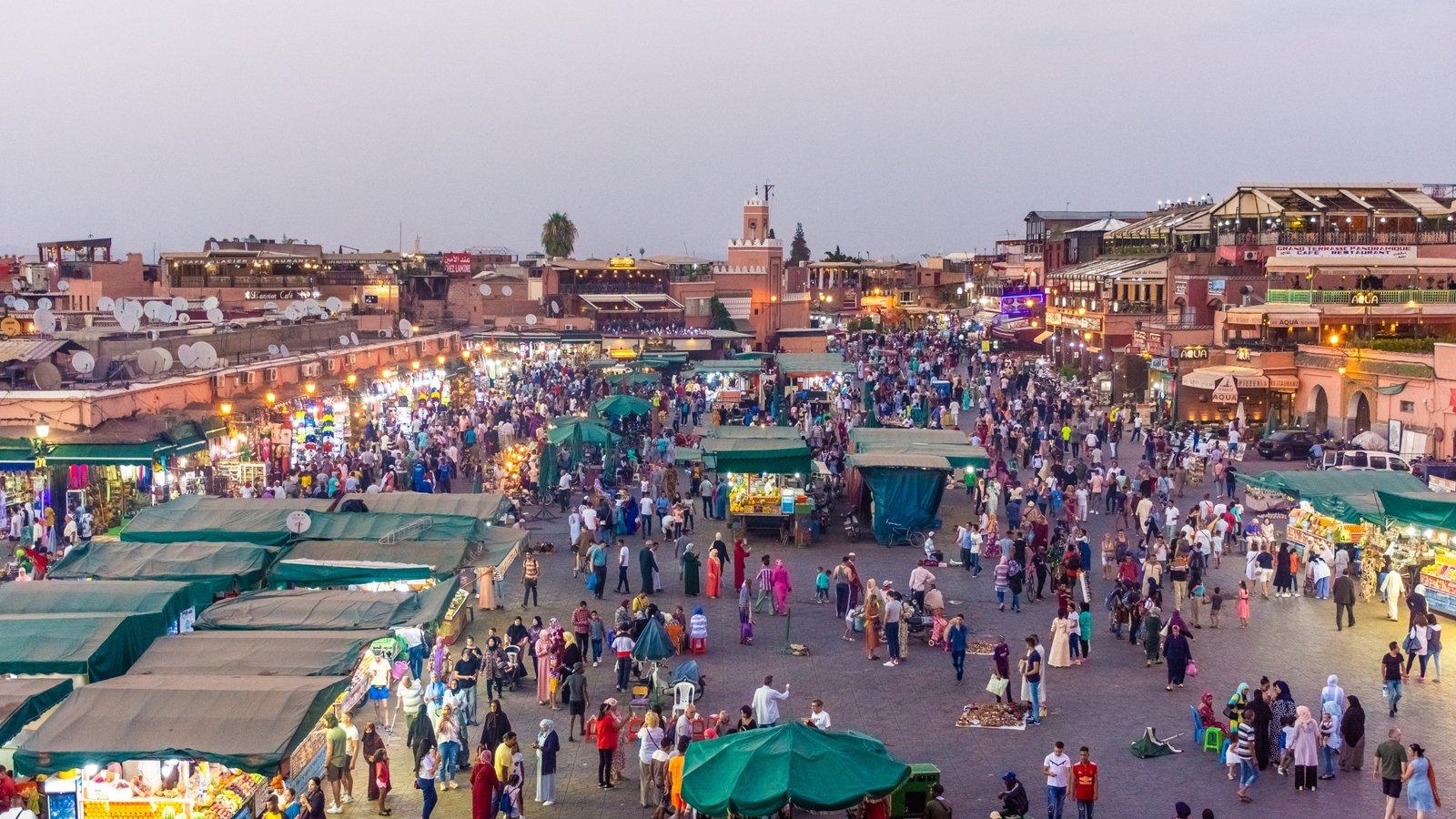
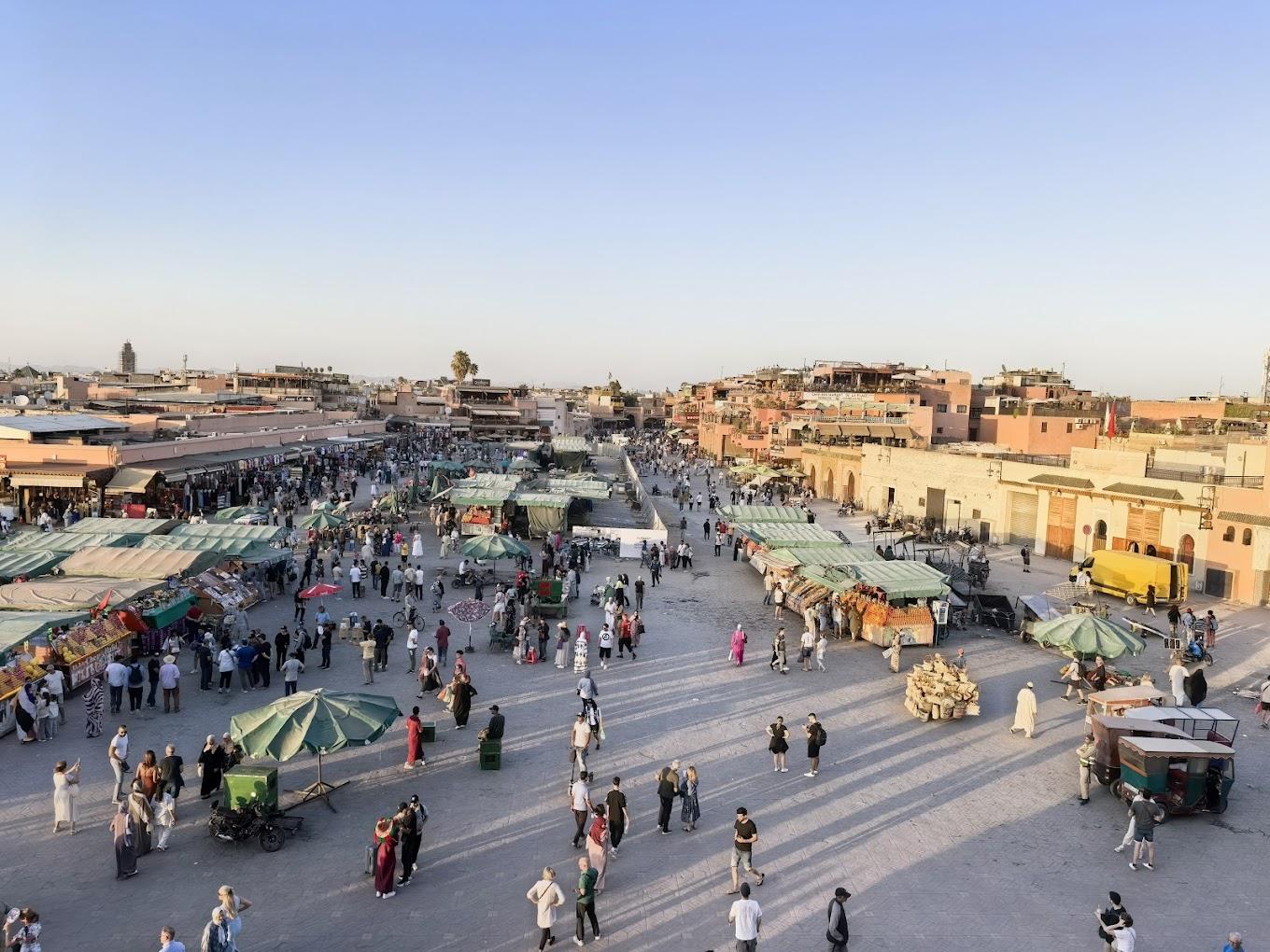
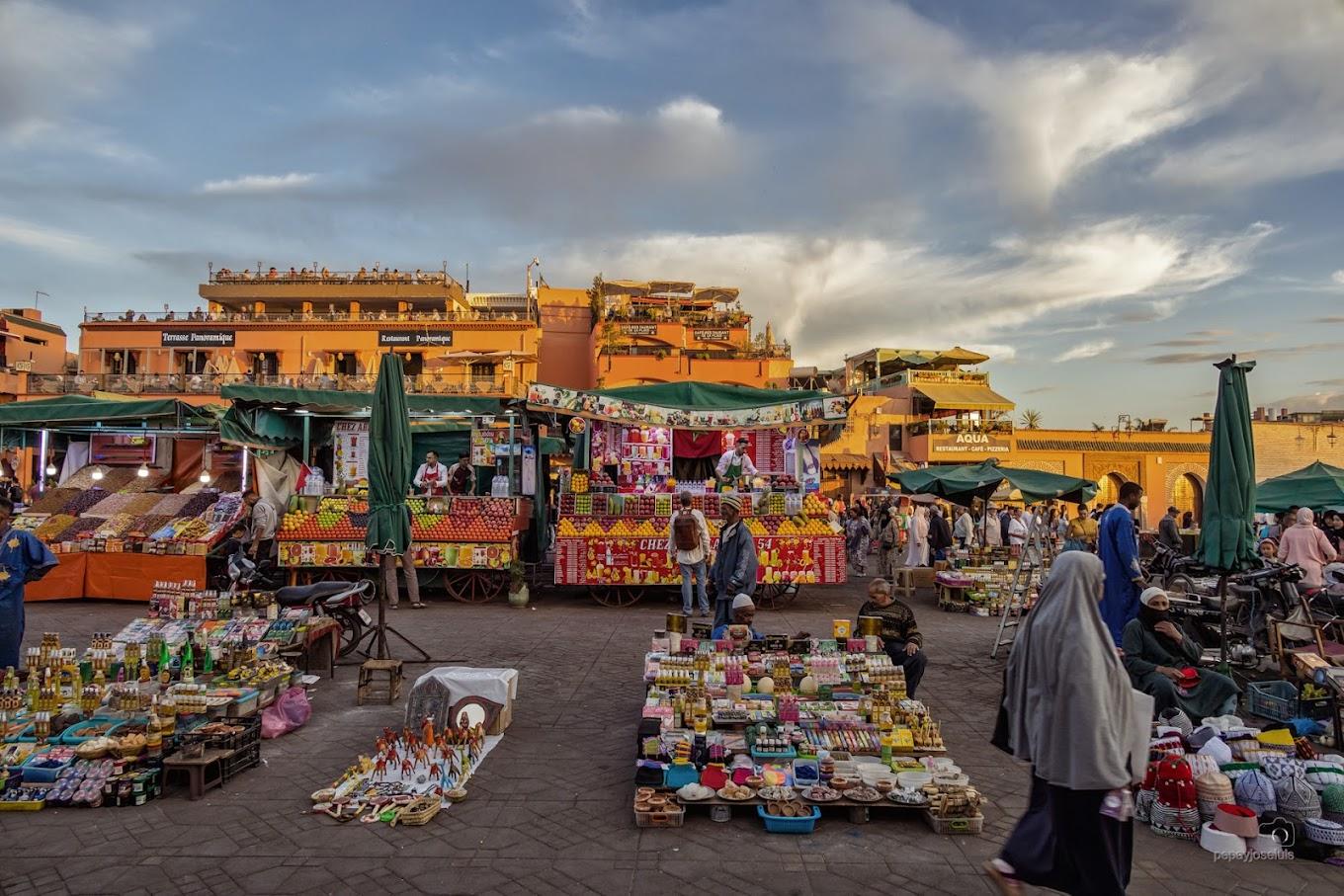
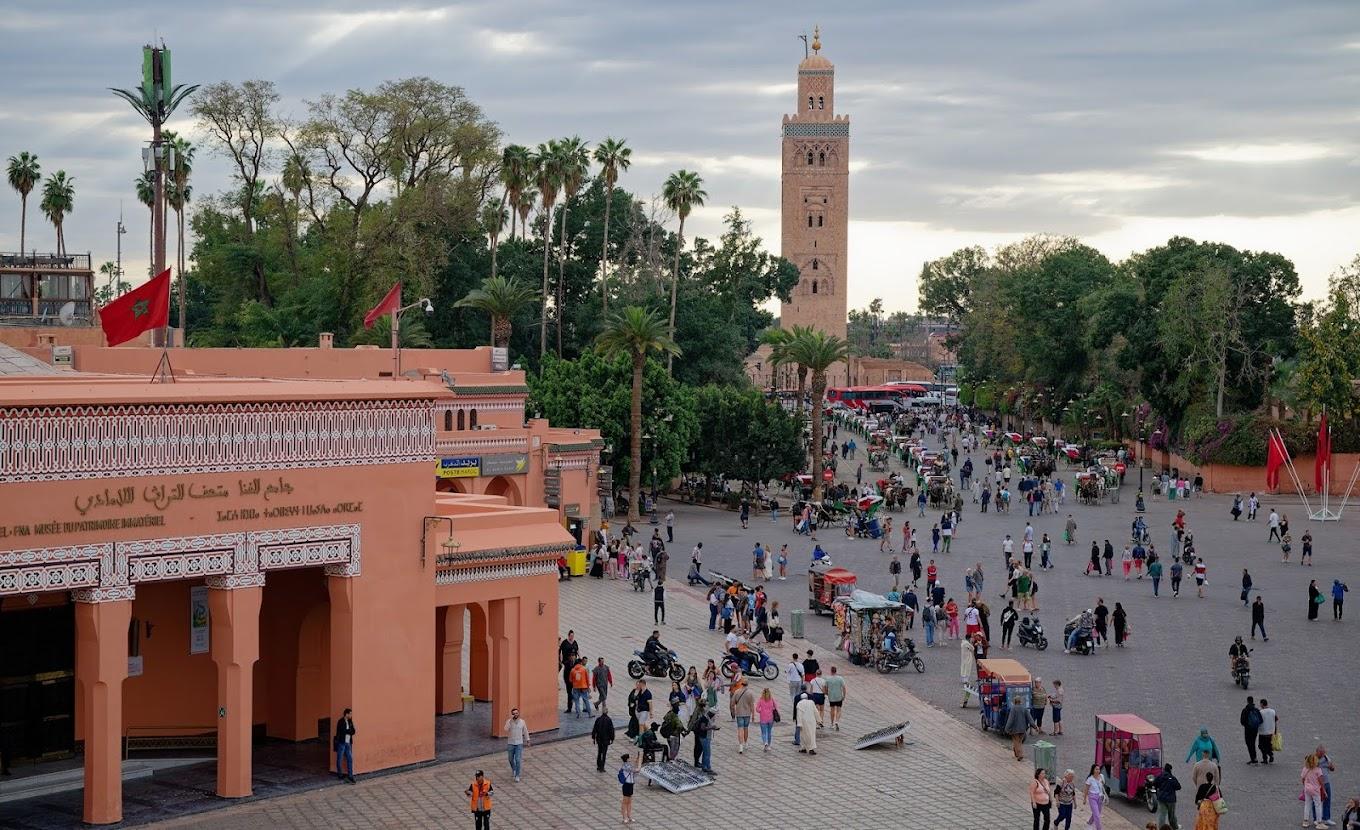
Jemaa el-Fna is the organizing centre of Marrakech, a vast open square at the edge of the Medina that is as old as the city itself. It took shape around 1070, first as the ground where the market gathered, later as the parade ground where sultans reviewed their armies before a campaign, and it has been market and public stage ever since. UNESCO recognized it in 2001, and the recognition went not to a building but to the living practices that happen on this ground: storytellers, Gnawa musicians, herbalists, snake handlers, acrobats, orange juice sellers, henna artists who have worked the square across generations. Even the name is unsettled, and the sources say so plainly. Fna carries the sense of ruin; one account attaches it to a derelict mosque that once stood in the middle of the square, another to the courtyard of a Saadian mosque. A seventeenth-century chronicle tells it differently: Sultan Ahmad al-Mansur began a mosque here that was to be called the mosque of contentment, al-hana, and died before it was finished, so it became al-fana instead. The square changes completely through the day. Mid-morning is quiet, fruit carts at the southern end, a scatter of musicians settling in. By early evening the food stalls fill the centre, smoke off the grills carrying lamb, seafood and offal above a crowd of several thousand. The rooftop cafés hold the people who want to watch without being in it, though the view from the edge of the square is better. It is most itself in the transitional hour, when the grills are just lit and the daytime performers are working the last of the light.