Jardin Majorelle
Rue Yves St Laurent, Marrakech 40090
Neighborhood
Majorelle
Type of Attraction
Parks & Gardens
Overview
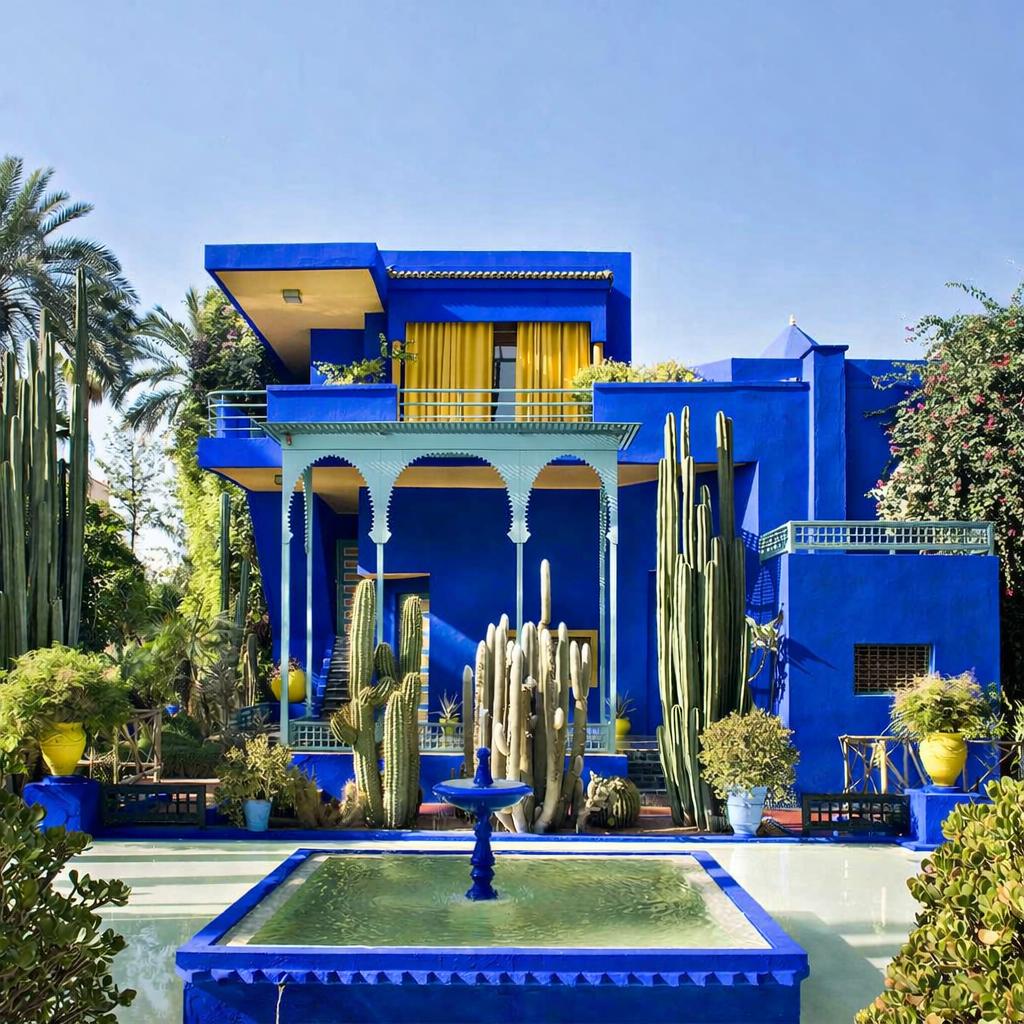
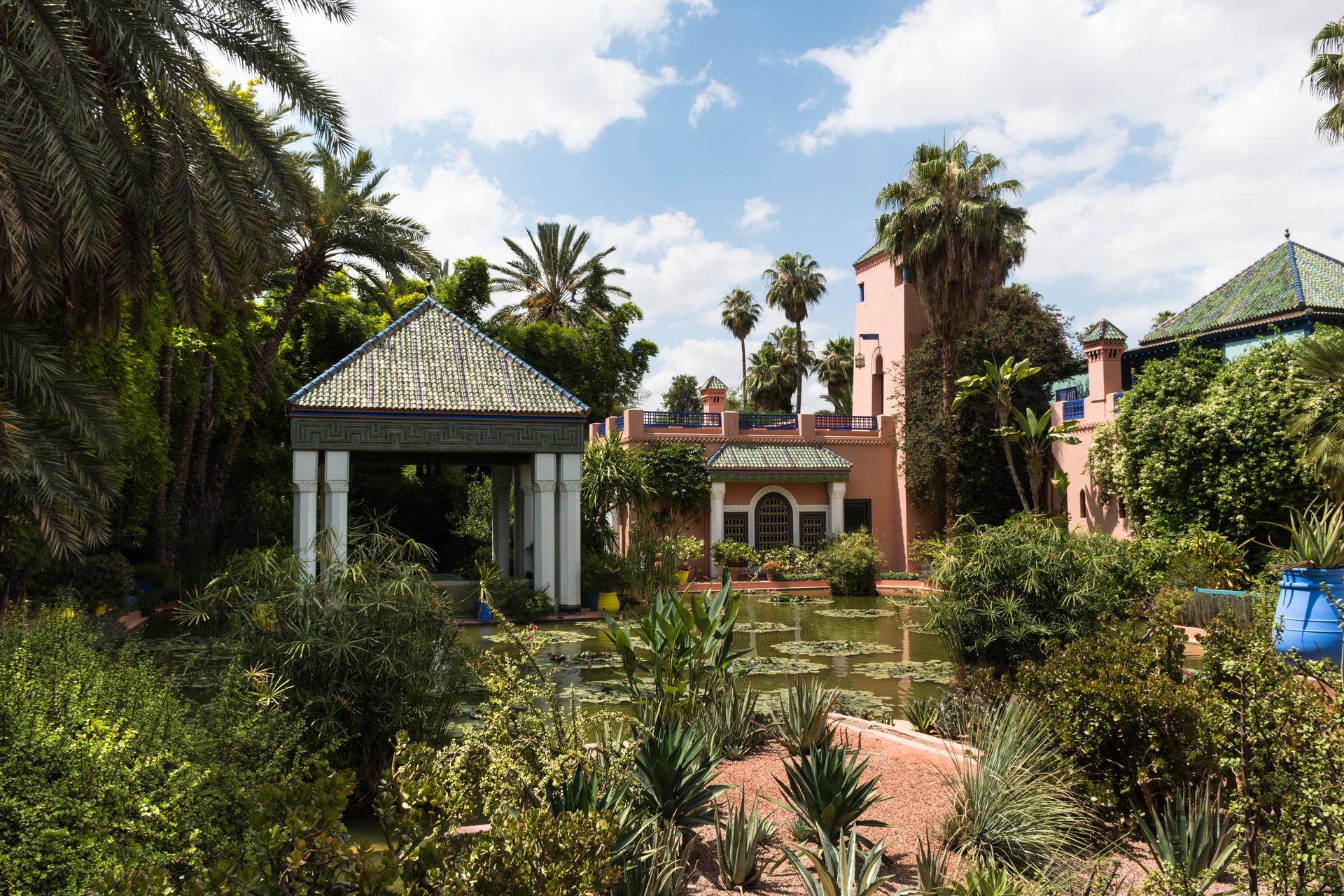
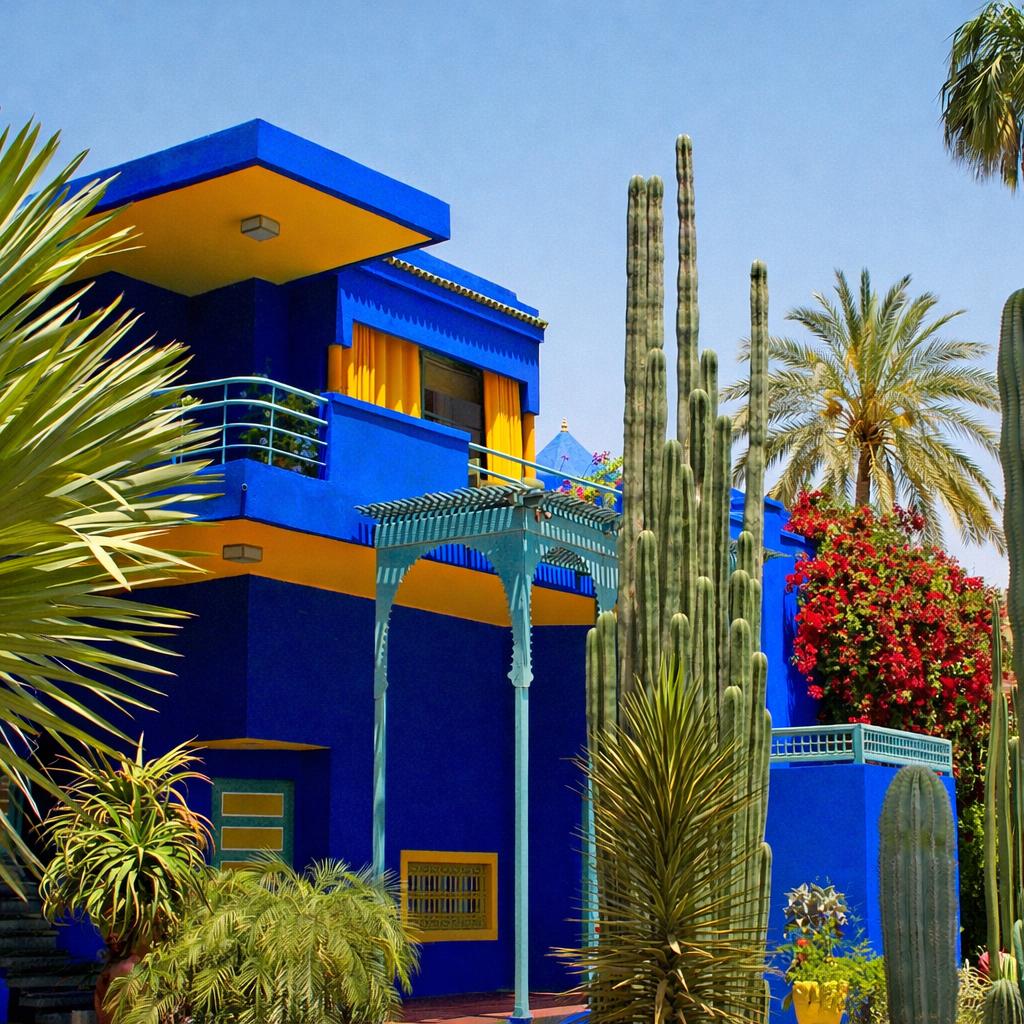
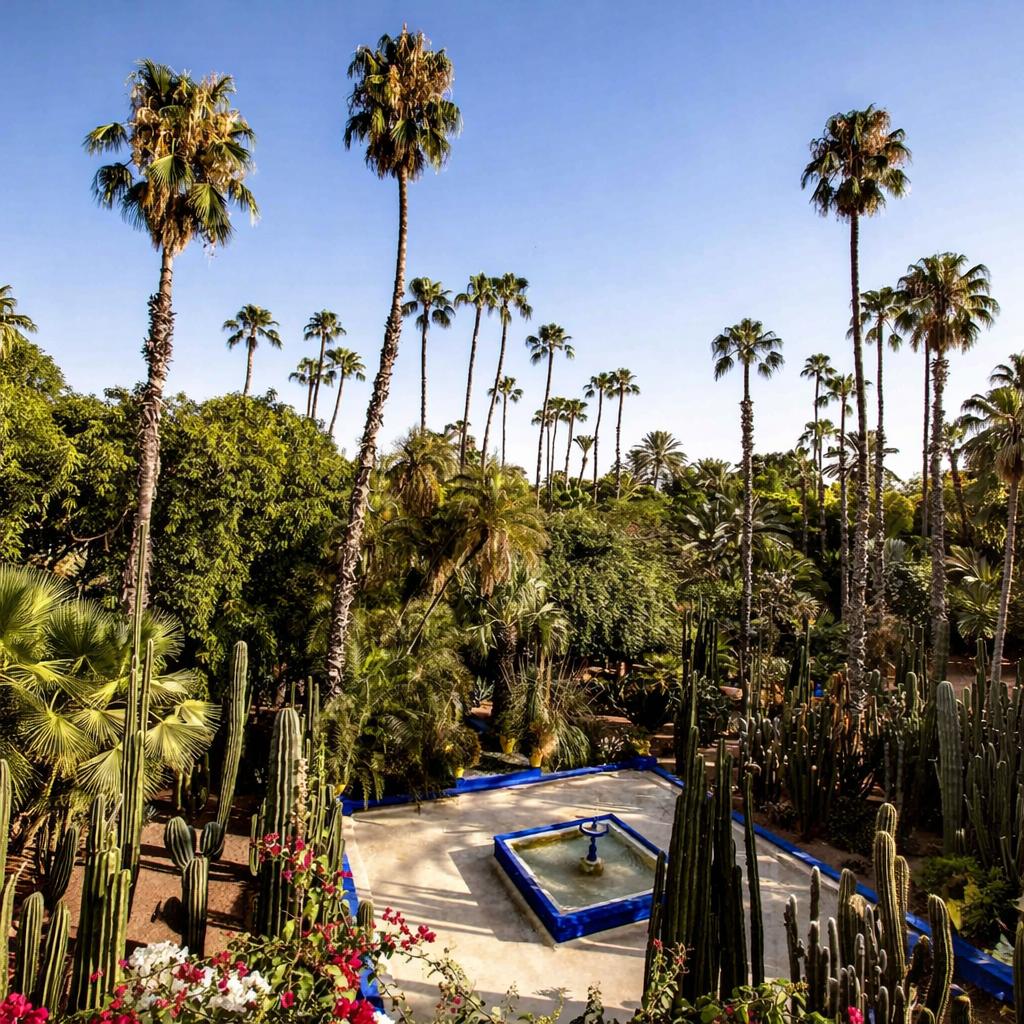
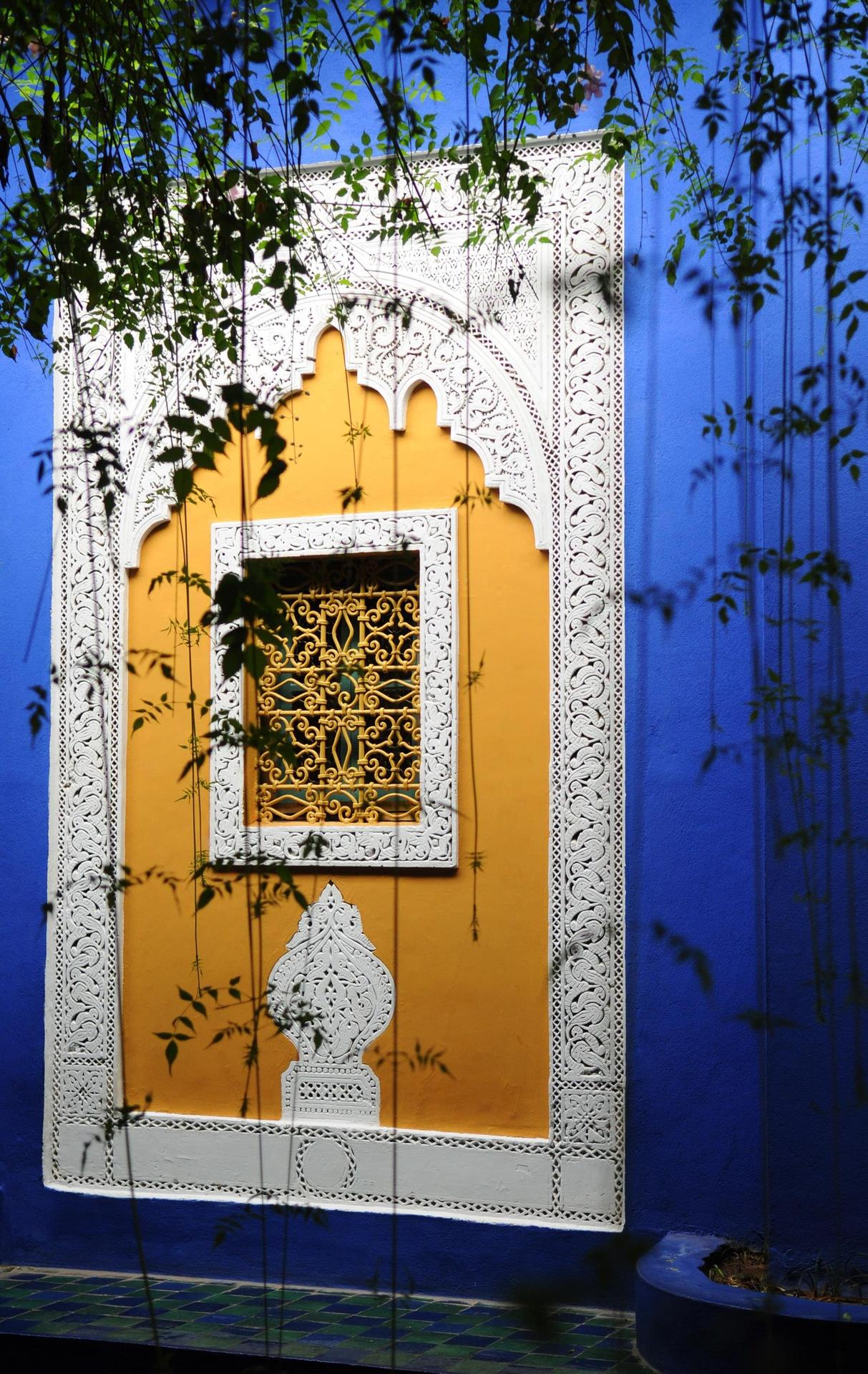
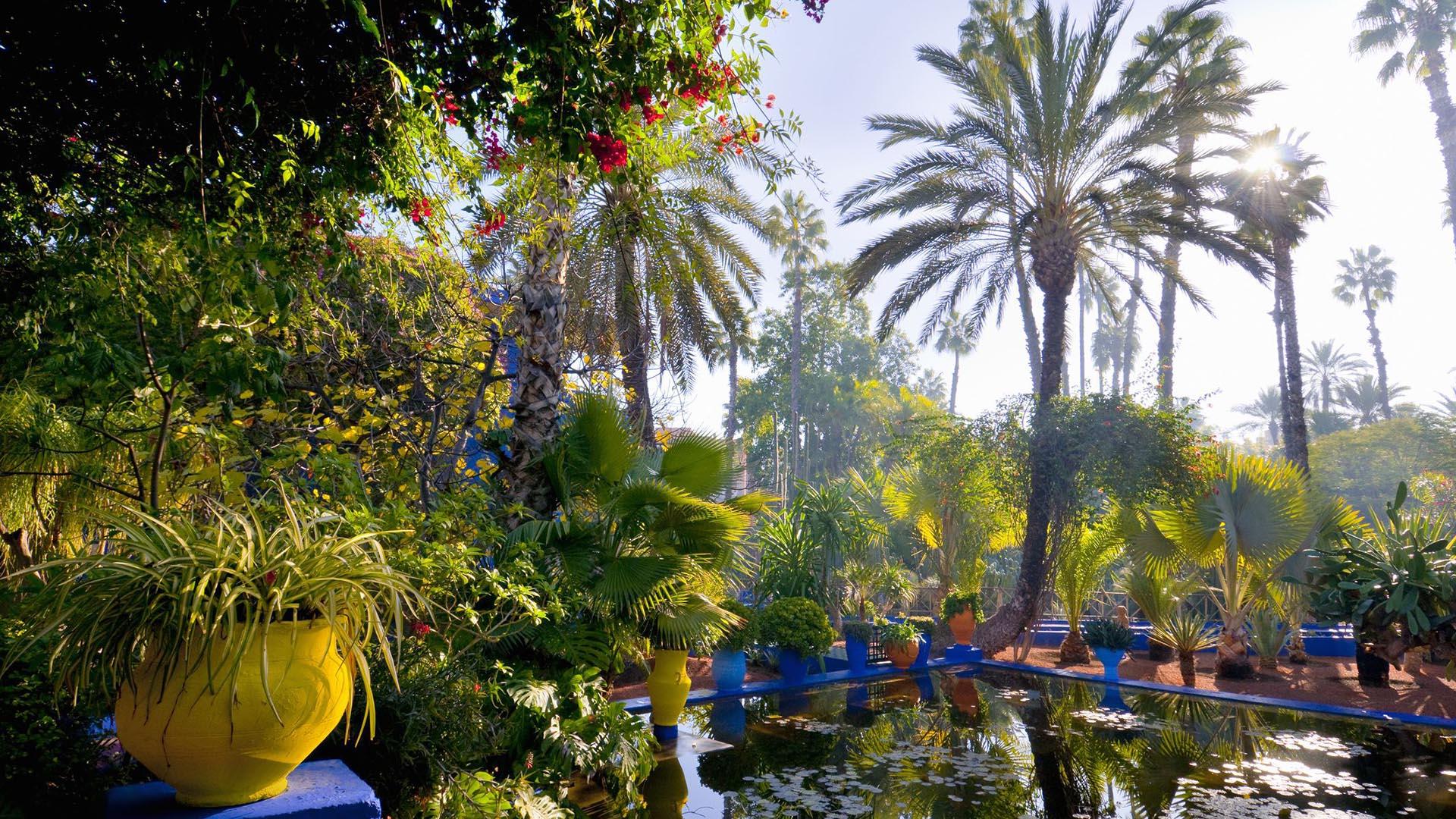
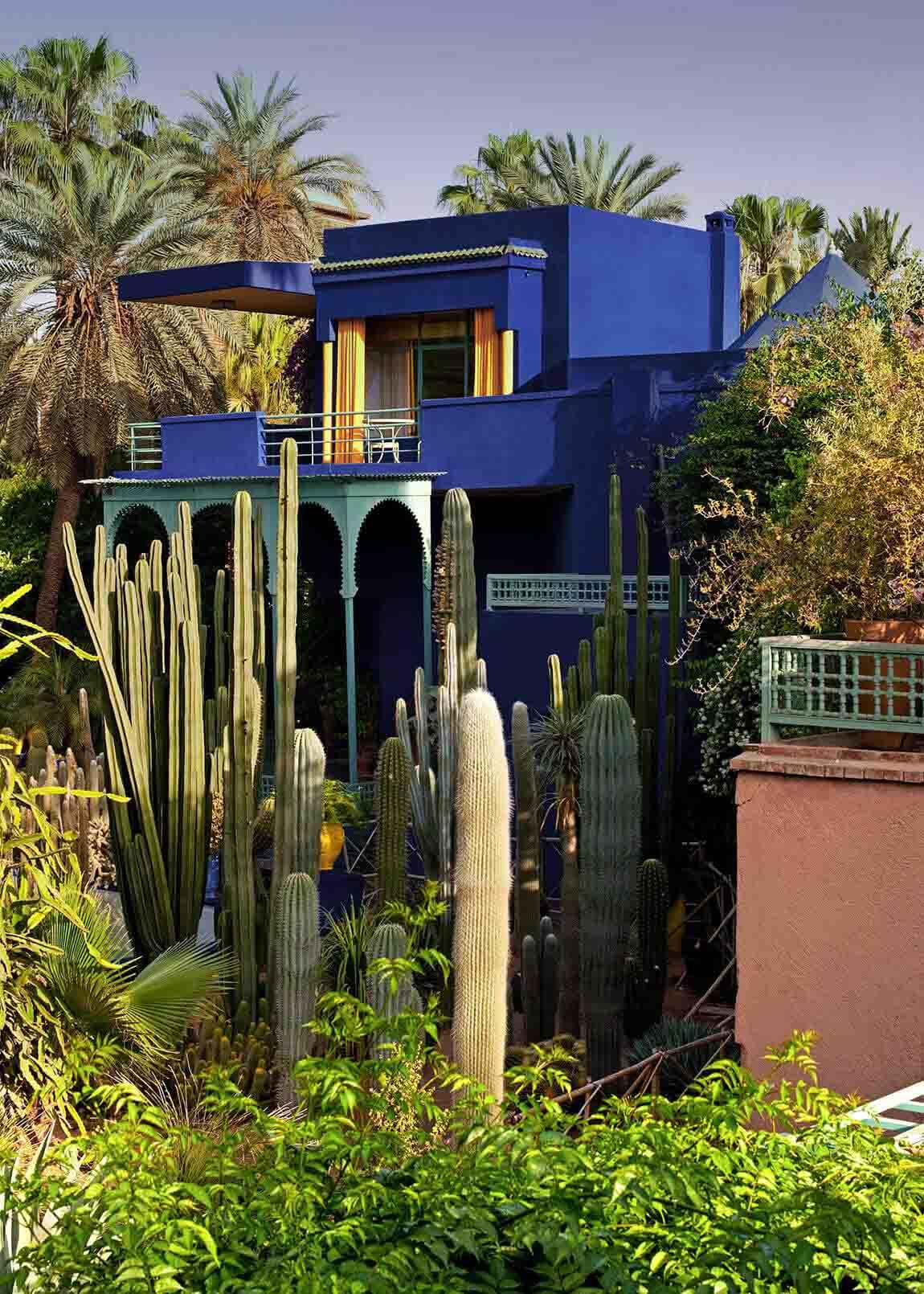
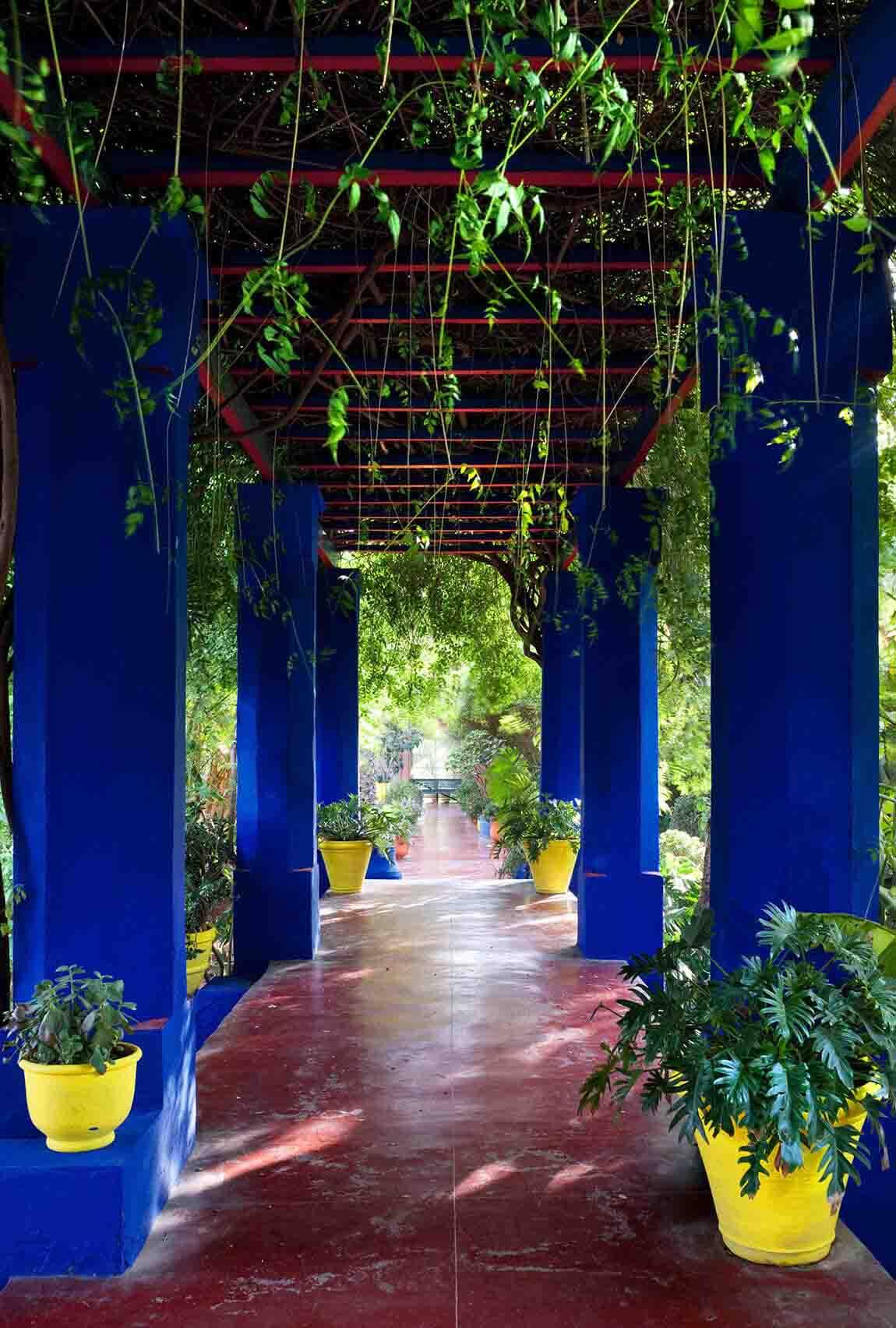
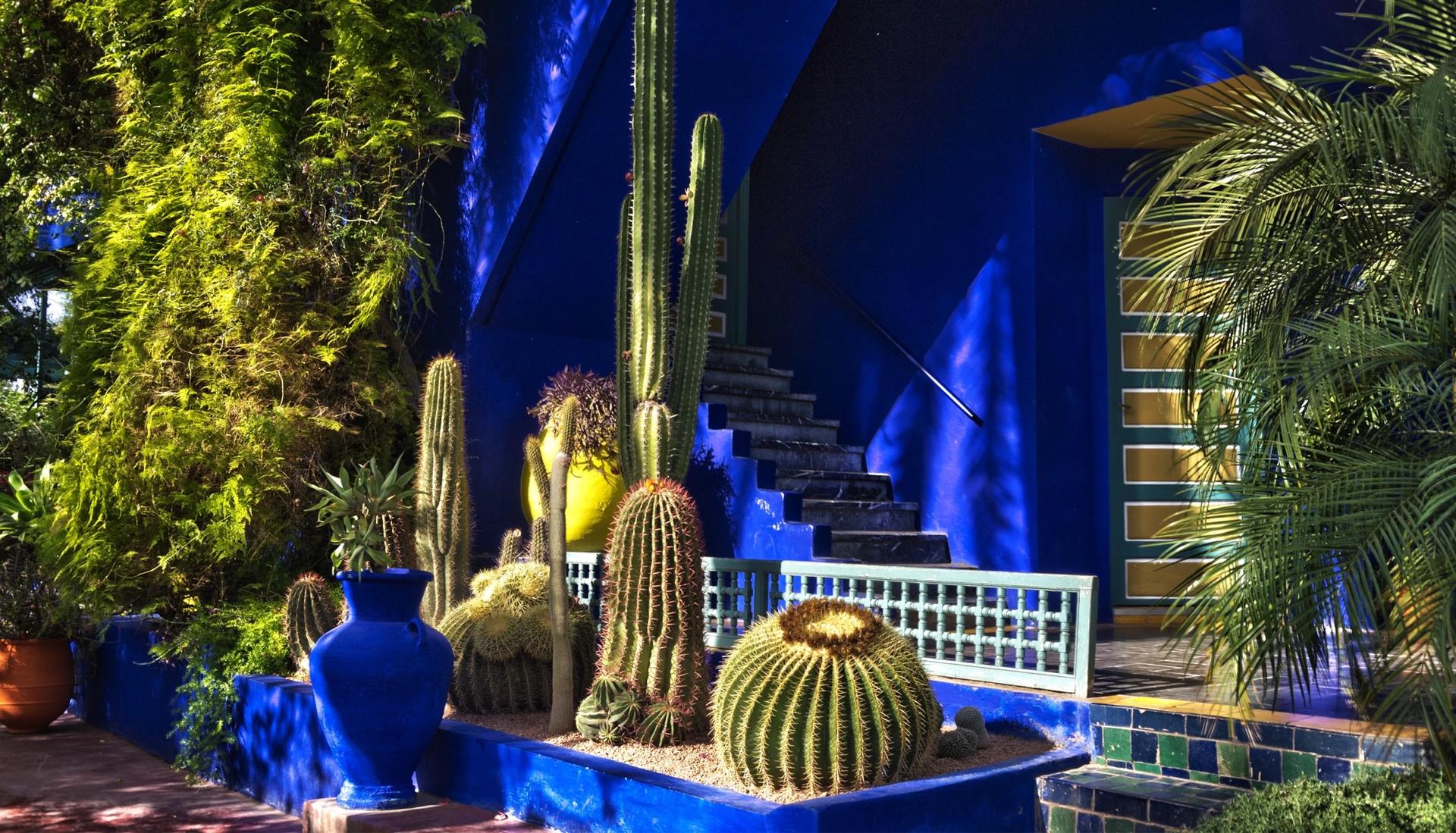
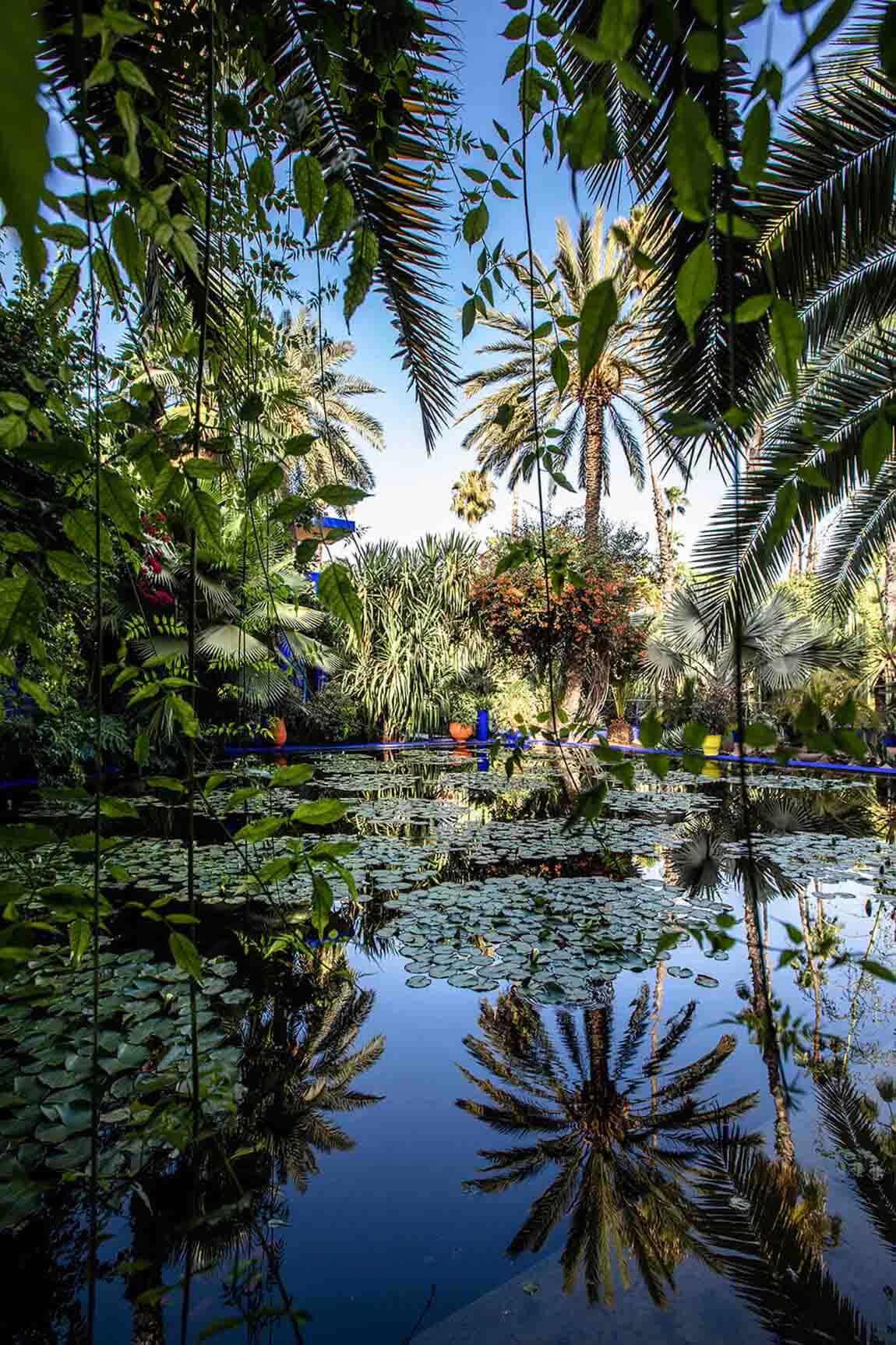
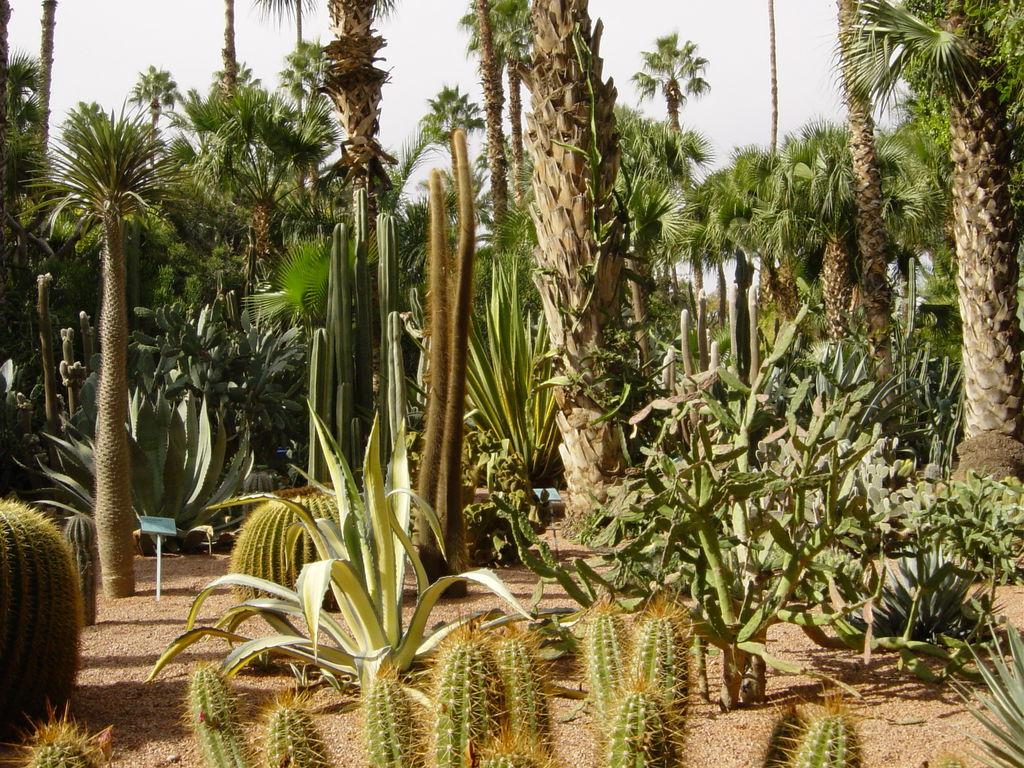
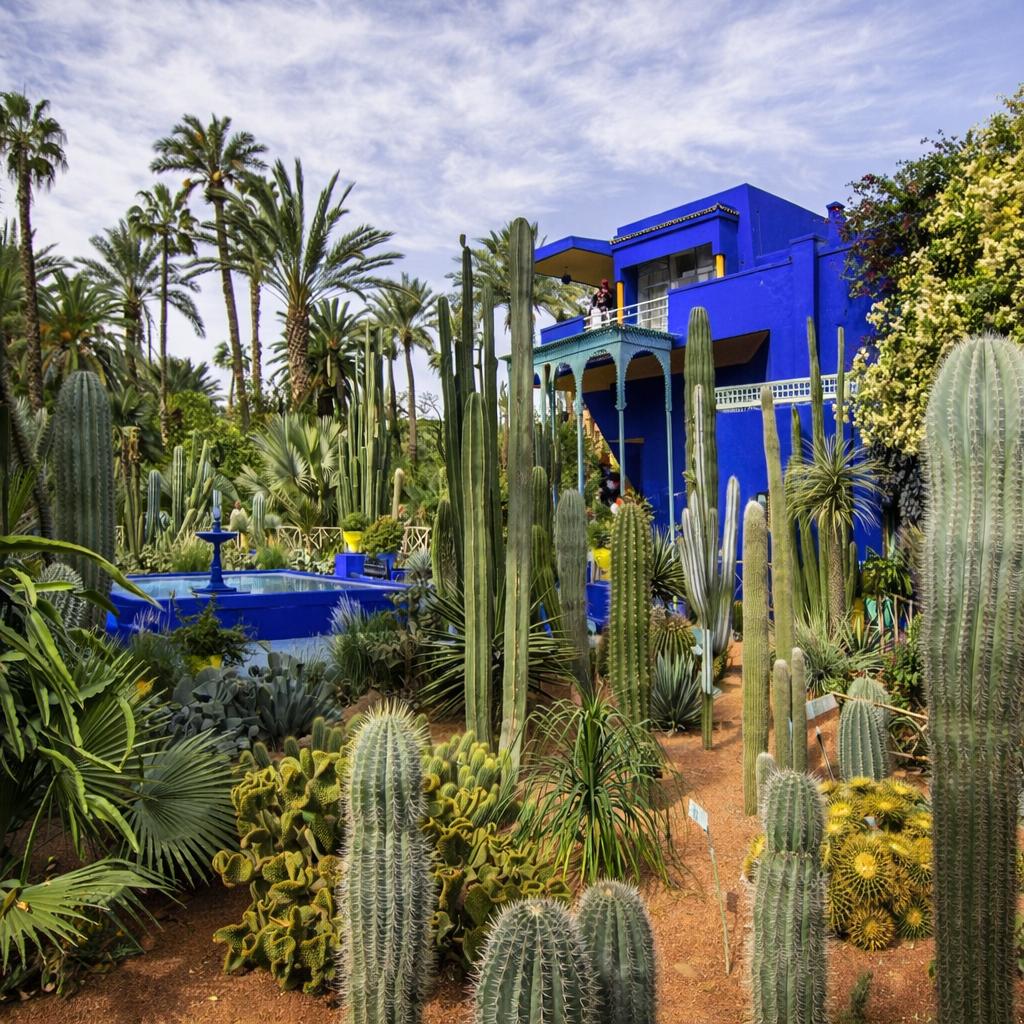
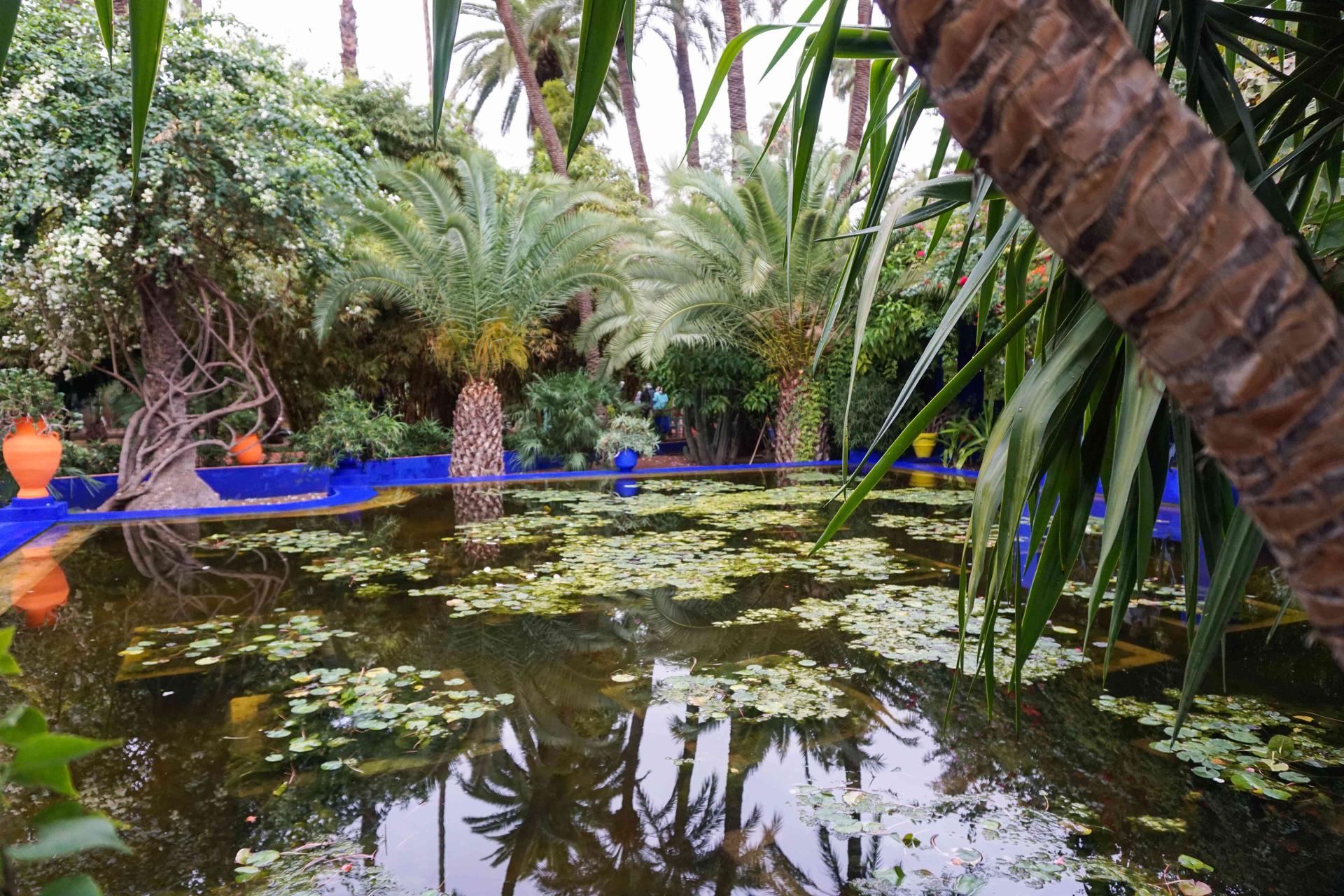
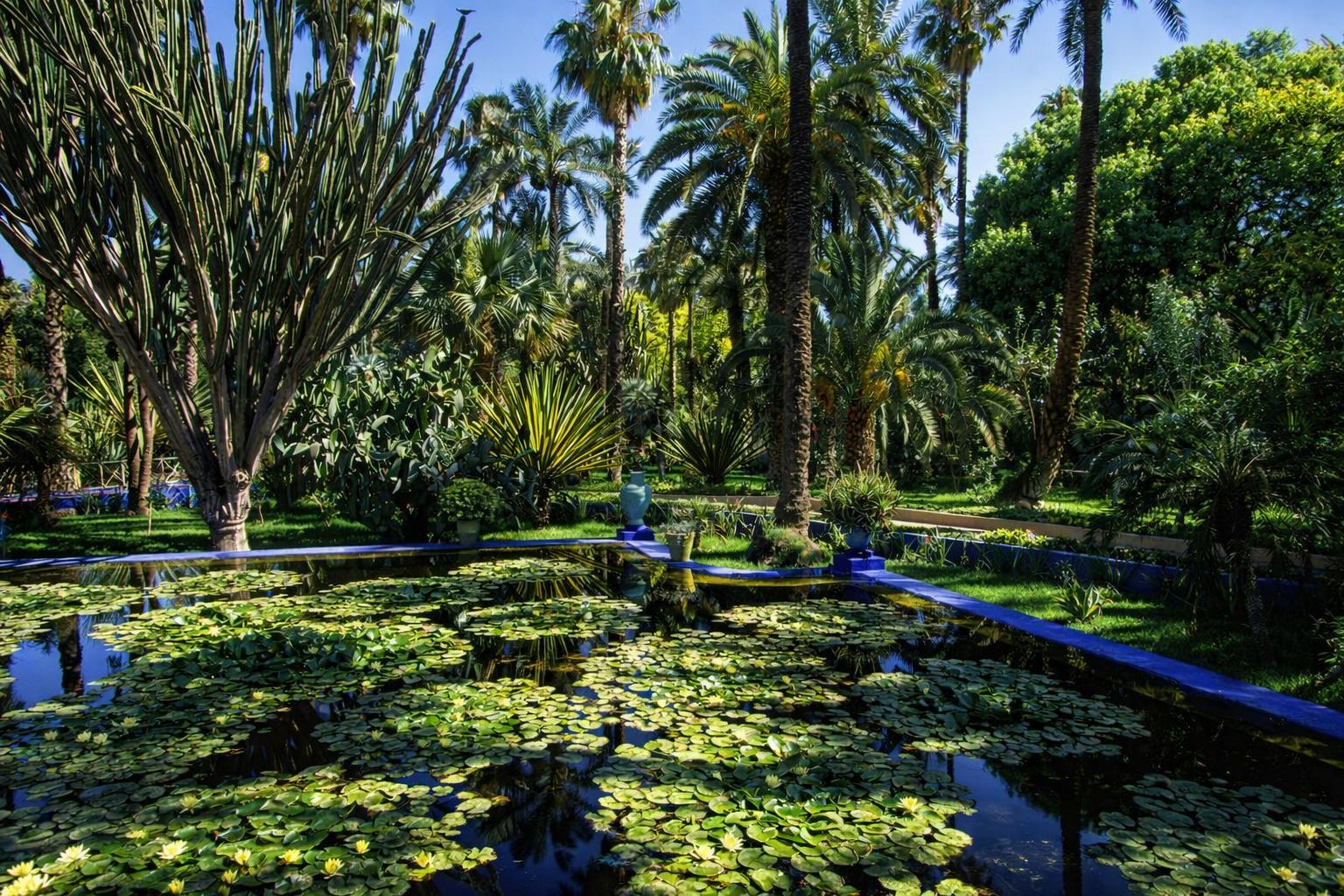
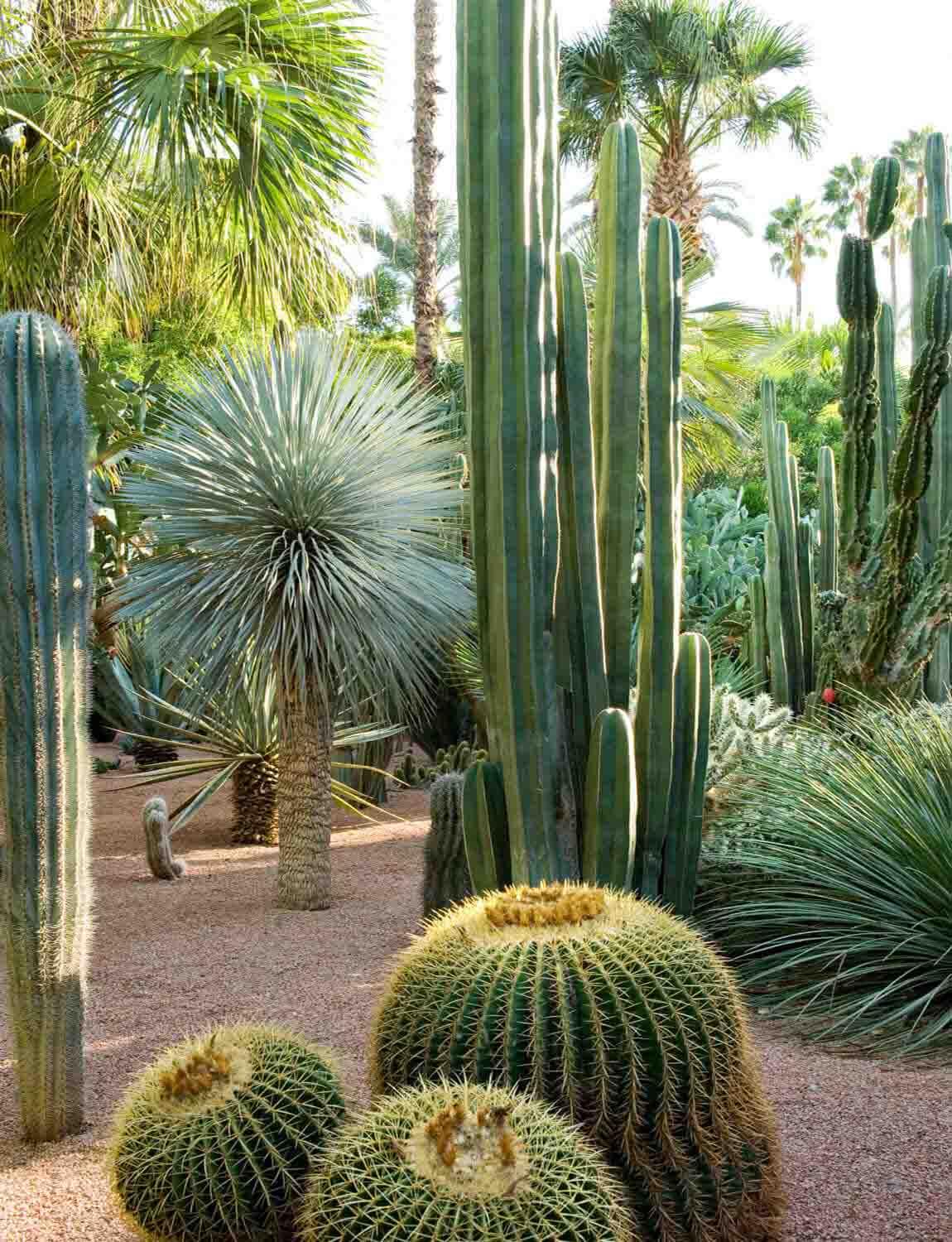
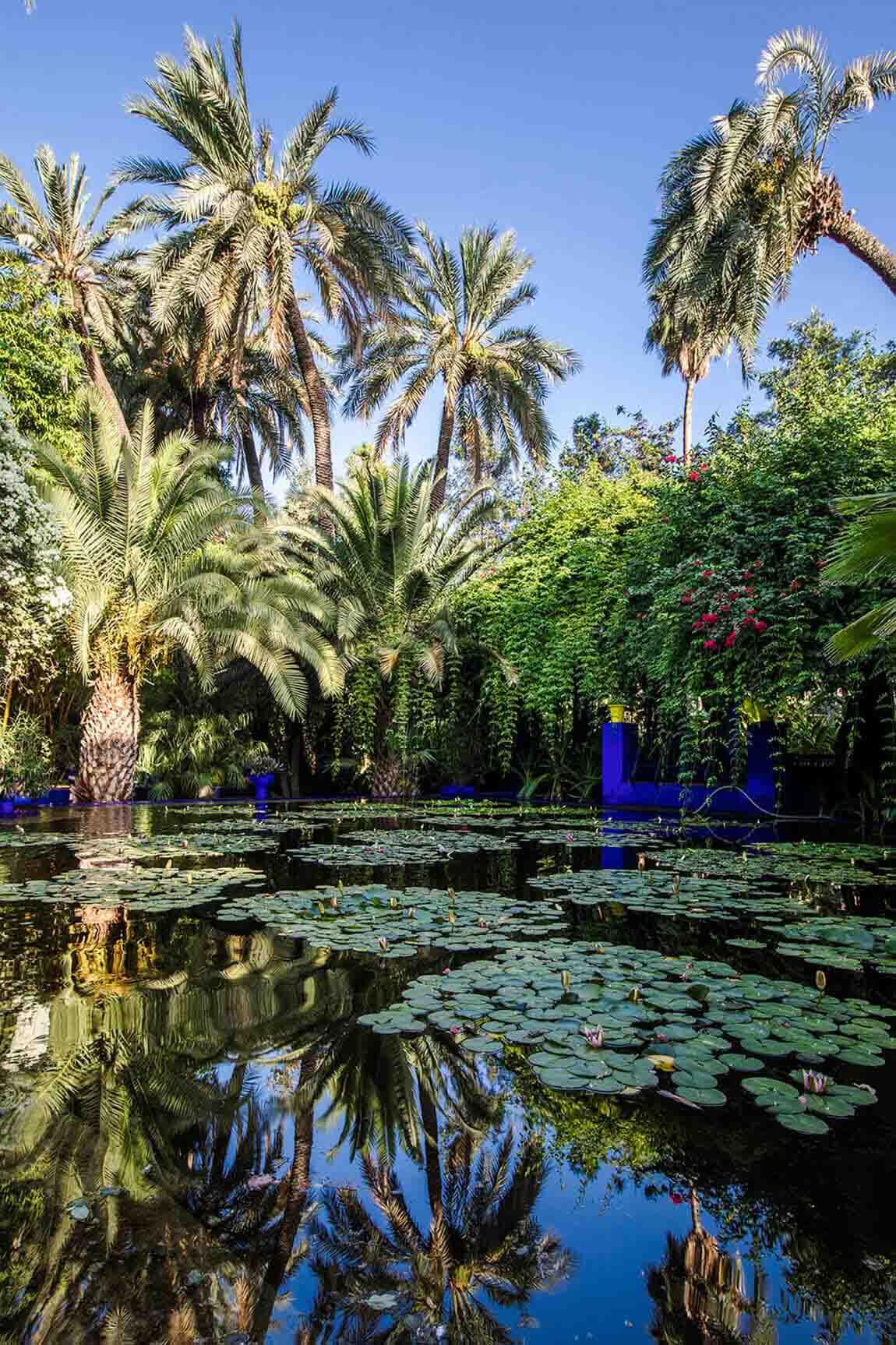
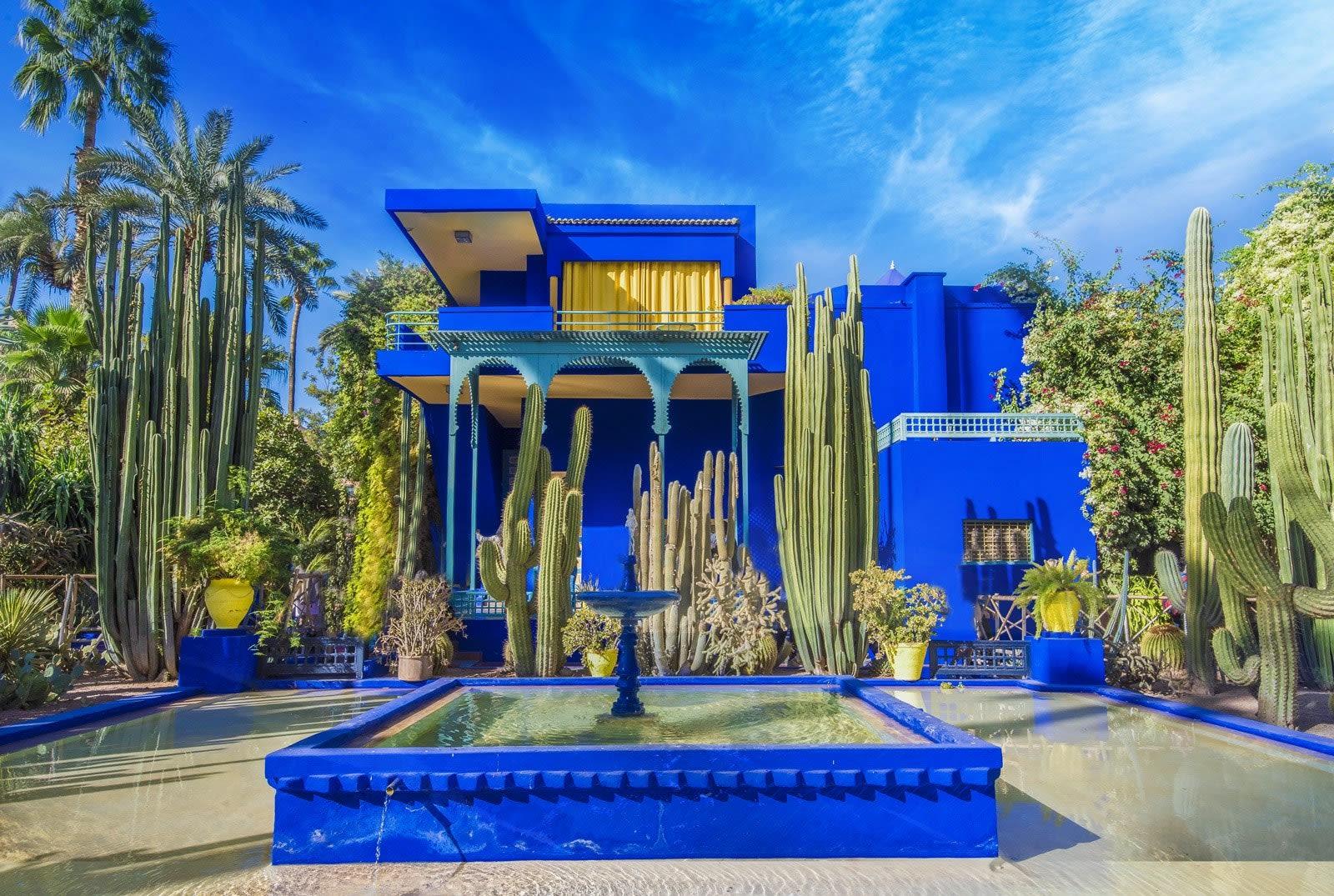
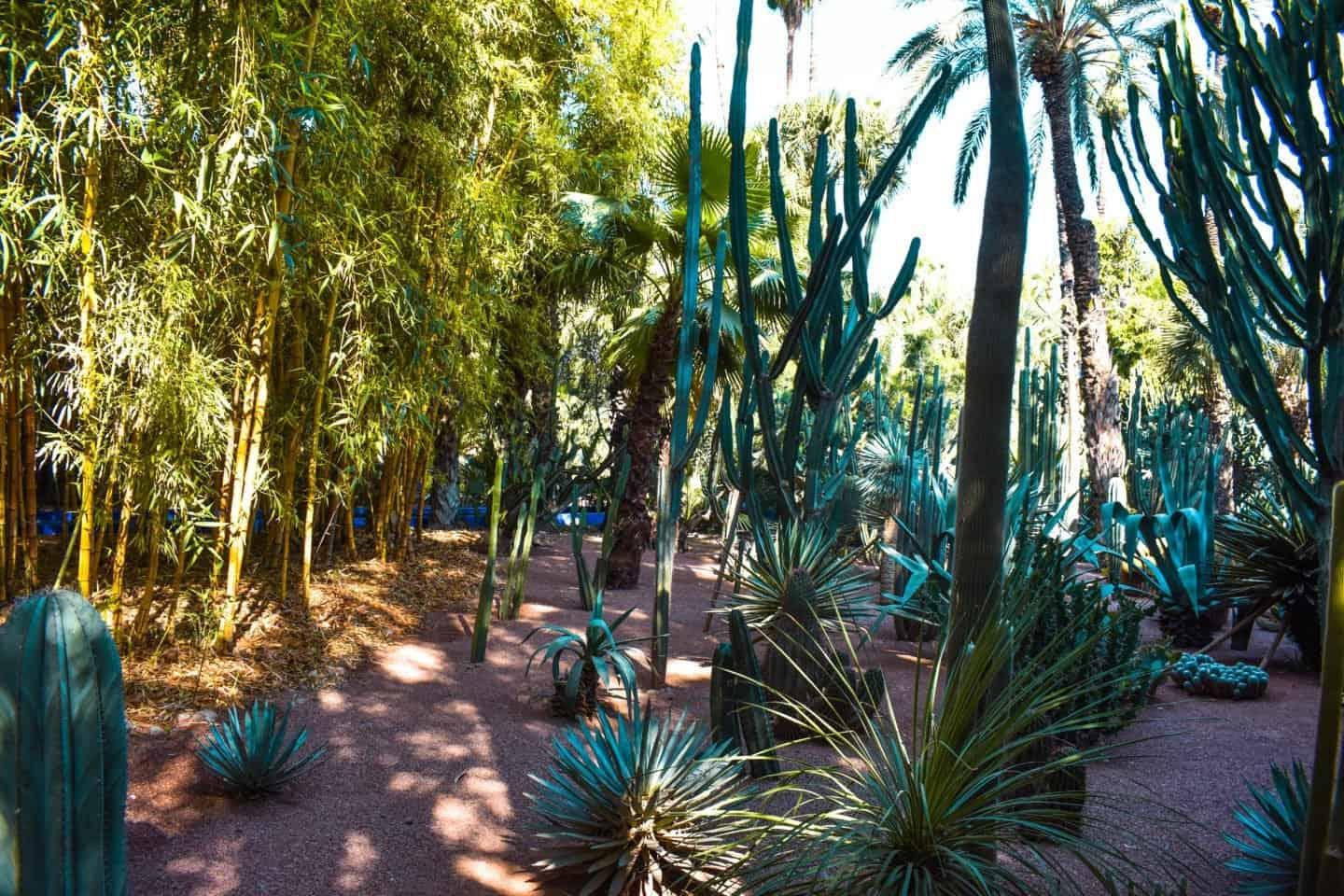
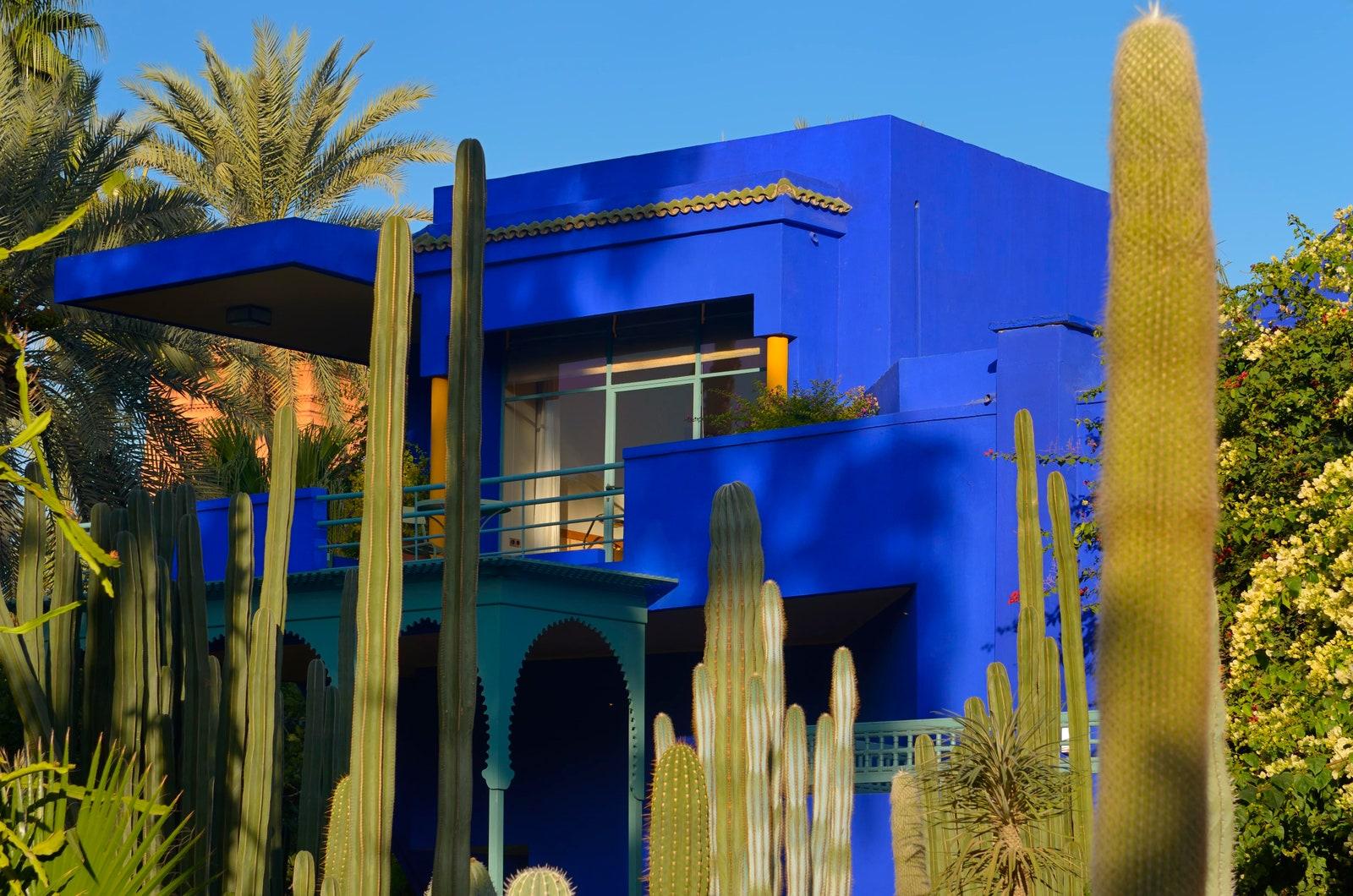
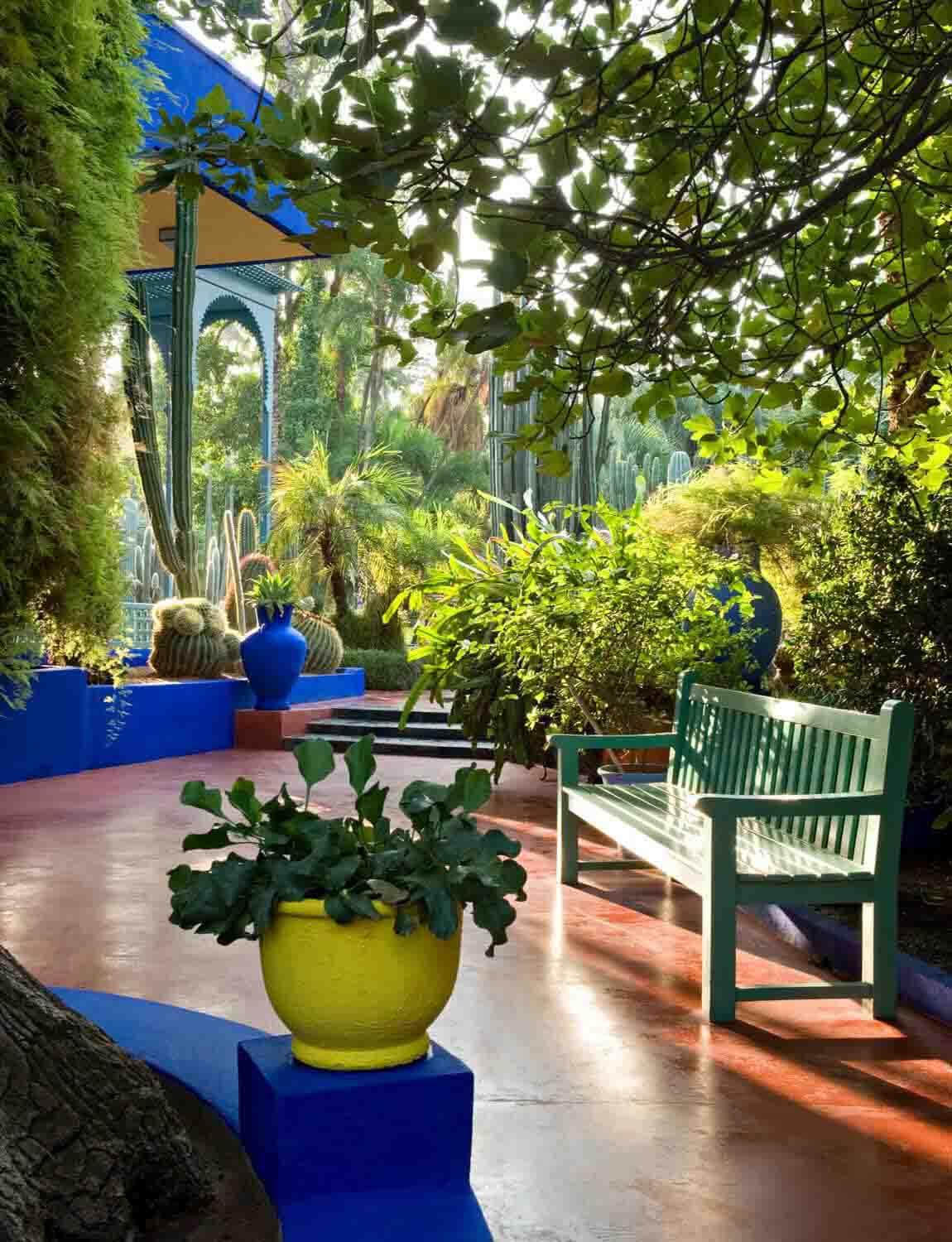
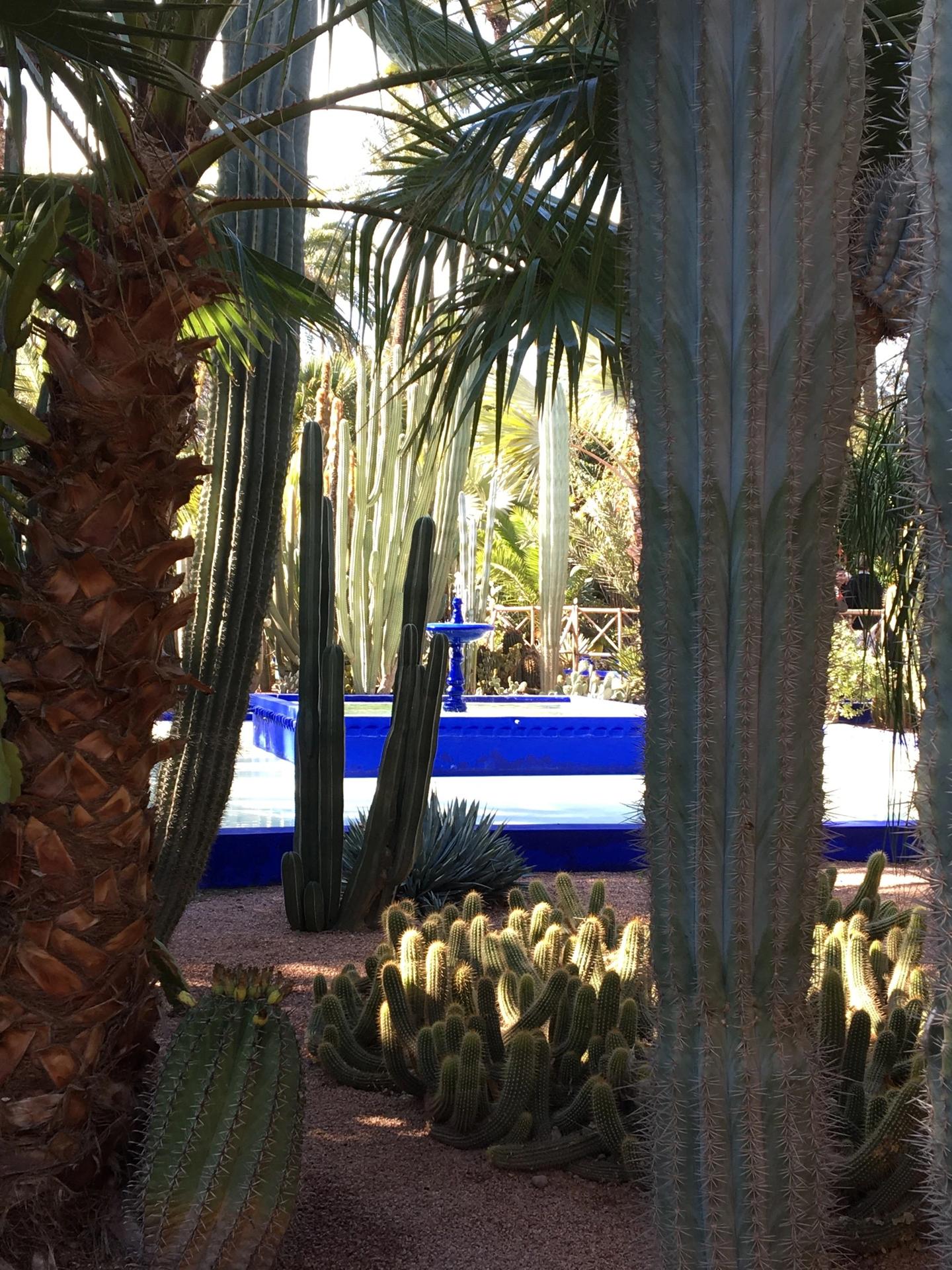
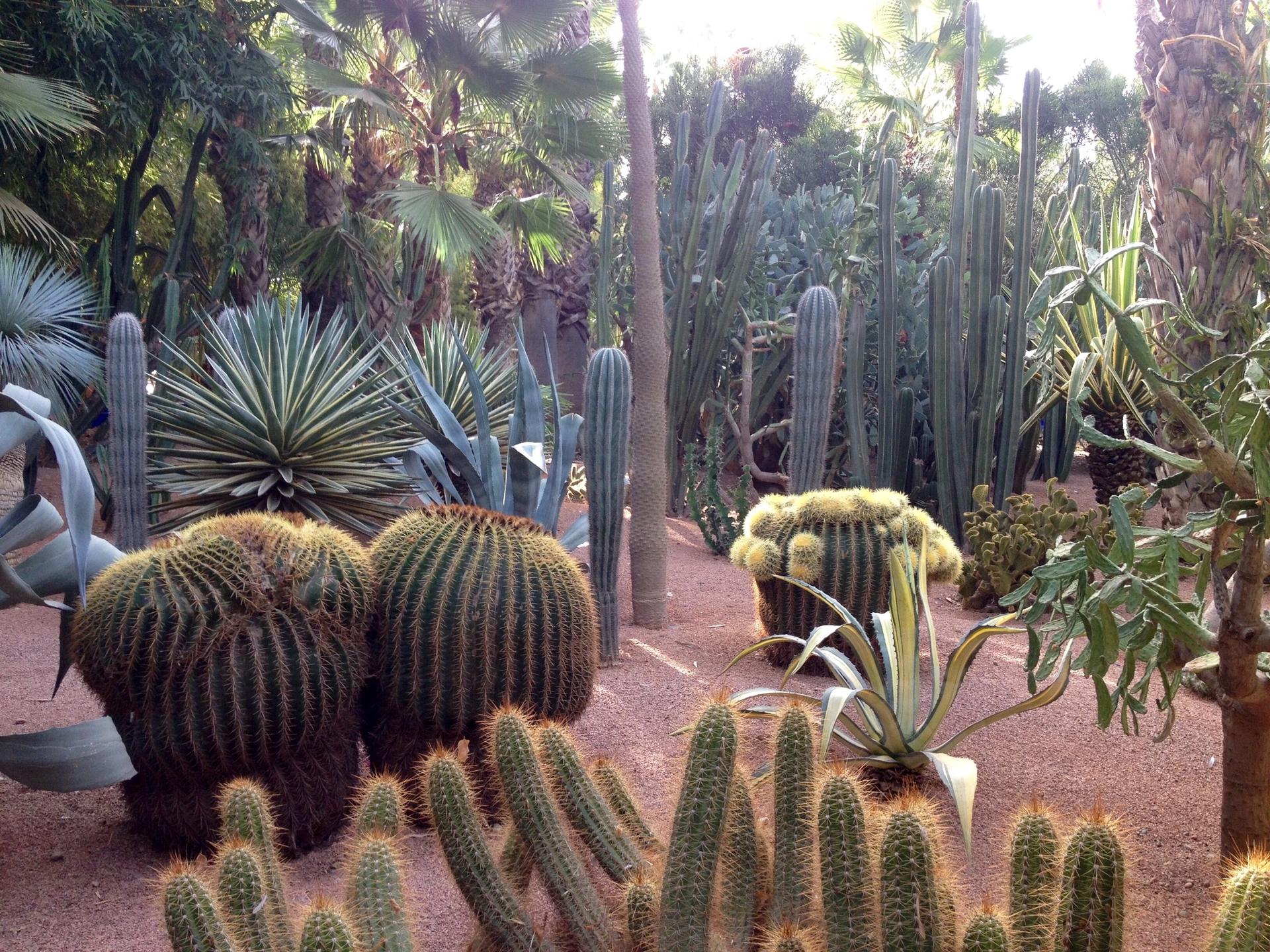
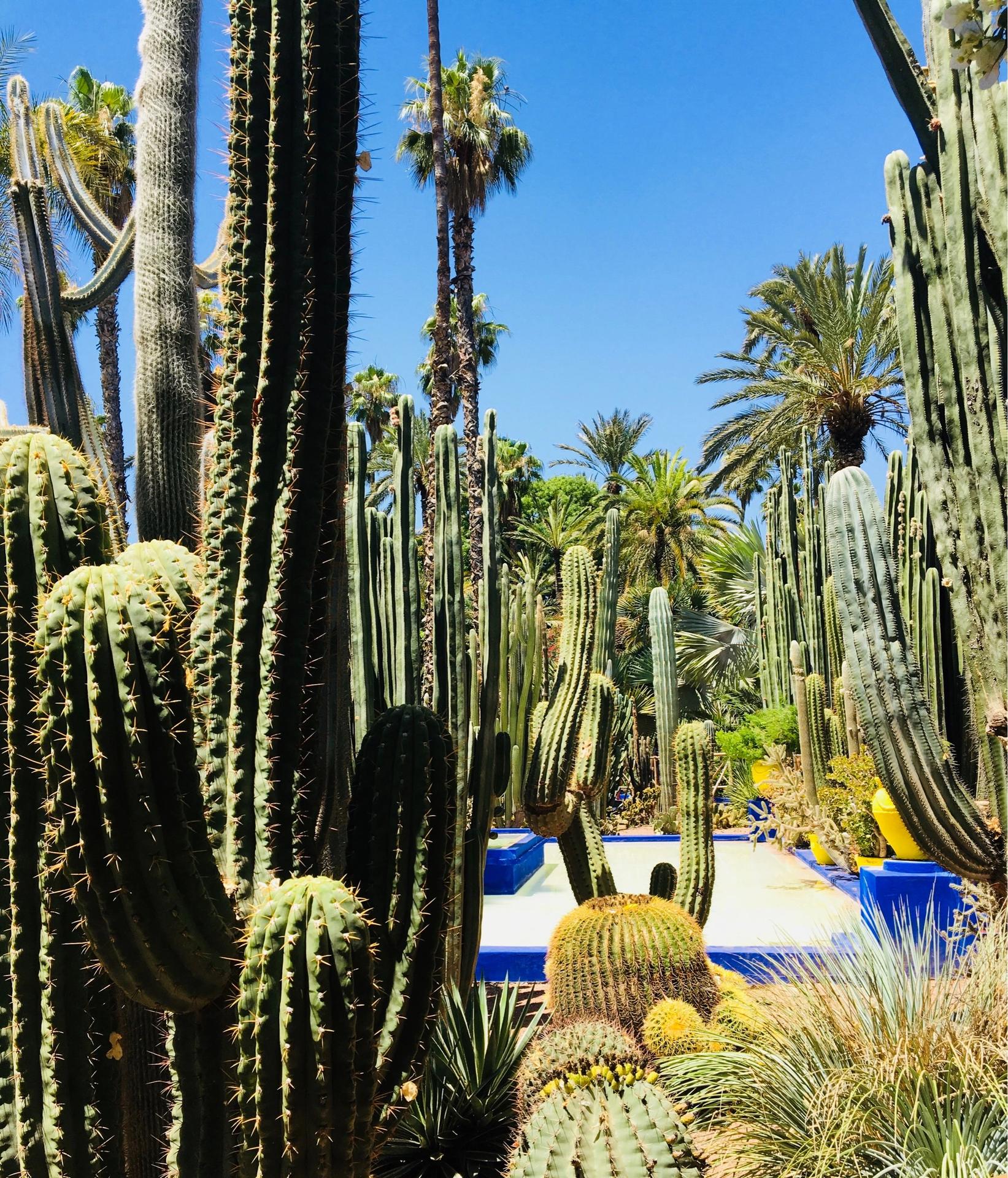
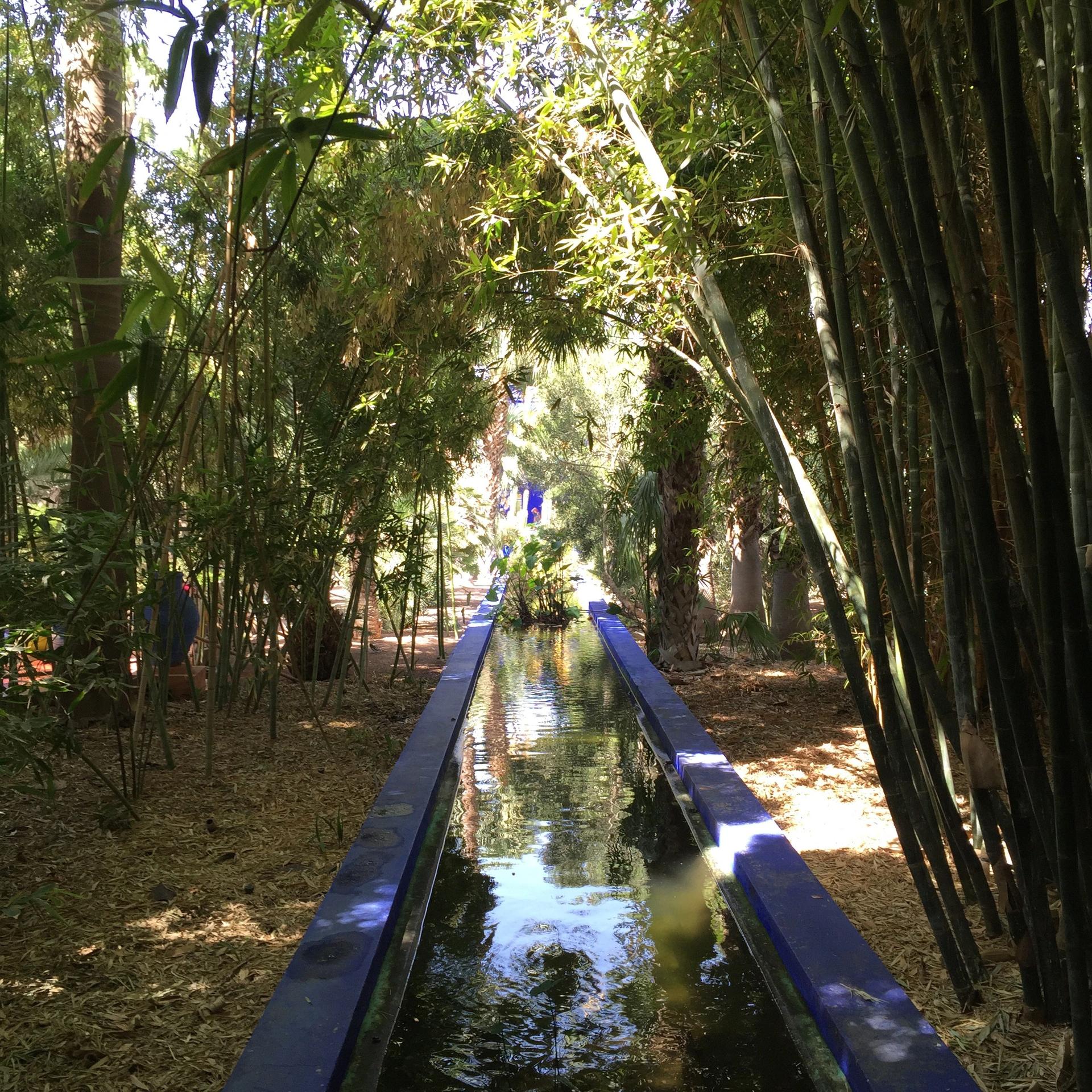
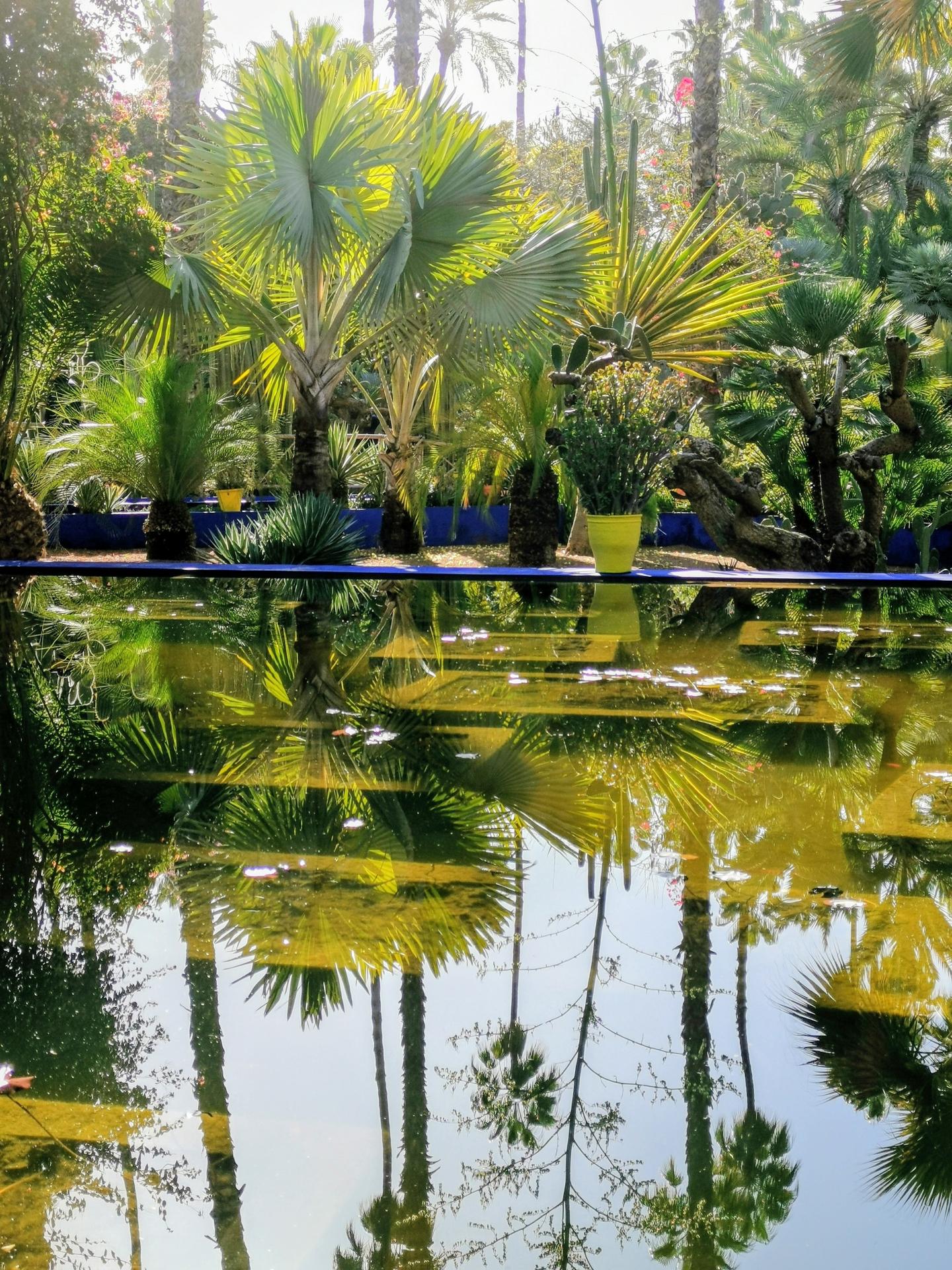
Jardin Majorelle is one of the great gardens of the twentieth century, and it began as one man's private obsession. The French painter Jacques Majorelle bought a palm grove on the edge of Gueliz in 1923, commissioned the architect Paul Sinoir to raise an Art Deco studio on it in 1931, and spent nearly forty years planting around it. In 1937 he mixed the ultramarine that now carries his name and painted the buildings with it; Majorelle blue has become one of the colours people associate with Marrakech, and he patented it. He opened the garden to the public in 1947 to help pay for its upkeep. After his death in 1962 it fell into neglect, and in 1980 Yves Saint Laurent and his partner Pierre Bergé bought it to save it from developers. The planting is as considered as the colour: bamboo thickets that hold the sound, water lily pools fed by a constant murmur, low cactus leading the eye to taller specimens behind, bougainvillea over pergolas, rare palms from across the tropics. The paths are narrow enough to feel like discovery and wide enough for the numbers the garden now draws. Early in the morning, before the light goes flat, cobalt and vegetation do something photographs struggle to hold. The studio houses the Berber Museum, with a collection of Amazigh jewellery, weapons, textiles and carpets; the Yves Saint Laurent Museum stands just outside the garden walls, and a good bookshop sits by the entrance. Saint Laurent's ashes were scattered here after his death in 2008, and a memorial to him stands among the planting.