El Badi Palace
Ksibat Nhass, Marrakech 40000
Neighborhood
Medina
Type of Attraction
Monuments & Landmarks
Overview
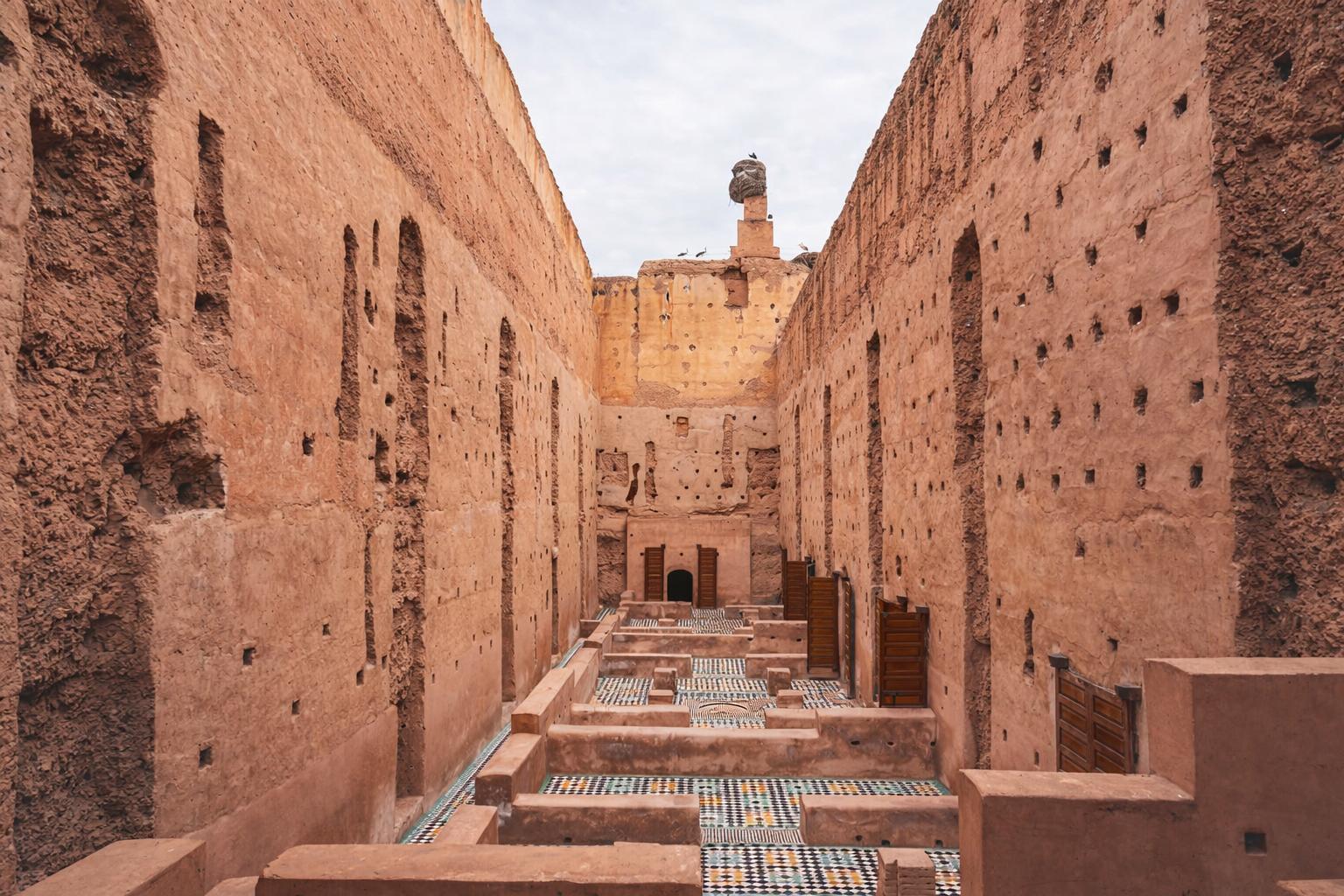
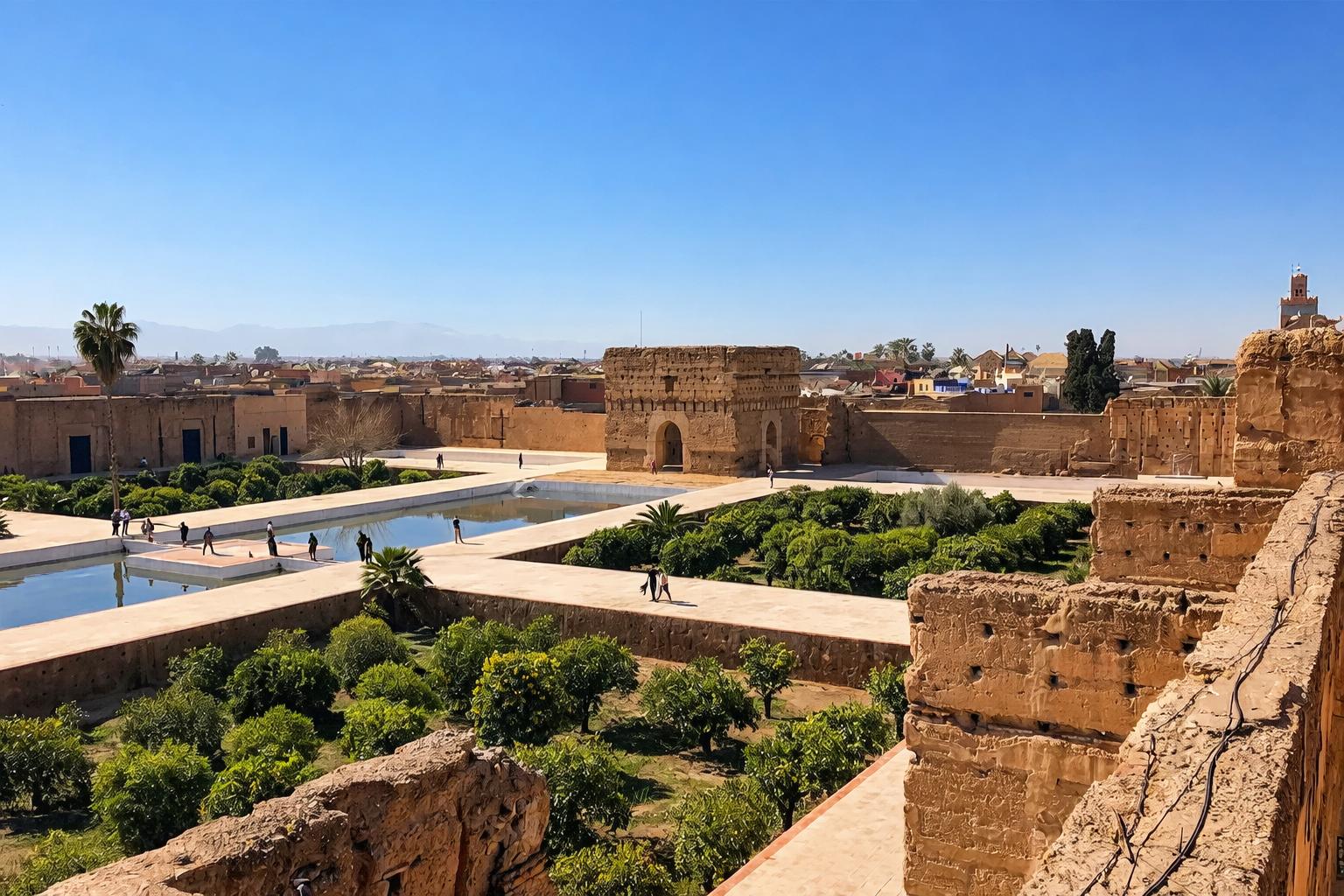
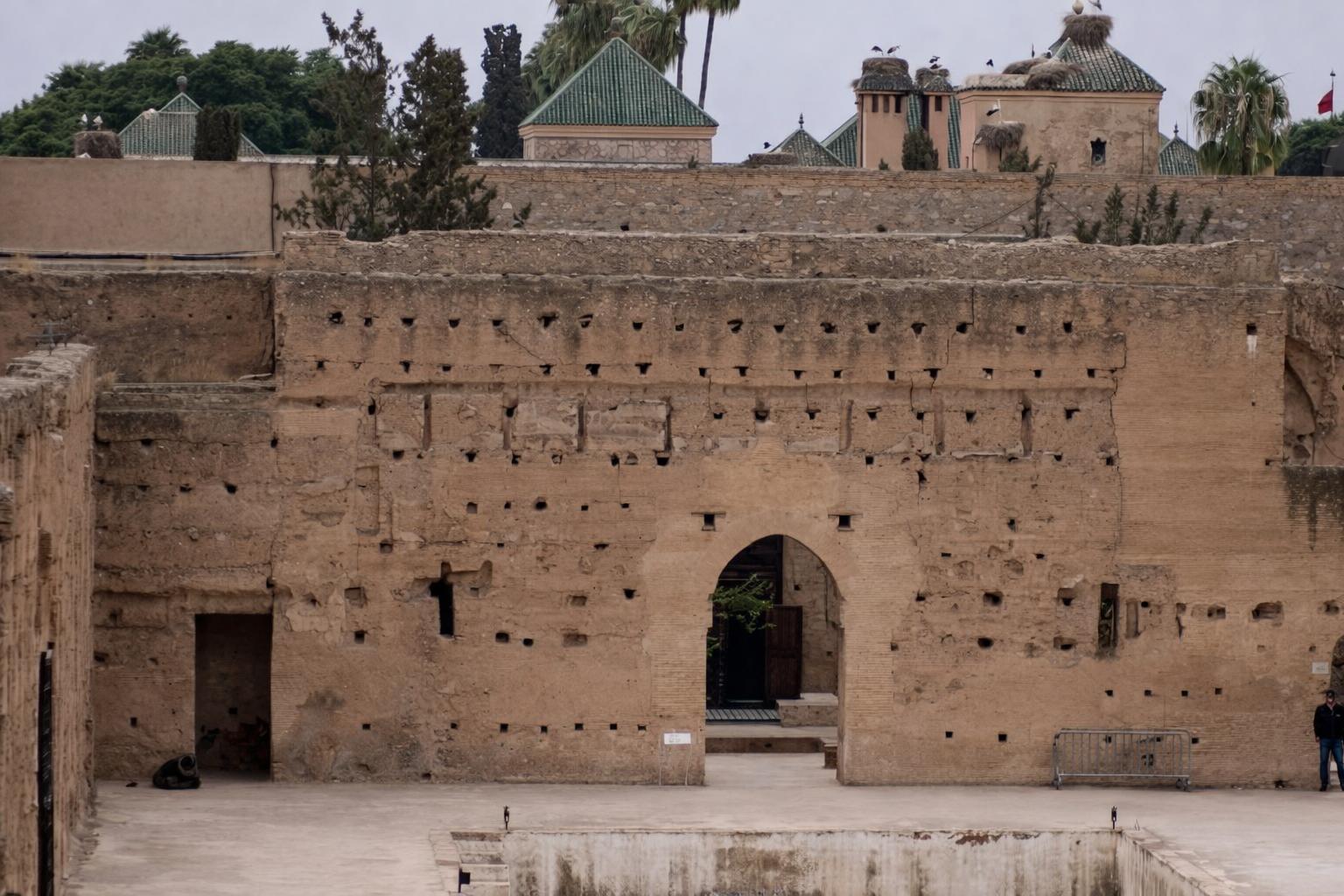
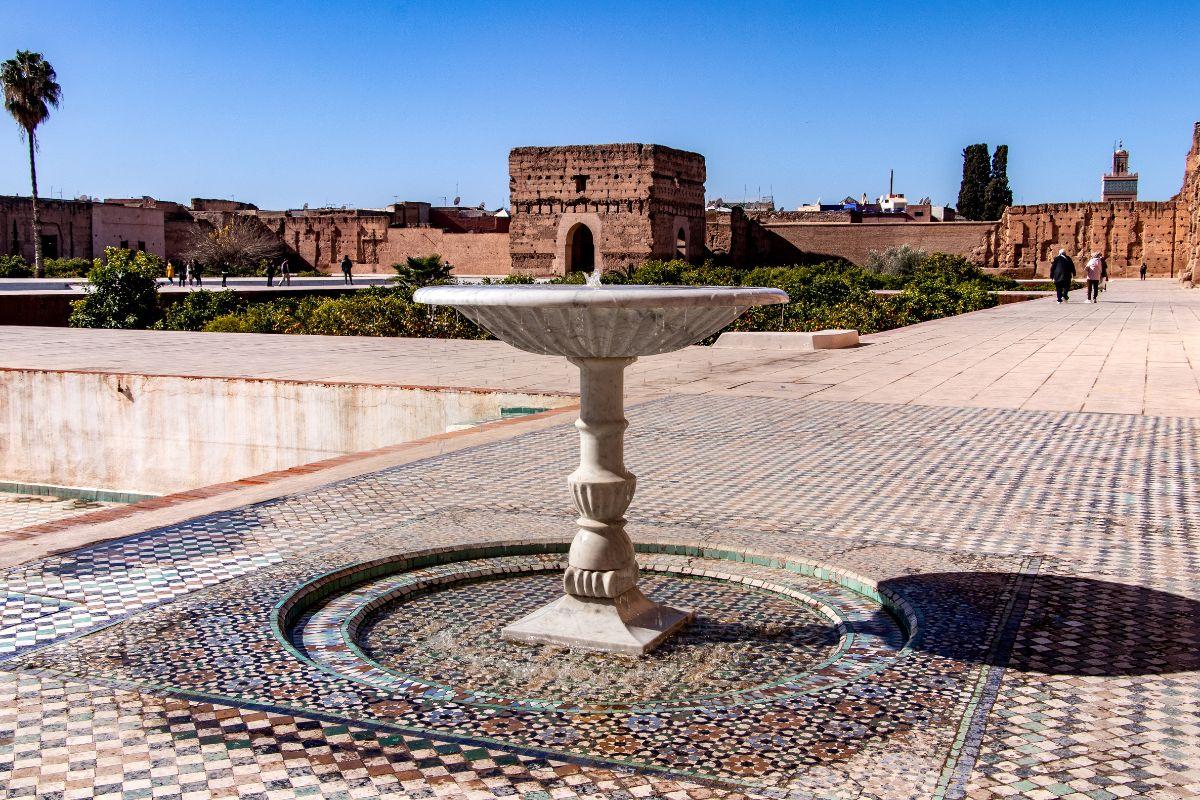
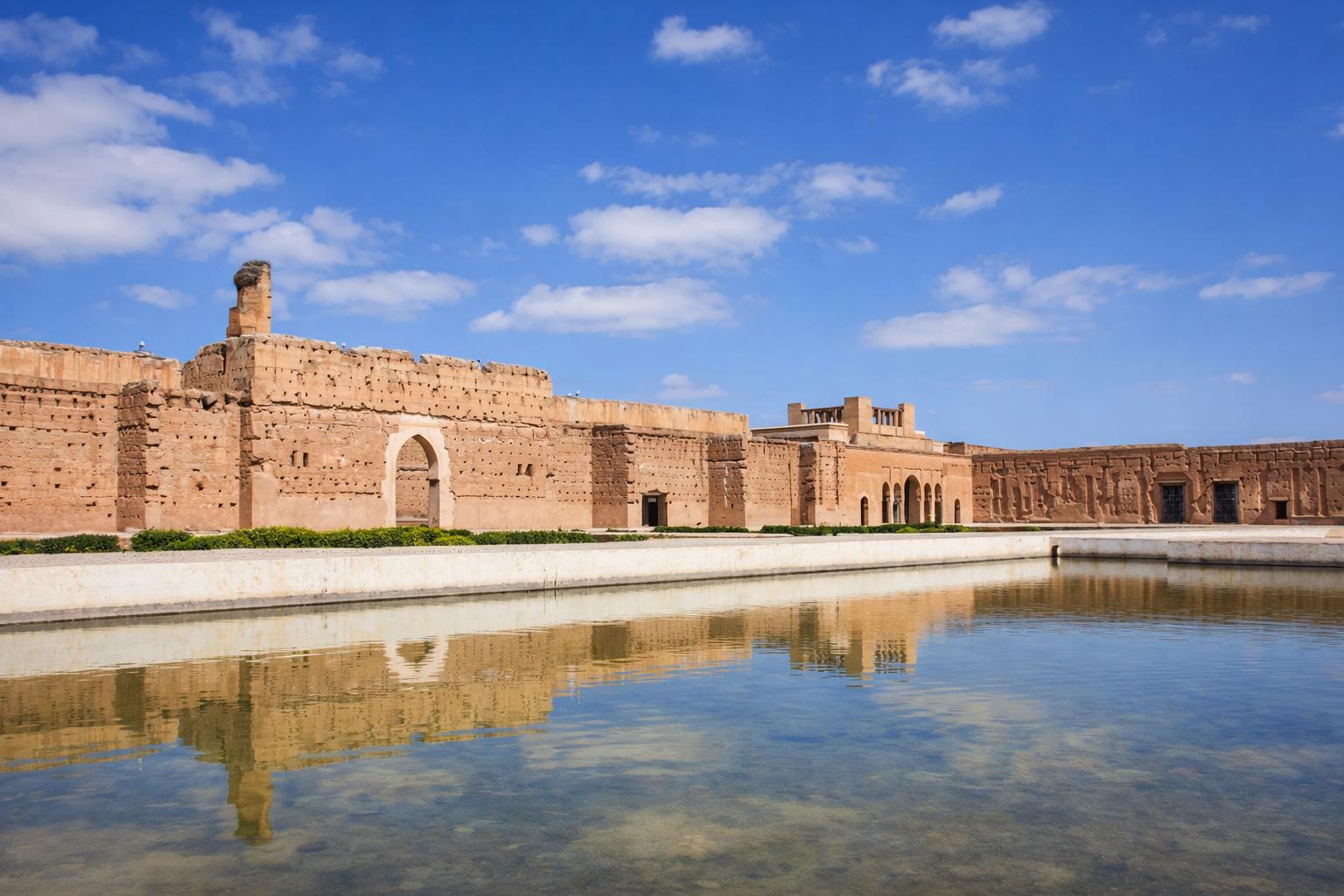
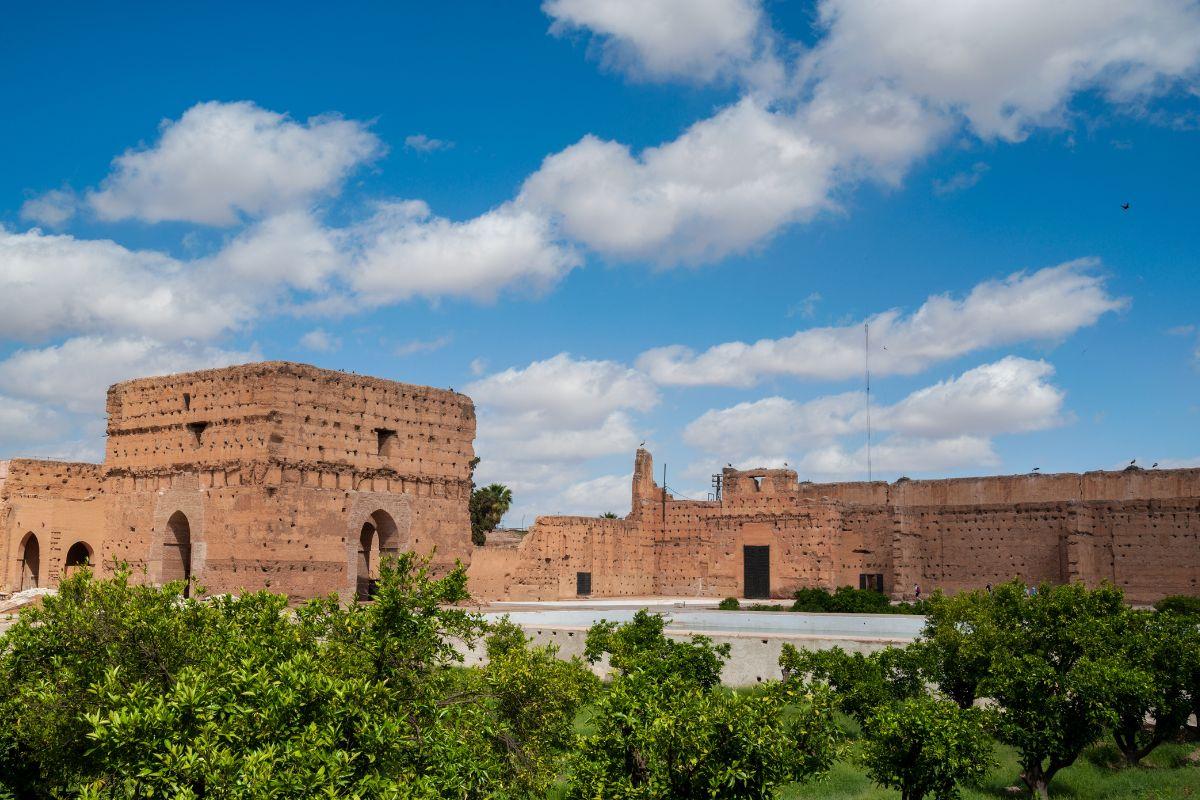
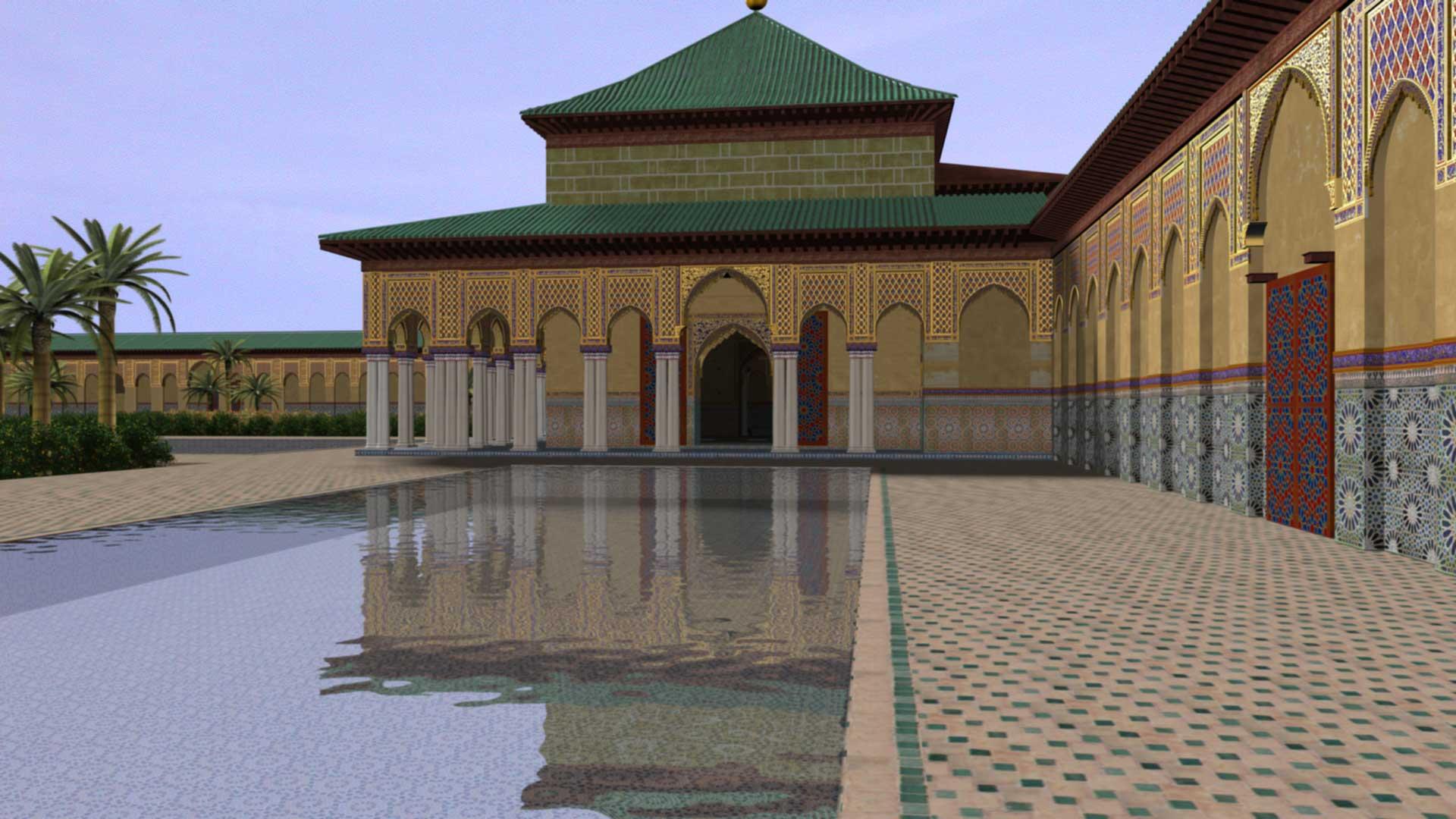
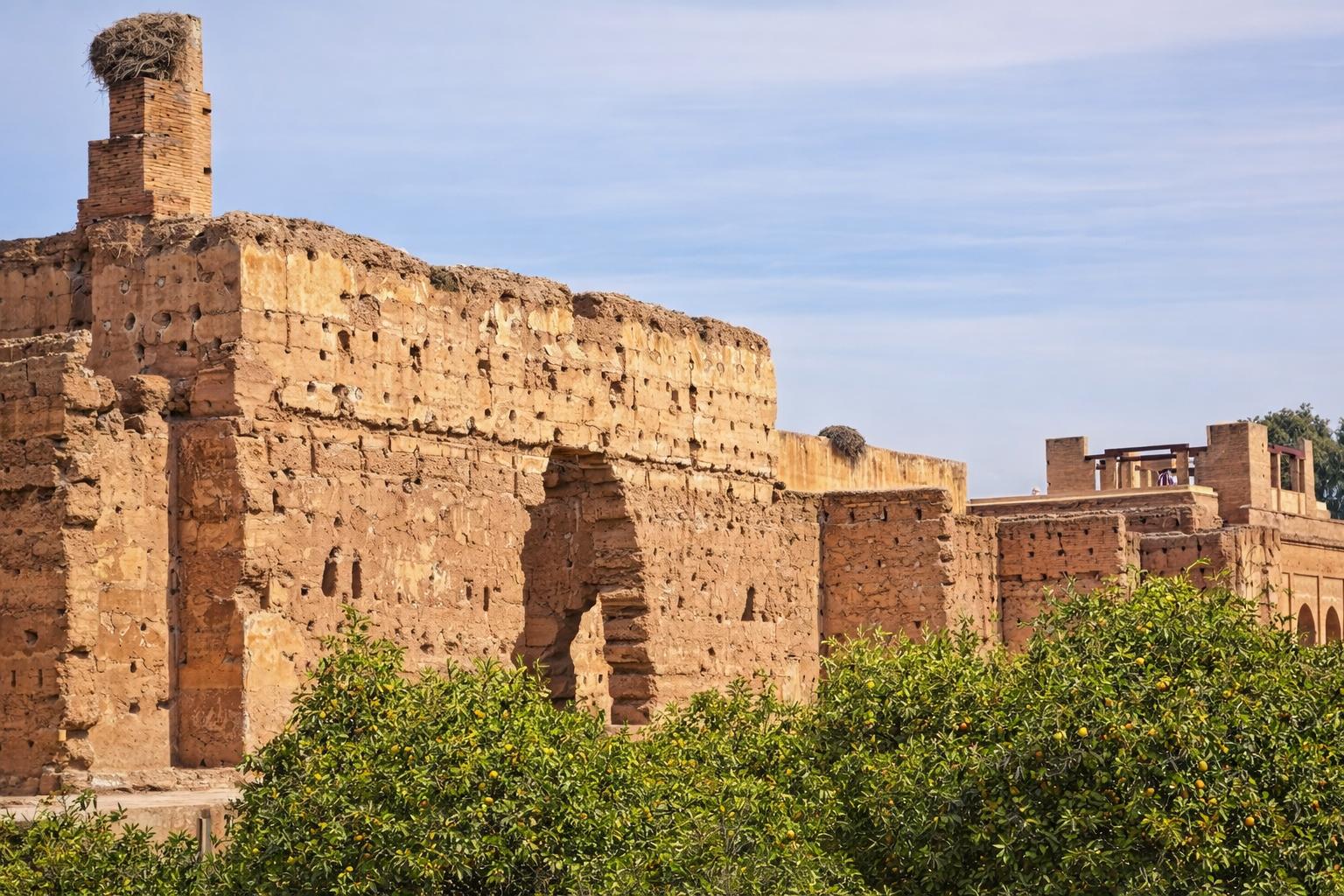
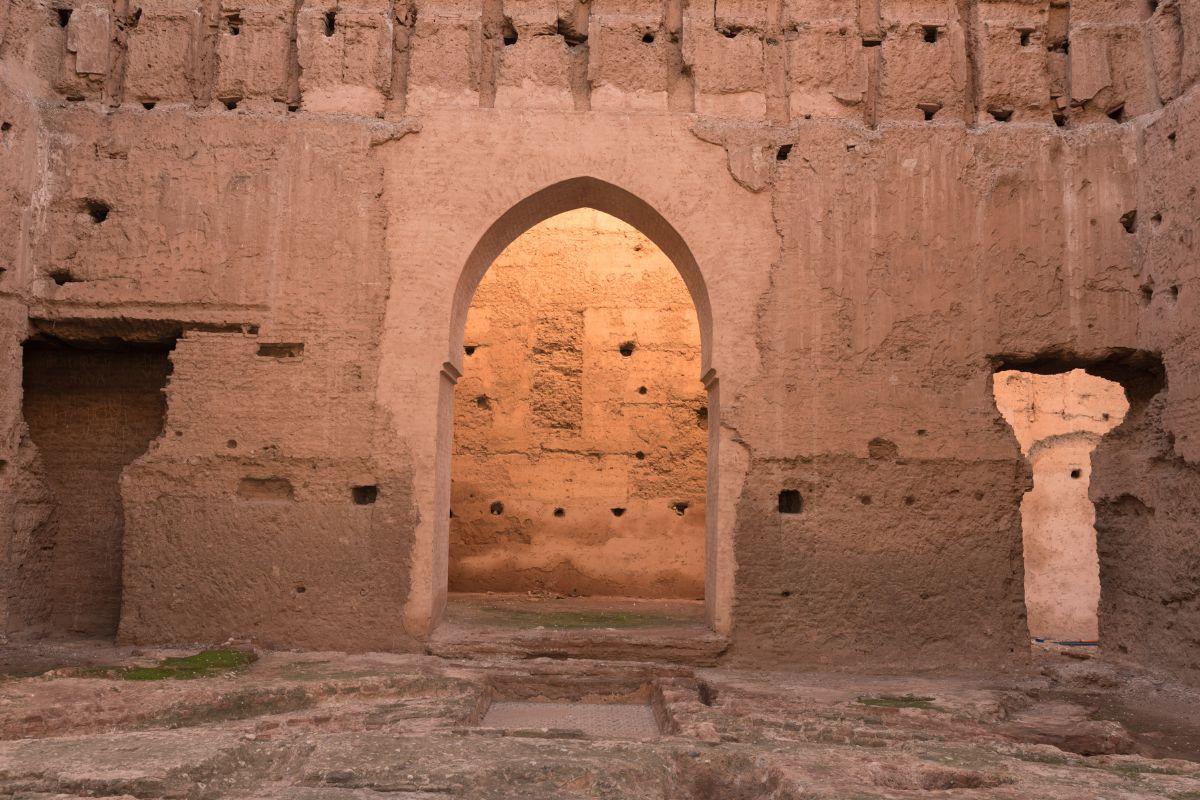
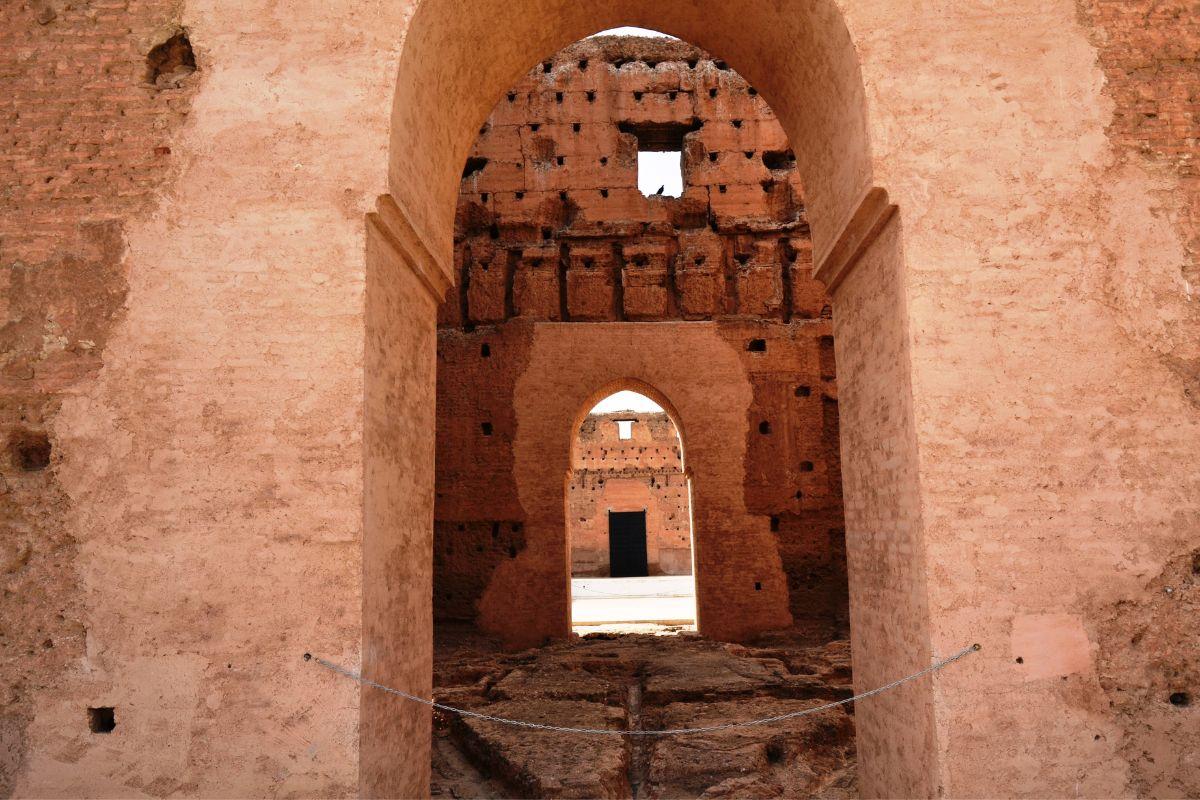
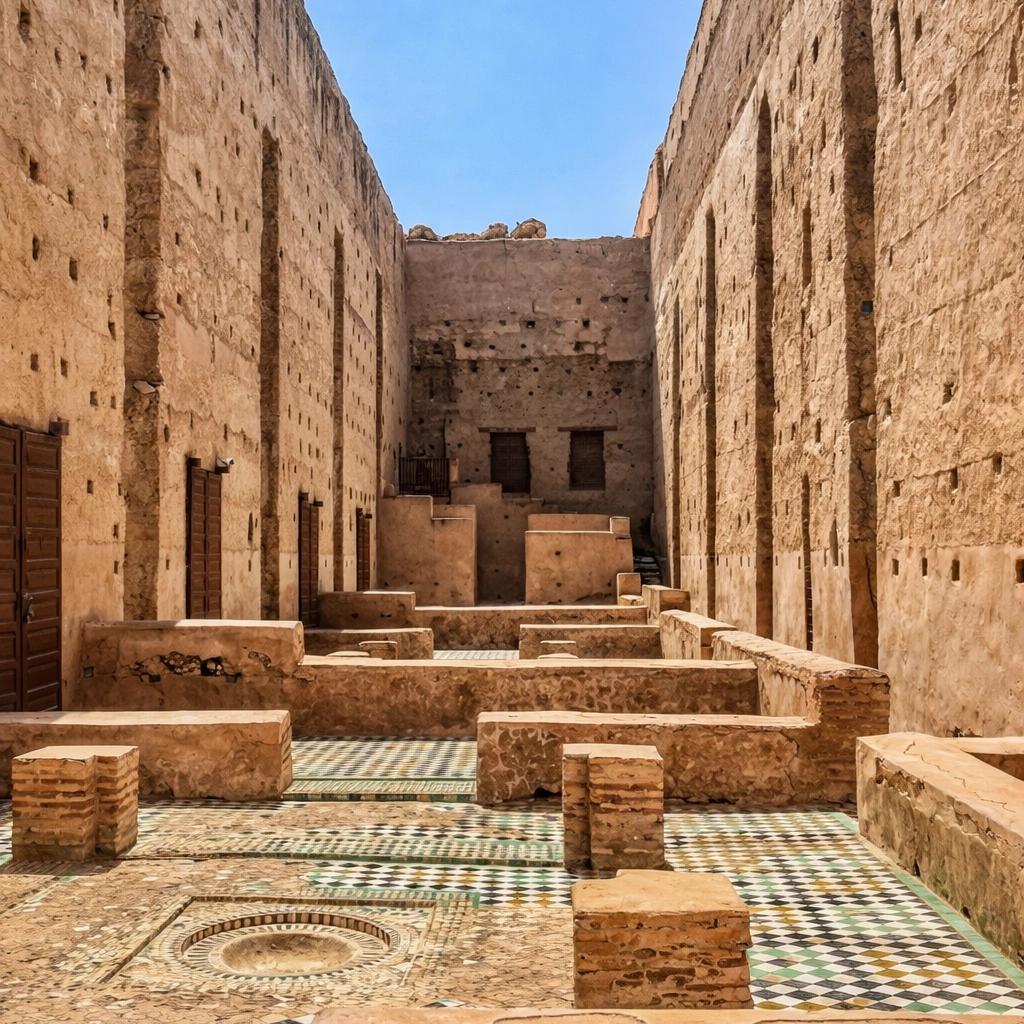
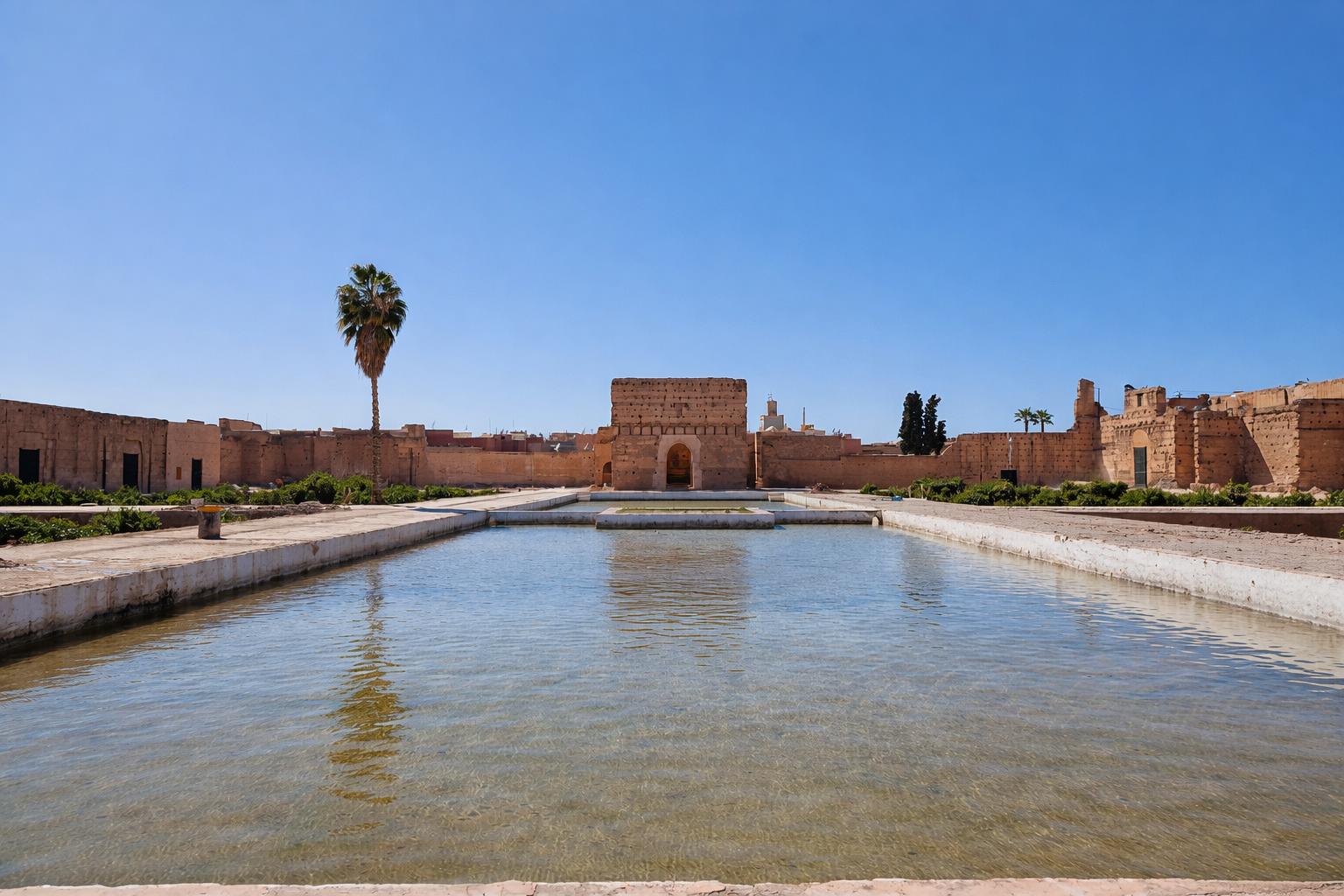
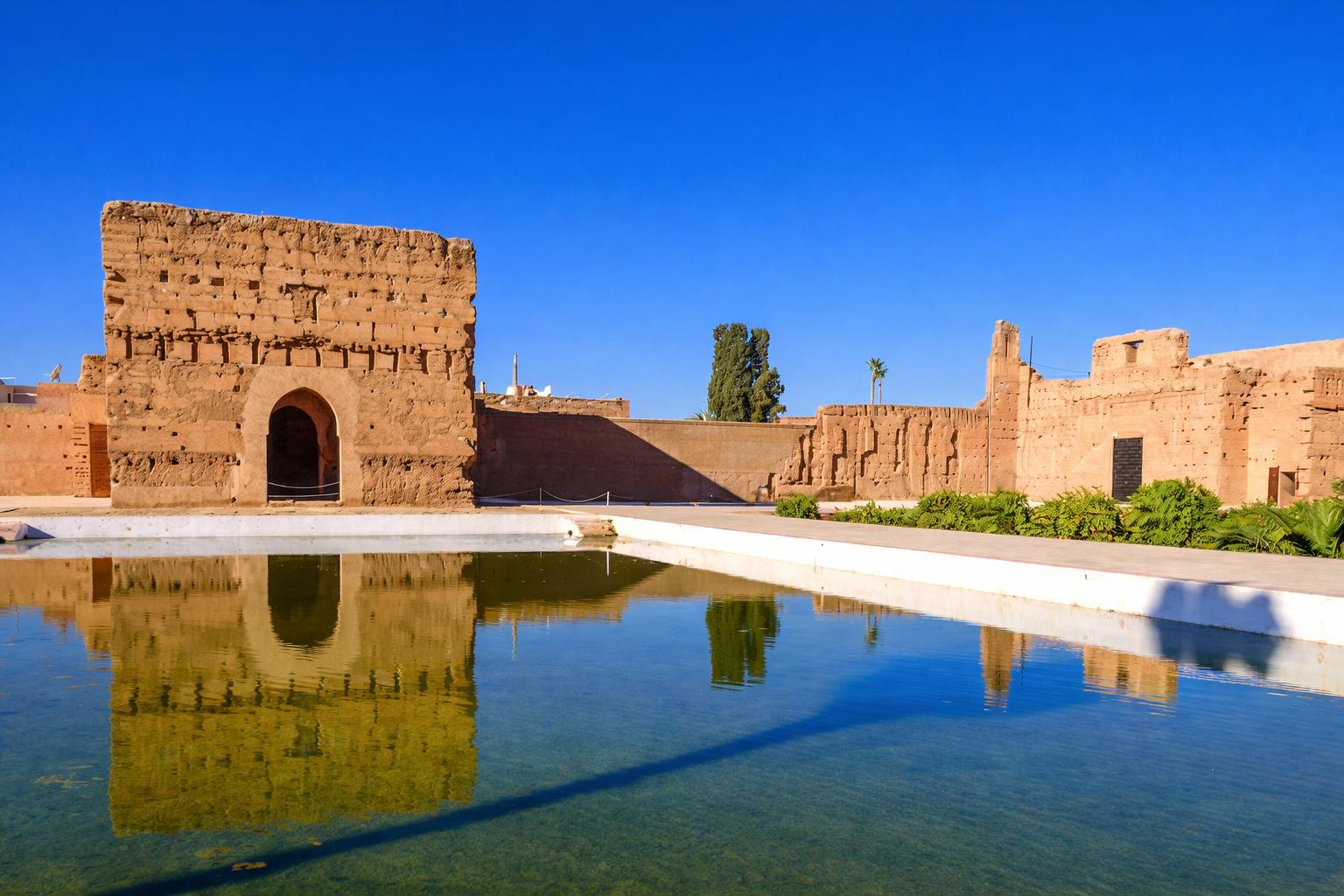
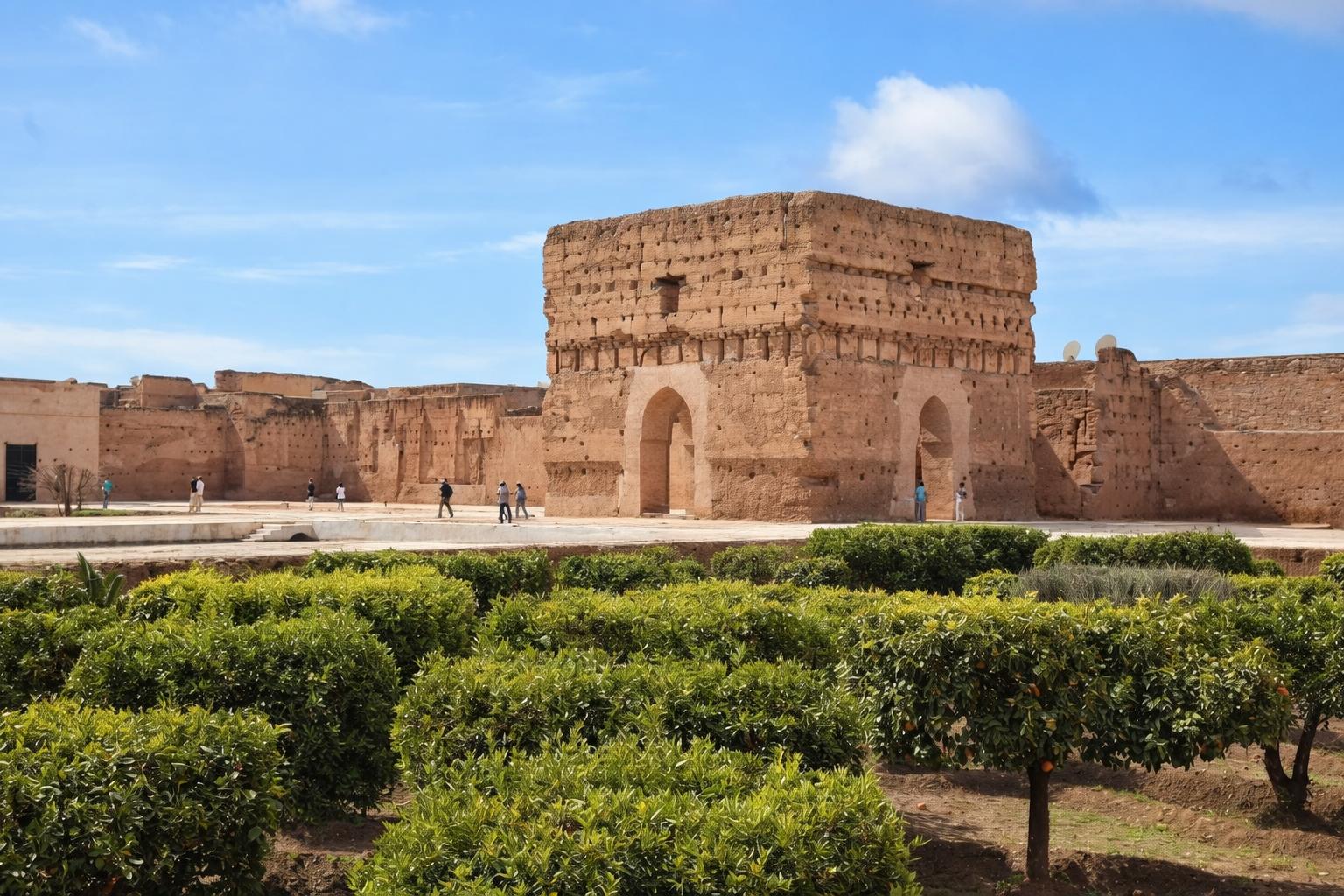
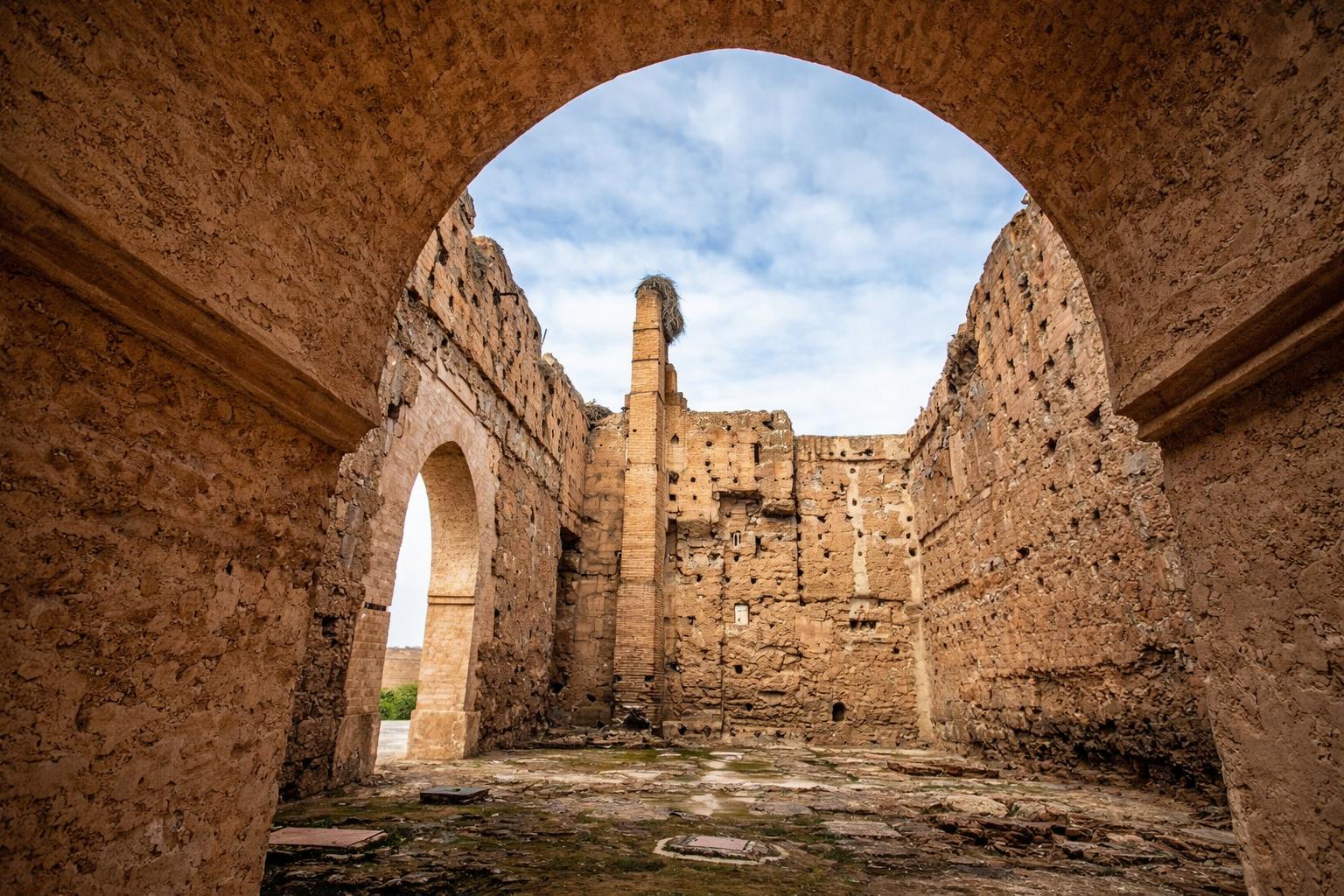
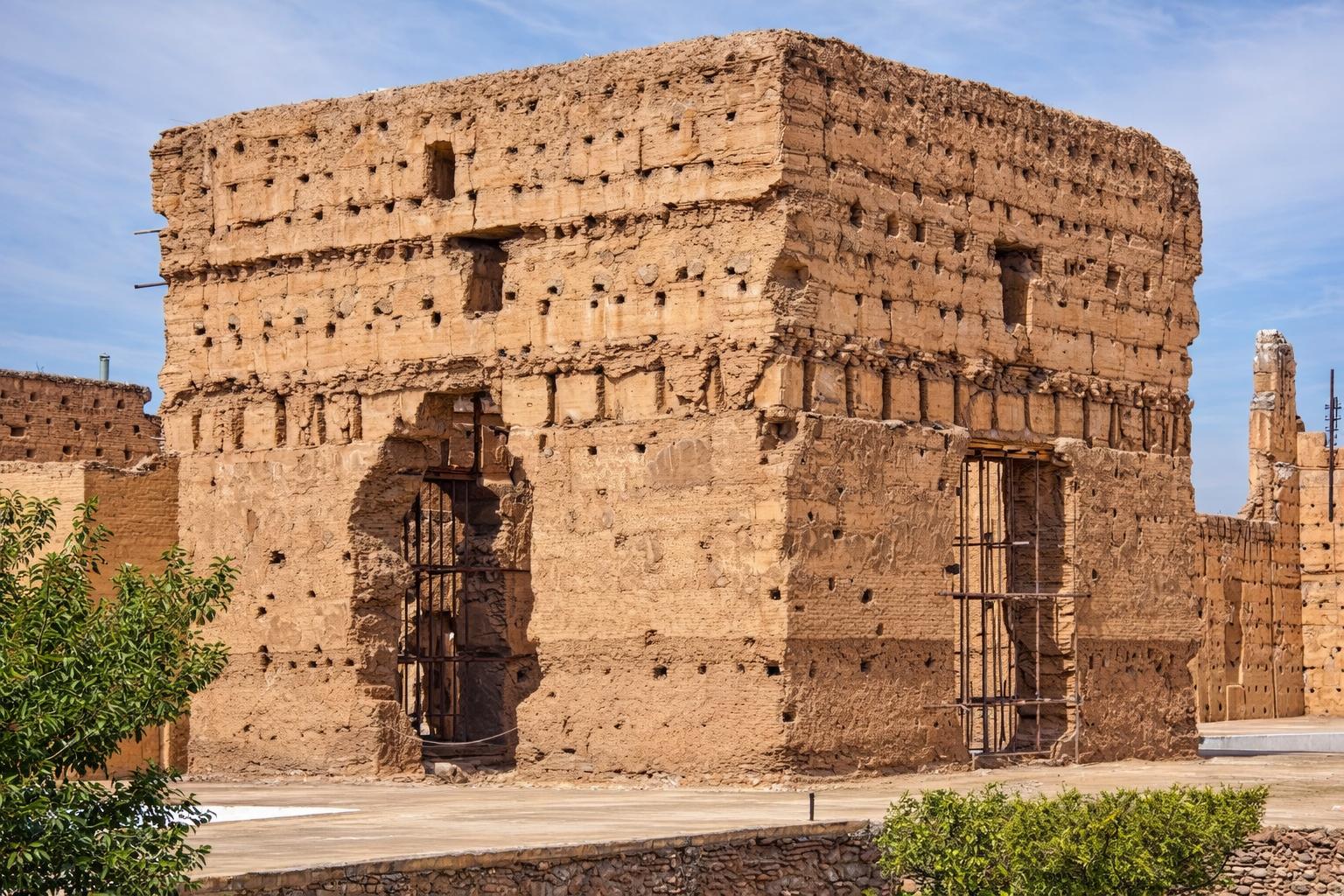
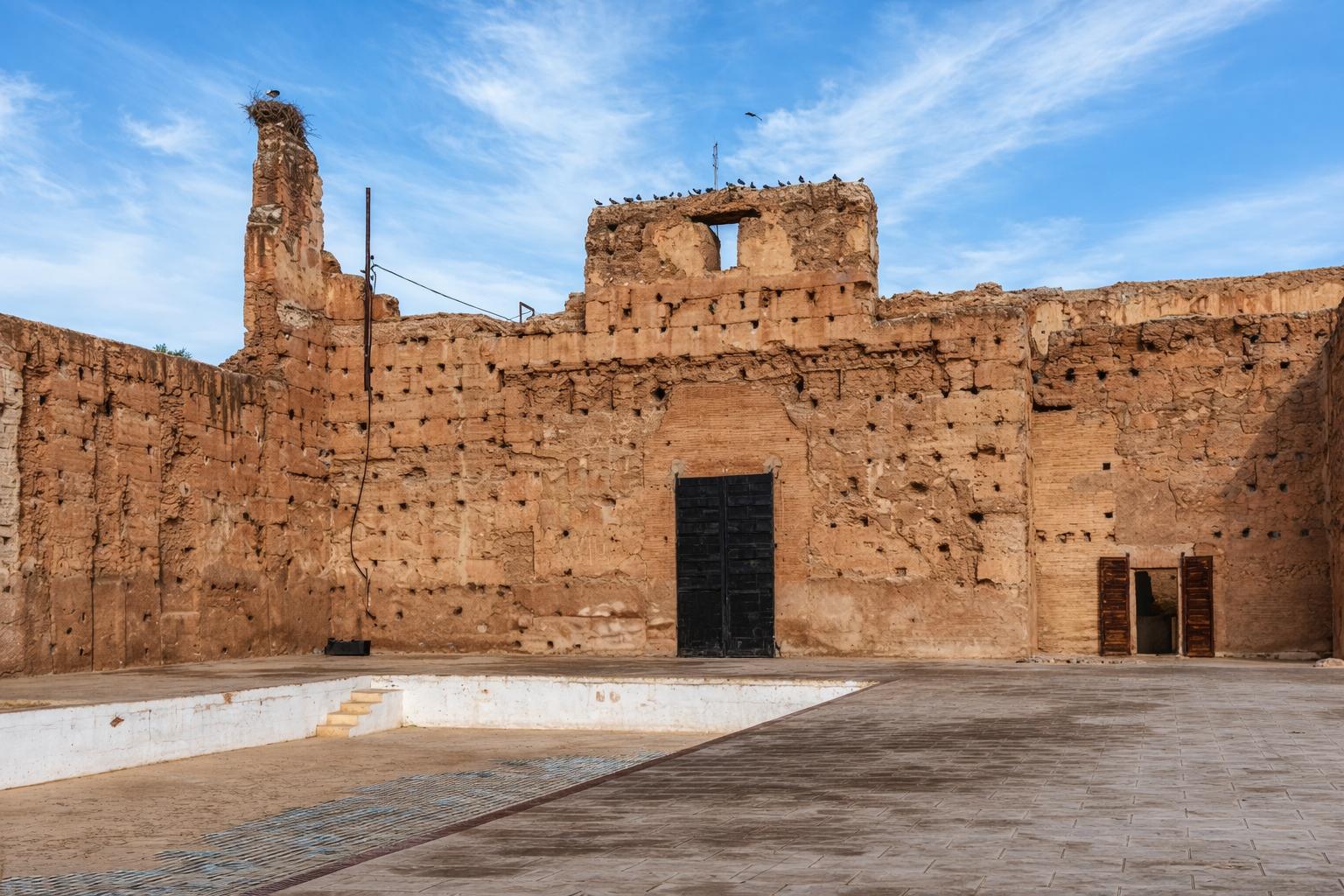
El Badi was, by the accounts that survive, one of the most extraordinary buildings of its age. The Saadian sultan Ahmad al-Mansur began it in December 1578, a few months after taking the throne, and paid for it with the ransom the Portuguese handed over after the Battle of the Three Kings and with the profits of the sugar trade: the marble columns came from Italy, exchanged with the merchants for their own weight in sugar. The name means the incomparable, one of the ninety-nine names of God. The courtyard alone runs 135 metres by 110. At its centre lies a pool ninety metres long, flanked by four sunken gardens replanted with orange trees and by four further basins along the sides, the whole thing a riad garden built at the scale of a parade ground. Pavilions once closed each end, their ceilings gilded, their floors marble and zellij, water spouting from silver animals into tiled basins. What remains is the armature: bare rammed-earth walls, the sunken groves, a labyrinth of underground passages, and the storks that have nested on the parapets for as long as anyone remembers. The stripping had an author. In 1707 Sultan Moulay Ismail ordered the palace dismantled to furnish his new capital at Meknes, and its marble now sits in buildings across Morocco. The twelfth-century Almoravid minbar that once stood in the Koutoubia is kept here, in a pavilion on the site. Late afternoon is when El Badi shows best, when the walls turn amber, the Atlas is visible over the southern wall, and the storks settle.