Bahia Palace
Marrakesh 40000
Neighborhood
Medina
Type of Attraction
Monuments & Landmarks
Overview
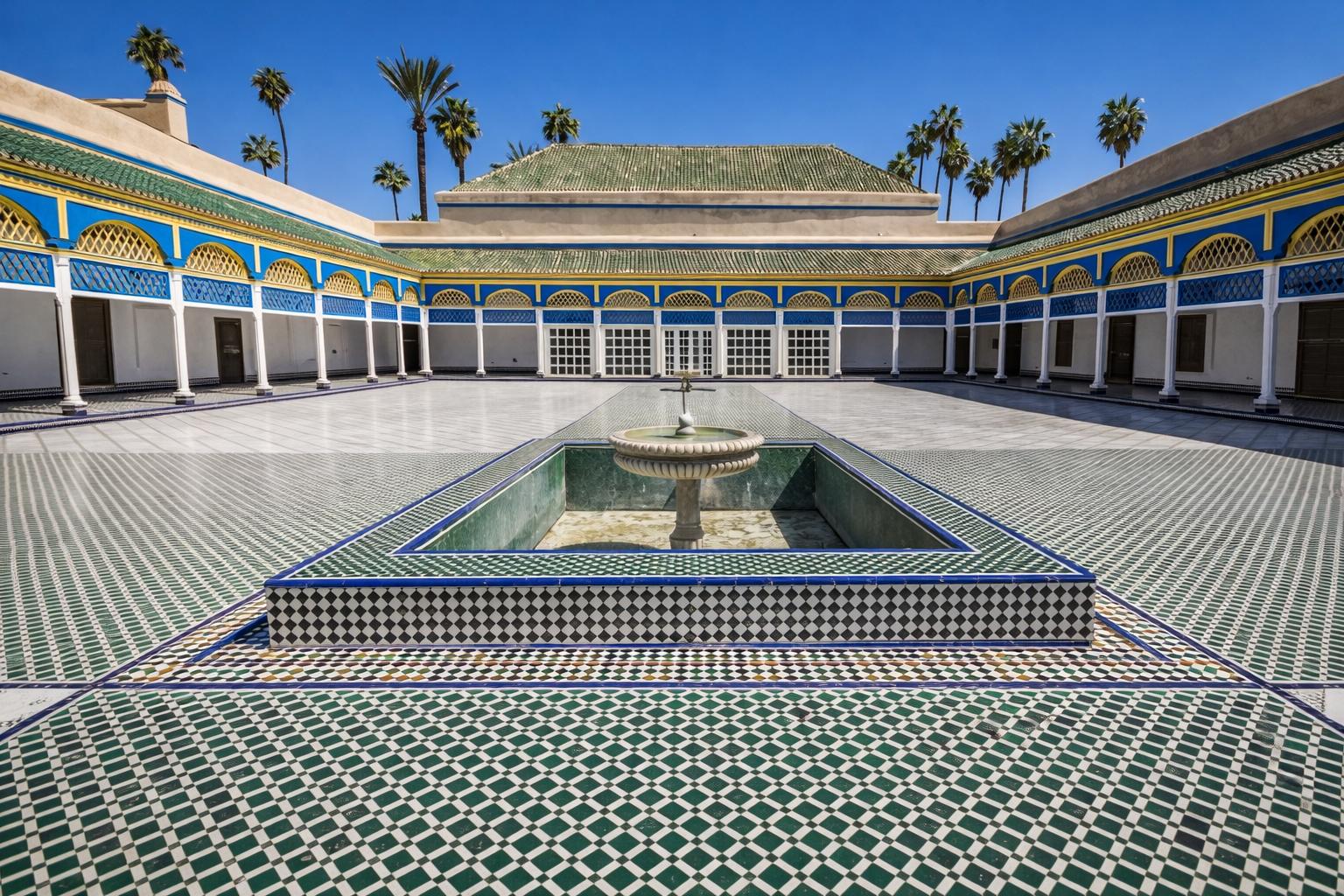
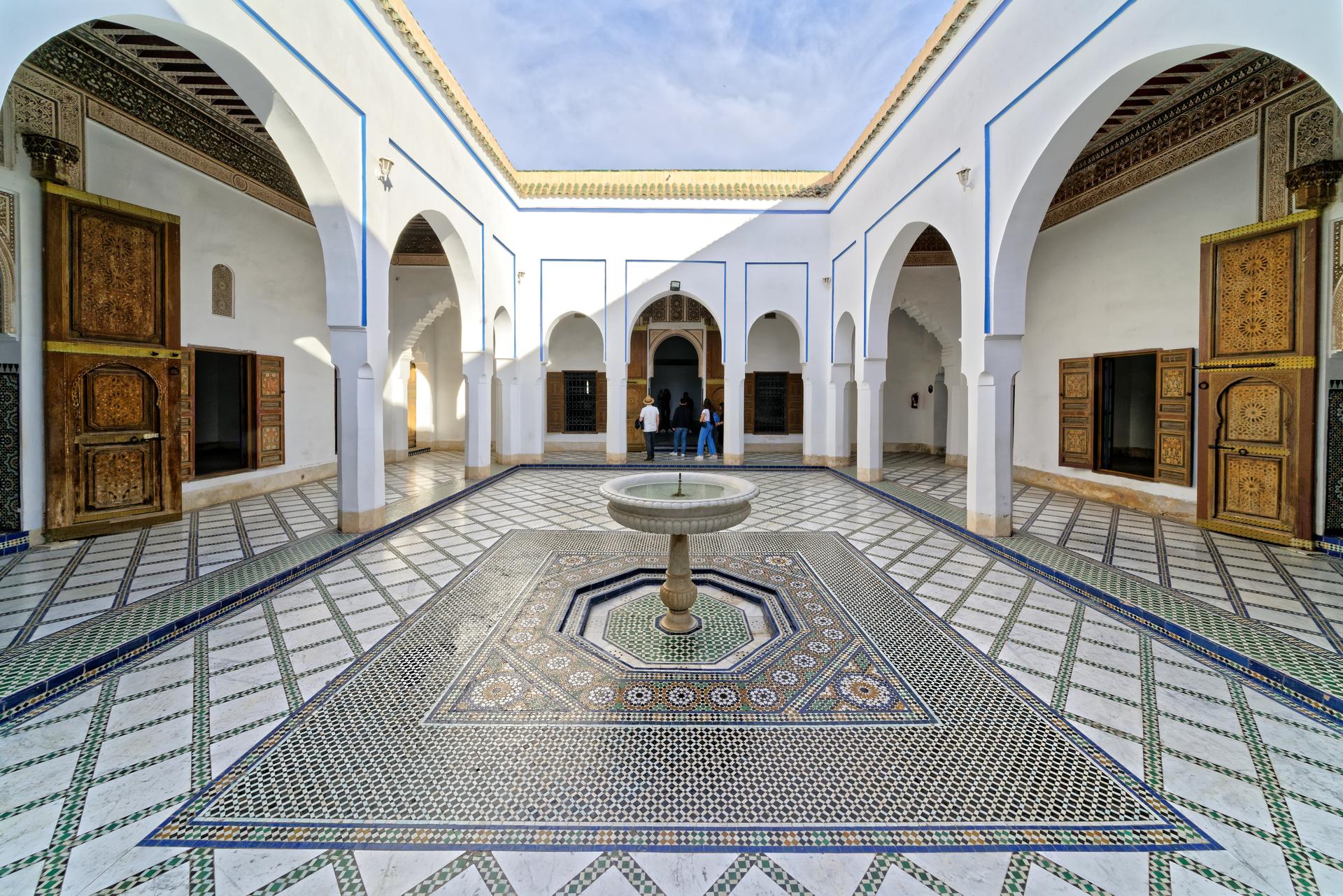
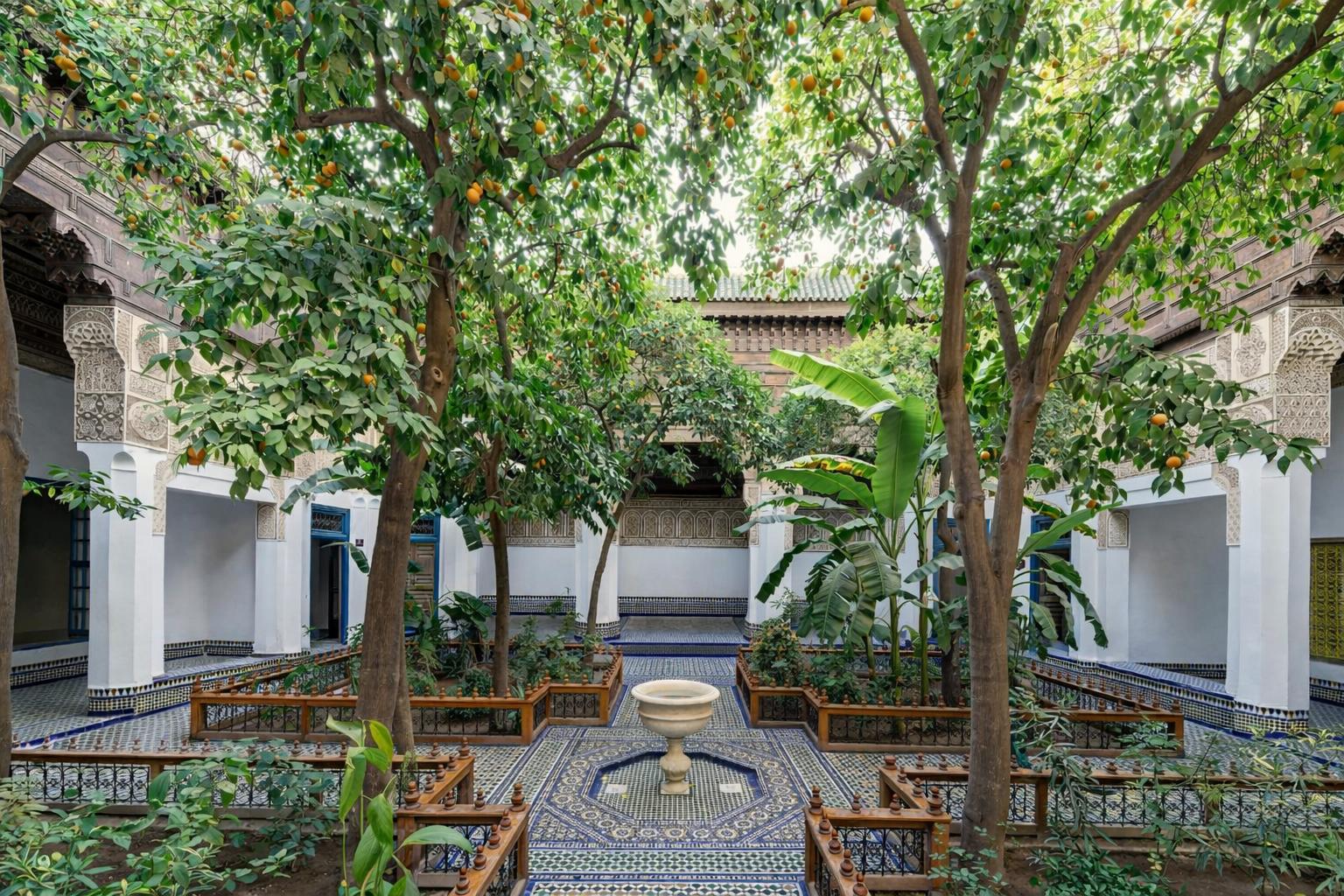
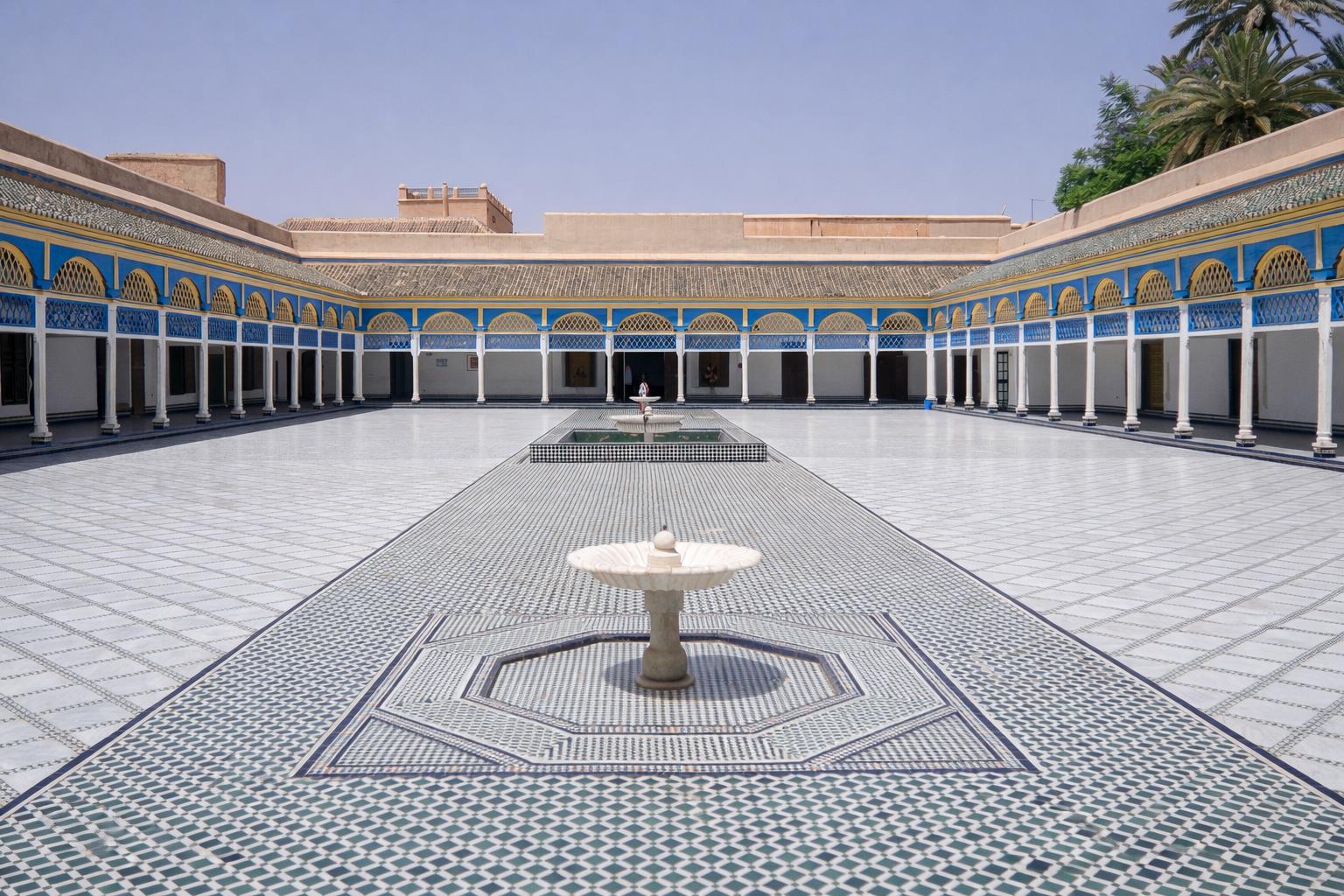
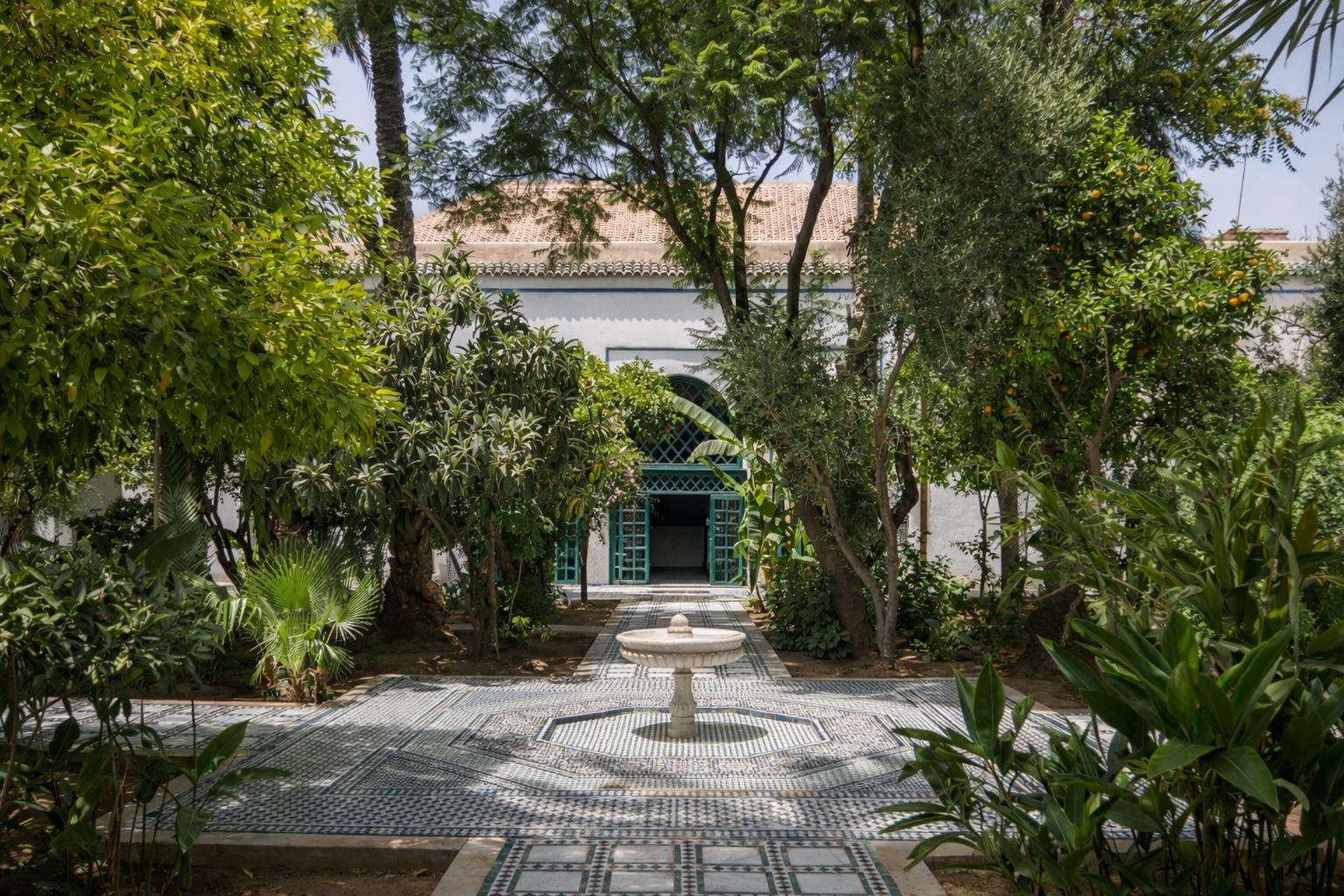
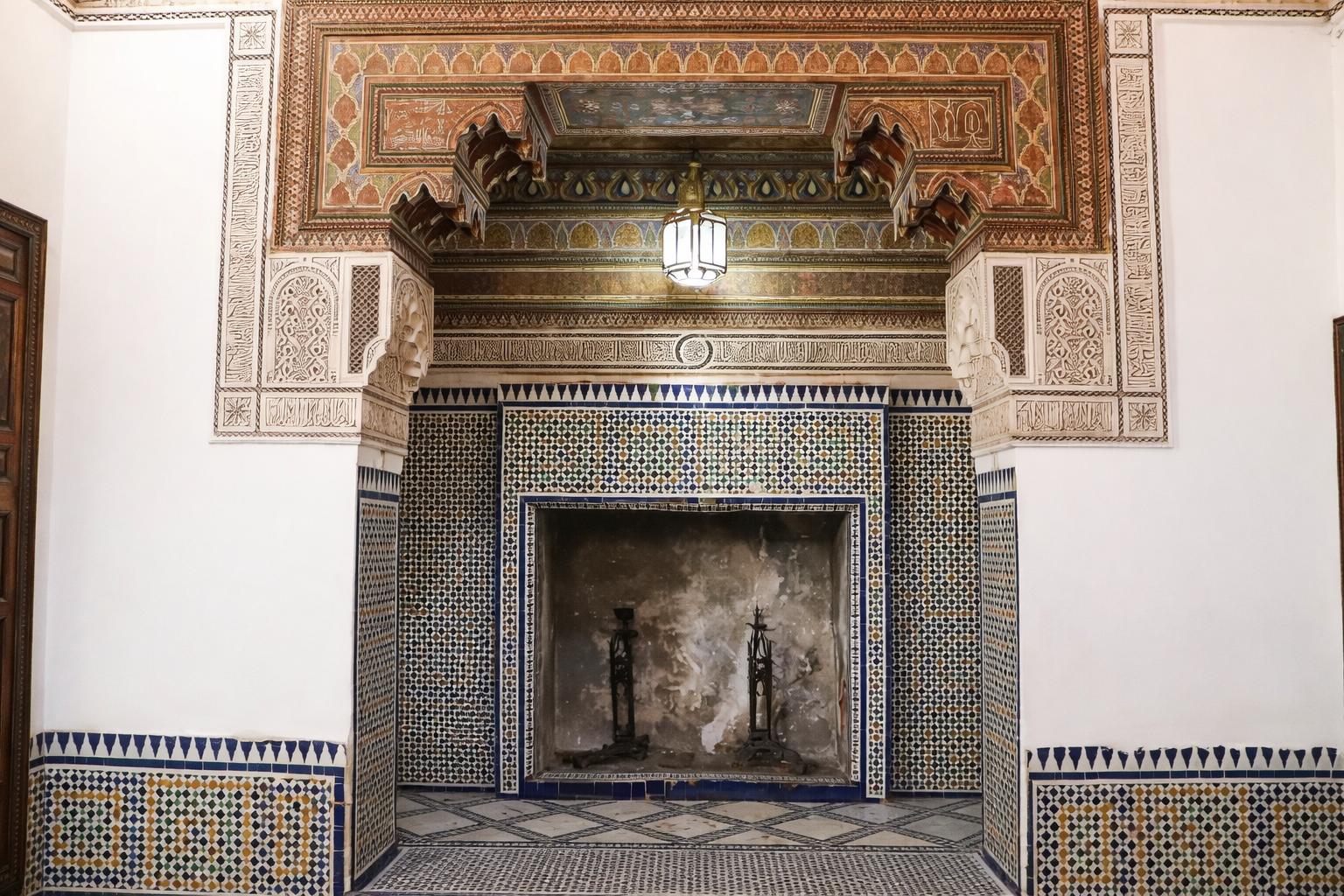
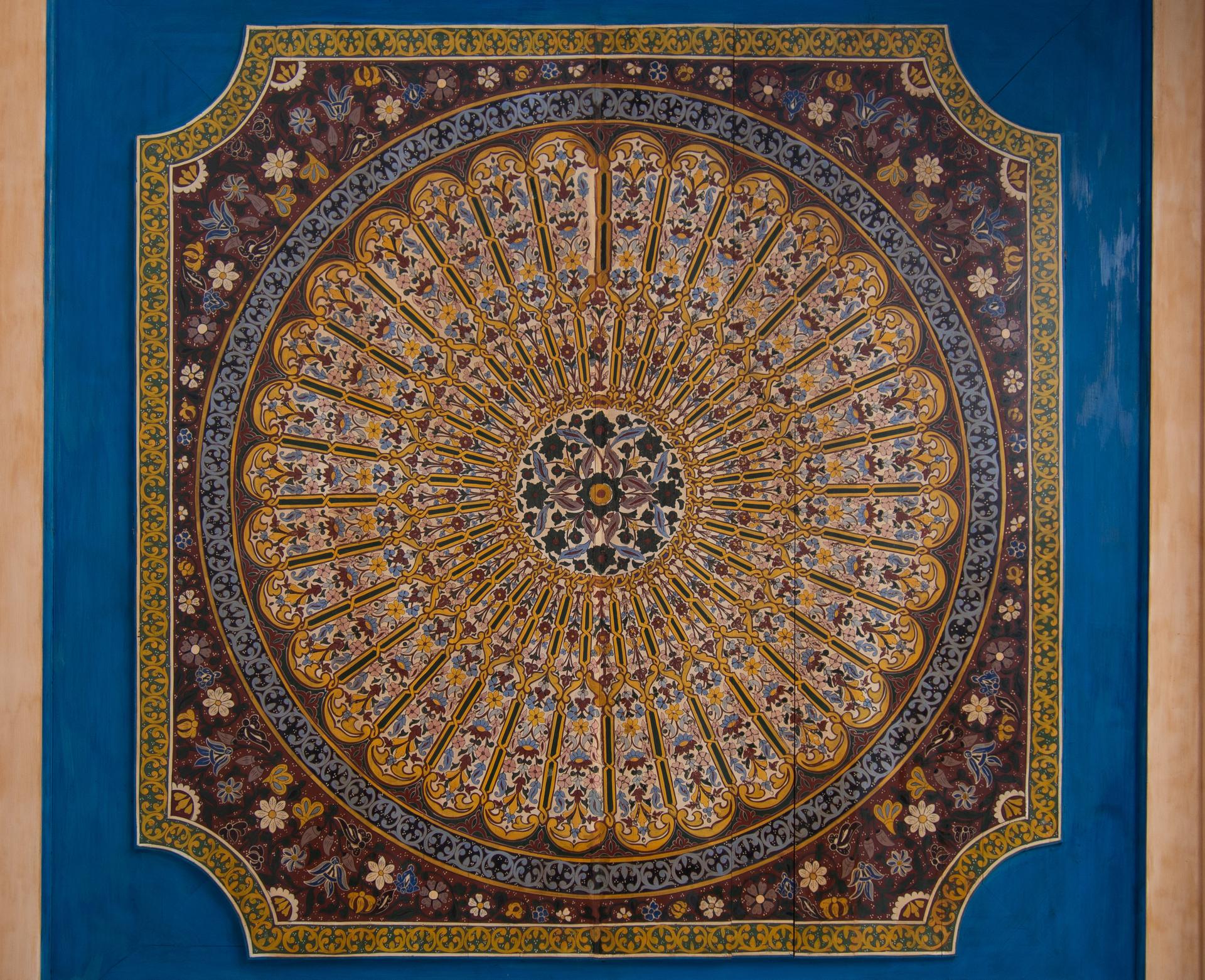
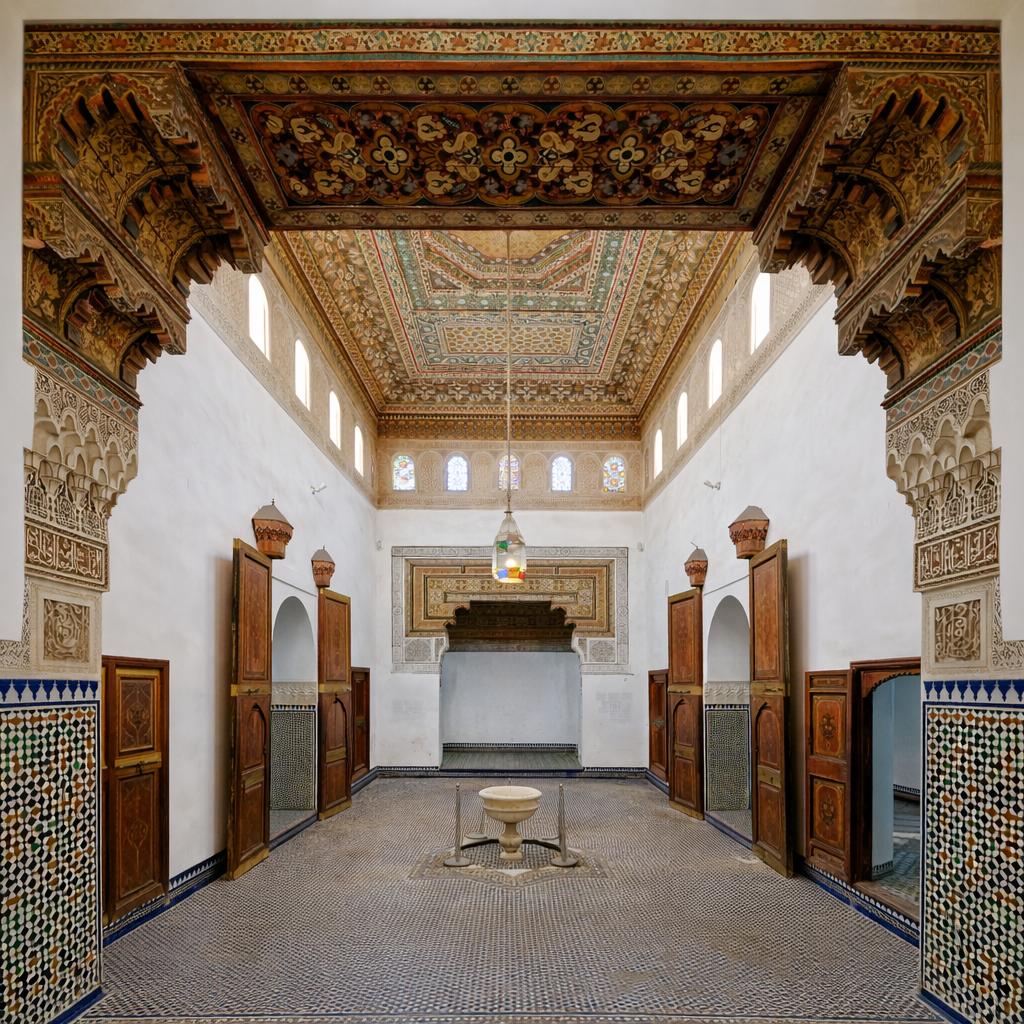
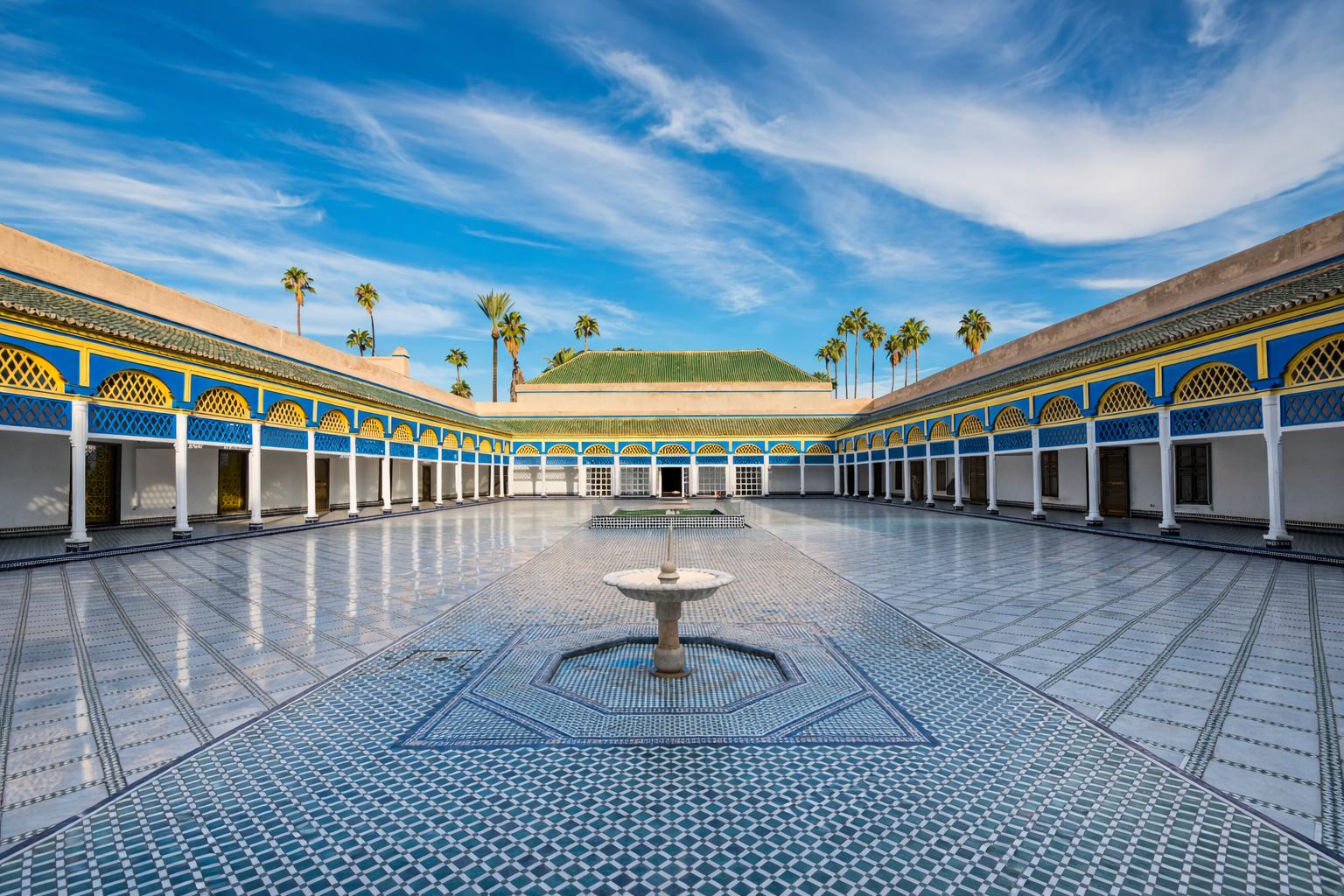
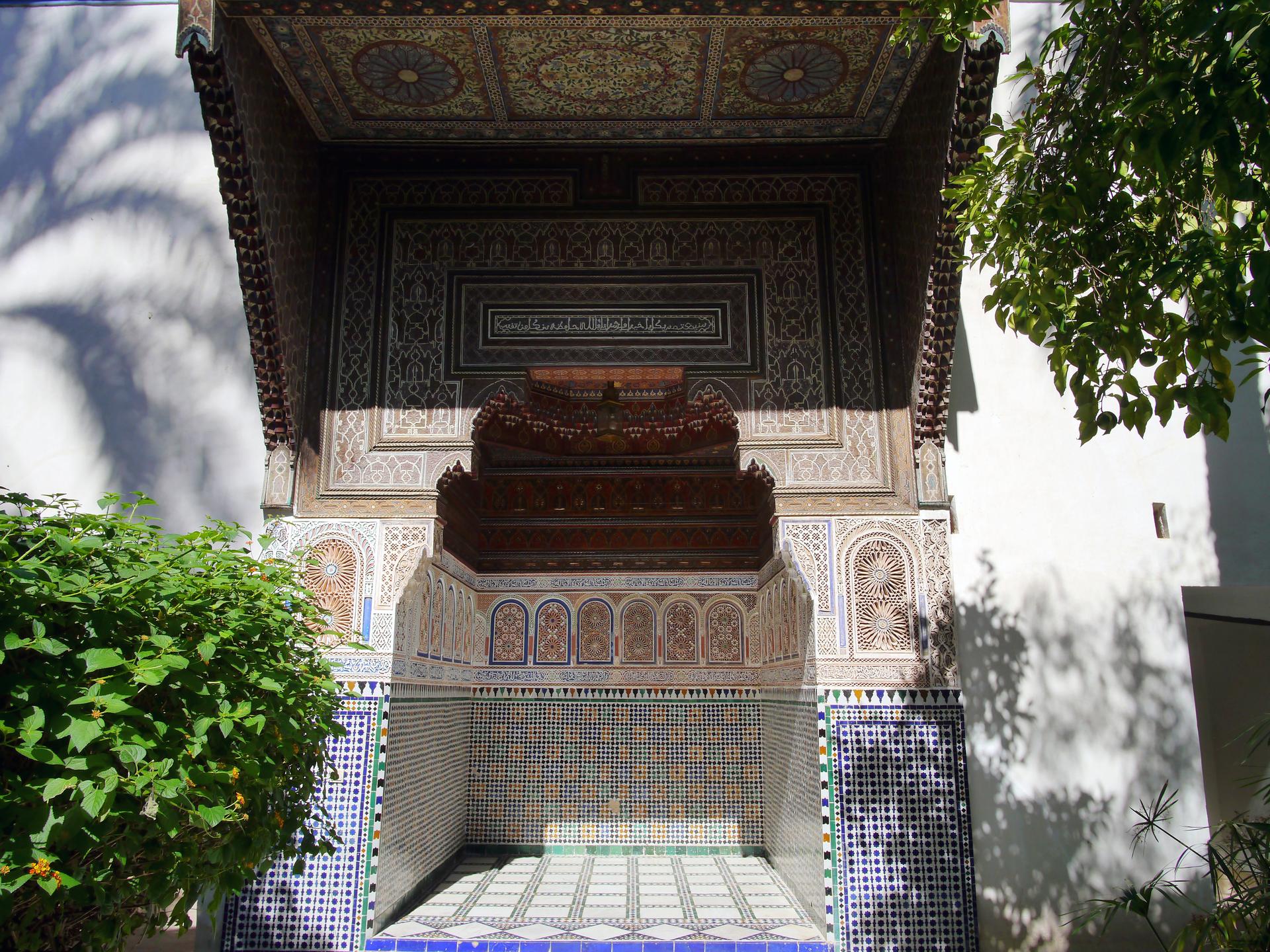
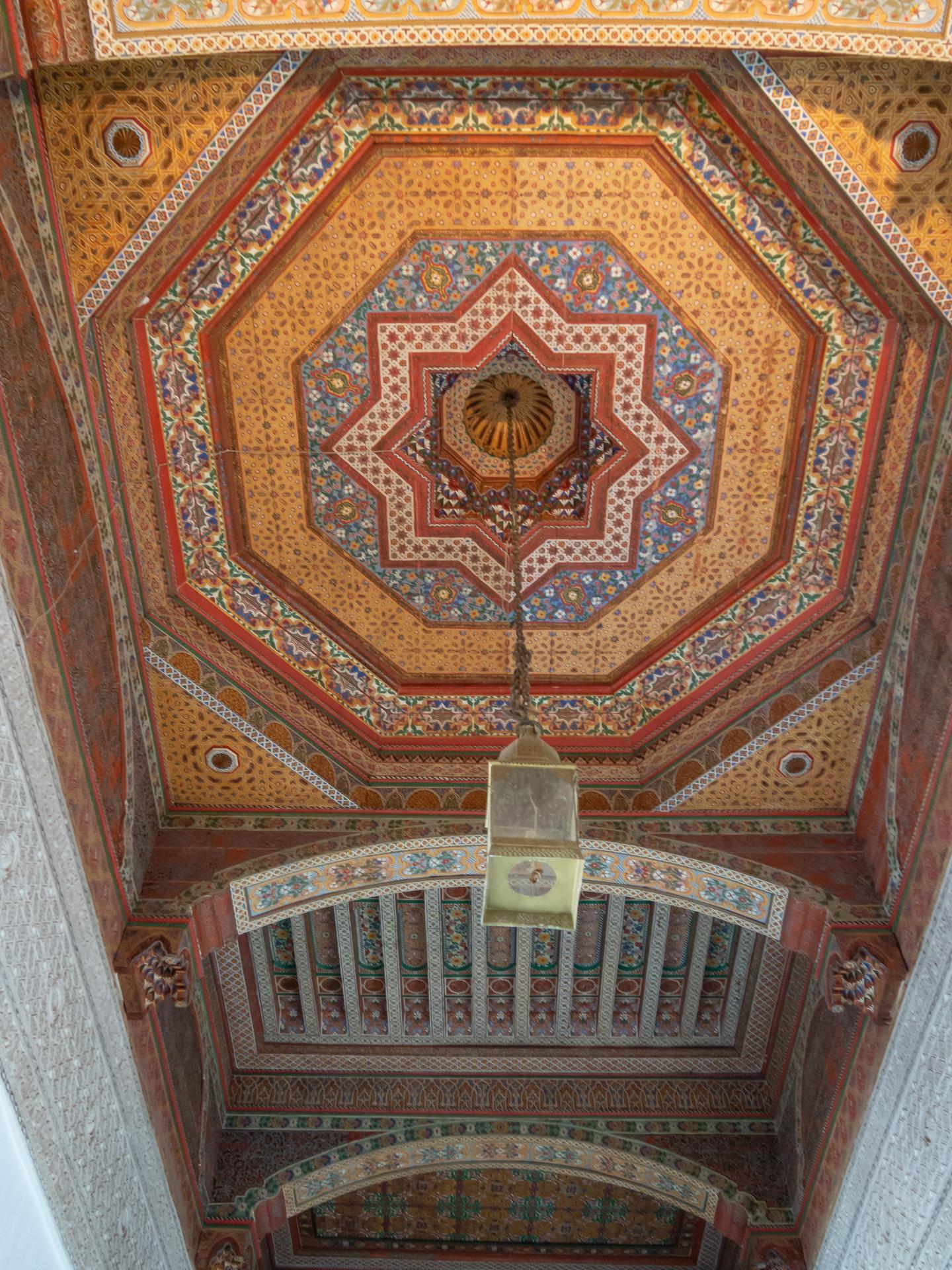
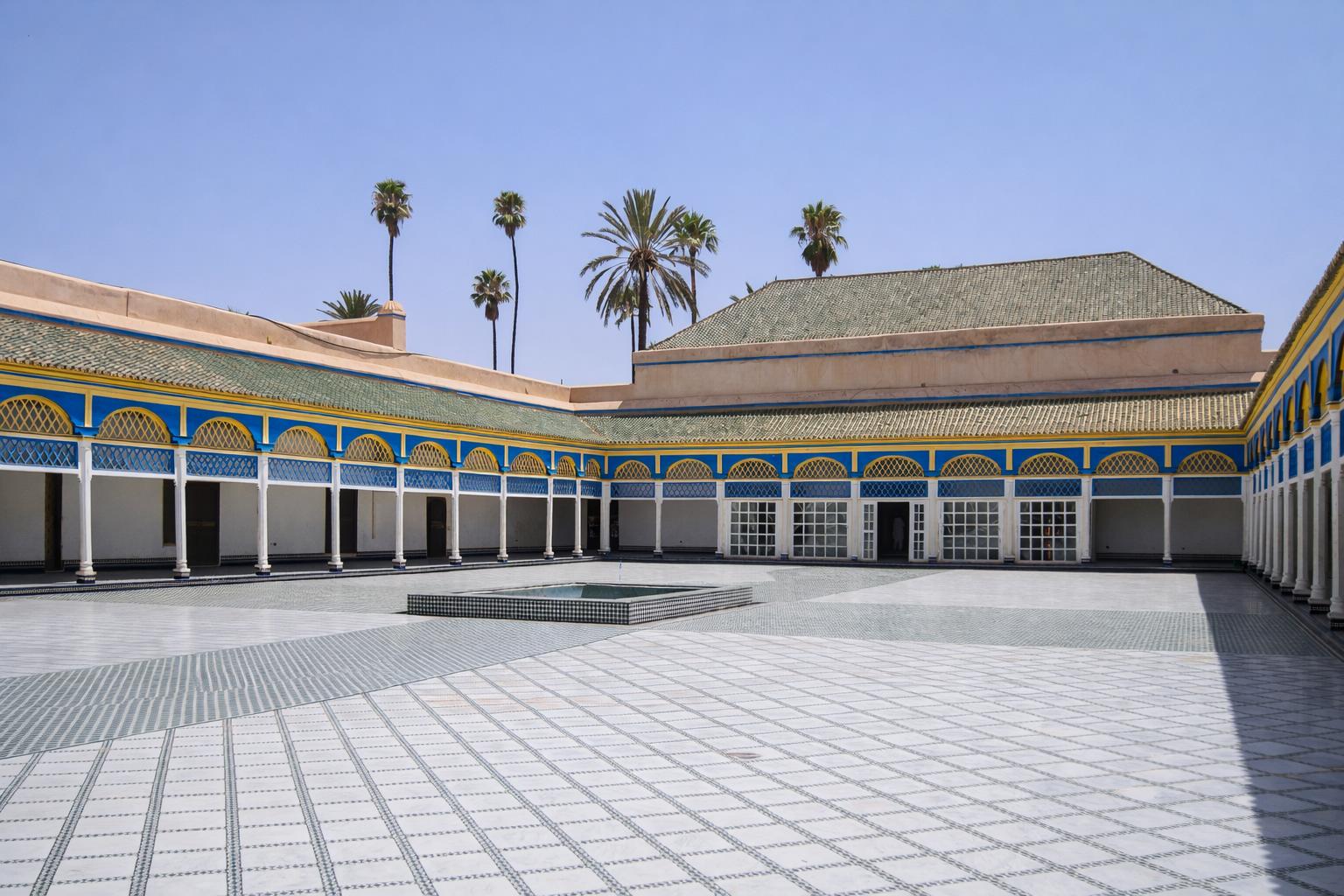
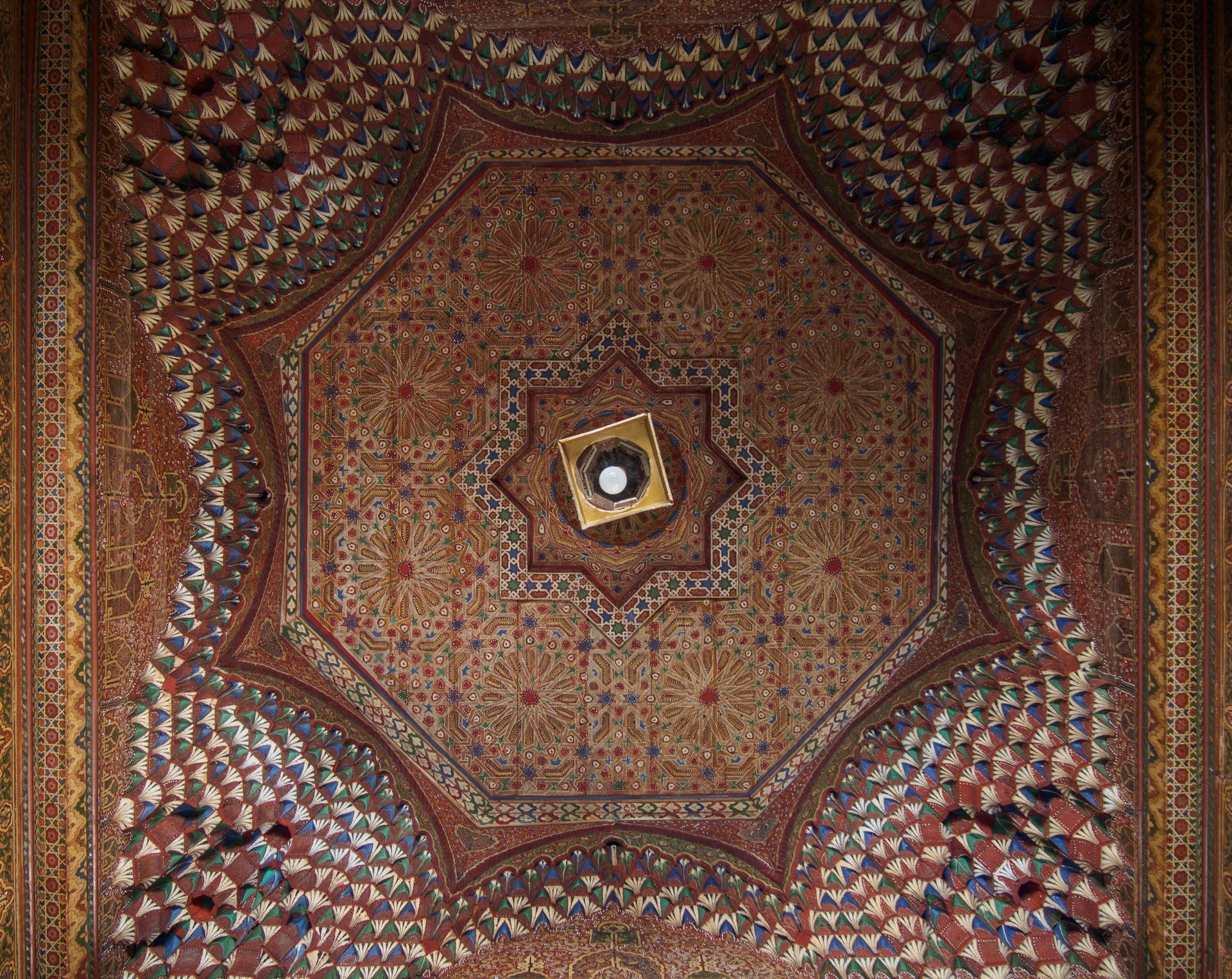
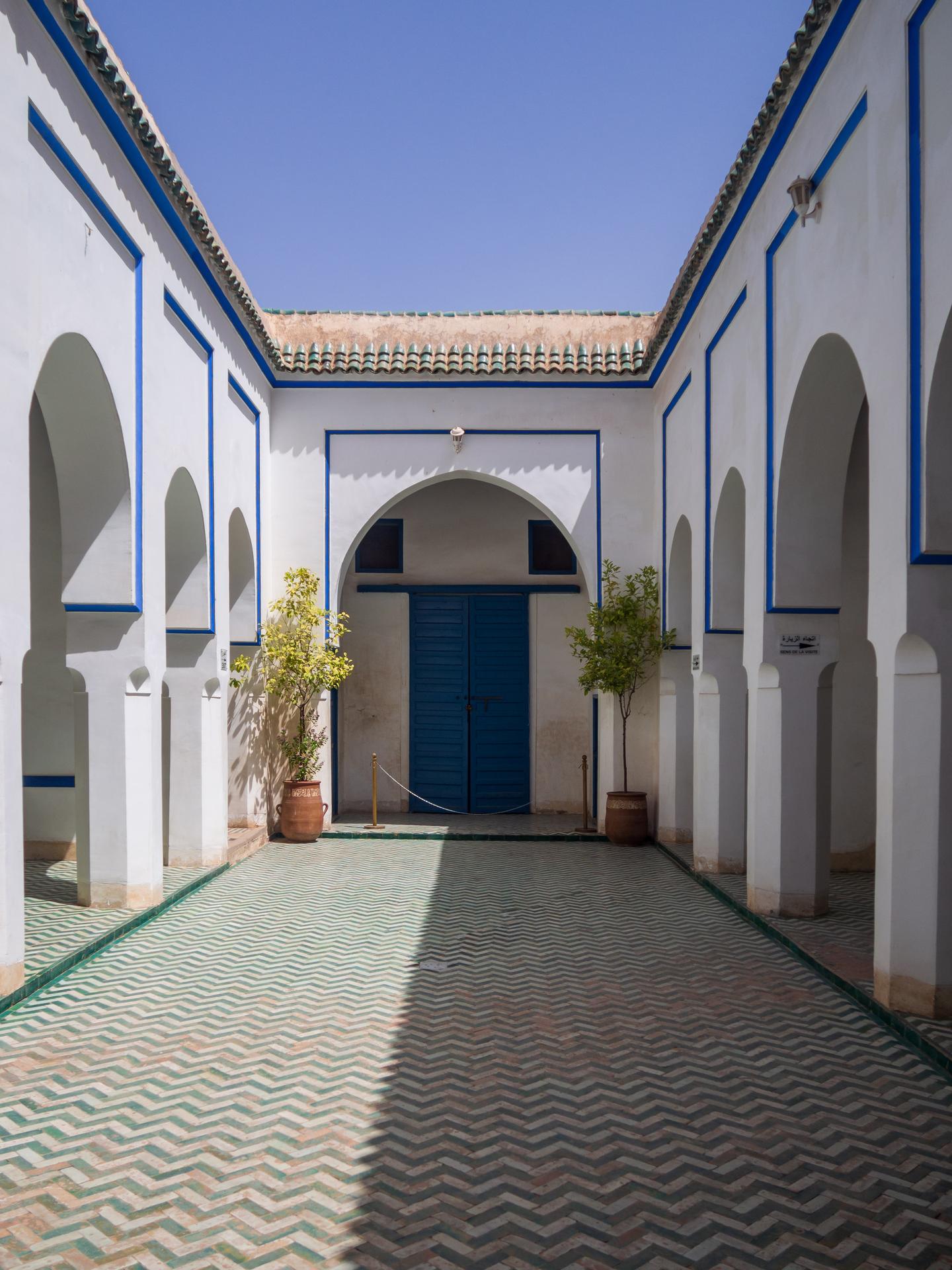
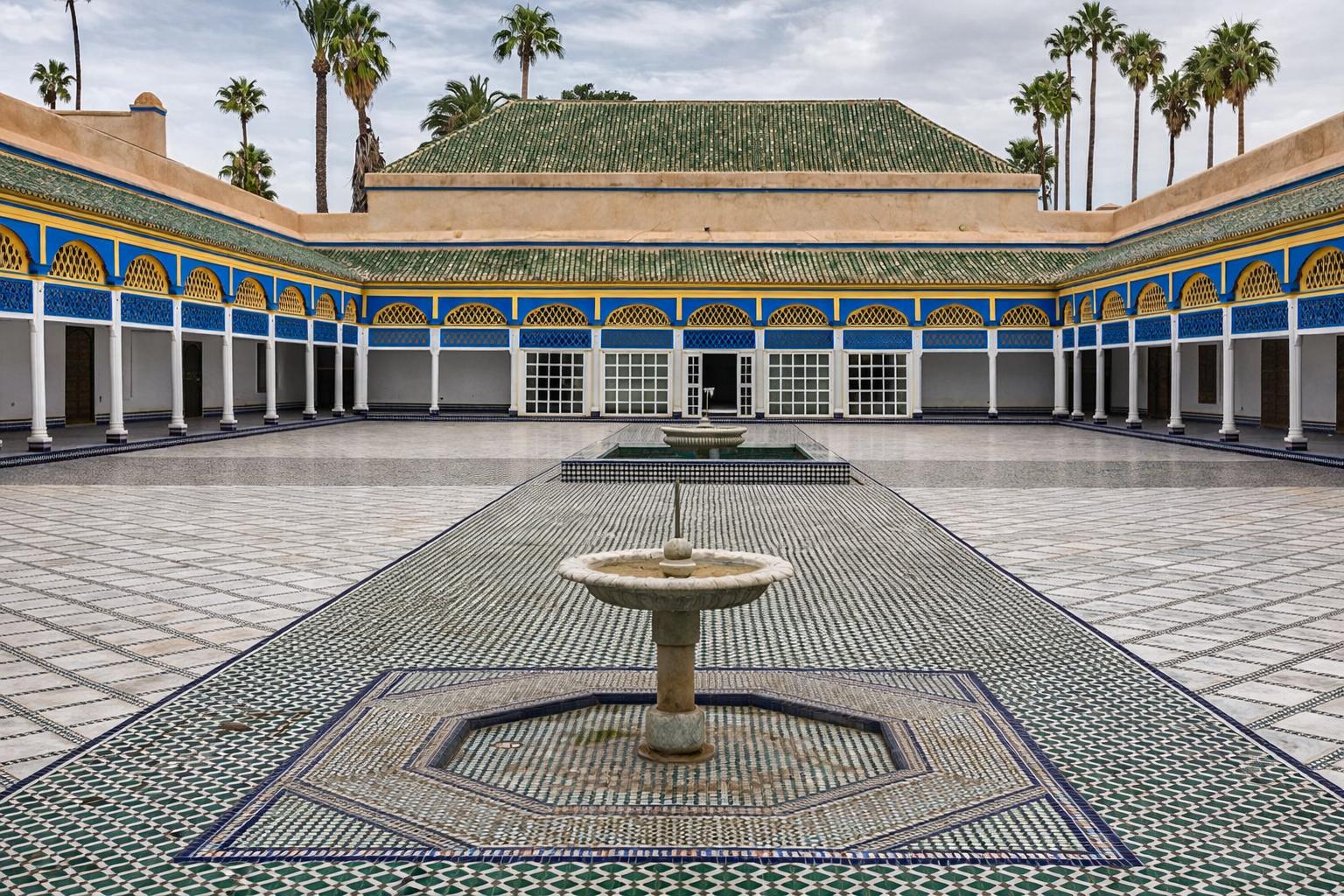
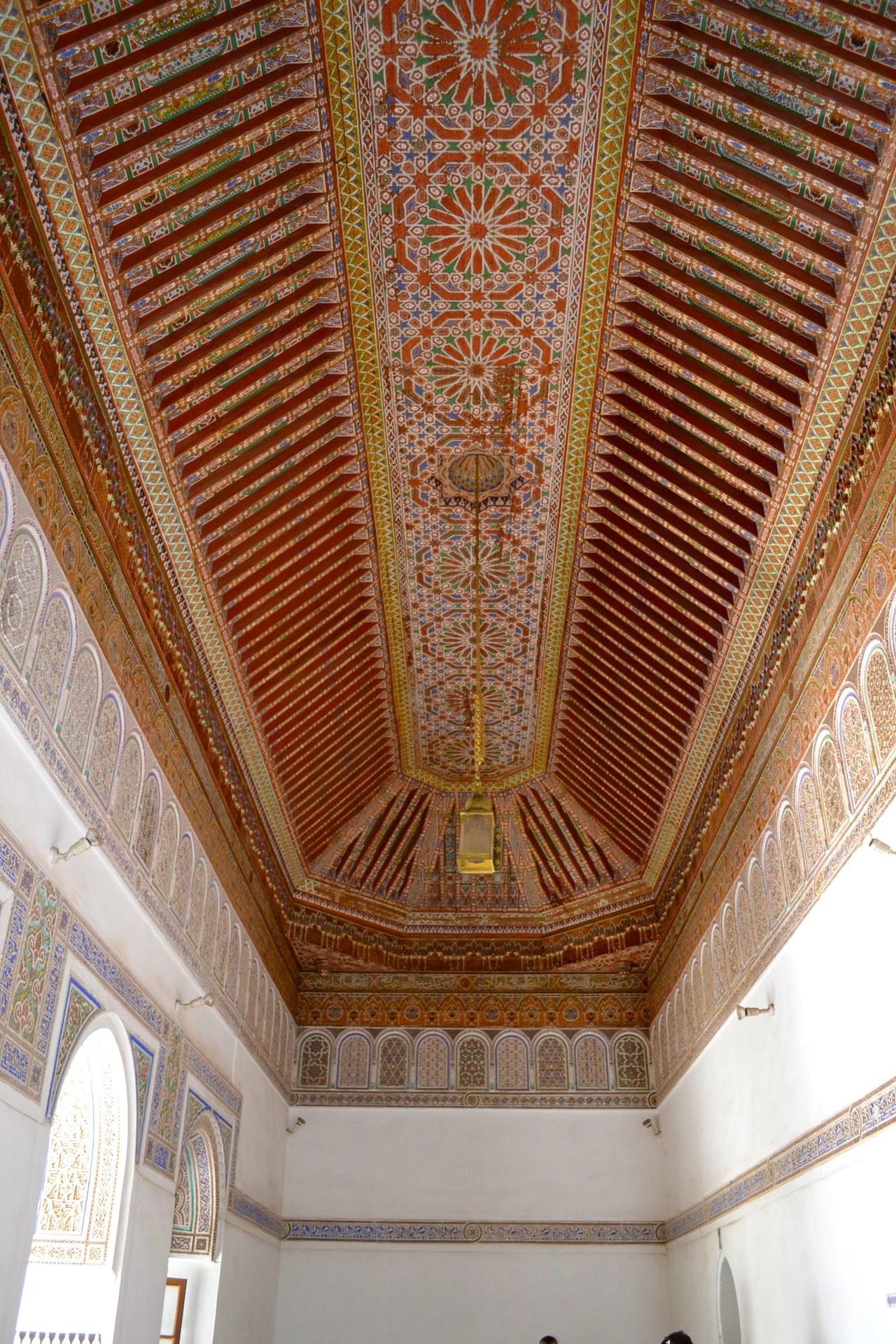
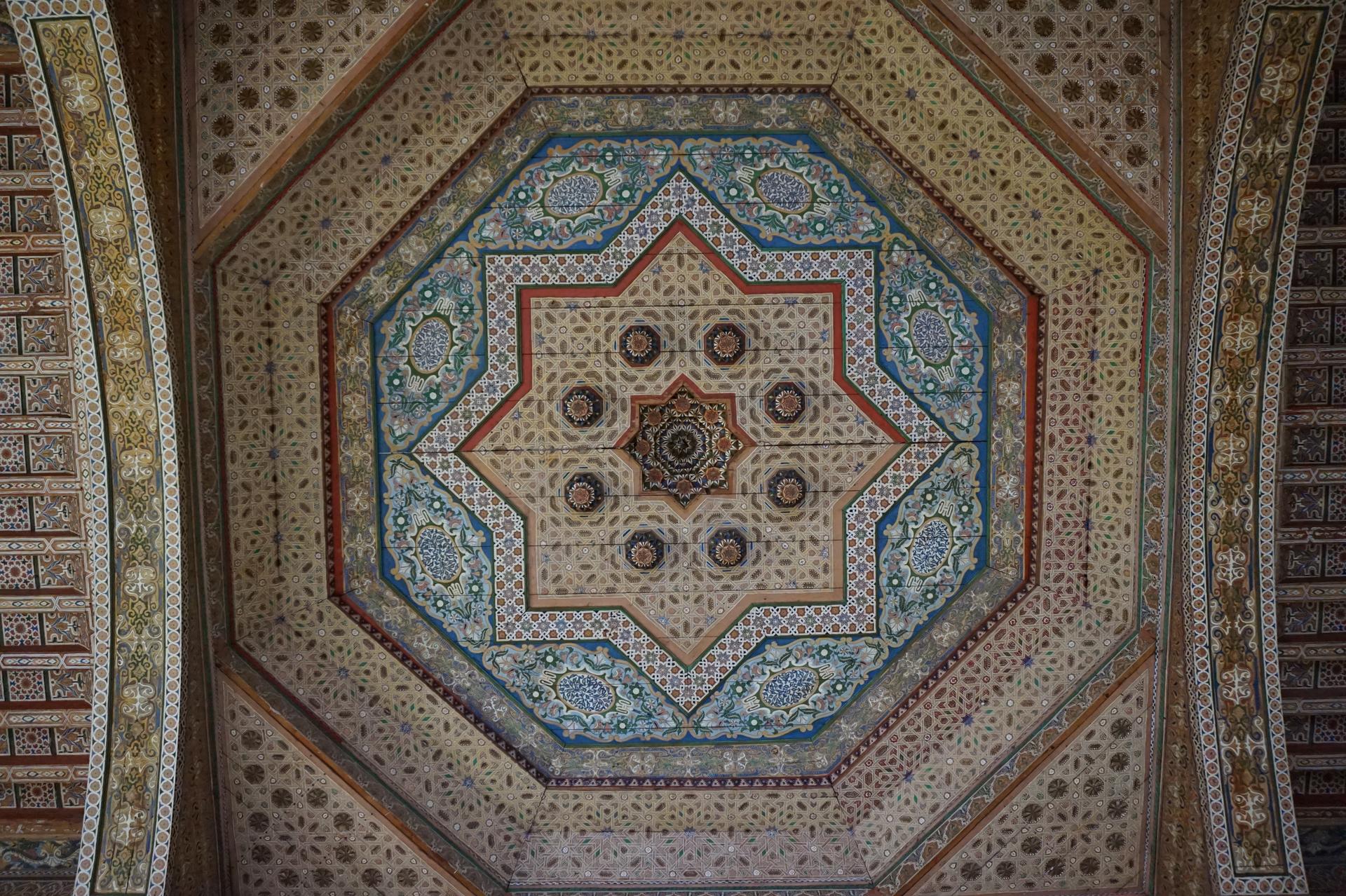
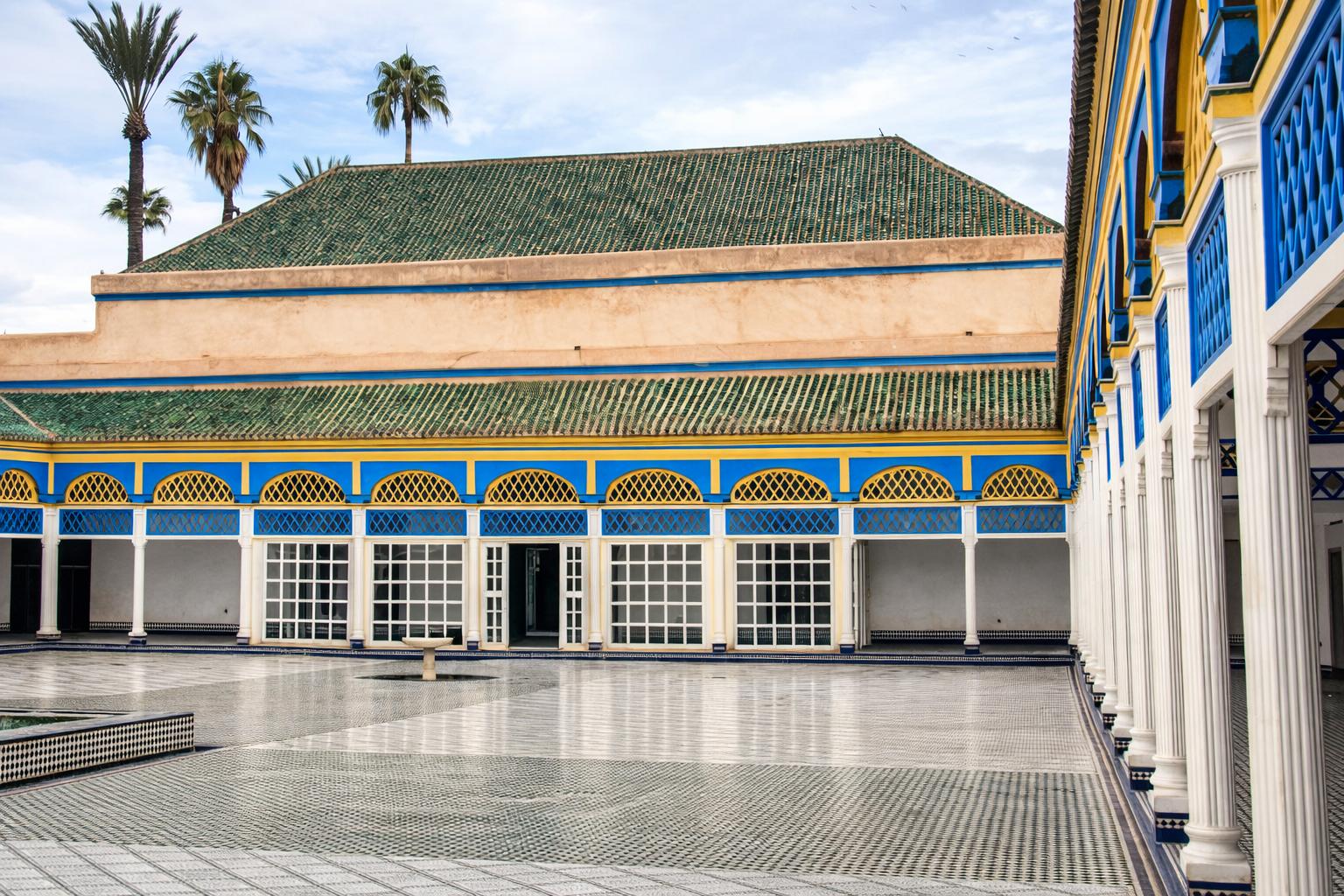
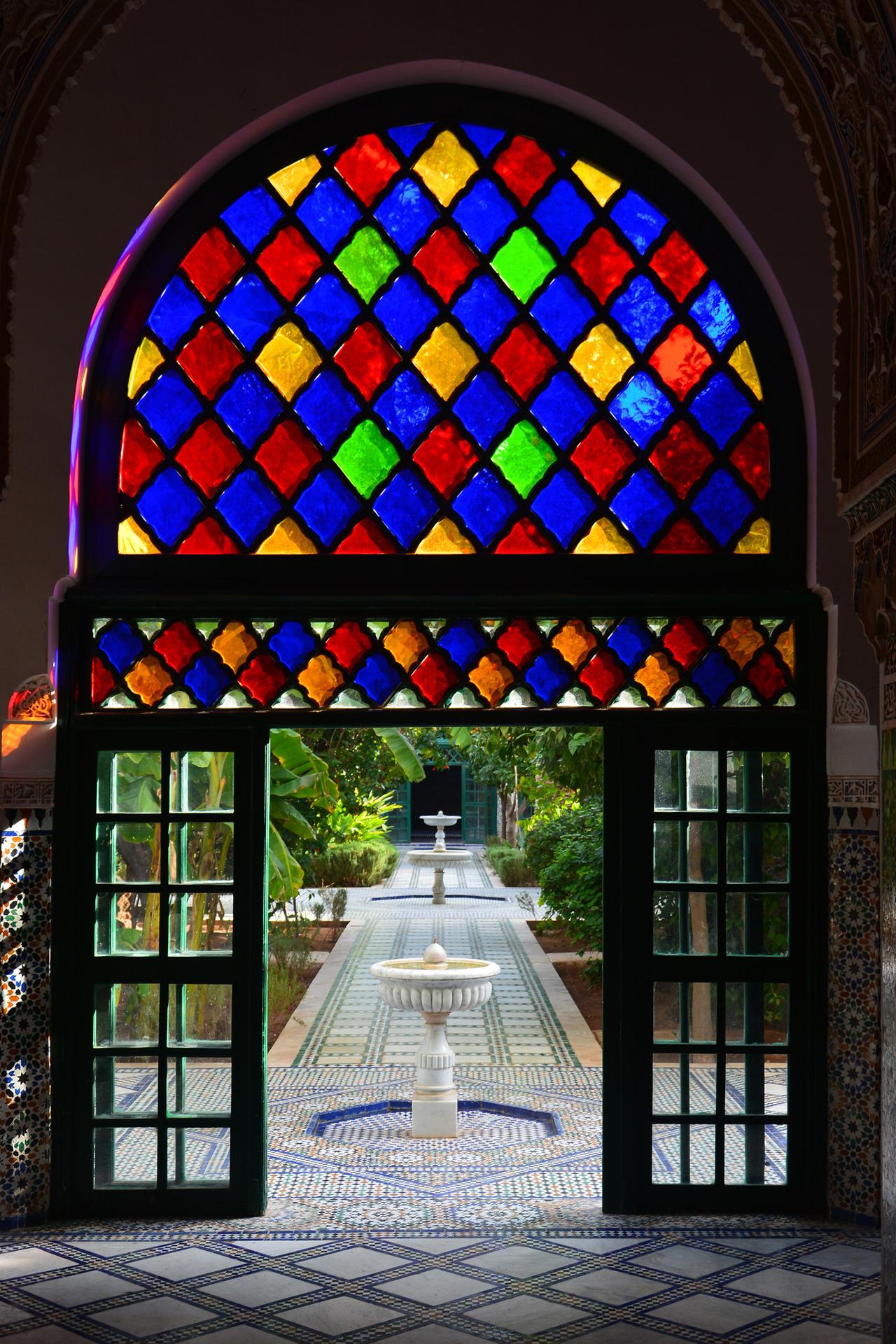
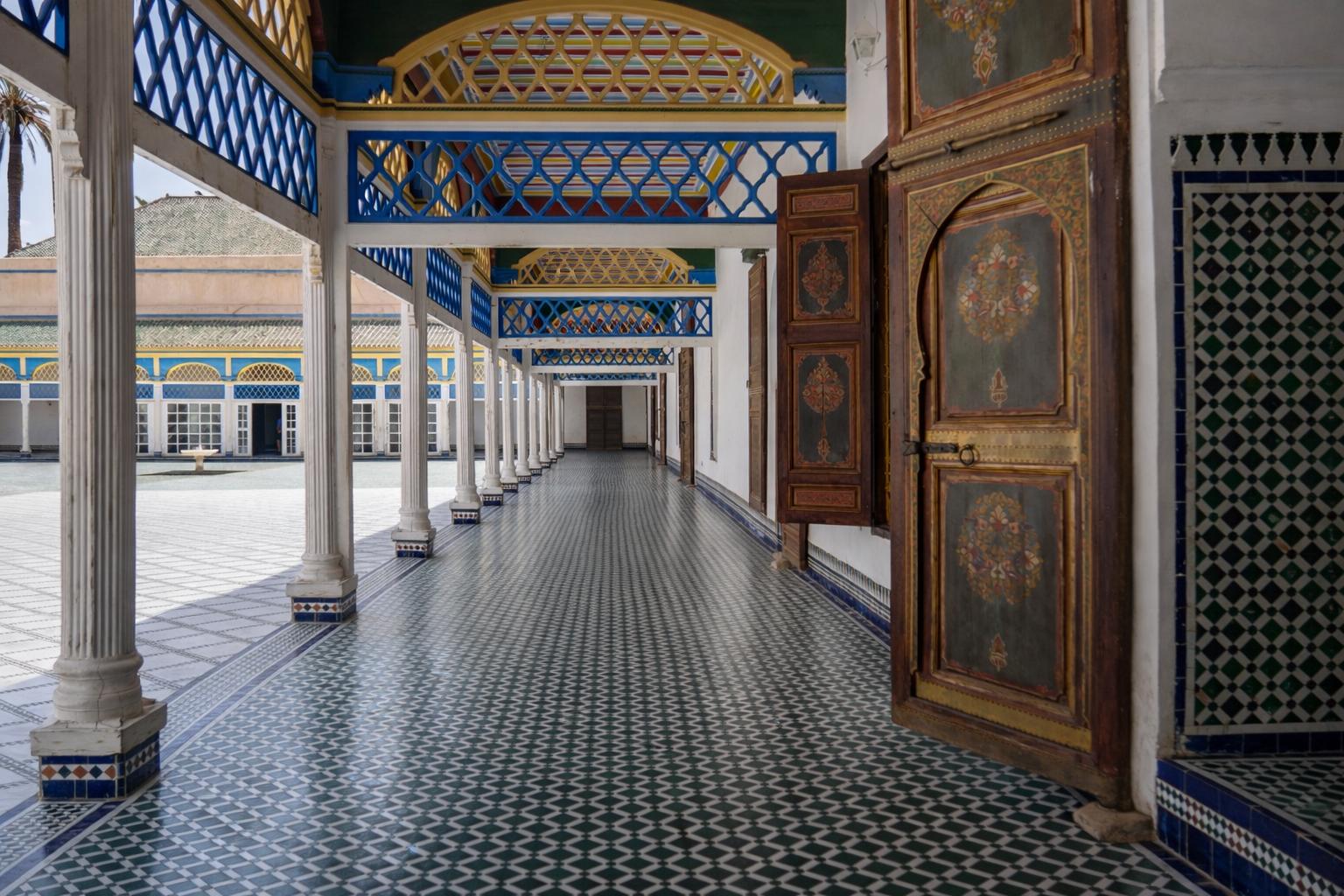
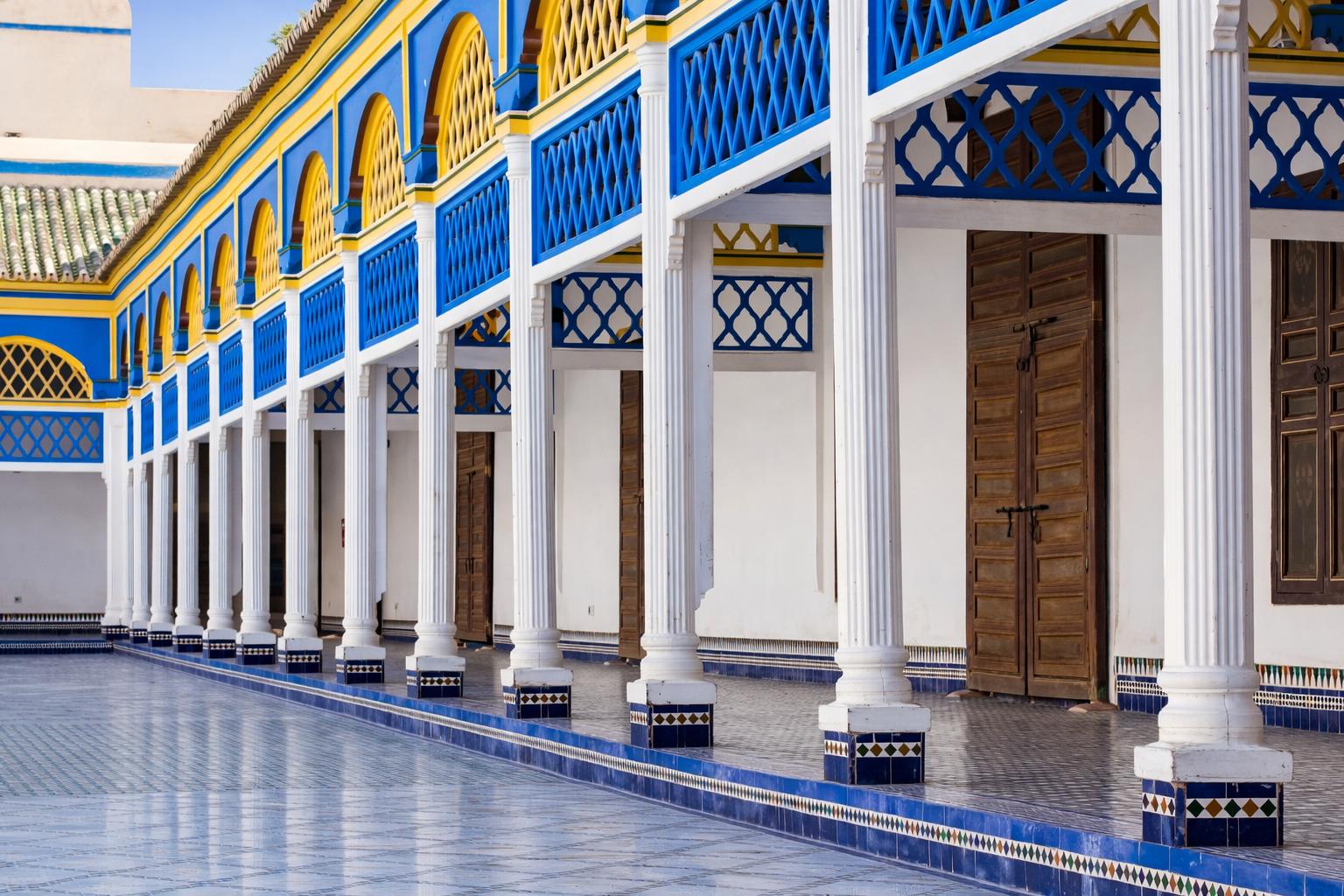
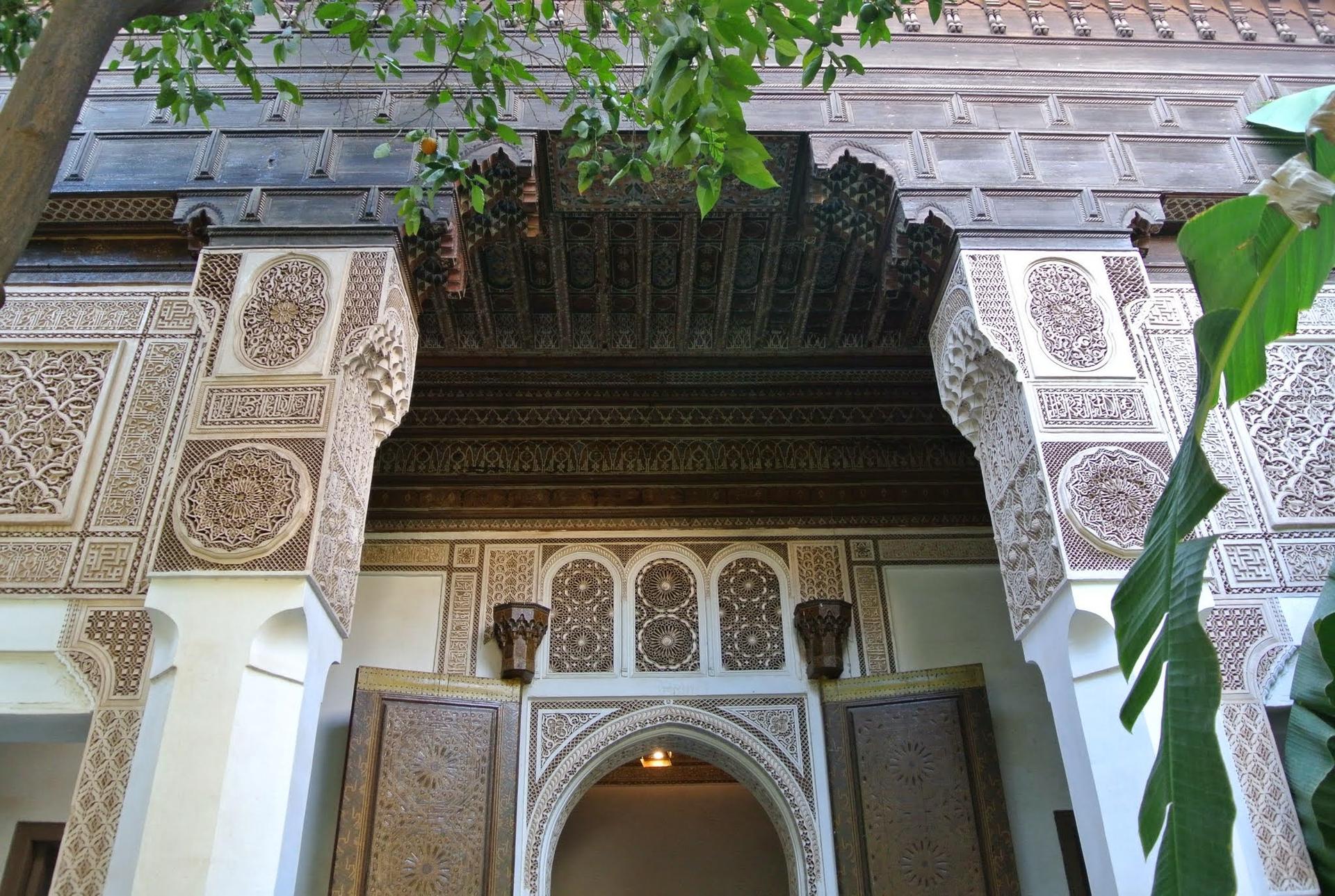
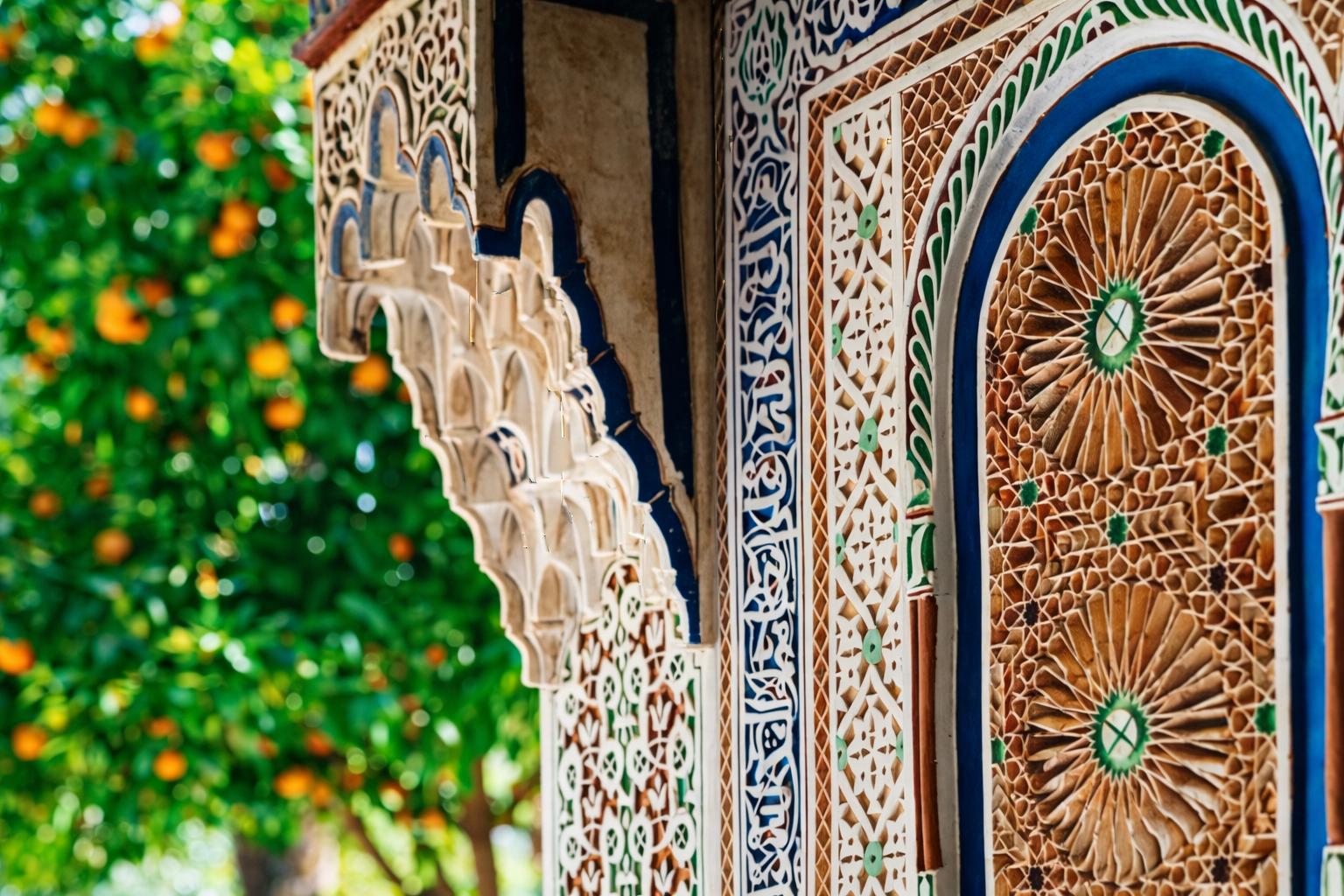
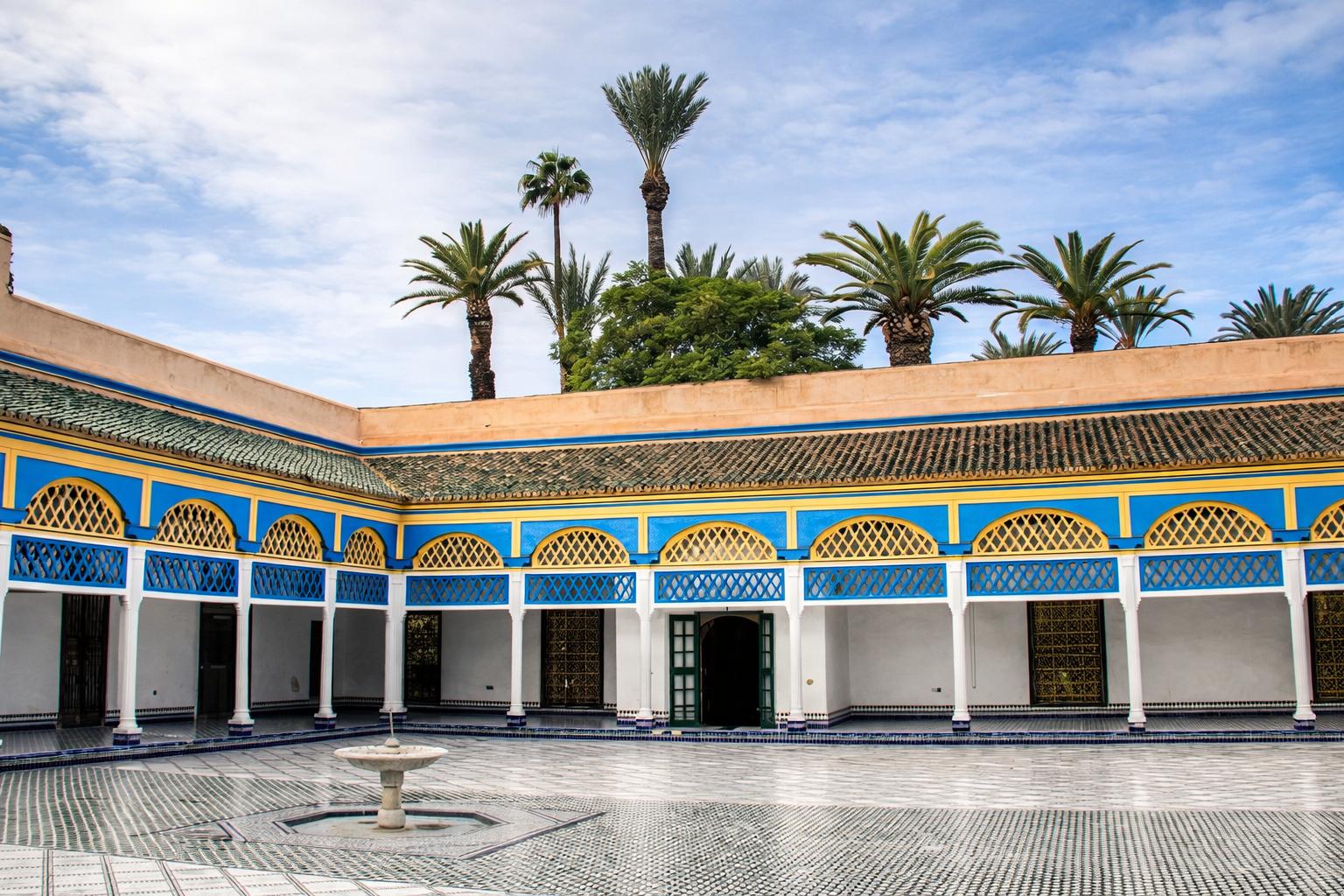
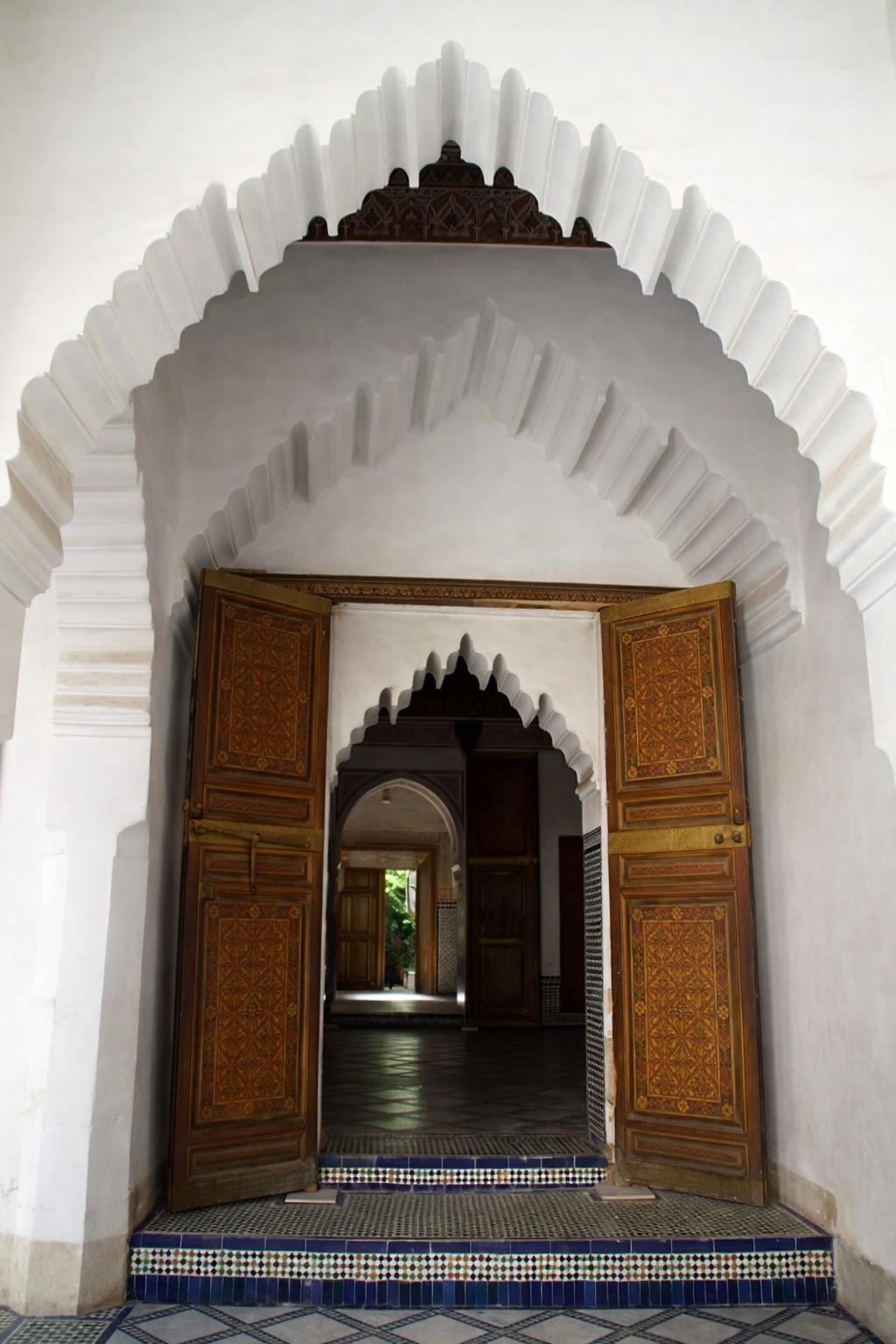
Bahia Palace occupies a compound of just under two hectares in the southern Medina, and its scale only becomes clear once you move through the sequence of courts and corridors that compose it. Two grand viziers built it, father and son. Si Musa began it in the 1860s, and the two halls flanking the Grand Riad carry an inscription dating them to 1866-67. His son Ba Ahmed, who ruled Morocco in all but name while the young sultan came of age, enlarged it between 1894 and 1900, buying up the neighbourhood plot by plot. The name means the brilliant one, said to be that of his favourite wife. The result is around 150 rooms, all on a single level, arranged around courtyards and riad gardens; the upper floor came later, added by a subsequent owner. The vocabulary shifts in register and intricacy from one chamber to the next: carved stucco, zellij floors, and cedar ceilings painted in pigment and gold leaf. The Grand Courtyard is paved in Italian marble and ringed by a wooden gallery, off which open the some eighty rooms of Ba Ahmed's household. Light enters through carved screens and coloured glass, landing on floors of a precision that takes time to absorb. The end came fast. Ba Ahmed died in 1900, and the sultan reportedly had the palace stripped of its valuables within hours; from 1912 it served as the residence of the French resident-general. Come in the morning, before the tour groups accumulate, when the cool of the thick walls is most felt and the painted ceilings still hold the low light.