Jemaa el-Fnaa
Jemaa el-Fnaa Marrakech 40000
Neighborhood
Medina
Type of Attraction
Monuments & Landmarks
Overview
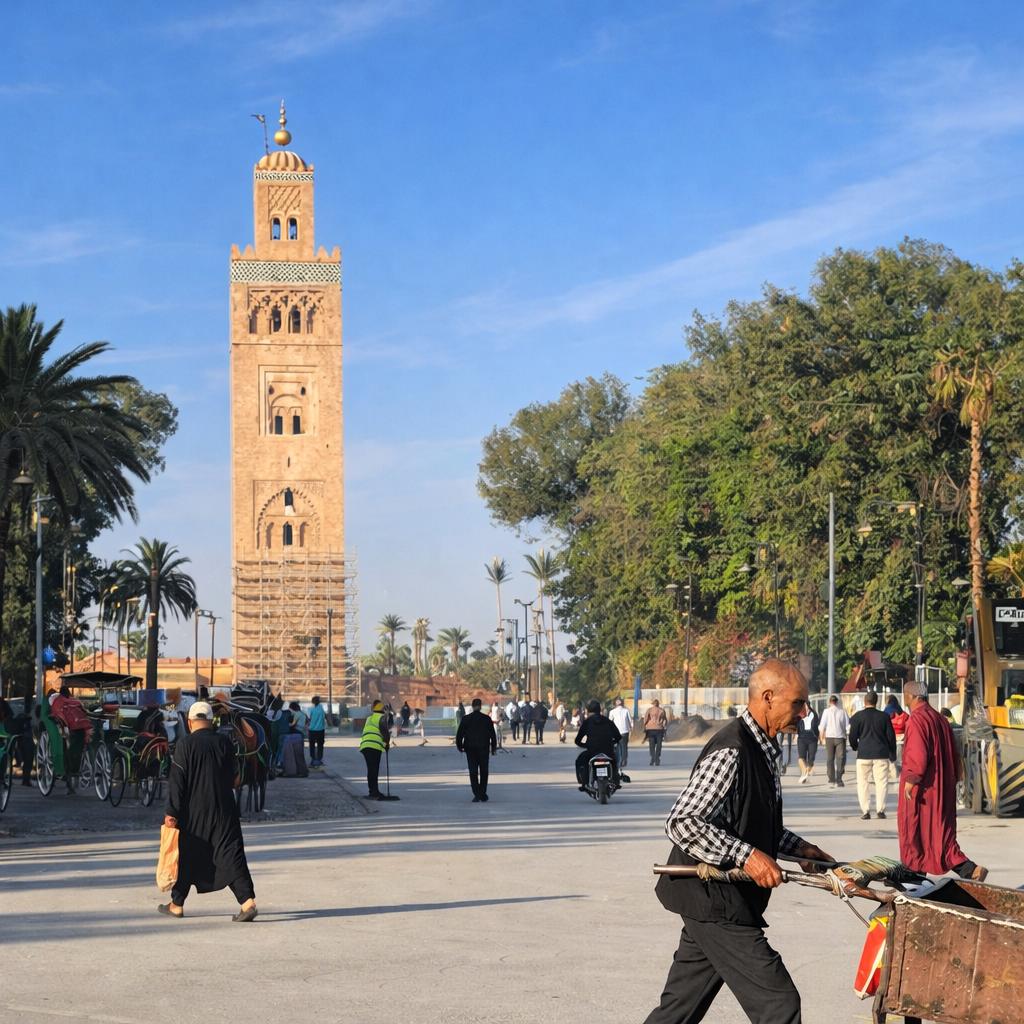
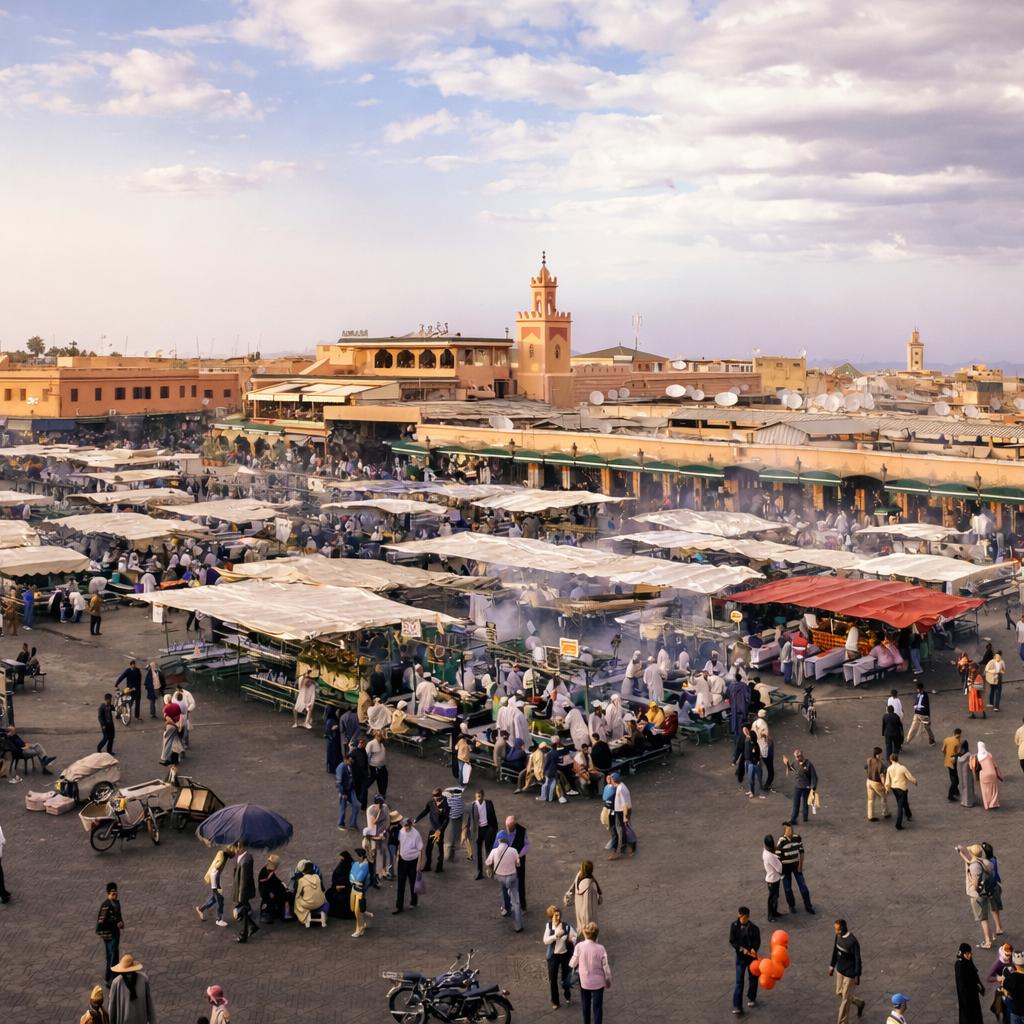
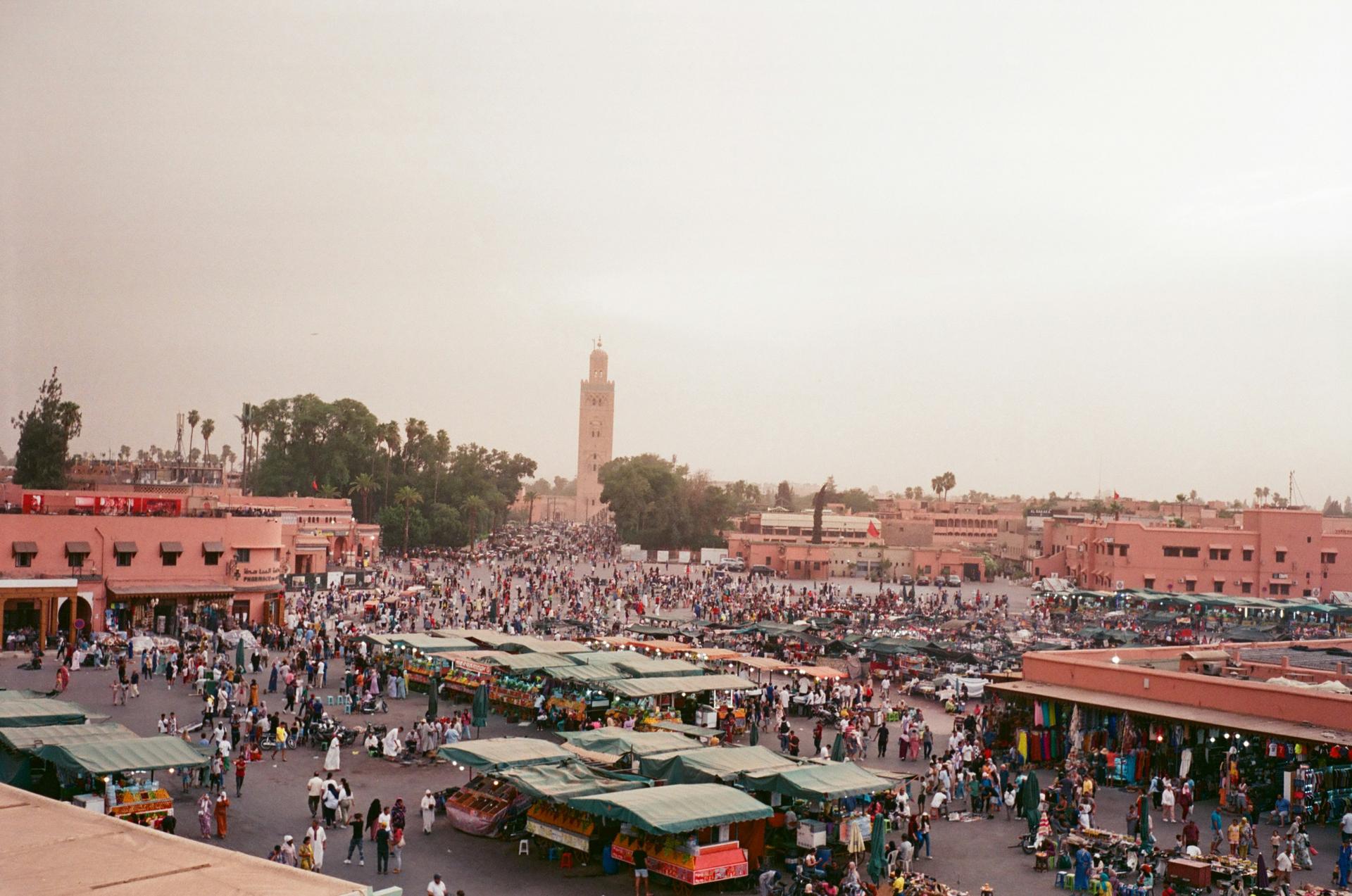
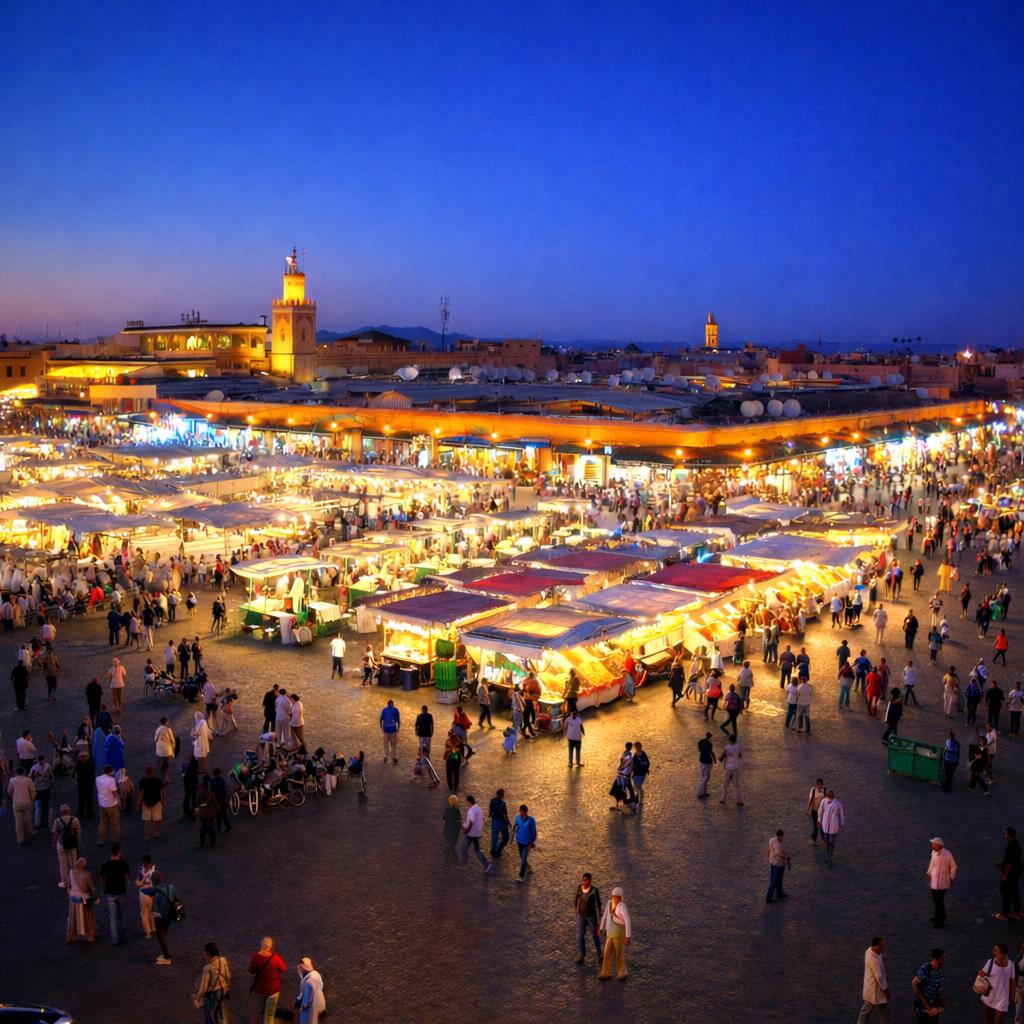
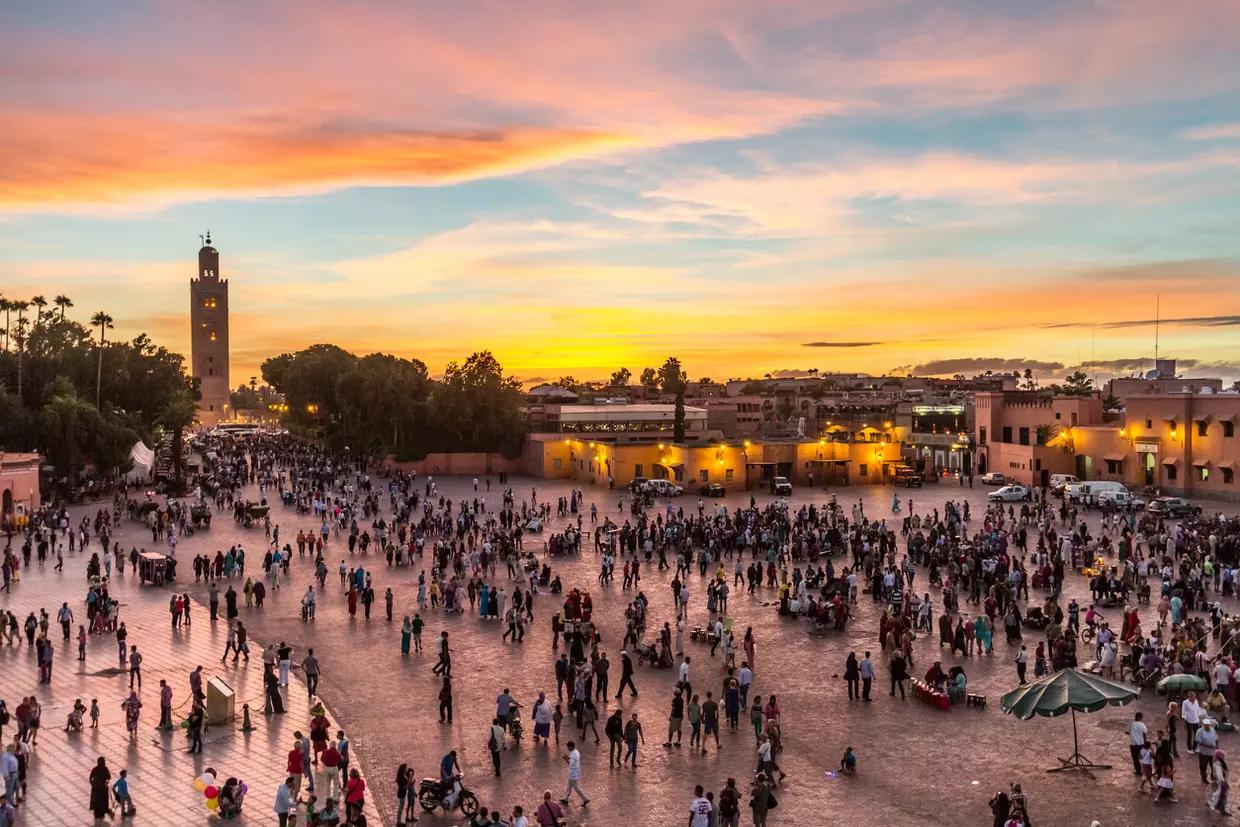
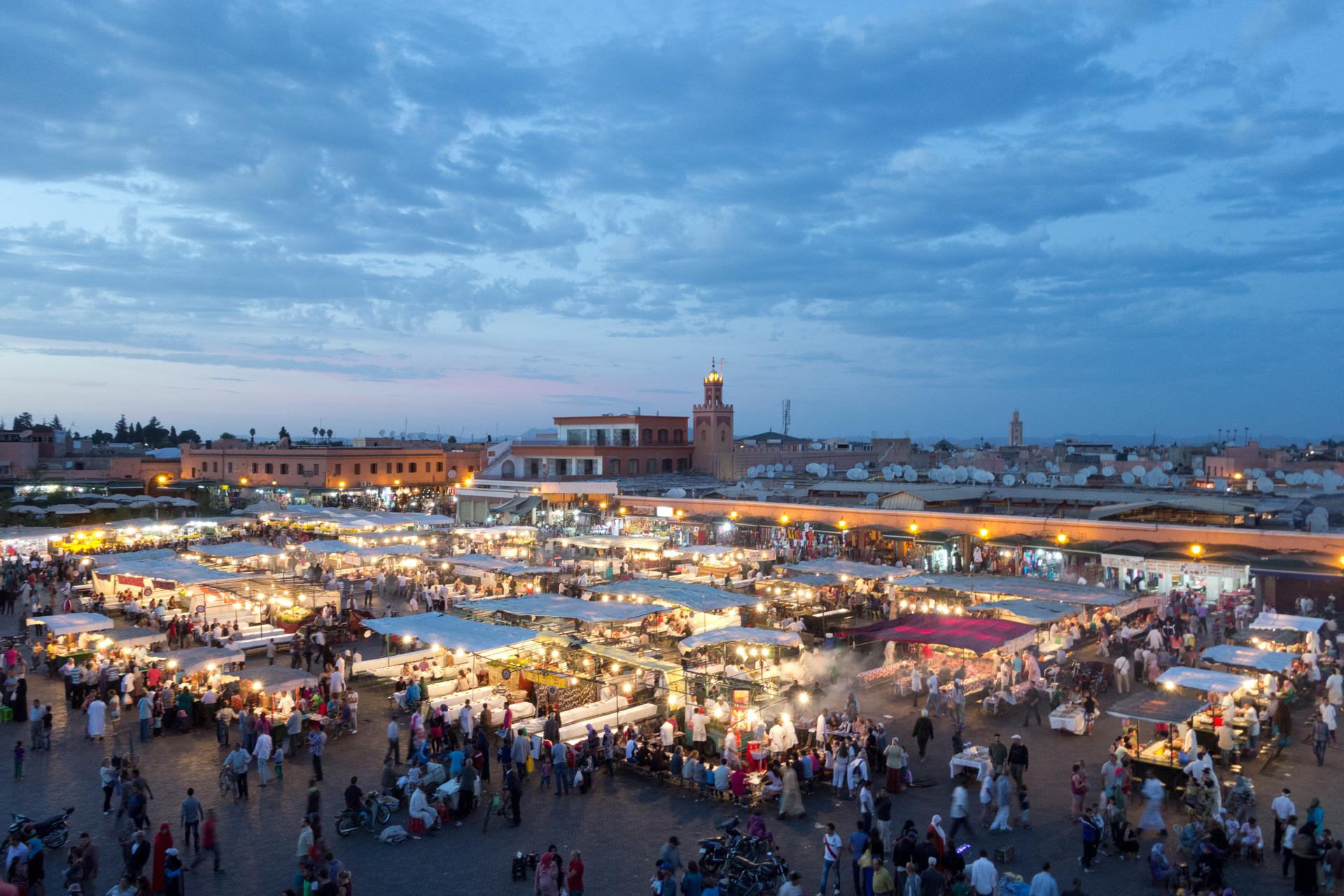
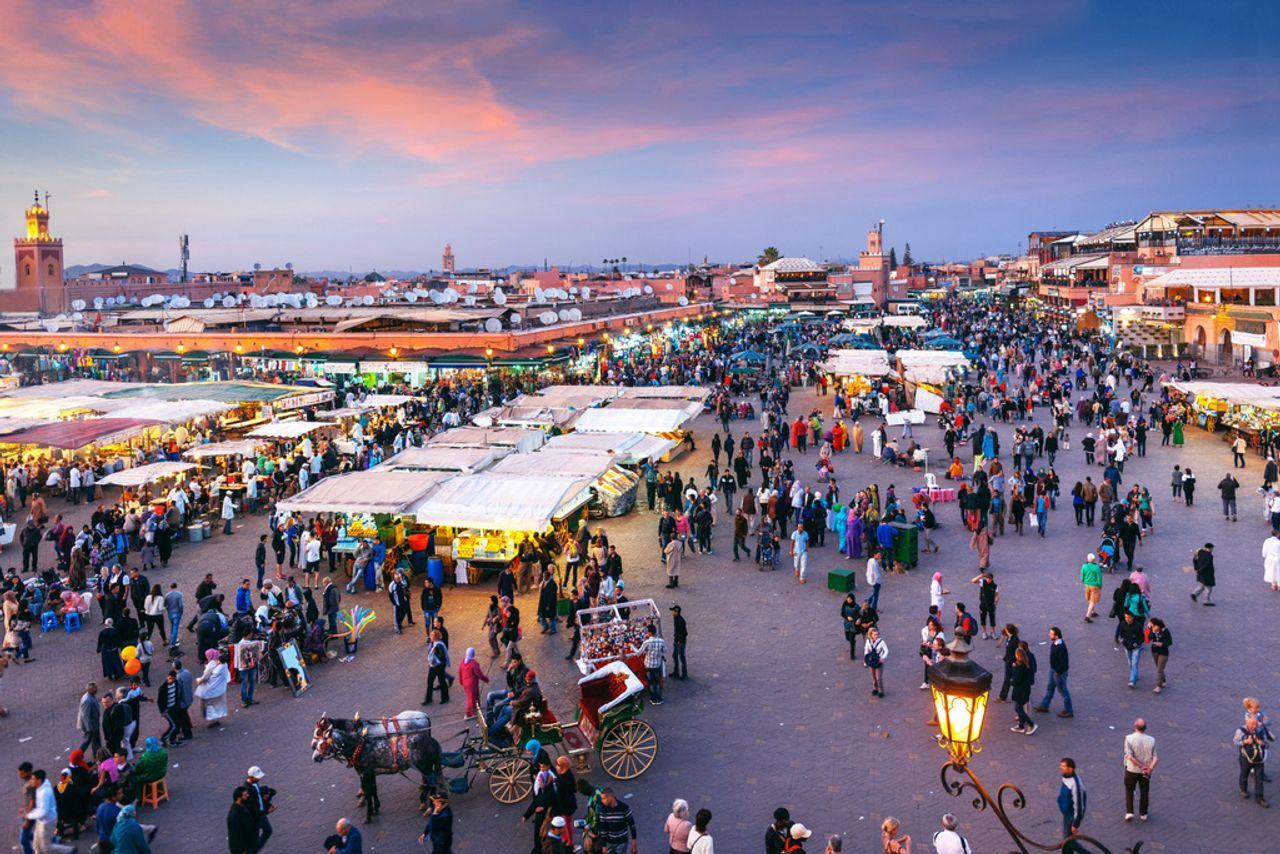
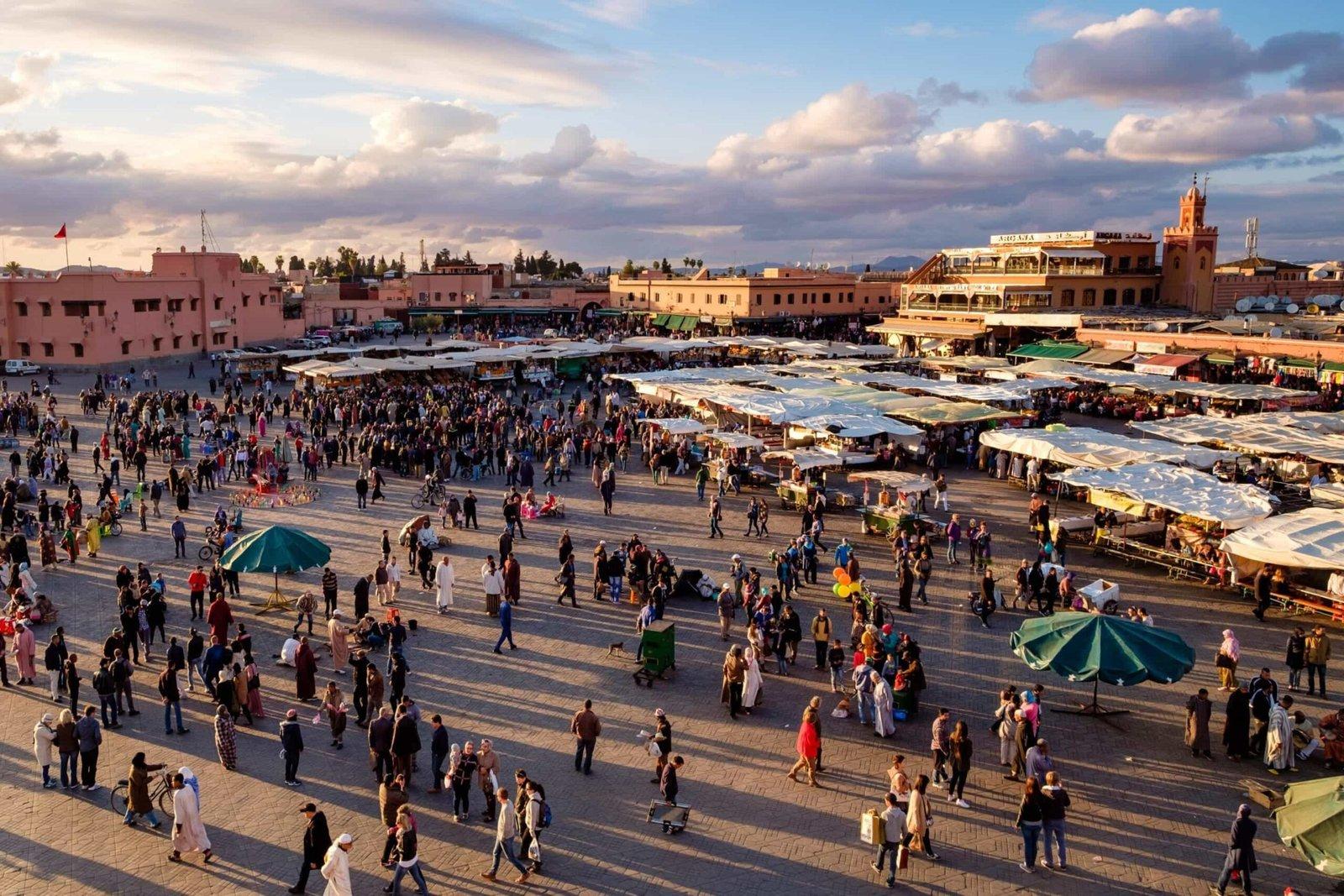
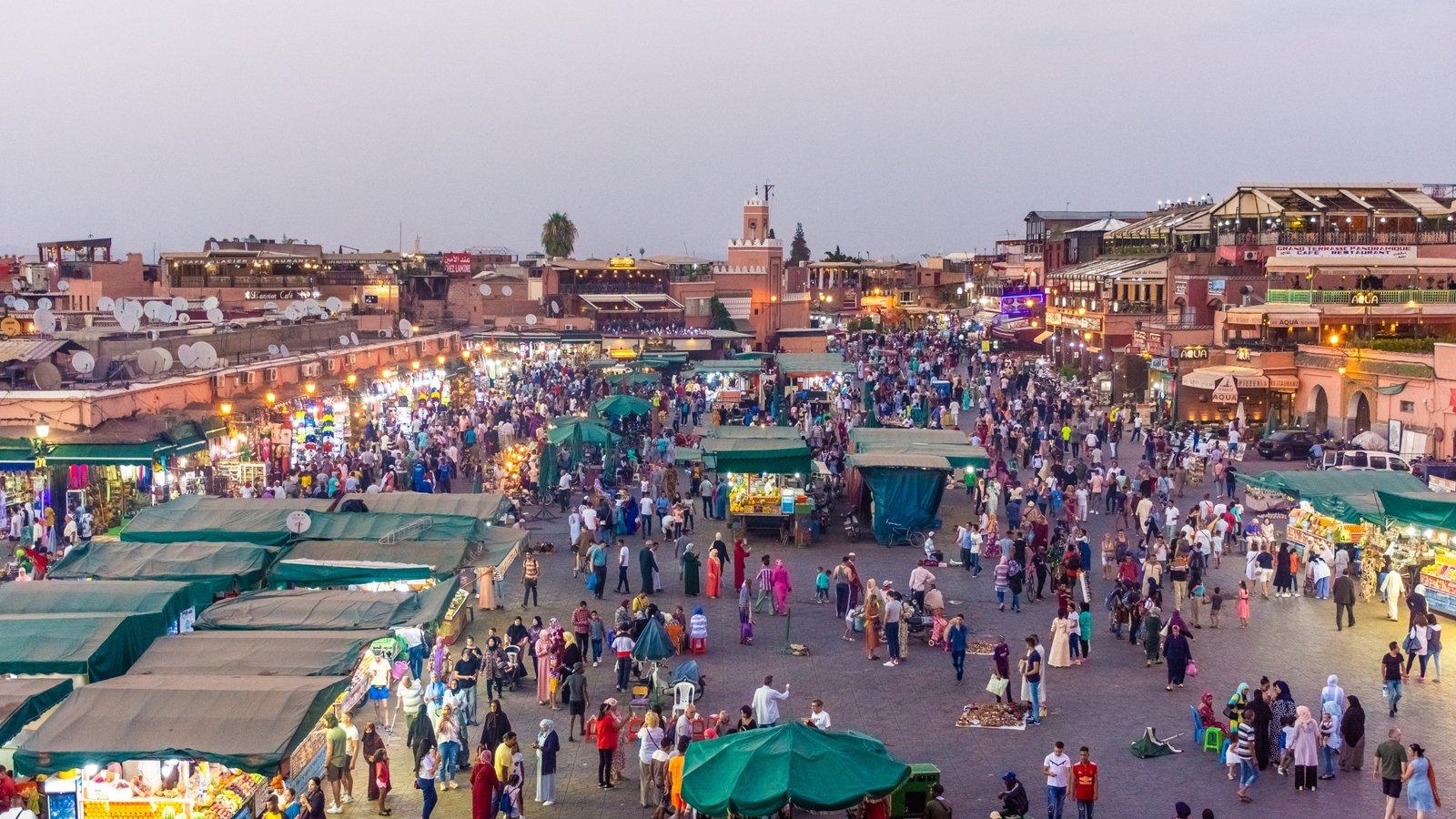
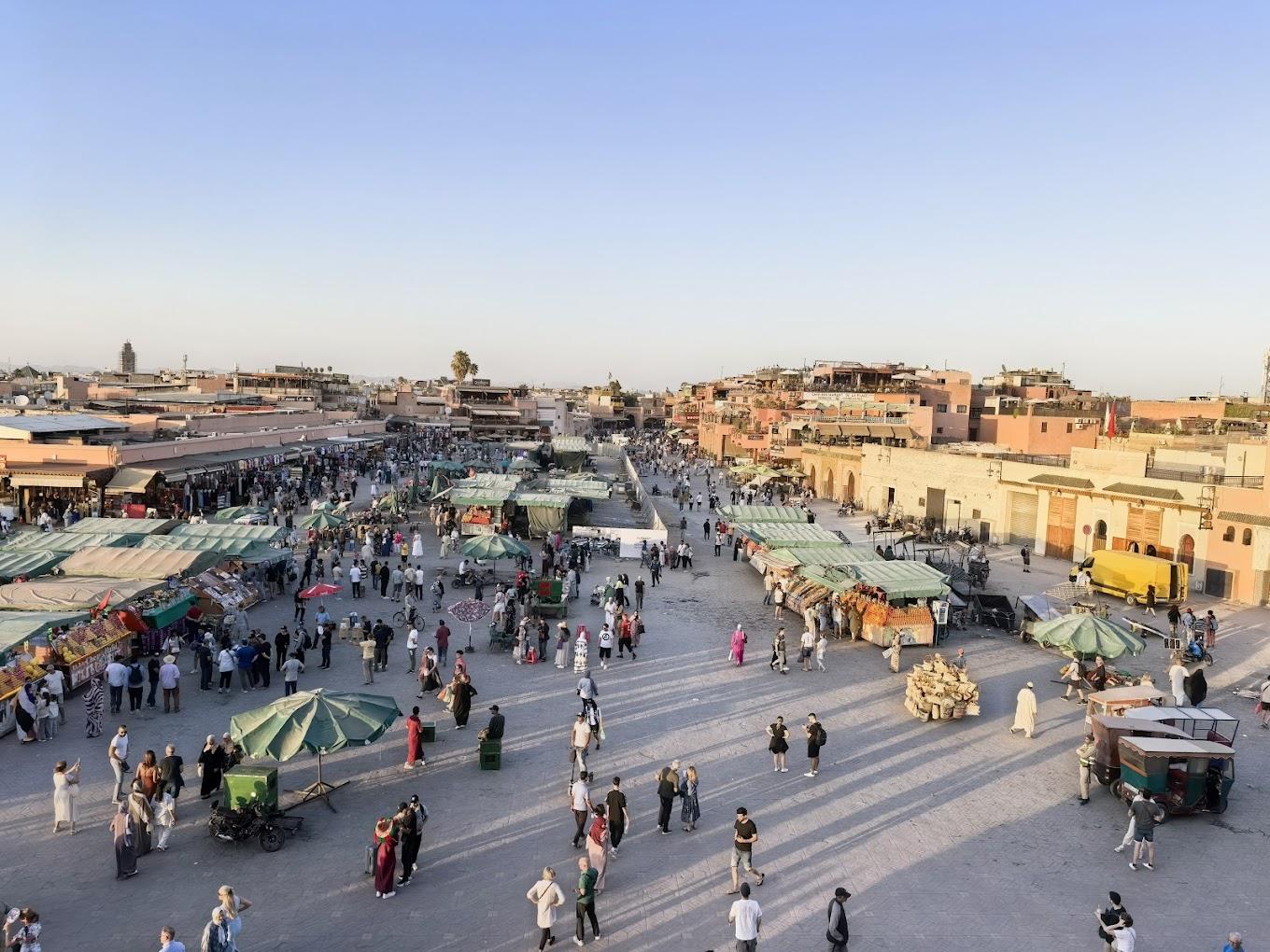
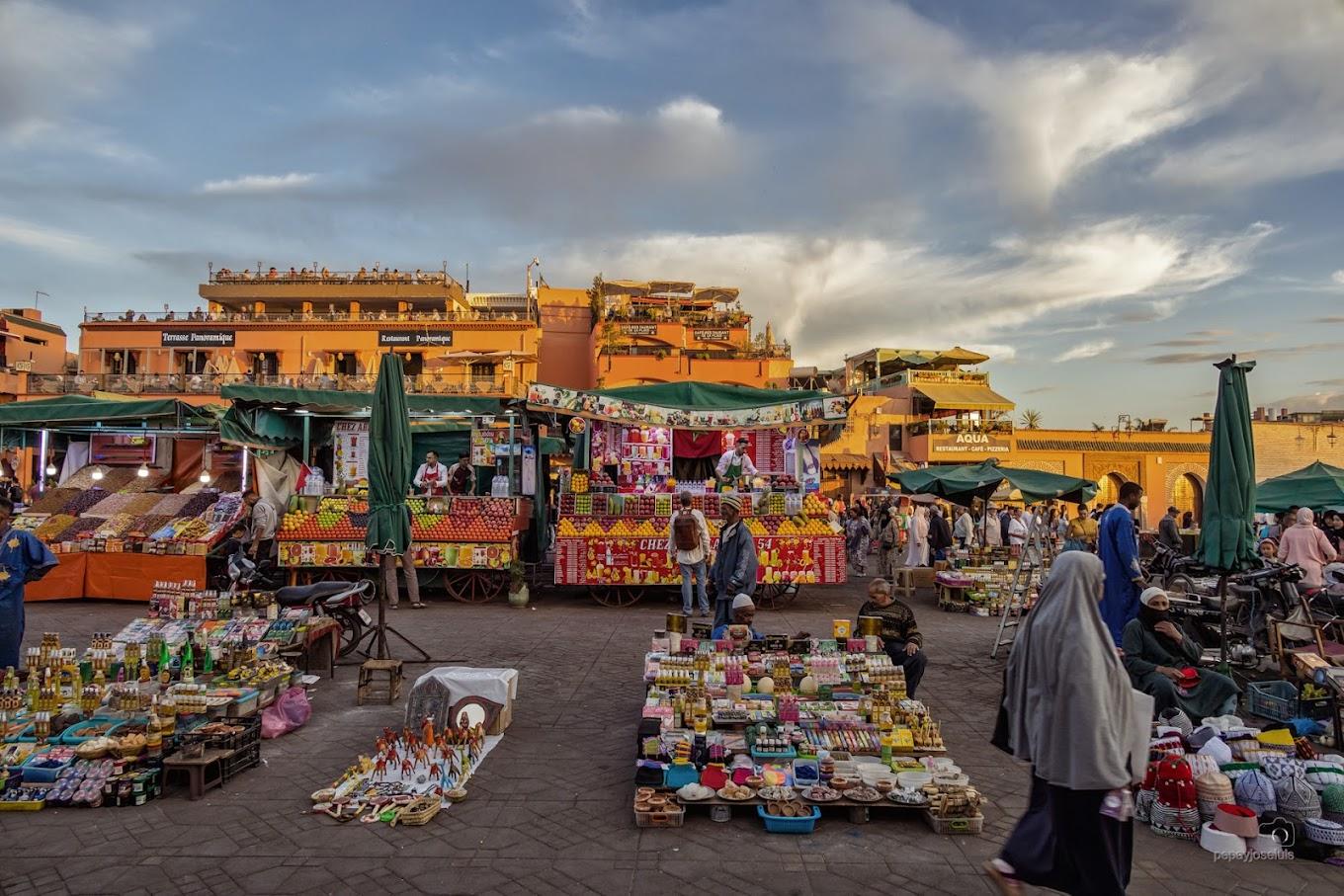
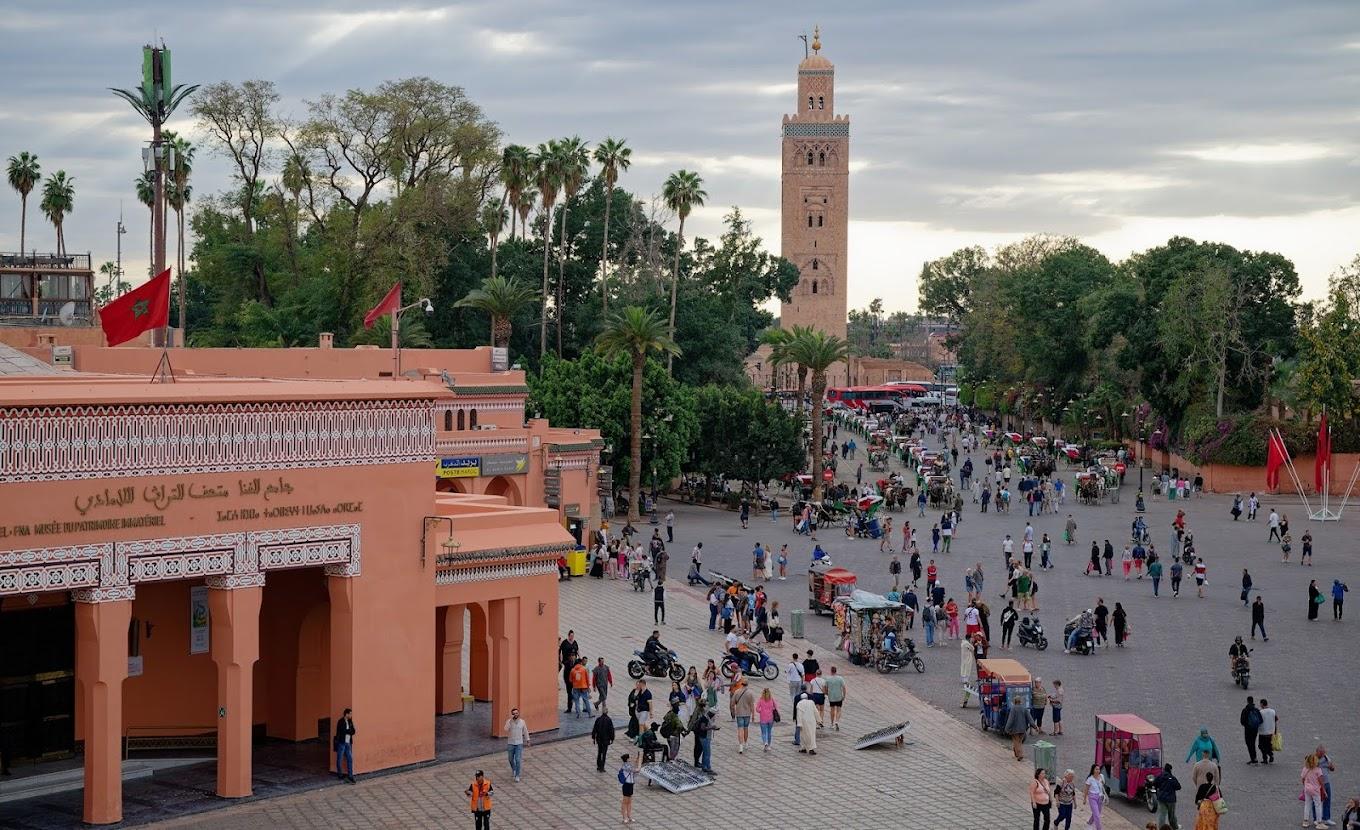
Jemaa el-Fnaa is the organizing centre of Marrakech, a vast open square at the edge of the Medina that has functioned as market, theatre, and public stage for centuries. UNESCO recognized its traditions as Intangible Cultural Heritage in 2001, a designation applied not to any building but to the living practices that take place here: the storytellers, the Gnawa musicians, the herbalists, the snake handlers, the acrobats, the orange juice sellers, the henna artists who have worked this space across generations. The square changes completely through the day. By mid-morning it is relatively quiet, with fruit carts occupying the southern end and a scatter of musicians and performers beginning to establish themselves. By afternoon the density increases; by early evening the food stalls fill the centre, trailing smoke from grills that carry lamb, seafood, and offal into the air above a crowd of several thousand. The rooftop terraces of the surrounding cafés are occupied by people who want to see it without being part of it, though the view from the edge of the square itself is different and better. Jemaa el-Fnaa rewards return visits at different times. No two hours look the same. The square is most itself in the transitional hours: the moment between late afternoon and early evening when the food stalls have just lit their grills and the daytime entertainers are still working the diminishing light. The smoke, the sound, the circling crowds and stationary performers create a density of experience that is not arranged for visitors, even if visitors are always present.