Bahia Palace
Marrakesh 40000
Type of Attraction
Monuments & Landmarks
Overview
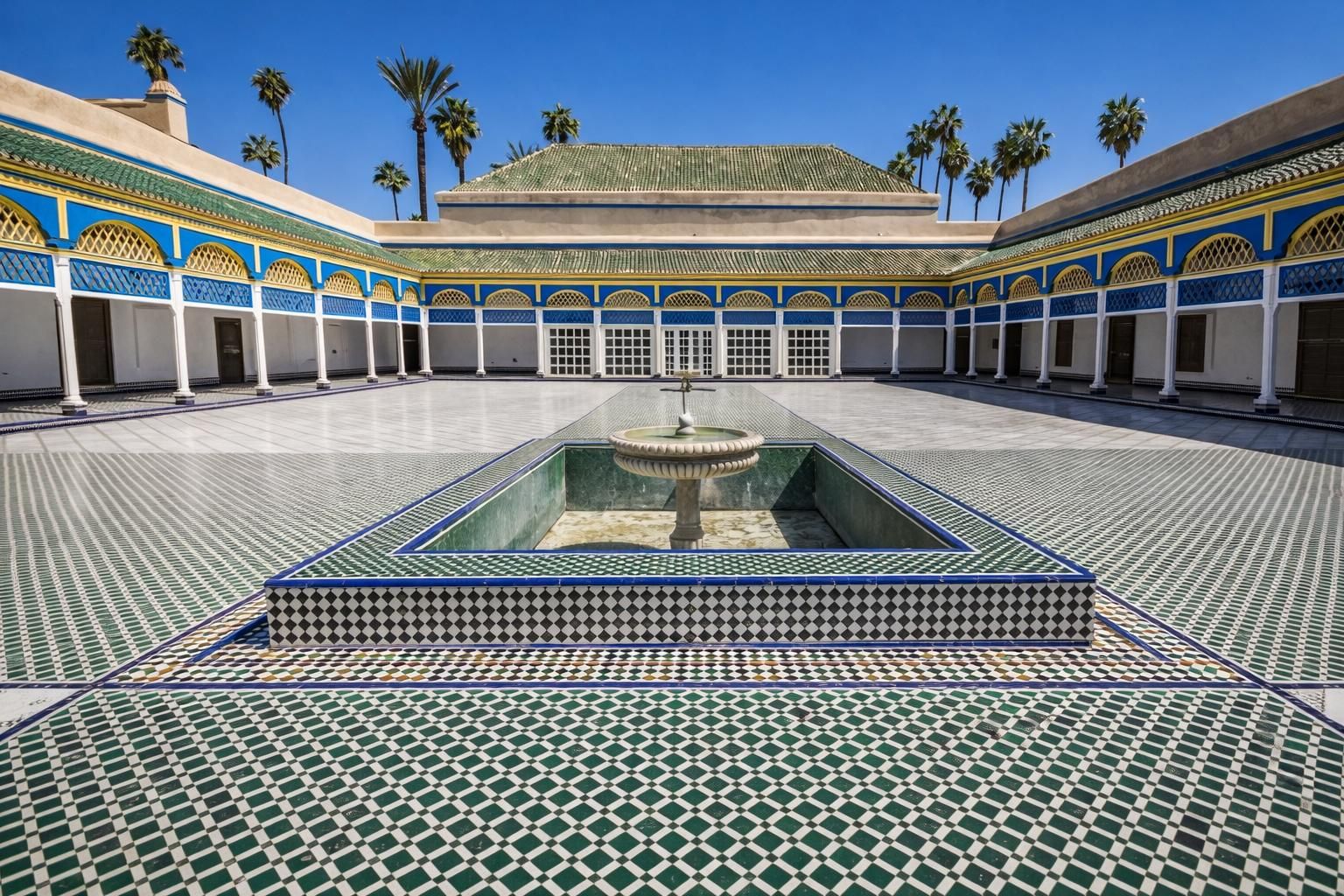
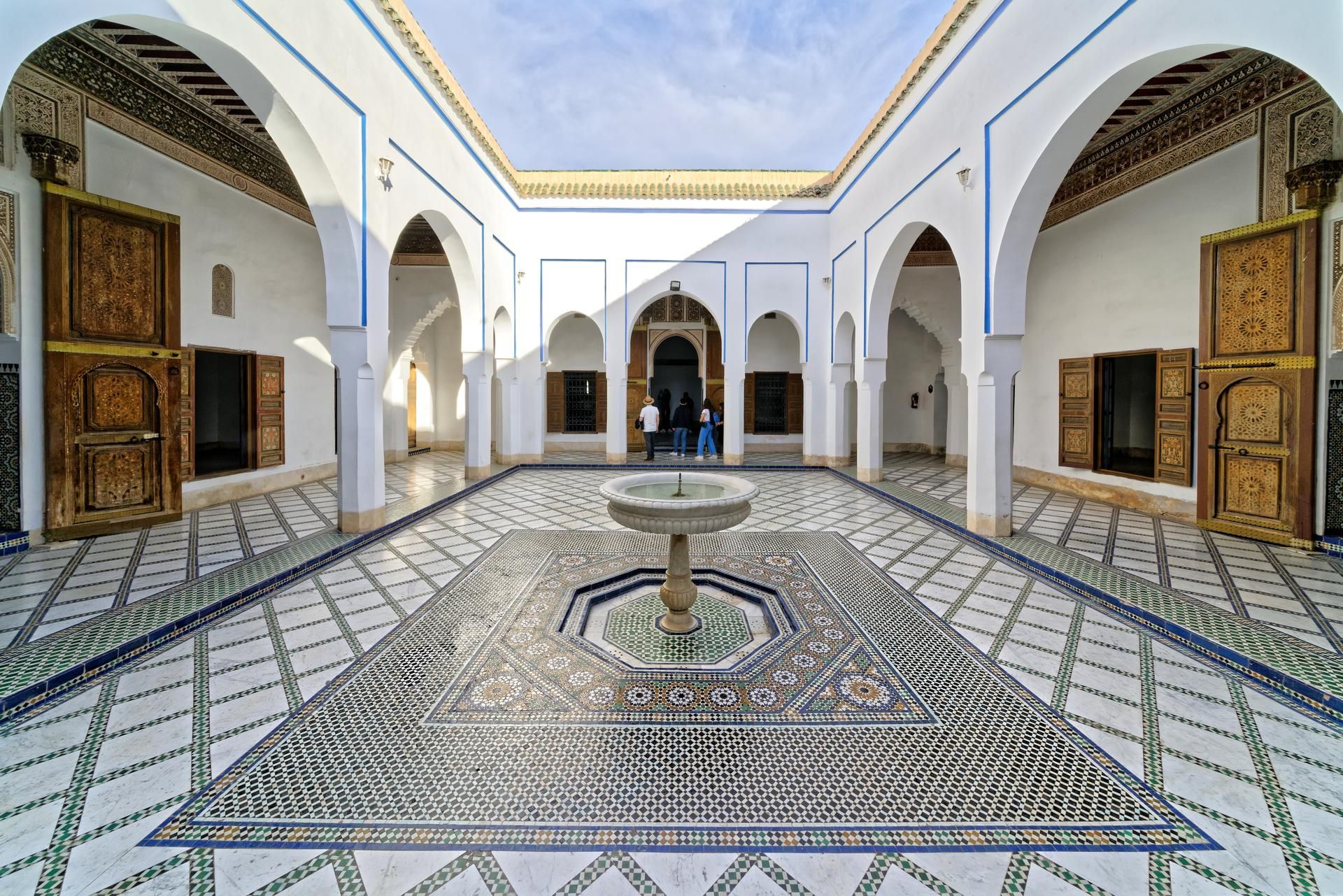
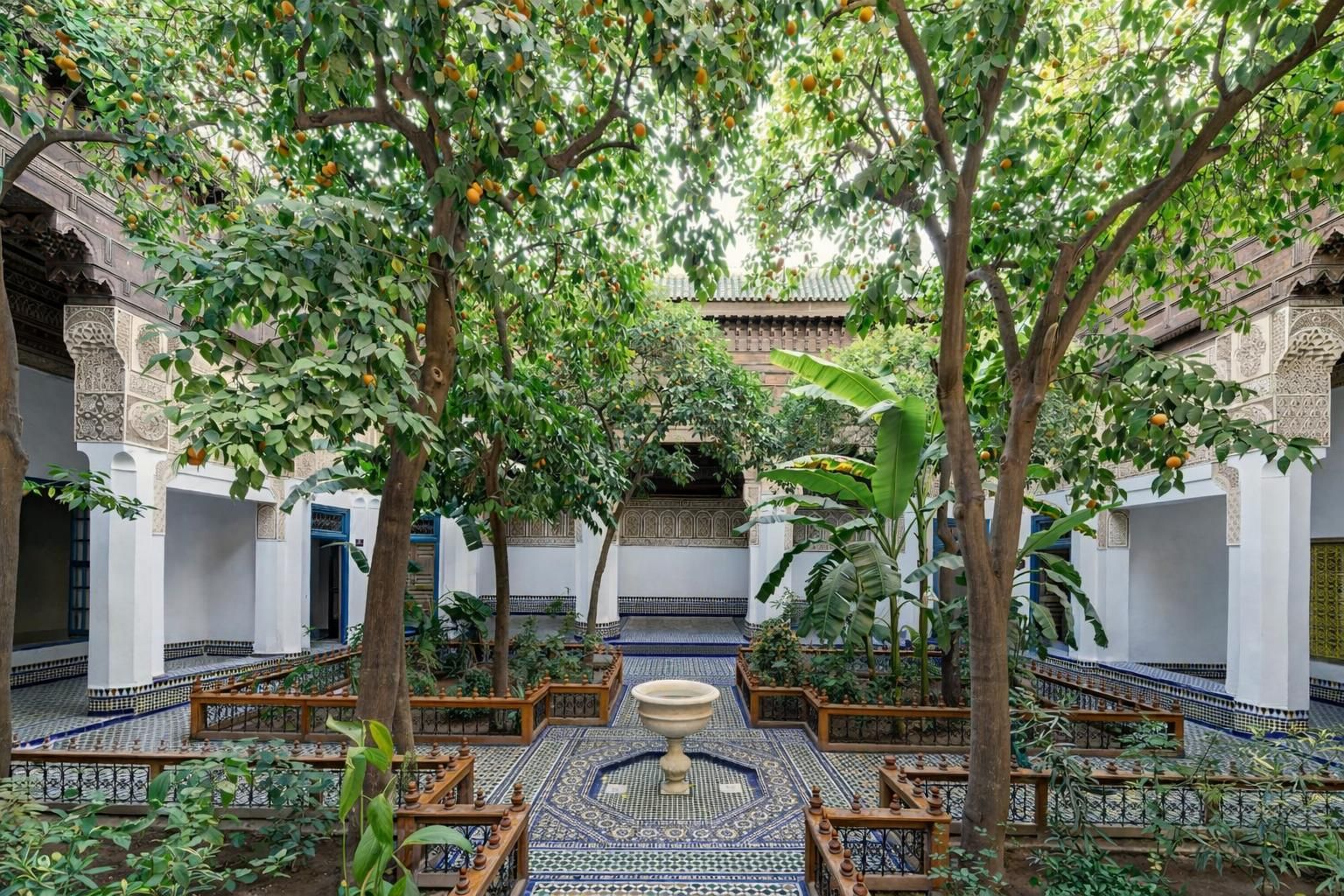
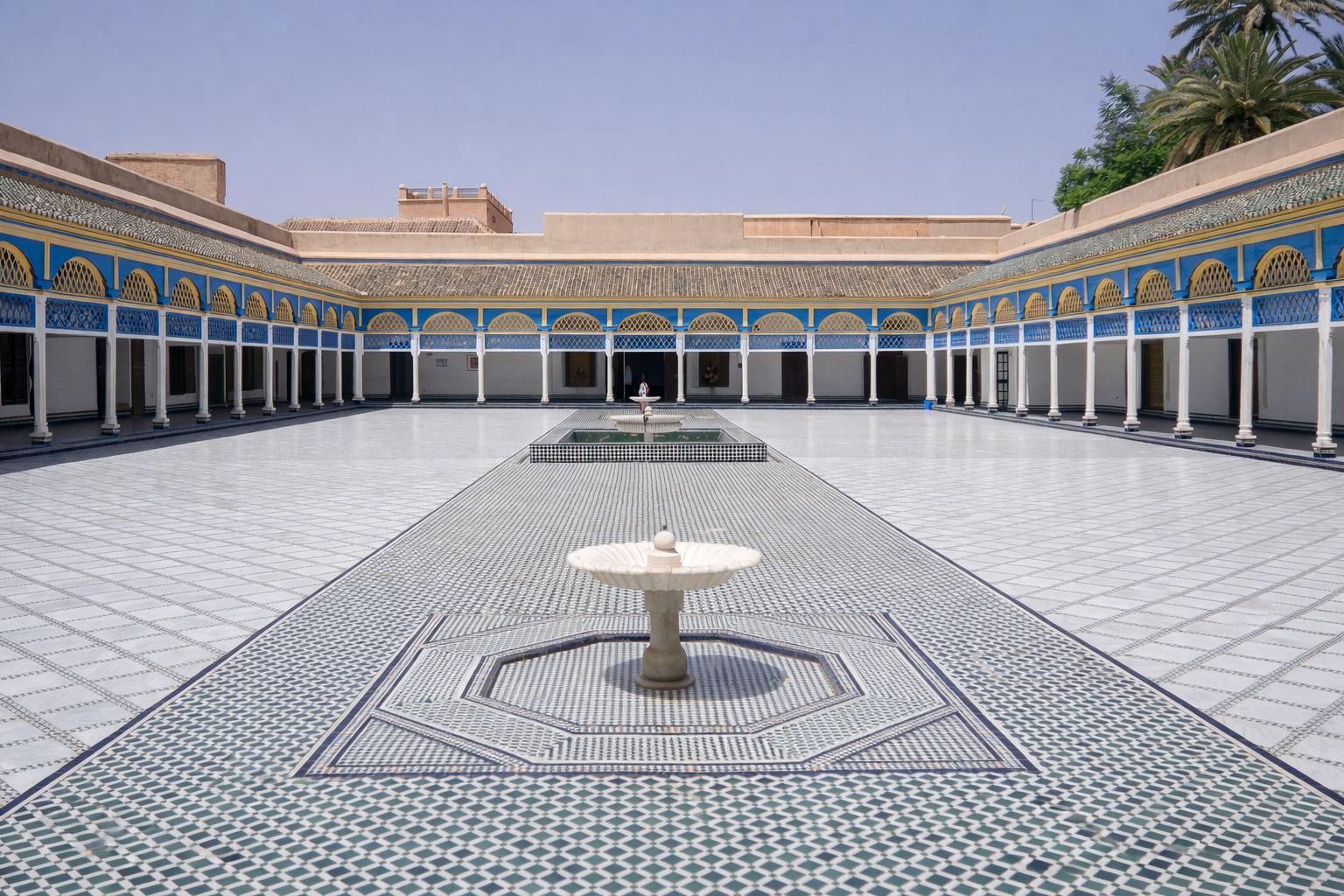
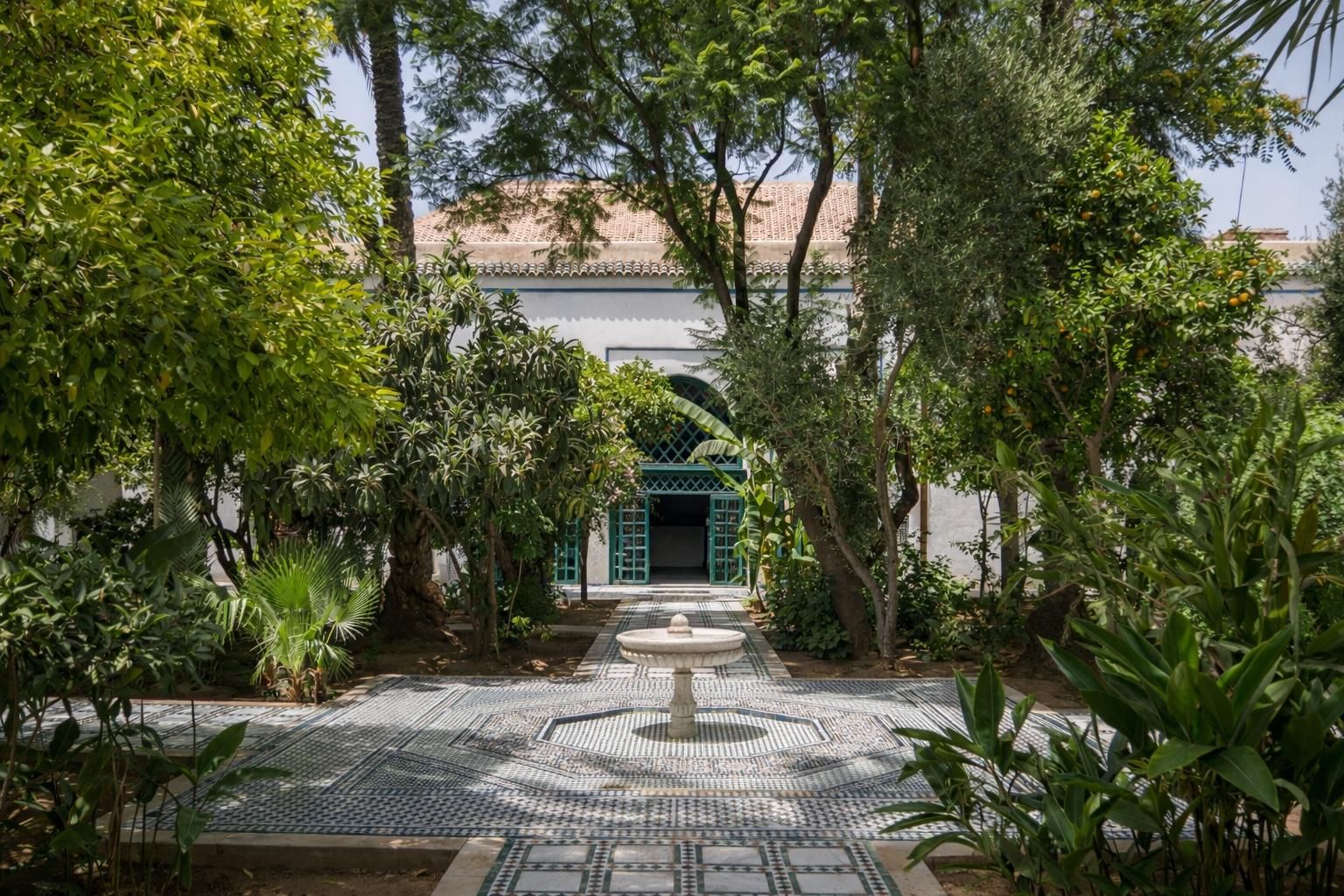
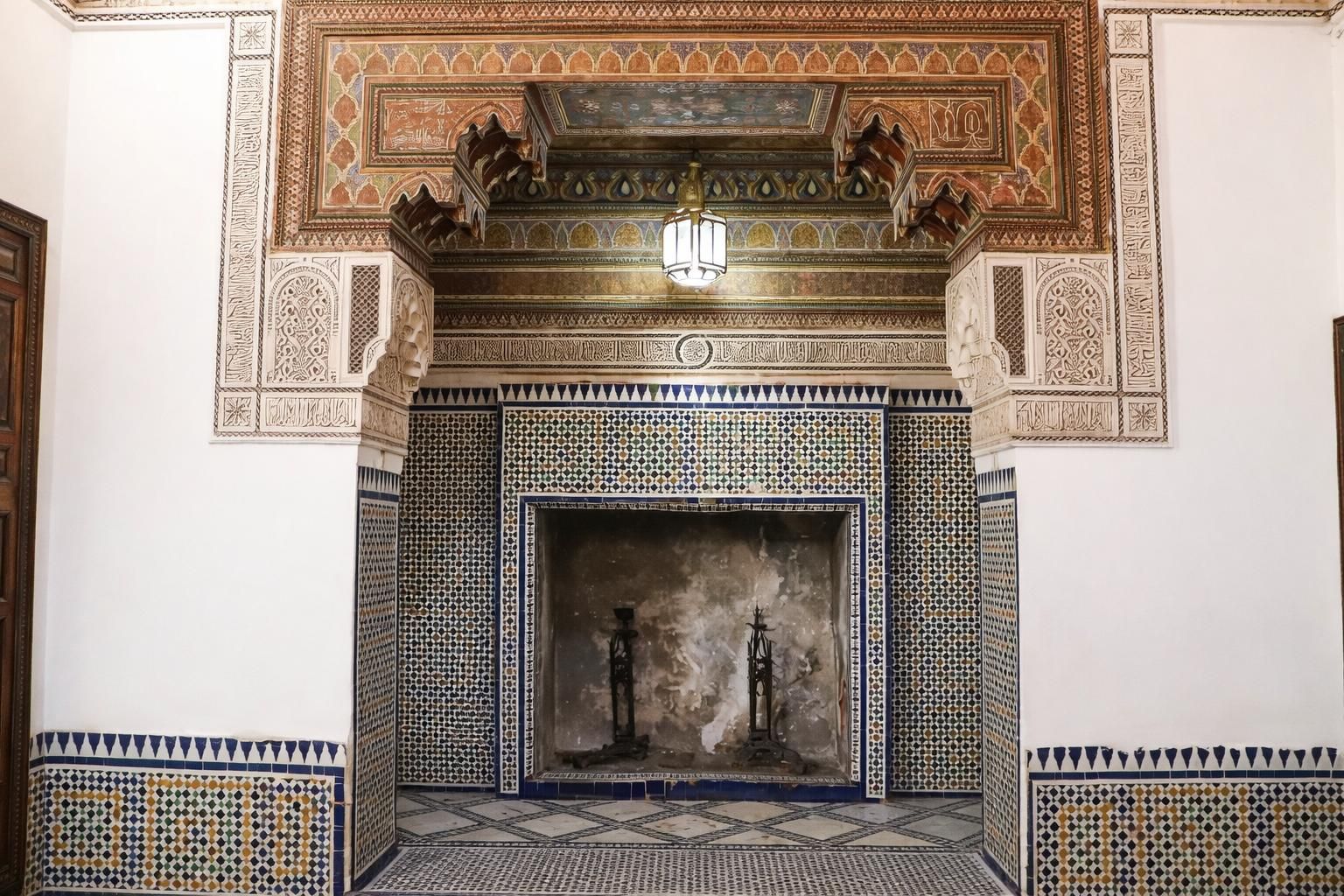
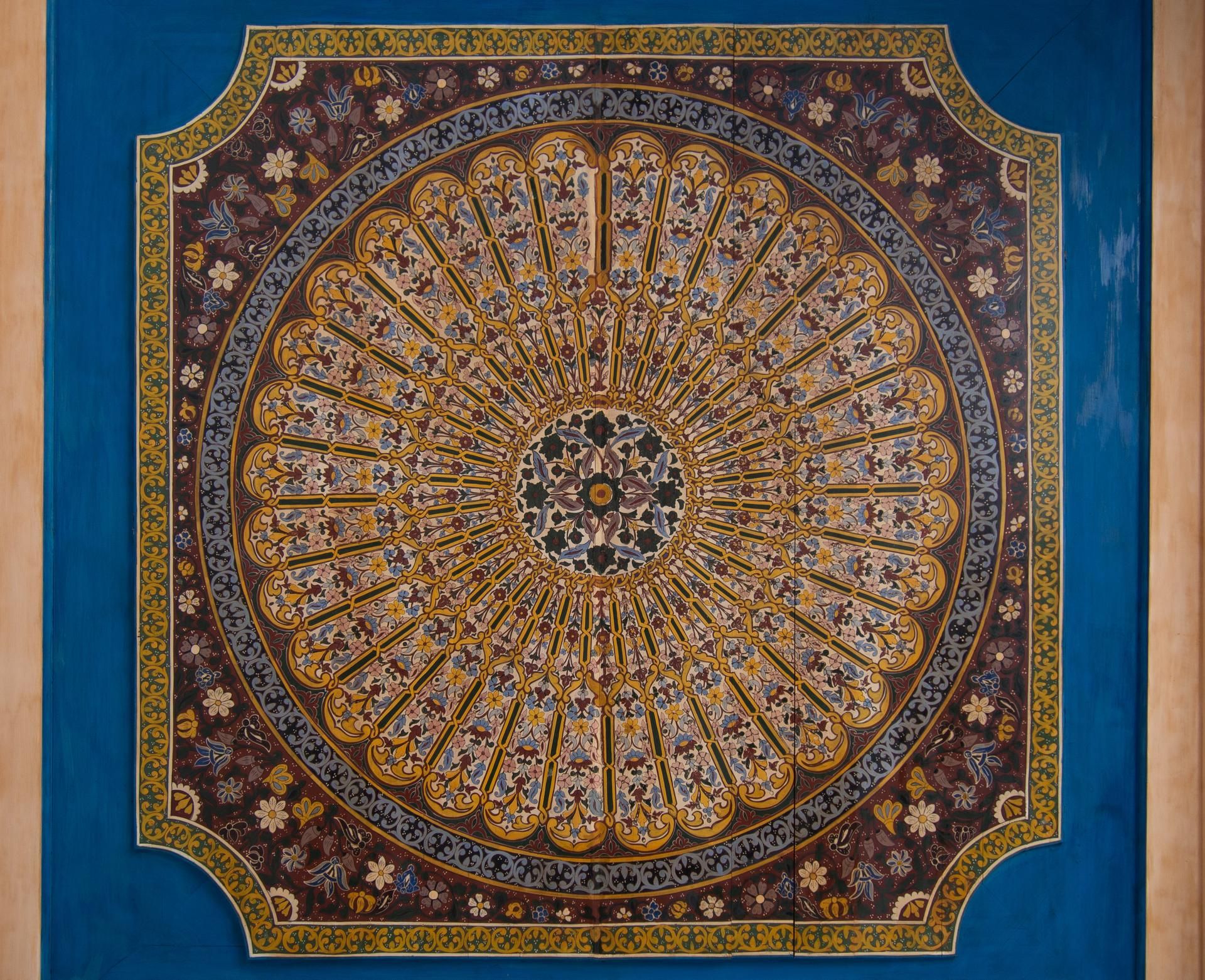
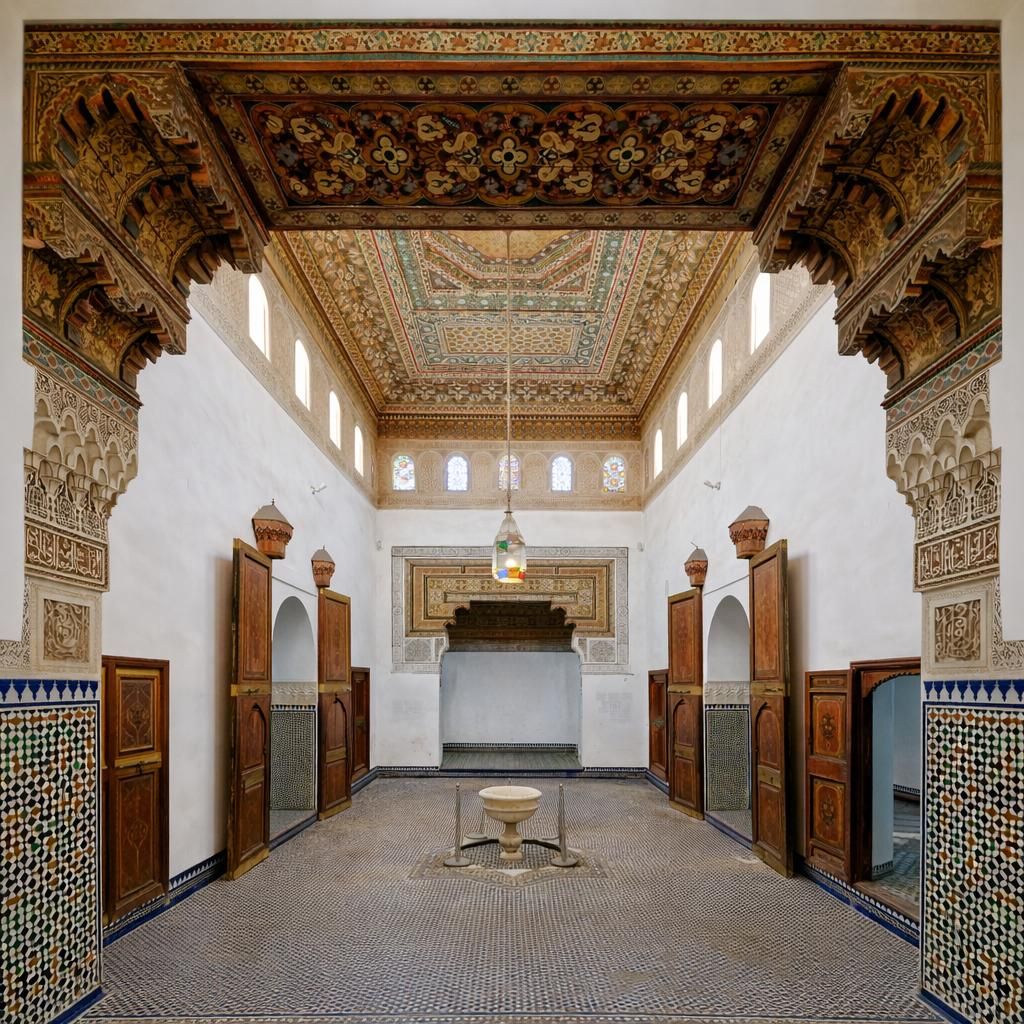
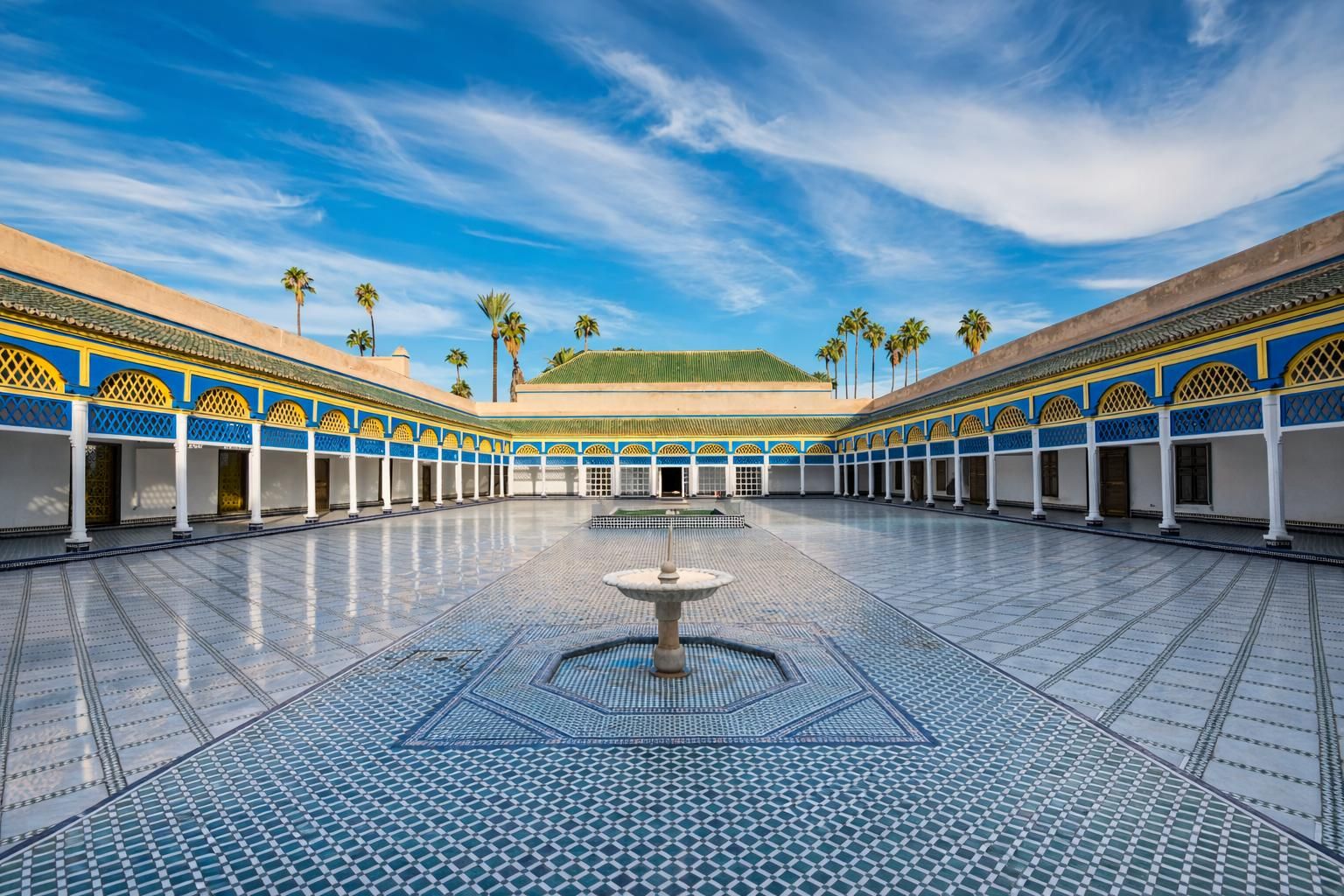
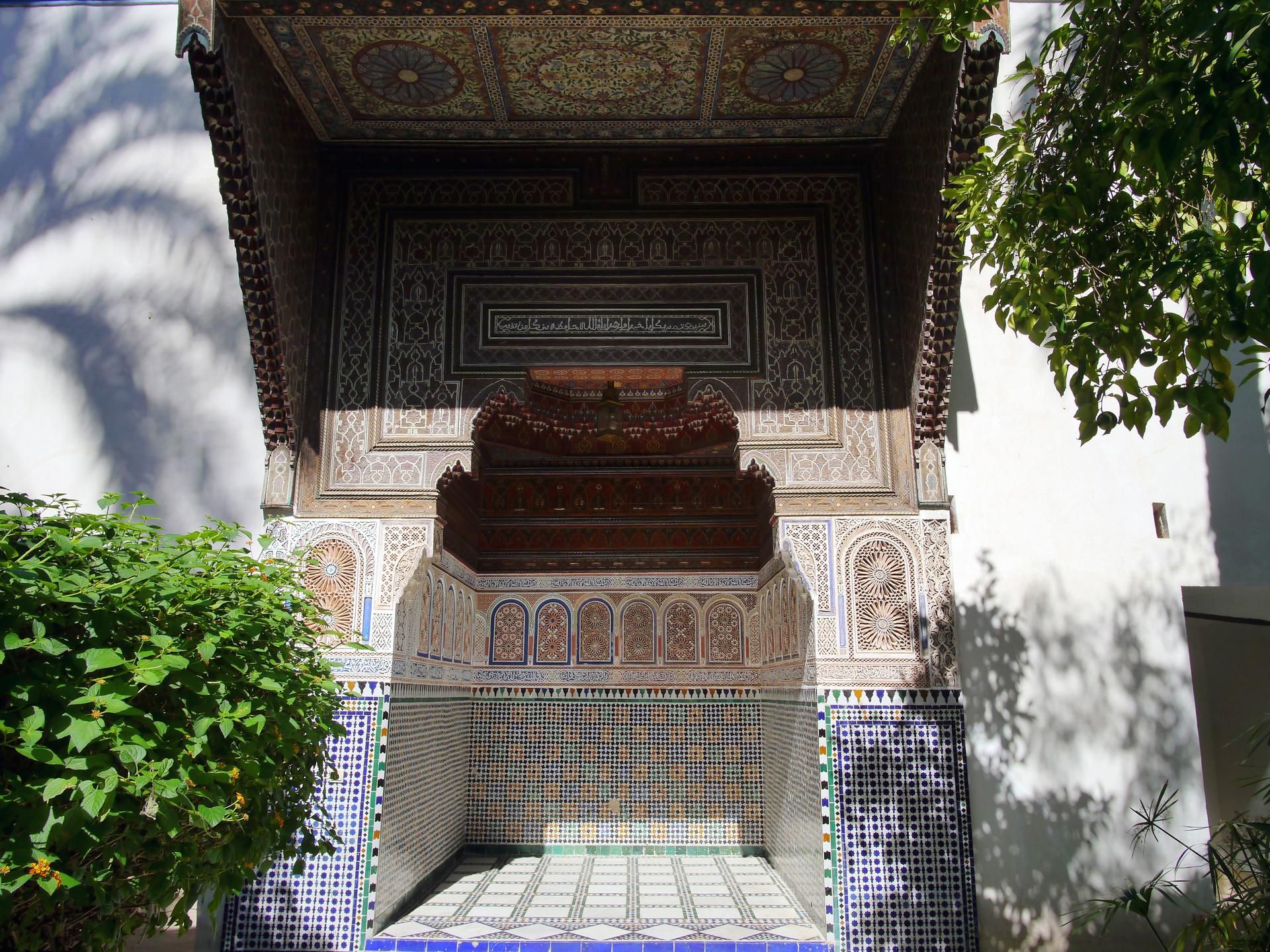
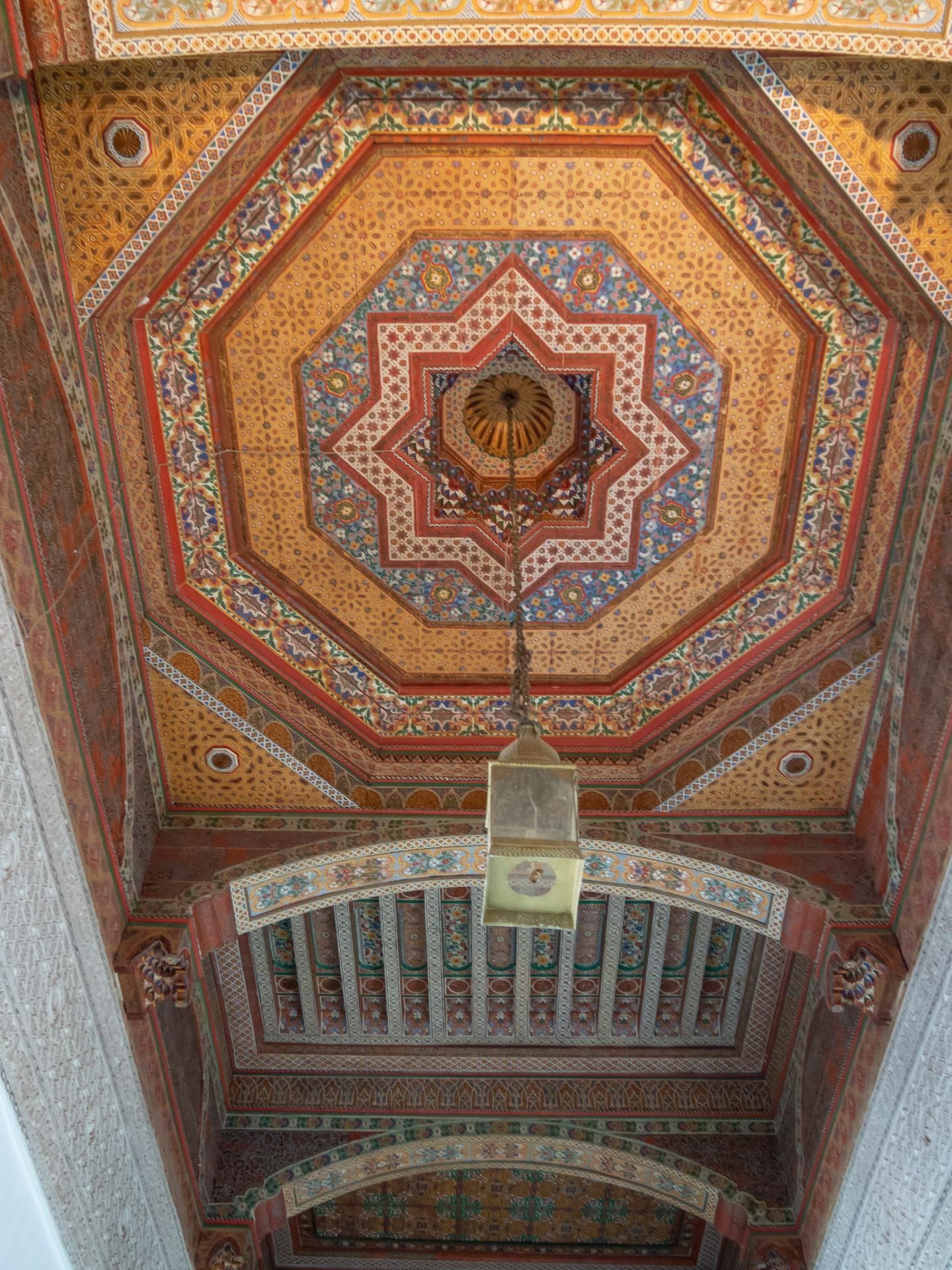
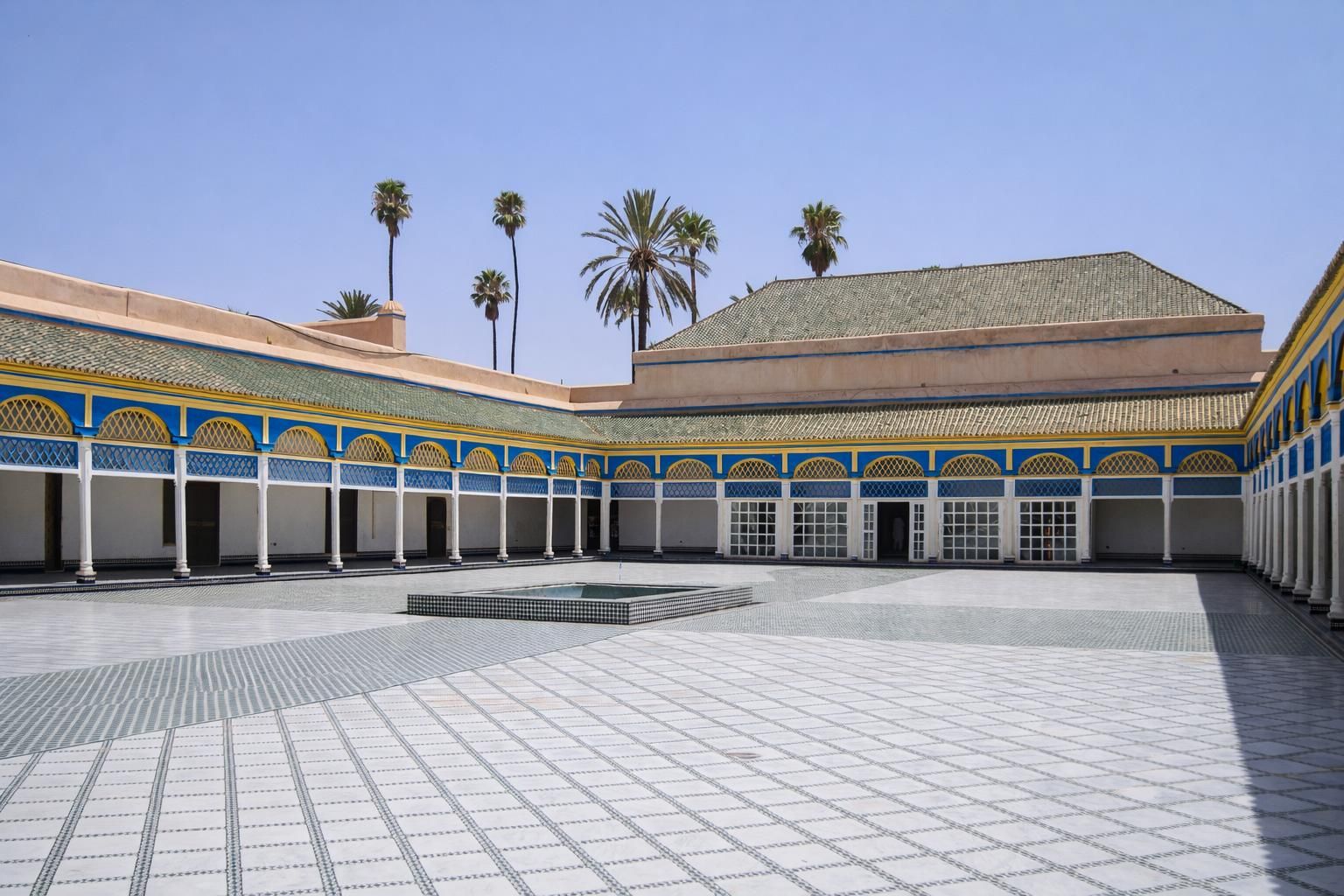
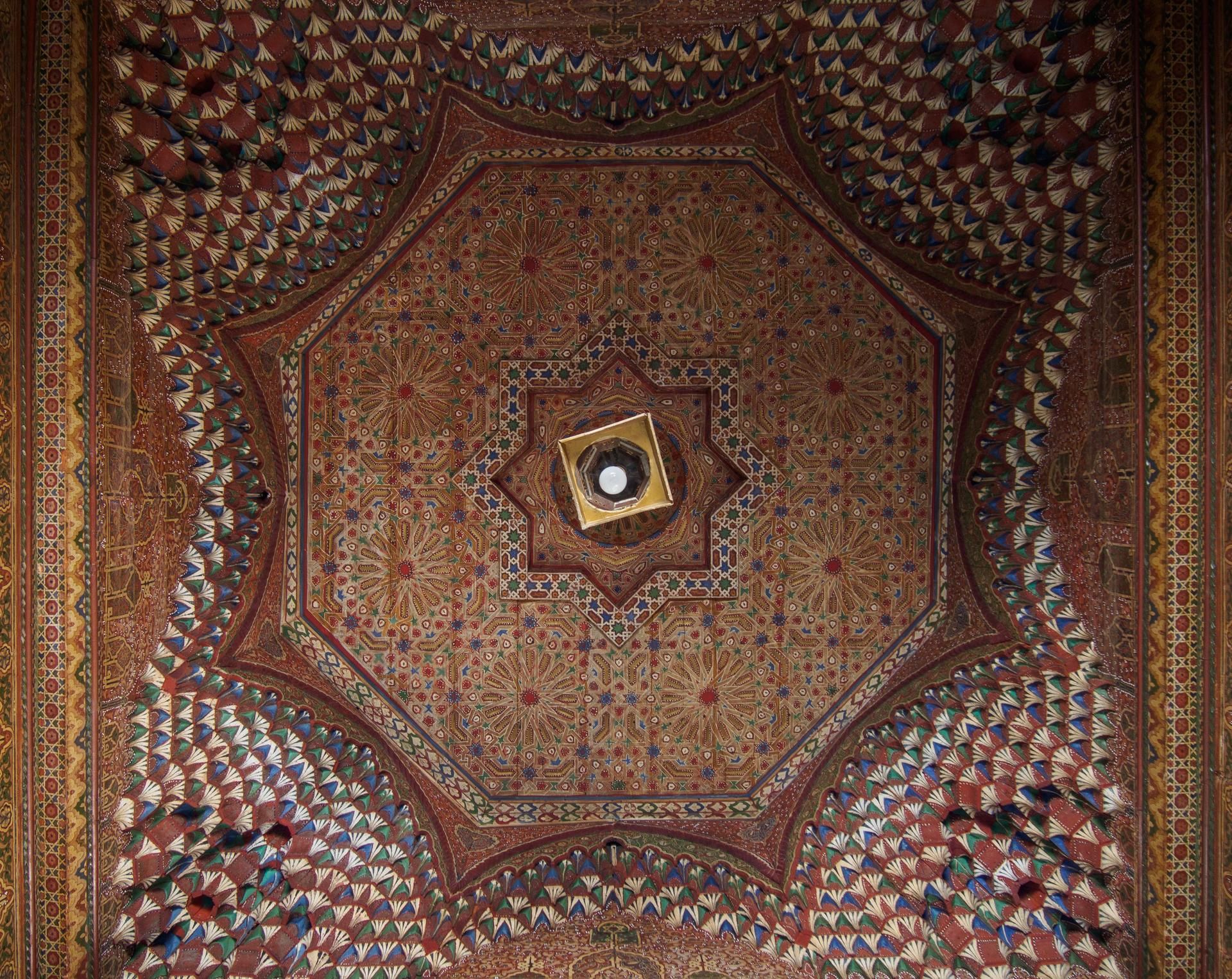
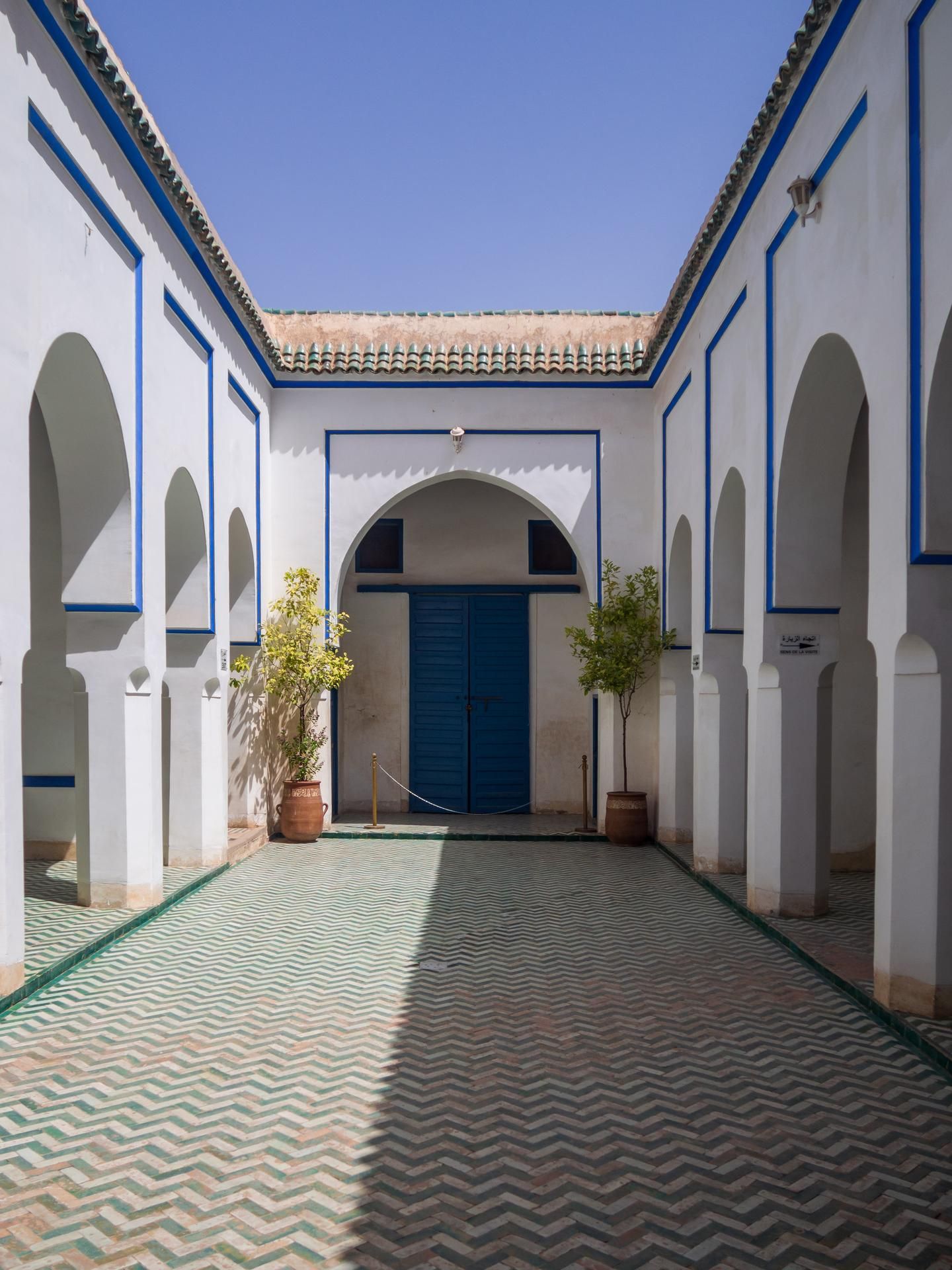
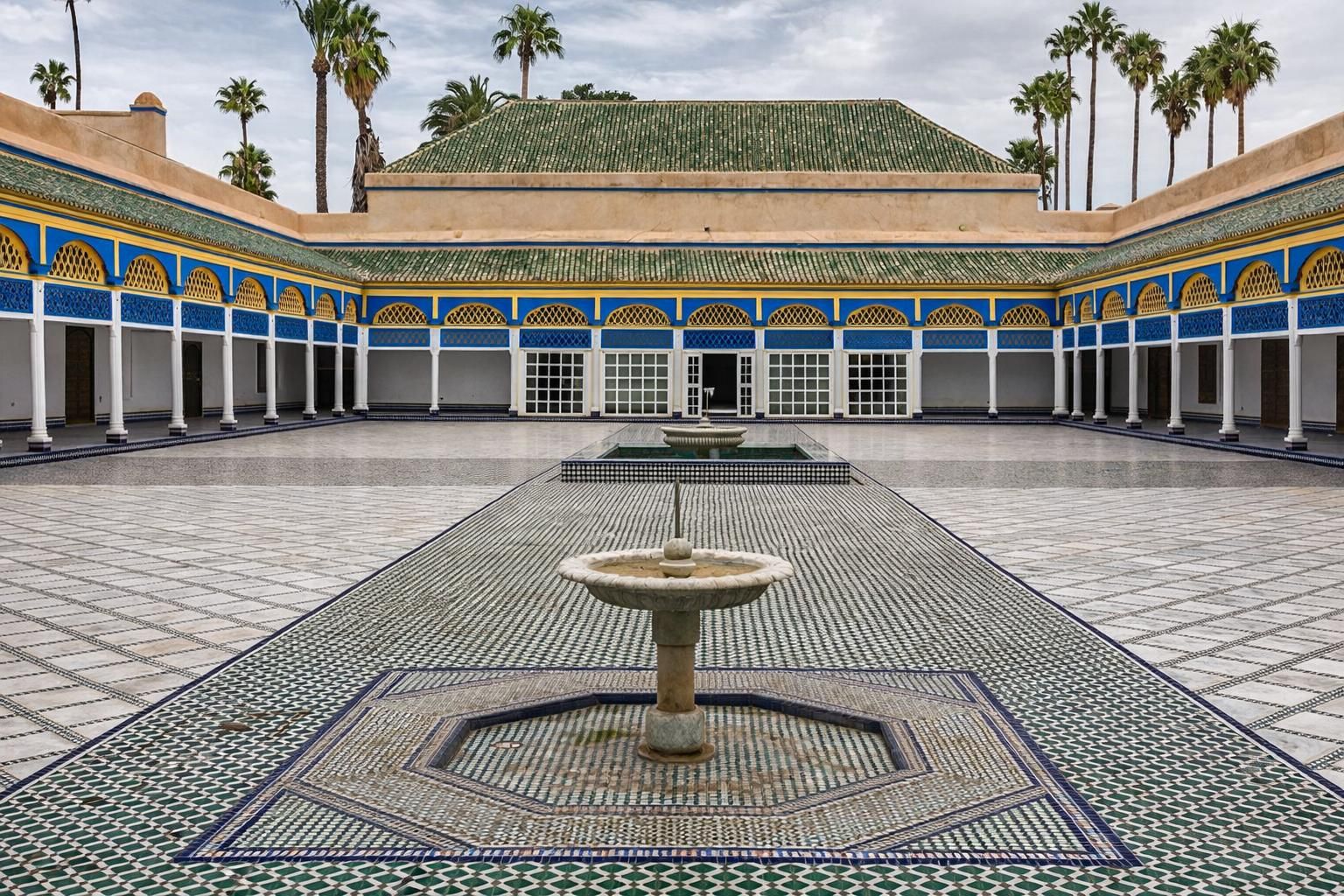
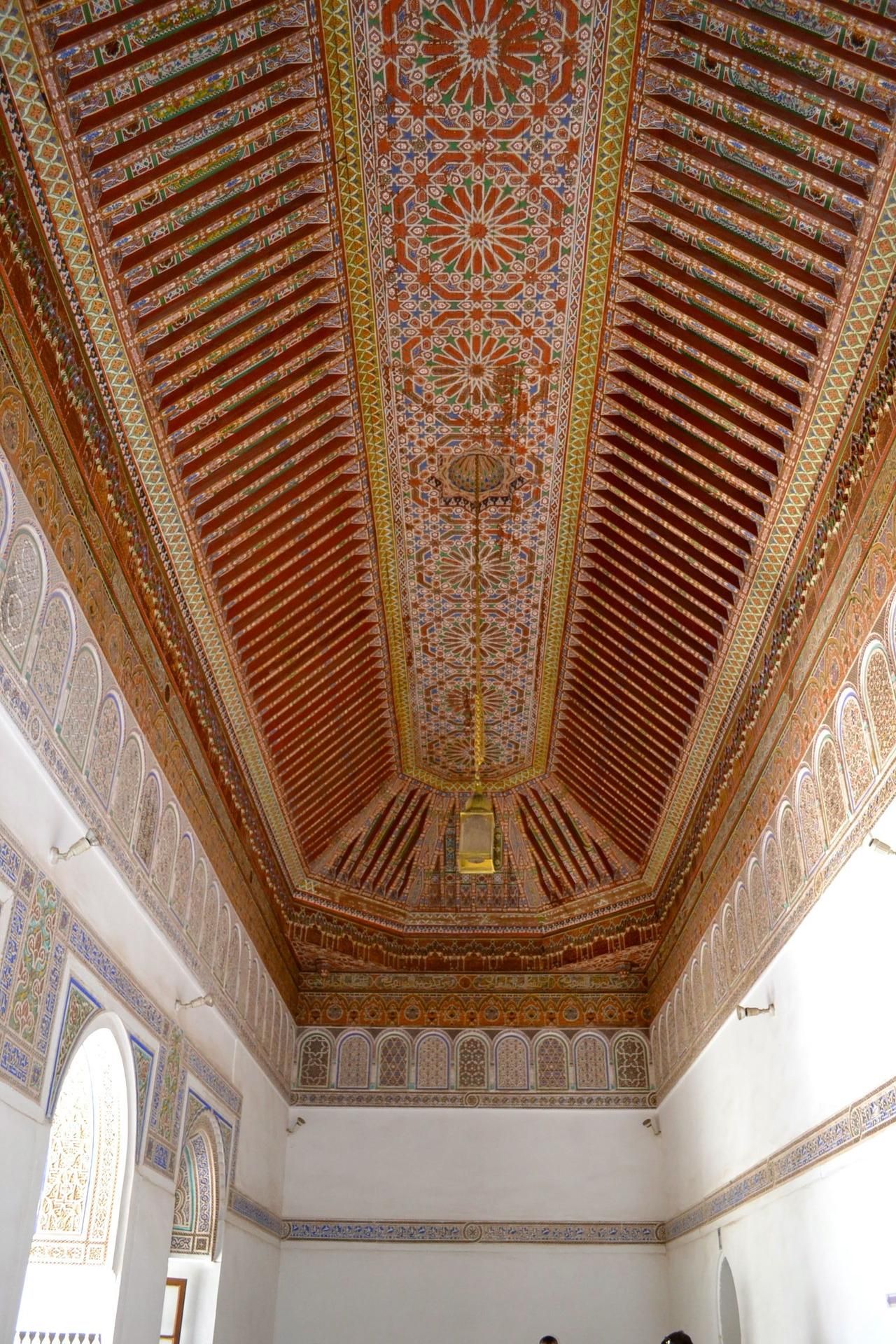
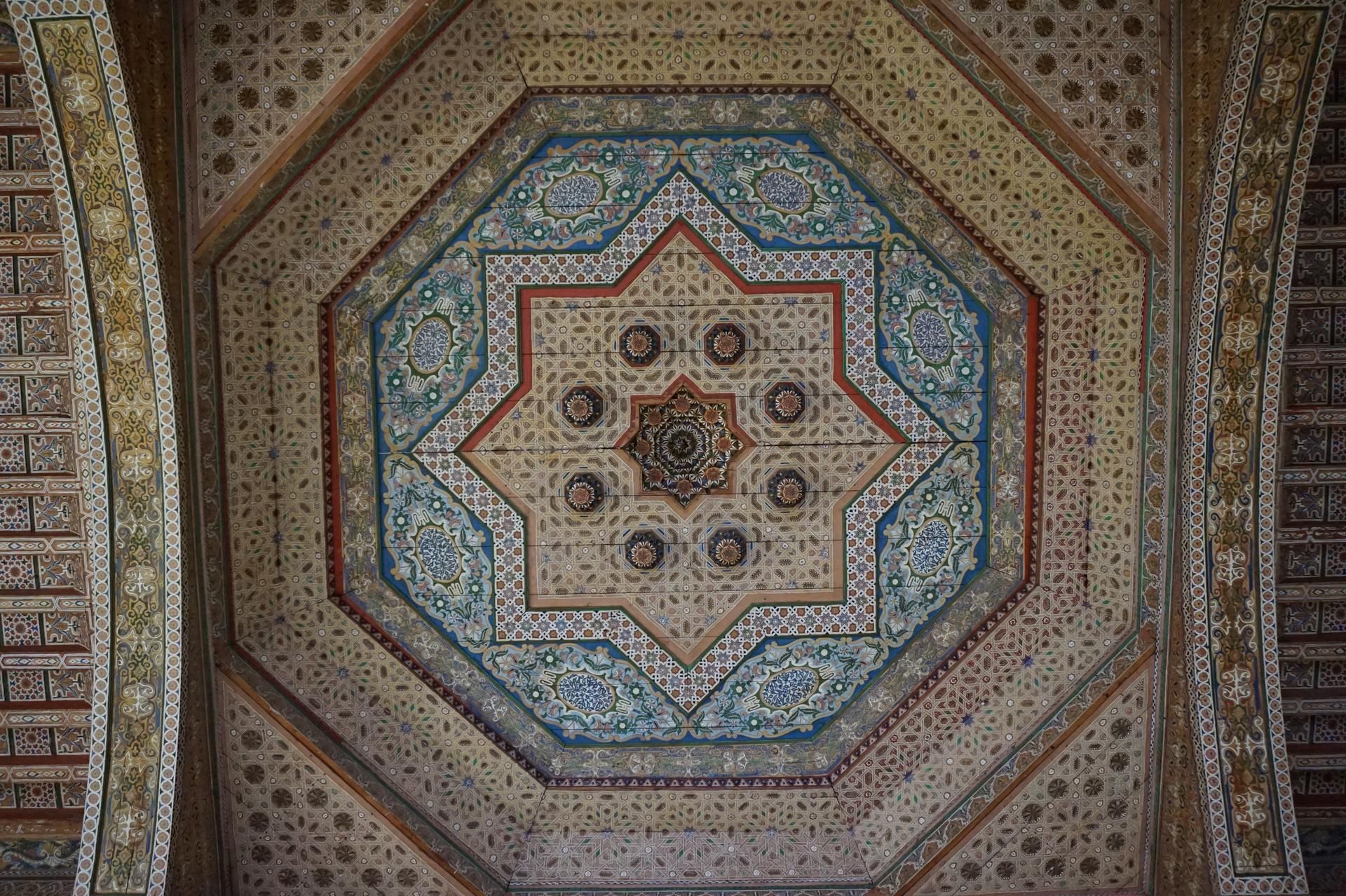
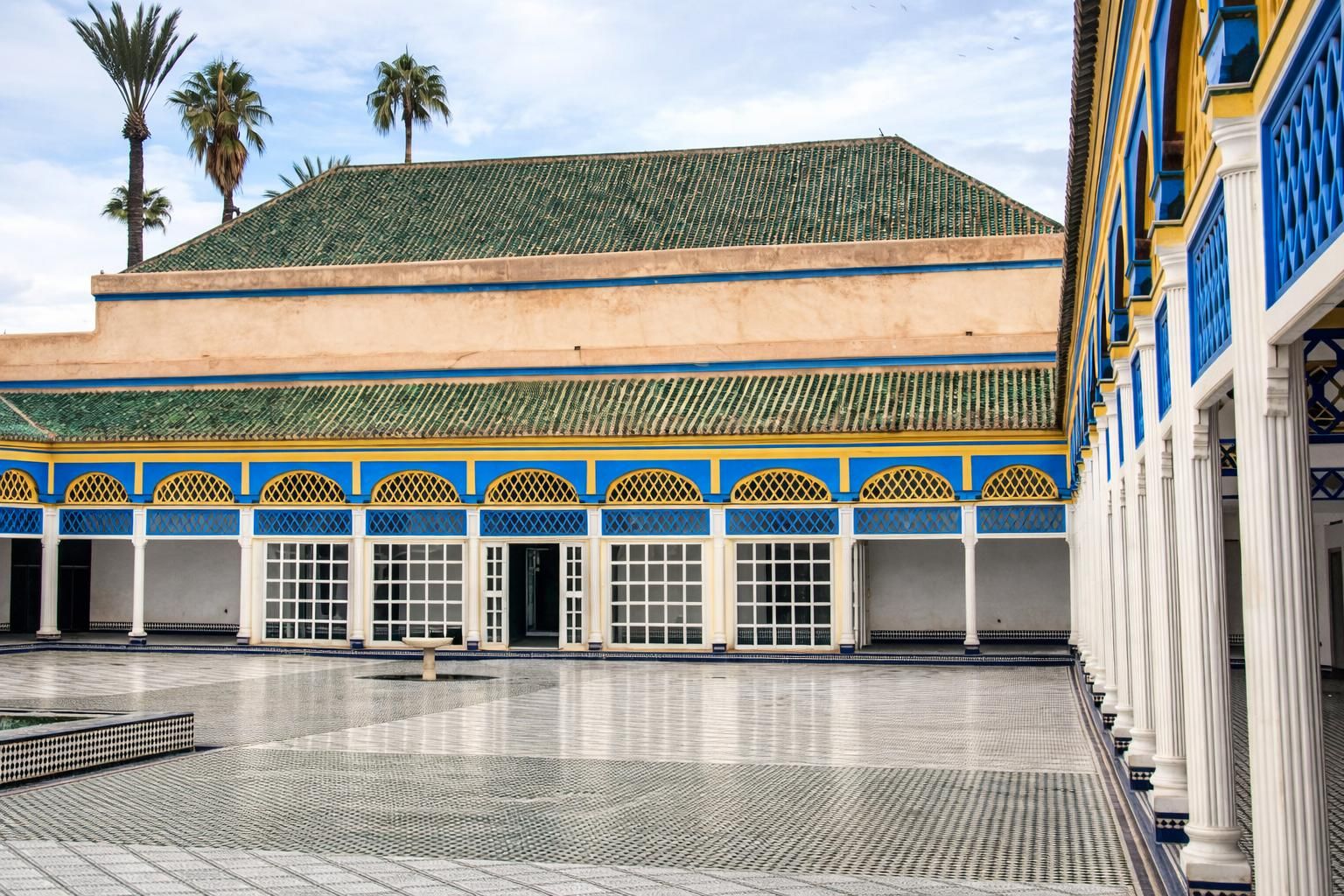
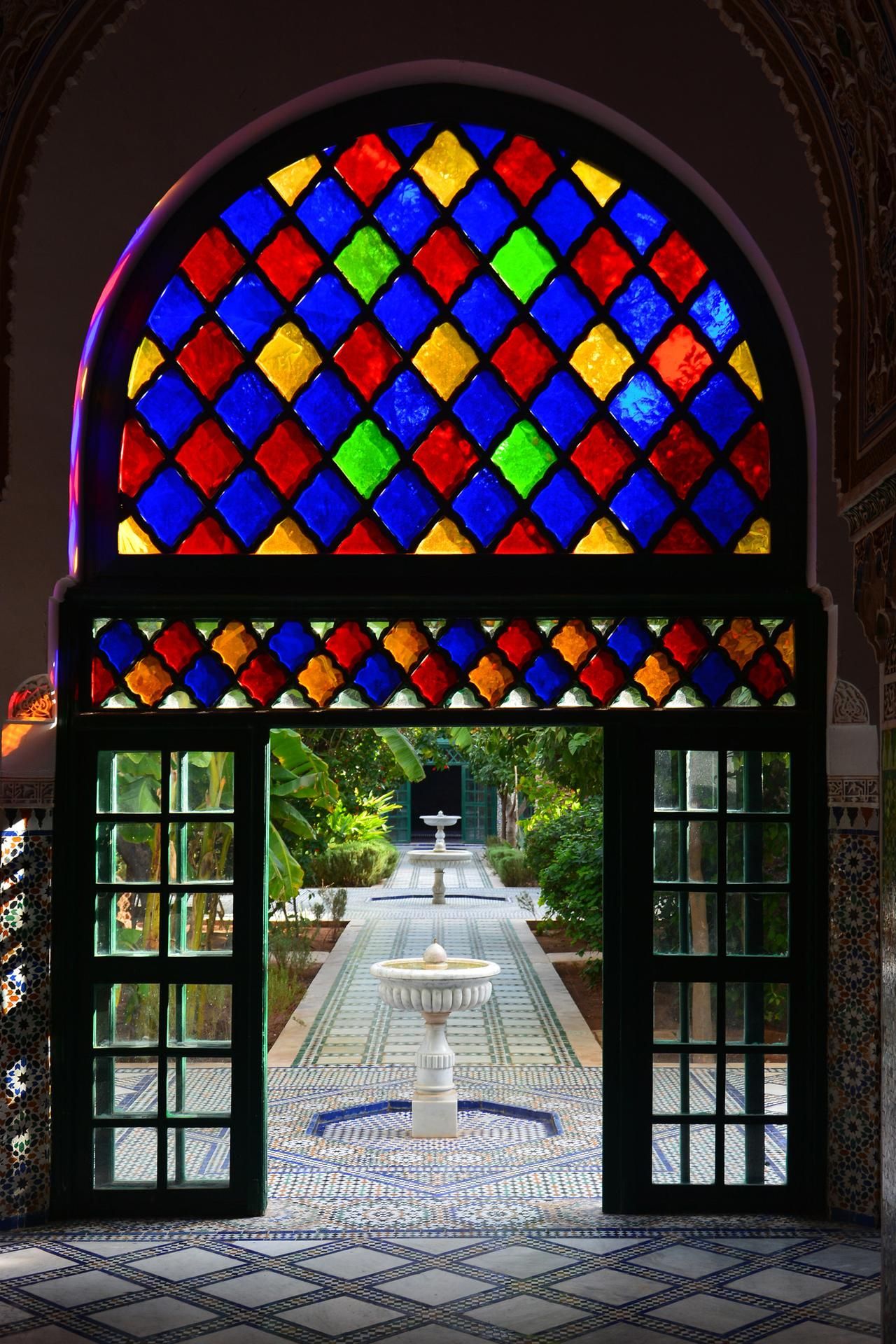
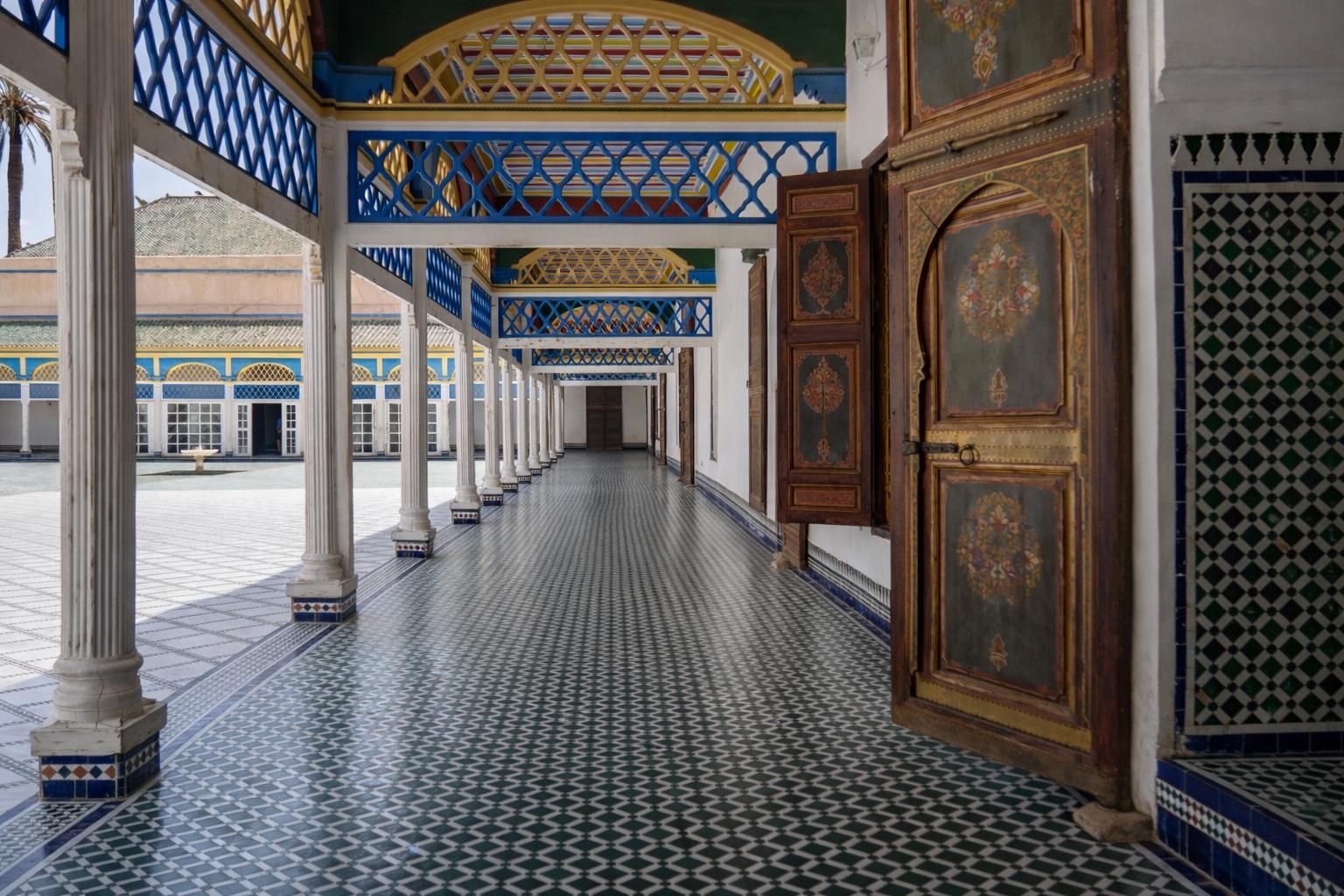
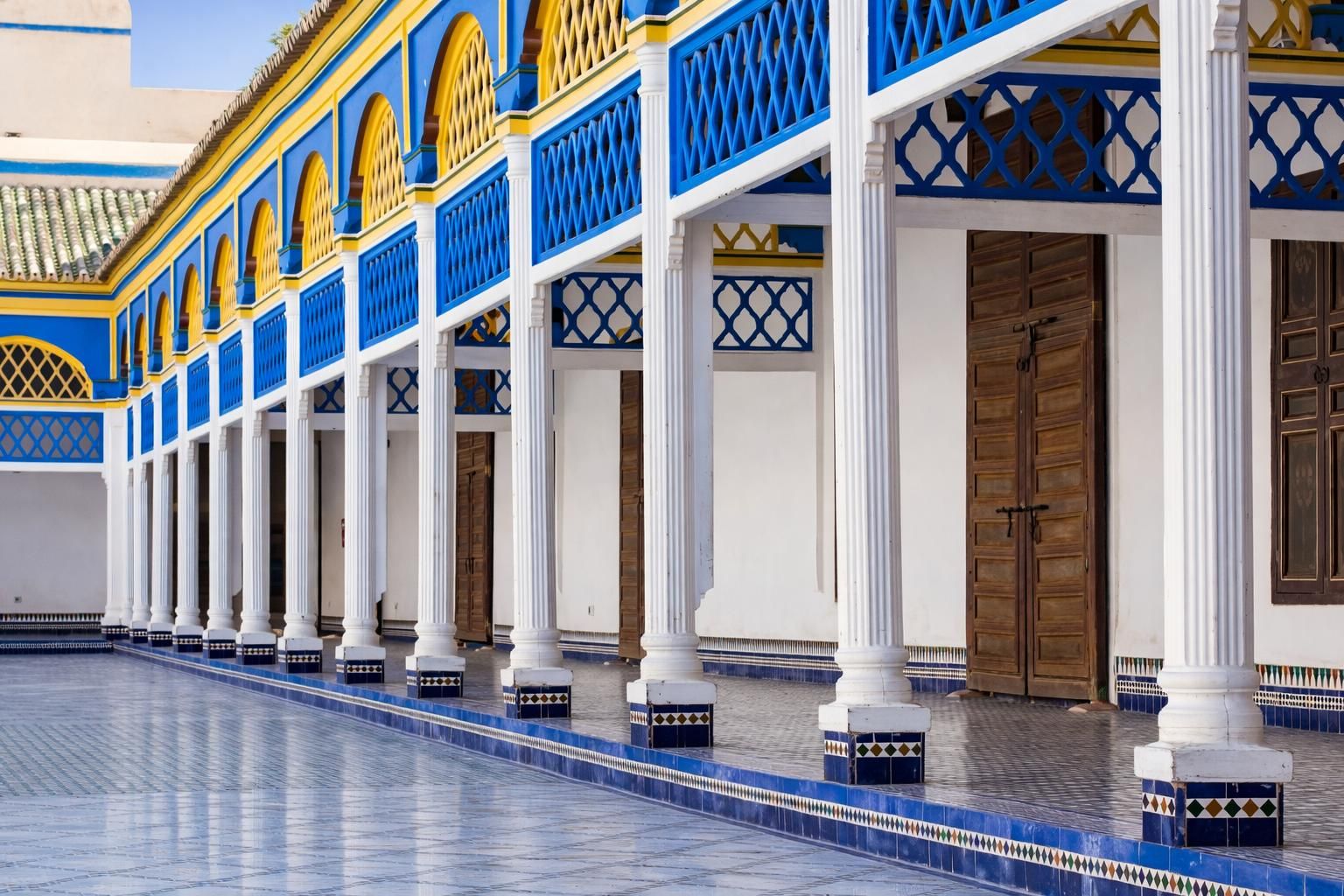
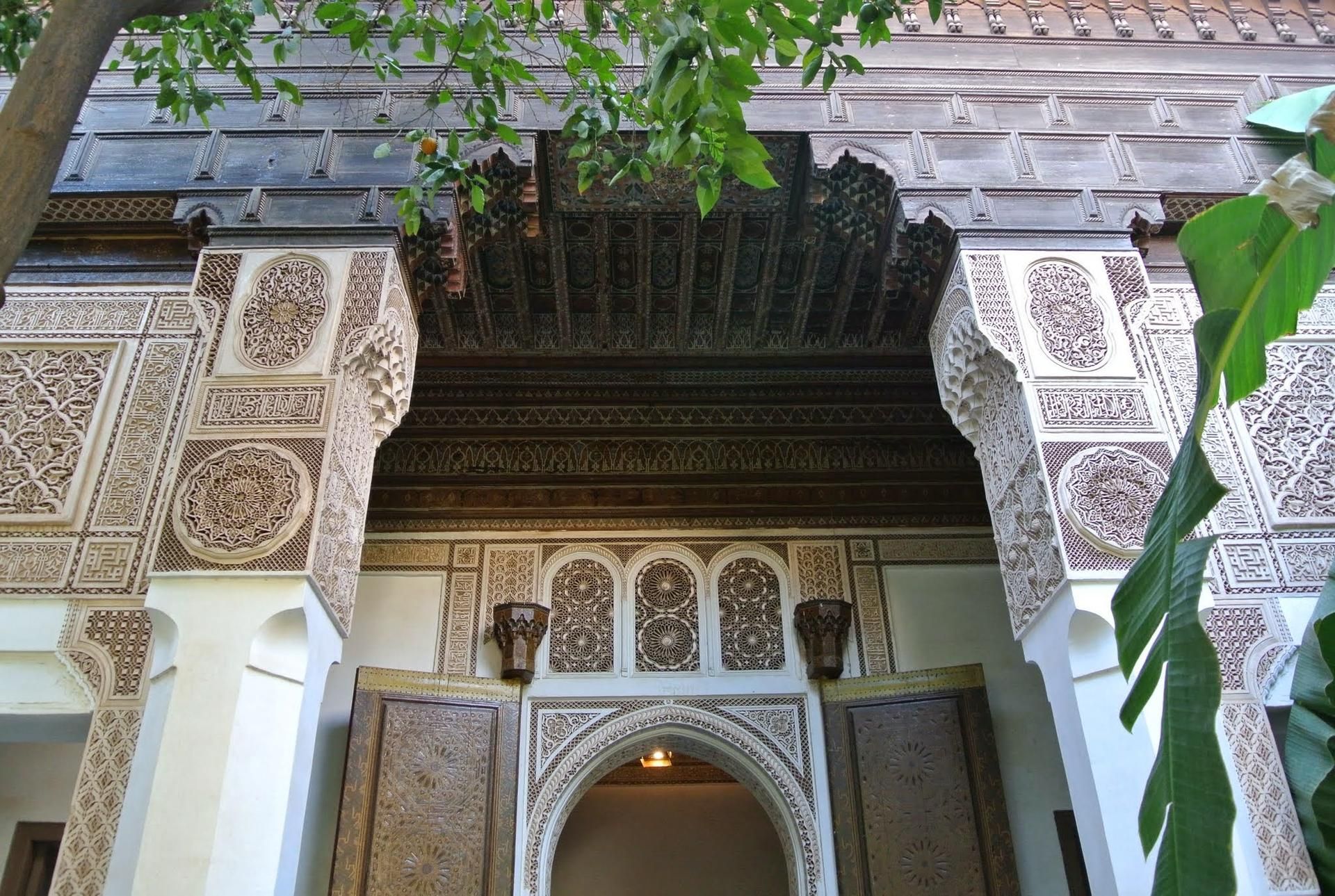
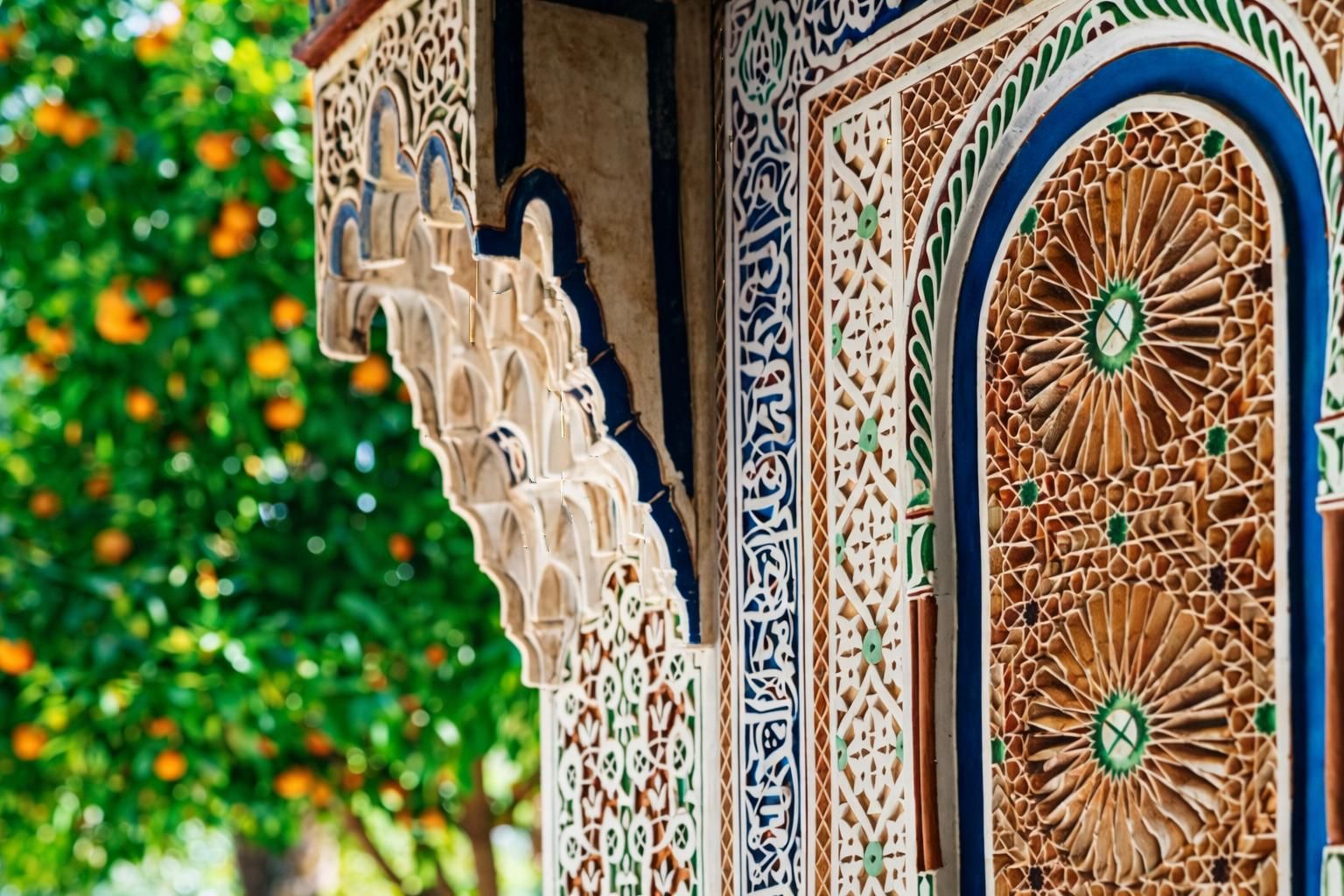
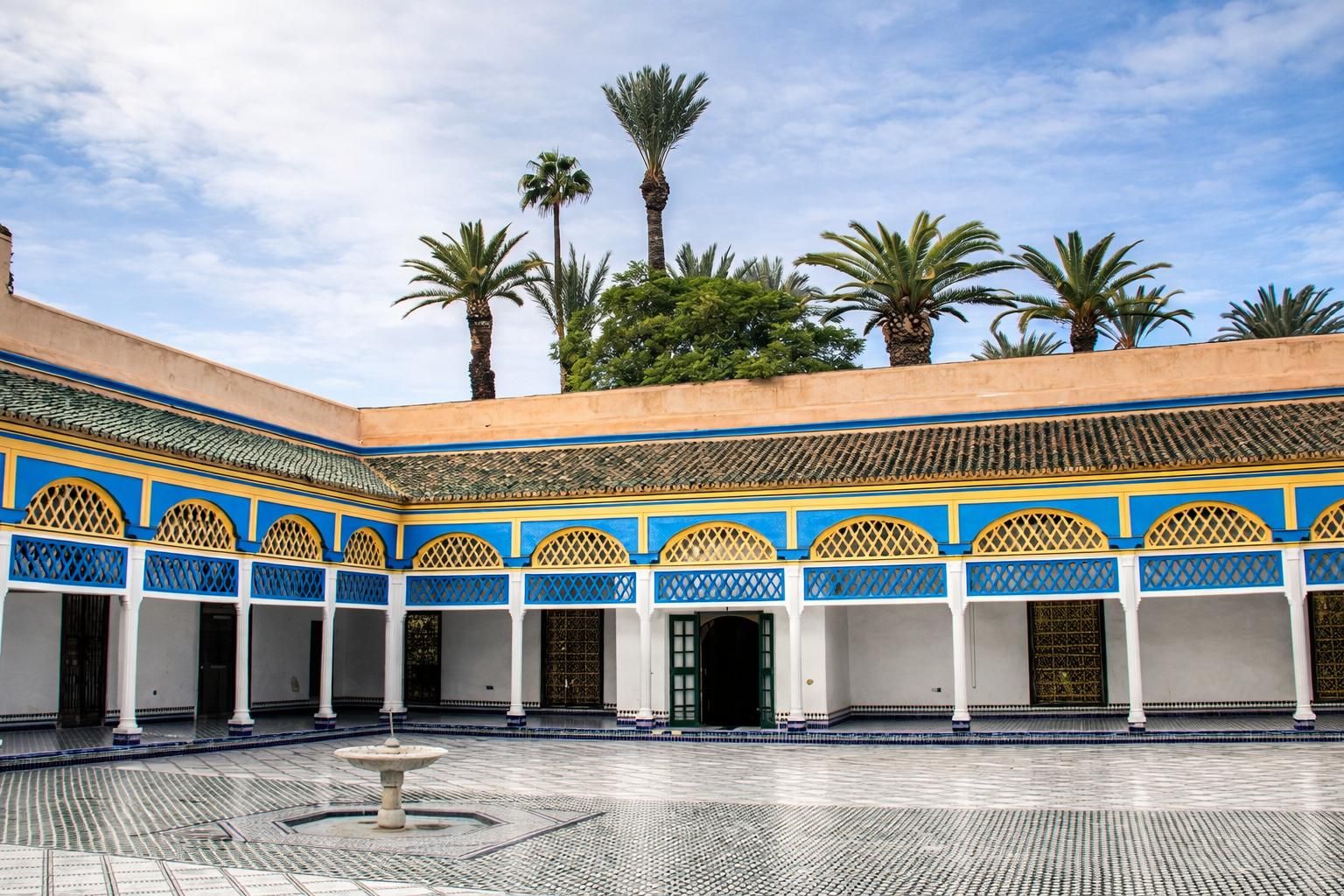
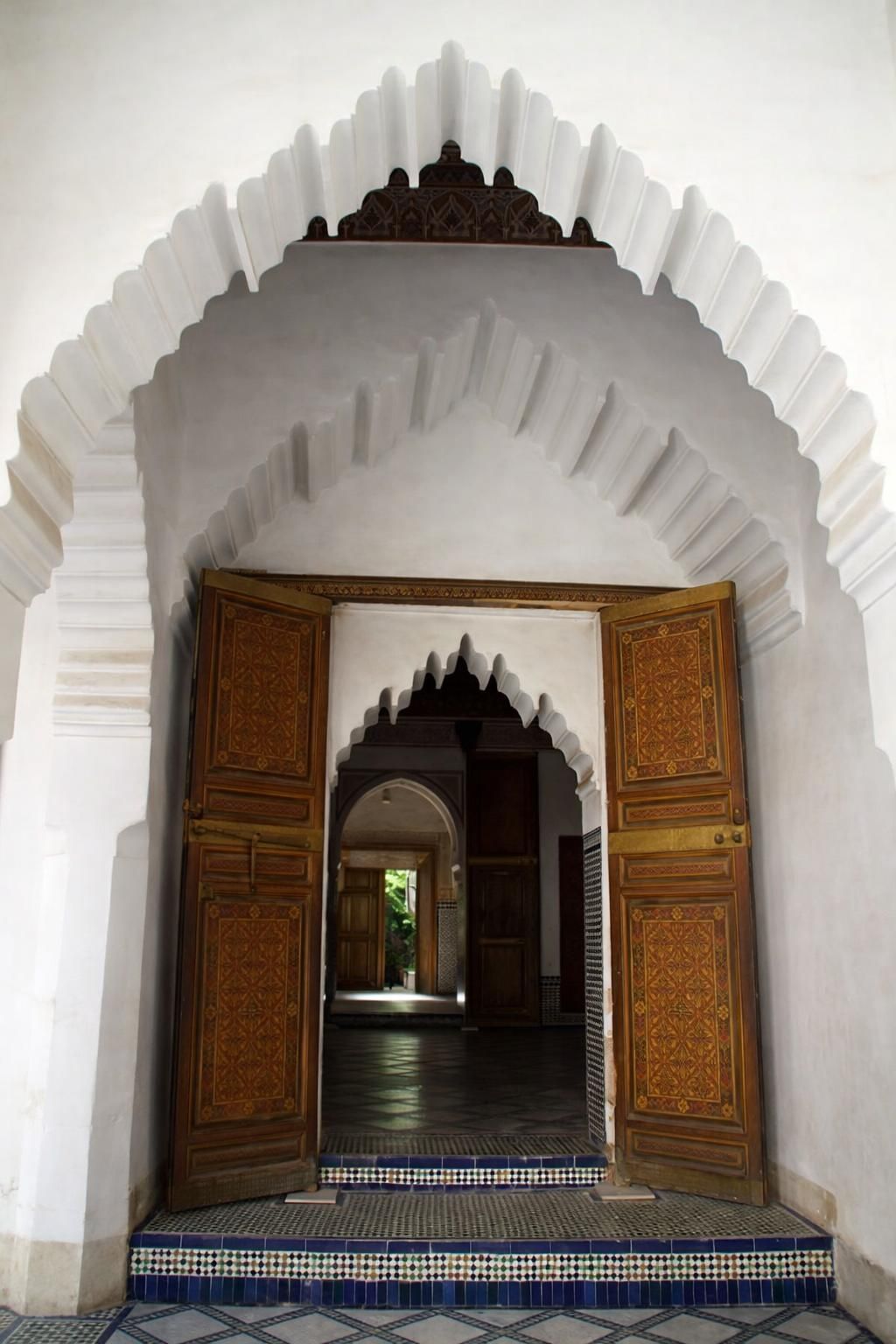
Bahia Palace occupies a vast compound in the southern Medina, its scale only becoming clear once you move through the sequence of courts and corridors that compose it. Built in the late nineteenth century for a grand vizier and his household, it is one of the most complete examples of Moroccan palatial architecture from that period: 150 rooms arranged around gardens and patios, with a vocabulary of carved stucco, painted cedar ceilings, and zellije floors that shifts in register and intricacy from one chamber to the next. The large courtyard at the center of the complex is set with marble and orange trees; jasmine perfumes the air in the warmer months. The grand riad, with its tiled pool and surrounding chambers, gives a sense of how the palace functioned as both a residence and a theatre of reception. Light enters through carved screens and coloured glass, landing on floors of a precision that takes time to absorb. The painting overhead, wooden panels decorated in pigment and gold leaf, shifts in tone as the day moves. Bahia is best visited in the morning, when the tour groups have not yet accumulated and the cool of the thick walls is most felt. The palace was inhabited continuously until the early twentieth century and the decorative decisions accumulated across that period without losing coherence: different rooms reflect different tastes and moments while remaining within a shared aesthetic register. It is one of the few historic palatial spaces in Marrakech that can be visited in a way that gives a genuine sense of how such a residence functioned.