3 days in Marrakech (Summer)
22 June 2026
A summer-paced route through the medina, the gardens and Gueliz, built around cool mornings and long evenings. Three days in Marrakech is enough to read the city, as long as you move with the season instead of against it. In summer that means starting early, while the medina is still cool and the souks are lifting their shutters, keeping the middle of the day for shade, water and a slow lunch, and saving the social hours for the evening. The first two days stay inside and around the medina walls. The third opens out to Gueliz and the gardens, with rooftops, riads and a handful of addresses worth crossing town for.
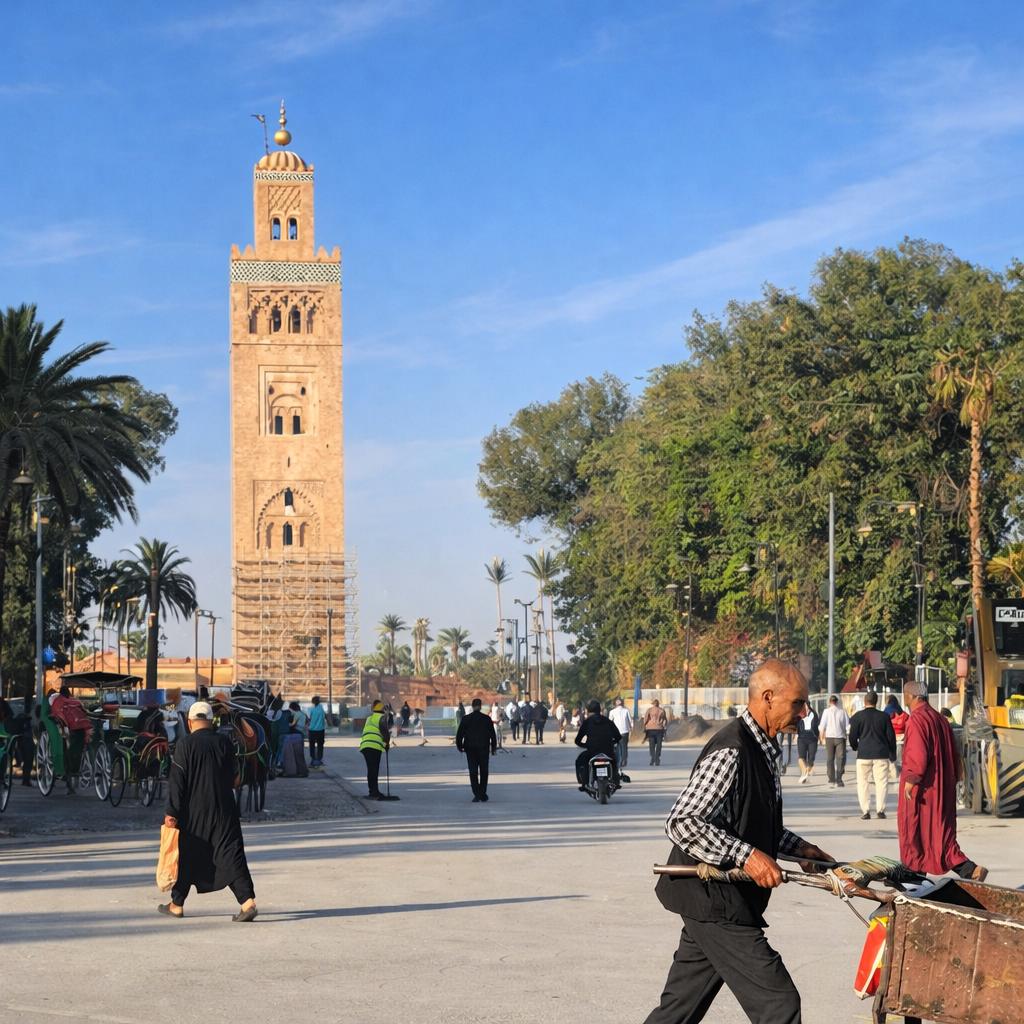
Marrakech's organizing centre: a vast UNESCO-recognized square of storytellers, Gnawa musicians, snake handlers, and food smoke that changes character completely from morning through midnight, every day of the year.
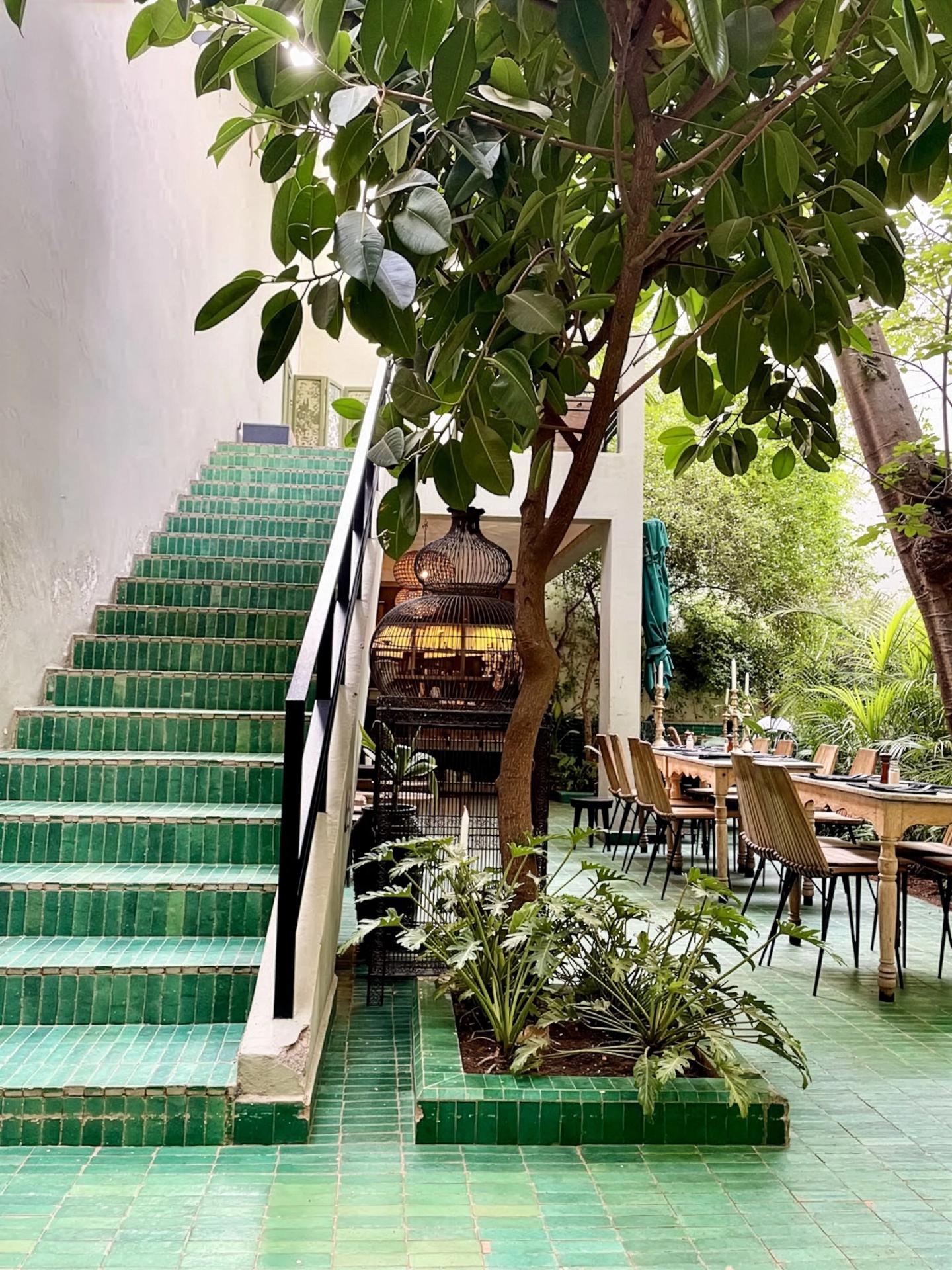
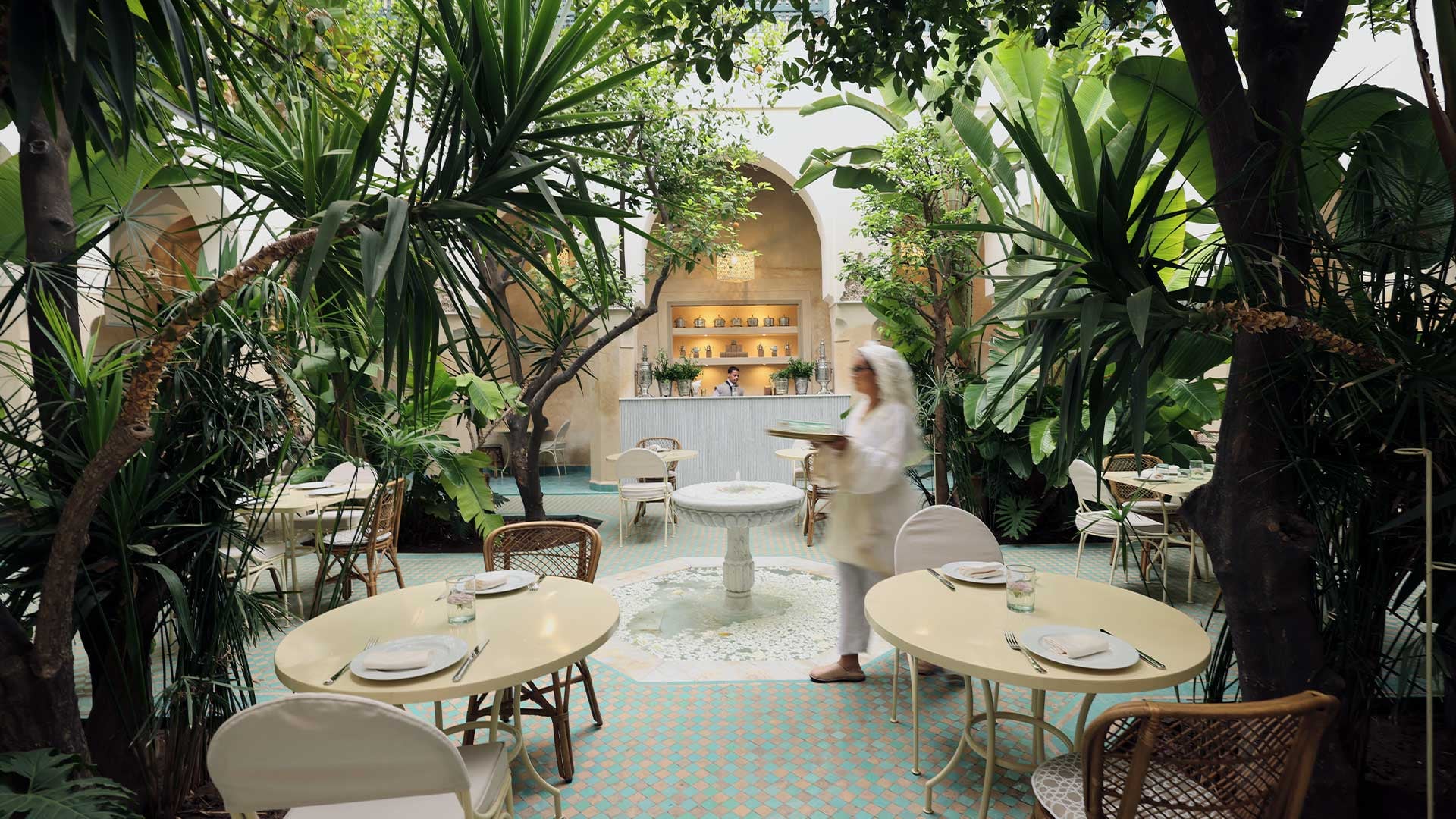
A green-tiled courtyard restaurant hidden in the Mouassine quarter, set inside a renovated sixteenth-century riad with banana trees, birdsong, and candlelit evenings. Moroccan tagines and tanjia alongside Mediterranean-leaning mezze and salads, with no alcohol, strong juices, and a resident tortoise underfoot.
A sixteenth-century Saadian Quranic school in the northern Medina: a marble courtyard with a central pool, carved stucco panels, calligraphic cedar friezes, and zellige tilework of rare precision. Come early for the best light.
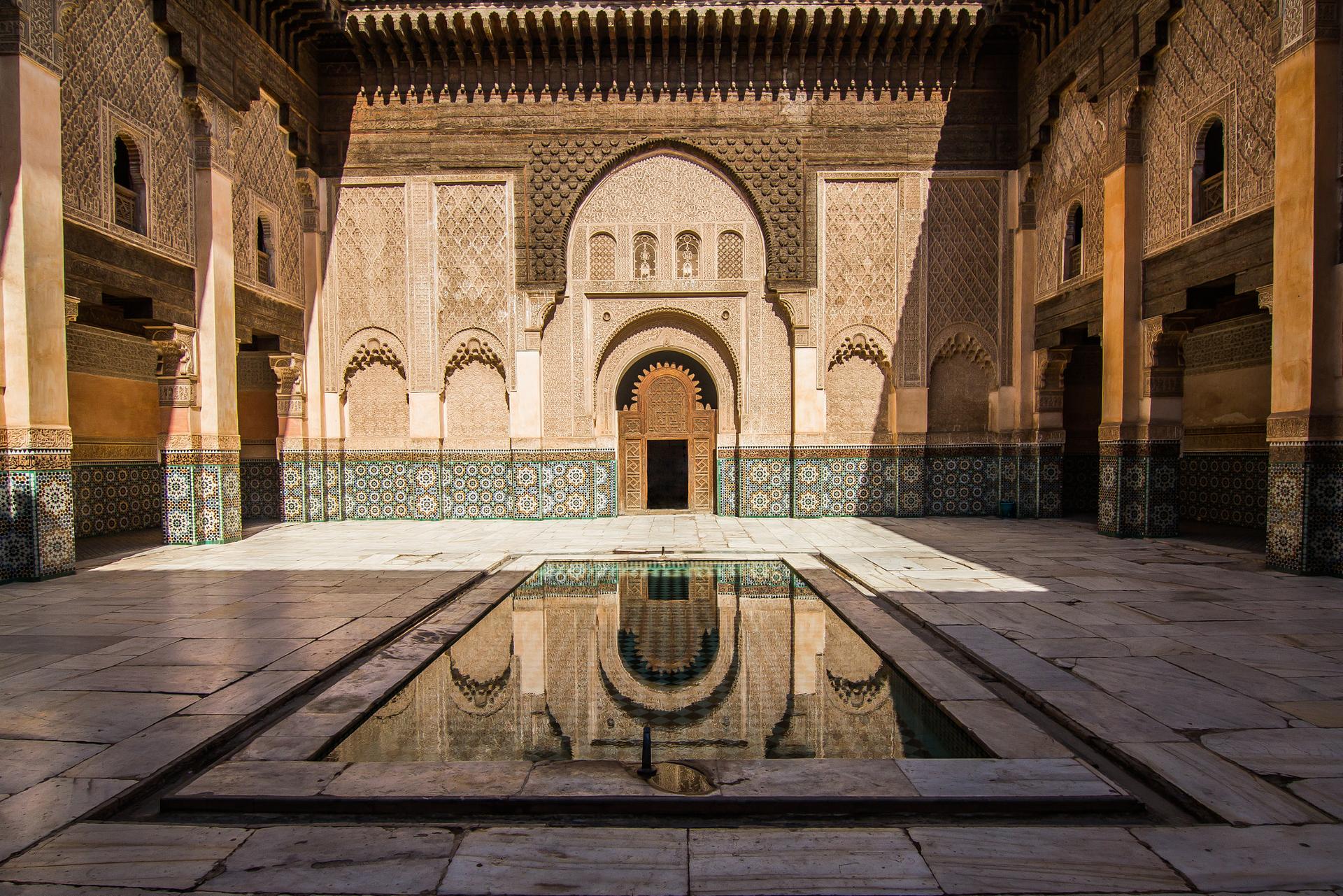
A teahouse in a restored 1700s riad on Talaa Ben Youssef in the Medina, presenting twelve teas for the twelve regions of Morocco, with a restaurant and small museum, a calm, slow pause between the souks.
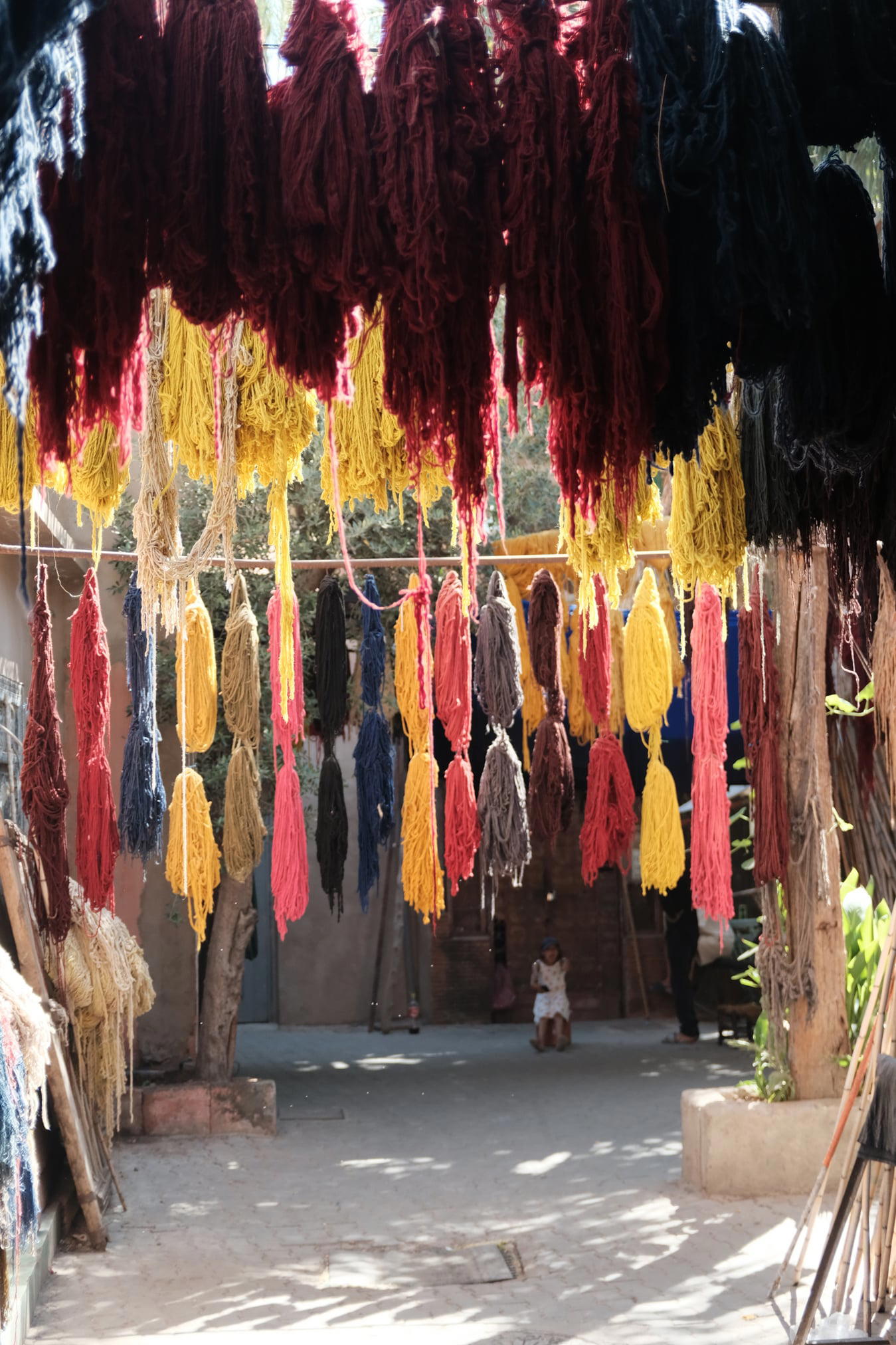
The dyers' souk in the Mouassine quarter, where wool and fabric are coloured with natural pigments and freshly dyed skeins hang to dry overhead in sheets of vivid colour, a working craft rather than a shopping street.
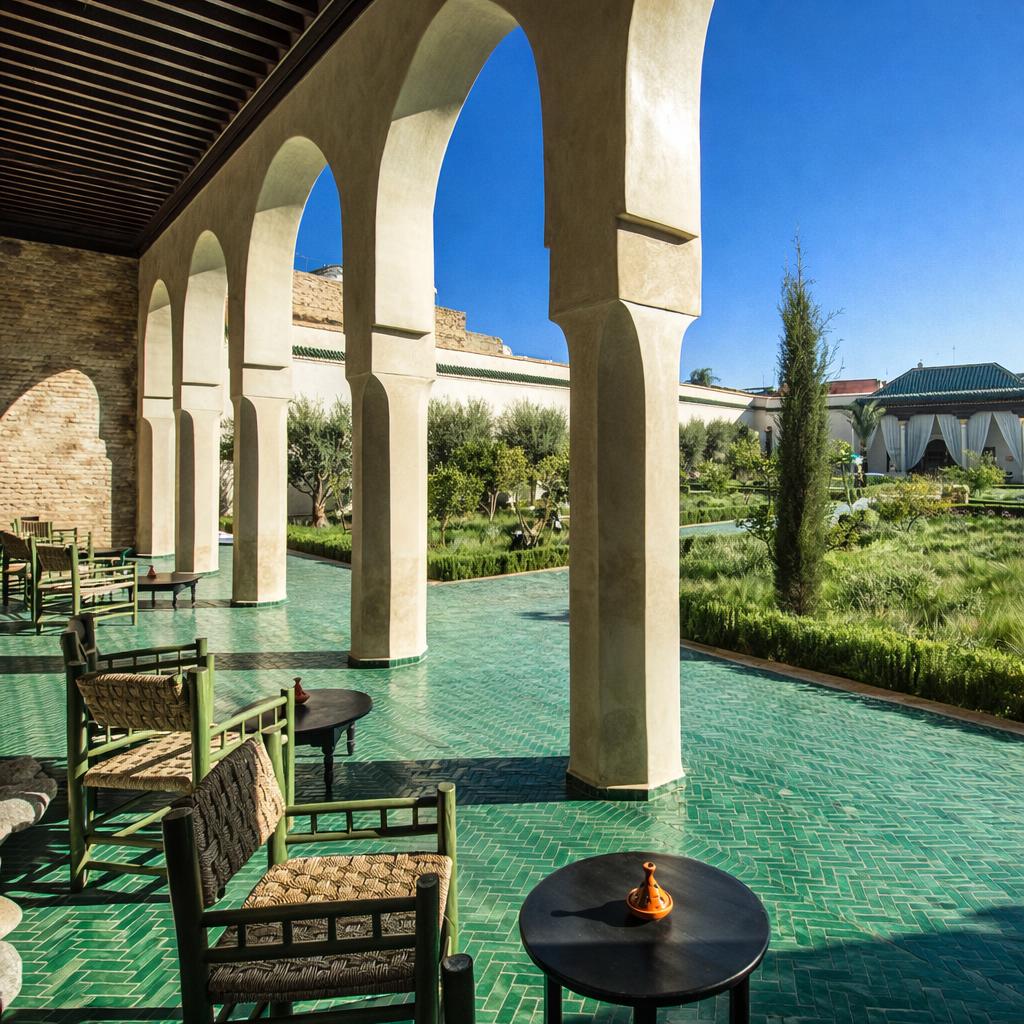
A restored sixteenth-century compound in the Medina: two distinct gardens, Islamic and exotic, reached through a narrow derb, topped by a historic water tower and a rooftop view of the Koutoubia minaret.
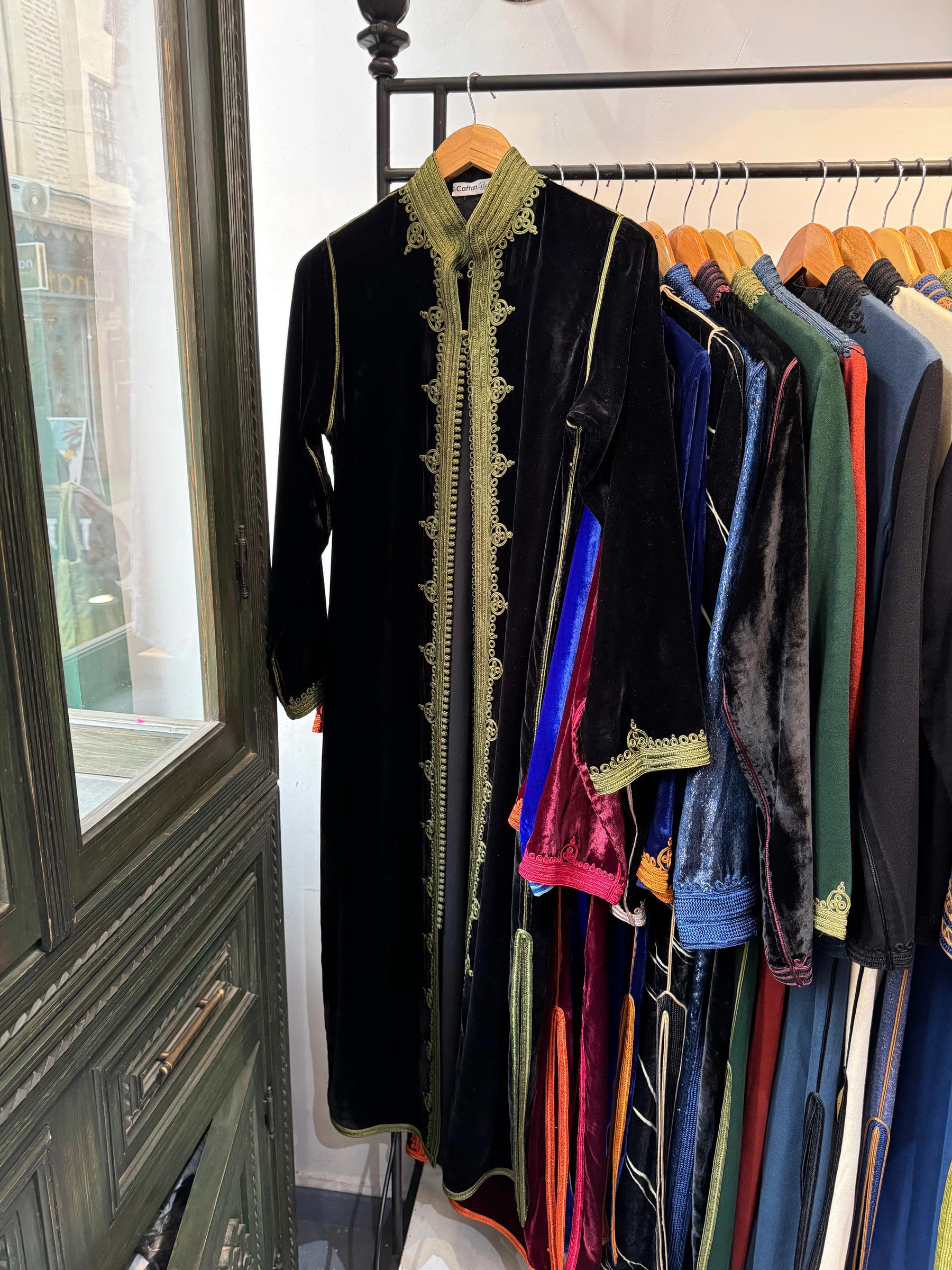
A small caftan boutique on Rue Mouassine in the Medina, dealing in artisan caftans both traditional and contemporary, cashmere scarves, and modern Moroccan jackets. Found by word of mouth.
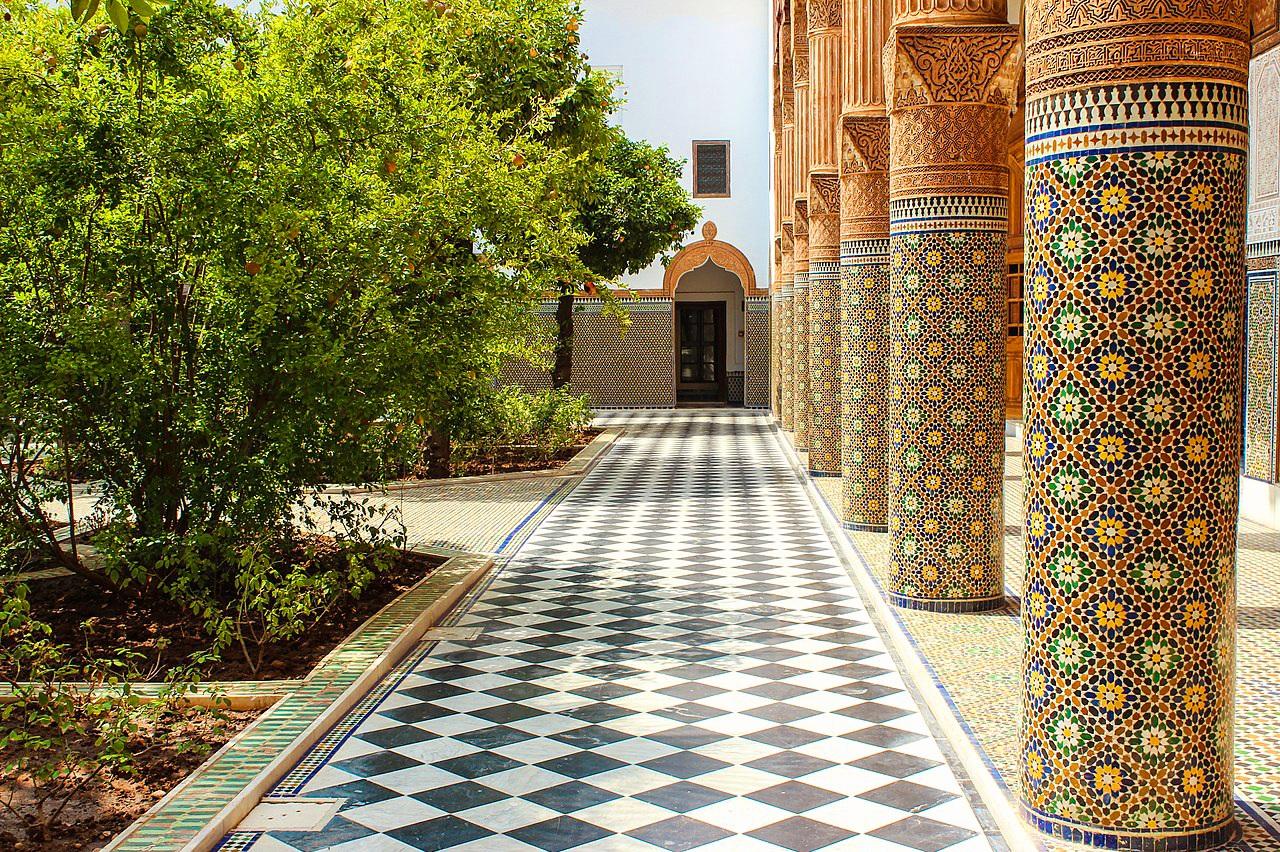
A palatial compound near Bab Doukkala of interconnected courtyards and carved chambers, restored as the Musée des Confluences where the architecture and its honest layering of history matter as much as the collection.
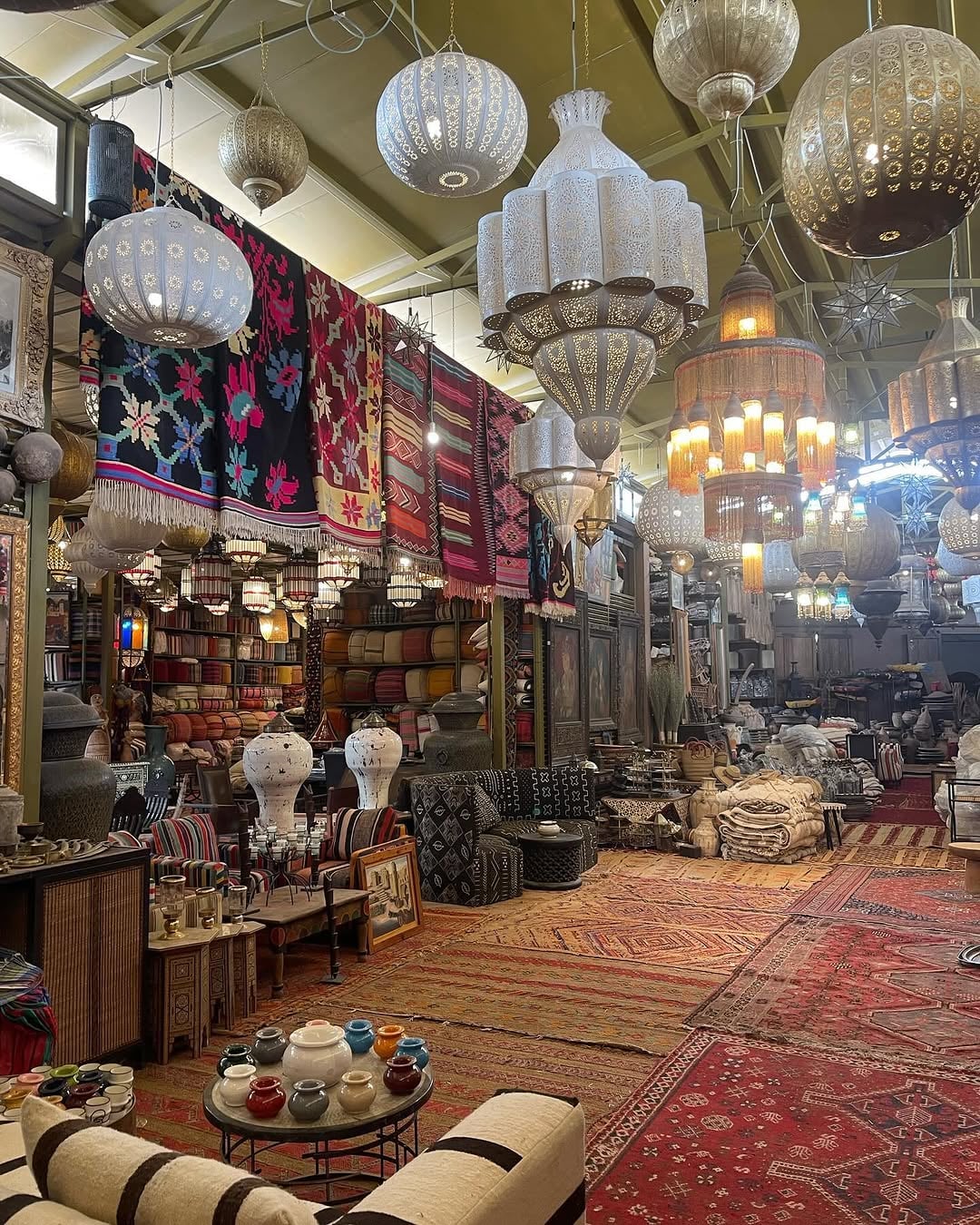
A multi-level Moroccan décor emporium near Dar el Bacha, also known as Trésor des Nomades: lanterns, carpets, furniture, leather, and metalwork stacked floor to ceiling, antique to new, in a calm, low-pressure space.
A considered Medina showroom near Dar el Bacha given over to Moroccan rugs: handwoven Beni Ourain, vintage pieces and Tuareg mats, sourced direct from Atlas weavers and shipped worldwide.
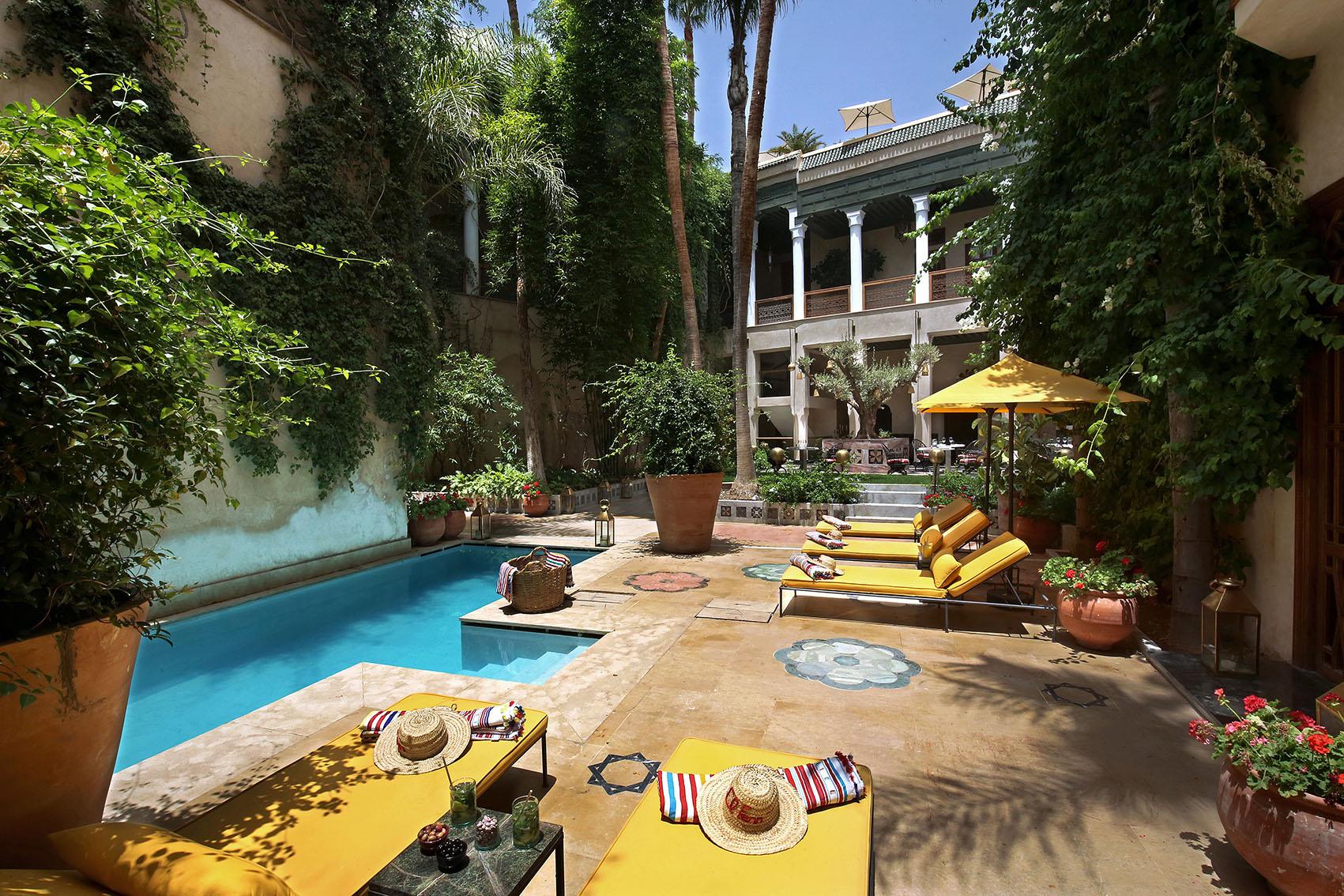
Seven ancient Medina homes united into fourteen rooms, each named and individually composed: three courtyards with pool and fountains, vine-covered rooftop, terracotta planters, and the inescapable scent of aromatic plants.
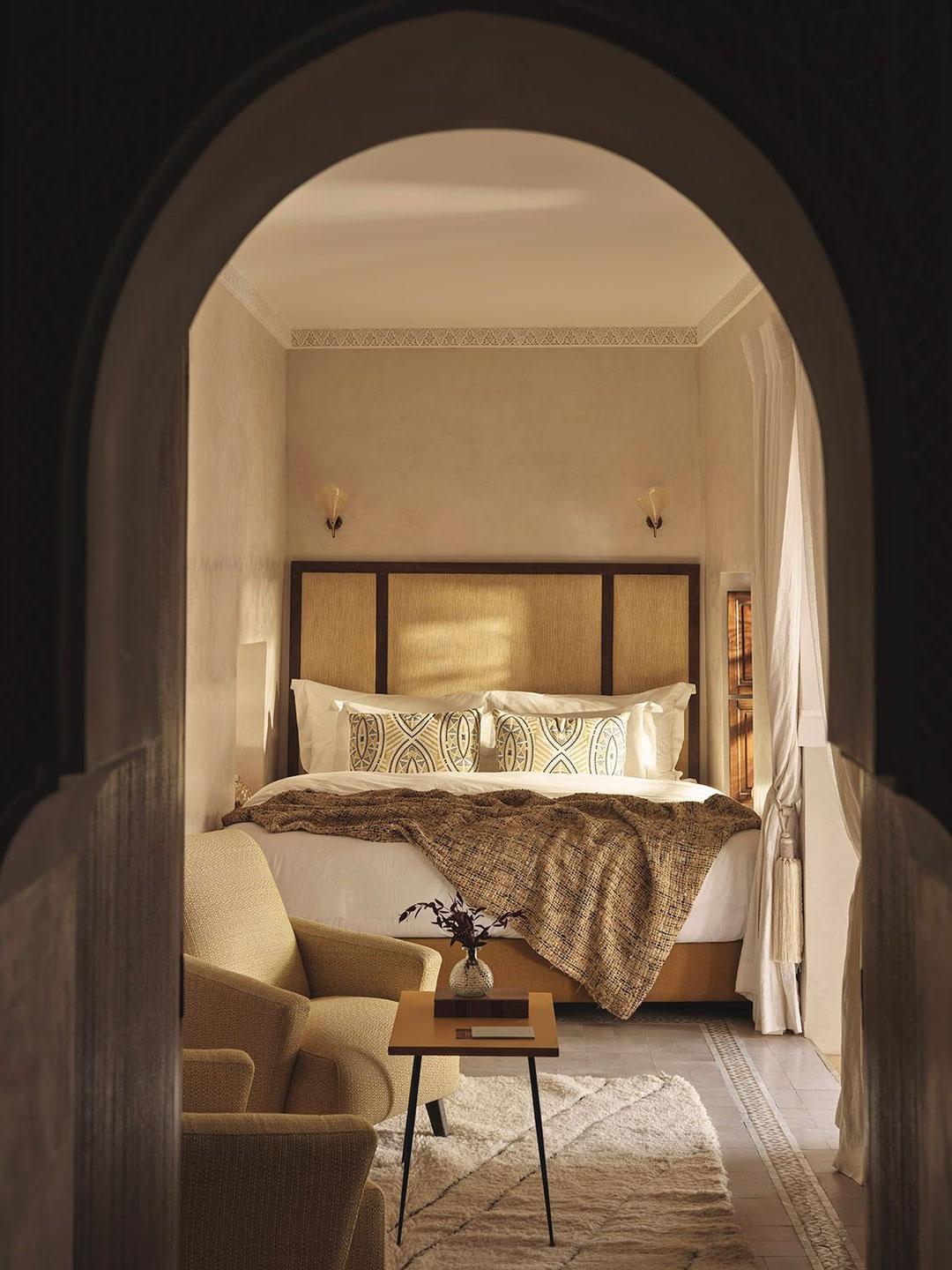
Forty-one individually designed rooms in the Marrakech Medina: camel leather floors, three pools, a 1,300m² rooftop terrace, and a bold colour sensibility that never asks for permission.
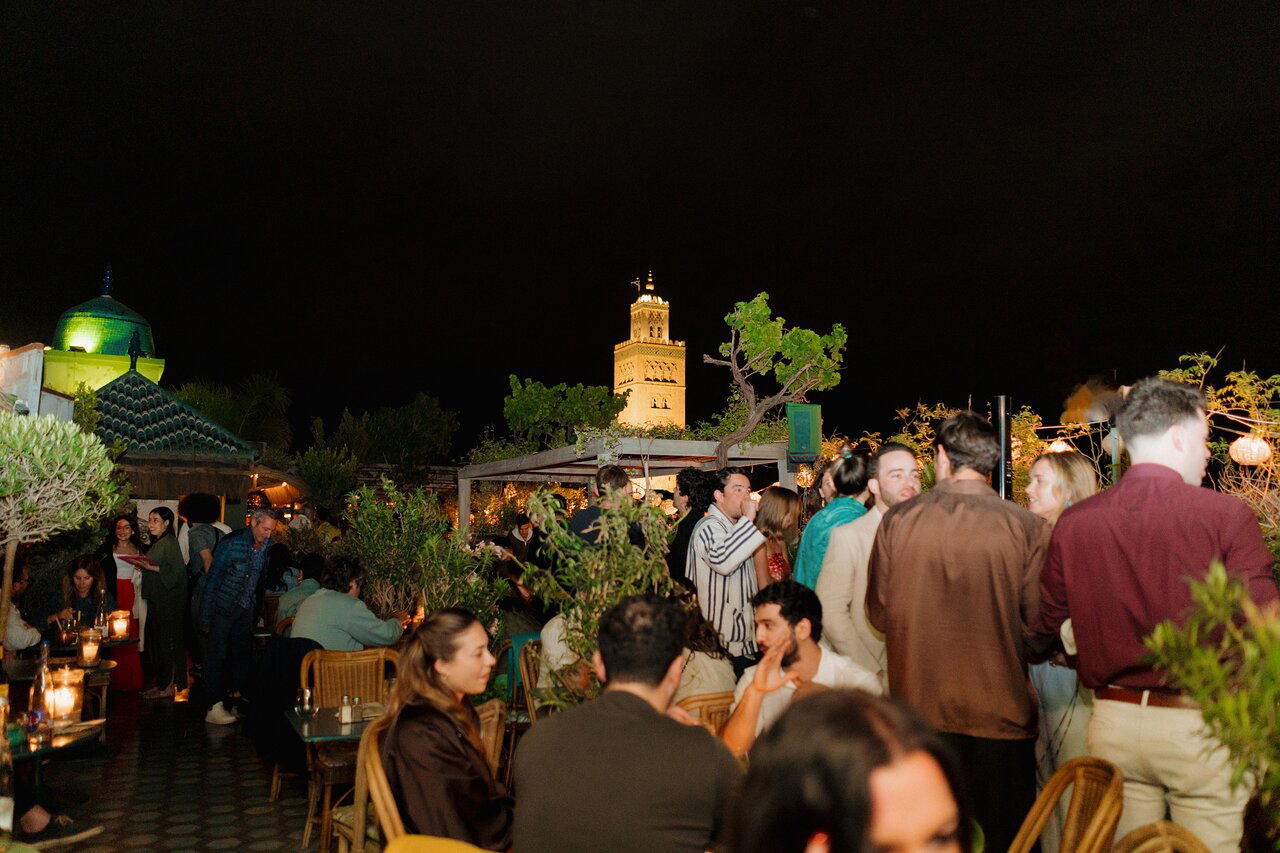
A jungle-inflected rooftop in the Medina with the Koutoubia filling the skyline and a cocktail list that starts easy and finishes loud. Day beds and rattan by day, DJ sets and craft drinks after dark.
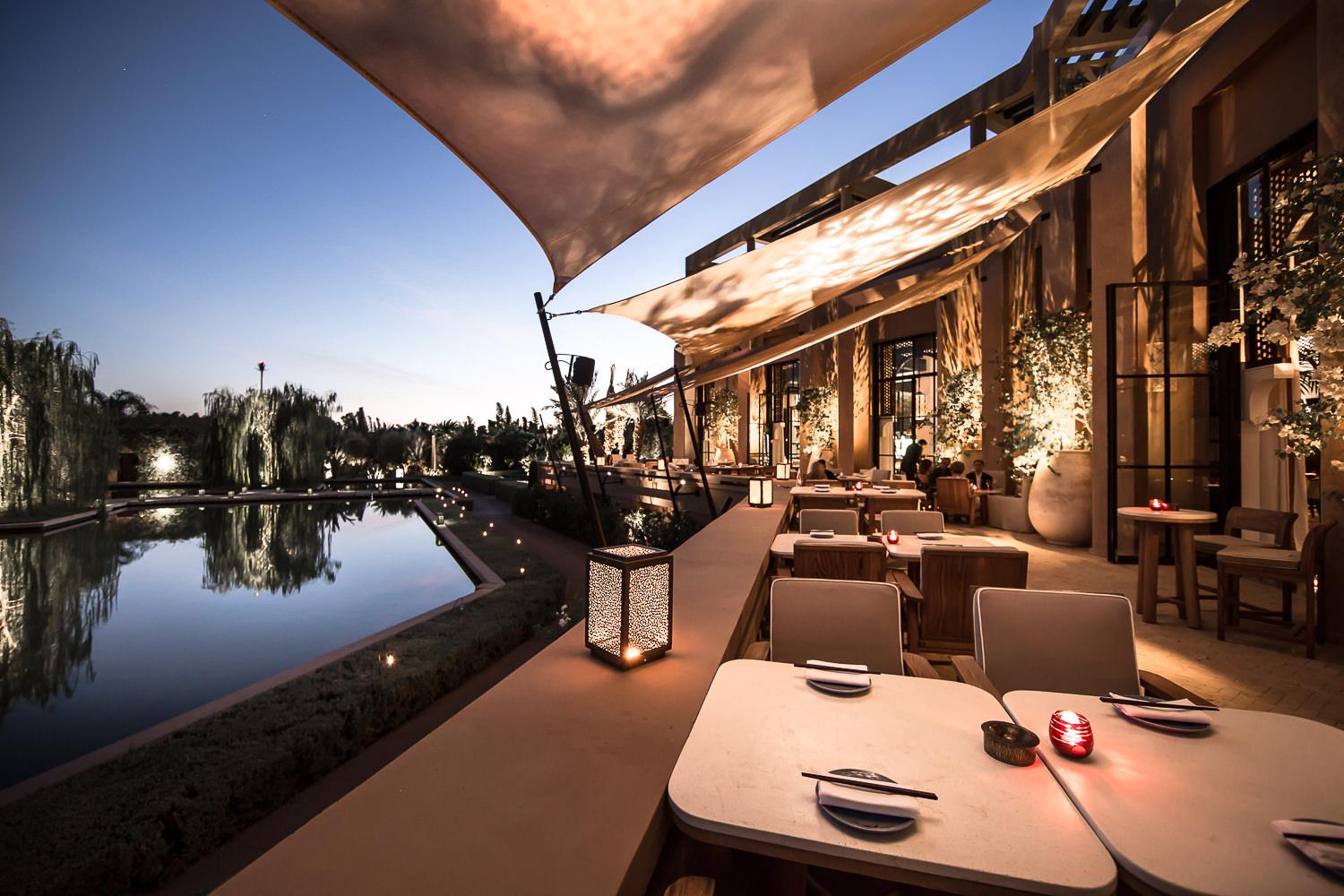
The Hakkasan Group's izakaya-inspired restaurant at Mandarin Oriental, where modern Cantonese sharing plates, Peking duck, and dim sum are served on a terrace overlooking olive groves and the Atlas Mountains. Resident DJs, inventive cocktails, and a Saturday Yum Cha brunch make this one of the most complete dining-and-nightlife experiences in the city.